Bảng Tóm Tắt Toàn Bộ Ngữ Pháp Tiếng Anh Tiểu Học 2025-2026
Bảng Tóm Tắt Toàn Bộ Ngữ Pháp Tiếng Anh Tiểu Học 2025-2026. Tài liệu sưu tầm gồm 62 trang. Mời các bạn tham khảo
Chủ đề: Tài liệu chung Tiếng Anh 5 48 tài liệu
Môn: Tiếng Anh 5 165 tài liệu
Tác giả:








Preview text:
NOUN: PHÂN BIỆT DANH TỪ ĐẾM ĐƯỢC, KHÔNG ĐẾM ĐƯỢC, A/AN ĐỨNG TRƯỚC
DANH TỪ KHÔNG ĐẾM ĐƯỢC, CÁCH BIẾN ĐỔI DANH TỪ SỐ ÍT SANG SỐ NHIỀU,
LUYỆN TẬP: CHUYỂN DANH TỪ SỐ ÍT SANG DANH TỪ SỐ NHIỀU NOUN – DANH TỪ
Danh từ đếm được và không đếm được
Danh từ đếm được (Countable nouns): có thể đếm trực tiếp người hay vật ấy.
boy (cậu bé), apple (quả táo), book (quyển sách), tree (cây)…
Danh từ không đếm được (Uncountable nouns): Là không đếm trực tiếp người hay vật ấy. Muốn đếm, phải
thông qua một đơn vị đo lường thích hợp. meat (thịt), ink (mực), chalk (phấn), water (nước)…
DANH TỪ ĐẾM ĐƯỢC: gồm Danh từ số ít(số ít tức là =1) và Danh từ số nhiều (từ 2 trở lên)
Danh từ số ít phải có A HOẶC AN đứng trước danh từ đó, (số ít tức là =1)
A đứng trước những danh từ có 1 trong những chữ cái sau đứng đầu: b, c, d, f, g, h, j, k, l, m, n, p, q, r, s, t, v, w, x, y, z
An đứng trước những danh từ có 1 trong những chữ cái sau đứng đầu (a, e, i, o, u)
DANH TỪ ĐẾM ĐƯỢC SỐ ÍT
DANH TỪ KHÔNG ĐẾM ĐƯỢC DANH TỪ CÓ NGUYÊN DANH TỪ CÓ PHỤ
A HOẶC AN KHÔNG ĐƯỢC ĐỨNG TRƯỚC
ÂM ĐỨNG ĐẦU (U E O ÂM ĐỨNG ĐẦU
DANH TỪ KHÔNG ĐẾM ĐƯỢC A I) AN APPLE A CAT MILK AN ORANGE A TABLE WATER AN ICE CREAM A BOY RICE AN EGG A CHILD HAIR AN UMBRELLA A MOTHER AIR pineapples, pears potato chips Bread lettuce, milk strawberries vegetables pounds cheeserice, beef oil grapes tomatoes garlic meat, salt, apples mushrooms ice-cream sugar pork oranges, noodles sweets food water chicken(meat) carrots, eggs cakes butter soup tea, bananas onions, snacks coffee money
CÁCH CHUYỂN DANH TỪ SỐ ÍT SANG SỐ NHIỀU
1. Hầu hết các danh từ chuyển sang số nhiều thường thêm “s” ở cuối boy => boys, hat => hats
2. Danh từ tận cùng bằng “o, s, ss, sh, ch, x, z, zz” + es để tạo danh từ số nhiều
(thuộc câu: ông Sáu sung sướng chạy xe SH) tomato=> tomatoes Bus => buses (xe buýt)
Brush => brushes (bàn chải) Kiss => kisses (nụ hôn) Box => boxes (hộp)
Church => churches (nhà thờ)
3. Các danh từ kết thúc bằng “y”
+ “phụ âm + y”: y -> i + es
lady => ladies, story => stories…
+ “nguyên âm + y”: y -> y + s :
boy => boys, monkey => monkeys
4. Các danh từ kết thúc bằng “f” hoặc “fe”: “-f, -fe” → “-ves”
Ex: wife => wives, calf => calves.
Chú ý: “-oof” -> “-oofs”
Ex: roof => roofs, proof => proofs
❖ Số nhiều bất quy tắc (học thuộc lòng phần này) -
Một số trường hợp đặc biệt:
Một số danh từ thay đổi khi ở số nhiều
A foot=> feet (bàn chân);
a goose=> geese ( con ngỗng);
a man=> men (đàn ông),
A louse=> lice (con rận), Trang 1
A woman=> women (phụ nữ)
a mouse=> mice (con chuột), a child=> children
a tooth=> teeth (răng),
an ox (bò đực) => oxen
a person => people (người)
Một số trường hợp số ít và số nhiều giống nhau (Số ít có “a hoặc an” đứng trước, số nhiều không có S/ES đứng sau:
aircraft (máy bay), craft ( thuyền), sheep (con cừu) duck (vịt), deer (con nai), fish (cá) partridge (gà gô), pheasant (gà lôi)
Một số từ luôn luôn là số nhiều: Clothes (quần áo), police (cảnh sát).
- Những áo quần có hai phần: pants (quần dài), pyjamas (quần áo ngủ), trousers (quần)
- Các dụng cụ gồm hai phần: scissors (cái kéo), glasses (kính), scales (cân), shears (kéo cắt cây)
Một số từ khác nhau như: An arm (cánh tay) => arms (vũ trang), good (tốt) => goods / wares (của cải). Green (màu xanh) =>
greens (rau củ quả). Spirit (tinh thần) => spirits (rượu mạnh), Rich (giàu có) => riches (của cải),
PHÂN LOẠI DANH TỪ: CHỈ NGƯỜI, CHỈ VẬT, NƠI CHỐN, HIỆN TƯỢNG
Cross out the noun from the bottom of this page and write them in correct Noun Column in the above boxes grandfather pen juice country man city plant table bookshelf woman office doctor playground cat school sheep mouce deer children bookshop house notebook fish girl elephant chicken teacher son Animals People Places Things (Động vật) Người (nơi chốn)
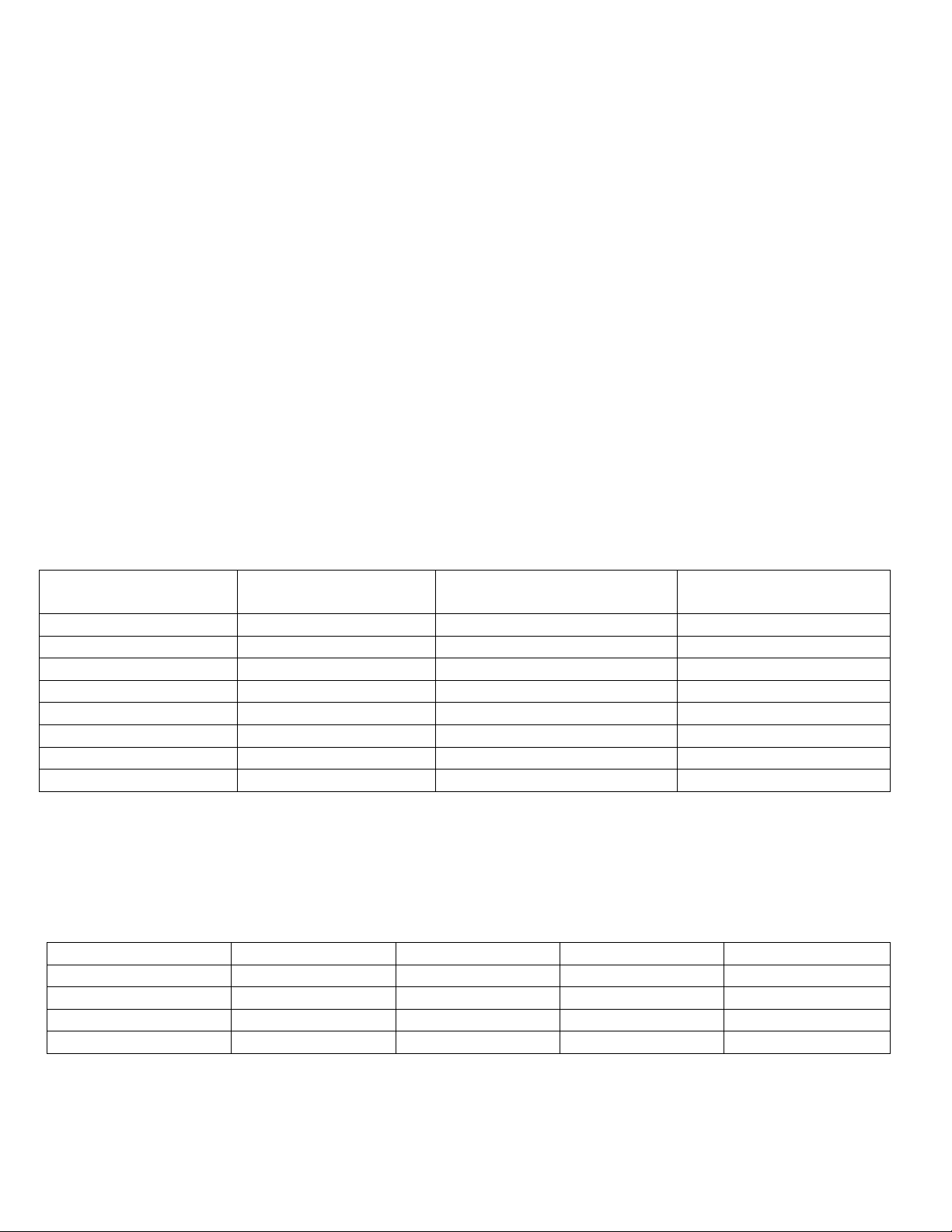
Completet the table: (những danh từ nào chuyển sang số nhiều phải thêm “s” viết vào cột (1), thêm “es”
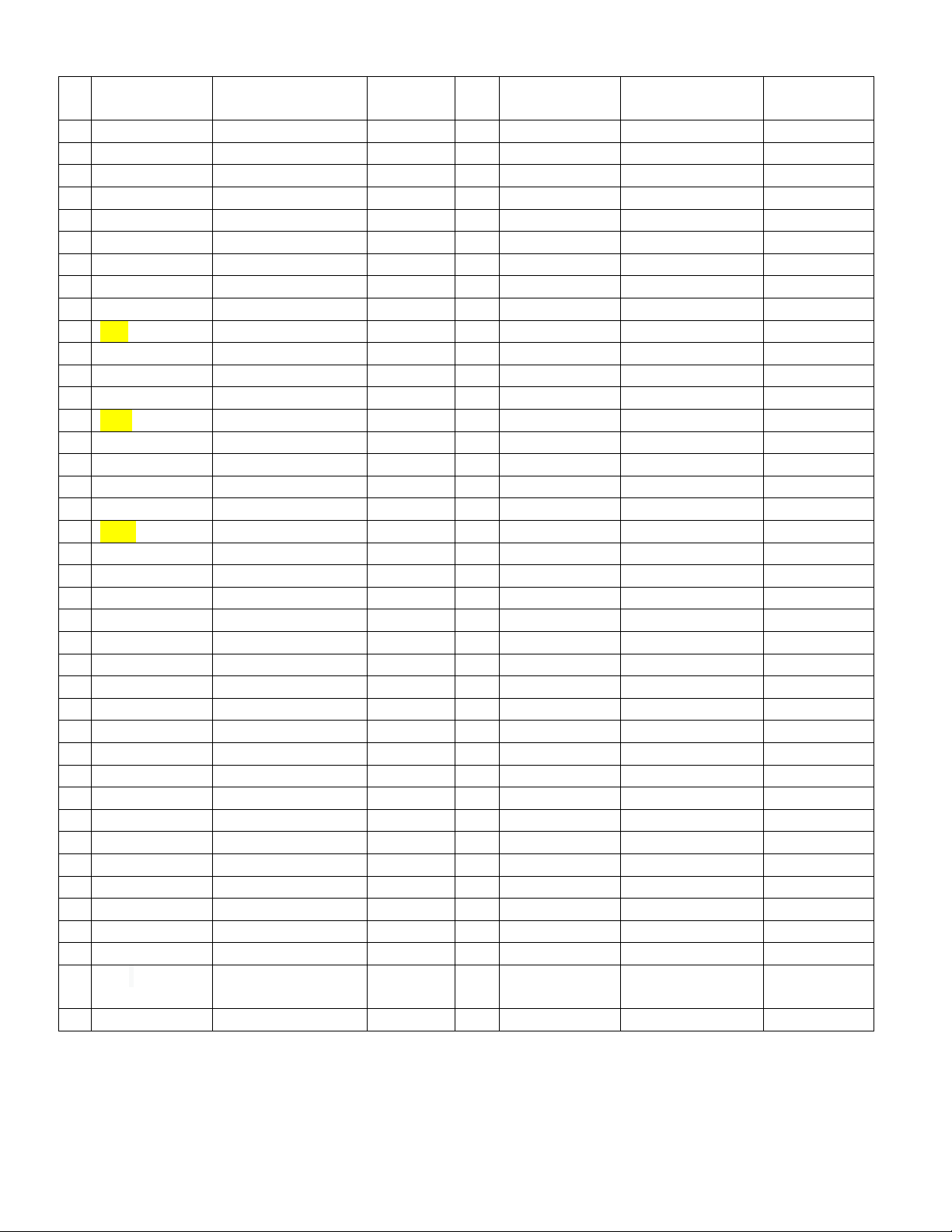
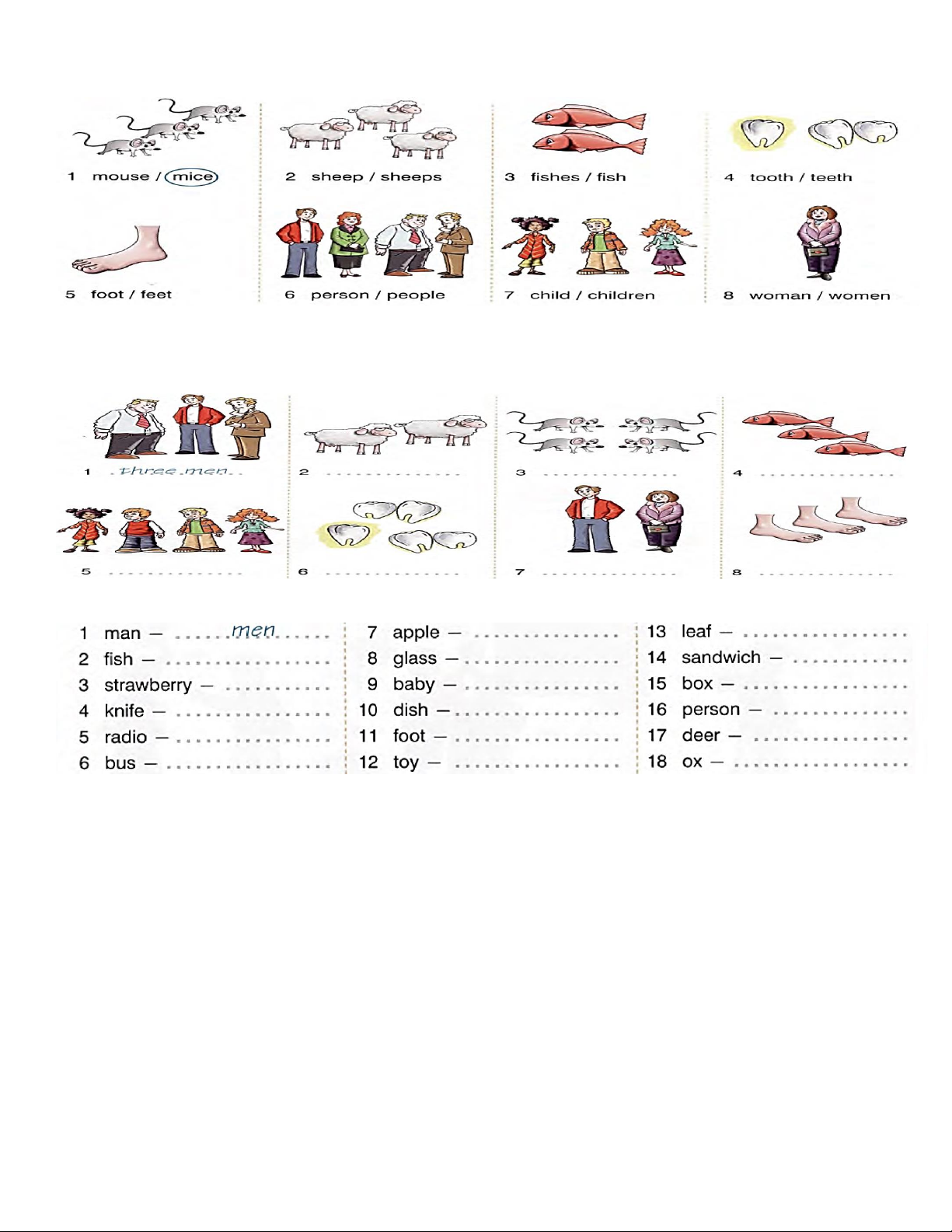
viết vào cột (2)…… bag boy tomato elephant knife leaf owl box cherry baby man butterfly mouse wolf glass foot watch child strawberry scarf -s (1) -es (2) -ies (3) -ves (4) Other (5) Trang 2 T Danhtừ Số nhiều Nghĩa TT Danhtừ Số nhiều Nghĩa T 1. Grandmother Bà 41. Heel Gót chân 2. grandfather Ông 42. Backs Lưng 3. father Bố 43. P erson 1 Người 4. mother Mẹ 44. Chest Ngực 5. sister Chị gái 45. e lbow/elbou/ Khủy tay 6. brother Anh trai 46. s ong Bài hát 7. Son Con trai 47. music Nhạc 8. daughter Con gái 48. homework Bài tập 9. child Đứa trẻ 49. key Chìa khóa 10. boy Cậu bé 50. bird Con chim 11. Girl Cô gái 51. boat Thuyền 12. man Đàn ông 52. book Sách 13. woman Đàn bà 53. car Ô tô 14. lady Quý bà 54. c oat Áo khoác 15. aunt Dì, cô 55. day Ngày 16. uncle Bác, chú 56. leaf Cái lá 17. cousin Em họ 57. fi sh Con cá 18. niece Cháu gái 58. fox Con cáo 19. baby Em bé 59. goose Con ngỗng 20. milk Sữa 60. puppy Chó nhỏ 21. tea Trà 61. pet Thú cưng 22. butter Bơ 62. nest Tổ chim 23. pie Bánh 63. s heep Cừu 24. Nose Mũi 64. mouce Chuột 25. Eye Mắt 65. deer Con nai 26. Mouth Mồm 66. calf Con bê 27. tongue Lưỡi 67. radio đài 28. Tooth Răng 68. piano /piˈænəʊ Đàn piano 29. Ear Tai 69. P hoto Bức ảnh 30. Head Đầu 70. video video 31. Hair tóc 71. t oy Đồ chơi 32. Cheek má 72. party Bữa tiệc 33. Forehead trán 73. s hip Tàu biển 34. Neck Cổ 74. pond Cái ao 35. Arm Tay 75. l ake Hồ 36. Leg Chân 76. road /rəʊd/ Đường 37. Shoulder Vai 77. s chool Trường 38. Hand Bàn tay 78. house Nhà 39. Toe tou/ Ngón 79. s tar Ngôi sao chân 40. Foot Bàn chân 80 city Thành phố Trang 3 Circle the correct answer Count and write foot person sheep child mouse fish man tooth
Write the plurals (chuyển từ số ít sang số nhiều) Trang 4
ĐẠI TỪ NHÂN XƯNG Personal Pronouns SỐ ÍT SỐ NHIỀU NGÔI THỨ I: TÔI
WE: CHÚNG TÔI (=I VÀ NHỮNG NGƯỜI 1 KHÁC) NGÔI THỨ
YOU: BẠN – 1 NGƯỜI
YOU: CÁC BẠN (= YOU VÀ NHỮNG NGƯỜI 2 KHÁC) NGÔI THỨ
HE: NAM GIỚI – 1 NGƯỜI
THEY: HỌ/ CHÚNG NÓ,… 3 SHE: NỮ - 1 NGƯỜI
(= HAI NGƯỜI HOẶC HAI VẬT, CON VẬT, HAI
IT: NÓ (VẬT, CON VẬT,…)
THỨ GÌ ĐÓ TRỞ NÊN)
Personal Pronouns Write he, she, it, we, you or they Sophie = A car =
plants (cây cối/ thực vật) = Georio = pencils =
witch (mụ phù thủy) = you and Lisa = you and Nick = fox = Mum= Mia and I bush (bụi cây) = Mark and I = A book = table = Lily and Tom = A Dad = trash (rác) = dogs =they A desk = branch (cành cây) = Mum and Dad = children = bananas =
ĐẠI TỪ NHÂN XƯNG: Personal Pronouns: I, WE, HE, SHE, THEY, IT, YOU . I: TÔI
WE: CHÚNG TÔI (I and ……)
YOU: BẠN (NGƯỜI TRỰC TIẾP NÓI CHUYỆN VỚI MÌNH)
YOU: (CÁC BẠN) (SỐ NHIỀU) (YOU and ……….)
HE: (TÊN RIÊNG CỦA 1 NGƯỜI, 1 NAM GIỚI như a father, a grandfather, a boy, a man….)
SHE: (TÊN RIÊNG CỦA 1 NGƯỜI, 1 NỮ GIỚI như a mother, a grandmother, a girl, a woman….)
THEY: (TỪ 2 TRỞ NÊN)(SHE and…..) HOẶC (HE and…..); HOẶC LÀ (HE and SHE …..)
Học thuộc: SỐ ÍT: HE, SHE, IT SỐ NHIỀU: YOU, WE, THEY
(=2 HOẶC 2 NGƯỜI TRỞ NÊN)
Tính từ sở hữu: là từ đứng trước danh từ và sở hữu danh từ đó
I (tôi) => my mother (my: của tôi) we (chúng tôi) => our mother (của chúng tôi)
You (bạn) => your mother (your: của bạn)
He (anh ấy) => his mother (his: của anh ấy) She (cô ấy, chị ấy..)=> her mother (her: của chị ấy)
They (họ) => their mother (their: của họ)
A cat (con mèo) = it cat’s (= its) mother its: của nó
Tân ngữ (đại từ làm tân ngữ): là từ đứng sau động từ I => me we => us She => her He => him You => you It => it They => them
I meet my friend. (my friend: he => him; không được viết là: I meet he; phài viết: I meet him)
(I: đại từ nhân xưng, là chủ ngữ trong câu; meet: động từ, là từ chỉ hoạt động
my friend: là tân ngữ, vì đứng sau động từ, nếu là con trai => là HIM; nếu là con gái=> HER
My mother likes him
My mother: chủ ngữ, đứng đầu câu
Likes: động từ, là từ chỉ hoạt động
Him (cô ấy) là tân ngữ, vì đứng sau động từ ĐẠI TỪ Nhân Xưng TÍNH TỪ SỞ HỮU TÂN NGỮ
(đứng đầu câu là chủ ngữ)
(đứng trước danh từ, Không đứng 1 mình)
(đứng sau động từ) I (tôi)
MY (của tôi) (HOUSE) ME WE(chúng tôi) = I +…
OUR (của chúng tôi) (HOUSE) US YOU(bạn) = (YOU+….
YOUR (của bạn) (HOUSE) YOU HE (anh ấy)
HIS (của anh ấy) (HOUSE) HIM SHE (cô ấy)
HER (của cô ấy) (HOUSE) HER
IT (vật, con vật, số ít)
ITS (của nó) (HOUSE) IT Trang 5 THEY(từ 2 trở nên)
THEIR (của họ) (HOUSE) THEM
Fill in the blanks using he, she, it, we, you or they
1. You, your brother and your mum =………
11. Mai, Minh and I =………………
2. Your brother and your mum = ………
12. Tom and I are friends = ………… are ten
3. I, my friend and John = ………………
13. Look at Layla = ………….. is happy.
4. my friend and John = ………………
14. The boys are happy = ………… are happy
5. She, her parents and her sister = ………
15. Look at the horse = …………is white,
6. People = ………………
16. ……………………… are police officers.
7. Michel and his friends =………………
17. You and Mike are students.……… are at school.
8. Students = ………………
18. Amy is nine = ……………… is a student.
9. Dogs and three cats = ………………
19. ……………… is a pen.
10.Hoa, Binh and you =………………
20. Books and my bag =…………… are on the table
Fill in the blanks using MY, YOUR, HIS, HER, OUR, THEIR: 1. A: Is this John’s tie? B: Yes, it is ……… tie 2. I have an umbrella.
………… umbrella is grey.
3. There is a car near your house. Is it ………car ?
4. Ayşe’s shirt isn’t green. . …… shirt is blue. 5. Hung has two balls. …………balls are big
6. They don’t like sandwiches. These sandwiches are not …………….. .
7. I haven’t got brown gloves.
..…………. gloves are black 8. A: Is their house old?
B: No, …… house is very old. 9. Can I take your pen? …… pen is at home. 10. I like their school. ……… school is nice
TÂN NGỮ (ĐỨNG SAU ĐỘNG TỪ) I YOU WE THEY HE SHE IT
LÀ CHỦ NGỮ - ĐỨNG ĐẦU CÂU MY YOUR OUR THEIR HIS HER ITS TÍNH TỪ SH + NOUN ME YOU US THEM HIM HER IT
ĐỨNG SAU VERB (ĐỘNG TỪ)
1. I'm behind the tree. You can't see____________.
2. Jill= _________ has got some sweets (KẸO). Ask ____________to give you one.
3. My dad's waiting for me. Tell___ __I'm going to be late.
4. There's a mouse=_________. I'm going to catch__ _____.
5. "Have you got any lemons?' "No, I'm sorry. ………are all gone."
6. "What is your dog’s name?" “______IS Garry."
7. It’s my book=_________. Please give it to ____________
8. They’ re my shoes. Please give them to ____________.
9. It’ s his pen. Please give it to ____________.
10. They’ re her keys. Please give them to ____________.
11. That’ s our pictrue. Please give it to ____________.
12. Those are their hats. Please give them to __ ____ .
13. It’ s Susan’ s book. Please give it to __ __ .
14. They’ re Tom’ s glasses. Please give them to _ .
15. This is Mary and Ann’ s puppy. Please give it to _____________
16. Do you know Tony and Tom = _________? - Yes, ____________do. I live near ____________.
17. Is that your house? - No, ____________ isn’t. It’s over there.
18. Is David in your class? - Yes, _________________ is. I like _______________ very much.
19. Yoko is a Japanese student. ________lives near my house. I often meet _____ . (Yoko is a girl.)
20. My sister and ____________live together. Our parents often phone ____________.
21. Do you love _____________, Mom? - Of course, baby. I love ____________very much. Trang 6
22. I like dogs. ____________are intelligent and friendly.
23. This is my friend, Susan. ____________go to the same school. ĐỘNG TỪ TO BE Số ít Số nhiều Ngôi thứ 1 I am
We are Sau động từ to be có thể là Danh từ (tân ngữ), để giới thiệu con Ngôi thứ 2
You are You are người, sự vật… Ngôi thứ 3 He, She, It is
They are Nếu sau động từ To be là tính từ để miêu tả, đánh giá về chủ ngữ
Từ viết tắt: S: chủ ngữ; V: động từ; O: tân ngữ (danh từ hoặc đại từ tân ngữ đứng sau động từ) Câu khẳng định
Câu phủ định (nói không…) Câu hỏi Write the Verb to be I am We are I am not We are not Am I? 1. I ______________ You are You are You are not You are not Are you? 2. you ______________ He is They are He is not They are not Are we? 3. We ______________ She is She is not Are they? 4. They______________ It is It is not Is he? 5. He ______________ Is she? 6. She ______________ Is it? 7. It ______________ Chủ ngữ là số ít + IS Khi nói “KHÔNG” phải
Trong câu hỏi nhớ đảo “BE” lên trước chủ ngữ, và
Chủ ngữ là số nhiều + ARE thêm NOT sau động từ “TO câu hỏi phải có dấu “?” ở cuối câu. Nhưng: I + AM BE” (sau am, is, are)
You số ít hay nhiều vẫn luôn là YOU + ARE I.
Write in the correct Verb
1. Cindy……… ….. my best friend. 6. It … …….an apple.
2. Peter and Kate … …..classmates.
7. Felicia and I …………..sisters.
3. Johnny …… …….my brother. 8. I ……..….her teacher. 4. You … …a good student. 9. It ……… a book bag.
5. They …… …in the classroom.
10. You…………….... a doctor.
1. Is he a teacher’ No, he is not.
2. Is it an elephant? YES, …………
3. Is it a pencil? YES, …………
4. Are they twins? YES, …………
5. Is he in the park? NO, …………
6. Is he a painter’? YES, …………
7. Is Ricky in the living room’……………
8. Is mom in the kitchen? YES, …………
9. Is your dad a postman’ NO, …………
10. Are the books on desk’ YES, …………
11. Are you Mrs. Perkins? NO, …………
12. Is the broom behind the door’.NO, II.
Re-arrange the sentence: SẮP XẾP LẠI CÁC CÂU SAU
Chủ ngữ đặt đứng đầu câu, sau đến động từ tobe (AM/IS/ARE), đến NOT (nếu có), và tân ngữ
1. I / not / a teacher. / am...... …................... ….............
2. She /my mother. / is...... …................... ….............
3. The boys / playful. /are ...... …................... …..........
4. The girl / in the room. / is …................... …..........
5. We / not / are / at home. …................... …..........
6. My mother / a housewife. / is …................... ….....
7. She / not /my sister. /is …................... ….......... Trang 7
8. The teacher / angry. / is …................... …..........
9. The dog / in the kennel. /is…................... …..........
10. My dad / smart. / is…................... ….......... III.
Write the to be: (đặt câu hỏi, nhớ là “to be” (AM/IS/ARE) phải đứng trước chủ ngữ)
1. ........................you a student?
15. ...... ….............they penguins? 29.
... ............ .......... dog small?
2. ............... you from the USA?
16. ............ .............you dancers?
30. ... ……............ you Spanish?
3. Where .................. you from?
17. ............. ............they brown?
31. .. ………........... Linda pretty?
4. ........................... you twelve?
18. .... ...............They ugly cats?
32. .. ........... your mother a teacher?
5. How old ........................ you?
19. .... ...............We strong girls?
33. .. …………............ we friends?
6. ........your friend from Rome?
20. .............Steven from England?
34. ... ………..........Justin famous?
7. Where …....your friend from?
21. ........................You a nurse?
35. ... ……......... Spain in Europe?
8. ..........................she a dancer?
22. .......... He a basketball player?
36. .... .........that flower very pretty?
9. ....................they from Japan?
23. .... .... .................. They bottles?
37. ... ........... Mike a very nice boy?
10. ......................he a bus driver? 24. ... ...... ...... .......... it a fish?
38. ... …….......... they always late?
11. ...................................it a pet? 25. ... ............ The black cat small?
39. . ……........... Linda very tall?
12. ..............................they dirty?
26. ... .............. This boy lazy?
40. .... ……….... my dog small?
13. ................................that Kim? 27. .. ....................... Jake tall?
41. .... ………..... he a teacher?
14. ........................... you a pilot?
28. ... ............ .... they happy?
The verb to be: am, is, are (điền am, is, are)
1. My cat............................ black and white.
16. A horse............................an animal.
2. He............................ inside the house.
17. The bike ............................ from my father.
3. Mum and Dad_............................away.
18. The poster ............................from John.
4. Grandma ............................ here.
19. The plane ............................ late.
5. Grass ............................green.
20. The people ............................noisy.
6. The sun............................ yellow.
21. Nobody............................here.
7. the sea ............................blue?
22. John, MiKe and Bo............................sick.
8. New York ............................ a city in the USA
23. An egg............................ white and yellow.
9- Canada............................ north of the USA
24. Rome............................ the capital city of Italy.
10.I............................ hungry.
25- Beans............................green.
11. Sylvia......................Bob’s sister.
26. They........................... healthy.
12. The queen ............................fat.
27. Pancakes ............................ good
13. The king ............................strong.
28. You............................ brave
14. They............................ mad.
29. It............................a super job'
15. Coffee............................ hot.
30. Ice-cream ............................_cold. HỌC THUỘC TỪ 1. he ad hɛd đầu 18. c hest ʧɛst ngực 2. Fa ce feɪs khuôn mặt 19. ba ck bæk lưng 3. forehead ˈfɒrɪd trán 20. wa ist weɪst eo 4. e ye aɪ mắt 21. a rm ɑːm tay 5. e yebrow ˈaɪbraʊ lông mày 22. upper arm ˈʌpər ɑːm cánh tay trên 6. e yelash ˈaɪlæʃ lông mi 23. el bow ˈɛlbəʊ khuỷu tay 7. ear ɪə tai 24. ha nd hænd bàn tay 8. m outh maʊθ miệng 25. fi nger ˈfɪŋgə ngón tay 9. nose nəʊz mũi 26. bel ly ˈbɛli bụng 10. lip lɪp môi 27. buttocks ˈbʌtəks mông 11. t ongue tʌŋ lưỡi 28. hi p hɪp hông 12. chi n ʧɪn cằm 29. thi gh θaɪ đùi 13. c heek ʧiːk má 30. knee niː đầu gối 14. t ooth (teeth) tuːθ (tiːθ) răng 31. leg lɛg chân 15. ne ck nɛk cổ 32. he el hiːl gót Trang 8 16. s houlder ˈʃəʊldə vai 33. foot /feet fʊt (fiːt) bàn chân 17. 34. toe təʊ ngón chân Trang 9
Choose the correct possessive pronoun and write its number in the brackets. 1.
My sister gave me her old mobile phone. So now, it’s _____. Mine hers his theirs 2.
All of you, congratulations on your work! Especially you, John. _____ is the best. Theirs Yours Hers Mine 3.
Lucy lost her pen yesterday. Is this one _____? Mine his hers theirs 4.
Does that red car belong to your family? No, _____is blue. Hers yours ours theirs 5.
I took the wrong book. I thought it was _____. Hers mine yours his 6.
Our flat has three bedrooms. Sally and John’s flat has only two. _____ is smaller. Hers His Mine Theirs 7.
Bill and I got good marks in the test. _____ were better. Hers Their His Yours 8.
My sister and I go to the same school. This is my classroom and that is _____. His mine theirs hers 9.
That bag is not _____. Give it back. It belongs to me! Yours ours his mine 10.
Gary’s bag is red. This blue one can’t be _____. Hers mine ours his Filling the blanks
1. Jim and Jeff are my brothers …… older than I am.
2. What’s your mother doing? ……… is working 3. How is your grandma? ……… is 80 . 4. How old is your granddad? ……… is eighty old. 5. What’s it?
……… is inkpot (LỌ MỰC).
6. Where is Nam from? …… is from Hai Phong. 7. Who is he? ……… is my friend.
8. Three (lady) ……… are in pink (dress) ……… 9. They take their (baby)
……… for a walk in the zoo.
10. They see four (giraffe) ………, three (lion) ………, two (rabbit) ……… and ……… elephant.
11. They walk for so long that their (foot) ………become sore.
12. The (monkey) ……… are playing with cardboard (box) …… and throwing (stick) ………. at each other.
13. After a while, the (lady) ……… look at their (watch) ……… and decide it is time to go home. 14. The bank is over there,
……… is next to the post office. 15. My name is Julia and ……… am six years old.
16. When the children finished their homework, ……… watched TV.
17. “Well done children,” the teacher said. “ ……… have all worked very hard.” 18. In my family, ……… have dark hair.
19. My brother is very lazy and
………never helps out around the house.
20. Lindsay is my best friend.
……… sit next to each other in class, 21. My mother is a doctor.
……… works in a hospital.
22. When my dog is hungry, ……… likes to eat biscuits. 23. That girl is my friend.
……… know her for years. 24. We like our teacher.
………gives us good marks. 25. Jone is my classmate,
……… is in the classroom. Trang 10 TỪ MỚI nod your head nɒd jɔː hɛd Gật đầu Shake your head ʃeɪk jɔː hɛd Lắc đầu Turn your head tɜːn jɔː hɛd
Quay đầu, ngoảnh mặt đi hướng khác Roll your eyes rəʊl jɔːr aɪz Đảo mắt Blink your eyes blɪŋk jɔːr aɪz Nháy mắt Blow my nose bləʊ nəʊz Hỉ mũi Stick out your tongue stɪk aʊt jɔː tʌŋ Lè lưỡi Clear your throat klɪə jɔː θrəʊt
Hắng giọng, e hèm (trước khi nói) Shrug your shoulders ʃrʌg jɔː ˈʃəʊldəz Nhướn vai Cross your legs krɒs jɔː lɛgz
Khoanh chân, bắt chéo chân (khi ngồi.) Cross your arms krɒs jɔːr ɑːmz Khoanh tay
bắt chéo 2 ngón trỏ và ngón giữa
Keep your fingers crossed kiːp jɔː ˈfɪŋgəz krɒst
(biểu tượng may mắn, cầu may.) Give the thumbs up gɪv ðə θʌmz ʌp giơ ngón cái lên (khen) Give the thumbs down gɪv ðə θʌmz daʊn
giơ ngón cái xuống (chê) Brush your teeth brʌʃ jɔː tiːθ đánh răng Comb your hair kəʊm jɔːr heə chải đầu Wash your face wɒʃ jɔː feɪs rửa mặt Clear your throat klɪə jɔː θrəʊt Hắng giọng, tằng hắng Trang 1
PHẦN 3: ĐẠI TỪ CHỈ ĐỊNH - THIS – THESE; THAT – THOSE. ĐÂY LÀ:
THIS IS (THIS’S) + DANH TỪ SỐ ÍT HOẶC DANH TỪ KHÔNG ĐẾM ĐƯỢC THESE ARE + DANH TỪ SỐ NHIỀU KIA LÀ:
THAT IS + DANH TỪ SỐ ÍT HOẶC DANH TỪ KHÔNG ĐẾM ĐƯỢC
THOSE ARE + DANH TỪ SỐ NHIỀU (This / These) is my bedroom. (That / Those) is my computer.
(That / Those) are my computer games.
(This / These) game is fantastic!
ĐẶT CÂU HỎI: WHAT IS THIS? (đây là gì?)
WHAT IS THAT? (Kia là gì)
IT IS + DANH TỪ SỐ ÍT
=> IT IS + DANH TỪ SỐ ÍT
WHAT ARE THESE? (đây là những gì?)
WHAT ARE THOSE? (Kia là những gì)
THEY ARE + DANH TỪ SỐ NHIỀU
=> THEY ARE + DANH TỪ SỐ NHIỀU THERE IS THERE ARE
THERE IS + danh từ số ít/ không đếm được
THERE ARE + danh từ số nhiều Câu khẳng định THERE IS THERE ARE Câu phủ định THERE IS NOT = THERE ISN’T
THERE ARE NOT = THERE AREN’T Câu hỏi IS THERE……? ARE THERE……?
There is a cat => Is there a cat?
There are flowers in the vase => Are there flowers in the vase ?
Find and correct the mistakes below.
1. Are Is there a garden in your yard?
2. There is are some pens on the desks.
3. How many sisters do you have?
4. Are Is there a car in the garage?
5. I have some friends in Australia.
6. There aren’t any apples in the basket.
7. Is there any dishes on the table?
8. Do Is there a restaurant in the hotel?
9. There is are some people waiting outside to see you.
10. Is Are there always so many people at the zoo?
11. There is a bear at the zoo, but there aren’t any elephants. 12. Are Is there a phone that I can use?
13. Is Are there schools near your home?
14. How many countries is are there in South Asia?
15. I have brown hair and green eyes.
Complete with « there is » or « there are »
1)… ………….…. a bank opposite the garage
2) ……………. three bedrooms in my house
3)… …………. ….no shops in this street
4)… ……………. … a very good hospital in Hanoi
5) … ………….…. two dogs in the garden
6) ……………. … a camera under your bag?
7) …………. ……. any eggs in the fridge ?
8)… ……………. …… a garage in Garden Street ?
9)……………. …. any films on TV tonight ?
10)… ……………. … a baker in this street ?
11)How many girls ……..in your class ?
12)What … ……………. opposite your house ?
THÌ HIỆN TẠI ĐƠN (SIMPLE PRESENT)
Khi nào mình dùng thì hiện tại đơn?
1. Hành động lặp lại, luôn luôn đúng theo thói quen, phong tục và khả năng:
- I work in Hanoi. (tôi làm việc ở Hà nội)
– He watches TV every night.
– What do you do every day? (bạn làm gì hàng ngày)
– I go to school by bicycle.
2. Diễn tả một chân lý, một sự thật hiển nhiên.
– The sun rises in the East. (mặt trời mọc hướng tây) – Jake comes from England. – I am a student. - Hoang Anh is a student hoặc I’m Quang Anh
3. Diễn tả một lịch trình có sẵn, thời khóa biểu, chương trình
The plane leaves for Danang at 12.30pm. (Máy bay đi Đà Nẵng vào lúc 12.30pm)
The train for Hanoi leaves at 7.30 tonight. (tàu đi Hanoi rời đi lúc 7.30) Xem các ví dụ sau: I go to school by bicycle
I get up at 7 am everyday I am nine years old I have two sisters He has two sisters I don’t like English
Khi trong câu có một trong những từ sau đây, thì nhớ là luôn chia ở thì Hiện tại đơn Every morning Every noon Every afternoon Every evening Trang 2
Every night: Mỗi sáng/trưa/chiều/tối/đêm Every day Every week
Every month: Mỗi ngày/tuần/tháng
- Often, usually, Always, Sometimes, occasionally, seldom, rarely, never
Động từ thường: không phải là động từ to be / là các động từ chỉ hoạt động
Ví dụ như các động từ sau: Drink eat learn run play work…….. SỐ ÍT
SỐ NHIỀU TO DO (V-thường) (câu khẳng định) (+) + NGÔI 1 I I play football on Saturdays WE We play football on Saturdays NGÔI 2 YOU YOU
You play football on Saturdays NGÔI 3 HE
He plays football on Saturdays Ngôi thứ 3 số ít phải SHE
She plays football on Saturdays thêm “s” hoặc “es” IT sau động từ THEY
They play football on Saturdays
Đức Khang plays football on Saturdays
Minh Chau plays football on Saturdays Play: chơi
Learn english: học tiếng anh
TRỢ ĐỘNG TỪ: DO NOT = DON’T DOES NOT = DOESN’T
SỐ ÍT SỐ NHIỀU TO DO (V-thường) (câu phủ định) (NOT) (-) NGÔI 1 I
I do not (don’t) play football on Saturdays Ngôi 1, 2 WE
We do not (don’t) play football on Saturdays Thêm “do not” NGÔI 2 YOU YOU
You do not (don’t) play football on Saturdays NGÔI 3 HE
He does not (doesn’t) play football on Saturdays Ngôi 3 số ít SHE
She does not (doesn’t) play football on Saturdays thêm “does not” IT THEY
They do not (don’t) play football on Saturdays Thêm “do not” x
Thái Minh does not (doesn’t) play football on Ngôi 3 số ít Saturdays thêm x
Minh Anh does not (doesn’t)play football on Saturdays “does not” SỐ ÍT
SỐ NHIỀU TO DO (V-thường) (câu nghi vấn) (câu hỏi) - ? NGÔI 1 I
Do I play football on Saturdays ?
Ngôi 1, 2: Đảo trợ động từ “Do” WE
Do we play football on Saturdays ? lên trước chủ ngữ NGÔI 2 YOU YOU
Do you play football on Saturdays ? NGÔI 3 HE
Does he play football on Saturdays?
Ngôi 3 số ít đảo “does” lên SHE
Does she play football on Saturdays ?
trước chủ ngữ, nhớ là động từ IT
không được thêm “S” nữa. THEY
Do they play football on Saturdays?
Đảo “Do” lên trước chủ ngữ
Does Đức Khang play football on ?
Does Minh Chau play football on?
Cách thêm "s" hoặc "es" sau động từ (Vs/es) khi chủ ngữ là "He / She / It và các chủ ngữ số ít khác"
● động từ khi chia với chủ ngữ số ít đều được thêm "s", ngoại trừ những từ tận cùng bằng "o,x, ch, z, s, sh" thì
ta thêm "es" vào sau động từ.
● Khi động từ tận cùng là "y" thì đổi "y" thành "i" và thêm "es" vào sau động từ
VD: go – goes; cross – crosses; fix – fixes; push – pushes; teach – teaches; ... She goes to school everyday. He teaches me this game.
* Các động từ tận cùng bằng y và trước y là một phụ âm, khi đi với chủ ngữ nhóm 2 thì đổi y thành i rồi thêm es.
V-y => V-ies fly – flies; carry – carries; study – studies; ... Lan studies English very well.
Các động từ tận cùng bằng y nhưng trước y là một nguyên âm, thì ta chỉ cần thêm S
play – plays; say – says; obey – obeys; ... Trang 3
Make positive present simple sentences: (VIẾT CÁC CÂU Ở THỂ KHẲNG ĐỊNH) 1. (we / often watch TV)
………………………………………………………………. 2. (I / hate mushrooms)
……………………………………………………………
3. (she / visit her grandmother every Christmas) ……………………………………………………………
4. (they / use the Internet every evening)
…………………………………………………………… 5. (you / often go swimming)
……………………………………………………………
6. (John / hate waiting for the bus)
……………………………………………………………
7. (Lucy and Jill / want to go out tonight)
……………………………………………………………
8. (I / usually stay at home on Fridays)
……………………………………………………………
9. (he / love driving fast cars)
……………………………………………………………
10. (they / often have parties)
……………………………………………………………
11. (she / take a piano lesson every Monday)
……………………………………………………………
12. (we / like watching French films)
……………………………………………………………
13. (you / go to bed very early)
……………………………………………………………
14. (I / always eat breakfast)
……………………………………………………………
15. (they / often arrive late)
…………………………………………………………… 16. (he / live in Beijing)
……………………………………………………………
17. (David / work in a school)
……………………………………………………………
18. (she / read a lot of novels)
……………………………………………………………
19. (the Queen / like her dogs)
……………………………………………………………
20. (I / cook almost every night)
……………………………………………………………
Make negative present simple sentences: (VIẾT CÁC CÂU Ở THỂ PHỦ ĐỊNH)
1. (I / not / like coffee) ___I don’t like coffee ……………………………………………………………
2. (I / not / live in Paris) ……………………………………………………………
3. (she / not / come from Spain) ……………………………………………………………
4. (John / not / work in a bank) ……………………………………………………………
5. (they / not / get up at eight o’clock) ……………………………………………………………
6. (we / not / go to the cinema every Friday) ……………………………………………………………
7. (you / not / read the newspaper every day) ……………………………………………………………
8. (he / not / go to school in France) ……………………………………………………………
9. (we / not / watch TV in the evening) ……………………………………………………………
10. (I / not / have a shower in the morning) ……………………………………………………………
11. (she / not / drink tea every afternoon) ……………………………………………………………
12. (they / not / visit their parents at the weekend) …………………………………………………
13. (you / not / study English very often) ……………………………………………………………
14. (it / not / rain here in the summer) ……………………………………………………………
15. (we / not / go out on Tuesday nights) ……………………………………………………………
16. (he / not / like cabbage) ……………………………………………………………
17. (the sun / not / go round the earth) ……………………………………………………………
18. (she / not / play the piano) ……………………………………………………………
19. (I / not / smoke) ……………………………………………………………
20. (Julie and Lucy / not / play football) ……………………………………………………………
Make present simple questions: (ĐẶT CÁC CÂU HỎI SAU)
1. (you / like cake?) ____Do you like cake? ………………………………………………
2. (she / live in London?) ……………………………………………………………
3. (they / hate studying?) ……………………………………………………………
4. (you / drink tea every morning?) …………………………………………………………… Trang 4
5. (you smoke?) ……………………………………………………………
6. (he / play tennis on Saturdays?) ……………………………………………………………
7. (you / go shopping at the weekend?) ……………………………………………………………
8. (you / want to drink milk?) ……………………………………………………………
9. (she / work in an office?) ……………………………………………………………
10. (they / study French?) ……………………………………………………………
11. (you / meet your friends on Fridays?) ……………………………………………………………
12. (you / read a lot?) ……………………………………………………………
13. (John / come from New Zealand?) ……………………………………………………………
14. (they / like pizza?) ……………………………………………………………
15. (we / arrive at 9 p.m.?) ……………………………………………………………
16. (it / snow here in winter?) ……………………………………………………………
17. (Lucy / study History?) ……………………………………………………………
18. (I / work as a teacher?) ……………………………………………………………
Write do,does and short answer
1. Does he watch TV in the evenings? =>Yes, he does
2. ………………………..An and Jo go to school everyday? =>Yes,
3. ……………………Jame like egg? => No,
4. …………………… they live in London? =>No,
5. …………………… the cat eat fish? =>Yes,
Put the verb into the present simple.
11. She ________ (play) tennis every Sunday.
12. He _________ (buy) a cup of coffee every morning.
13. Julie ________ (study) French at school.
14. Luke ________ (try) hard to be polite.
15. She _________ (enjoy) going swimming.
16. Lucy ________ (wash) her hair every day.
17. John never __________________ (cry).
18. My mother always _____________ (say) that love is more important than money.
19. I hope Julie __________________ (pass) the exam.
20. The plane __________________ (fly) low over the airport.
21. My sister (brush)_______________her teeth herself at 6.30 everyday.
22. Mrs. Smith (not live)_______________in the town
23. How _________your children (go)_________________to school everyday?
24. It’s 9 o’clock in the morning. She (be)________in her room. She (listen) _________ _to music.
25. We_______________________(play) soccer in the yard now.
26. My father (go)___________ to work by bike. Sometimes he(walk)______________.
27. _________You (live)________near a market? _ It (be)____________noisy?
28. Now my mother (do)_____________the cooking and I (listen)_______________to music.
29. At the moment, Khang and his friends (go)_______________________shopping at the mall.
30. In the autumn, I rarely (go)______________sailing and (go)__________to school
31. I (write)_____________________________ a letter to my friend now.
32. At 12 a.m every day, I (have)______________lunch and (go)____________to bed.
33. On Monday, I (have)________________________ math and Art.
34. On Friday, I (have)______________________English.
35. At the moment, I (eat)_.................an orange, and My sisters (Play)………….. Tennis.
36. What time _____________your children (go)____________ to school?
37. My house (be)_________in the city and it (be)_________small.
38. Every morning , we (have)__________breakfast at 7.00 am.
39. This (be)________a book and there (be)_________pens.
40. Every year, I usually (go)______________________HCM city. Trang 5
Trạng từ chỉ tần suất
Always: Luôn luôn 100%
Usually: Thường xuyên 90%
Often: Thông thường, thường lệ 70%
Frequently /ˈfriː.kwənt.li/: Thường thường 70%
Sometimes /ˈsʌm.taɪmz/: Đôi khi, đôi lúc 50% Occasionally /əˈkeɪ.ʒən.əl.i/: Thỉnh thoảng 50%
Hardly ever: Hầu như không bao giờ =
Rarely /ˈreə.li/: Hiếm khi 5%
Never: Không bao giờ 0%
Những trạng từ chỉ tần suất này dùng ở thì HIỆN TẠI ĐƠN, dùng khi người nói muốn diễn tả mức độ thường xuyên của hành động
Để trả lời cho câu hỏi “Bạn có thường xuyên làm gì đó không?” (How often?)
Vị trí của trạng từ chỉ tần suất trong câu
Trạng từ đứng sau động từ To be
She is always patient when teaching her students. Cô ấy luôn kiên nhẫn khi giảng bài cho học sinh của mình
Trạng từ đứng trước động từ thường
She usually comes back home at 7 p.m
Cô ấy thường xuyên về nhà vào 7 giờ tối Trang 6 PRACTICE
Hoàn thành các câu sau với các trạng từ chỉ tần suất:
1. My sister (brush, usually) usually brushes__her teeth at 6.30 everyday.
2. Mrs. Smith (not go, always ) does not always go to the zoo at the weekend
3. How _________your children (go)_________________to school everyday?
4. It’s 9 o’clock in the morning. She (be)________in her room. She (listen) _________ _to music.
5. We_______________________(play) soccer in the yard now.
6. My father (go, often)___________ to work by bike. Sometimes he(walk)______________.
7. _________you (live)________near a market? It (be, usually)____________noisy.
8. Now my mother (do)_____________the cooking and I (listen)_______________to music.
9. At the moment, Hai Duong and his friends (go)_______________________shopping at the supermarket.
10. In the autumn, I (go, rarely)______________swimming and (go)__________to school
11. I (write, occasionally)_____________________________ a letter to my friend.
12. At 12 a.m every day, I (have)______________lunch and (go)____________to bed.
13. On Monday, I (have)________________________ math and Art lessons
14. On Friday, I (have)______________________English lesson.
15. At the moment, I (eat) .................an orange, and My sisters (play)………….. piano.
16. What time _____________your children (go)____________ to school?
17. My house (be)_________in the city and it (be)_________small.
18. Every morning , we (have, alway)__________breakfast at 7.00 am.
19. This (be)________a book and there (be)_________pens.
20. I (go, sometime)______________________HCM city.
21. He drinks a cup of tea in bed. (usually) ............................................................................................
22. He does housework on Saturday. (sometimes) .................................................................................
23. He takes the dog for a walk. (often) ................................................................................................
24. He reads the newspapers at some time during the weekend. (always)
..............................................................................................................................................................
25.He visits her mother in Dalat. (often) .................................................................... .........................
Write DON’T, DOESN’T, ISN’T, AREN’T or AM NOT in the blank
1. We ……………watching a television program now.5.They ………… study their lessons after class.
2. They ………… studying their lessons right now.
6. It ………raining very hard right at the moment.
3. It ……………rain very much during the summer. 7. Mr. Johnson ………… always eat at that place.
4. I ……………………. see any students in that room.
Write the words in the correct order.
1. he / his parents / visits / often => He often visits his parents
2. early / they / for meetings / always / are ...............................................................................................
3. Jessica / our mistakes / often / corrects ...............................................................................................
4. Jason /buys / sometimes / shirts
...............................................................................................
5. usually / I / not / have / at this time / lunch / do
6. goes / Peter / never / by bus / to work ............................................................................................... 7. late / he / often / is / ?
...............................................................................................
8. goes / sometimes / she / to the theatre .....................................................................................................
9. not / our friends / go running / do / often.....................................................................................
10. Sundays / eat at home / they / never / on ...........................................................................................................
11. January / go / usually / she / in / to Đa Nang / with her friends
12. ............................................................................................... ..............................................................
13. they / in the lake / swim / do / often / ? .......................................................................................................... Trang 7
14. have / doesn’t / the / in / he / chess lessons / holidays ..............................................................................
15. sometimes / have a meal / I / with my dad / after school
16. meet / she / at / doesn’t / her friends / the weekend / usually.............................................................................. Trang 8
Choose the correct answer:
1. There ..................... three cats under the table. (is/ do/ does/ are)
2. She ...................... from Malaysia. (am/ is/ are/ i)
3. This is my friend................. is Nam. (I / we/ she/ he)
4. Hakim is from Malaysia. .......... nationality is Malaysian. (our/ my/ her/ his)
5. Nice to meet you, .................................... . (two, to, too, tu)
6. Where’s ............. mother from? (you/ do/ does/ your)
7. How many books .................... Lan have? (do/ is/ does/ are)
8. Linda is ........ England. ( x/ a/ from/ an)
9. They are............. soccer in the playground. playing/ play/ plays/ playes)
10. Tony is from Australia. He is .................. . (Australia/ Australias/ Autralia/ Australian)
11. What nationality ............ your mother? (am/ is/ are)
12. The boys ...... playing soccer in the playground. (am/ is/ are)
13. My grandfather and my father ....... watching TV. (am/ is/ are)
14. ....... your friends cooking in the kitchen? (am/ is/ are)
15. The girls are playing badminton…..the playground (in/on/at) PREPOSITIONS: GIỚI TỪ IN ON AT
in the morning: buổi sáng On Sunday at 8 o’clock
in the afternoon: buổi trưa On Monday
in the evening: buổi tối at noon (giữa trưa)
On Monday, 5th September at night (ban đêm) in summer
On Monday, 5th September, 2021 in spring
at midnight (giữa đêm) in winter On Sunday evening in autumn
at Christmas (lễ giáng sinh) at Tet in 2021 in 1950 in September in February in September, 2021
Fill in the blanks with “in”, “at” or “on” as in the example:
1. We always go on holiday………….summer
2. My parents usually go shopping ………..Saturday morning
3. I always do my homework ………… the evening.
4. The circus usually comes to our town …………. spring.
5. Sophia’s birthday is ………….. May 16th.
6. I usually get up …………. seven o’clock.
7. My favourite television programme begins ……. 7pm ……….. the evening
8. Sometimes it snows ………… winter.
9. My friend’s birthday is ………… June.
10. Some birds and animals come out ………… night
II. Choose the correct answer.
1.My lesson starts ………… five o’clock
5.The film finishes ………… 9:30. Trang 1
2.We wear warm clothes ………… winter.
6.The supermarket is closed ………… Sunday.
3.We get presents ………… Christmas.
9.John’s birthday is ………… August 16th.
4.My brother gets up……7am……….. the morning
10. I visit my grandparents …… Sunday afternoon Trang 2