chap 4 ktvm tdtu ôn kiểm tra giữa kì
chap 4 ktvm tdtu ôn kiểm tra giữa kì
Môn: Kinh tế vĩ mô (VMĐT) 210 tài liệu
Trường: Trường Đại học Tôn Đức Thắng 4.5 K tài liệu
Tác giả:

Preview text:
C H A P T E R 4 Supply, Demand, and Government Policies Microeonomics P R I N C I P L E S O F N. Gregory Mankiw Book by Gregory Mankiw
Slides by Ronald Cronovich In this chapter,
look for the answers to these questions:
▪ What are price ceilings and price floors?
What are some examples of each?
▪ How do price ceilings and price floors affect market outcomes?
▪ How do taxes affect market outcomes?
How does the outcome depend on whether
the tax is imposed on buyers or sellers?
▪ What is the incidence of a tax?
What determines the incidence?
Supply, Demand, and Government Policies 1
Government Policies That Alter the Private Market Outcome ▪ Price controls
• Price ceiling: a legal maximum on the price
of a good or service. Example: rent control.
• Price floor: a legal minimum on the price of
a good or service. Example: minimum wage. ▪ Taxes
• The govt can make buyers or sellers pay a
specific amount on each unit bought/sold.
Supply, Demand, and Government Policies 2
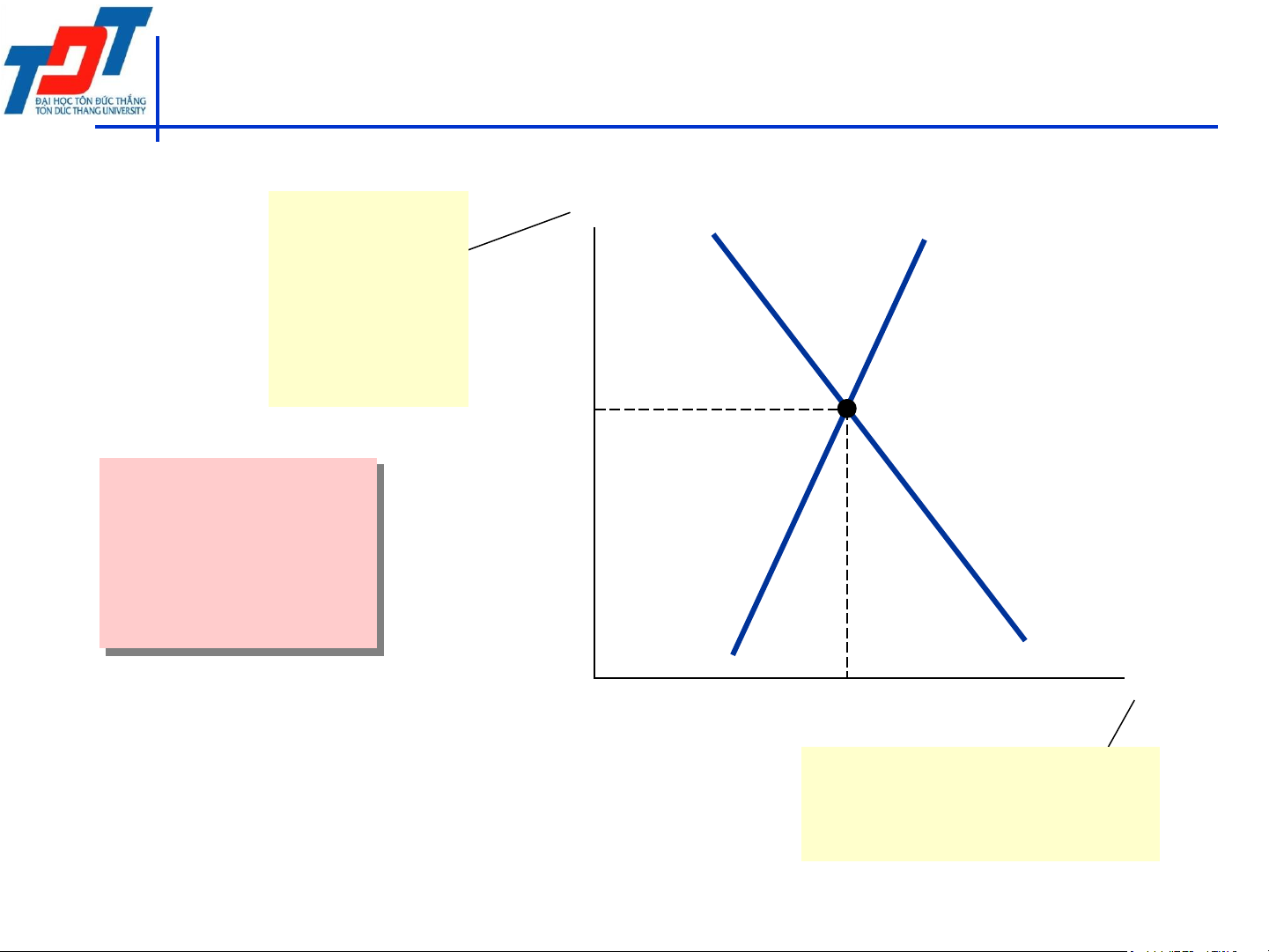
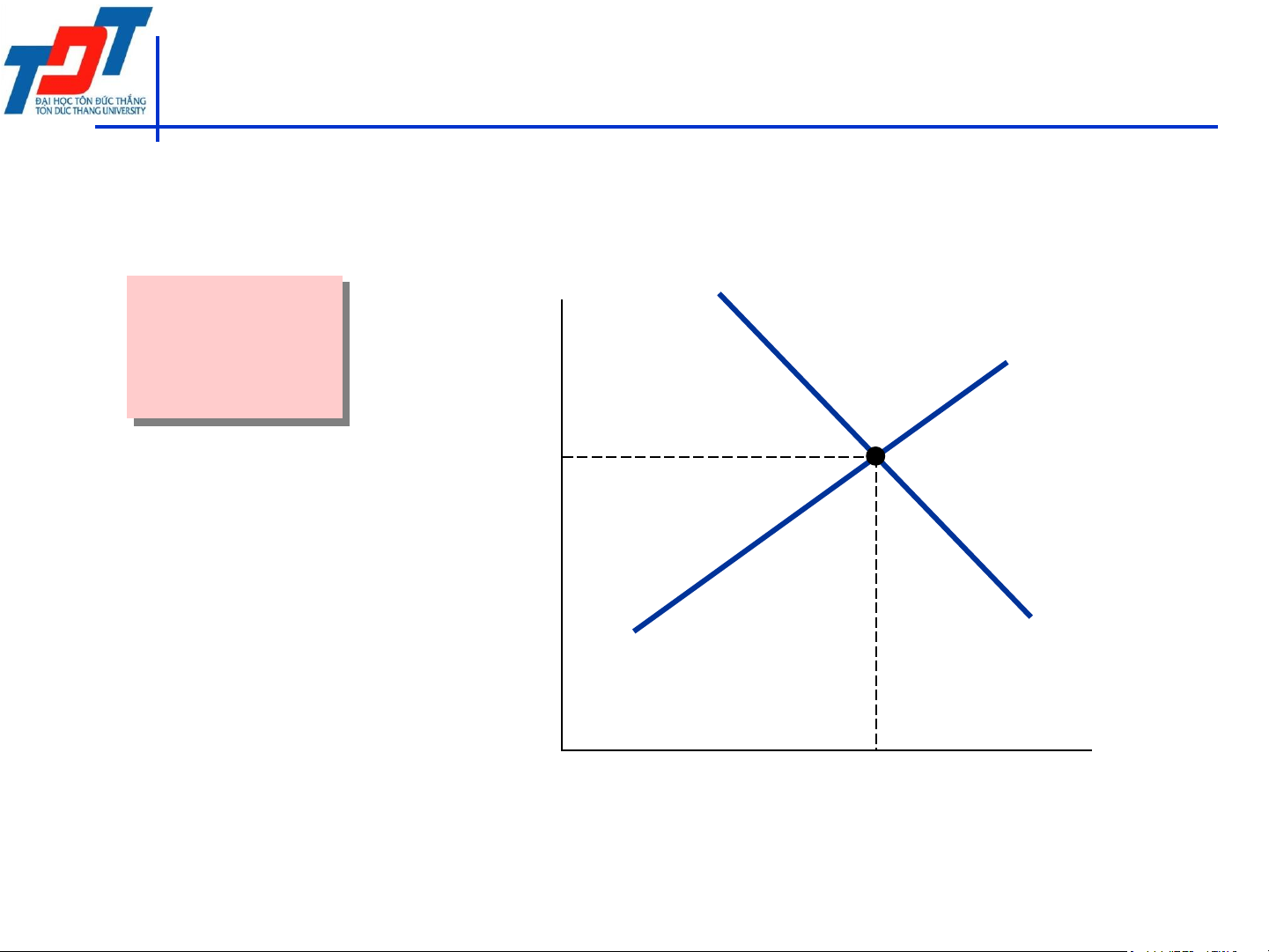
EXAMPLE 1: The Market for Apartments P Rental S price of apts $800 Eq’m w/o price controls D Q 300 Quantity of apartments
Supply, Demand, and Government Policies 3
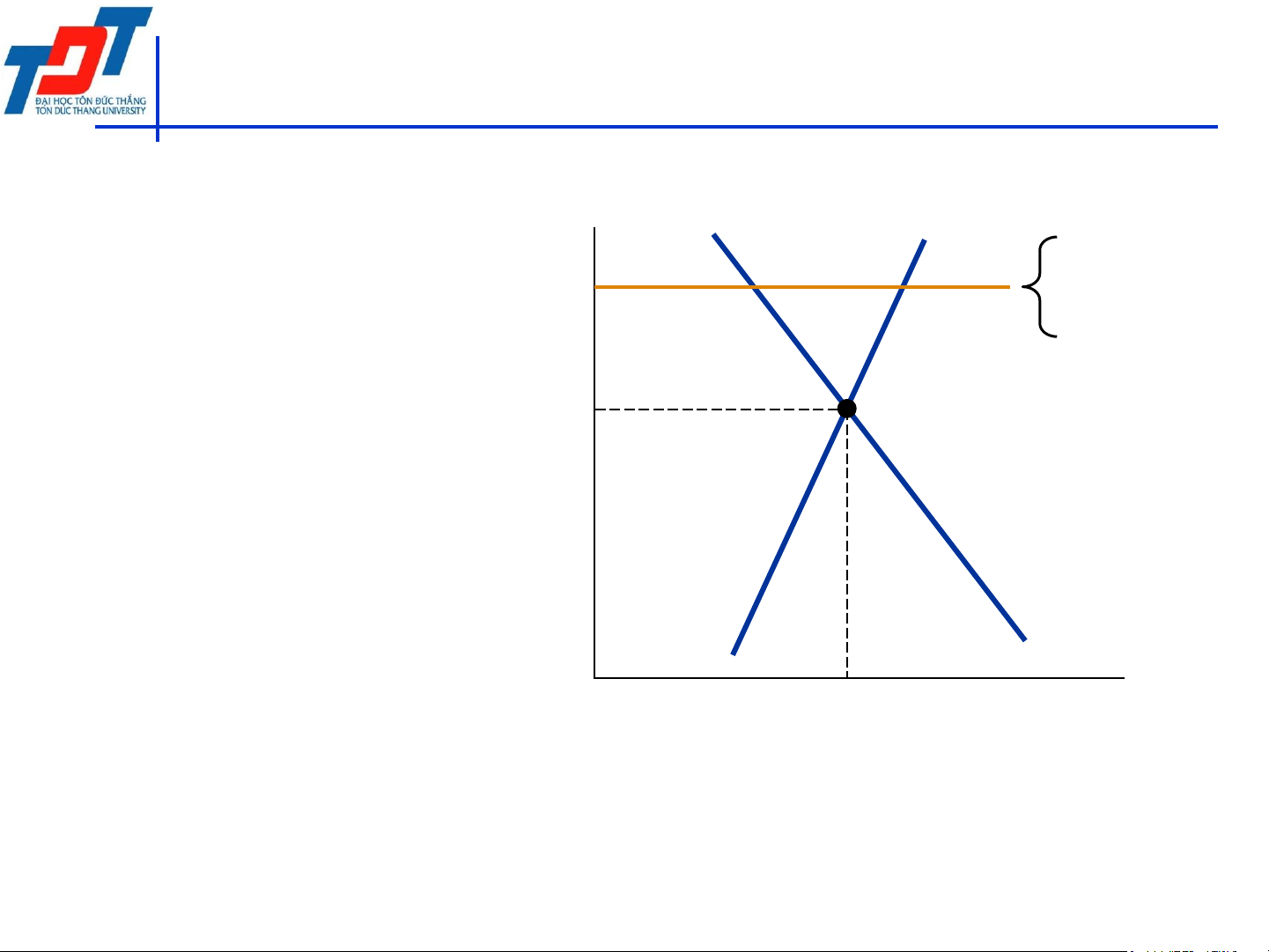
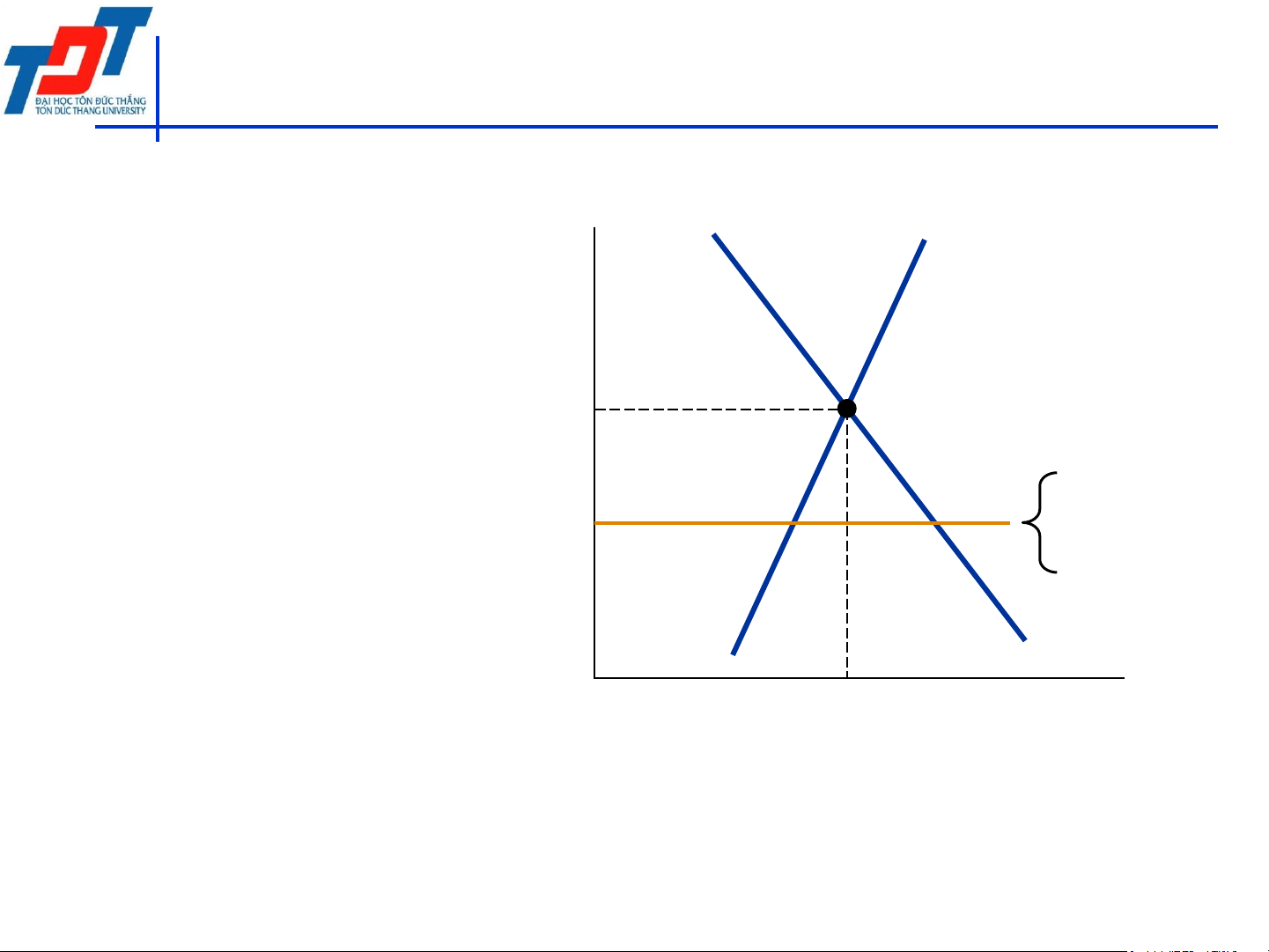
5.1. How Price Ceilings Affect Market Outcomes 5.1.1. Price ceiling A price ceiling P S above the Price $1000 eq’m price is ceiling not binding – it has no effect on $800 the market outcome. D Q 300
Supply, Demand, and Government Policies 4
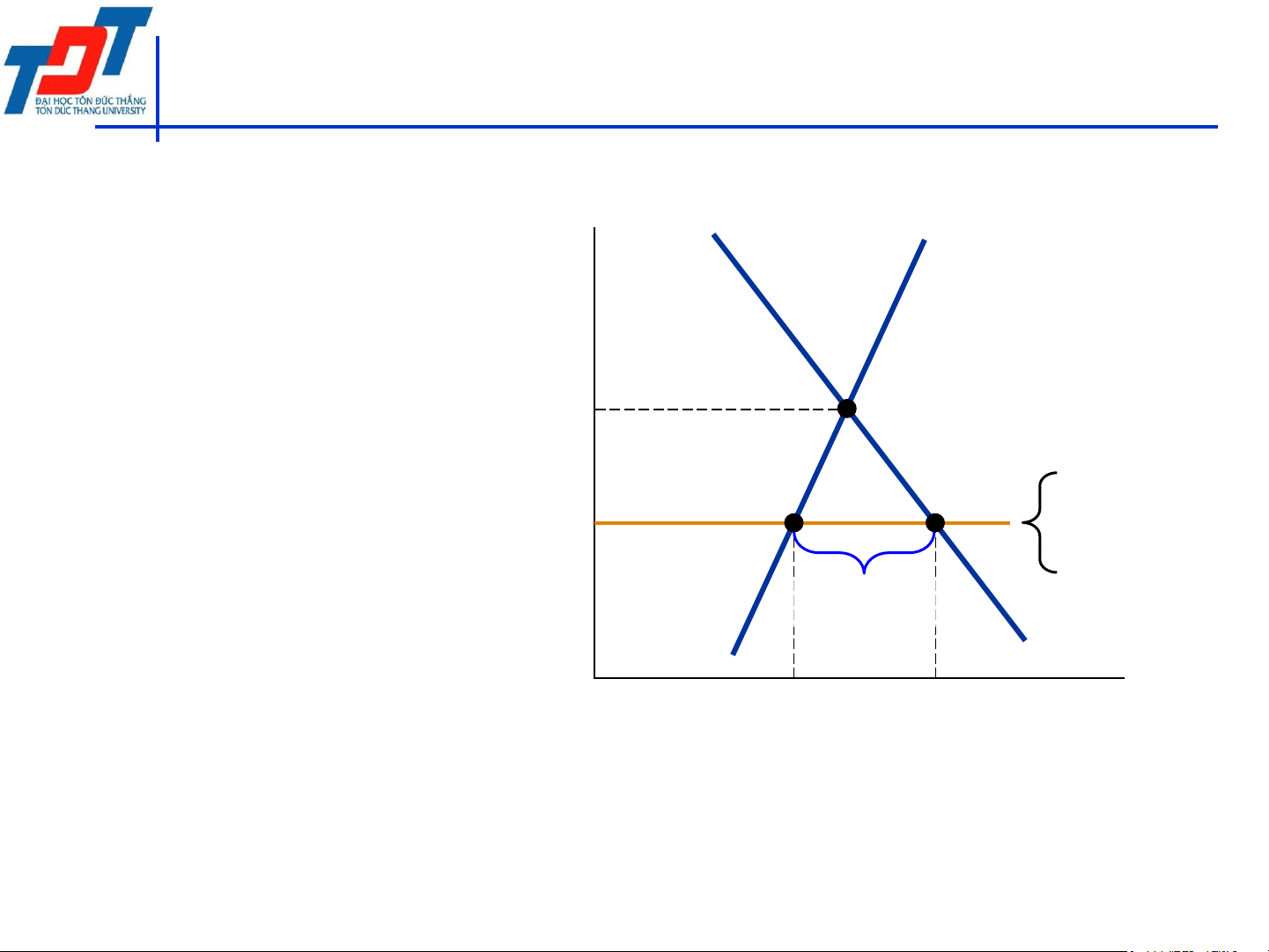
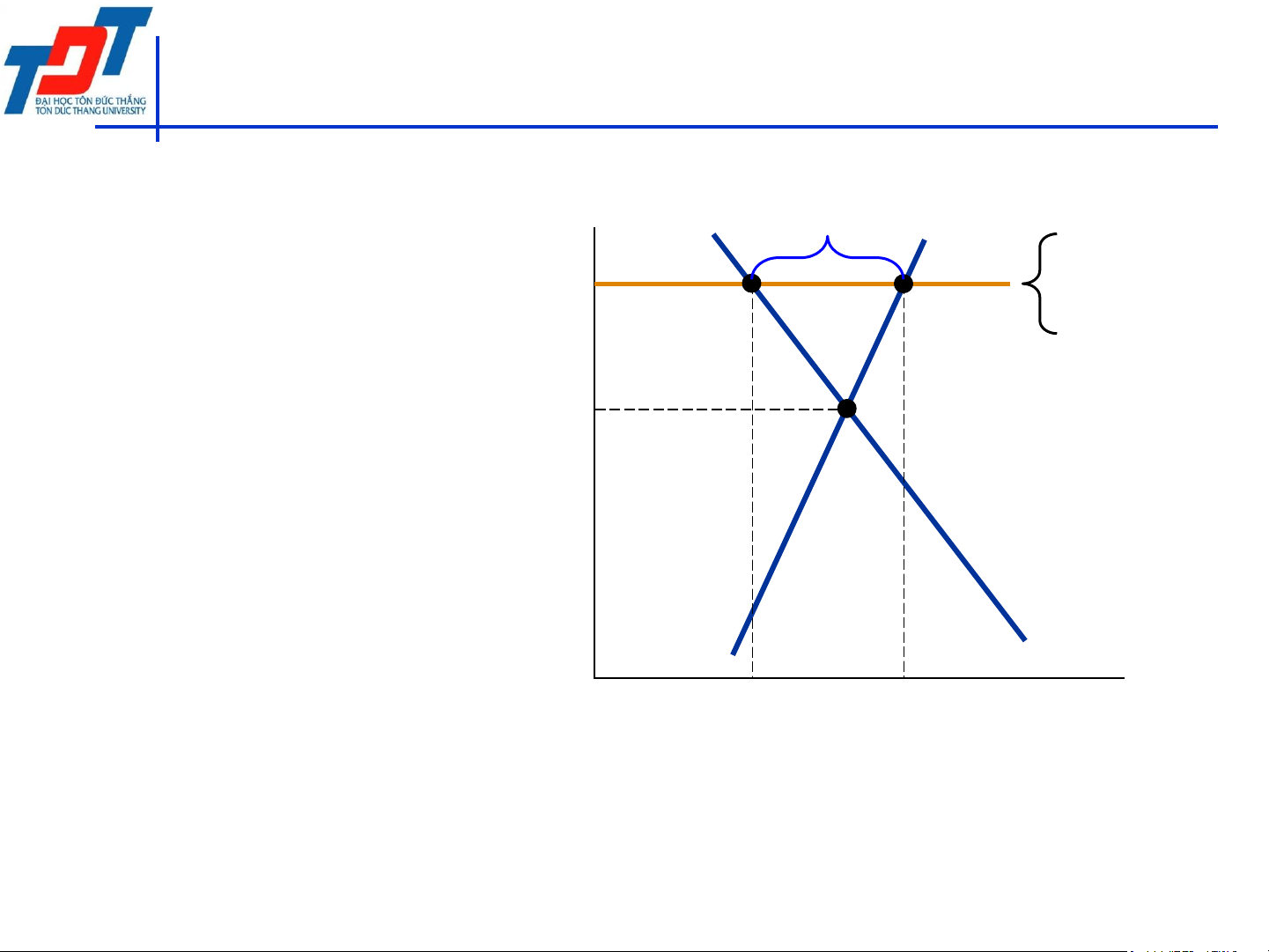
5.1.1. How Price Ceilings Affect Market Outcomes The eq’m price P S ($800) is above the ceiling and therefore illegal. $800 The ceiling is a binding Price $500 constraint ceiling on the price, shortage D and causes Q 250 400 a shortage.
Supply, Demand, and Government Policies 5
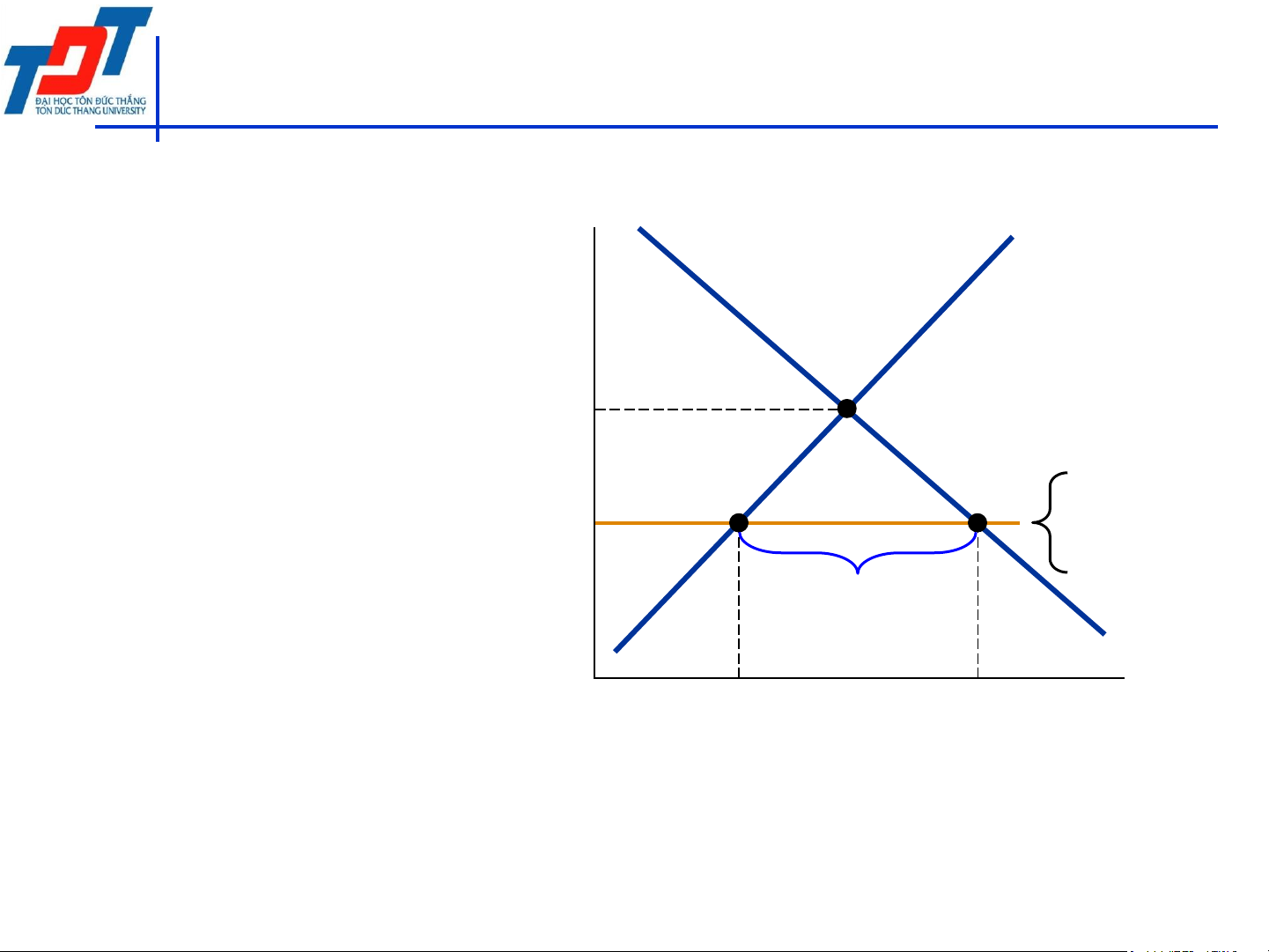
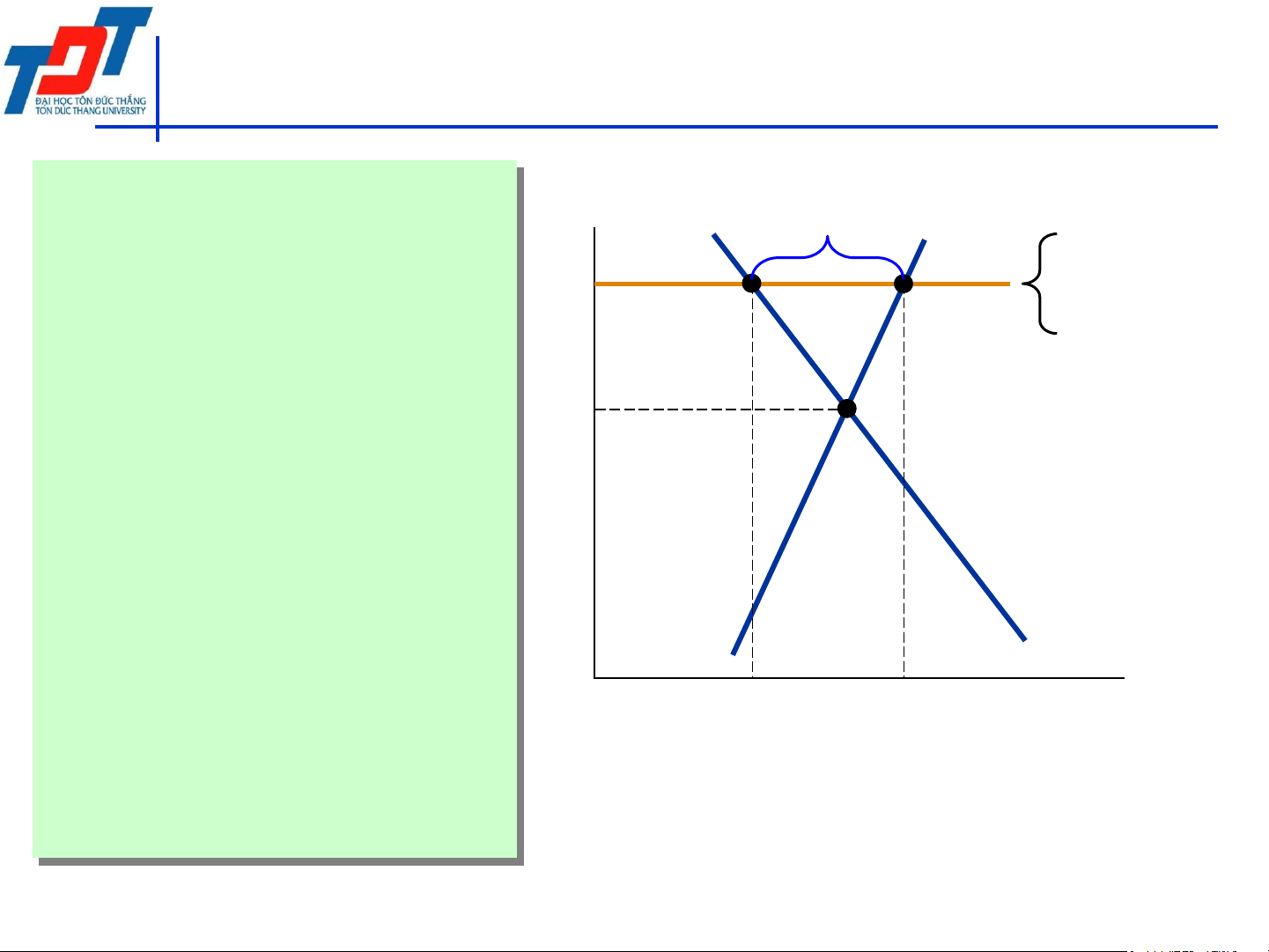
5.1.1. How Price Ceilings Affect Market Outcomes P In the long run, S supply and demand are more $800 price-elastic. Price So, the shortage $500 ceiling is larger. shortage DQ 150 450
Supply, Demand, and Government Policies 6 Shortages and Rationing
▪ With a shortage, sellers must ration the goods among buyers.
▪ Some rationing mechanisms: (1) long lines
(2) discrimination according to sellers’ biases
▪ These mechanisms are often unfair, and inefficient:
the goods don’t necessarily go to the buyers who value them most highly.
▪ In contrast, when prices are not controlled,
the rationing mechanism is efficient (the goods
go to the buyers that value them most highly)
and impersonal (and thus fair).
Supply, Demand, and Government Policies 7
EXAMPLE 2: The Market for Unskilled Labor W Wage S paid to unskilled workers $4 Eq’m w/o price controls D L 500 Quantity of unskilled workers
Supply, Demand, and Government Policies 8
5.1.2. How Price Floors Affect Market Outcomes A price floor W S below the eq’m price is not binding – it has no effect $4 on the market Price outcome. $3 floor D L 500
Supply, Demand, and Government Policies 9
5.1.2. How Price Floors Affect Market Outcomes labor The eq’m wage ($4) is W surplus below the floor and S Price therefore illegal. $5 floor The floor is a $4 binding constraint on the wage, and causes a surplus (i.e., unemployment). D L 400 550
Supply, Demand, and Government Policies 10 The Minimum Wage unemp-l Min wage laws W oyment S do not affect Min. $5 highly skilled workers. wage They do affect teen $4 workers. Studies: A 10% increase in the min wage D raises teen L 400 550 unemployment by 1-3%.
Supply, Demand, and Government Policies 11
Evaluating Price Controls
▪ Recall one of the Ten Principles:
Markets are usually a good way
to organize economic activity.
▪ Prices are the signals that guide the allocation of
society’s resources. This allocation is altered
when policymakers restrict prices.
▪ Price controls are often intended to help the poor,
but they often hurt more than help them:
• The min. wage can cause job losses.
• Rent control can reduce the quantity and quality of affordable housing.
Supply, Demand, and Government Policies 12 5.2. Taxes
▪ The govt levies taxes on many goods & services
to raise revenue to pay for national defense, public schools, etc.
▪ The govt can make buyers or sellers pay the tax.
▪ The tax can be a percentage of the good’s price,
or a specific amount for each unit sold.
• For simplicity, we analyze per-unit taxes only.
Supply, Demand, and Government Policies 13
EXAMPLE 3: The Market for Pizza P Eq’m S w/o tax 1 $10.00 D1 Q 500
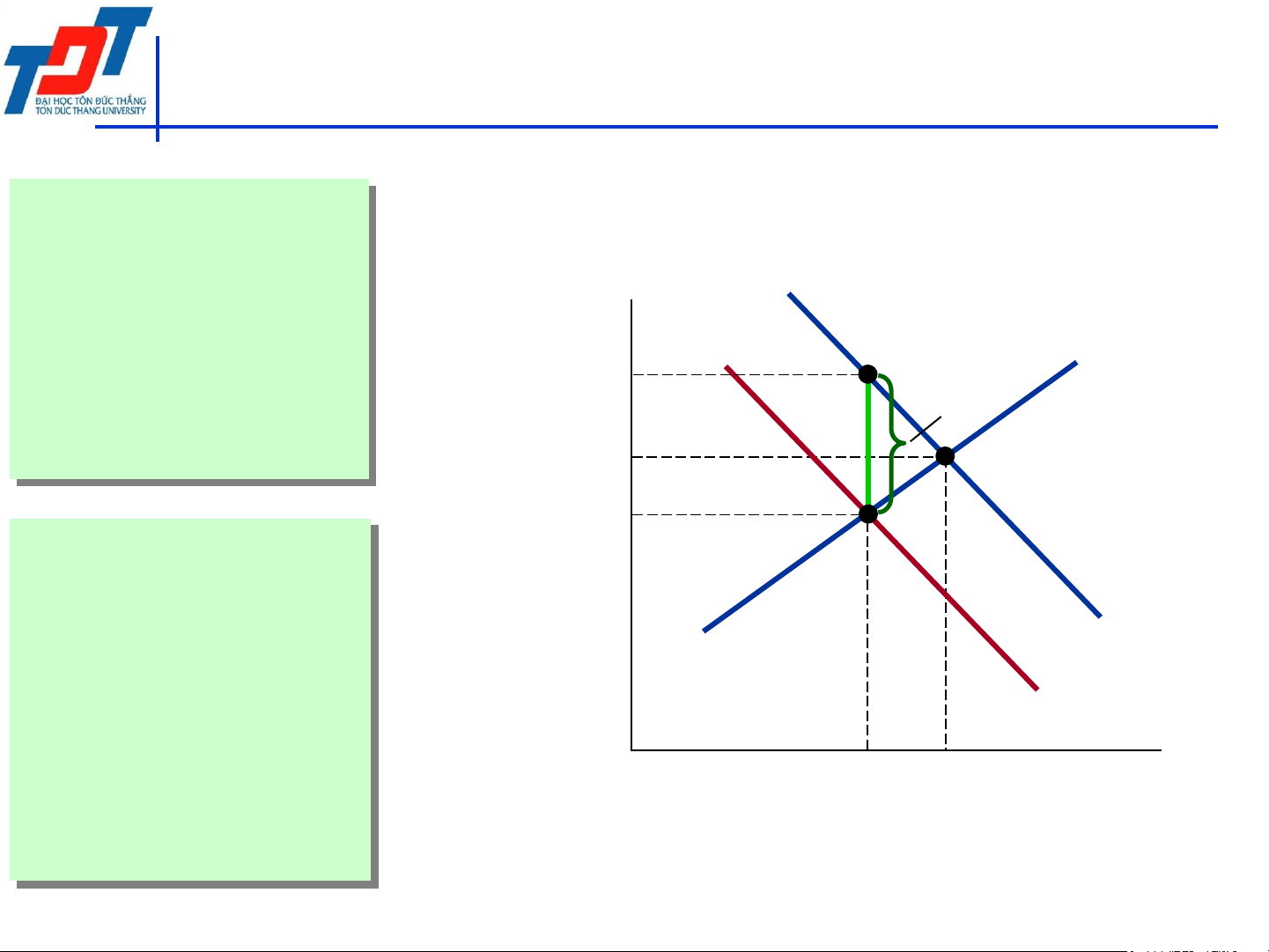
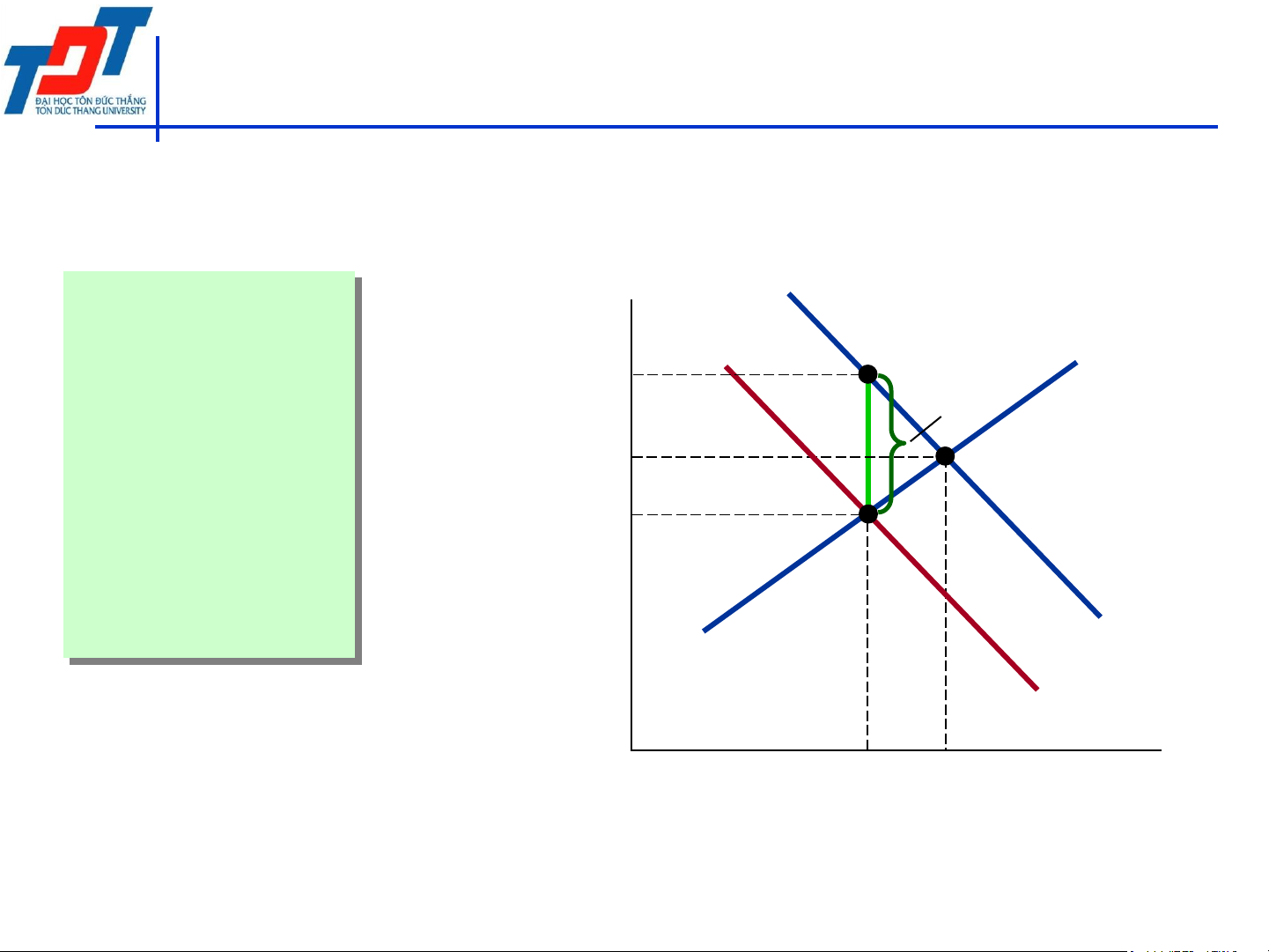
Supply, Demand, and Government Policies 14 5.2.1. A Tax on Buyers Effects of a $1.50 per A tax on buyers unit tax on buyers shifts the D P curve down by S1 the amount of P = $11.00 B Tax the tax. $10.00 P = $9.50 S The price buyers pay D1 rises, the price D2 sellers receive Q falls, eq’m Q 430 500 falls.
Supply, Demand, and Government Policies 15 The Incidence of a Tax:
how the burden of a tax is shared among market participants P Because S of the tax, 1 P = $11.00 B Tax buyers pay $10.00 $1.00 more, P = $9.50 S sellers get $0.50 less. D1 D2 Q 430 500
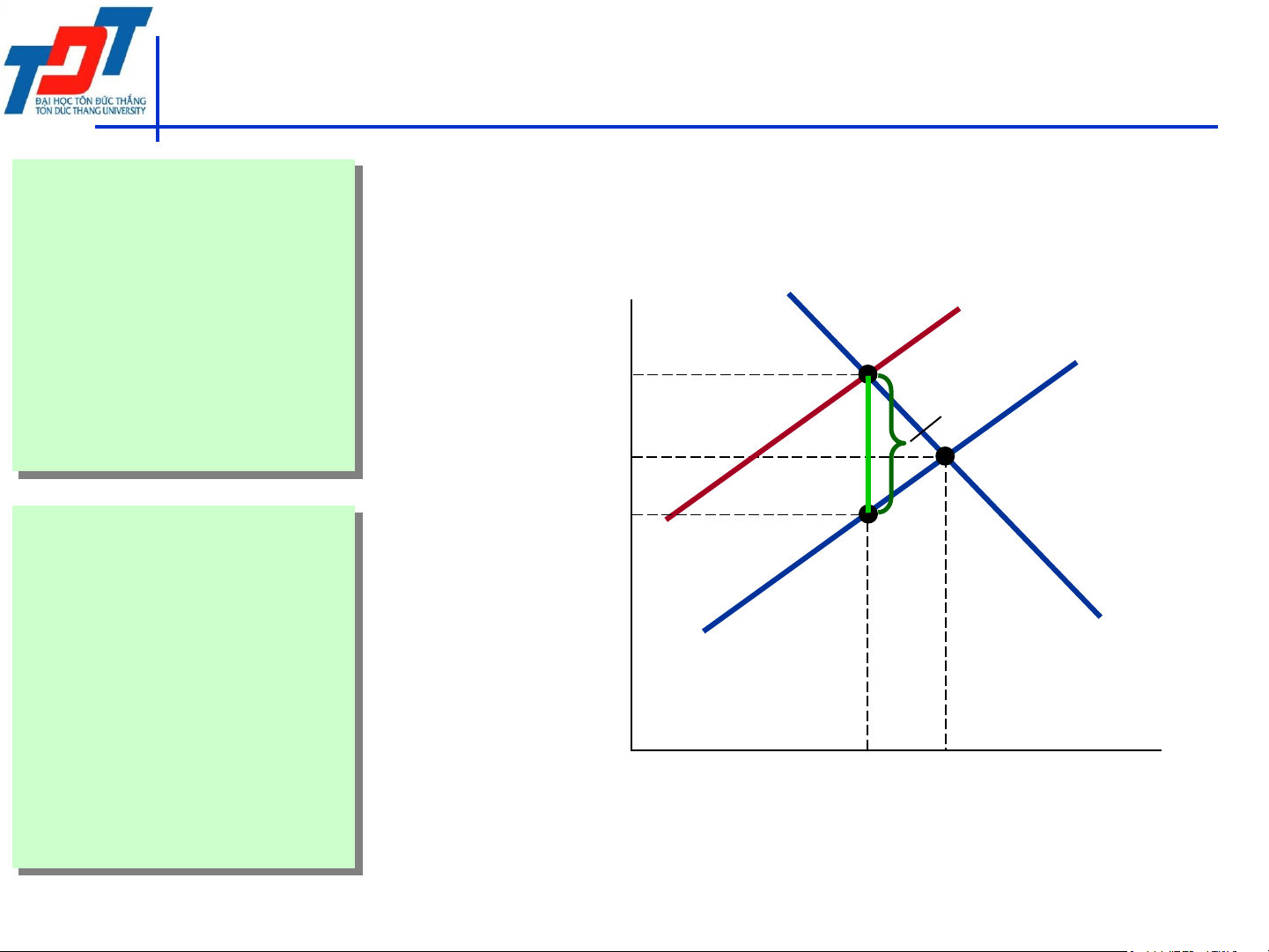
Supply, Demand, and Government Policies 16 A Tax on Sellers A tax on sellers Effects of a $1.50 per unit tax on sellers shifts the S P curve up by the S2 amount of the S1 P = $11.00 B Tax tax. $10.00 P = $9.50 S The price buyers pay D1 rises, the price sellers receive Q falls, eq’m Q 430 500 falls.
Supply, Demand, and Government Policies 17
The Outcome Is the Same in Both Cases!
The effects on P and Q, and the tax incidence are the
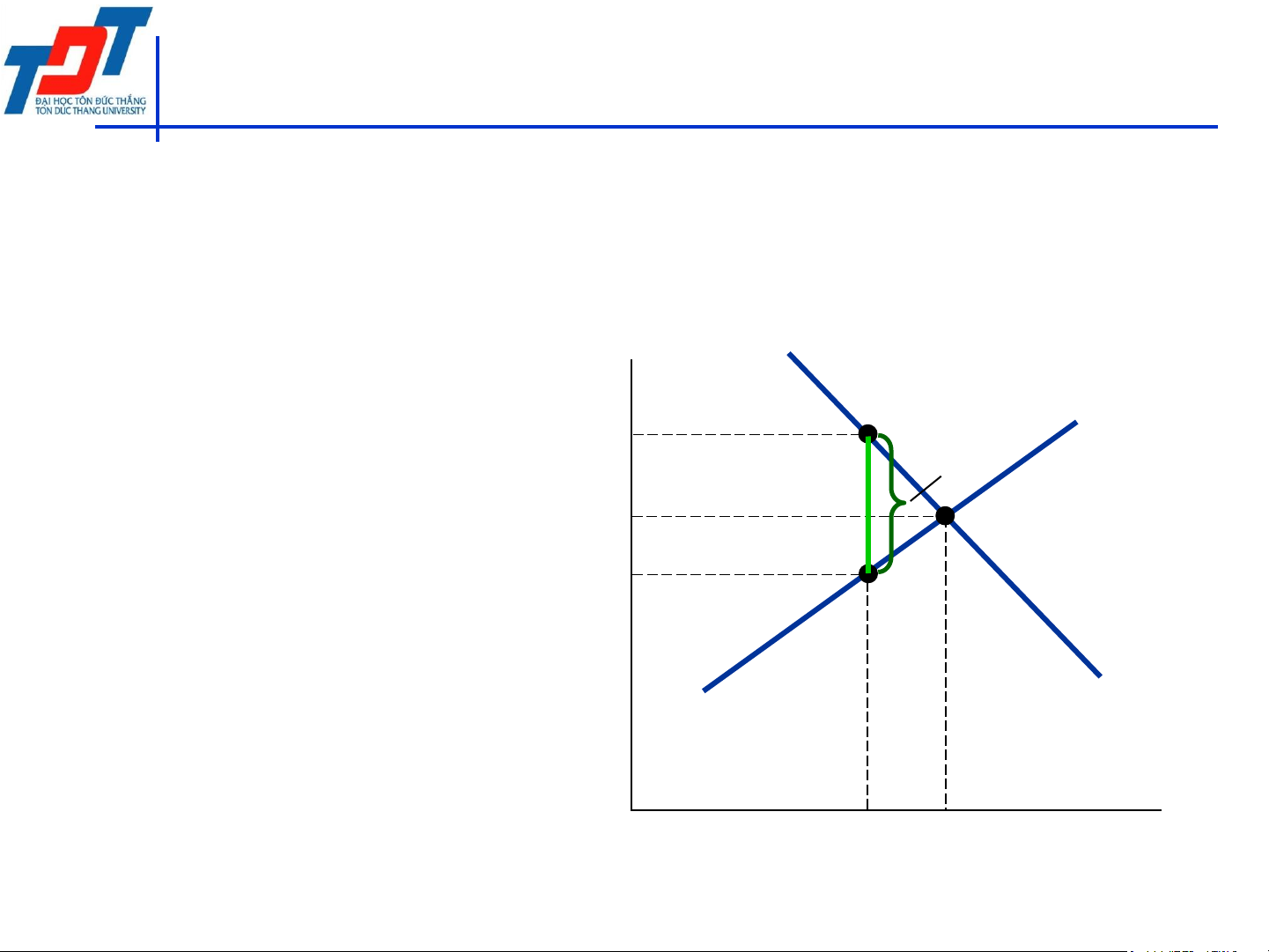
same whether the tax is imposed on buyers or sellers! What matters P is this: S1 P = $11.00 A tax drives B Tax a wedge $10.00 between the P = $9.50 S price buyers pay and the D1 price sellers receive. Q 430 500
Supply, Demand, and Government Policies 18
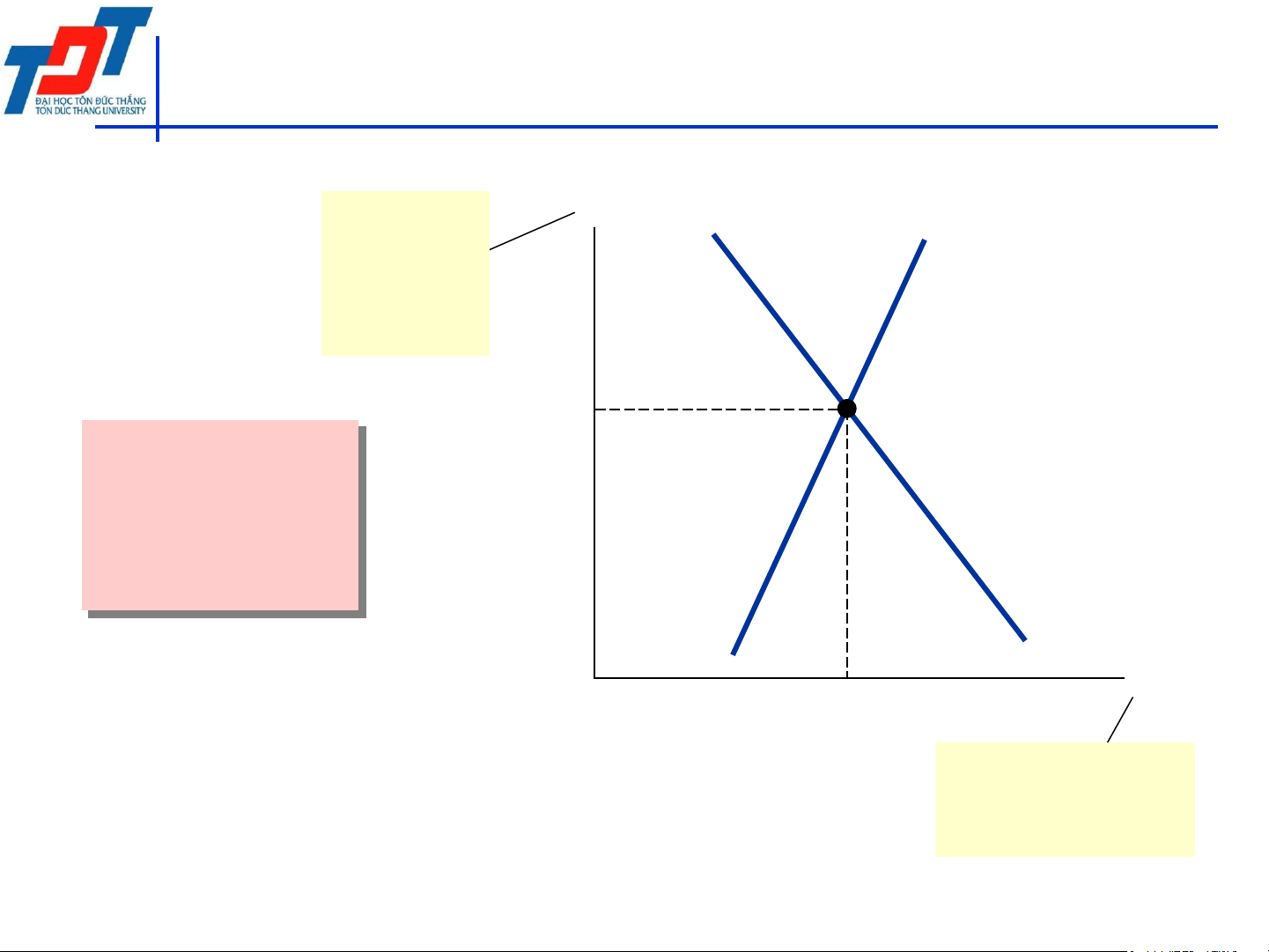
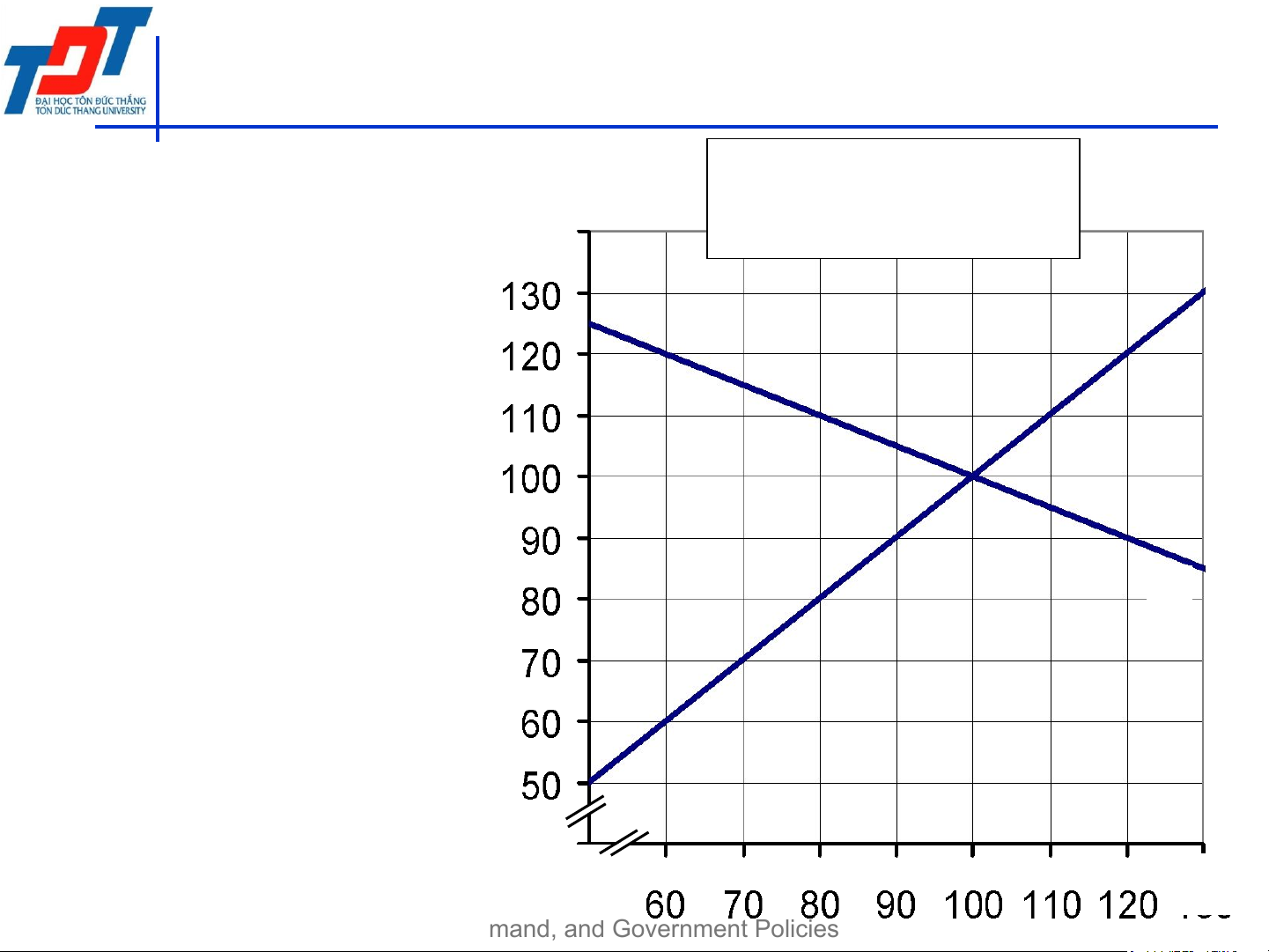
A C T I V E L E A R N I N G 2: Effects of a tax The market for Suppose govt P hotel rooms S imposes a tax on buyers of $30 per room. Find new
Q, P , P , B S D and incidence of tax. 0 Q
Supply, Demand, and Government Policies 19