







Preview text:
1 Introduction CHAPTER 0 2 Contents Why study
Organization and Architecture
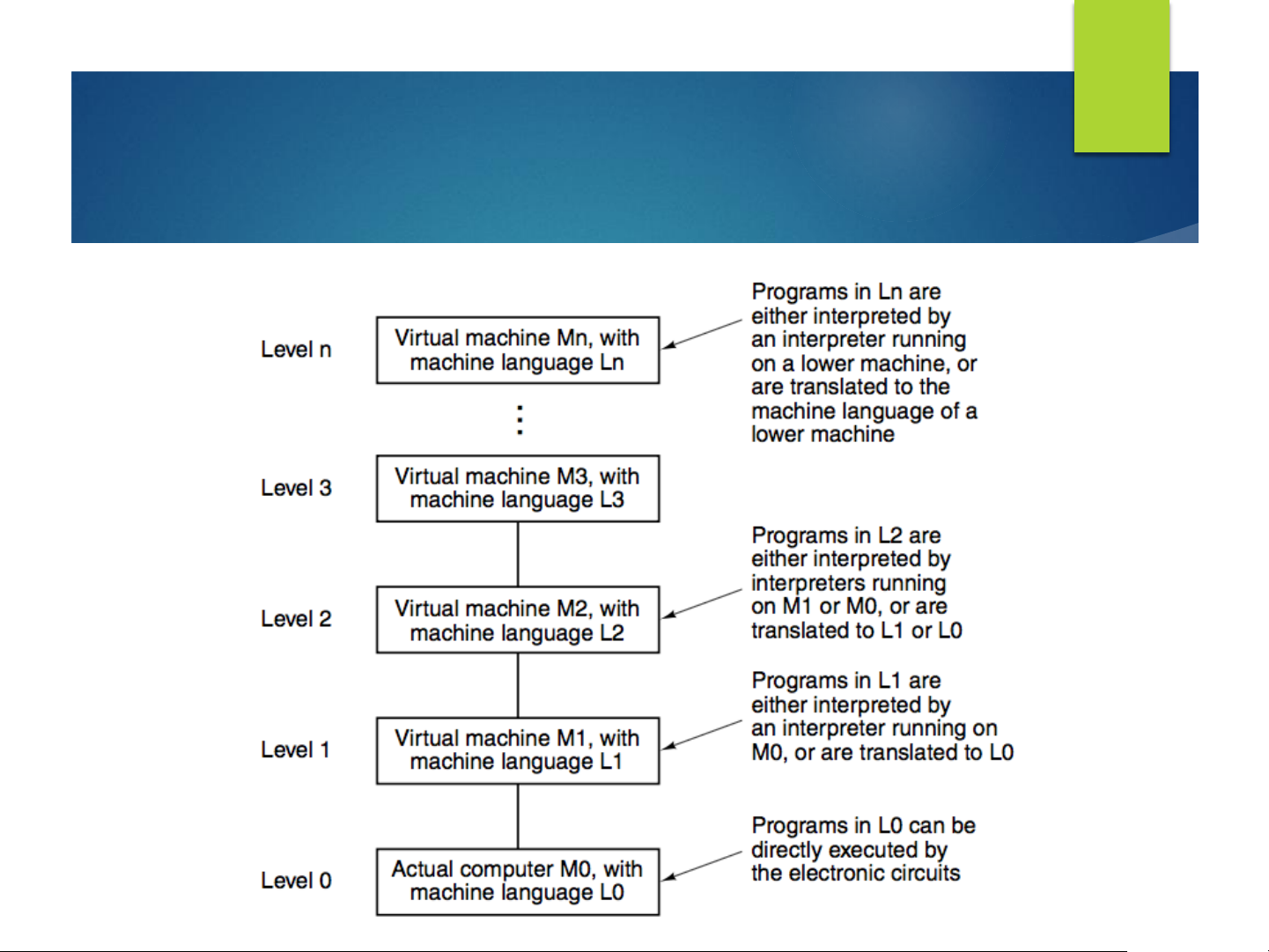
Structural and Functional View A Multi-level machine 3 Why study? -
Students read part 0.3 “why study computer organization & architecture”
Understanding a computer system’s functional components, their
characteristics, their performance, and their interactions.
Understanding computer architecture in order to make best use of
the software tools and computer languages they use to create programs. 4 Why study?
Understand the complex trade-offs between CPU clock speed,
cache size, bus organization, number of core processors,…
What determines the performance of a program, and how can a
programmer improve the performance.
Understand other areas of computing curriculum such as operating
system, passing parameter/pointers, stack frame in high-level language, 5 Organization and Architecture -
Students read part 1.1 “Organization and Architecture” Computer organization:
Deals with all physical components of computer systems that
interacts with each other to perform various functionalities.
The lower level of computer organization is known as microarchitecture.
Examples of Organizational attributes include hardware details
transparent to the programmer such as circuits, pin of chips, control
signal and peripheral. 6 Organization and Architecture -
Students read part 1.1 “Organization and Architecture” Computer architecture:
Refers as a set of attributes of a system as seen by programmer
Examples of the Architectural attributes include the instruction set,
the no of bits used to represent the data types, Input Output
mechanism and the techniques for addressing memories. 7 Structure and Function
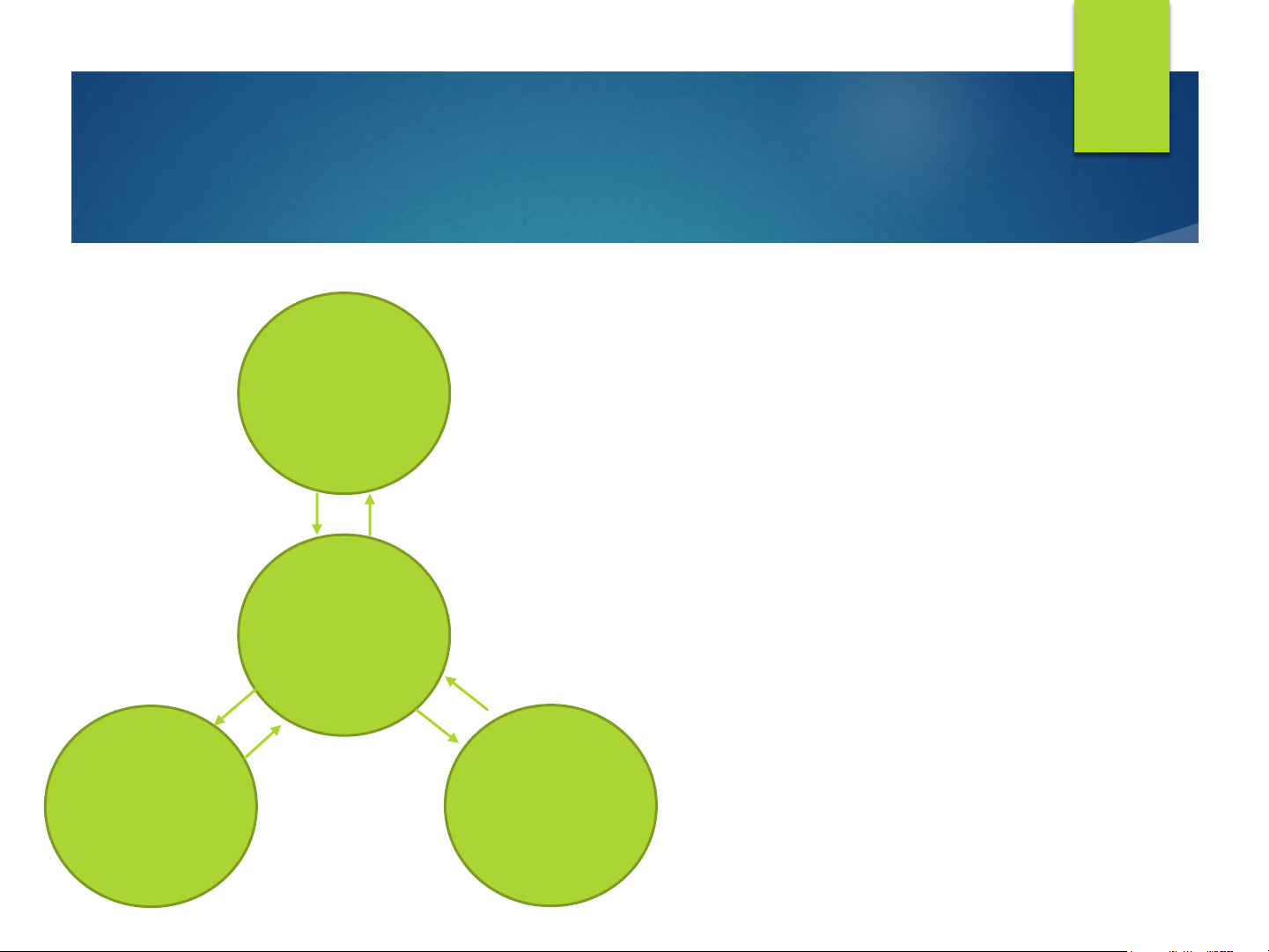
Structure: The way in which the components are interrelated.
Function: The operation of each individual component as part of the structure 8 Structural Components
Central processing unit (CPU) or simply Processor: the "brains" of the
computer controls the operation of the computer and performs its data processing functions.
Main memory: storage device that stores data.
I/O: manages and performs the work associated with reading (or
writing) information that is added to (subtracted or copied from)
portions of the computer's memory, moves data between the
computer and its external environment.
System interconnection: Some mechanism that provides for
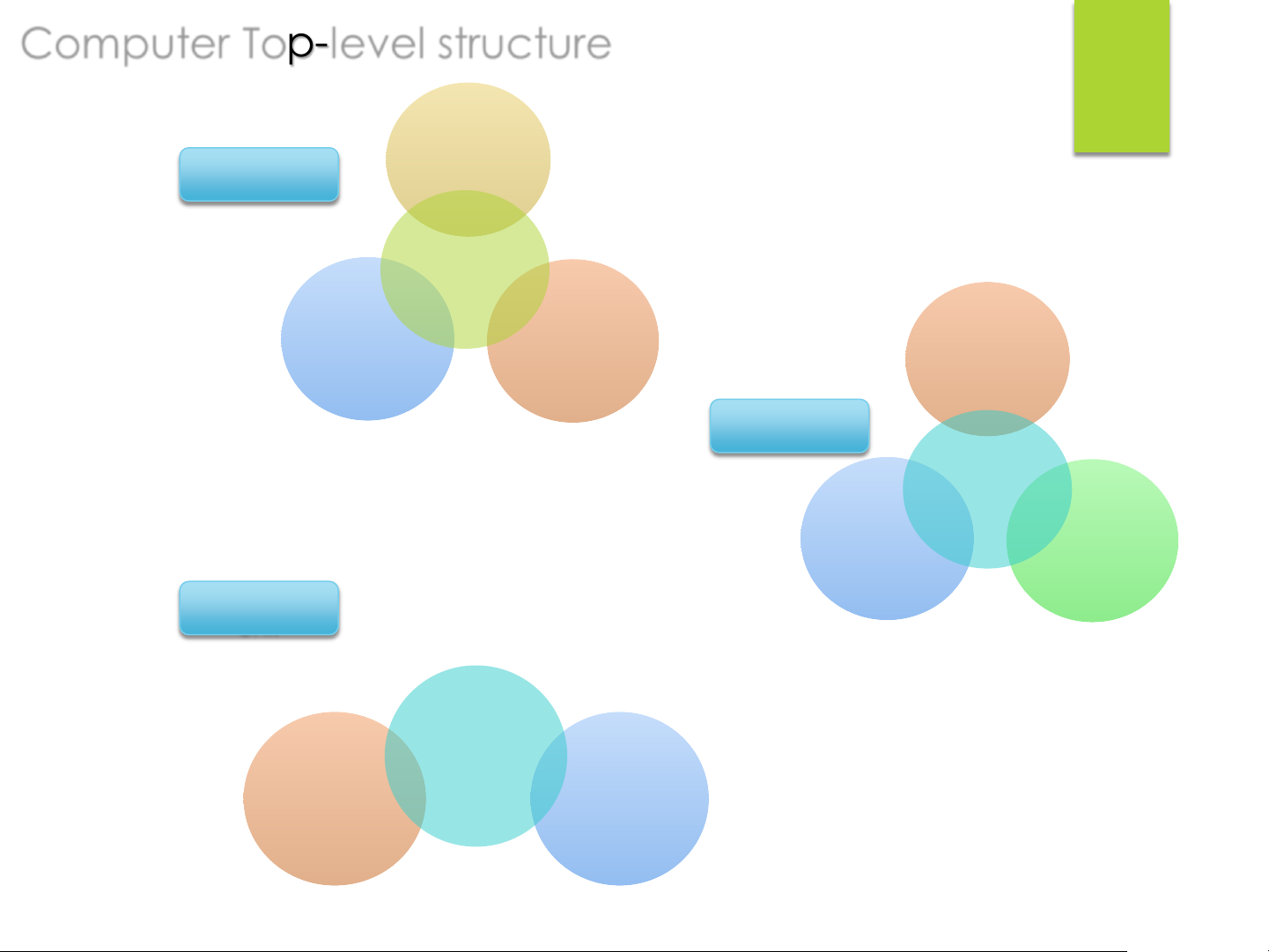
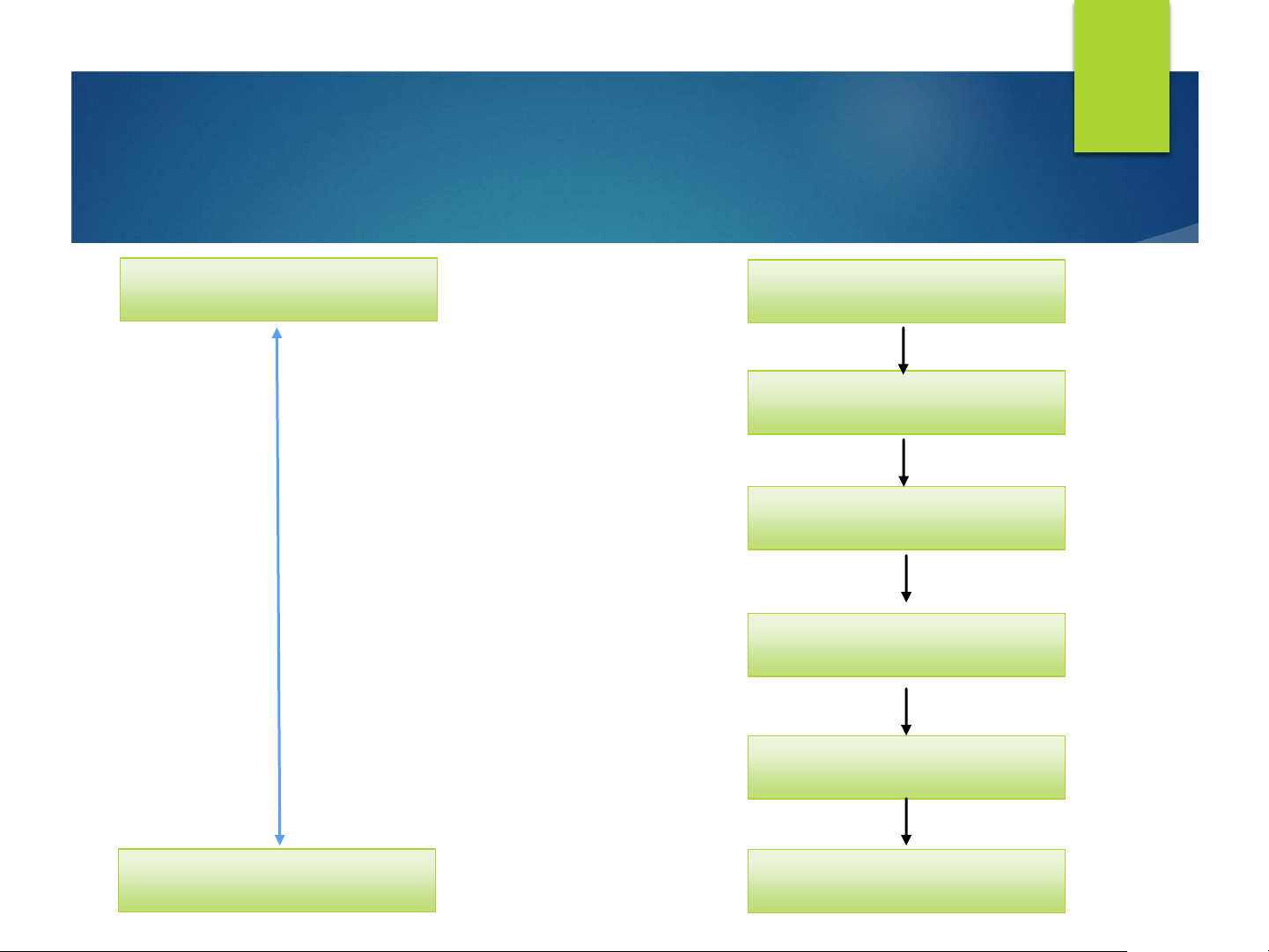
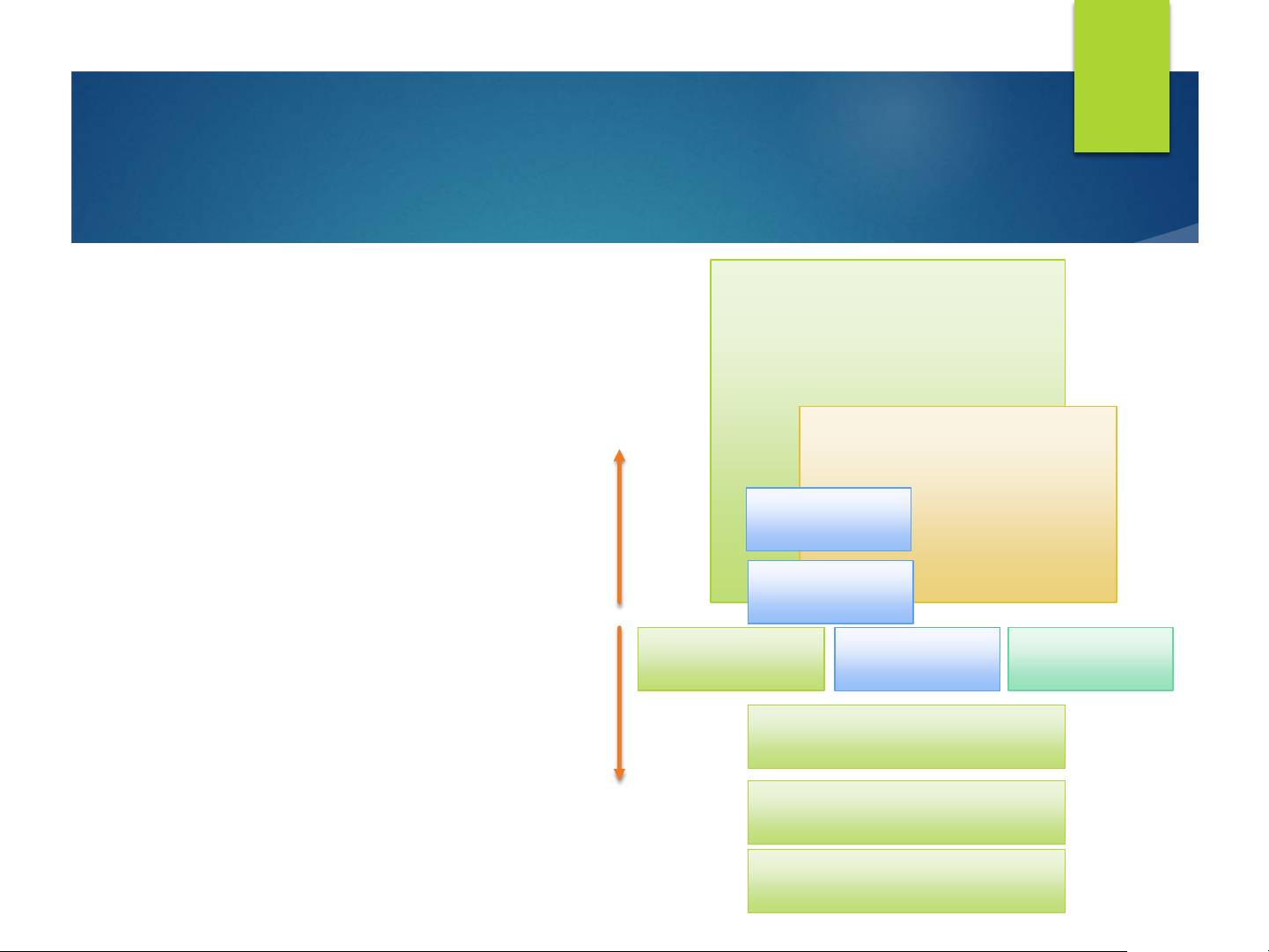
communication among CPU, main memory, and I/O. 9 Functional View Function Data Data processing Movement Apparatus Data storage Data movement Control Control Mechanism Data Data Storage Processing Facilities Facilities Computer Top-level structure 10 IO Computer System bus Main CPU memory Registers CPU Internal Bus Control ALU Unit Control Unit Control unit registers Sequencing and Control logic decoder Memory 11 Computer Abstraction Application Problem-oriented language Compiler Assembly language Assembler Gap Operating system Partial intepretation Instruction Set Architecture (ISA) Microprogram Microarchitecture Hardware Physical devices Digital circuits 12 Other abstract view Applications OS (Windows, linux, Mac OS) Software Compiler Assembler Processor Memory I/O System Hardware Datapath & Control Digital design Digital circuits 13 Other Abstract View