Đọc hiểu theo chủ đề trọng điểm – thời sự Chủ đề: slop | Tài liệu Tiếng Anh ôn thi THPT quốc gia
Đọc hiểu theo chủ đề trọng điểm – thời sự Chủ đề: slop | Tài liệu Tiếng Anh ôn thi THPT quốc gia
Chủ đề: Tài liệu ôn thi THPTQG môn Tiếng Anh 54 tài liệu
Môn: Tiếng Anh 328 tài liệu
Tác giả:


Preview text:
ĐỌC HIỂU THEO CHỦ ĐỀ TRỌNG ĐIỂM – THỜI SỰ CHỦ ĐỀ: SLOP
Read the following passage and mark the letter A, B, C, or D to indicate the correct answer to each of
the questions from 1 to 8.
You’ve probably encountered images in your social media feeds that look like a cross between
photographs and computer-generated graphics. Some are fantastical – think Shrimp Jesus – and some are
believable at a glance – remember the little girl clutching a puppy in a boat during a flood?
These are examples of AI slop, low- to mid-quality content – video, images, audio, text or a mix –
created with AI tools, often with little regard for accuracy. It’s fast, easy and inexpensive to make this
content. AI slop producers typically place it on social media to exploit the economics of attention on the
internet, displacing higher-quality material that could be more helpful.
AI-driven slop is making its way upstream into people’s media diets as well. During Hurricane
Helene, opponents of President Joe Biden cited AI-generated images of a displaced child clutching a
puppy as evidence of the administration’s purported mishandling of the disaster response. Even when it’s
apparent that content is AI-generated, it can still be used to spread misinformation by fooling some
people who briefly glance at it. AI slop also harms artists by causing job and financial losses and
crowding out content made by real creators. The placement of this lower-quality AI-generated content is
often not distinguished by the algorithms that drive social media consumption, and it displaces entire
classes of creators who previously made their livelihood from online content.
Wherever it’s enabled, you can flag content that’s harmful or problematic. On some platforms,
you can add community notes to the content to provide context. For harmful content, you can try to
report it. Along with forcing us to be on guard for deepfakes and “inauthentic” social media accounts, AI
is now leading to piles of dreck degrading our media environment. At least there’s a catchy name for it.
Question 1. The word “exploit” in paragraph 2 is CLOSEST in meaning to _______.
A. utilise B. damage C. ignore D. restrict
Question 2. The word “apparent” in paragraph 3 is OPPOSITE in meaning to _______.
A. obvious B. clear C. hidden D. visible
Question 3. The word “it” in paragraph 3 refers to _______. A. the algorithms
B. lower-quality AI-generated content
C. social media consumption
D. job and financial losses
Question 4. Which of the following best paraphrases the underlined sentence in paragraph 4?
“Wherever it’s enabled, you can flag content that’s harmful or problematic.”
A. On platforms that allow it, users are able to mark content they find harmful or inappropriate.
B. Harmful content can only be removed automatically without any action taken by users.
C. Users are not permitted to take action against problematic content on social media platforms.
D. Problematic content remains visible because users lack tools to identify or flag it.
Question 5. According to paragraph 3, AI slop harms artists in all of the following ways, EXCEPT _______. A. causing job losses
B. reducing income opportunities
C. crowding out human creators D. reducing artists’ creativity
Question 6. Which of the following is TRUE according to the passage?
A. AI slop is typically created with careful attention to factual accuracy.
B. AI-generated images were used to criticise a government’s disaster response. 1
C. Social media algorithms reliably distinguish AI-generated content from human-made work.
D. AI slop is mainly produced and circulated by professional news organisations.
Question 7. In which paragraph does the author mainly define AI slop?
A. Paragraph 1 B. Paragraph 2 C. Paragraph 3 D. Paragraph 4
Question 8. In which paragraph does the author mainly discuss the ways users can respond to harmful AI-generated content?
A. Paragraph 1 B. Paragraph 2 C. Paragraph 3 D. Paragraph 4
Read the following passage and mark the letter A, B, C, or D to indicate the correct answer to each of
the questions from 9 to 18.
Each year, editors from leading publications like the Oxford English Dictionary and Australia’s
Macquarie Dictionary choose a “word of the year” to reflect the spirit of the times. In past years, these
selections have often centred on global crises - such as “pandemic” and “lockdown” in 2020 - or
reflected cultural shifts, like “gaslighting” in 2022. But this year’s choices focus squarely on the digital realm.
Unlike the early 2000s, when internet culture was met with wide-eyed optimism and words like
“blog” and “tweet” entered the lexicon with enthusiasm. The 2025 shortlist reveals a darker mood
marked by artificiality, manipulation, and hollow relationships. Macquarie Dictionary’s committee
selected “AI slop” as its word of the year.
Coined in 2024 by programmer Simon Willison and tech journalist Casey Newton, “AI slop” refers
to low-quality, AI-generated content that is often error-ridden, mass-produced, and not requested by
users. “AI slop” can encompass everything from saccharine images of children hugging puppies to
generic career advice posts on LinkedIn. Such content tends to go viral when unsuspecting users on
social media share it without realising it was generated by machines.
On another corner of the digital spectrum, Cambridge Dictionary chose “parasocial” as its word of
the year. [I] The term describes a one-sided emotional bond that someone feels with a celebrity, fictional
character, or increasingly, a piece of artificial intelligence they’ve never actually met. According to the
dictionary’s editor-in-chief, such unreciprocated relationships have been fueled by the public’s
obsession with celebrities. [II] This growing fascination can be clearly observed when major celebrity
events trigger sudden surges in public attention. For example, the engagement of singer Taylor Swift
triggered a spike in searches for the term.
[III] Reflecting the darker side of the attention economy, the Oxford English Dictionary chose
“rage bait” as its 2025 word of the year. Rage bait refers to online content that is deliberately crafted to
provoke anger or outrage, often by being offensive or deeply frustrating. [IV] Unlike impulsive or
careless hot takes, rage bait is a calculated form of emotional manipulation - often blamed for deepening political divides.
What ties these words together is a rising attitude of “digital nihilism.” In a world flooded with
misinformation, synthetic images, and machine-written text, knowing what - or who - to trust is
becoming harder than ever. Digital nihilism reflects an acknowledgement that meaning and certainty
are slipping away from our online interactions. It’s a state of confusion and detachment best summed up by a single emoji: "shrug".
(Adapted from https://vietnamnet.vn/)
Question 9. Which of the following is TRUE about the “word of the year” according to paragraph 1?
A. It is chosen only by technology companies to describe digital innovation.
B. It has always focused on internet culture since the early 2000s.
C. It reflects major global events or cultural trends of a particular year.
D. It is selected mainly to promote new words created by young people. 2
Question 10. The word “its” in paragraph 2 refers to ________. A. the 2025 shortlist B. AI slop C. artificiality
D. Macquarie Dictionary’s committee
Question 11. The phrase “go viral” in paragraph 3 mostly means _______.
A. spread rapidly online
B. become medically dangerous
C. receive official approval
D. disappear after sharing
Question 12. Which of the following best summarises paragraph 4?
A. Advances in artificial intelligence have replaced celebrity culture, eliminating one-sided emotional
bonds between audiences and public figures.
B. Parasocial relationships are balanced emotional connections that develop through direct interaction
between celebrities and their fans.
C. Public interest in celebrities has declined, reducing emotional attachment and limiting the relevance of
parasocial relationships in modern digital culture.
D. The term parasocial describes one-sided emotional attachments, driven by public fascination and
illustrated by spikes in online search behaviour.
Question 13. The word “unreciprocated” in paragraph 4 is OPPOSITE in meaning to _______. A. emotional B. mutual C. distant D. fictional
Question 14. Where in the passage does the following sentence best fit?
“The goal: to drive traffic and engagement. ”
A. [I] B. [II] C. [III] D. [IV]
Question 15. Which of the following best paraphrases the underlined sentence in paragraph 6?
A. The growth of synthetic media and automated writing has clarified online information, making trust in
digital content simpler than before.
B. Because online spaces contain more information and advanced technology, people now find it easier
to decide which sources and individuals can be trusted.
C. As misinformation, artificial images, and AI-written content spread widely, identifying reliable
information or trustworthy sources is becoming increasingly difficult.
D. With improvements in artificial intelligence and digital tools, users are better able to recognise
trustworthy information and reliable online sources.
Question 16. Which of the following is NOT mentioned as a “word of the year” phenomenon for 2025?
A. AI slop B. Parasocial C. Rage bait D. Gaslighting
Question 17. Which of the following is TRUE according to the passage?
A. Early internet culture was generally viewed with suspicion and public concern.
B. Some dictionaries choose digitally themed words reflecting growing distrust online.
C. AI slop refers to high-quality content produced by professional journalists.
D. Rage bait describes online posts that unintentionally provoke emotional reactions.
Question 18. Which of the following best summarises the passage?
A. Recent words of the year celebrate technological creativity, showing how artificial intelligence
strengthens online relationships and improves trust.
B. Dictionaries’ 2025 word choices highlight growing concern over artificial content, emotional
manipulation, and trust erosion within an online environment.
C. Dictionary editors prioritise linguistic innovation, focusing mainly on how new internet slang
becomes popular through celebrity influence and social media trends.
D. Digital culture in 2025 is portrayed as largely pessimistic, with new terms reflecting increased
certainty, authenticity, and healthier emotional connections. 3 STT Từ vựng Nghĩa
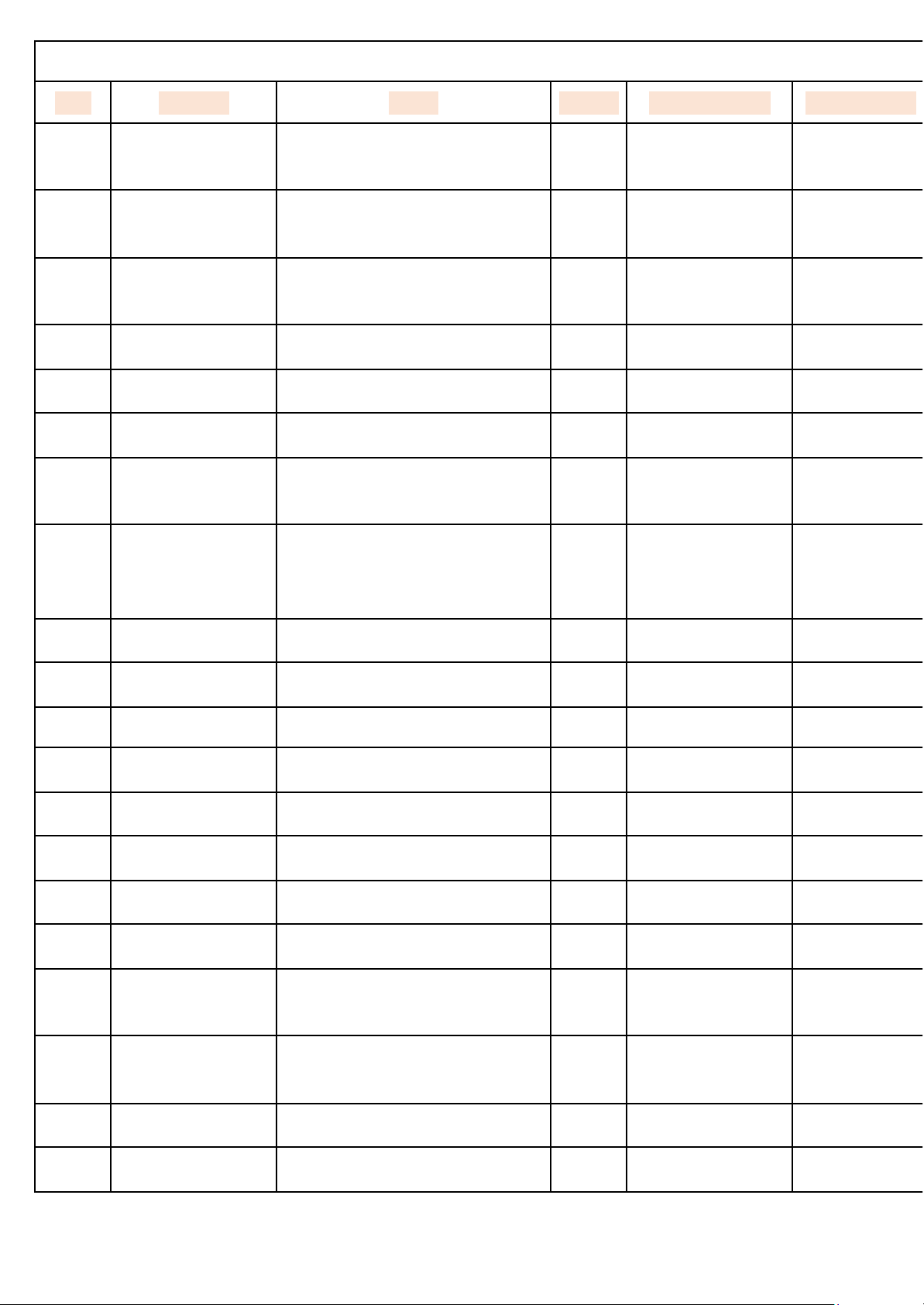
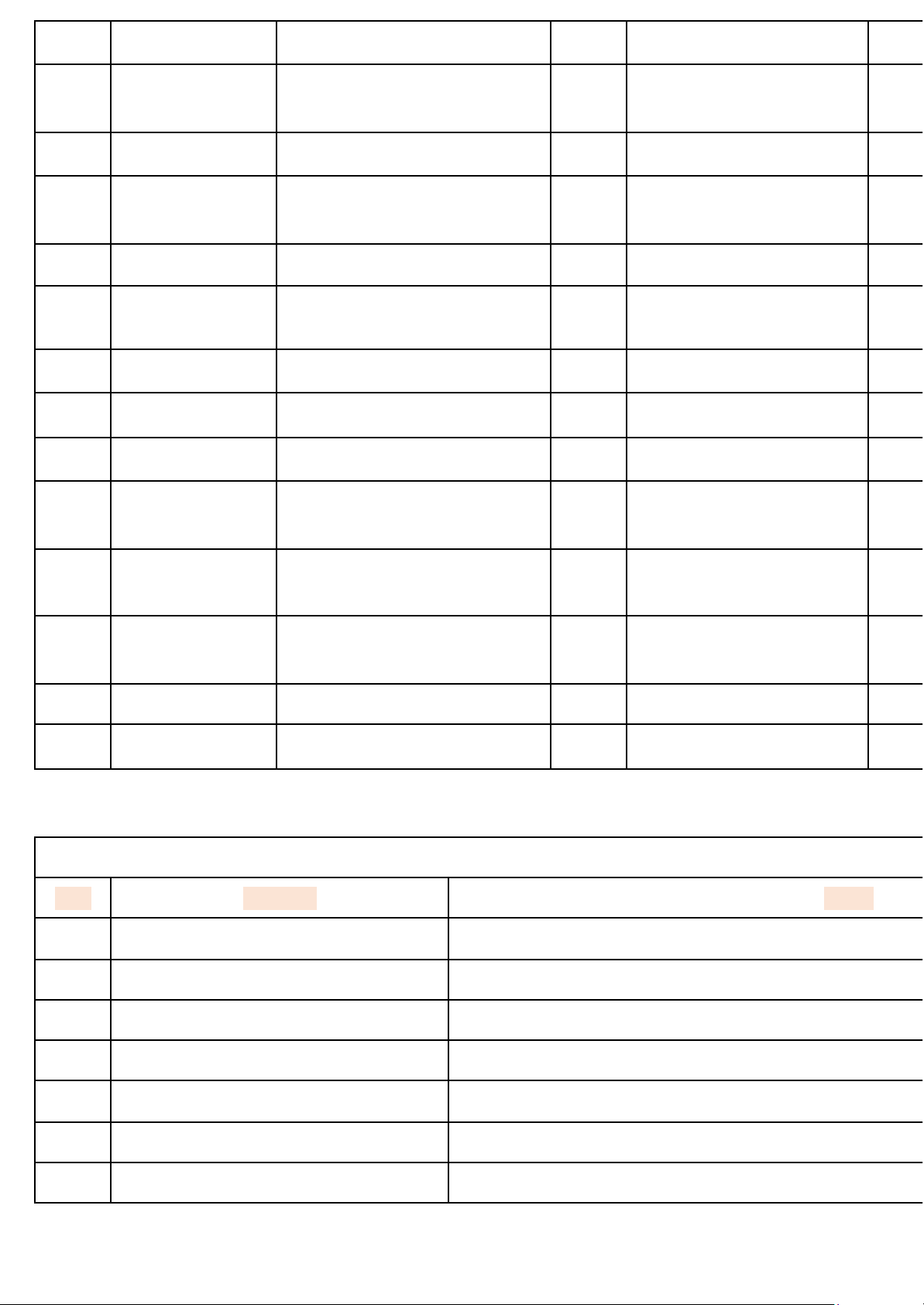
Từ loại Từ đồng nghĩa Từ trái nghĩa 1 apparent rõ ràng, hiển nhiên adj obvious, clear, hidden, unclear evident 2 artificiality sự giả tạo n inauthenticity authenticity, genuineness 3 authenticity
tính xác thực, chân thật n genuineness artificiality, inauthenticity 4 clutch nắm chặt, giữ chặt v grasp, grip 5 coin tạo ra (từ mới) v 6 degrade
làm suy thoái, làm xấu đi v 7 deliberately một cách cố ý adv intentionally, accidentally, purposely unintentionally 8 detachment sự tách biệt, thờ ơ n involveme nt, attachment 9 displace thay thế, chiếm chỗ v replace 10 distinguish phân biệt v differentiate 11 encompass bao gồm v include, cover exclude 12 encounter tình cờ gặp, thấy v come across 13 exploit khai thác, tận dụng v utilise 14 gaslighting thao túng tâm lý n 15 hollow rỗng tuếch, vô nghĩa adj 16 hot take ý kiến gây tranh cãi n 17 impulsive bốc đồng adj rash, impetuous cautious, deliberate 18 inappropriate không phù hợp adj unsuitable, appropriate, improper proper, suitable 19 manipulation sự thao túng n 20 mishandling sự xử lý sai, tồi tệ n mismanagement 4 21 nihilism chủ nghĩa hư vô n /ˈnaɪɪlɪzəm/ C2 22 offensive mang tính xúc phạm adj /əˈfensɪv/ B2 23 optimism sự lạc quan n /ˈɒptɪmɪzəm/ C1 24 outrage sự phẫn nộ n /ˈaʊtreɪdʒ/ c1 25 pessimistic bi quan adj /ˌpesɪˈmɪstɪk/ B2 26 problematic có vấn đề adj /ˌprɒbləˈmætɪk/ C1 27 purported được cho là adj /pəˈpɔːtɪd/ C2 28 realm lĩnh vực n /relm/ C2 29 saccharine
quá ngọt ngào (giả tạo) adj /ˈsækərɪn/ C2 30 spike sự tăng vọt n /spaɪk/ B2 31 trigger gây ra v /ˈtrɪɡə(r)/ C1 32 trustworthy đáng tin cậy adj /ˈtrʌstwɜːði/ C1 33 unreciprocated không được đáp lại adj /ˌʌnrɪˈsɪprəkeɪtɪd/ C2 34 unsuspecting
không nghi ngờ, thiếu cảnh giác adj /ˌʌnsəˈspektɪŋ/ C1 BẢNG CẤU TRÚC STT Cấu trúc Nghĩa 1 be flooded with something ngập tràn trong cái gì 2 be on guard cảnh giác, đề phòng 3 crowd out
lấn át, chiếm hết chỗ 4 focus on tập trung vào 5 go viral
lan truyền nhanh chóng trên mạng 6 obsession with
sự ám ảnh với ai/cái gì 7 take action
hành động, thực hiện biện pháp 5