Giáo trình Tiếng Anh Thư Tín Thương Mại - Hướng Dẫn Tương Tác Thương Mại
Giáo trình Tiếng Anh Thư Tín Thương Mại - Hướng Dẫn Tương Tác Thương Mại
Chủ đề: Tài liệu chung Tiếng Anh 12 485 tài liệu
Môn: Tiếng Anh 12 1.2 K tài liệu
Tác giả:



Preview text:
lOMoARcPSD|60495421
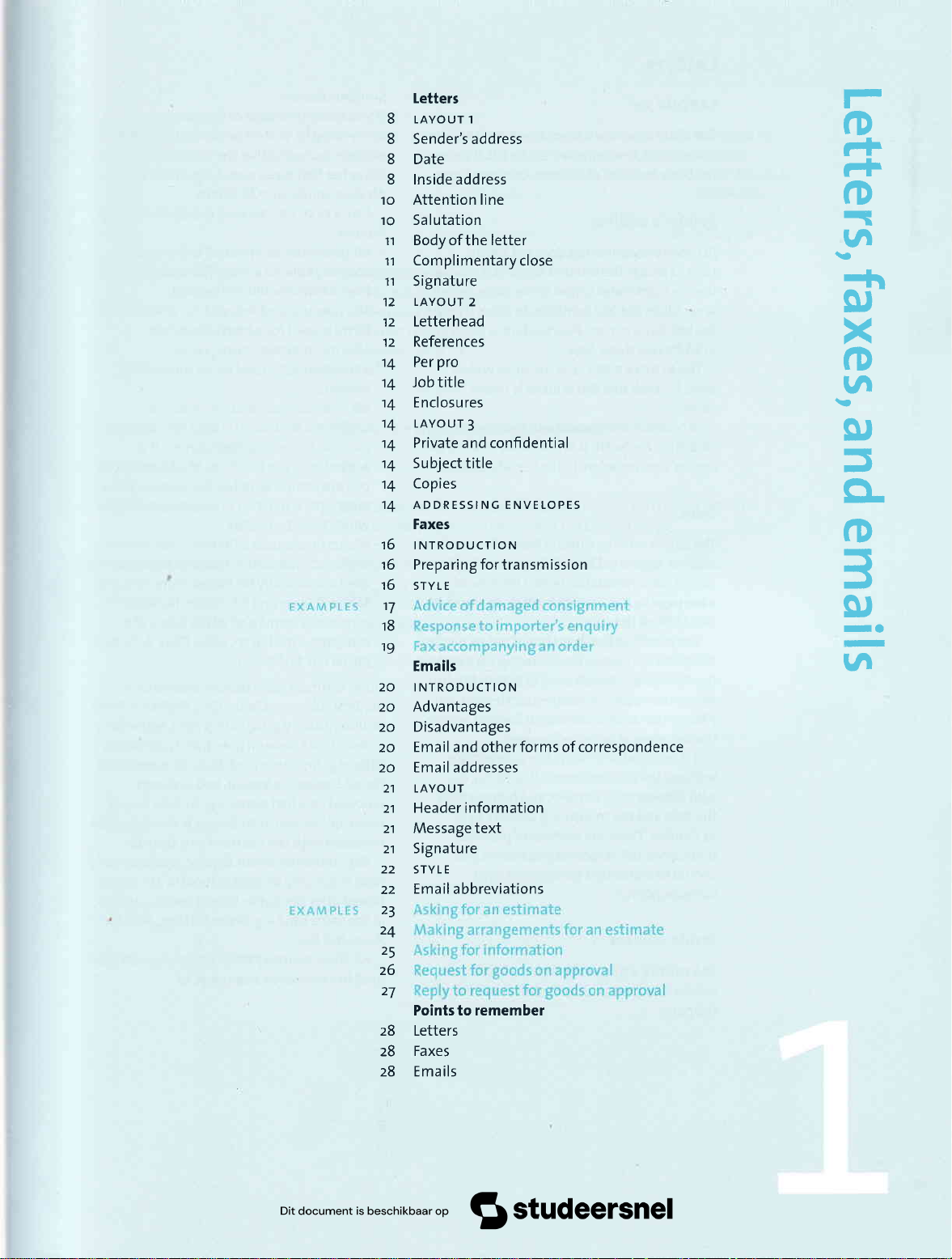
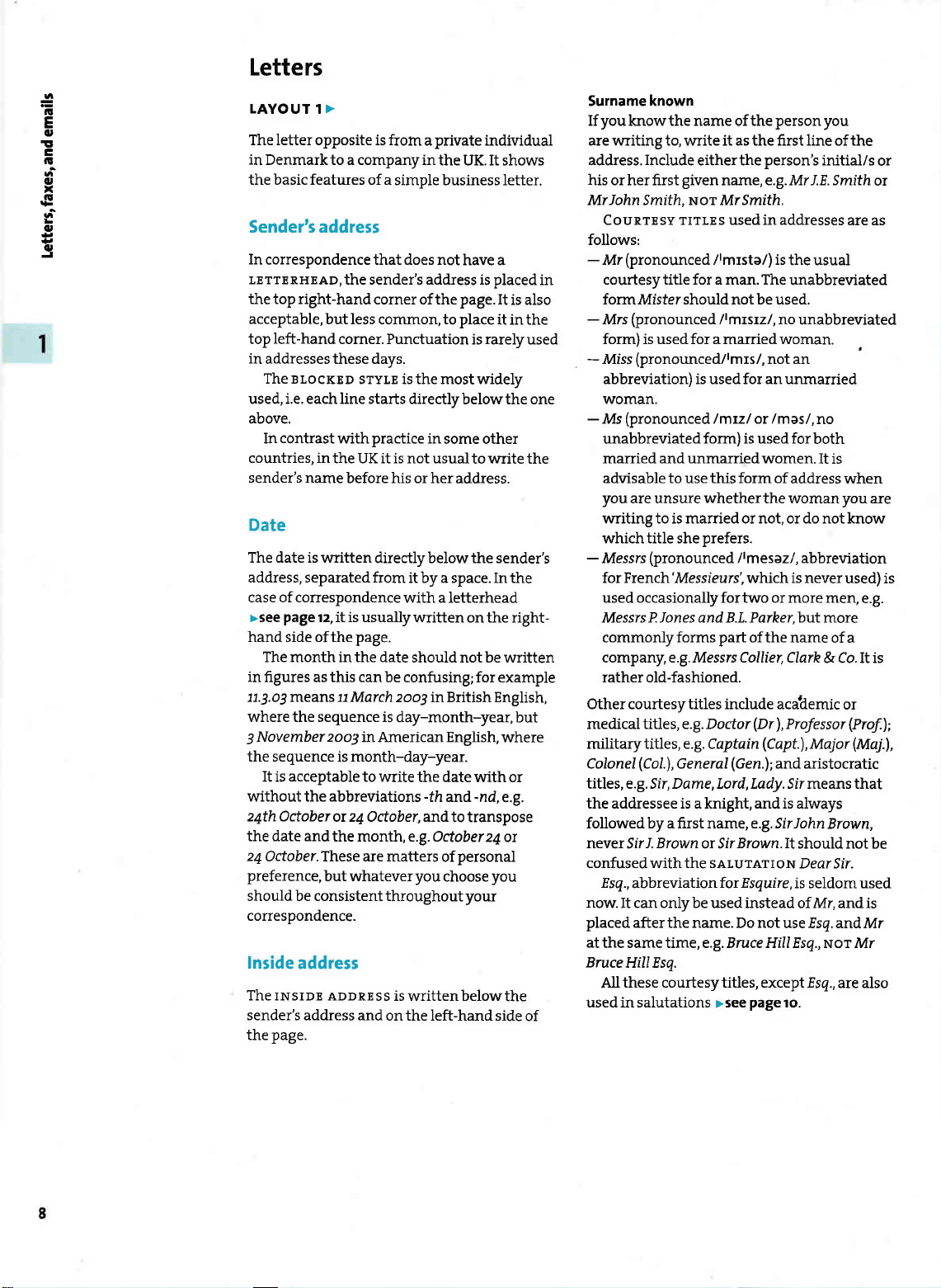
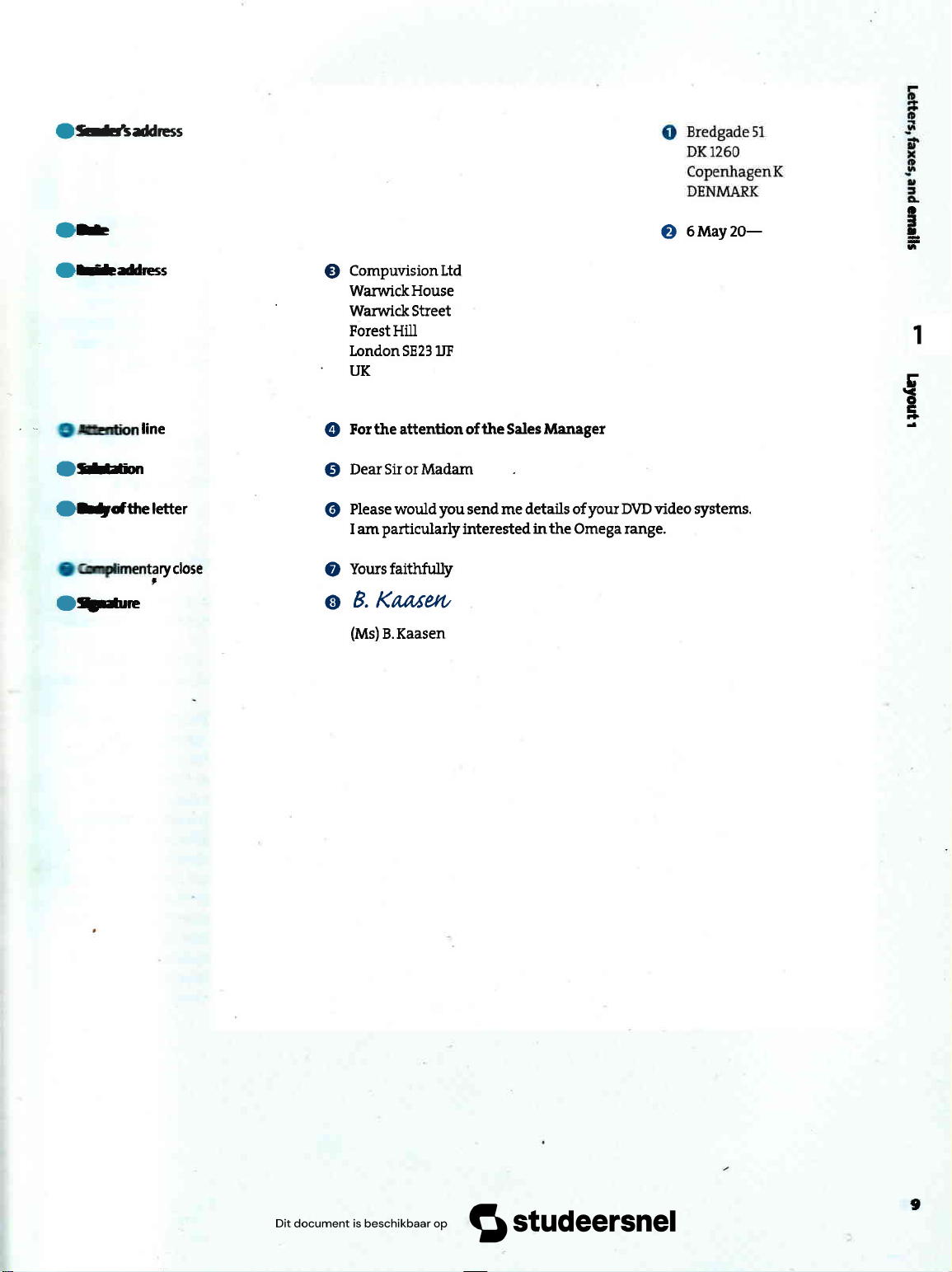
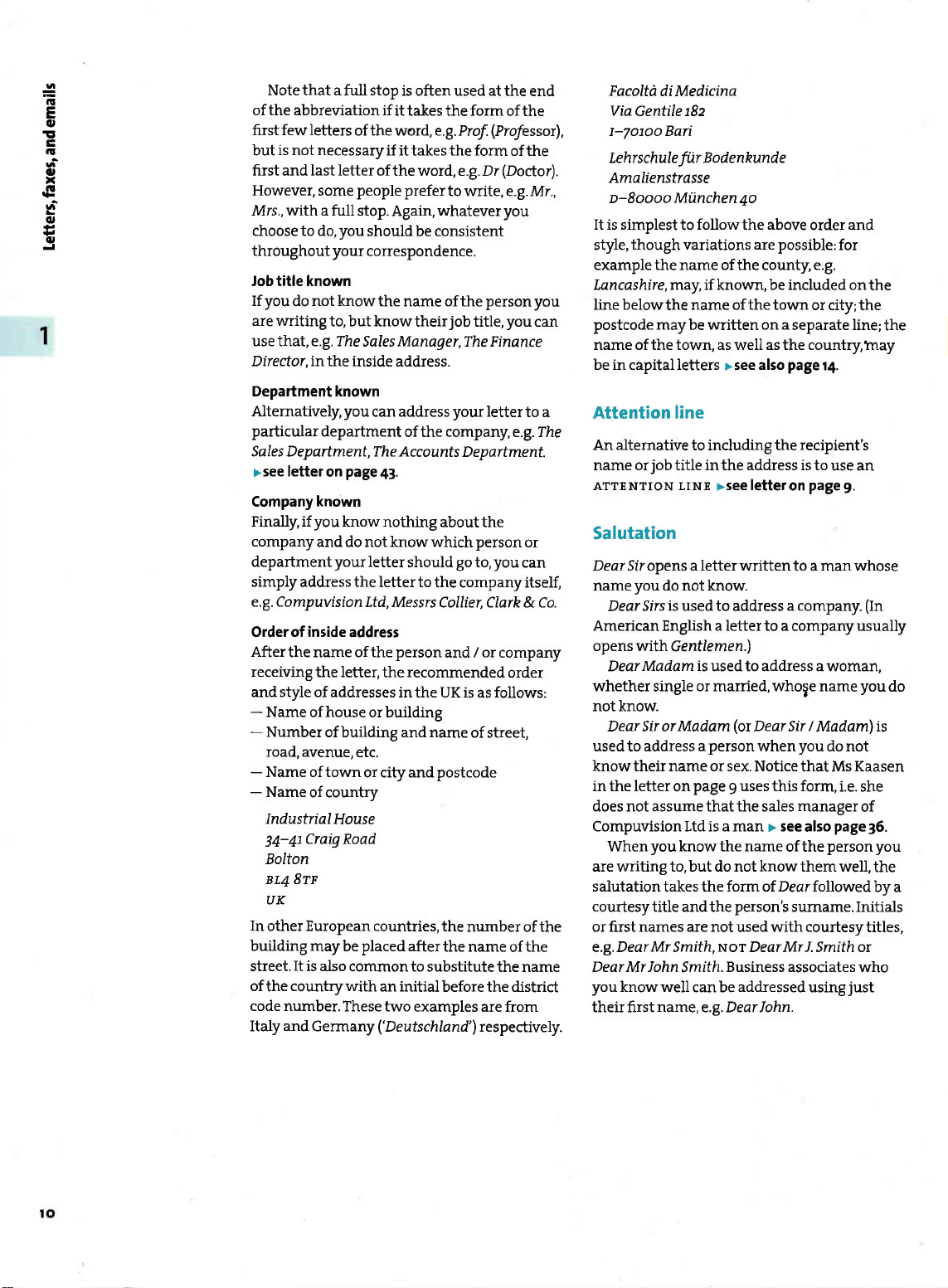
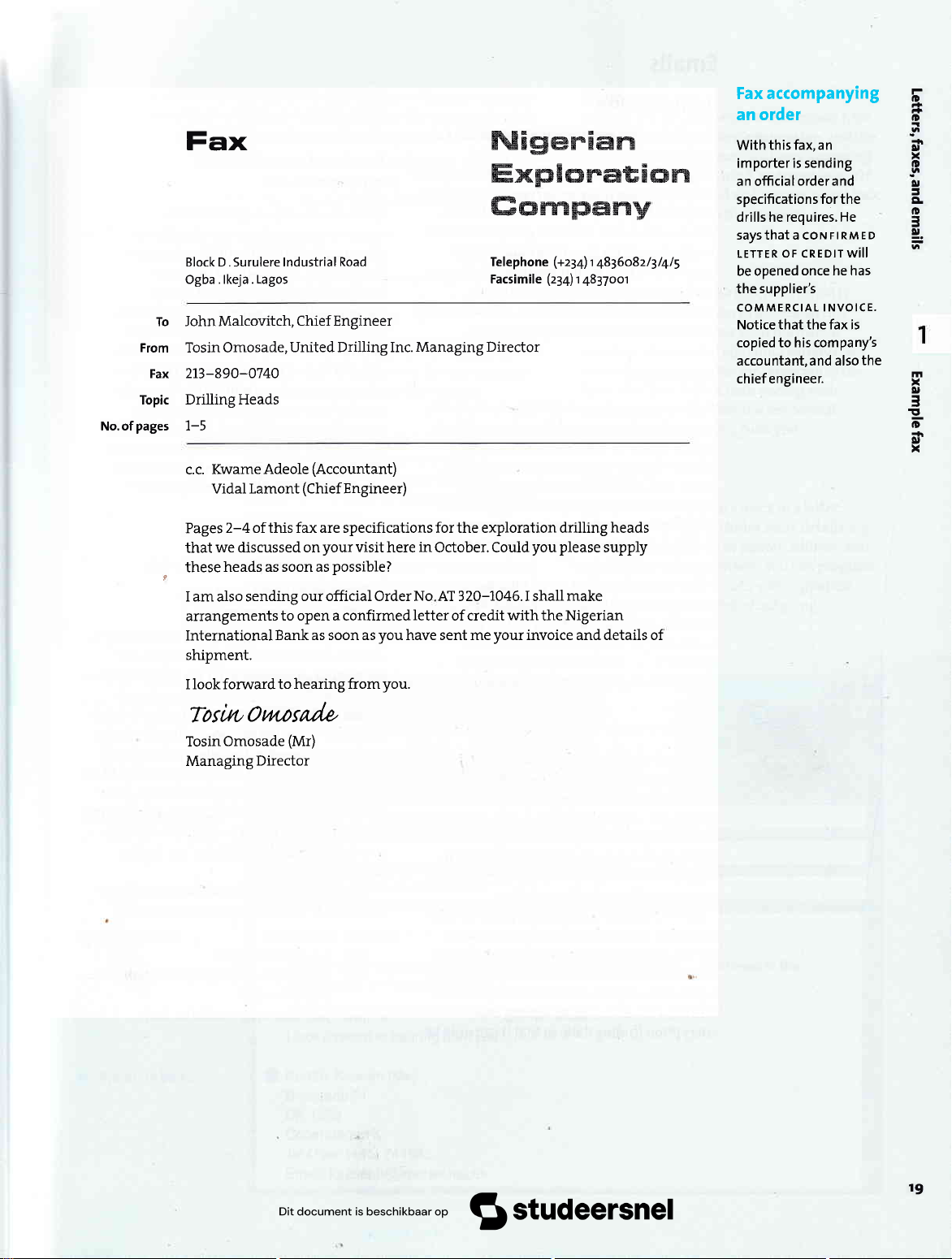
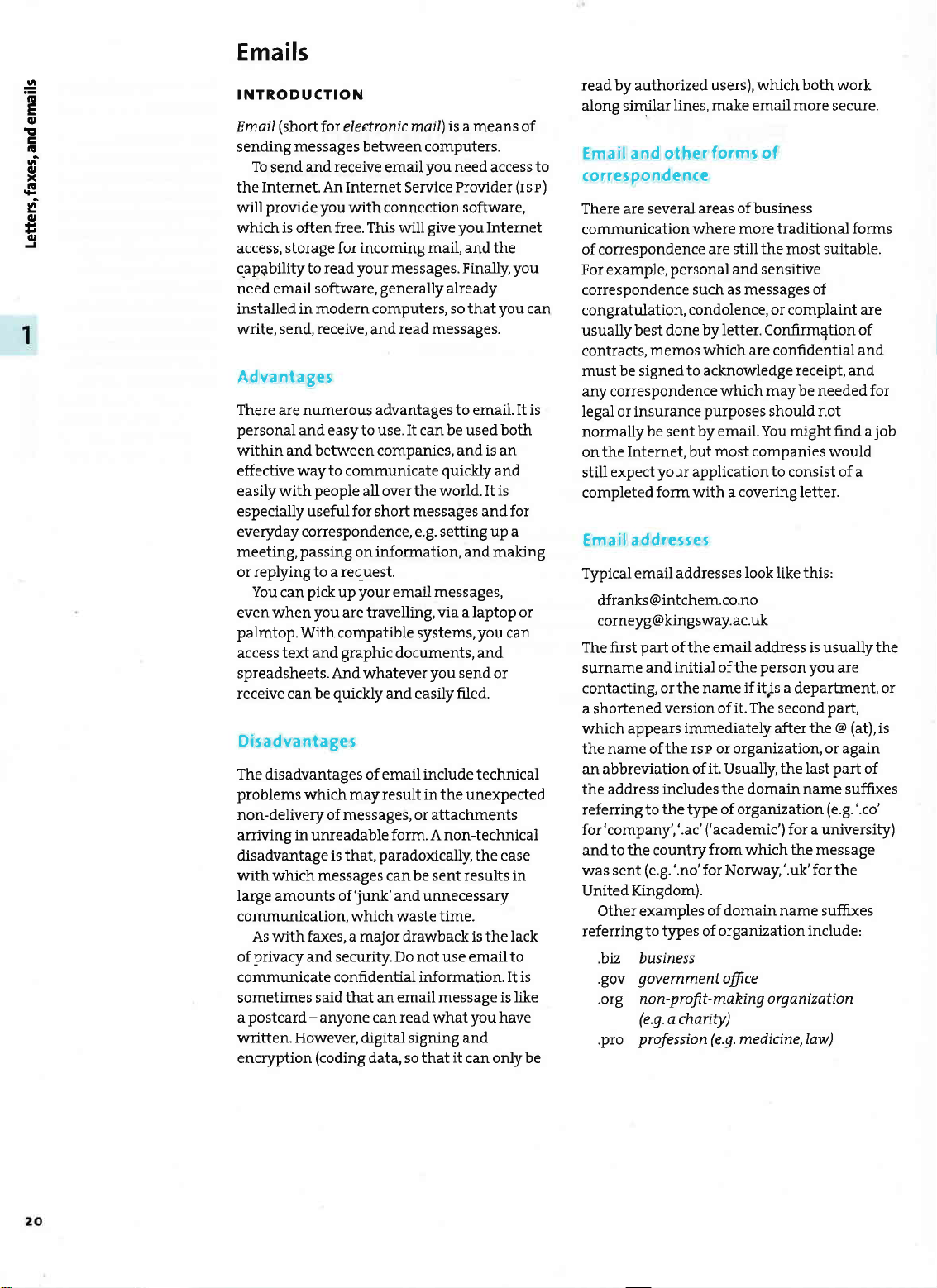
Giáo trình tiếng anh thư tín thương mại
Nghiệp vụ ngân hàng thương mại (Trường Đại học Phenikaa) Scan to open on Studeersnel
Studocu is not sponsored or endorsed by any college or university
Downloaded by Nguyen Linh (vjt50@gmail.com) lOMoARcPSD|60495421
Downloaded by Nguyen Linh (vjt50@gmail.com) lOMoARcPSD|60495421
Downloaded by Nguyen Linh (vjt50@gmail.com) lOMoARcPSD|60495421
Downloaded by Nguyen Linh (vjt50@gmail.com) lOMoARcPSD|60495421
Downloaded by Nguyen Linh (vjt50@gmail.com) lOMoARcPSD|60495421
Downloaded by Nguyen Linh (vjt50@gmail.com) lOMoARcPSD|60495421
Downloaded by Nguyen Linh (vjt50@gmail.com) lOMoARcPSD|60495421
Downloaded by Nguyen Linh (vjt50@gmail.com) lOMoARcPSD|60495421
Downloaded by Nguyen Linh (vjt50@gmail.com) lOMoARcPSD|60495421
Downloaded by Nguyen Linh (vjt50@gmail.com) lOMoARcPSD|60495421
Downloaded by Nguyen Linh (vjt50@gmail.com) lOMoARcPSD|60495421
Downloaded by Nguyen Linh (vjt50@gmail.com) lOMoARcPSD|60495421
Downloaded by Nguyen Linh (vjt50@gmail.com) lOMoARcPSD|60495421
Downloaded by Nguyen Linh (vjt50@gmail.com) lOMoARcPSD|60495421
Downloaded by Nguyen Linh (vjt50@gmail.com) lOMoARcPSD|60495421
Downloaded by Nguyen Linh (vjt50@gmail.com) lOMoARcPSD|60495421
Downloaded by Nguyen Linh (vjt50@gmail.com) lOMoARcPSD|60495421
Downloaded by Nguyen Linh (vjt50@gmail.com) lOMoARcPSD|60495421
Downloaded by Nguyen Linh (vjt50@gmail.com) lOMoARcPSD|60495421
Downloaded by Nguyen Linh (vjt50@gmail.com)
Tài liệu liên quan:
-
IELTS Academic Reading 1: Effects of Classroom Noise on Children with Auditory Deficits
6 3 -
IELTS Reading Practice: The Economic Importance of Coral Reefs
6 3 -
TOPIK 1: Biến Đổi Khí Hậu - Climate Change Discussion and Insights
6 3 -
Hướng Dẫn Tự Học Destination B2: Tổng Hợp Ngữ Pháp và Từ Vựng
6 3 -
Câu hỏi phản hồi chủ đề Ferien und Urlaub: Gợi ý và Thảo luận
7 4