SlideUnit2



















Preview text:
ENGLISH FOR BUSINESS 1
DEPARTMENT OF TRANSLATION AND INTERPRETING
UNIT 2 – BUSINESS SECTORS CONTENTS 2.1 Japan’s economy 2.2 The energy industry 2.3
Communication skills: Dealing with interruptions 2.4
Business skills: Voicemail messages 2.5
Writing: E-mail – Action points OBJECTIVES After the lesson, learners
• can use vocabulary related to different sectors and industries
which drive economic activity.
• can use the Past simple and Past continuous to talk about past events.
• are aware of ways to take turns and can use range of
expressions to interrupt and manage interruptions in a meeting.
• can use a range of expressions to leave a clear and concise voicemail message.
• can write an email containing action points from a meeting. 2.1. JAPAN’S ECONOMY
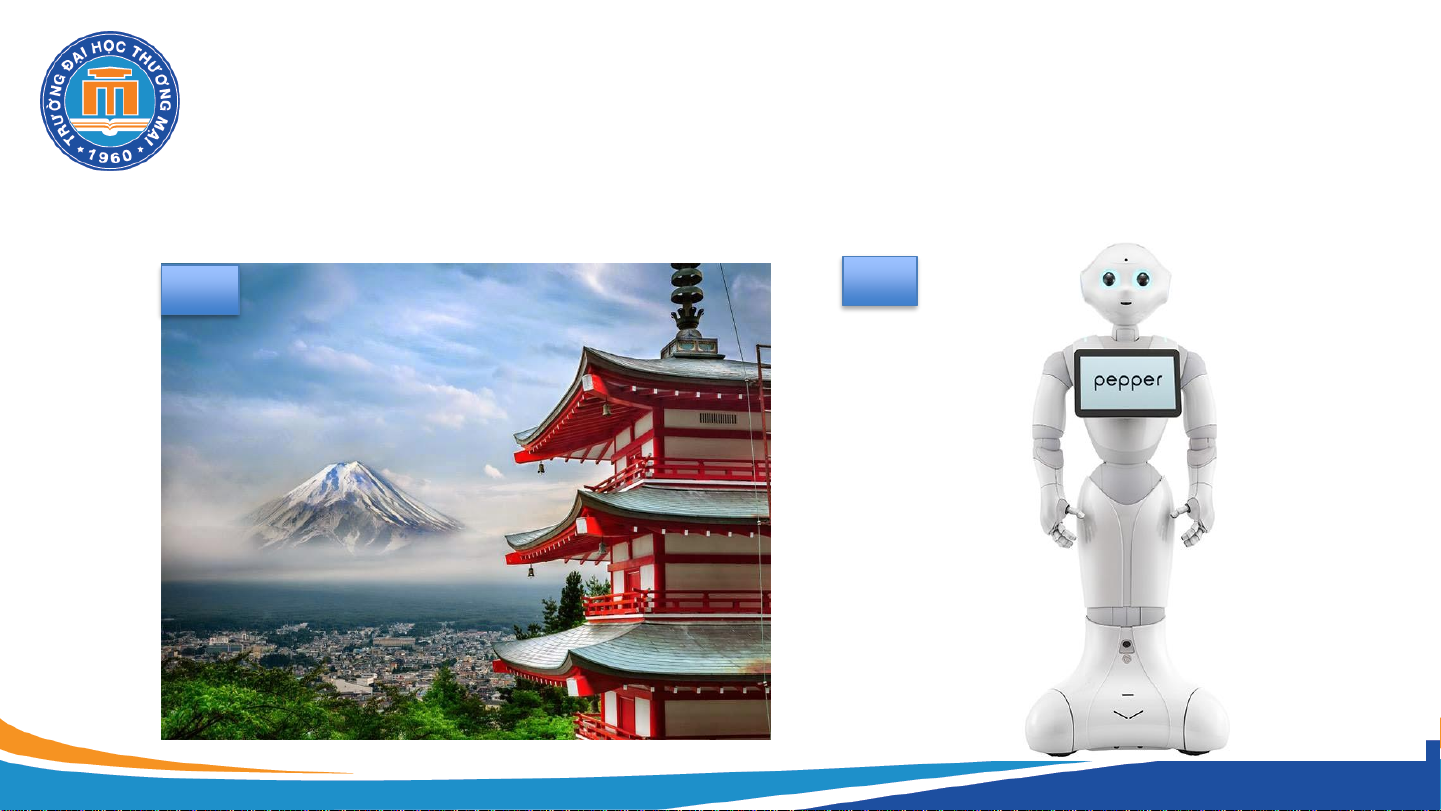
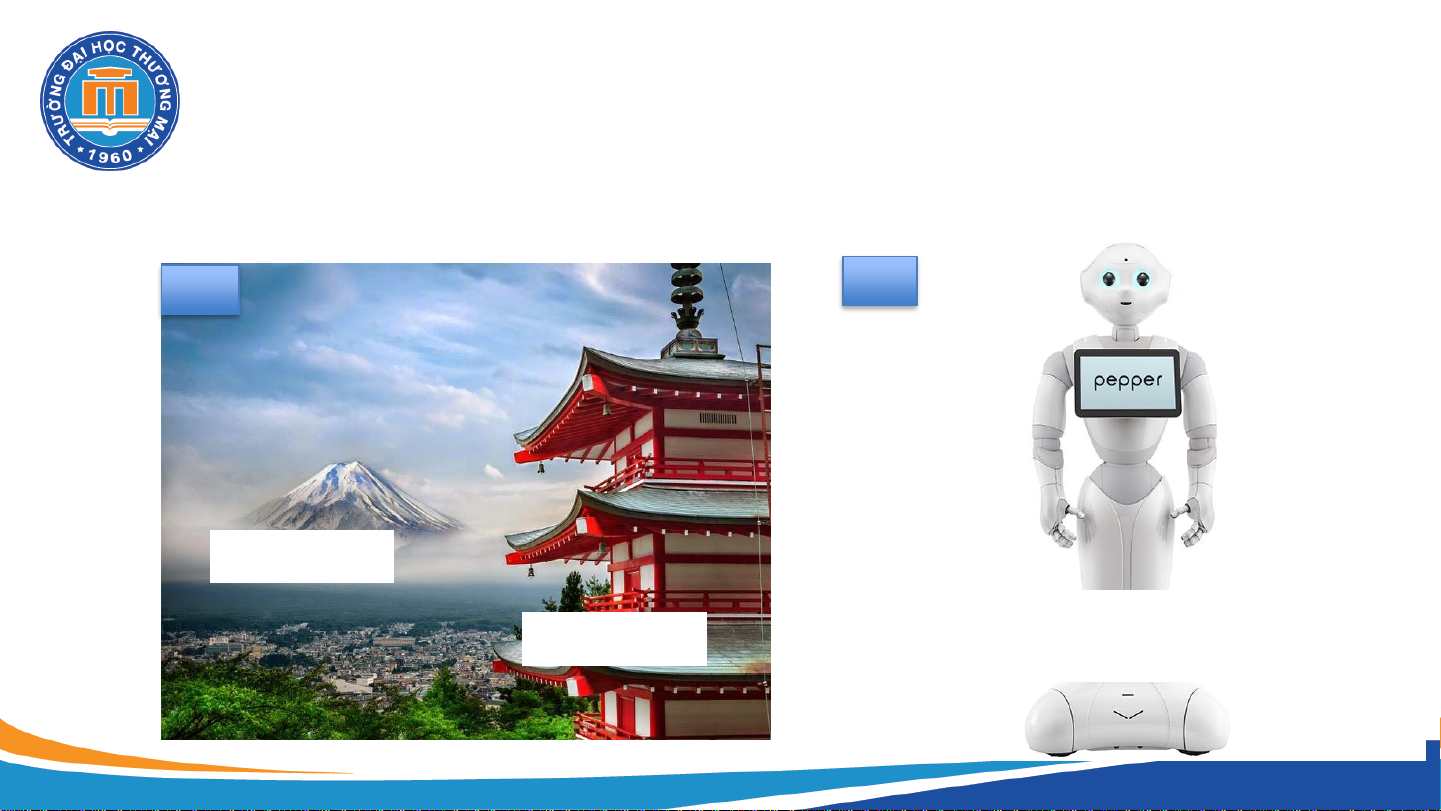
LEAD IN: Look at the photos from Japan. What can you see? What other
iconic images represent the country? A B 2.1. JAPAN’S ECONOMY
LEAD IN: Look at the photos from Japan. What can you see? What other
iconic images represent the country? A B Mount Fuji Pepper robot A pagoda by SoftBank Robotics
2. Answer these questions. 1.
In what ways do you think Japan is very traditional and
in what ways is it very modern? 2.
How has Japanese popular culture had an impact on the world? Give examples. 3.
How has Japanese industry had an impact on the world? Give examples. 4.
What do these Japanese companies make or do? Canon Mitsubishi Nikon Nintendo SoftBank Sony Toyota
3. Video: Development of Japan’s economy What may appear in the video? agriculture cars energy electronics finance fishing Watch the video and check
4. Watch the video again and decide if the sentences
are true (T) or false (F). Correct the false ones. 1.
We think of the USA leading in the internet technology sector. 2.
Japan is the second largest industrialised economy in the world. 3.
The country’s banks and financial market are an important part of the economy. 4.
Japan was slow to use robots in car manufacturing. 5.
Japanese cars were not popular in other countries in the 1970s. 6.
Japan’s car manufacturers continue to invent new vehicles in the 21st century. 7.
The Sony Walkman was a revolutionary product because it was very cheap. 8.
Both Nintendo and Sony sell popular video game consoles.
4. Watch the video again and decide if the sentences
are true (T) or false (F). Correct the false ones. 1.
We think of the USA leading in the internet technology sector. T F => It was the second 2.
Japan is the second largest industrialised economy in the world. largest in the 1960s. 3.
The country’s banks and financial market are an important part of the economy. T 4.
Japan was slow to use robots in car manufacturing.F => It used robots before other countries. 5.
Japanese cars were not popular in other countries in the 1970s. (5) F => The cars were 6.
Japan’s car manufacturers continue to invent new vehicles in the popular in the USA and 21st century. Europe and exports were T high. 7.
The Sony Walkman was a revolutionary product because it was
very cheap. F => It was small and portable; people could listen to music ‘on the go/move’ 8.
Both Nintendo and Sony sell popular video game consoles. T 5. Follow-up Answer the questions below:
1. According to the video, how was Japan able to build a strong car industry?
2. What two examples of more recent innovations in Japan’s
car industry are mentioned in the video?
3. How did the Sony Walkman change the way we live today?
Vocabulary: Sectors and industries
6. Complete the extracts from the video using the words and phrases in the box. automotive manufacturing retail service sector transportation Japan’s (1) ____________
service sector , which includes finance, trade, entertainment, tourism, (2) ________ retail ____ and (3) ____ tran____ spo ____,
rtation accounts for a massive
three-quarters of Japan’s total economic output.
But it has been Japan’s (4) ____ man ____ ufa ____
cturing industries that have made the
most global impact. The (5) ___________
automotive _ industry has been particularly successful.
7. Match the three economic sectors (A-C) with the descriptions and examples (1-3) Economic sectors
A Primary B Secondary C Tertiary
Description and examples
1. This involves using raw materials to develop and build products.
Examples include the manufacturing and construction industries. B
2. Also called the service sector, this includes all the commercial services
that connect products and services with consumers. Examples are
financial services, retail, the tourism industry as well as transportation.
It also includes other public and private services such as education and health care. C
3. This involves working with basic materials. For example, extraction of
raw materials, agriculture and fishing. A
8. Write the correct industry and sector next to each group (1-8)
1. bank, credit card company, insurance agent
2. campsite, cruise ship, hotel chain
3. furniture maker, street factory, textile manufacturing
4. coal mining, gas extraction, oil drilling
5. Animal farming, crop growing, wine producing
6. airline, courier service, port
7. chemical plant, pharmaceutical company, robotics factory
8. clothes shop, restaurant, supermarket
8. Write the correct industry and sector next to each group (1-8)
1. bank, credit card company, insurance
Financial services –service/tertiary agent sector
2. campsite, cruise ship, hotel chain
The tourism industry-service/tertiary sector
3. furniture maker, street factory, textile Manufacturing-secondary sector manufacturing
4. coal mining, gas extraction, oil drilling
Extraction of raw materials-primary sector
5. Animal farming, crop growing, wine Agriculture-primary sector producing
6. airline, courier service, port
Transportation-service/tertiary sector
7. chemical plant, pharmaceutical Manufacturing-secondary sector company, robotics factory
8. clothes shop, restaurant, supermarket Retail-service/tertiary sector
9. Look at the types of business in Exercise B and discuss the questions.
1. Which of the sectors and industries were important in the past in your country or region?
2. If any of these industries declined, do you know why?
PROJECT: Research sectors and industries
10A. Work in pairs or small groups. •
Research one industry that is active in your country or region. Find out some of the following information.
A description of the industry the number of employees
The size of the industry
its economic impact on the country •
Write a short report about the industry you’ve chosen. Write 100-120 words. •
Prepare a short presentation with suitable images about the industry.
2.2. The energy industry Lead-in 1.
Match words from each circle to form compound nouns. climate fossil electricity global bill change renewable fuel warming greenhouse solar panels gases energies Climate change Fossil fuel Electricity bill Global warming Renewable energies Greenhouse gases Solar panels