TÀI LIỆU TIẾNG ANH. USING SHADOWING TO IMPROVE SPEAKING SKILLS FOR FIRST
Tài liệu này nói về sử dụng kỹ thuật shadowing để cải thiện kĩ năng nói. Tài liệu này dành cho tất cả mọi người đặc biết là những người học tiếng anh. Tài liệu sưu tầm được tổng hợp. Mời các bạn tham khảo
Chủ đề: Tài liệu chung Tiếng Anh 12 485 tài liệu
Môn: Tiếng Anh 12 1.2 K tài liệu
Tác giả:







Preview text:
USING SHADOWING TECHNIQUE TO IMPROVE SPEAKING SKILLS FOR FIRST-YEAR ENGLISH-MAJORED STUDENTS AT QUANG NAM UNIVERSITY
Nguyễn Lê Thảo Kim, Trần Lê Anh Tú, Lê Huyền Văn, Nguyễn Phước Kiều Trâm, Đinh Thu Hà
Abstract:The significance of English speaking proficiency in effective communication is undeniable. While traditional language learning methods often prioritize grammar and vocabulary, the development of speaking skills remains a significant challenge for many learners. By investigating the efficacy of the shadowing technique, this study aims to provide valuable insights into effective language learning strategies for first-year English-majored students at Quang Nam University. The findings of this study may contribute to the development of innovative language teaching approaches that can enhance students' language proficiency and prepare them for academic and professional success.
1.Introduction
1.1 Rationale of the study
The ability to communicate effectively in a foreign language is a valuable asset in today's globalized world. Technology has fundamentally transformed the way we learn languages. It has made language learning more accessible, engaging, and effective. Modern learning and teaching require approaching many different sources of information from many different perspectives.
Among the myriad of English learning methods, many first-year students at Quang Nam University are still pondering the most suitable approach to enhance their speaking skills. They are uncertain about how to naturally access the language through appropriate materials with accurate pronunciation, intonation, and accent. Therefore, shadowing could be an effective method to improve their ability to use English more naturally in communication.
Since the early days of language teaching, shadowing has been employed as a technique to support students in their language learning. According to Marslen-Wilson [1], shadowing is a task in which students have to repeat speech as they hear it. Listeners often do not wait until the speech is finished to start “echoing”, but begin to repeat right after they hear the first word. In Lambert’s definition [2], “shadowing is a paced, auditory tracking task which involves the immediate vocalization of auditorily presented stimuli in the same language, parrot-style, of a message”. As the word “imitation” is controversial in linguists’ opinions, some linguists differentiated shadowing from imitation. In shadowing a speech, the listener is required to repeat the utterances as quickly as possible. The focused aspects usually include both the speaker’s regional dialect and his vocal mannerism. In imitating, however, the shadower seems to draw their attention to the phonetic and non-phonetic aspects of the target utterance.
So far there have been researches about the impact of shadowing on improving students’ listening and speaking skills. One example is Tokada’s [3], in which he showed students’ mean scores of a listening test went up; they also stated shadowing was the second most contributing factor to their achievement. Another is Park’s [4] study with evidence of participants’ statistically higher significant achievement on their listening comprehension post - test. In terms of speaking skills, some researchers such as Acton [5] and Osburne [6] pointed out the merits that shadowing created when students practiced pronunciation.
1.2 Research question
To fulfill the purpose of the study, the survey was employed to answer the following question:
+ Does the use of technology (e.g., language learning apps, online platforms) enhance the effectiveness of shadowing?
+ What is the optimal duration and frequency of shadowing practice for first-year English learners?
+ What types of materials (e.g., authentic speech, scripted dialogues) are most effective for shadowing practice?
2. Content
2.1 Concept definition
2.1.1 Definition of speaking skills
Speaking skills are essential components of effective communication. They encompass the ability to express thoughts, ideas, and emotions clearly and effectively in spoken language. Speaking skills involve various elements, including pronunciation, fluency, vocabulary usage, and the ability to construct coherent sentences and arguments. According to Jack Richards (2002) [7], "The ability to speak a second language well is a very complex task," emphasizing the challenges learners face in developing these skills.
The development of speaking skills is critical for language learners as it directly impacts their ability to engage in conversations and understand cultural nuances. As highlighted by Chris Candlin (1990) [8], "Getting students to talk is the major and one of the most difficult tasks confronting any teacher." This underscores the necessity of creating a supportive environment where learners can practice speaking without the fear of making mistakes.
2.1.2 Shadowing techniques
+Definition of Shadowing techniques
Shadowing is a language learning technique where learners listen to native speakers and attempt to repeat what they hear in real time. This method is designed to enhance listening and speaking skills by imitating the pronunciation, intonation, and rhythm of the speaker. The term "shadowing" reflects the idea that the learner is following the speaker closely, akin to a shadow following a person. It differs from dictation because learners focus on verbal repetition rather than writing down what they hear.
+The role of Shadowing
The shadowing technique plays a significant role in helping first-year students improve their English skills, particularly in listening and speaking. This method, which involves repeating words or phrases as soon as they are heard, helps students improve pronunciation, fluency, and overall listening comprehension by familiarizing them with native intonations, rhythms, and vocabulary. Research has shown that shadowing helps students increase their listening memory and comprehension skills, as they become more adept at understanding rapid speech and retaining information from listening tasks [10].
Additionally, shadowing addresses common difficulties faced by language learners, such as limited vocabulary, pronunciation challenges, and lack of confidence [11]. By practicing with shadowing, students can gradually overcome these barriers, as the technique builds their ability to mimic native speakers’ intonation and grammatical structures, ultimately fostering a more natural speaking style. Studies have also found that students who use shadowing regularly report an increased interest in learning English and a sense of achievement, which boosts their motivation [12].
2.2 Literature review
2.2.1 Challenges in Speaking.
Communication difficulties are issues that prevent a person from being able to speak effectively. The Oxford Dictionary (4th edition) defines difficulty as something that is not easy, requiring effort or skill, problematic, troublesome, or hard to carry out or understand. We can say that communication difficulties are the problems that arise when someone speaks or understands spoken language.
Students need to make an effort to develop their communication skills. Furthermore, when learning a foreign language speaking skill, there are many barriers that may hinder them from mastering spoken language. Many studies have pointed out the difficulties students encounter when speaking English. They have identified several issues that lead to failures in students’ speaking abilities. Communication issues are the barriers that prevent students from speaking. These problems serve as obstacles that cause students to fail in their English-speaking abilities.
The difficulties in speaking skills are also supported by findings from a study conducted by Heriansyah, which identified five problems and causes as follows: 1) Not daring to speak, caused by fear of making mistakes and lack of confidence when speaking. 2) Lack of confidence when speaking, caused by fear of making mistakes. 3) Fear of speaking due to fear of making mistakes. 4) Anxiety when speaking. 5) Unfamiliarity with speaking in class because of the fear of making mistakes. In conclusion, the difficulties students face stem from within themselves. Lack of confidence, shyness, and fear of making mistakes are psychological factors that hinder students’ speaking abilities. These factors can be addressed by creating an English-speaking club, encouraging students to speak, and practicing more with classmates, among other strategies.
2.2.2 Benefits of using Shadowing to enhance speaking skills.
• Significant improvement in pronunciation and intonation: When applying this technique, learners not only read but also need to listen carefully to identify the correct pronunciation of related words. This helps them grasp other distinctive features of the target language, such as stress, intonation, rhythm, pitch, and pauses. By practicing repetition and attempting to mimic the exact sounds they hear, learners are also training their bodies to produce these sounds, which helps them pronounce English correctly according to the IPA (International Phonetic Alphabet) and develop an accent closer to that of native speakers.
• Increased fluency in speaking: Shadowing helps create neural connections by quickly and accurately linking sounds, words, and phrases according to the speaking speed of native speakers. This improves the learner's reflexive ability in English communication, enabling them to speak more fluently and smoothly.
• Expanding vocabulary for students: Practicing pronunciation through shadowing forces the ear to work harder, meaning learners will listen more, which in turn exposes them to a greater number of new words. As a result, their vocabulary expands. Moreover, the process of stimulating the brain with sounds makes it easier for learners to retain hard-to-remember vocabulary that may not be easily learned through visual means.
• Helping the brain with an impression of sentence structure: when receiving or listening to information, our brains process and analyze that information. Sentences with the same structure are more easily remembered and "framed" in the brain. This helps learners internalize sentence patterns and structures more effectively.
2.3 Research method
2.3.1 Research design
To achieve the aim of the study, mixed methods were utilized, combining elements of both quantitative and qualitative research to comprehensively address the research question. This approach provides a more complete understanding of the subject matter by integrating the strengths of both quantitative and qualitative methodologies, offering insights that might not be achievable through a single-method approach alone.
In the context of this study, it aims to survey and investigate the effectiveness of using the shadowing technique among first-year English students to enhance their speaking skills.
2.3.2. Data collection
Data Collection: The study employed two primary methods for data collection: observation and a structured questionnaire featuring closed-ended questions.
Participants: 26 students from first-year English majored in Quang Nam University
Questionnaire Design: The questionnaire was designed to gather specific information regarding the use of the shadowing technique.
2.3.3 Data analysis
Based on the data collected through observation and the structured questionnaire, the analysis will focus on assessing the impact of the shadowing technique on English language proficiency among the participants and examining their attitudes toward the method.
The quantitative data from the questionnaire responses will provide insights into the students' engagement with and perceptions of the shadowing technique, such as their preferred platforms (e.g., TikTok, YouTube) and audio materials (e.g., podcasts, audiobooks, videos). Additionally, the responses will help determine the perceived effectiveness of the method for language learning and whether students would recommend it to other learners.
Together, these data sources will allow for a comprehensive evaluation of the shadowing technique's efficiency in enhancing speaking skills and its overall reception among learners in the context of English language learning at Quang Nam University.
2.4. Findings
2.4.1. The perceptions of the importance of speaking skills and the frequency of using shadowing techniques to improve speaking skills.
Figure 2.4.1a:’ In 4 skills in English, which one do you think the most important for you?’
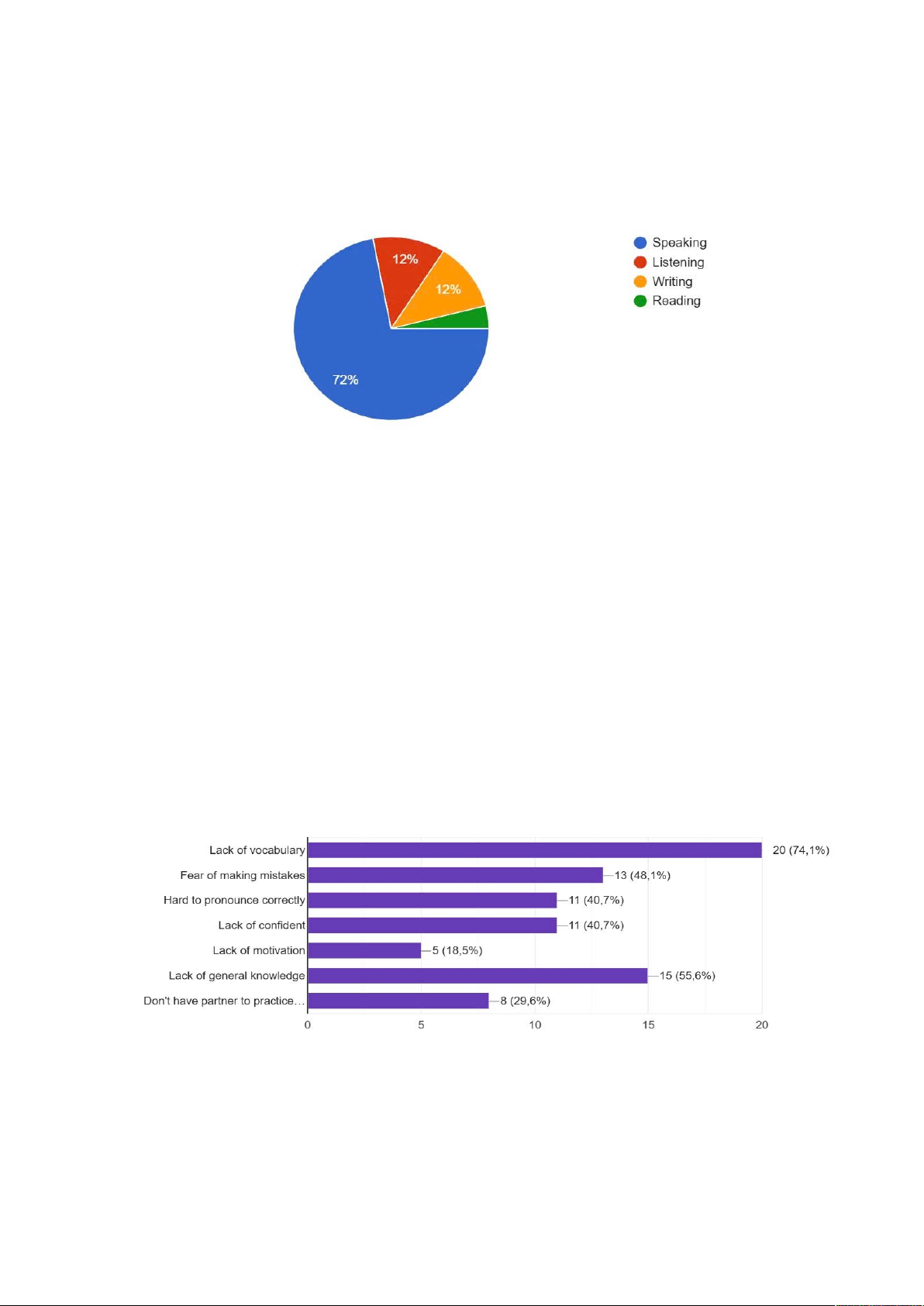
This pie chart illustrates that most respondents (72%) perceive speaking skills as important. The remaining three skills were selected by only 28% of them, implying that there's a strong consensus among the surveyed population regarding the significance of speaking skills.
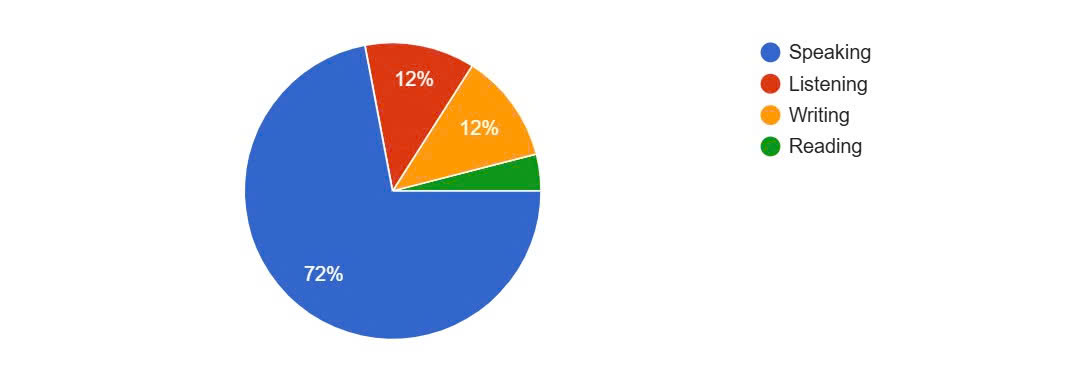
Figure 2.4.1b:’ What are the problems faced by first-year student in English speaking skills?’
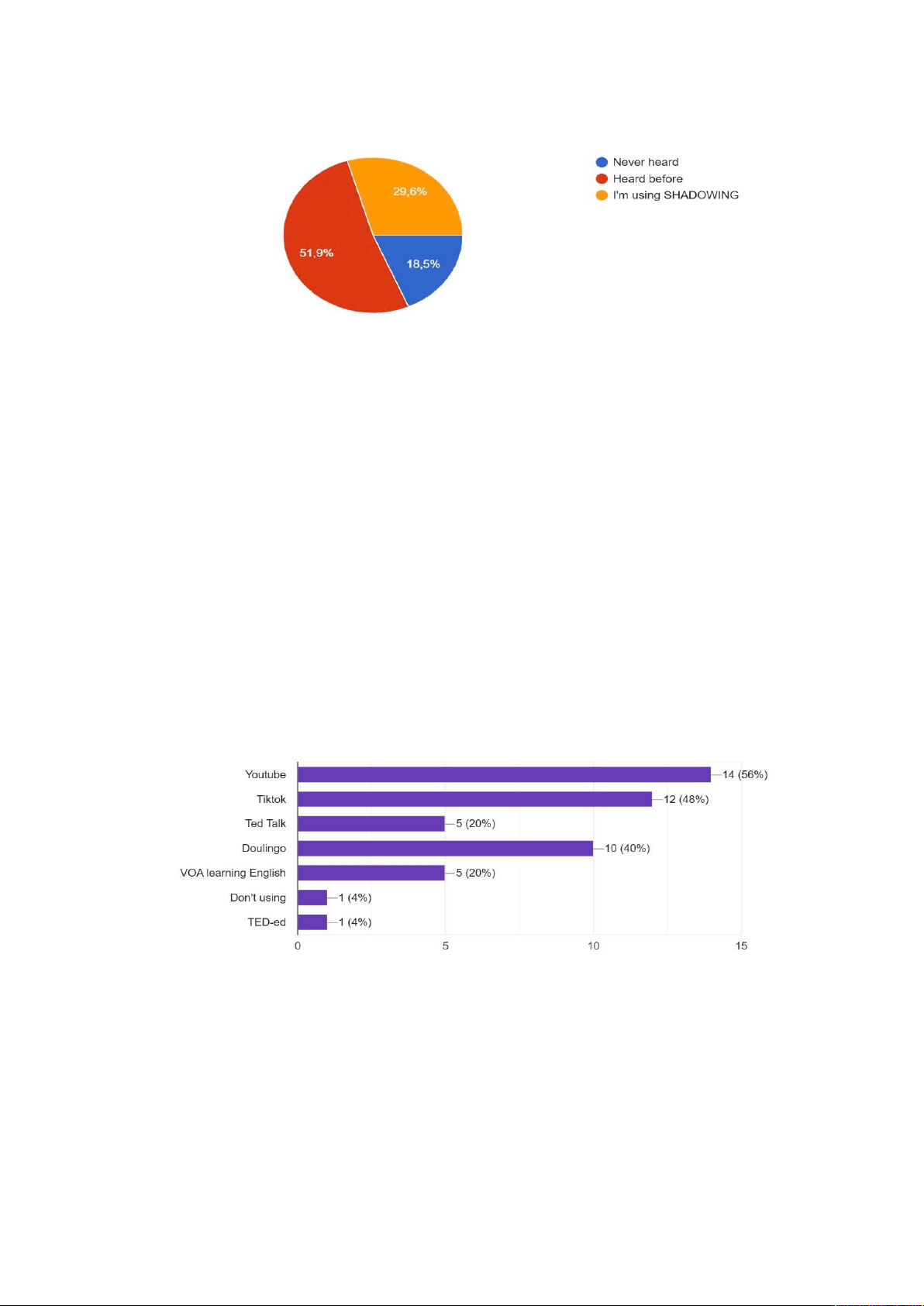
The bar chart displays the problems faced by first-year students in English speaking skills. Fear of making mistakes (48,1%) suggests that a significant portion of students may feel inhibited or anxious about speaking in English due to the fear of making errors. Many students may lack of confident (40,7%) needed to communicate effectively in English, which could hinder their speaking skills development. Many students (74,1%) struggle with vocabulary, indicating they may have difficulty finding the right words to express themselves effectively.
Many students (55,6%) struggle with pronunciation and grammar accuracy, which are essential components of effective communication. Other issues mentioned, such as hard to pronounce correctly, don’t have partner to practice, also contribute to the overall difficulties faced by first-year students in improving their English-speaking skills.
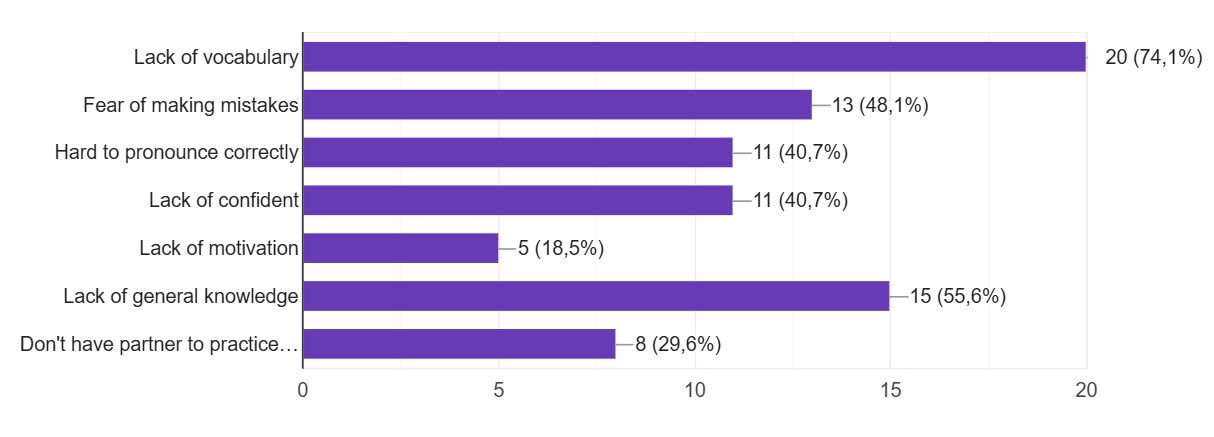
Figure 2.4.1c: ‘Have you ever heard about SHADOWING technique?’
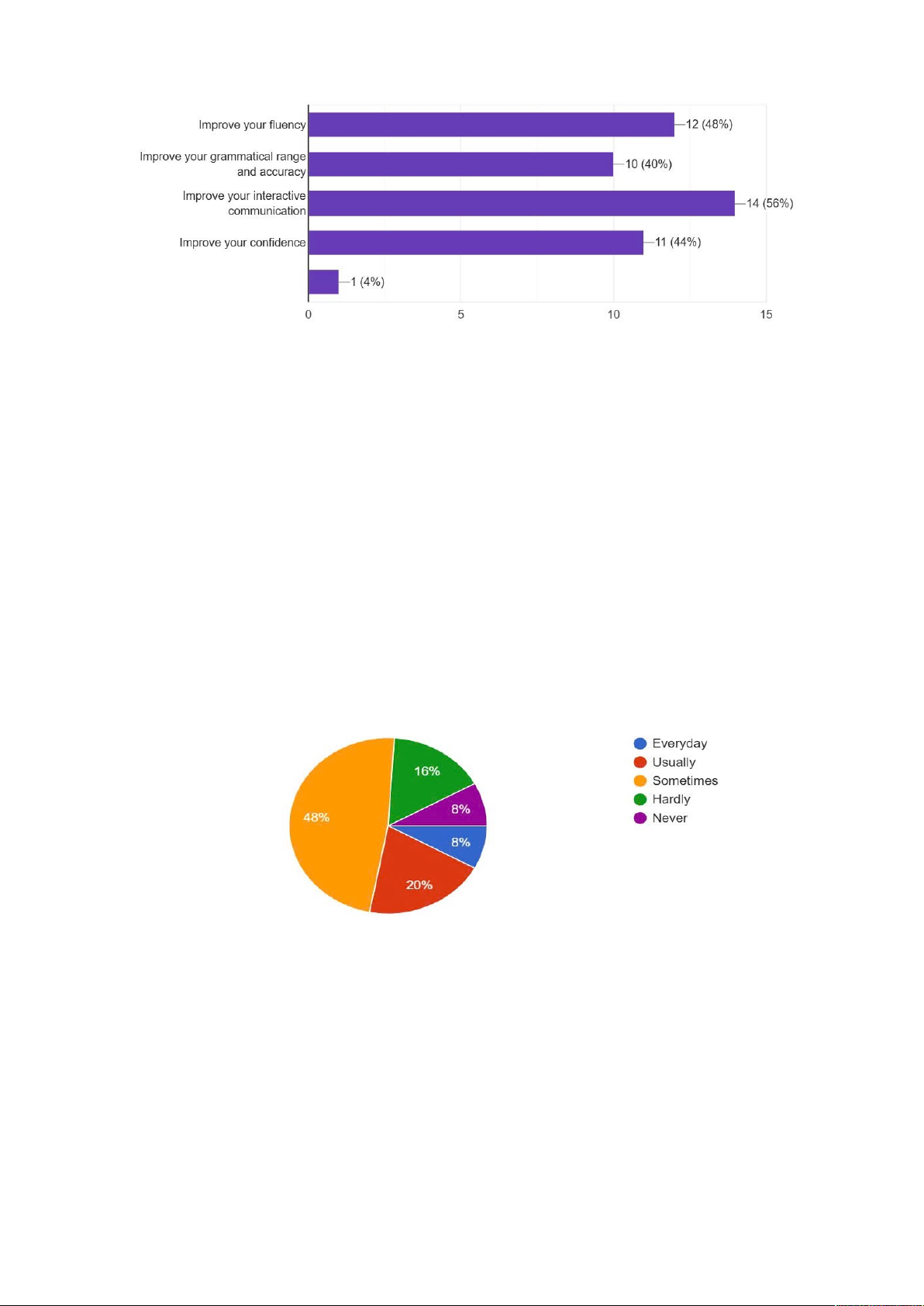
When asked about their familiarity with the shadowing technique, the survey respondents provided a diverse range of responses. The majority (51.9%) indicated that they had heard of the technique, suggesting a relatively high level of awareness. Conversely, a smaller proportion (29.6%) reported actively employing the shadowing technique in their language studies. The remaining respondents (18.5%) expressed unfamiliarity with the technique.
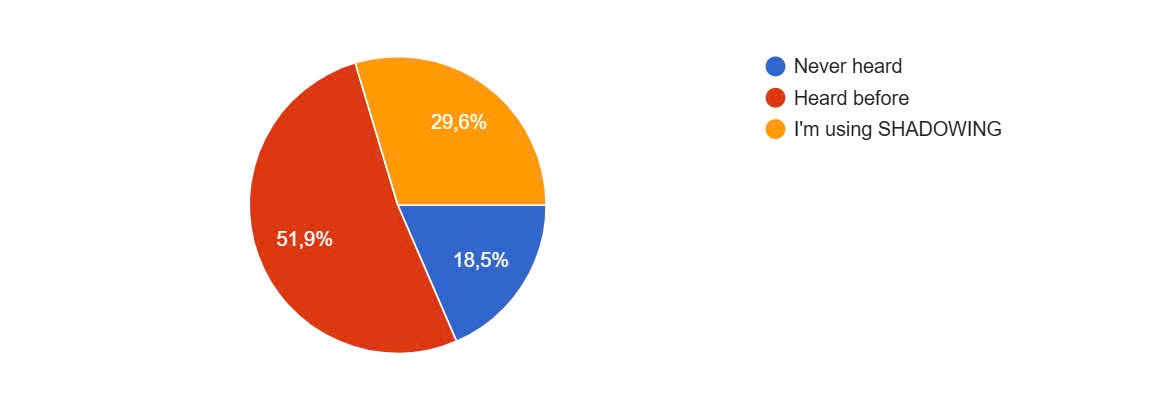
Figure 2.4.1d: ‘Which apps or web you using to practice SHADOWING?’
YouTube is the most popular platform for shadowing practice, with 14 (56%) of respondents using it. Its vast library of videos, including movies, TV shows, music videos, and educational content, makes it a versatile tool for practicing pronunciation and intonation.
TikTok follows closely with 12 (48%) users. Its short-form video format and diverse content make it a popular choice for shadowing practice, especially for younger learners.
Duolingo, Ted Talk, and VOA Learning English are used by a smaller proportion of respondents, each with 10 (40%), 5 (20%), and 5 (20%) users, respectively. Duolingo is a popular language learning app that can be used for shadowing, while Ted Talks and VOA Learning English offer clear and concise spoken English content.
A small percentage of respondents (4%) do not use any app or website for shadowing practice or use TED-ed.
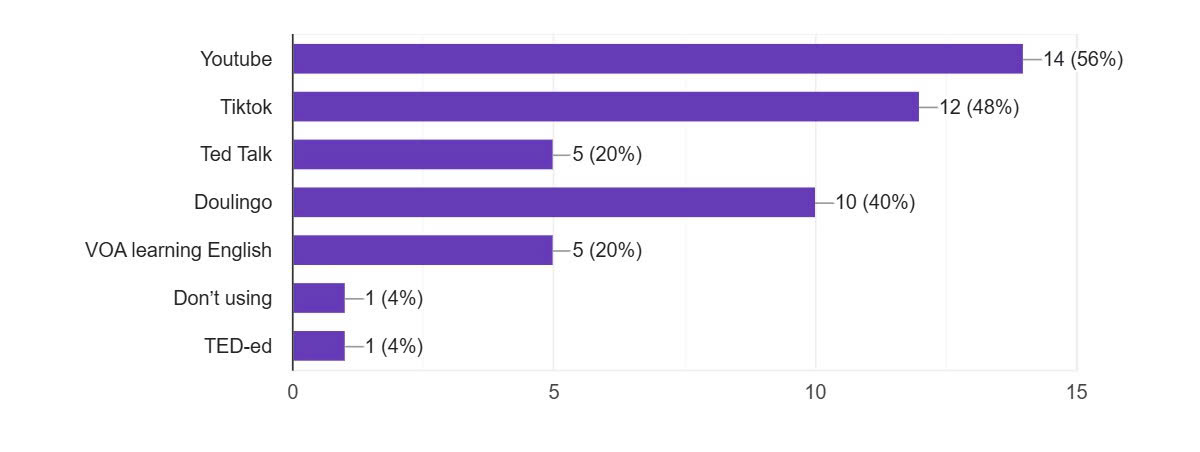
Figure 2.4.1e: ‘How shadowing technique helps you improve speaking skills?’
In addition, more than half of the respondents believe that shadowing helps enhance their ability to engage in interactive communication, indicating its effectiveness in promoting active participation in spoken interactions. Nearly half of the respondents recognize the shadowing technique's contribution to enhancing both the range and accuracy of their grammar usage, which are crucial components of effective communication. Remarkably, a significant portion (48%) acknowledge that shadowing helps improve their fluency.
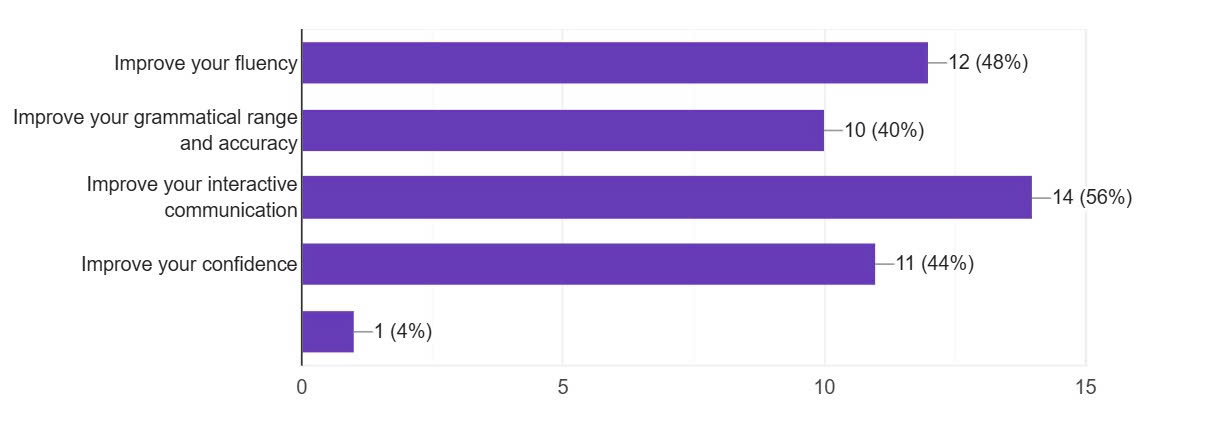
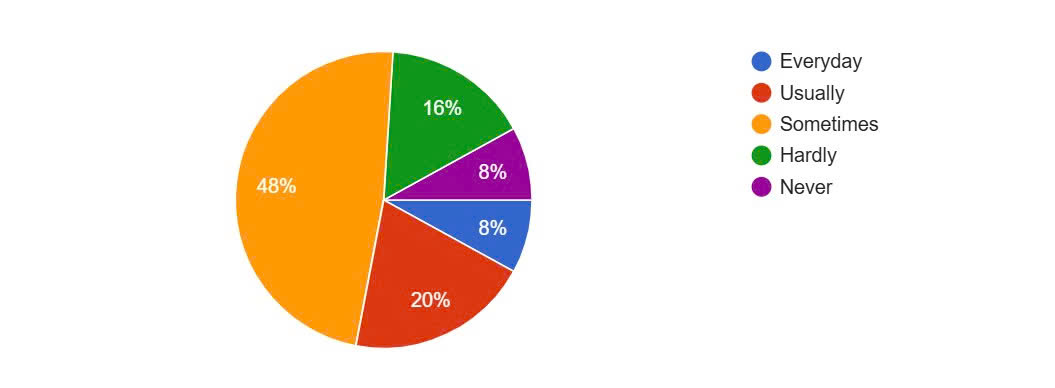
Figure 2.4.1f: How often do you use SHADOWING technique?
The pie chart presents data on the frequency with which individuals employ the shadowing technique in their language learning endeavors. It reveals that a substantial majority of respondents, accounting for 48%, utilize the shadowing technique ‘sometimes’. This indicates that while shadowing is a recognized and valuable tool for language acquisition, it may not be a daily practice for many learners.
Furthermore, 20% of participants reported using shadowing ‘usually’, suggesting a more consistent application of the technique. A smaller proportion of respondents, ‘16%’, indicated that they ‘hardly ever’ engage in shadowing, while 8% stated that they ‘never’ use this technique. It's interesting to note that a relatively small percentage of respondents, ‘8%’, claimed to use shadowing ‘everyday’.
2.4.2. Discussion
Based on the theoretical background mentioned above and the findings on the results and discussion, the study concludes with several recommendations for using shadowing techniques to improve English speaking skills for first-year English majored at Quang Nam University.
2.4.2.1 Strategies for using shadowing techniques improve speaking skills for first-year English majored at Quang Nam University
Step 1: Select video/audio.
First, the teachers can choose a video or audio with a native speaker's voice on their favorite topic to inspire learning. The students should listen to it all at once to grasp the main content of the audio or video. Only choose videos or audio within 5 minutes to avoid frustration. The teacher should choose videos with subtitles or audio with a transcript because first-year English majors have not experienced shadowing technique training in a blended class.
Step 2: Practice listening skills.
Listen to the video or audio 4 to 5 times until the students are sure that they have understood as much of the content as possible. While listening, they focus on listening carefully to native speakers' pronunciation of accents, vowels, consonants, and ending sounds. Listen and read subtitles or transcripts and look up unknown words.
Step 3: Practice shadowing
For autonomous learning processes, the teachers should guide the students to turn on the video or audio practice each sentence slowly, and then listen carefully and imitate each sentence. The best repetition rate is the same rate as the speaker. The students can slow down the video or audio speed to practice, and when they get used to it, they will adjust the speed to normal.
Step 4: Record and correct shadowing
The students can practice and record what they say and compare their recording with the original to identify areas where they might need improvement; note down any incorrect words and correct them for completeness.
3. Conclusion
Through this study, the article demonstrates the positive impact of the shadowing technique on improving pronunciation and intonation in English speaking among first-year English major students. This research focuses specifically on enhancing speaking and pronunciation skills through the use of shadowing. Shadowing is considered one of the most effective practical methods to improve listening and speaking abilities for first-year students. This technique not only helps learners accurately replicate aspects such as sounds, stress patterns, and intonation from native speakers but also enhances listening skills, quick reflexes, and the ability to separate from the native language, helping learners gain confidence in English communication. Like any other learning method, shadowing has its advantages and challenges. Due to the limited duration of classroom instruction, applying it only during class time, with a frequency of 1–2 sessions per week, will not be sufficient to achieve significant results. Therefore, to address this issue, learners need to increase their self-study awareness, and instructors should encourage students to practice alongside classroom learning to achieve the best outcomes.
REFERENCES
[1] W. Marslen-Wilson, “Linguistic structure and speech shadowing at very short latencies,”Nature,vol.244, pp. 522-525, 1993
[2] S. Lambert, “Shadowing,” The Intepreters’ Newsletter, vol. 4, pp.15-24, 1990.
[3] Y. Todaka, “A report on our summer intensive program in developing English communicative skills,”
International Congress of Phonetic Sciences, vol. 16, pp. 169-172, 2001.
[4] M. S. Park, “The effects of task-based shadowing on English listening ability,” MA thesis, Inha University, Inchun, p.150, 2003.
[5] W. Acton, “Changing fossilized pronunciation,” TESOL Quarterly, vol. 18, no. 1, pp.71-85, 1984.
[6] A. G. Osburne, “Pronunciation strategies of advanced ESOL learners,” International Review of Applied Linguistics in Language Teaching, vol. 14, no. 2, pp. 131-143, 2003.
[7]. https://www.cambridge.org/elt/blog/2017/05/17/speaking-skills-1-experts-say
[8]. Oxford Academic: Definition of Speaking Skills. https://academic.oup.com/edited-volume/28260/chapter/213380822
[9]. "Shadowing Technique and Its Effectiveness in Language Learning"
[10]. International Journal of Education Humanities and Social Science - Findings on the impact of shadowing on students' listening and speaking skills: https://ijehss.com
[11]. "Using Shadowing Technique koEffectively to Improve Speaking Skills for First-Year English Majors at Hanoi Open University" - Tạp chí Khoa học Trường Đại học Mở Hà Nội:
[12]. Golders Green College - Difficulties of Learning English as a Second Language: Golders Green College. Journal of Foreign Language Teaching and Learning - EFL Students' Challenges in Learning Speaking Skills: Journal of Foreign Language Teaching and Learning:
Tài liệu liên quan:
-
IELTS Academic Reading 1: Effects of Classroom Noise on Children with Auditory Deficits
6 3 -

IELTS Reading Practice: The Economic Importance of Coral Reefs
6 3 -
TOPIK 1: Biến Đổi Khí Hậu - Climate Change Discussion and Insights
6 3 -

Hướng Dẫn Tự Học Destination B2: Tổng Hợp Ngữ Pháp và Từ Vựng
6 3 -
Câu hỏi phản hồi chủ đề Ferien und Urlaub: Gợi ý và Thảo luận
7 4