Tổng hợp đề tiếng anh ôn tập và thi cuối học kỳ 1
Tổng hợp đề ôn tập và thi cuối học kỳ 1. Tài liệu tổng hợp được sưu tầm. Mời các bạn tham khảo.
Chủ đề: Đề thi Tiếng Anh 12 70 tài liệu
Môn: Tiếng Anh 12 1.3 K tài liệu
Tác giả:











Preview text:
Đề cuối kì số 1
THE FINAL 1st SEMESTER EXAMINATION- GRADE 7
PART A: LISTENING (2.0 pts)
I. Listen to a conversation and decide if the statements are true (T) or false (F).(1pt)
1. He wanted to do sports because of his friends. ……………………..
2. Starting doing sports was easy. …………………..
3. He takes part in this event only in Viet Nam. ……………………..
4. In this event, he swims, runs, and climbs. …………………….
5. This event uses more than 6000 calories. ………..………….
II. Listen to the passage and circle the best answer A, B, or C. You will listen TWICE. (1pt) 1. Street painting began ______. A. in the 16th century B. in the 6th century C. in 1994 2. At a street painting event, you can ______. A. buy a painting B. talk to artists C. become an artist 3. The Lake Worth Street Painting Festival happens ______. A. only sometimes B. every month C. every year 4. About ______________ visitors come to enjoy the Lake Worth Street Painting Festival. A. 600 B. 100,000 C. 60 5. The artists work on the __________ to make the street a huge art gallery. A. pavement B. Museum C. street |
PART B: LANGUAGE (2,0 pts)
I. Complete the following sentence(s) by choosing the best option A, B, C, or D
1. My sister hates _____________ computer games.
A. play B. playing C. plays D. played
2. Would you like to have ________________ apple juice?
A. some B. lots C. a lot D. many
3. Last month, Nam participated in _______________ funds for street children.
A. raising B. making C. gathering D. taking
4. Children _____________ plastic bottles for recycling last week.
A. collect B. collects C. collecting D. collected
5.. This shirt is not as expensive __________________ I thought at first.
A. as B. like C. from D. than
6. ___________________ are not good for your health.
A. fish B. meat C. vegetables D. soft drinks
7. My classroom is ______________ the second floor.
A. in B. on C. at D. of
8. Lemonade isn’t very sweet. I’ll add some more ___________________
A. sugar B. salt C. pepper D. lemon
IV. Underline and correct the mistake in each sentence. (0.4 pts)
1. My mother go to work by motorbike every morning.
-> ____________
2. He was tired so he stayed up late last night.
-> __________
PART C – READING (2,0pts)
I. Choose the word which best fits each gap: (1,25 pts)
Hobbies are activities for entertainment. Hobby can cost you almost nothing.
Music is the most popular. For example, many people play the guitar for (1)_________ in their free time. Sports provide other (2)_________ hobbies. Cycling, running, tennis, table-tennis are the sports that millions of people play during their free time.
Some people's coin collections are wonderful. There are still hundreds of (3)____________ collections, such as bottle collections, seashell collections, butterfly collections, and so on. For some people, a hobby is a favourite (4)________________, like chess. In chess, we need two or more people (5)________________________.
1. A. fun B. funny C. funnies D. funniest
2. A. strange B. normal C. favourite D. unusual
2. A. another B. other C. others D. the other
4. A. exercise B. game C. interest D. sports
5. A. play B. to playing C. playing D. to play
II. Read the passage. Circle the best answer A, B, C or D to each of the questions. (1pt)
Josh is one of the gifted seventh graders at an international lower secondary school with over 800 students aged from 11 to 15. It also has modern facilities and well-qualified teachers, which can provide Josh and his friends with the best learning conditions. Josh has a great passion for science. He likes doing interesting experiments in the science laboratory under the guidance of his teacher. He finds these experiments about electricity or light quite useful and practical. The computer room is also a place where he often goes after class to search for necessary information about safe, funny and simple experiments on the Internet. He also does many science projects with his partners there. With great efforts, he hopes he will become a scientist in the future
- Where does Josh study?
- What does Josh like doing in the science laboratory?
- Why does Josh often go to the computer room after class?
- Does Josh hope to become a scientist in the future?
PART D: WRITING (2,0 pts)
I. Reorder the words to make sentences. ((0,6 pt)
1. interesting/ Playing / very/ is/ beach games/.
……………………………………………………………………………………….
2. that one/ not/ painting/ as/ This/ is/ as/ expensive/.
……………………………………………………………………………………….
3. community/ There/ help/ are/ things/ many/ can/ you/ to your/ do/.
……………………………………………………………………………………….
II. Write the correct sentences using the cue words. (0,4 pt)
1. He/ different/ his brother.
………………………………………………………………………………
2. I/ have/ toothache/ yesterday/ because/ I/ eat/ many/ sweets /.
………………………………………………………………………………
Đề cuối kì số 2
(Đề có 02 trang) |
A. LISTENING (1.6 pts)
I. Listen to a short story. Decide whether the statements are True (T) or False (F). You will listen TWICE. (0.8 pt)
1. There are two people in the story: an old lady and a young man.
2. The lady is living with her family and they have a garden.
3. The young man is on holiday, so he is cutting grass for the lady.
4. The lady invites him to have a cup of coffee.
II. Listen to the conversation and choose the best option, A, B or C. You will listen TWICE
1. What did Mark do at the weekend?
A. He played football and did homework.
B. He played football and got a haircut.
C. He got a haircut and did homework.
2. When did Sarah get a haircut?
A. Last week B. Two weeks ago C. One month ago
3. What did Sarah do at the weekend?
A. She went shopping with her friend.
B. She had a coffee with her friend.
C. She stayed at her friend’s house.
4. What happened to Sarah’s friend?
A. She was sick. B. She was not at home. C. She was busy.
B. PHONETICS AND USE OF LANGUAGE (2.4 pts).
I. Find the word whose underlined part is pronounced differently from the rest. (0.4 pt)
1. A. daughter | B. pork | C. sauce | D. fond |
2. A. sunburn | B. sculpture | C. sugar | D. service |
II. Choose the odd one out. (0.4 pt)
1. A. butter | B. broth | C. flour | D. egg |
2. A. water puppet | B. street painting | C. art gallery | D. folk music |
III. Choose the best answer among A, B, C, or D to complete the sentences. (1.2 pt)
1. ………… organic food in the supermarket?
A. Was there any | B. Were there any | C. Were there some | D. Was there an |
2. Mozart was one of the most famous …………. of classical music.
A. makers | B. composers | C. artists | D. actors |
3. Did you read books to the ………….. in the nursing home last Saturday?
A. young | B. homeless | C. volunteers | D. elderly |
4. I’m sure you ………… the water puppet show tonight.
A. like | B. will like | C. liked | D. likes |
5. Did you enjoy the play last night? – Yes, it was …………… from the previous version.
A. same | B. like | C. different | D. similar |
6. Turn the TV off. The film is …………. .
A. boring | B. exciting | C. tired | D. entertaining |
IV. Put the verbs in brackets in the correct form. (0.4 pt)
1. We (not have) beef left, so we had fish for lunch.
2. There (be) a lot of books, magazines, and newspapers in the school library.
C. READING (2.0 pts)
I. Complete the passage with the words in the box. (1.0 pt)
party neighbourhood can’t happy help |
A grade 7 student and his friends have an idea of collecting books for homeless children in his town. They call it the “Book Birthday Party”. Every month they will select a birthday of a friend in his class or a child in his (1)…………… to celebrate a special birthday party. It is just a simple party. Everyone who comes to the (2) …………… should bring some healthy food, drink, and a book of any kinds: storybook, textbook, notebook, comic, etc. Those who (3) …………… bring books will help with the collecting and sending books to the homeless children. They believe that the healthy food and drink will (3) …………… them stay healthy and the books will help homeless children with their study. Everyone will be (5) ……………!
II. Read the passage and answer the questions below. (1.0 pt)
Street painting - or street art - is an old type of art. In the 16th century artists began to draw on the pavement using chalk. Today, you can see street painting events everywhere. They attract many people who come to enjoy and take part in them. Many of them are free too. So join in and become an artist yourself!
One of the largest events in the United States is the Lake Worth Street Painting Festival. It began in 1994 and now occurs every February with the support of artists and volunteers. It is free for everyone. About 100,000 visitors come to enjoy it. About 600 artists work on the pavement to make the street a huge art gallery!
1. In which century did street painting begin?
2. Can visitors become artists at a street painting event?
3. Where does the Lake Worth Street Painting Festival occur?
4. How often does the Lake Worth Street Painting Festival occur?
5. How many visitors come to enjoy the Lake Worth Street Painting Festival?
D. WRITING (2.0 pts)
I. Find out and correct the mistake in each sentence. (0.8 pt)
1. There was a lot of people at the stadium yesterday afternoon.
2. This motorbike is more expensive as that one, but many people prefer to buy it.
II. Complete each sentence so that it means the same as the sentence above. (0.4 pt)
1. You are active, and your brother is active, too 🡪 Both you and ………………………….. .
2. City life is busy, but country life is peaceful. 🡪 City life is not ………………………….. country life.
III. Make questions with How many/ How much for the underlined words in the following sentences. (0.4 pt)
1. We need ten chairs for the party. 2. She put a lot of sugar in her lemonade.
IV. Rearrange the words/ phrases to make correct sentences. You cannot change the words.
1. most/ popular/ the/ beef/ Hanoi/ is/ One/ of/ dishes/ in/ noodle soup/.
2. makes/ patient/ children/ Gardening/ become/ responsible/ and/ .
Đề thi cuối kì số 3
REVISION FOR THE FIRST TERM TEST
A. PHONETICS
I. Choose the word whose underlined part is pronounced differently from the others.
1. A. nation B. station C. mention D. question
2. A. Asia B. sugar C. usual D. vision
3. A. leisure B. unsure C. pleasure D. treasure
4. A. chef B. cherry C. chilli D. chicken
5. A. shoped B. laughed C. loved D. walked
6. A. visited B. painted C. added D. knocked
7. A. special B. musician C. offcial D. cello
B. GRAMMAR & VOCABULARY
* Choose the best answer A, B, C or D to complete the sentence.
1. I think model making is an expensive hobby.’ ‘________ . It’s incredibly cheap.
A. That’s alright. B. Certainly C. No, not at all D. No problem
2.I love ____ trees in my backyard.
A.plant B. planting C. plants D.planted
3.My friend _____ karate twice a week.
A. goes B. has C. does D. plays
4.He likes _____ activities such as cleaning up the park and donating food for children.
A. sport B. tutor C.indoor D. community
5. I’m not as _______ as my brother. He plays the guitar very well.
A. clean B. responsible C. fit
6.My favorite ________ is roast chicken. D. artistic
A. biscuit B. juice C. dish
7.If you want to study at this school, you have to pass a(n) ________. D. subject
A. entrance exam B. midterm C. final exam
8. She usually exercises to keep ___. D. school library
A. unhealthy B. clean C. tidy
9. I like cartoons, but I ___________ them much. D. fit
A. don’t watch B. not watch C. doesn’t watch
10. We _____ hiking and stayed overnight in a tent last month. D. not to watch
A. did B. went C. played
11. Jim hates horse ______. D. had
A. rides B. ride C. riding
12. My brother ____ I go for a walk together after dinner. D. to ride
A. and B. but C. so
13. Trinh Cong Son _____ a lot of excellent songs long time ago. D. or
A. compose B. composed C. composes
14. Tony studied a lot _____ failed the exam. D. is composing
A. and B. or C. so
15. The piano is her favorite ______. D. but
A. sculpture B. drawing C. instrument
16. Coconut is a basic ____ for many curries and other Asian dishes. D. concert
A. factor B. ingredient C. recipe
17. He doesn’t have ______ books. There are only two books in his bag. D. rule
A. much B. many C. some
18. She paints ____ an artist. D. any
A. like B. as C. to
19. Naomi is _______________ beautiful as her sister. D. from
A. not like B. not to C. not the same
20. Jack: How _____ water ____ in the world's largest swimming pool?
Jill: 250 million litres. D. not as
A. much - are B. many - is C. much - is
21. She is very tired today because she didn’t get _____ sleep last night. D. many - are
A. many B. a lot C. some
22. Emma and Leo are not them same height. Emma is _______ Leo. D. much
A. as tall as B. not as tall as C. more tall than
23. Don’t worry. We have _______ time to finish the project. D. not tall than
A. a B. any C. many
24. I don’t want sweetened drink, but _____ sugar is okay. D. lots of
A.many B. a lot of C. some
25. Kelly: How ______ litres of blood ____ there in a human body?
John: 5 litres. D. any
A: many - are B. much - are C. many - is D. much - is
26. Candice doesn't look like her father and her mother. Her physical appearance is __ her parents.
A. same B. the same as C. different from D. different than
27. The dolphin looks ____ a fish but in fact it’s a mammal.
A. like B. same as C. different from D. the same like
28. My favorite ____ is beef noodle soup.
A. menu B. drink C. dish D. broth
29. Lucy: How _______ eggs _____ he need to make pancakes? Lara: Four eggs
A. much - does B. many - does C. much - do D. many - do
30. This restaurant _____ delicious dishes such as beefsteak, spring rolls and eel soup.
A. eats B. drinks C. uses D. serves
31. How about going to a concert tonight?
A. Never mind. B. I’d love to but I’m really busy. C.You’re welcome.
32. Did she buy _____ souvenirs on the trip to Da Nang? D. Don’t mention it.
A. lot of B. much C. some D. any
33. We are in the _______. We are doing scientific tests.
A. gym B. laboratory C. sports hall
34. He wants ____ jam and ______ butter for his toast. D. studio
A. some - some B. much - many C. some - many
35. There are lots of snacks at my school’s _____ . D. many – some
A. garden B. canteen C. computer room
36. We cooked ______ food for dinner because we invited many friends. D. library
A. lots of B. many C. some
37. Bella: How ____ languages can he speak?
- Joe: Seven languages. D. no
A. a lot of B. many C. much
38. How _____ are five kilos of rice?
- They’re 150,000 dong. D. some
A. much B. many C. some D. any
39. I saw an old friend ___ the bus ____ Friday evening, but he didn’t see me.
A. in - on B. in - in C. on – on D. at - at
40. The film starts _____ 8 p.m _____ Saturday.
A. in - on B. at - on C. in - at D. at - in
41. Oxford University is one of the oldest universities ____ the UK.
A. in B. at C. on D. of
42. Children should ______ outdoor activities for physical and mental health benefits.
A. take place B. take part in C. build D. occur
43. The girls like skipping rope or playing badminton ____ .
A. on break time B. in break time C. at break time D. in time break
*Circle the underlined part that needs correction in each sentence.
44.The plane takes off in 6:00 tomorrow morning.
A B C D
45. She is doing yoga on the club now.
A B C D
46. Her style is quite different to mine.
A B C D
47. How many are six cartons of orange juice?
A B C D
48. We spent any money traveling to Thailand last month.
A B C D
C. READING
I - Read the following passage and circle the letter A, B, C, or D to indicate the best answer to each of the questions.
Richard is a well-known writer. He likes fishing very much. He is very good at fishing. He usually goes to the river behind his house to fish. He often catches a lot of fish but he only keeps the big ones and releases the small ones. He says that fishing gives him the inspiration to write.
One summer, he decided to go to the seaside and stayed in a cheap hotel. He went to the sea to fish. He was very glad to catch a lot of big fish on the first day, the second day and so on. He gave all the fish to the kitchen of the hotel and the chef cooked the fish for the guests there. The guests were very happy to eat the fresh fish every day.
After a month of staying in the hotel, he decided to come back home. He paid for the hotel room, the meals and he was surprised to receive a 30 USD extra bill for cooking oil, (1 USD/ a day for oil to fry fish).
- What is Richard good at?
- Where does Richard usually go to fish near his house?
- Why did the guests in the hotel feel happy every day?
- Did Richard keep all the fish he caught?
III. Read the following passage and circle the letter A, B, C, or D to indicate the best answer to each of the questions.
It’s very important to have healthy teeth. Good teeth help us chew our food. They also help us look nice. How does a tooth go bad? When germs and bit of food collect in a little crack in the enamel covering of the tooth, the decay subsequently begins. Then the decay slowly spreads inside to the tooth. Eventually, poison goes into the blood, and we may feel quite ill.
How can we keep our teeth healthy? First, we should see a dentist twice a year. He can fill the small holes in our teeth before they destroy the teeth. He can examine our teeth to check that they are growing in the right way.
Secondly, we should brush our teeth with a toothbrush and fluoride toothpaste at least twice a day - once after the breakfast and once before we go to bed. We can also use wooden toothpicks to clean between our teeth after a meal.
Thirdly, we should reduce chocolates, sweets, biscuits and cakes, especially when we eat them between meals. They are harmful because they stick to our teeth and cause decay.
- Why is it very important to have healthy teeth?
- How does a tooth go bad?
- How often should we brush our teeth every day?
- Should we reduce eating chocolates, sweets, biscuits and cakes?
V - Read the passage and decide whether the statements are True (T) or False (F).
In Vietnam, family meals with many traditional Vietnamese foods are one of the unique cultural features. People still appreciate the family meals even if they are getting busier with their business. In some big cities such as Hanoi and Ho Chi Minh, parents are always busy. They get up early in the morning and take their children to school before going to work. The children study and have lunch at school and the parents usually work and eat lunch at offices. Therefore, dinner becomes the most important meal of the day for most of the families in Vietnam because it connects family members together and helps them share a meal and talk together after a hard day’s work.
- What is one of the unique cultural features in Vietnam?
- Where do parents usually eat lunch on working days?
- Why does dinner become the most important meal of the day for most Vietnamese families?
- Do family meals help connect family members together?
D..DO AS DIRECTED
* Reorder the words to make correct sentences.
1. cooking / in / She / her free time. / loves / painting/ and
_______________________________________________________________________
2. movies/ aren’t / Her/ like / mine. / favorite
_______________________________________________________________________
3. stay up/ You / not/ too late. / should
_____________________________________________________________________
4. put / I / some / my toast. / butter/ on
_______________________________________________________________________
5. learned / English / Her brother / the UK. / in
_______________________________________________________________________
* Make a question for the underlined part 6.
6.She needs 300 grams of flour to make this cake.
____________________________________________________________
7.Two cups of tea are 40,000 dong..
_____________________________________________________________
8.Water puppetry began in the 11th century.
_____________________________________________________________
9.His flat is on the second floor of the building.
_____________________________________________________________
10. There are some good books on the shelf
______________________________________________________________
* Rewrite the following sentences, using the prompts
11. Cycling is faster than than walking. (as)
______________________________________________________________
12. Pop music is not like folk music. (different)
______________________________________________________________
13. Let’s meet at 7:45 outside of the theatre. (about)
______________________________________________________________
14. Children should join in outdoor activities with their friends. (take)
______________________________________________________________
15. Which do you prefer, pizza or fried chicken? (better)
______________________________________________________________
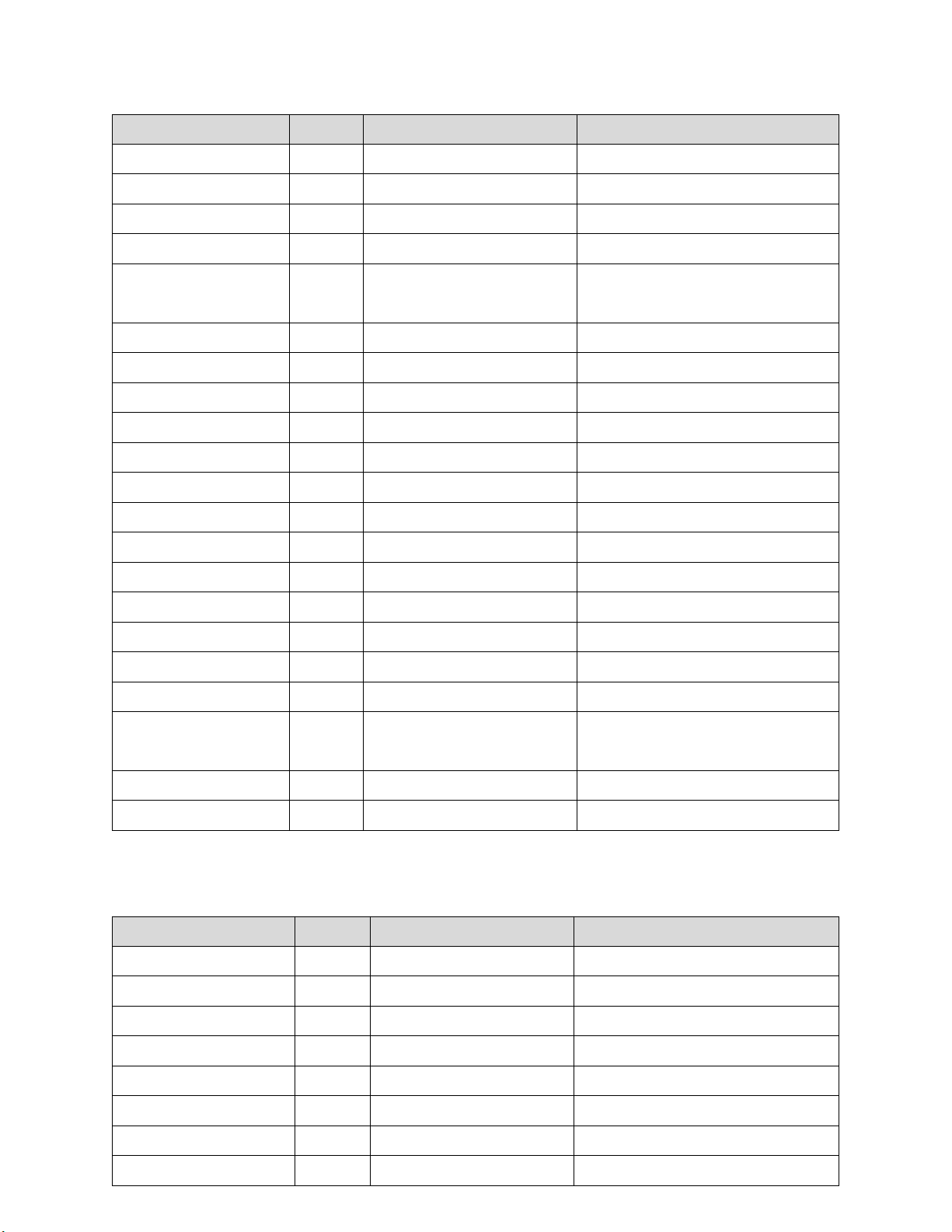
VOCABULARY unit 1
ENGLISH | TYPE | PRONUNCIATION | VIETNAMESE |
v | /kəˈlekt/ | Thu thập | |
n | /ˈstɪkər/ | Nhãn dán | |
n | /ˈmɒdl/ | Mô hình | |
v | /beɪk/ | Nướng bằng lò | |
n | /vlɒɡ/ (/ˈvɪdiəʊ blɒɡ/) | Nhật ký ngắn được thực hiện trên nền tảng video | |
n | /ˈkɒmɪk/ | Truyện tranh | |
n | /ˌɒnˈlaɪn ɡeɪm/ | Trò chơi trực tuyến | |
n | /ˈspɔːrts sentər/ | Trung tâm thể thao | |
n | /ˈbəʊlɪŋ æli/ | Sàn chơi bowling | |
n | /ˈθiːətər/ | Rạp hát, nhà hát | |
n | /ˈaɪs rɪŋk/ | Sân trượt băng | |
n | /ˈwɔːtər pɑːrk/ | Công viên nước | |
n | /ˈmɑːrkɪt/ | Chợ | |
n | /fer/ | Hội chợ | |
n.phr | /ɪkˈstriːm spɔːrt/ | Môn thể thao mạo hiểm | |
n | /ˈskeɪtbɔːrdɪŋ/ | Môn trượt ván | |
n | /ˈsɜːrfɪŋ/ | Môn lướt sóng | |
n | /ˈrɒk klaɪmɪŋ/ | Môn leo núi đá | |
n | /ˈzɔːrbɪŋ/ | Môn lăn xuống dốc bên trong một quả cầu trong suốt | |
n.phr | /ˈseɪfti ɪˈkwɪpmənt/ | Thiết bị an toàn | |
n | /əˌveɪləˈbɪləti/ | Tính sẵn dùng, sự sẵn sàng |
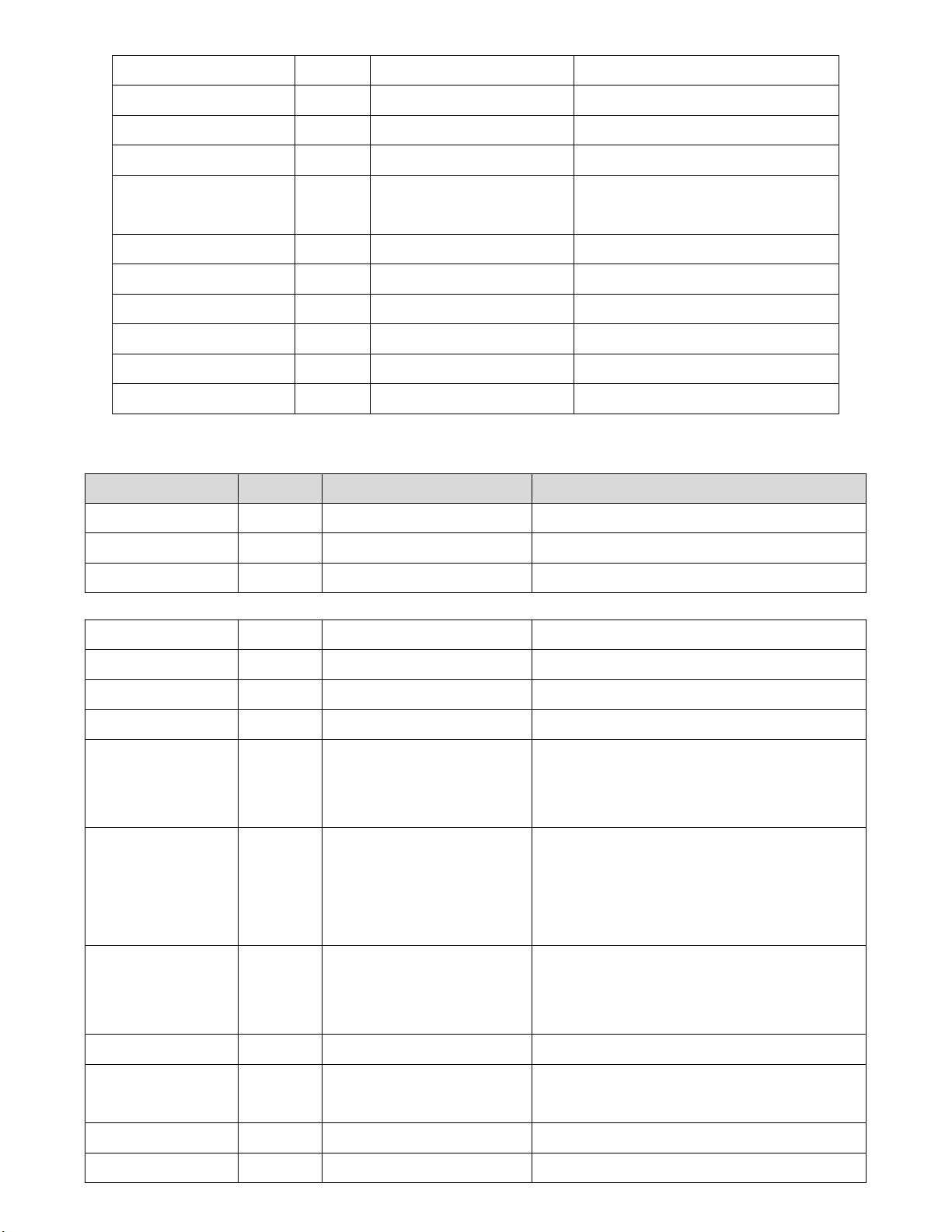
VOCABULARY unit 2
ENGLISH | TYPE | PRONUNCIATION | VIETNAMESE |
n | /sliːp/ | Giấc ngủ | |
n | /ˈvedʒtəbl/ | Thực vật, rau | |
n | /ˌfæst ˈfuːd/ | Đồ ăn nhanh | |
n | /ˈsəʊdə/ | Nước khoáng có ga | |
adj | /ˈhelθi/ | Có lợi cho sức khỏe | |
adj | /ʌnˈhelθi/ | Có hại cho sức khỏe | |
adj | /wiːk/ | Yếu, yếu ớt | |
n | /sɔːr θrəʊt/ | Viêm họng, đau họng | |
n | /rest/ | Sự nghỉ ngơi | |
n | /ˈvaɪtəmɪn/ | Vi chất dinh dưỡng, vitamin | |
n | /ˈfiːvər/ | Cơn sốt | |
n | /ˈmedɪsn/ | Thuốc | |
phrasal verb | /steɪ ʌp/ | Thức khuya | |
adj | /wɔːrm/ | Ấm áp | |
n | /ˌkæfəˈtɪriə/ | Quán ăn tự phục vụ | |
n | /breɪn/ | Bộ não | |
n | /ˈsmuːði/ | Sinh tố | |
v.phr | /fɔːl əˈsliːp/ | Buồn ngủ | |
adv | /ɪˈfektɪvli/ | Có hiệu quả |
VOCABULARY unit 3
ENGLISH | TYPE | PRONUNCIATION | VIETNAMESE |
n | /dʒæz/ | Nhạc jazz | |
n | /pɒp/ | Nhạc pop | |
n | /ˈhɪp hɑːp/ | Nhạc hip hop |
n | /ˌklæsɪkl ˈmjuːzɪk/ | Nhạc cổ điển | |
n | /rɒk/ | Nhạc rock | |
n | /ˈkʌntri mjuːzɪk/ | Nhạc đồng quê | |
n | /ɪˌlekˈtrɒnɪk/ | Nhạc điện tử) | |
n | /ˌhevi ˈmetl/ | Một thể loại nhạc rock phát triển vào cuối thập niên 1960, đặc trưng âm thanh dày, mạnh, khuếch đại) | |
n | /ˈreɡeɪ/ | Một thể loại âm nhạc có nguồn gốc từ Jamaica vào cuối năm 1960, đặc trưng là điểm nhấn của guitar hoặc keyboard vào những phách lỡ | |
n | /bluːz/ | Nhạc buồn (Thể loại âm nhạc bắt nguồn từ dân lao động Mỹ gốc Phi vùng Nam Hoa Kỳ vào cuối TK 19) | |
n | /ˈfəʊk mjuːzɪk/ | Nhạc dân gian (xuất phát từ nước Anh) | |
n | /ˌɑːr ən ˈbiː/ (/ˈrɪðəm ən bluːz/) | Nhạc R&B (một dòng nhạc của người da đen, có nhiều cung bậc cảm xúc) | |
n | /kənˈkluːʒn/ | Sự kết thúc, sự kết luận | |
n | /plɒt/ | Cốt truyện | |
n | /stɑːr/ | Diễn viên, nghệ sỹ nổi tiếng | |
n | /ˈsetɪŋ/ | Bối cảnh lịch sử | |
n | /ˈkærəktər/ | Nhân vật | |
n | /ˈkɒstuːm/ | Trang phục | |
n.phr | /ˌəʊvərˈɔːl ˈfiːlɪŋ/ | Cảm xúc chung | |
n | /ˈendɪŋ/ | Kết thúc |
VOCABULARY unit 4
ENGLISH | TYPE | PRONUNCIATION | VIETNAMESE |
n | /ˈkɑːr wɒʃ/ | Trạm rửa xe ô tô tự động | |
n | /ˈbeɪk seɪl/ | Gian hàng bán bánh nướng để gây quỹ | |
n | /kræft fer/ | Hội chợ đồ thủ công | |
n | /ˈtælənt ʃəʊ/ | Chương trình tìm kiếm tài năng | |
n | /ˈfʌn rʌn/ | Hoạt động chạy bộ gây quỹ từ thiện | |
n | /ˌvɑːlənˈtɪr/ | Người tình nguyện | |
n.phr | /ˈtʃærəti ɪˈvent/ | Sự kiện từ thiện | |
n | /raɪt/ | quyền | |
n | /juˈnaɪtɪd ˈneɪʃnz/ | Liên Hợp Quốc | |
n | /stʌft ˈænɪml/ | Thú nhồi bông | |
n | /ˈwɜːrkʃɒp/ | Buổi hội thảo, thảo luận, trao đổi kiến thức, phương pháp, kỹ năng | |
v | /ˌriːˈsaɪkl/ | Tái chế | |
v | /reɪz/ | Gây (quỹ) | |
v | /plænt/ | Trồng, gieo | |
v | /ˈdəʊneɪt/ | Đóng góp, ủng hộ, quyên góp | |
phrasal verb | /ˈkliːn ʌp/ | Dọn dẹp vệ sinh | |
n | /ˈkliːn ʌp/ | Sự dọn dẹp, lau chùi |
----- The End -----
Tài liệu liên quan:
-
TÀI LIỆU V-SAT TIẾNG ANH THPTQG
8 4 -

Đề thi thử tốt nghiệp lần 4 môn Tiếng Anh THPT QG
6 3 -

Đề thi Tiếng Anh - Tốt Nghiệp THPT 2025 - Đề số 13
14 7 -
Đề khảo sát chất lượng lớp 12 THPT môn Tiếng Anh - Sở Giáo dục và Đào tạo Ninh Bình
31 16 -
Đề thi thử THPTQG Môn Tiếng Anh - 2021 (Đề Minh Họa Số 06)
23 12