English language teaching methodology suggested pre-reading activities for reading texts in module 3 (pre-intermediate market leader course book – third edition)
English language teaching methodology suggested pre-reading activities for reading texts in module 3 (pre-intermediate market leader course book – third edition)
Môn: Tiếng Anh chuyên ngành 332 tài liệu
Trường: Tài liệu Tiếng Anh chuyên ngành, Tiếng Anh cho người đi làm 432 tài liệu
Tác giả:




Preview text:
SUGGESTED PRE-READING ACTIVITIES
FOR READING TEXTS IN MODULE 3
(PRE-INTERMEDIATE MARKET LEADER COURSE BOOK – THIRD EDITION) Kieu Huyen Tram, M.A. 1. Introduction
Reading comprehension is a key issue in learning English as a foreign language, and it is critical that teachers
utilize pre-reading strategies in reading classes in order to lighten students' cognitive burden while reading.
Therefore, designing pre-reading activities is absolutely an essential part of any reading lesson plan. However,
that job is not simple at all, especially in UEH, where we teach Business English to students who hardly have
any knowledge of the economic fields. Although there are available pre-reading activities in course book
(Market Leader_third edition), they seem not always to work very well with our students.
Motivated by the need, this paper makes a humble effort to offer some of pre-reading activities to teach the texts
in Module 3 (Unit 1,2,3,4 in Pre-Intermediate Market Leader course book (Third edition)). Hopefully, it may
bring you some options or suggestions for your teaching. 2. Literature review 2.1. Reading
The term reading seems very common to everybody. Reading is usually considered a receptive process in which
meaning is extracted from the discourse (Harmer, 2007). Over the time, the meaning of reading has changed.
Readers play a very important role in reading and are seen as active participants who bring their own
background knowledge in understanding the text. Since the late 1970s, reading has been an interactive process
where readers find out the meaning of a text by both relying on the printed text and on the previously stored knowledge. 2.2. Pre-Reading Phase
Understanding a reading text results from a communicative process between readers and texts. Thus, readers
usually try to match their knowledge (existing) or activate their schemata with the new information that they
receive from the text. Rumelhart (1980) describes schemata (the plural of schema) as “the building block of
cognition”. The stages of reading have been classified into (a) Pre-reading, (b) While-reading, and (c) Post-
reading. There is a great importance of pre-reading phase since it prepares learners for the reading material they
have been assigned. The “OK open your books to page 73 and start reading” approach is not an acceptable
strategy. Teachers should motivate students with an attention-getter, preview the reading to entice students, and
choose appropriate strategies to activate students’ prior-knowledge about the topic of the text.
Table 1: Pre-Reading Options Strategy Considerations Pre-teach
Assures knowledge of new terms Vocabulary
Terms and definitions can be placed on the chalkboard during in-class reading Pre-teach
Points students toward the key ideas Concepts
Can be particularly effective with a graphic organizer Promote
Focuses on what you want students to get out of the reading Objectives 171
Questions are often used to focus on the expected outcomes
Promote Reading Can be used to highlight upcoming images that are part of the reading Strategies
Gives students a heads up to look for figurative, biased, covert, subtle, and emotional appeals
2.3. Pre-reading activities
According to Tierney and Cunningham (1984), pre-reading activities act as a way to access the reader’s former
knowledge and “provide a bridge between his knowledge and the text”. Tierney and Cunningham break up pre-
reading activities into two parts: (i) teacher-centered and (ii) student-centered or peer interaction. Teacher-
centered activities are one-way question/answer tasks. Student-centered activities are more apt to develop an
independent behavior from the beginning. Pre-reading activities can also be defined as warm-up activities which
engage students in the preparation for a reading task.
Williams (1984) gives the following reasons for using pre-reading activities:
To stimulate interest in the text
To give a reason for reading
To prepare the reader for the language of the text
The choice of the type of pre-reading activities will depend greatly on the kind of the text to follow and the
types of the learners who will be doing the task and the aim of the pre-reading task. Stoller (1994: 2-7) shows
some of the pre-reading activities along with its definition and benefits in the following table:
Table 2: Pre-reading activities Pre-reading Activity Brief definition Benefits Semantic mapping
A graphical representation on a blackboard It helps learners bring their prior
showing readers’ prior knowledge in the knowledge to the surface
form of connected categories to a given concept.
Study the layout of the Pass quickly by: the text’s title, subtitles, - It helps learners go in pre-reading reading passage
headings and visual representation and guess the text’s content. what they hold as meanings
- It prompts learners to ask questions
which they will try to answer. Skim for the
main Readers are asked to read the first and last It helps learners to state the main idea(s)
paragraphs of a text plus the first sentence in idea(s) of the text they are about to
the remaining paragraphs in few minutes. read. Scan for details
Readers are asked to search for specific It makes learners search for specific information in the text. information. Examine the visuals
Readers examine the charts, graphs or It helps readers to guess the text’s figures. ideas Present main ideas
The teacher informs readers about the It directs readers towards the text’s
article’s topic if they are unfamiliar with it key words and ideas. 172
3. Suggested pre-reading activities for Module 3 (Pre-intermediate Market Leader course book _ Third edition)
3.1. Reading text (Unit 1): BE AWARE OF YOUR ONLINE IMAGE Activity 1:
Lead-in questions
Ask students to look at the names on the following phone screen
Ask them to answer the questions: 1. What are they? 2. Which ones do you use? 3.
Which ones help you to show yourself most? Why? Activity 2:
Carousel of ideas
This activity helps students find out what they already know about the topic and encourages them to share ideas
about it before they read the text.
Choose four topics related to the text that would be useful for students to think about before reading. For examples: (1)
What social networking sites do you know? (2)
What do people usually share in social networking sites? (3)
Should employers use social networking sites to screen prospective employees? Why and why not? (4)
State some bad online behaviors which may damage one’s employment prospects.
Take large pieces of paper and divide it into four triangles by drawing diagonal lines from opposite corners.
Write one of the topics in each of the triangles in the centre of the piece of paper. 173
Arrange four- student groups sitting around the piece of paper and give them a time limit e.g. one minute.
They write as many ideas as possible relating to the topic in their triangle. When the time’s up, they rotate
the piece of paper and have another minute. This time, they read the ideas already written down and add
new ones to it. Repeat 2 more minutes until all students have written in each triangle. They then read all the ideas in each triangle. Activity 3: Discussion
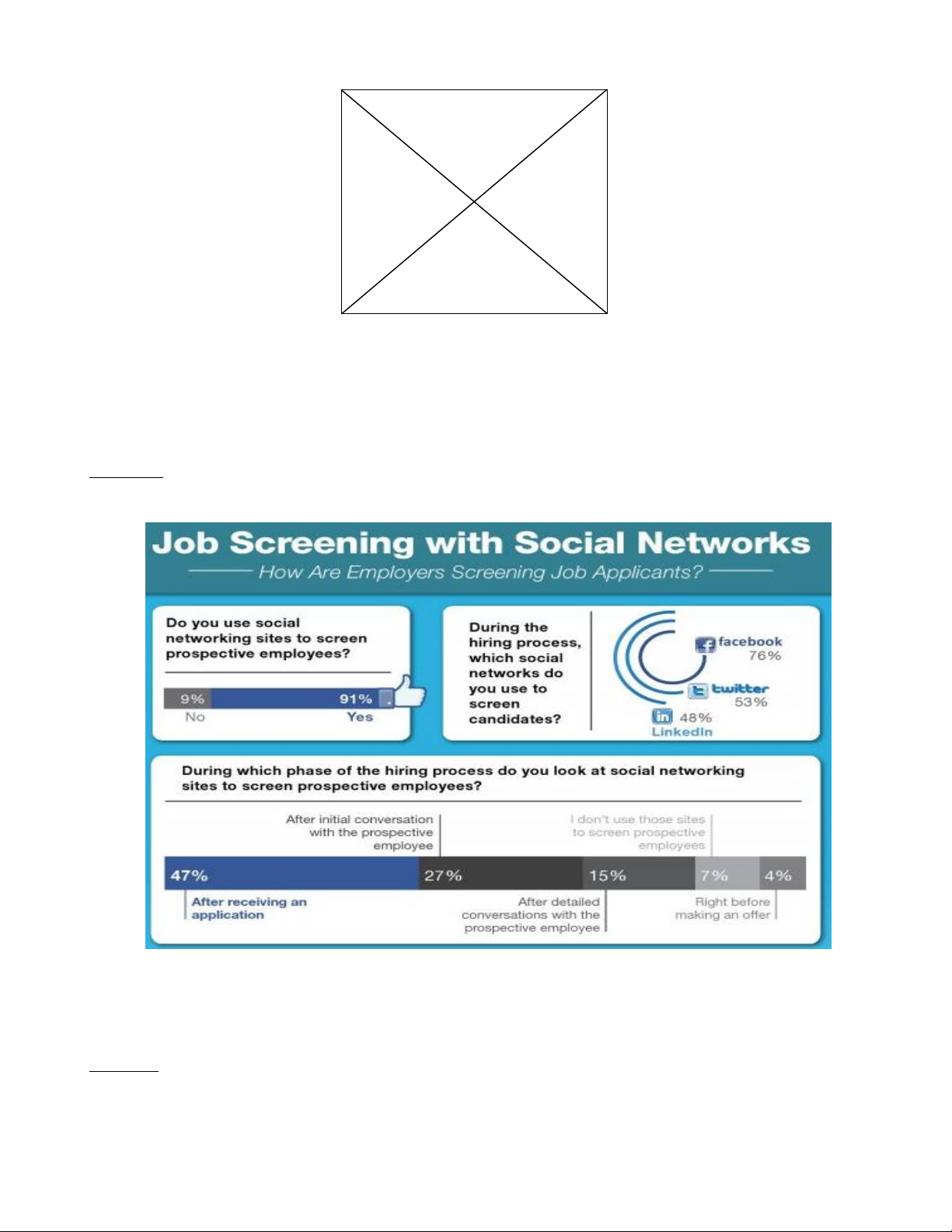
Have students look at the result of a survey about how employers are screening job applicants.
Ask students to work in groups and give predictions on results of the survey if it is conducted in Vietnam.
3.2. Reading text (Unit 2): TWO DIFFERENT ORGANISATIONS
Activity 1: Discussion 174
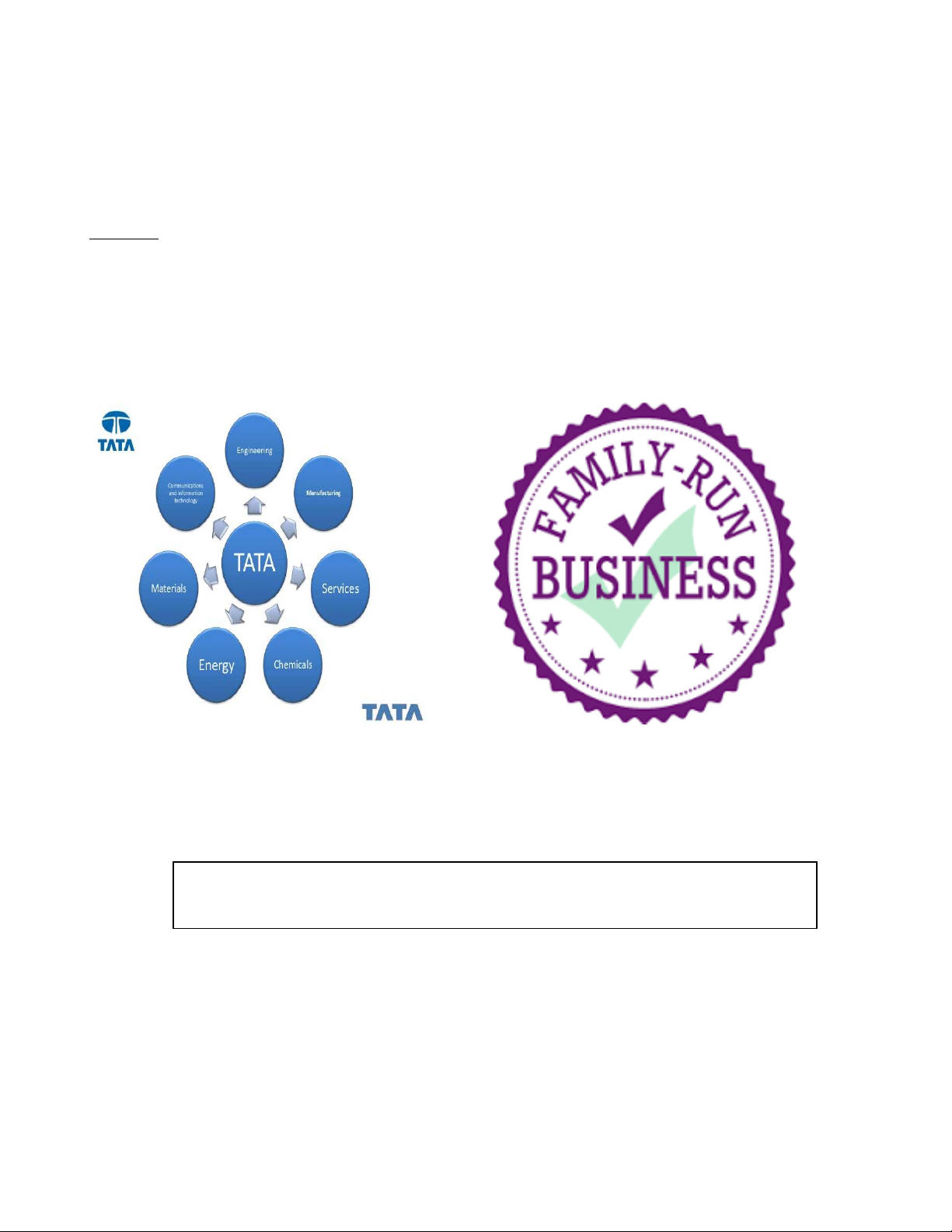
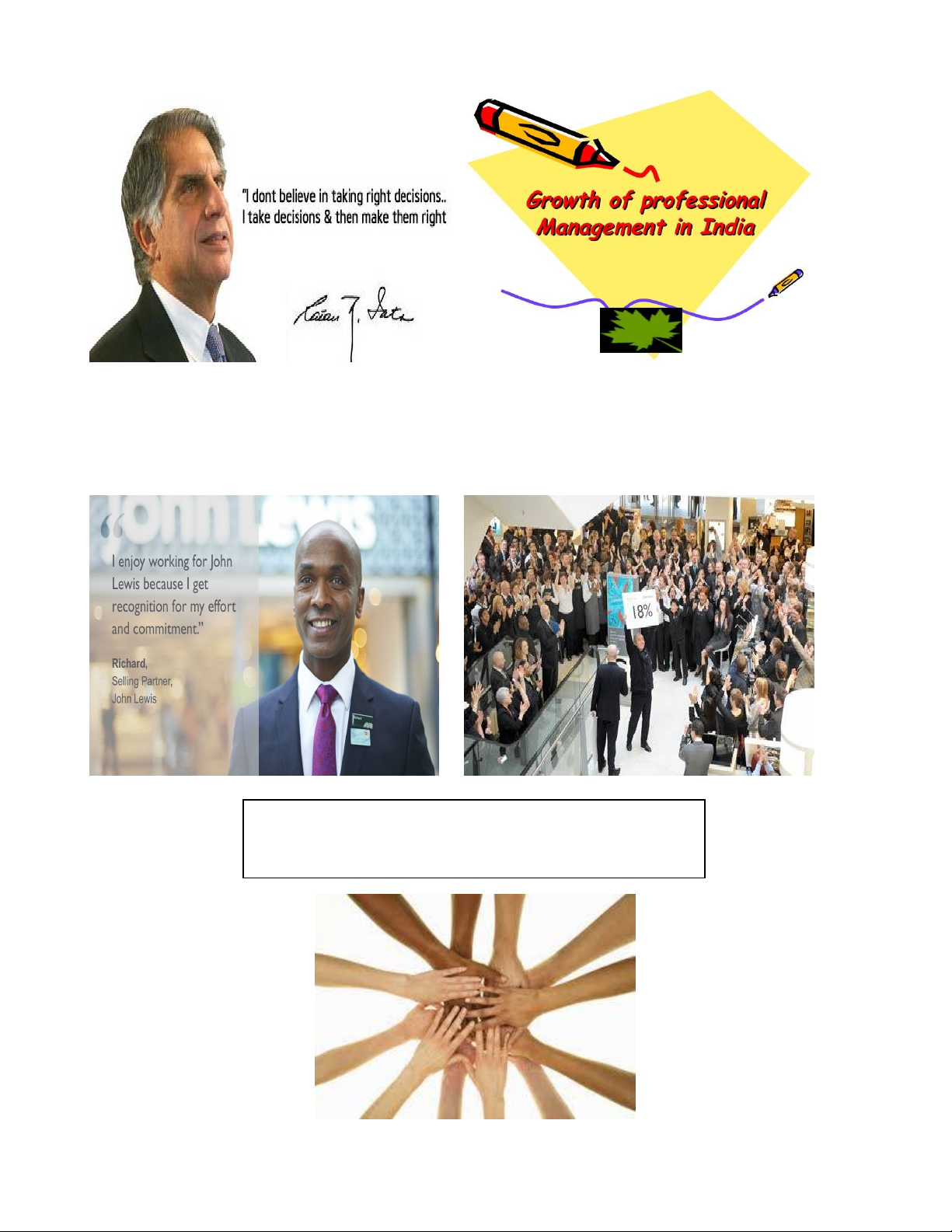
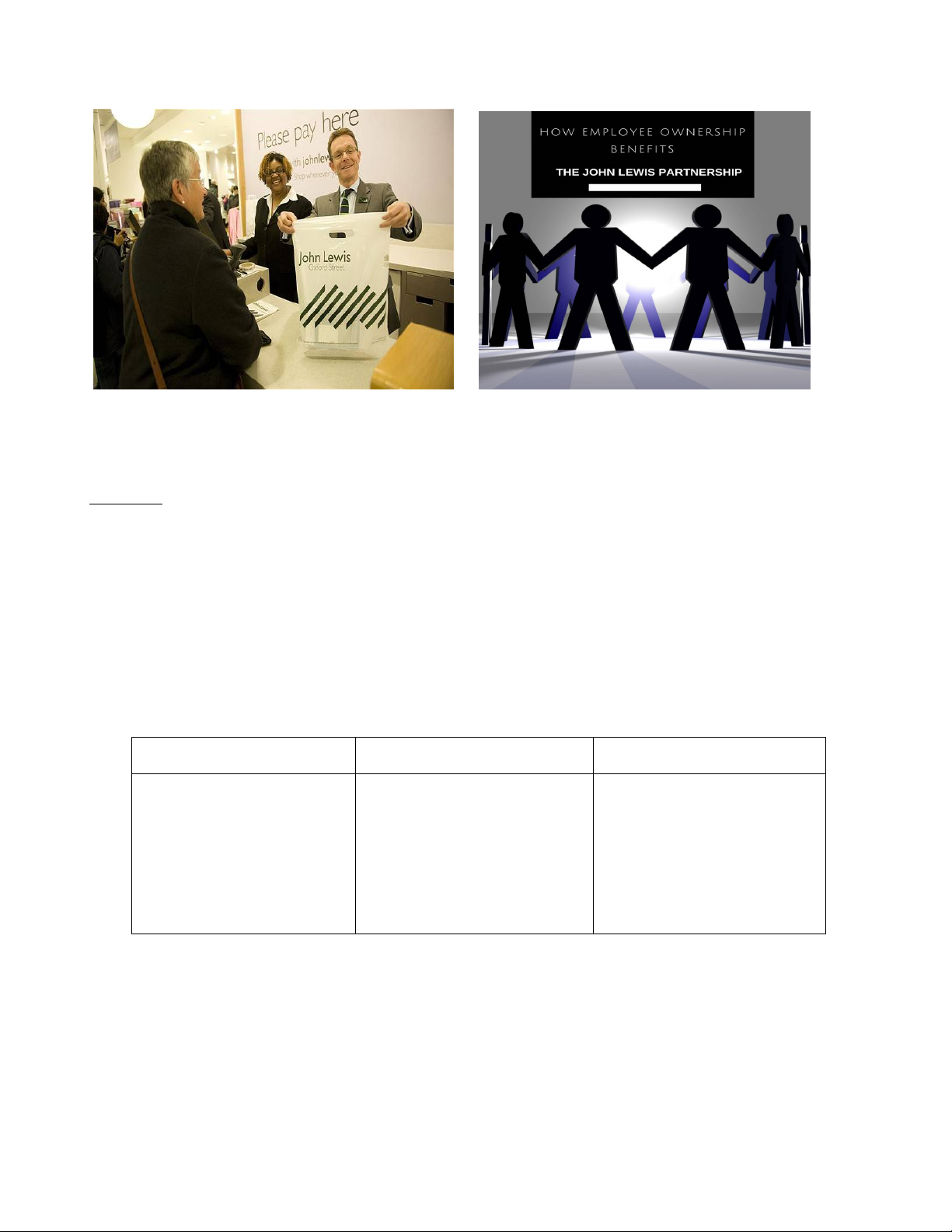
The reading part of Unit 2 includes two articles: (1) India: Tata’s search for a new CEO; (2) Is John Lewis the
best company in Britain to work for? However, there is only one pre-reading discussion question relating to
Article 2. I suggest that there should be two questions concerning both the two topics.
1. “Companies should be owned by their employees.” Discuss.
2. Should family companies be managed by an outsider?
Activity 2: Read pictures
Divide students into groups A and B. Groups A are going to read article (1). Groups B are going to read article (2).
Distribute the groups handouts on which there are the title of the article they are going to read and some pictures
showing its main contents. Students are supposed to guess what the pictures refer to and what they might be reading from the article. Handout_ Article 1
India: Tata’s search for a new CEO 175 Handout_Article 2
Is John Lewis the best company
in Britain to work for? 176
3.3. Reading text (Unit 3): SALES SKILLS
Activity 1: K-W-L activity
K-W-L is an instructional reading strategy that is used to guide students through a text. Students begin by
brainstorming everything they Know about a topic. This information is recorded in the K column of a K-W-L
chart. Students then generate a list of questions about what they Want to Know about the topic. These questions
are listed in the W column of the chart. Later, during or after reading, students answer the questions that are in
the W column. This new information that they have Learned is recorded in the L column of the K-W-L chart.
There fore, The K-W-L strategy serves several purposes: Elicits students’ prior knowledge of the topic of the
text; Sets a purpose for reading; Helps students to monitor their comprehension.
Create a K-W-L chart. The teacher should create a chart on the blackboard or on a Powerpoint slide. In
addition, the students should have their own chart on which they record information. (Below is an example of a K-W-L chart.) K W L
Ask students to brainstorm about what they have known about the topic Sales skills (that could be words,
phrases, terms or ideas associated with the topic depending on students’ English proficiency level) and
then record those associations in the K column of their chart.
Ask students what they want to know about the topic and then have them write down their questions in W column.
The L column will be done after students finish their reading. 177
Activity 2: Word game
Teachers select about 10 key words that most of the students know from the two articles in Unit 3. Through
these words, students can be aware of the topics they are expected to read about and have some ideas in mind
about the articles. Moreover, they can be motivated because the game is very fun and competitive most of the time.
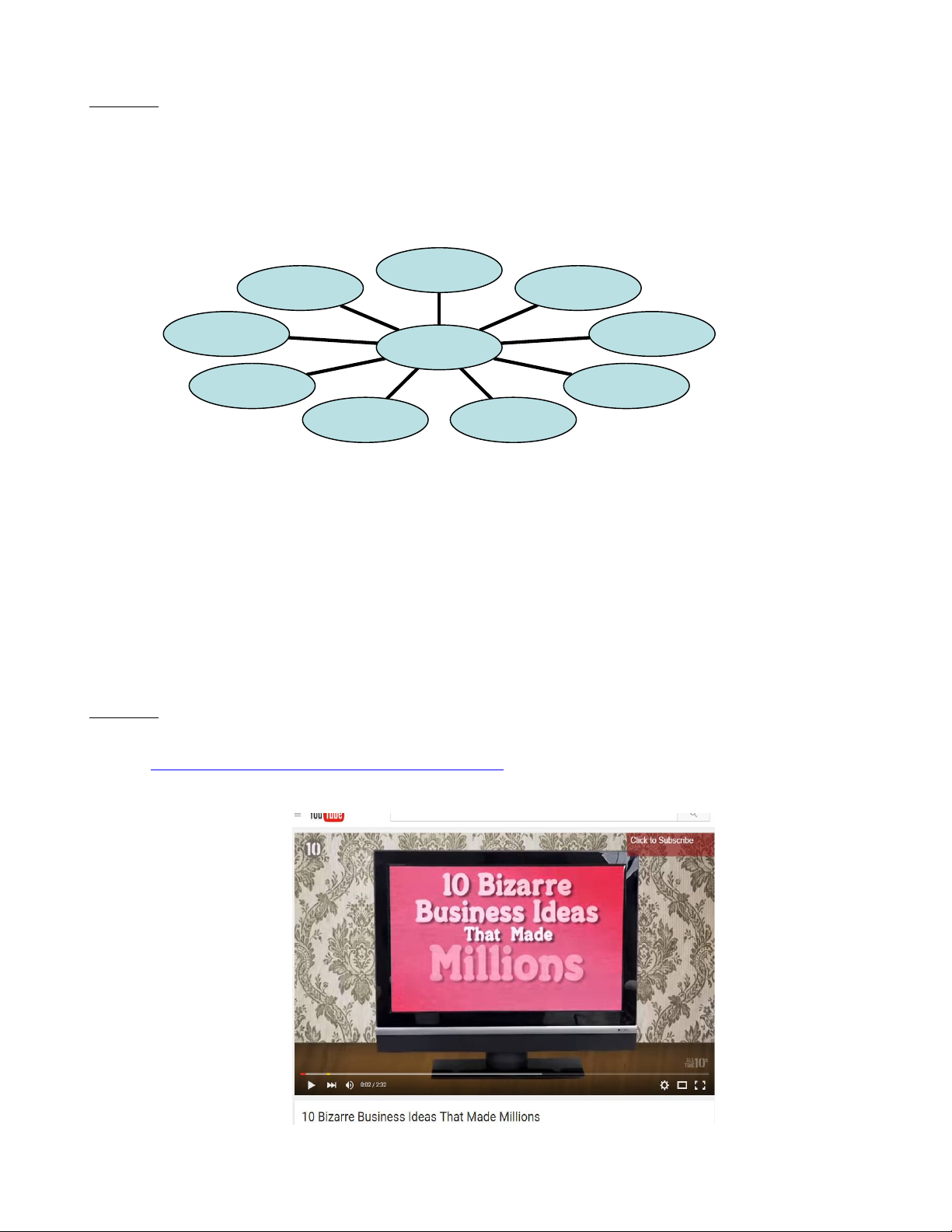
Create some kind of drawings on the blackboard that you fill the words in later.
Divide students into 2 teams and ask them to appoint a representative for each.
Explain the rules of the game to students: The two representatives are supposed to stand in front of the class
facing their team and not allowed to look back the blackboard. Whenever teacher fills a word in, other
members of both teams try to explain the word to their representative in English and body language. The
representative who calls out the word first will get 1 point for his/her team.
Lead students to do the game. Teacher should leave the central circle for the most important word/phrase
such as salesperson, sales skills, and survey.
3.4. Reading text (Unit 4): GREAT IDEAS
Activity 1: Lead-in video of bizarre business ideas
Show students a video “10 bizarre business ideas that make millions”
(https://www.youtube.com/watch?v=WBe9lyv6U_g) 178
Have them talk about the business ideas they find most impressive.
Guide students to brainstorm about “What is a great idea?”
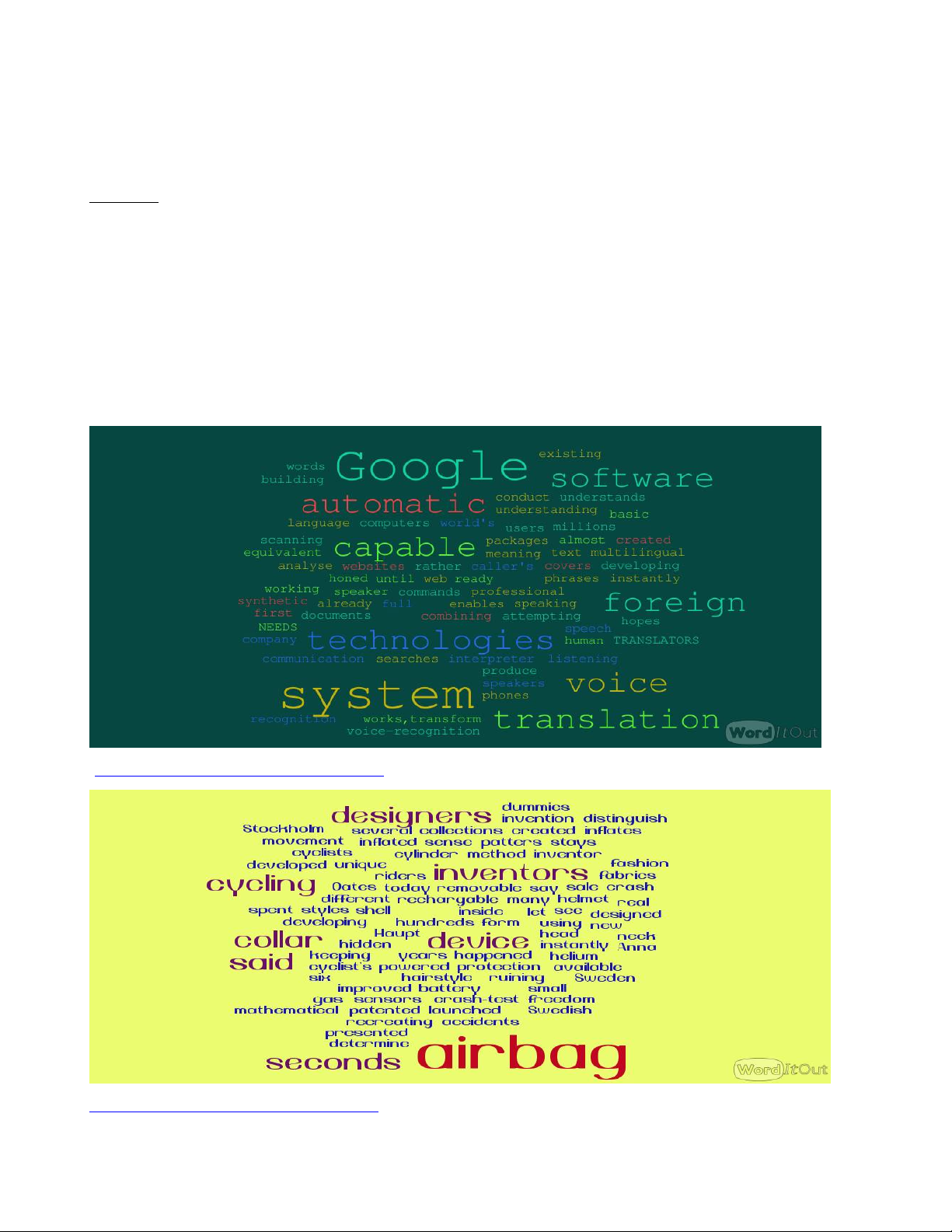
Activity 2: Word clouds
A word cloud is a visual representation of a text or a form of content map; it visually highlights the most often
used words in the passage. There are a number of online free tools that will create word clouds including
Wordle, TagCrowd, ToCloud, and Tag Cloud Generator. Using those tools, creating your own word clouds is
actually pretty easy and can make wonderful displays relating to your reading.
In a pre-reading activity, you can engage students’ discussion of a word cloud to preview the vocabulary and
make predictions about the content before reading the actual text.
I have created 3 word clouds corresponding to 3 texts in Unit 4. Students have an opportunity to have a look at
the word cloud of the article they are supposed to read and discuss possible ideas they might read with their friends.
(http://worditout.com/word-cloud/1289039)
http://worditout.com/word-cloud/1289055 179
(http://worditout.com/word-cloud/1289058) 4. Conclusions:
In this paper, I have tried to offer some activities teachers can use in pre-reading stage. Depending on the time
allowed, student’s level and interest, you might choose to use or adapt them accordingly. Once again, I would
like to emphasize that pre-reading step is crucial in reading teaching especially for students of low English
proficiency levels. It helps to activate, motivate and prepare students before they go into the actual reading process. REFERENCES
1. Wiliiam. E. (1984). Reading in the Language Classroom. London: Macmillan.
2. Carrel, P. e Eisterhold, J.C. (1983). Schema theory and ESL reading pedagogy. TESOL quarterly.17.553-73.
3. Rumelhart, D.E. (1992). Schemata: The building blocks of cognition. Comprehension and Teaching:
Research reviews. Ed. By John t. Guthrie. Newark, Del.: IRA
4. Stoller, F. (1994). "Making the Most ofa New Magazine Passage for Reading Skills Development".
English Teaching Forum. Vo1.32, N. I ,2-7.
5. Pre-reading strategies. Retrieved from https://www.bankstreet.edu/literacy-guide/reading-strategies/pre- reading-strategies 180
Tài liệu liên quan:
-
Cambridge IELTS 13 Test-1 Overview and Practice Review | Tài liệu Tiếng Anh
6 3 -
IELTS Test 2 Review - Cambridge 13 Preparation Guide | Tài liệu Tiếng Anh
9 5 -
Litfocus Litreading Survey: Student Reading Interests & Habits Questionnaire | Tài liệu Tiếng Anh
9 5 -

Sách Pre-intermediate Market leader - Business English Course Book
25 13 -
Exam booster for B1 preliminary and B1 preliminary for schools with answer key
10 5