Bài giảng Chapter 3: The immune system môn Sinh lý động vật | Trường Đại học Nông Lâm, Đại học Huế
Bài giảng Chapter 3: The immune system môn Sinh lý động vật | Trường Đại học Nông Lâm, Đại học Huế. Tài liệu được sưu tầm giúp bạn tham khảo, ôn tập và đạt kết quả cao. Mời bạn đọc đón xem.
Môn: Sinh học động vật 5 tài liệu
Trường: Trường Đại học Nông Lâm, Đại học Huế 43 tài liệu
Tác giả:






Preview text:
CHAPTER 3 THE IMMUNE SYSTEM
Thuan Duc Lao, PhD, Assoc. Prof Objectives
Immunology: defenses against foreign matter.
… is the study of the physiological defenses by which
the body destroys or neutralizes foreign matter, both living and non-living.
(1) Protect against infection by microbes – viruses,
bacteria, fungi, and parasites;
(2) Isolate or remove non-microbial foreign.
(2) Destroy cancer cells that arise in the body.
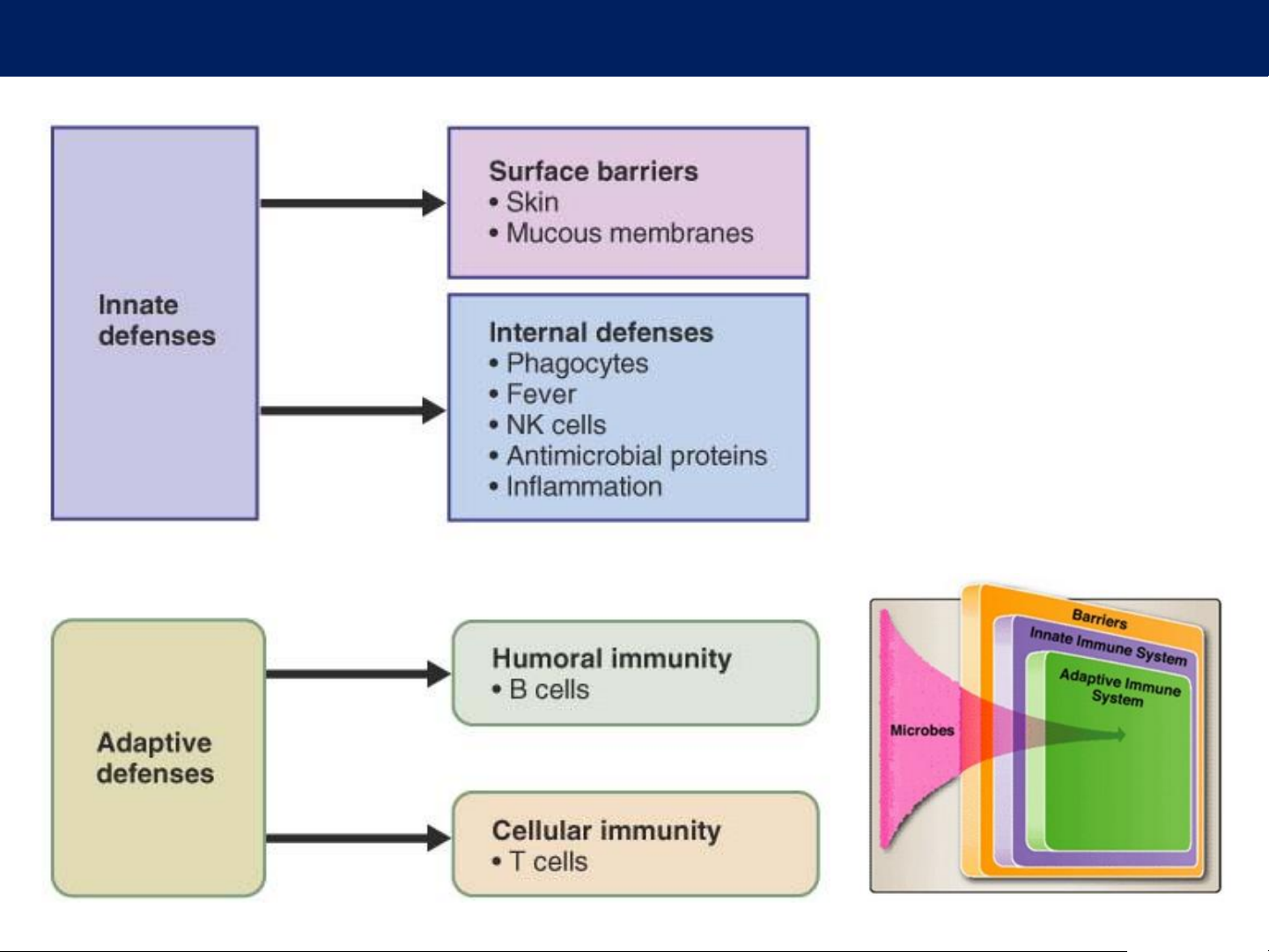
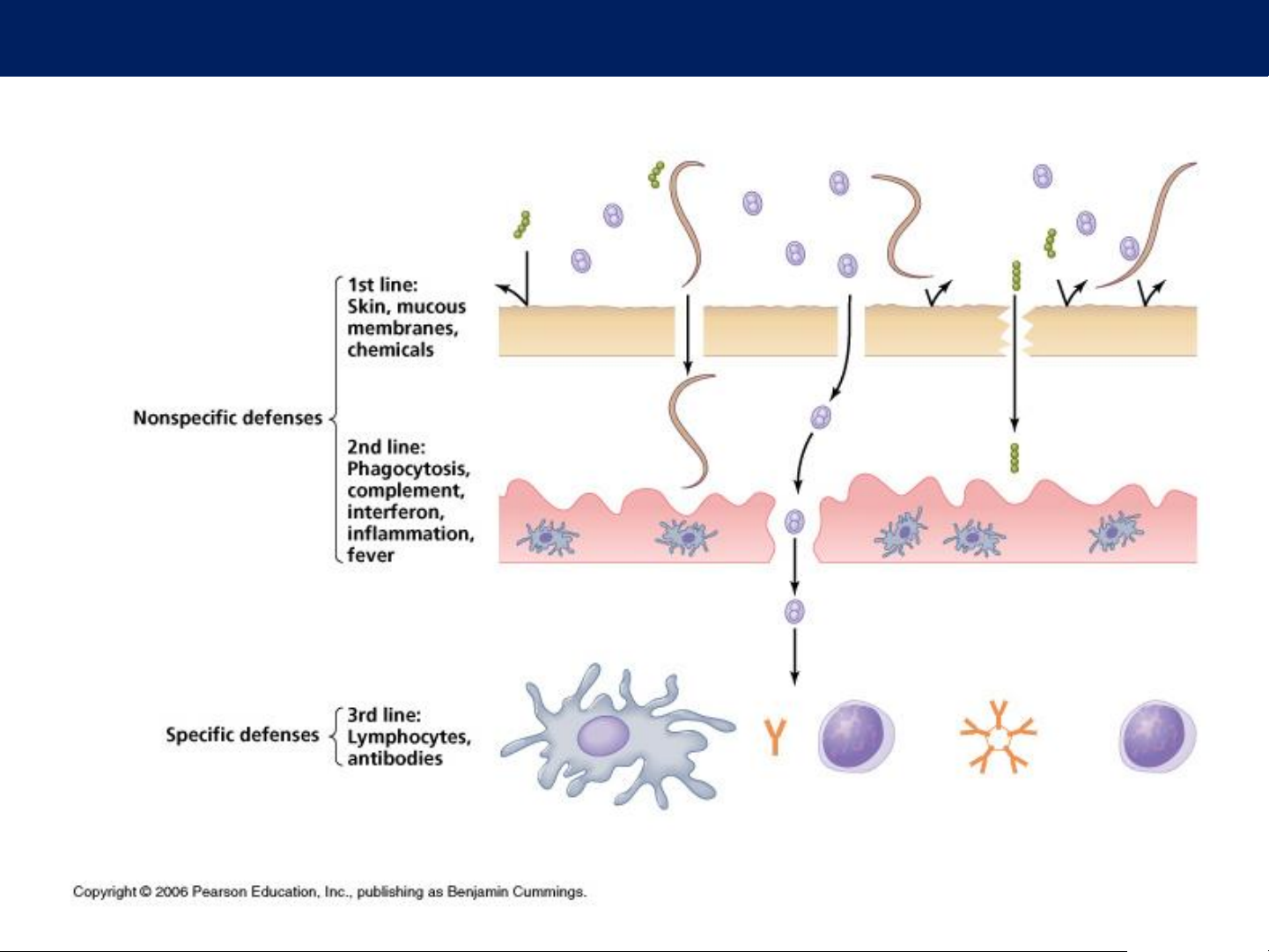
Immune defense: two categories
(1) Nonspecific immune defense (Innate defense).
… protect against foreign substances or cells without
having to recognize their specific identities.
(2) Specific immune defense (Adaptive defense). … depend upon specific recognition, by
lymphocytes, of the substance or cell to be
attacked and the launching of an attack against it that
is unique for that substance or cell.
Immune defense: two categories (Cont.)
Immune defense: two categories (Cont.)
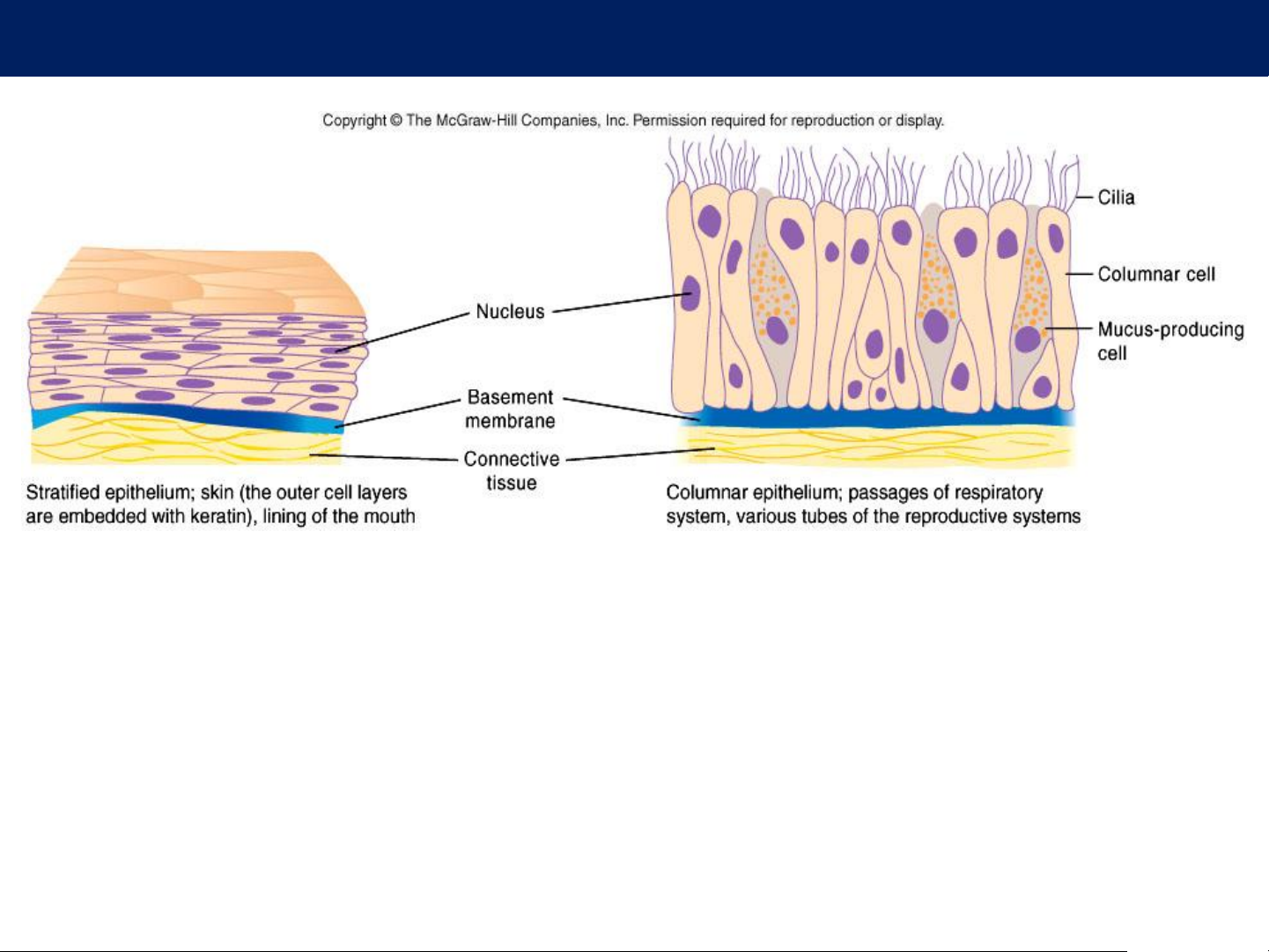
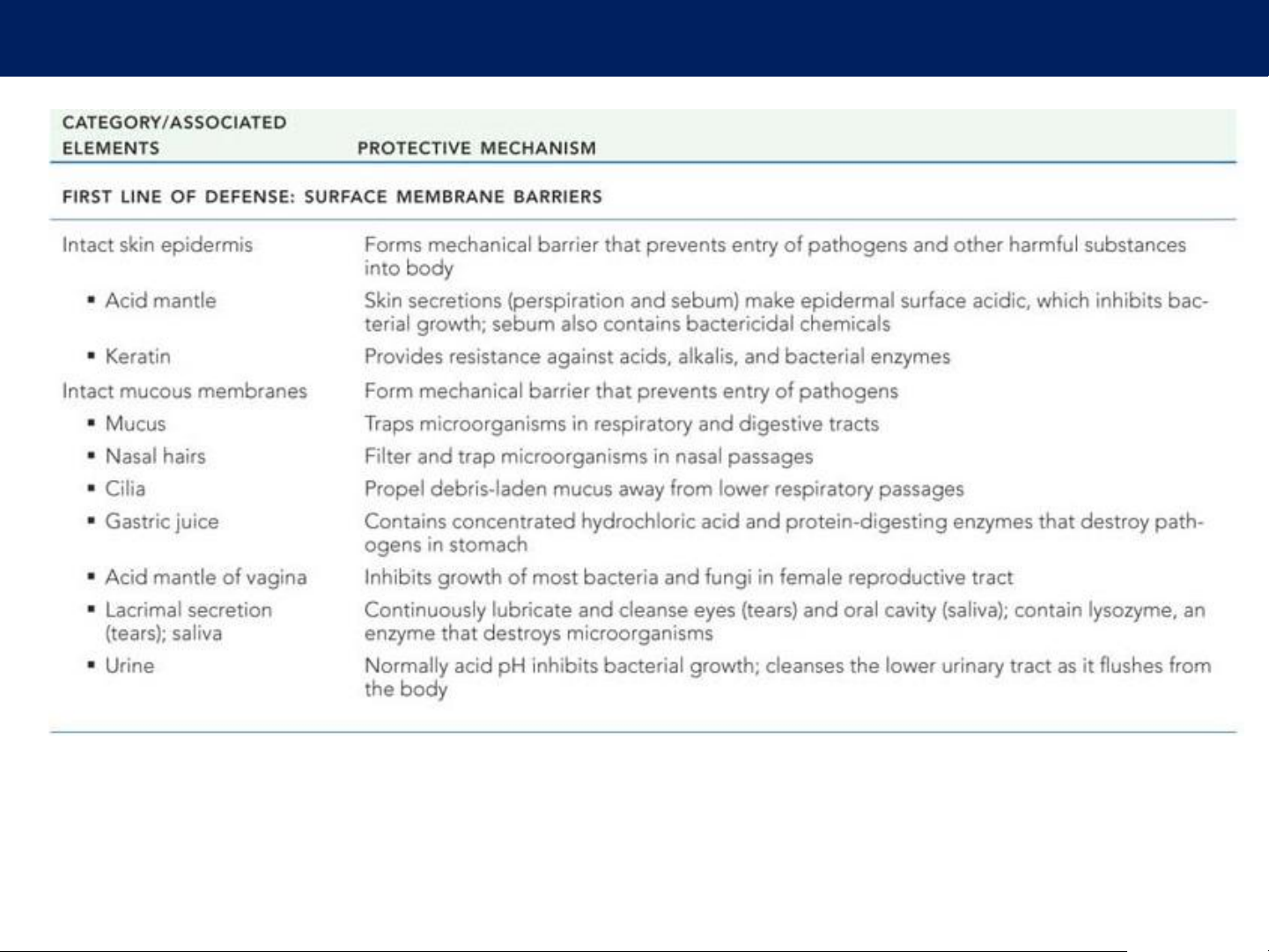
Innate defense: Surface Barriers
(1) The acidity of skin secretions (pH 3 to 5).
(2) The stomach mucosa secretes a concentrated hydrochloric acid
solution and protein-digesting enzymes (pH 3 to 5).
(3) Saliva, which cleanses the oral cavity and teeth, and lacrimal fluid of the eye contain lysozyme.
(4) Sticky mucus traps many microorganisms that enter the digestive and respiratory passageways.
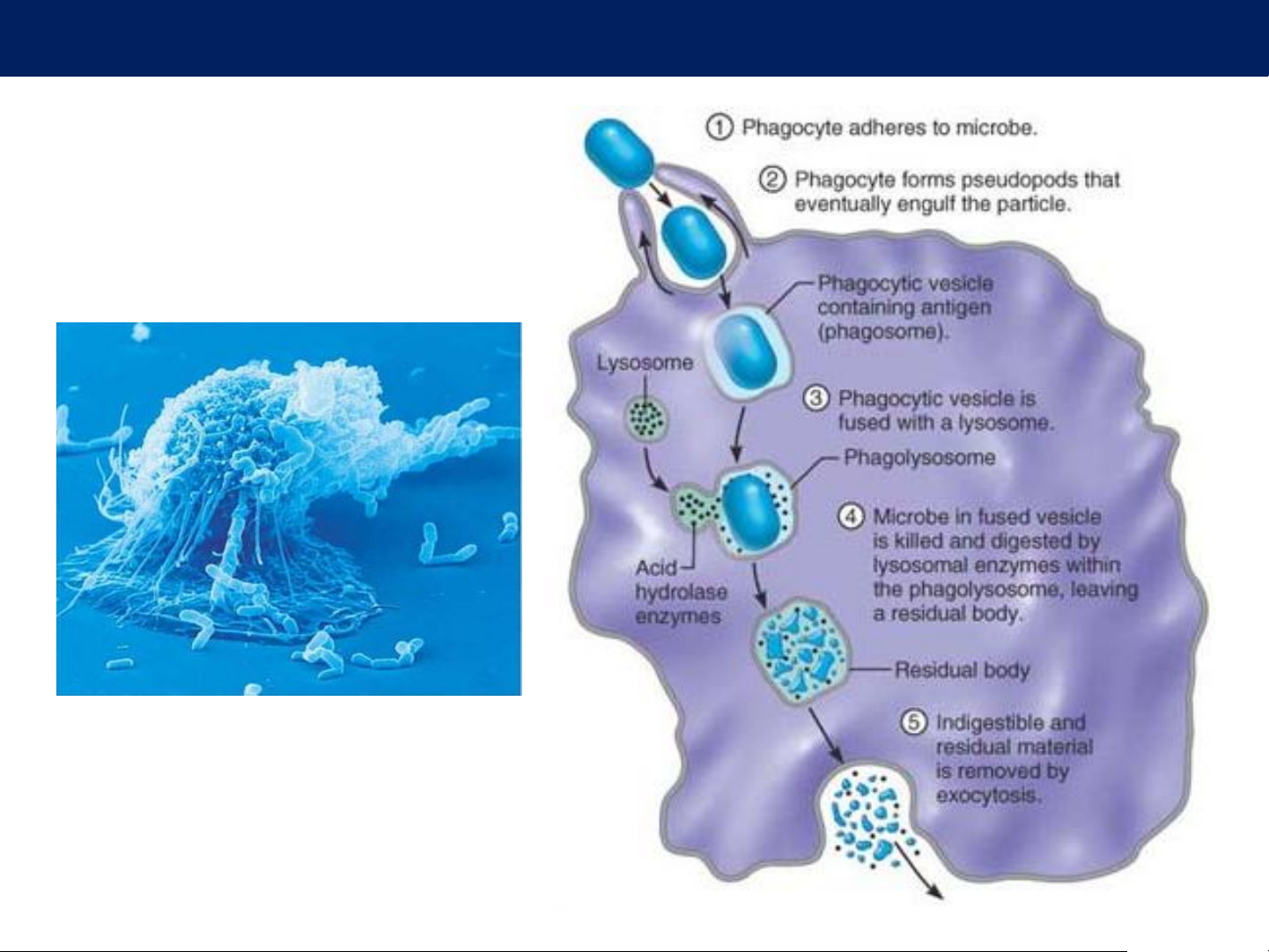
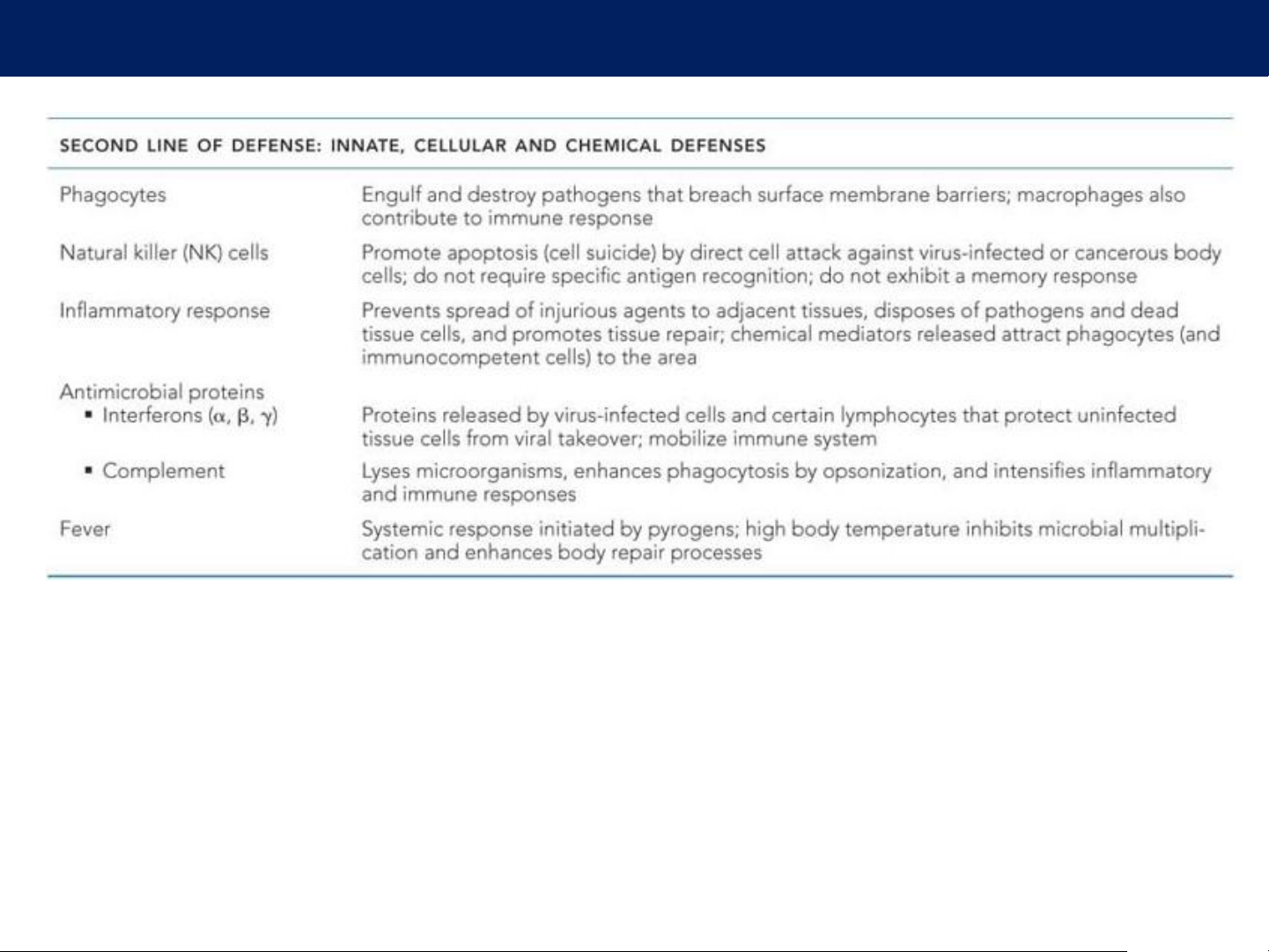
Innate defense: Phagocytes
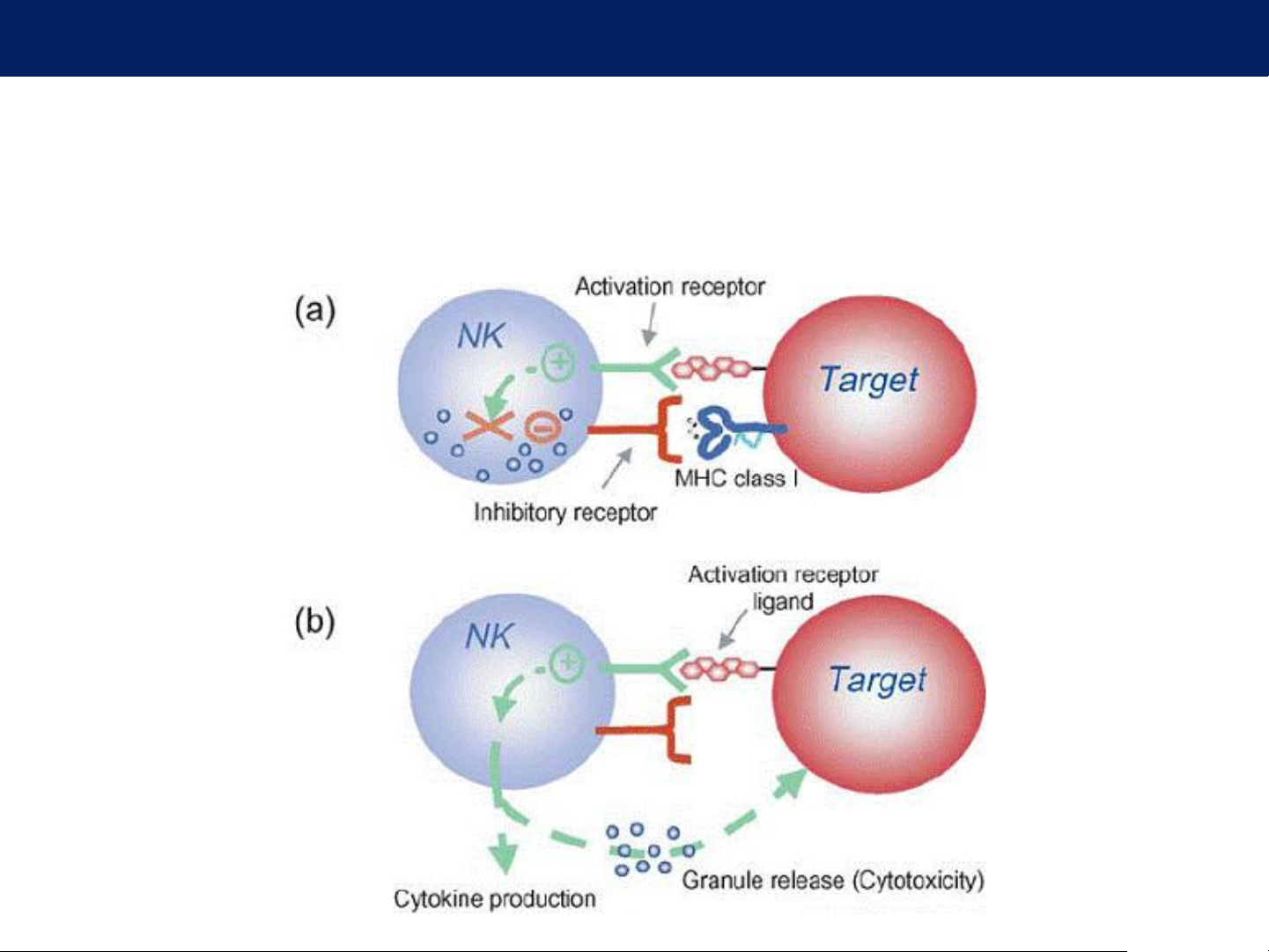
Innate defense: Nature kill cells
In blood and lymph, they are a unique group of defensive cells that can lyse
and kill cancer cells and virus-infected body cells before the adaptive immune system is activated.
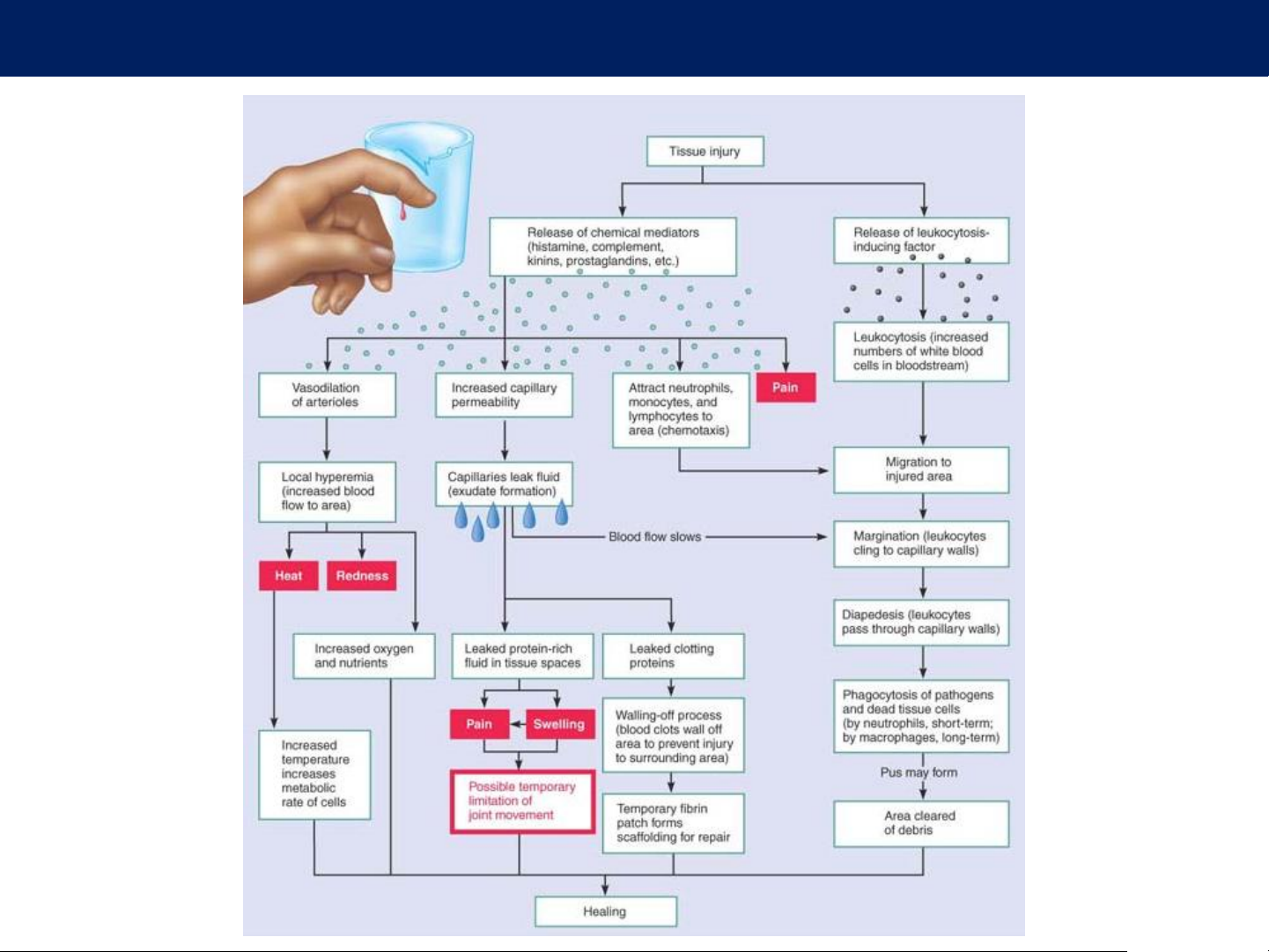
Innate defense: Inflammation
Innate defense: Antimicrobial protein
Innate defense: Antimicrobial protein (Cont.)
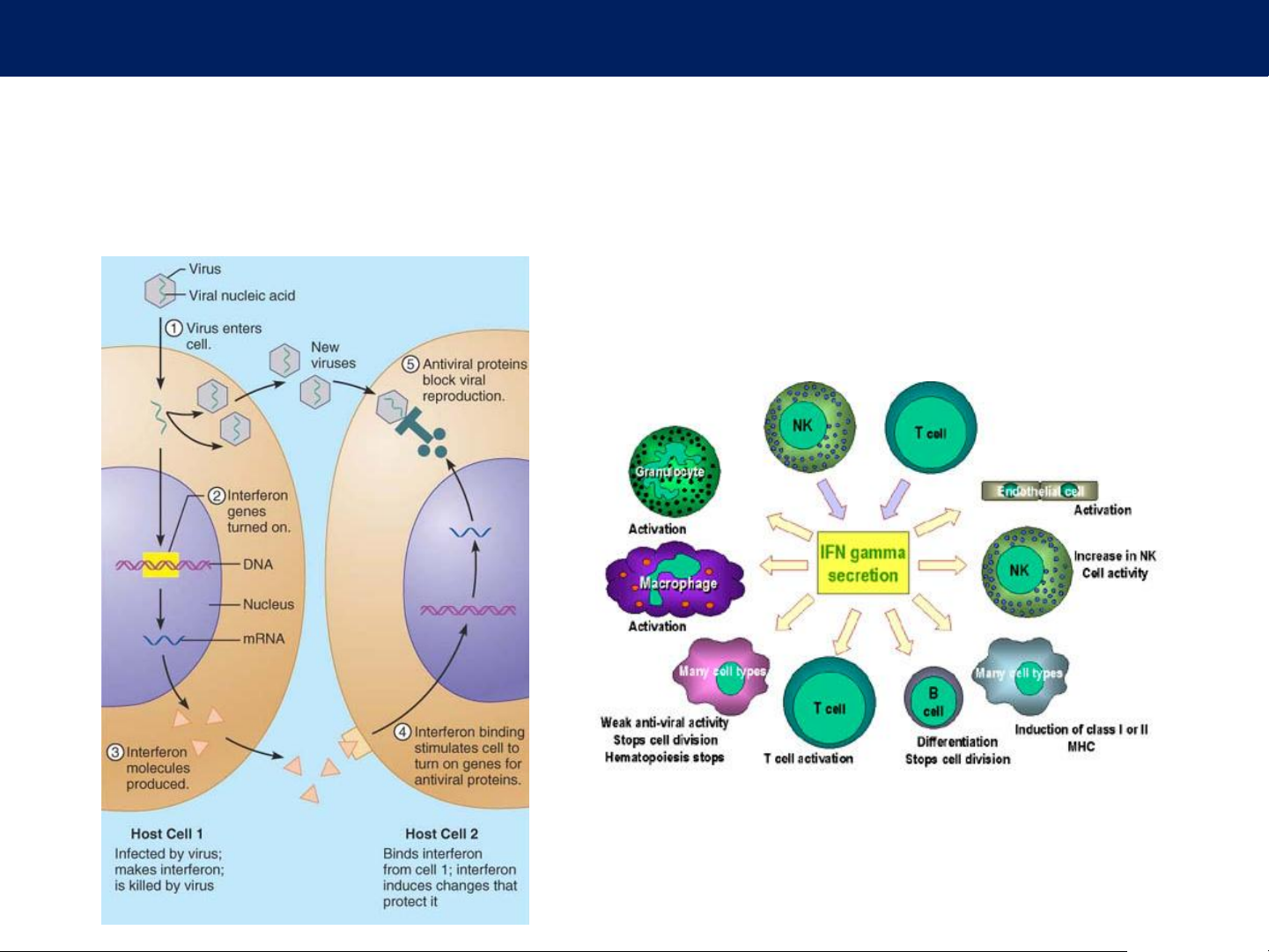
Innate defense: Interferon
Lymphocytes secrete gamma (γ), or immune, interferon, but most other
leukocytes secrete alpha (α) interferon.
Beta (β) interferon is secreted by fibroblasts.
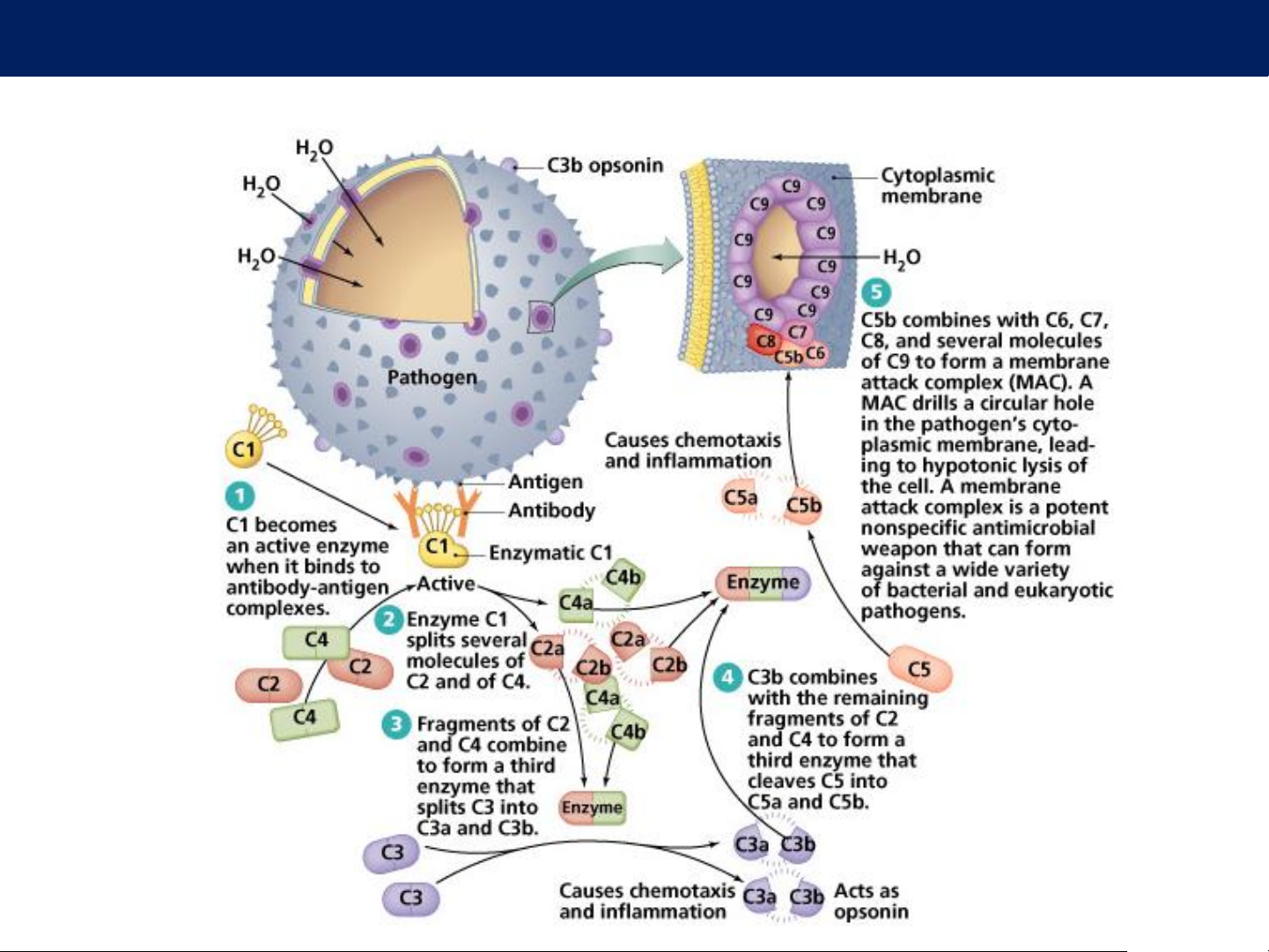
Innate defense: Complement
Adaptive defense: overview information
Antibodies and the humoral immune response Cell-mediated immune response Memory response Antigens
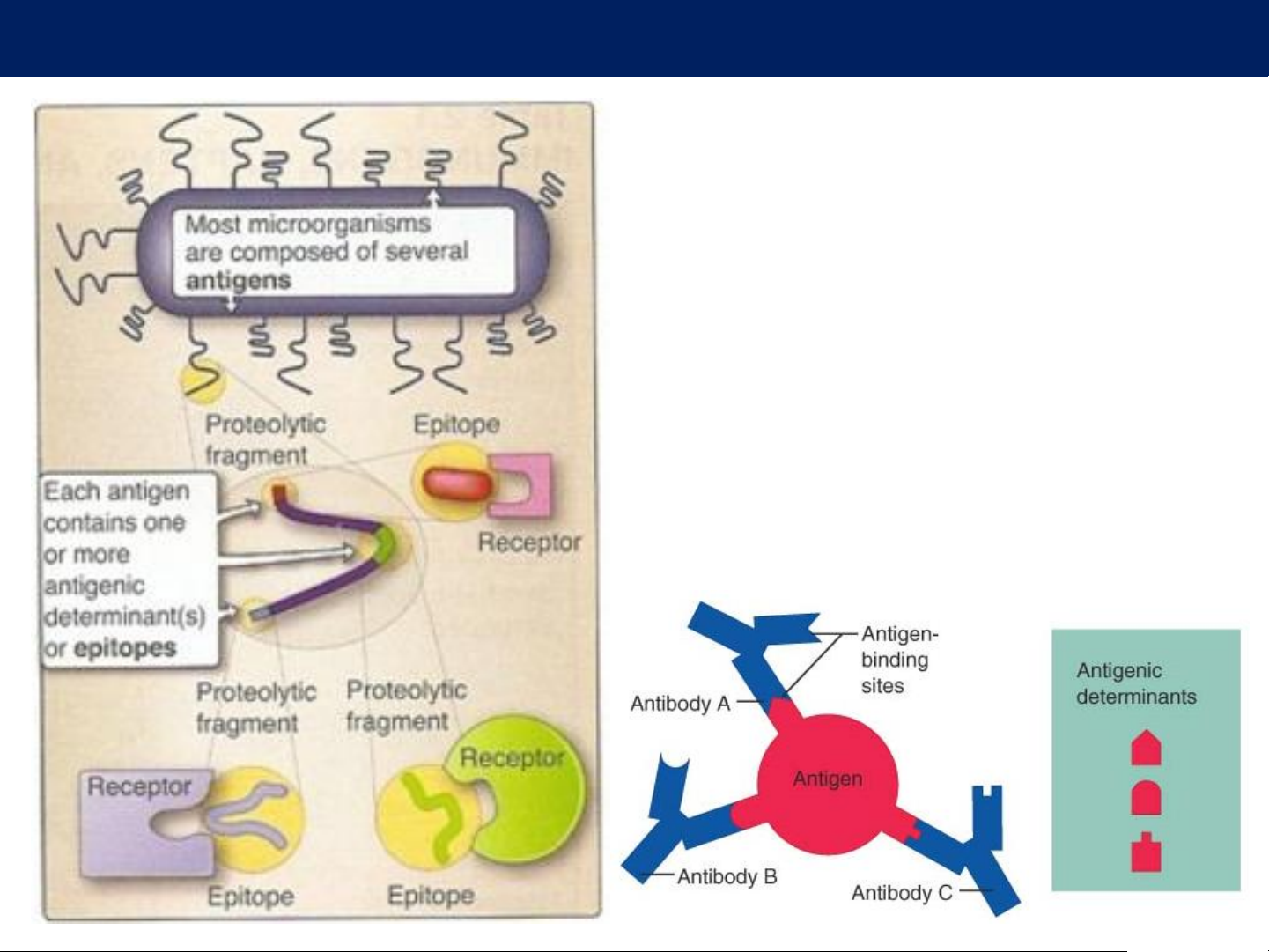
A molecule made up of proteins, carbohydrate, or other
polymers, and is capable of producing an immune
response in animals and cell culture. Immunogen vs Antigen
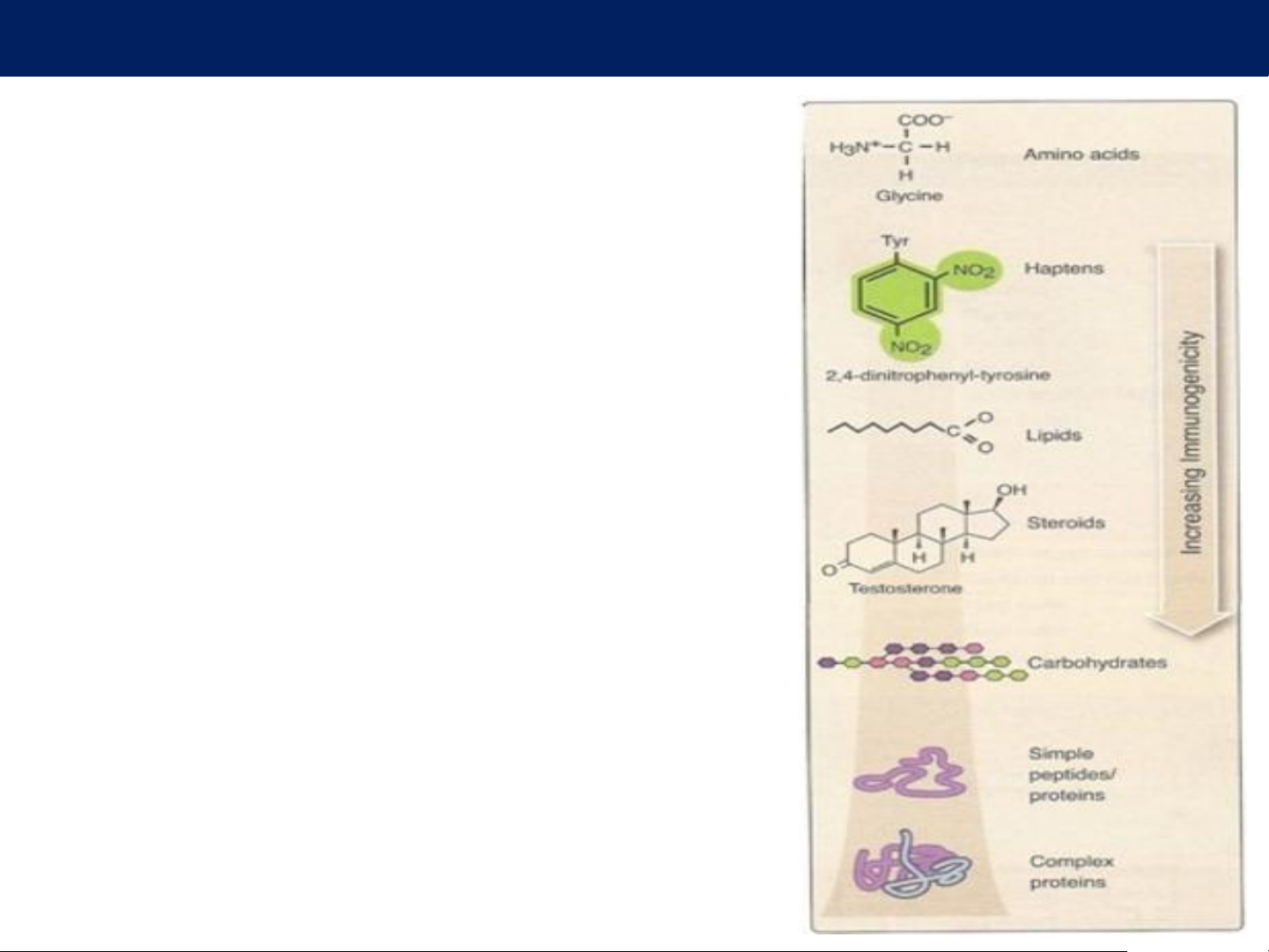
Immunogen: two important functional properties (1) Immunogenicity. (2) Reactivity. Immunogen Antigen Anything that induces a Binds to the products of the specific i. responses immune response A piece of Immunogen can Could be an Immunogen. be an antigen. Features of Immunogen
Foreignness/ molecular complexity/
molecular size (> 10Kbs)/ B cell
epitope/ T cell epitope/ MHC Class II binding site/ degradation → presentation/ phagocytosis → particulate.
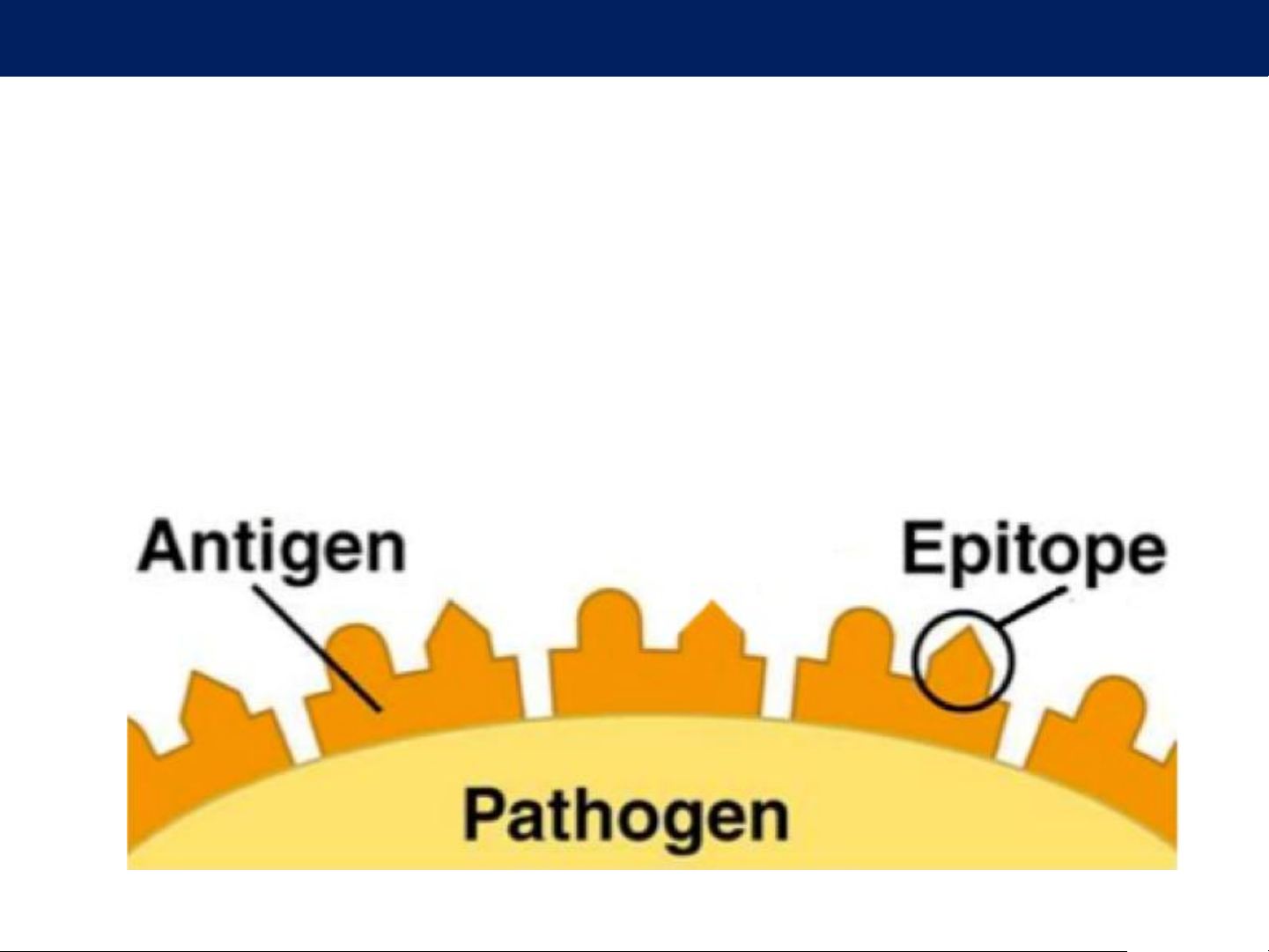
Epitope – basic unit of Immunogenicity
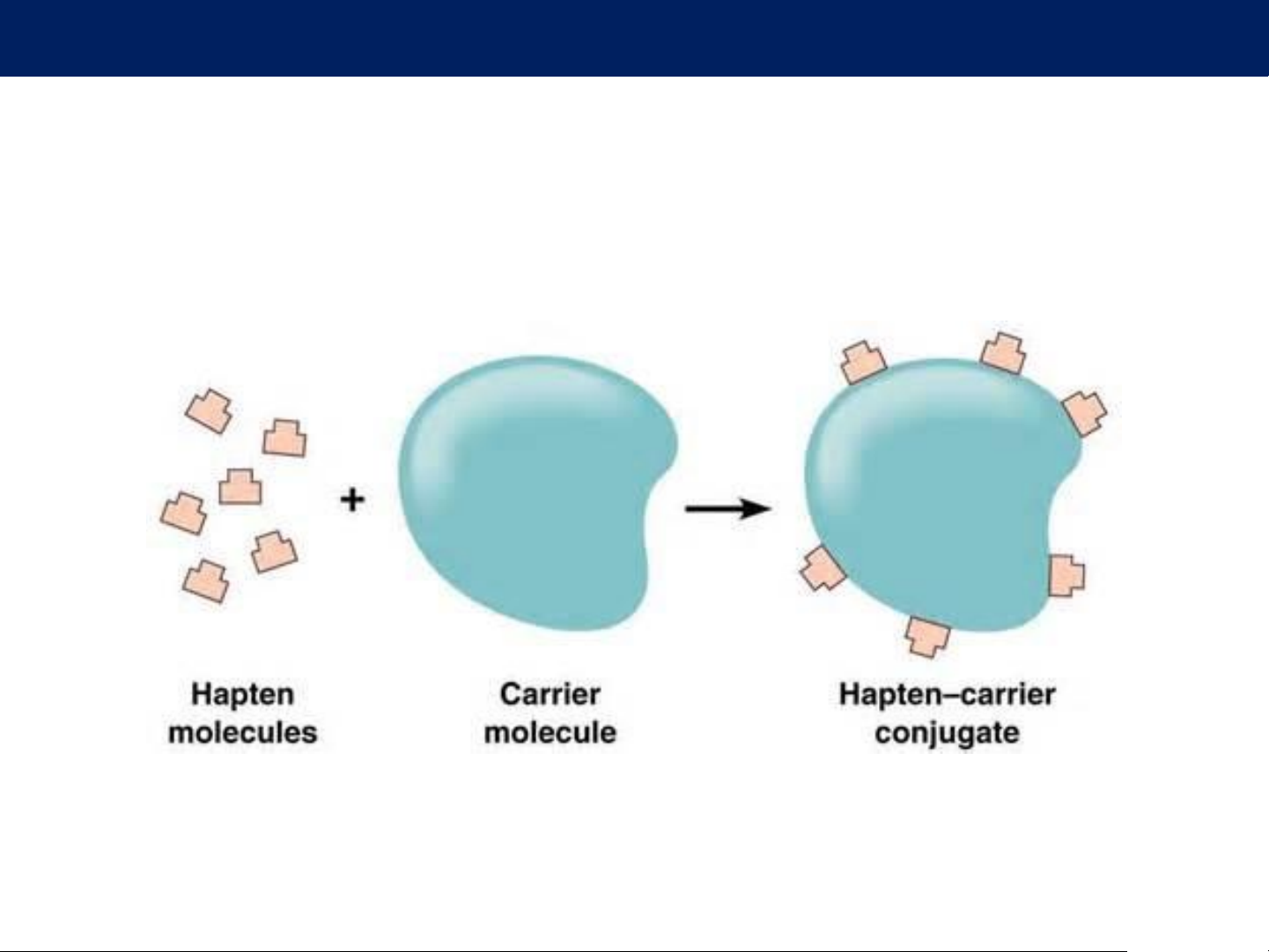
The smallest identifiable part of antigen that can be bound to the receptor – antigenic determinants. Hapten
Not immunogenic molecules, able to bind to immunity
receptor, and not able to induce immunity reaction → Not immunogenic. Antibodies
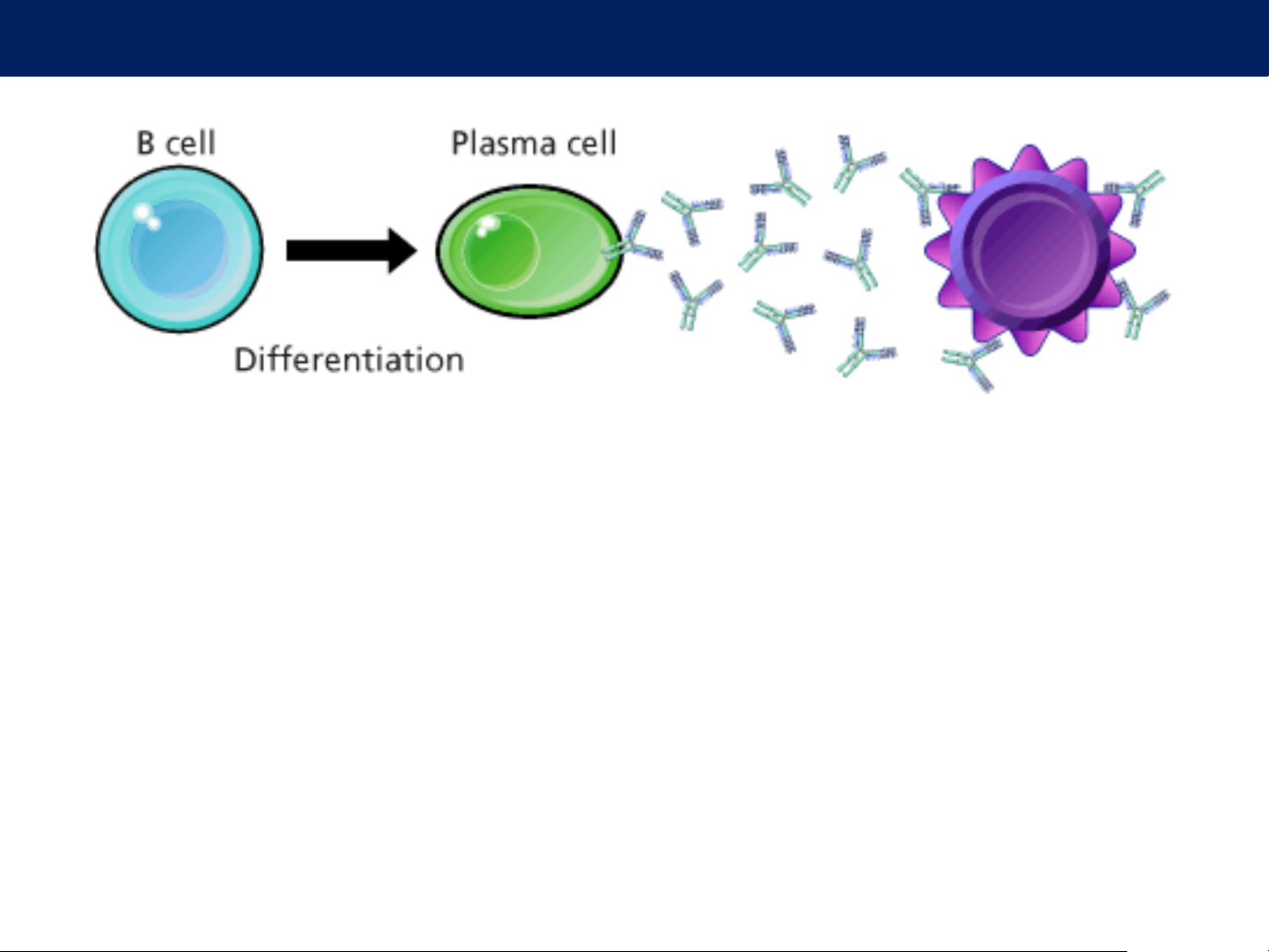
Immunoglobulin produced by the immune system in response to the presence of an antigen.
Identify and neutralize foreign objects (bacteria, viruses, etc.)
Tài liệu liên quan:
-
Giáo trình Động vật học có xương sống (Phần 2) môn Sinh học động vật | Trường Đại học Nông Lâm, Đại học Huế
41 21 -
Giáo trình Động vật học có xương sống (Phần 1) môn Sinh học động vật | Trường Đại học Nông Lâm, Đại học Huế
32 16 -
Ôn thi Môn Sinh học động vật | Trường Đại học Nông Lâm, Đại học Huế
159 80 -
Câu hỏi ôn thi môn Sinh học động vật
622 311