Bài giảng Nhập môn Nghiên cứu truyền thông | Học viện Báo chí và Tuyên truyền
Bài giảng Nhập môn Nghiên cứu truyền thông | Học viện Báo chí và Tuyên truyền. Tài liệu được sưu tầm giúp bạn tham khảo, ôn tập và đạt kết quả cao. Mời bạn đọc đón xem.
Môn: Nghiên cứu truyền thông 2 tài liệu
Trường: Học viện Báo chí và Tuyên truyền 2.8 K tài liệu
Tác giả:














Preview text:
MDA10001 Introduction to Media Studies
Week 1 Introduction: What Is Media?
Dr Andrew (Andy) Lynch alynch@swin.edu.au
Department of Media and Communication
Acknowledgment of Country Acknowledgement of Country
Swinburne's Department of Media and Communication
recognises the crucial role that Aboriginal and Torres Strait We I rselsp a ec n tfu d l y e a r ck n no a w tileodg ne st he p W l u a ryu nidnje rio Pe u o r ple U o nfi th v ee Krusliint Nya tio a n n, w d h o c ontemporary
are the Traditional Owners of the land on which Swinburne’s Australian cam e pu d se u s caraet iloc o at ne,d i inn M c ellb uou d rine n ’sg etasht a e n ds oiu g te n ri-feiasct, aannd cpa e y o oufr Indigenous people’s
respect to their Elders past, present and emerging.
contributions to creative arts and communication media. We
We are honoured to recognise our connection to Wurundjeri Country,
respectfully acknowledge the Wurundjeri People of the Kulin
history, culture, and spirituality through these locations, and strive to ensure
that we operate in a manner that respects and honours the Elders and
nation and their Elders past and present, who are the Ancestors of these lands.
Traditional Owners and Custodians of the unceded land on
We also respectful y acknowledge Swinburne’s Aboriginal and Torres Strait Islan wde h ri sctafhf , sStud w eint n s, balu u mn rn i, ep’asr tners Ha an w dt vi h sit o ors rn. campus is located. We
respectfully acknowledge that the land on which we learn,
We also acknowledge and respect the Traditional Owners of lands across
Australia, their Elders, Ancestors, cultures, and heritage, and recognise the
create, and work has always been a place of teaching and
continuing sovereignties of al Aboriginal and Torres Strait Islander Nations.
learning. We recognise reconciliation is a mutual process that
all staff and students can participate in to ensure our
campuses are culturally inclusive and respectful. What is this unit about and what is “semiotic analysis”? Your staff
• Dr Andrew (Andy) Lynch | Convener | alynch@swin.edu.au
• Dr Karen (Kaz) Horsley | Tutor | khorsley@swin.edu.au
• Dr Corey Martin| Tutor | coreymartin@swin.edu.au
• Dr Vincent Tran| Tutor | vincenttran@swin.edu.au Tutorials:
• Tutorials run every week for 2 hours, you will complete some assessment in class
• Tutorials begin this week!
• You must attend the tutorial you are enrolled in Unit structure
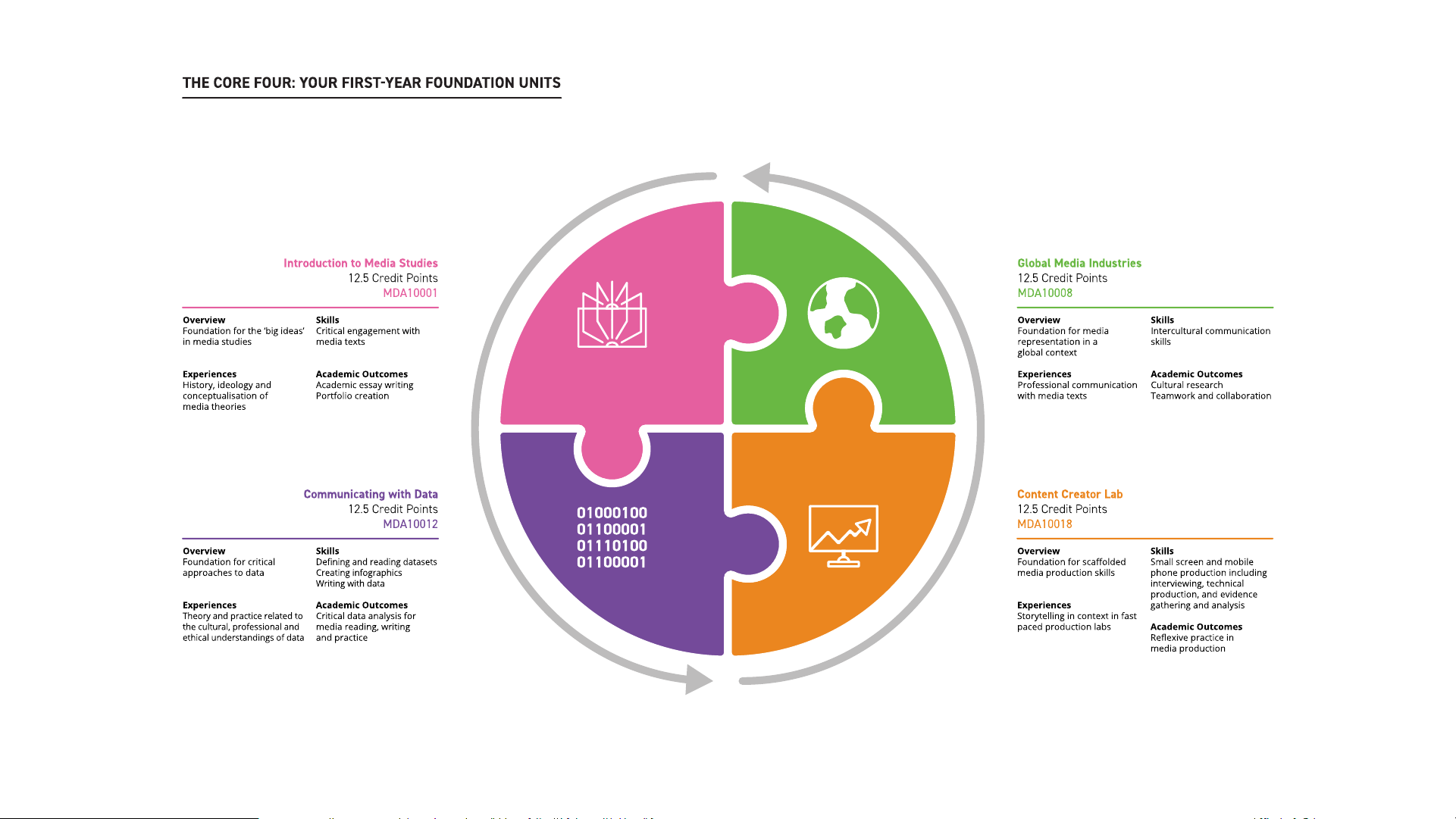
This unit is broken into three “blocks”, each of which has an accompanying assessment task
Block 1 (weeks 1-3): How to Study Media
Assessment 1: Group Textual Analysis
Block 2 (weeks 4-7): Big Thinkers and Key Ideas
Assessment 2: Critical Analysis Essay
Block 3: (weeks 8-11): Media and YOUR everyday life
Assessment 3: Reflective Analysis Today’s Lecture Part 1:
• Defining Media, Media Studies, and Media Texts Part 2:
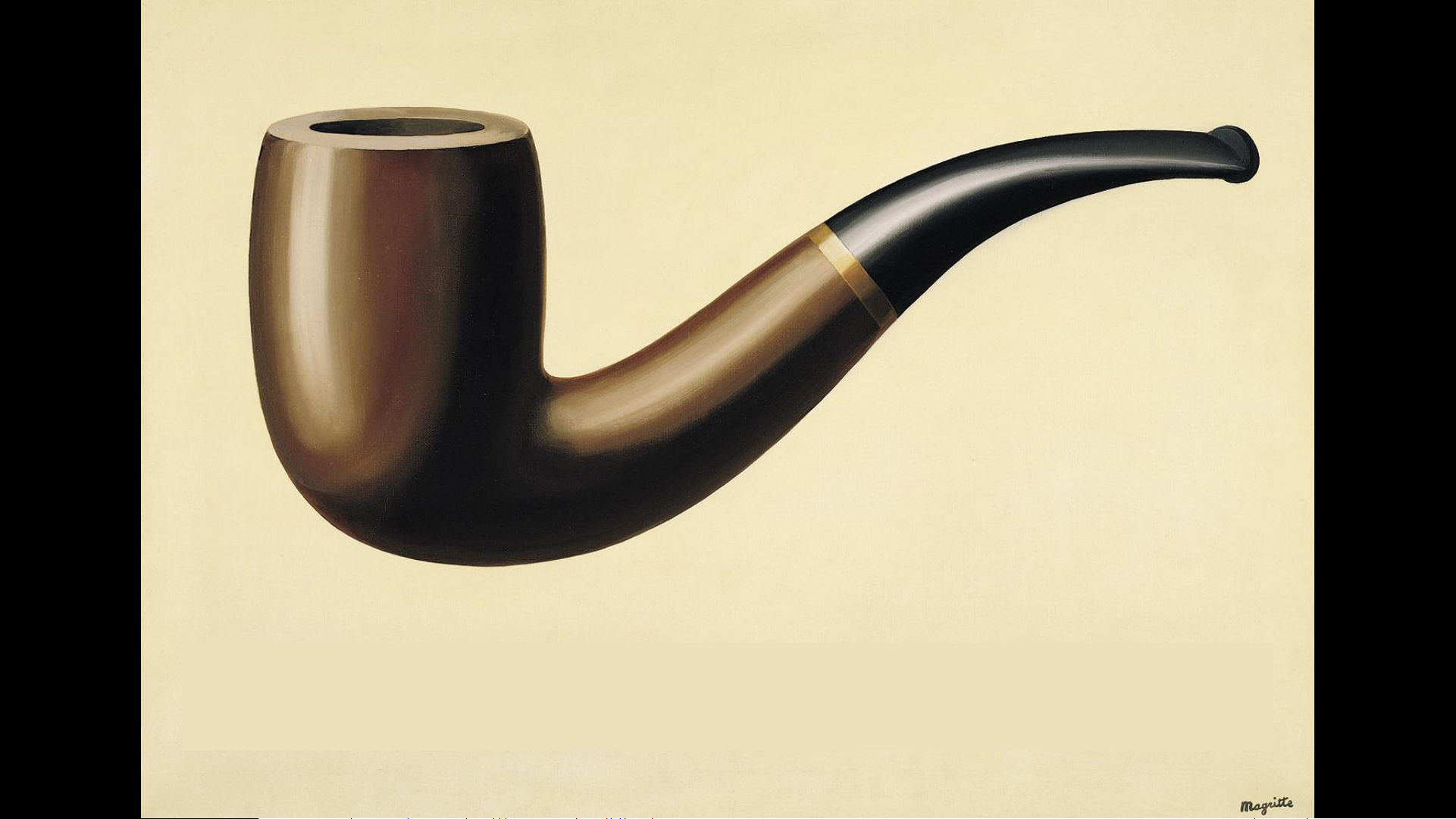
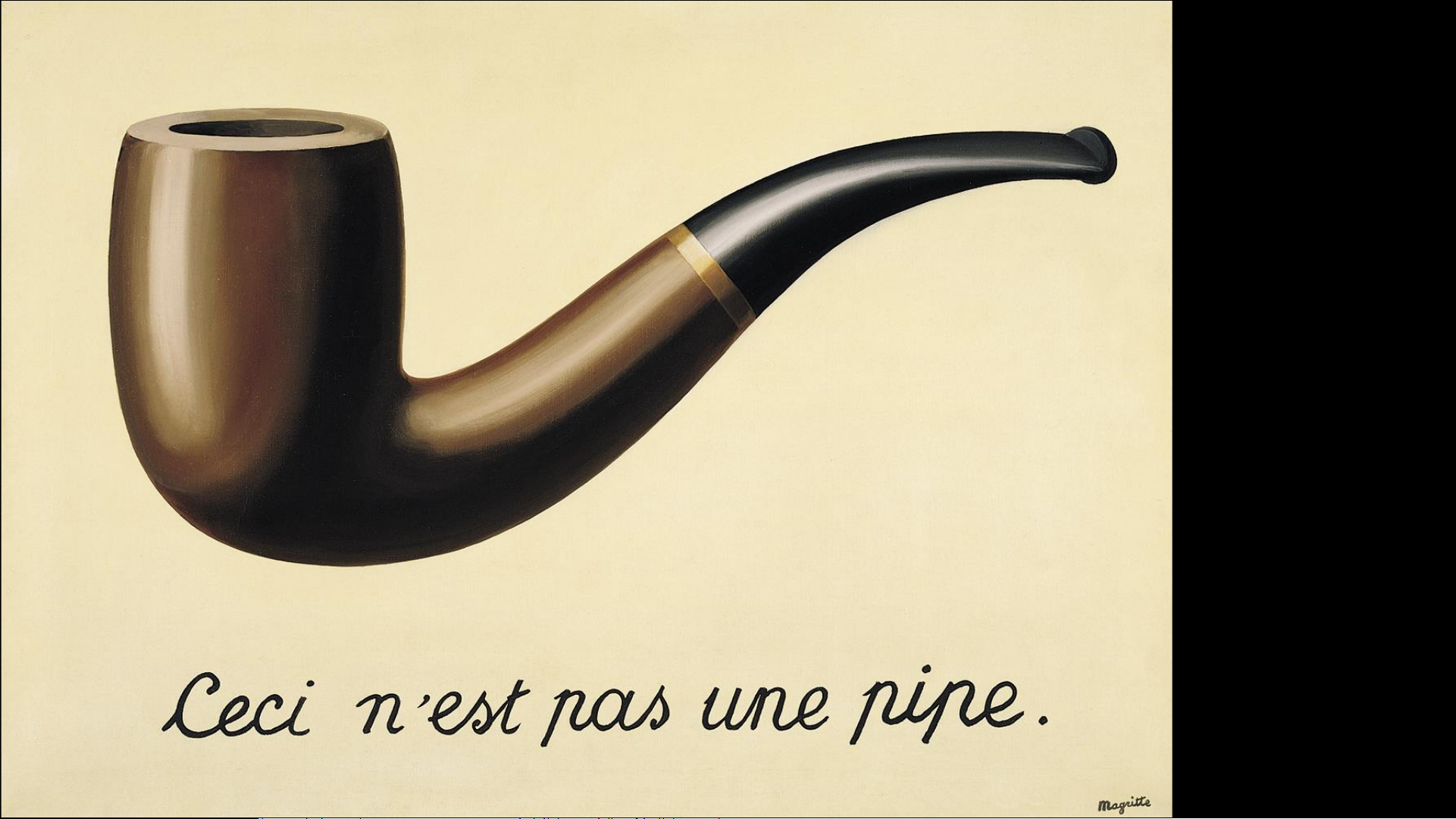
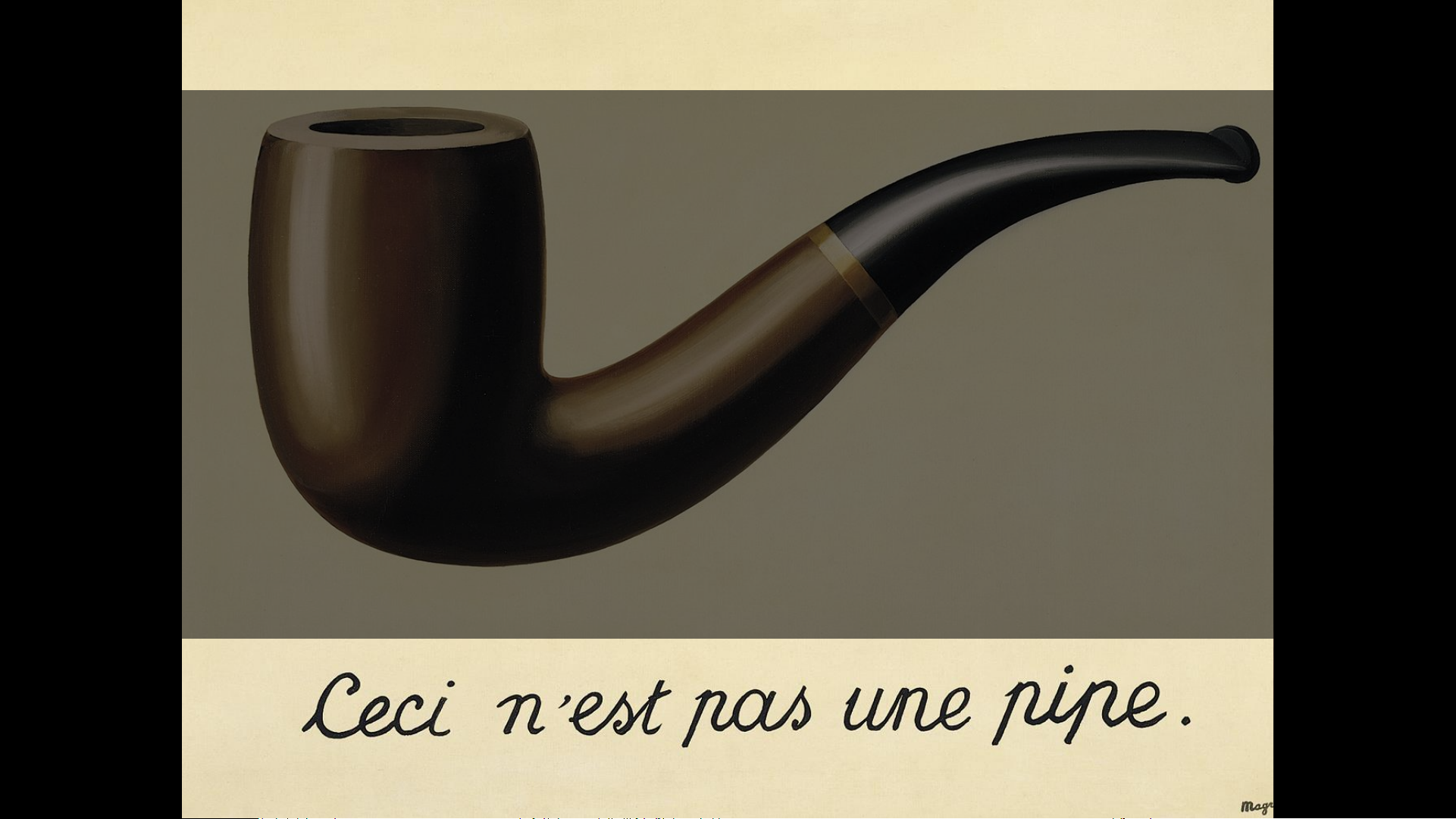
• Introducing Semiotics: Signs, Signifiers and Types of Signs Part 1 René Magritte, The Treachery of Images (La trahison des images), 1928-29, oil on canvas; 63cm x 93.98cm, Los Angeles County Museum of Art Magritte: “It's just a representation, is it not? So if I had written on my picture 'This is a pipe', I'd have been lying!”
The treachery of images?
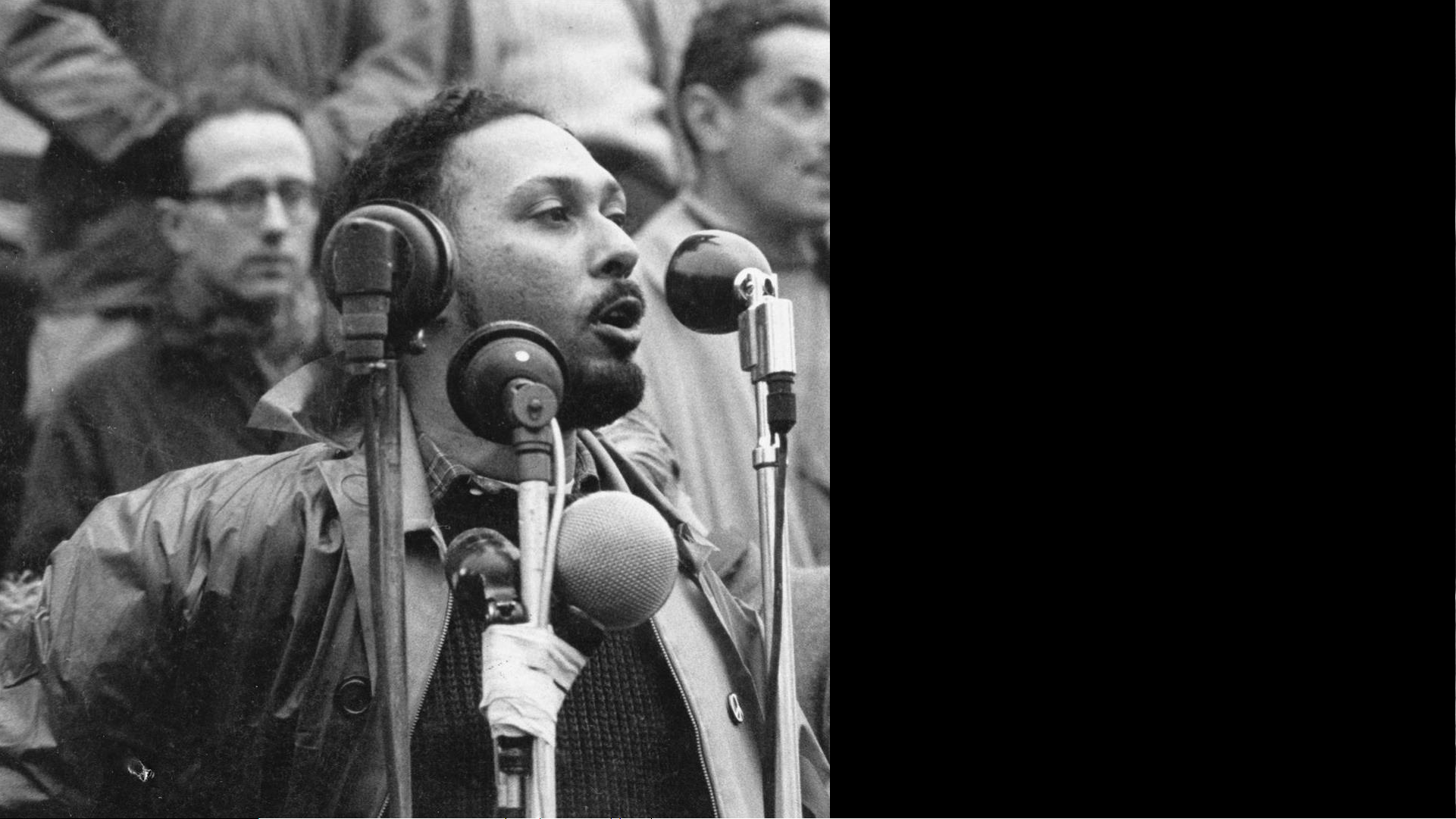
Furthermore, Bourdieu suggests three types of cultural capital.
Media "texts" are often so immediate that we
- Embodied: the way you present yourself
treat them like their real counterparts.
- Objectified: maybe you own a great work of art?
In this unit, we will develop the critical and
- Institutionalised: qualifications, awards
analytical skills to be able to understand how
Bourdieu saw the growth of the second two as meaning media c teultu xt ral s c cap r ietal
a its ehow m m e od a enrin s n ogci.eties are structured:
taste becomes a social mechanism. WHAT IS MEDIA? CREATOR
• In his most famous book, Understanding
Media, Marshall Mcluhan talks about media as
‘extensions of [hu]man [s]’.
• That is, it can be seen to extend our senses
and consciousness [e.g. printing press
extends the voice… film extends the eyes… MEDIUM radio extends the ears…]
• Media can thus be understood as a kind of a
tool, or technology – media as ‘something in between’.
• This is a simplistic model and not a bad place to start…
• But why might this be a problematic model? CONSUMER MAJOR MEDIA INDUSTRIES: • The press and news media • Advertising/marketing
• Publishing (also: writing, • Music criticism, comics) • Internet/social/mobile • Radio • Podcasts • Film • Books • Television Magazines • Games Why study media?
• It will give you a professional advantage:
• If you want to succeed in the media, understanding how and why it works is integral.
• Media studies does not focus on production skills, but it
does answer questions posed by those working in the industries.
• It can give you a greater personal understanding of…
• Day-to-day life is made up of media moments.
• Even if you never work in the media, you will find these ideas useful!
• You’ll gain a better understanding of society because…
• The media industries are central to today’s societies.
What is Media Studies? • An academic discipline that began to take shape in the 1960s. • Also has roots in literary theory and cultural theory from the 1920s and earlier. • Concerned with understanding the history, content, and effects of media. Audiences Production contexts Technologies Philosophy Gender and Producers, queer creators, theories directors Media Local and industries global contexts Media History Studies Celebrity Media Studies investigates the big questions about how and why media gets made and its impacts
We’re interested in texts and their contexts
What is a media text?
Any piece of media that conveys meaning: For example: ✓ Billboard ✓ Magazine ✓Blog ✓Music video ✓ Newspaper ✓ Website ✓Television series ✓ article Phone app ✓ Tweet (X?) ✓Newspaper ad ✓TV advertisement ✓ Song ✓ Phone app ✓YouTube video ✓Video game ✓ Photograph ✓ Podcast ✓Painting ✓Book… ✓ Film ✓Facebook post ✓Fan art