Bài giảng What is the Cloud? môn Điện toán đám mây | Trường Đại học Kỹ thuật - Công nghệ Cần Thơ
Bài giảng What is the Cloud? môn Điện toán đám mây | Trường Đại học Kỹ thuật - Công nghệ Cần Thơ. Tài liệu được sưu tầm giúp bạn tham khảo, ôn tập và đạt kết quả cao. Mời bạn đọc đón xem.
Môn: Điện toán đám mây 3 tài liệu
Trường: Trường Đại học Kỹ thuật - Công nghệ Cần Thơ 153 tài liệu
Tác giả:








Preview text:
CompSci 401: Cloud Computing Prof. Ítalo Cunha What is the Cloud? What is cloud computing?
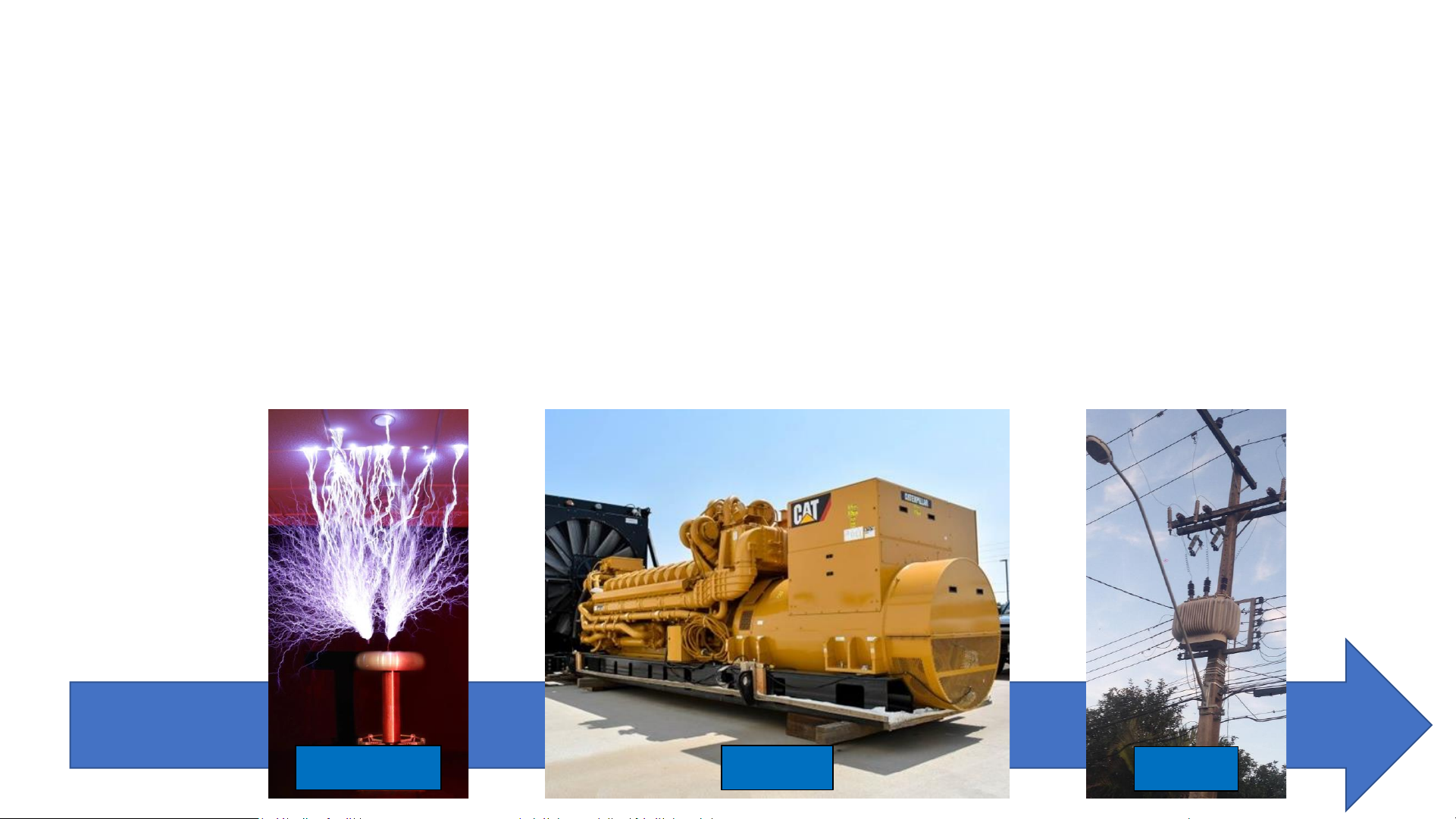
• The transformation of IT from product to service What is cloud computing?
• The transformation of IT from product to service Evolution Innovation Product Service What is cloud computing?
• The transformation of IT from product to service
• Paradigm where applications or services run (partially or completely)
on third-party infrastructure, cloud tenants pay for what they use Evolution Innovation Product Service
Examples of interactions with the cloud
• Duke University stores videos on Panopto
• An individual checks her calendar on a smartphone
• Someone watches a video on Netflix
• A developer commits code to GitHub or chat over Slack
• A cyclist’s wearable watch sends information to a health tracking app
• Coworkers edit a document on Google Docs or Office 360
• Enterprise leases servers where it runs intranet services
• A sales company leases additional servers during peak periods like
black Friday to keep up with demand
Enterprise computing in the past
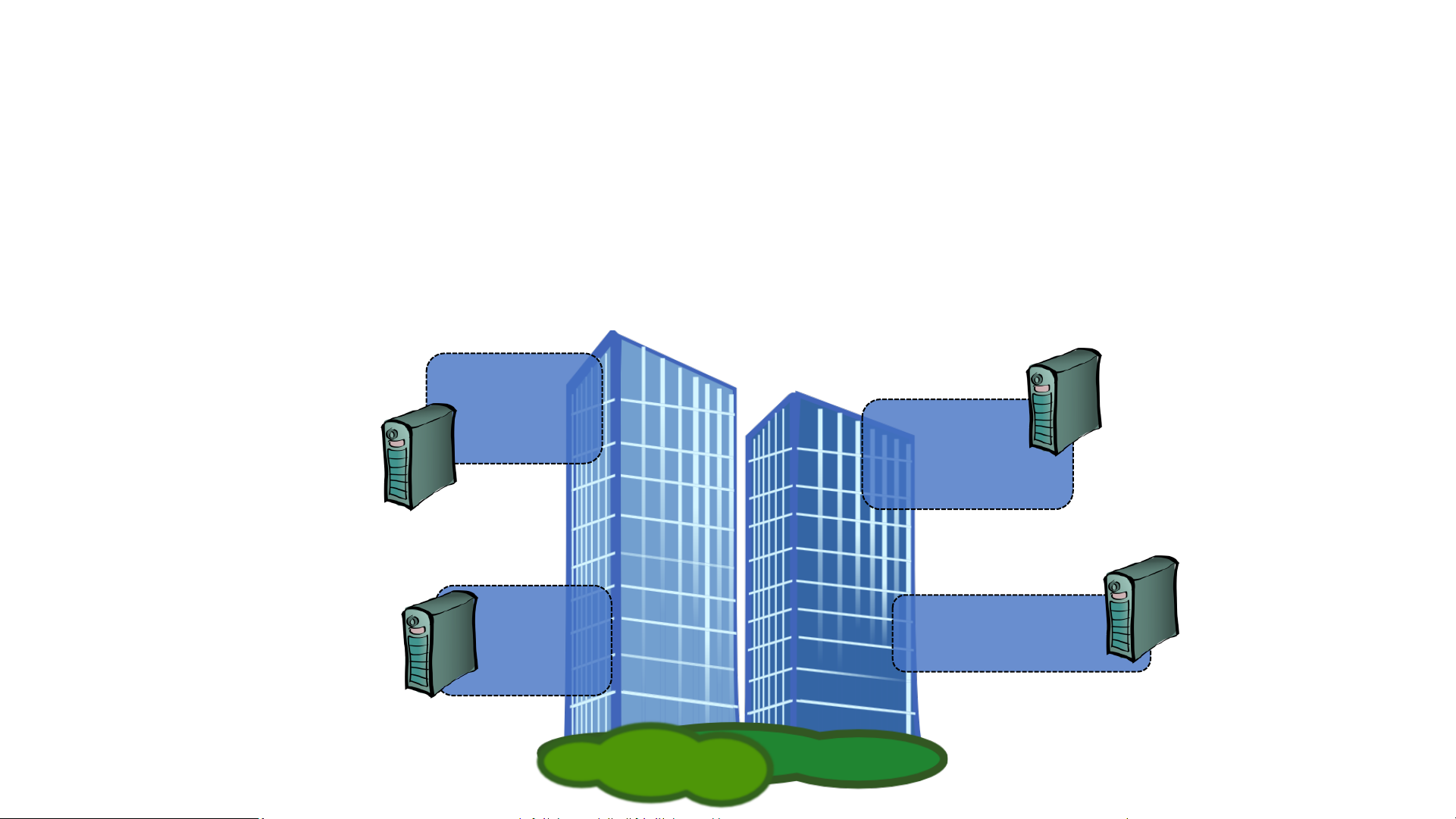
• Enterprises ran applications on several servers, possibly spread across multiple departments Human Resources Research & Development Sales Manufacturing Enterprise computing today
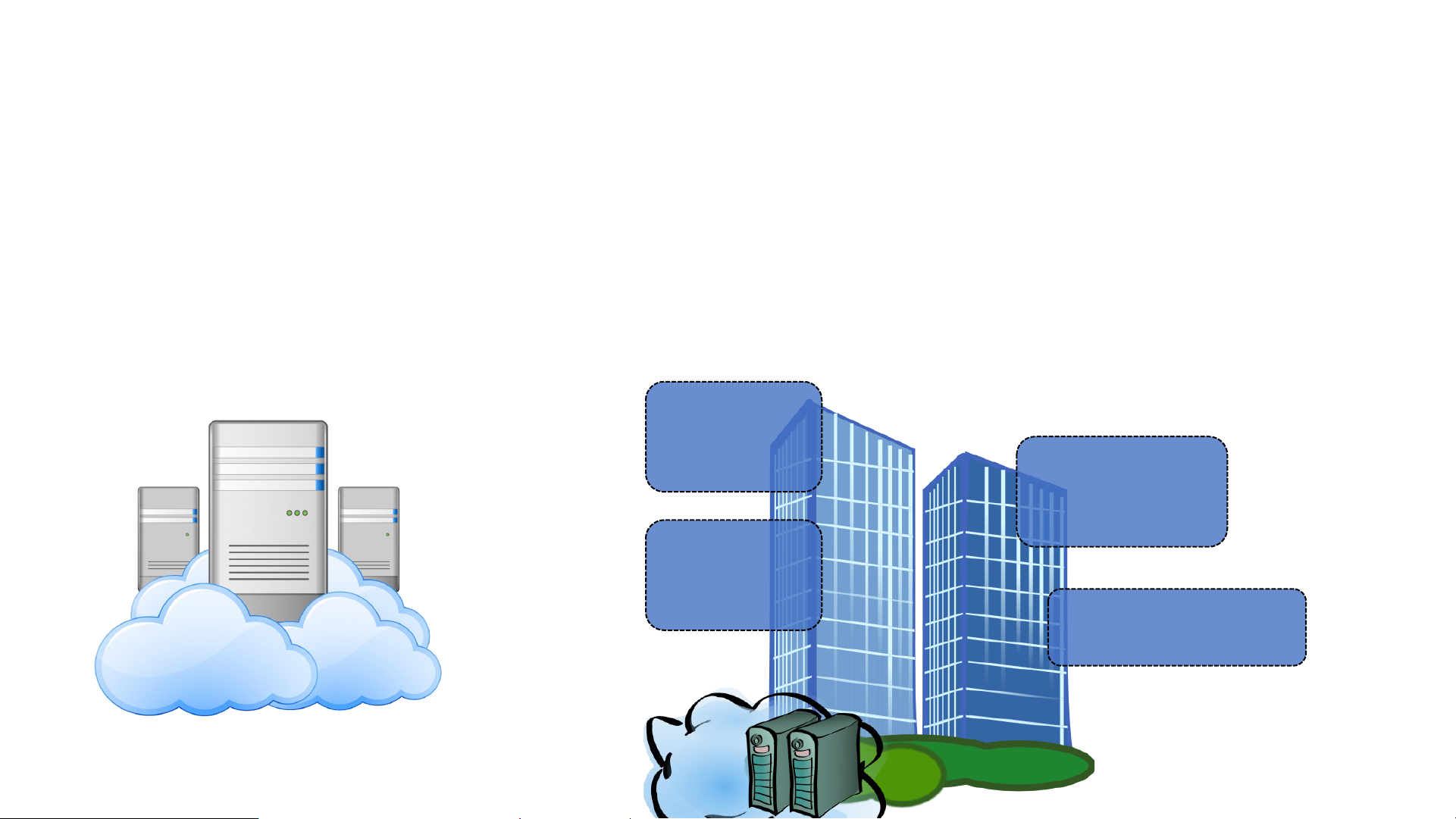
• Some enterprises move all IT to the cloud
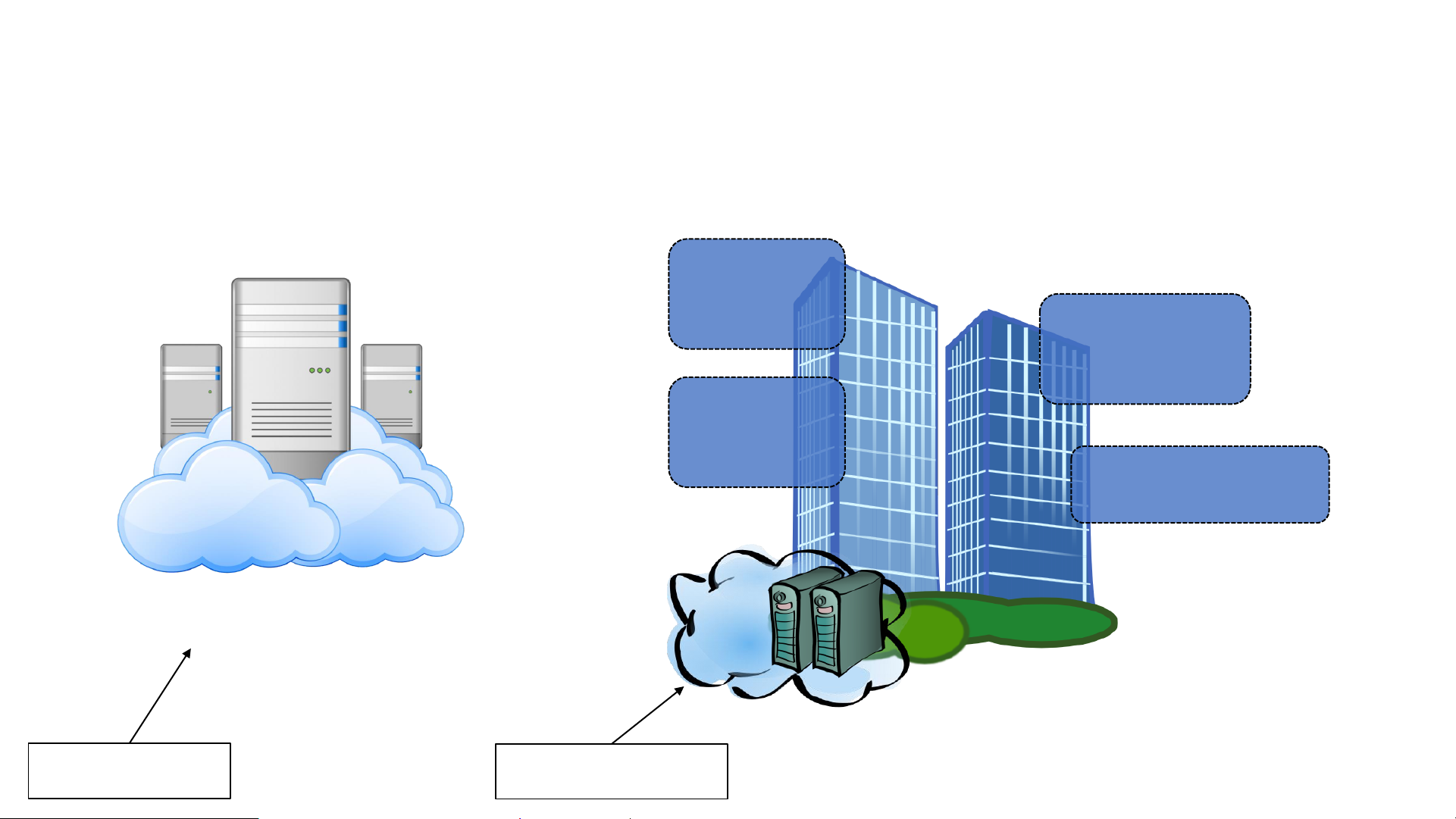
• Enterprises that keep local compute usually concentrate hardware on a small local datacenter Human Resources Research & Development Sales Manufacturing Third-party infrastructure Local IT infrastructure Private and public clouds Human Resources Research & Development Sales Manufacturing Third-party infrastructure Local IT infrastructure Public cloud Private cloud Cloud Types • Private cloud
• Internal cloud operated and used by one organization • Public cloud
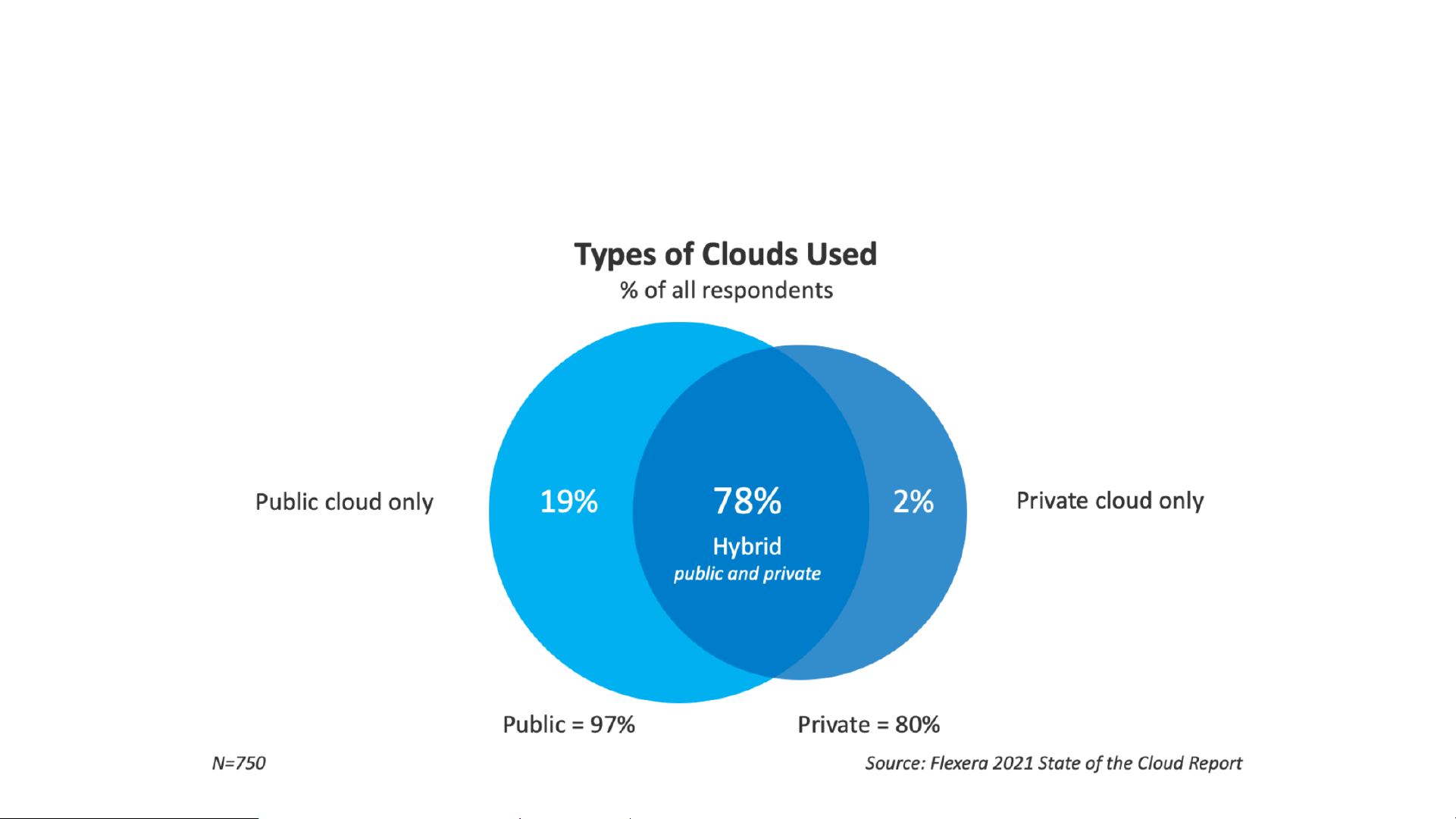
• Commercial service operated by a third-party organization • Hosts multiple customers • Hybrid-cloud
• Organizations that use both private and public clouds • Multi-cloud
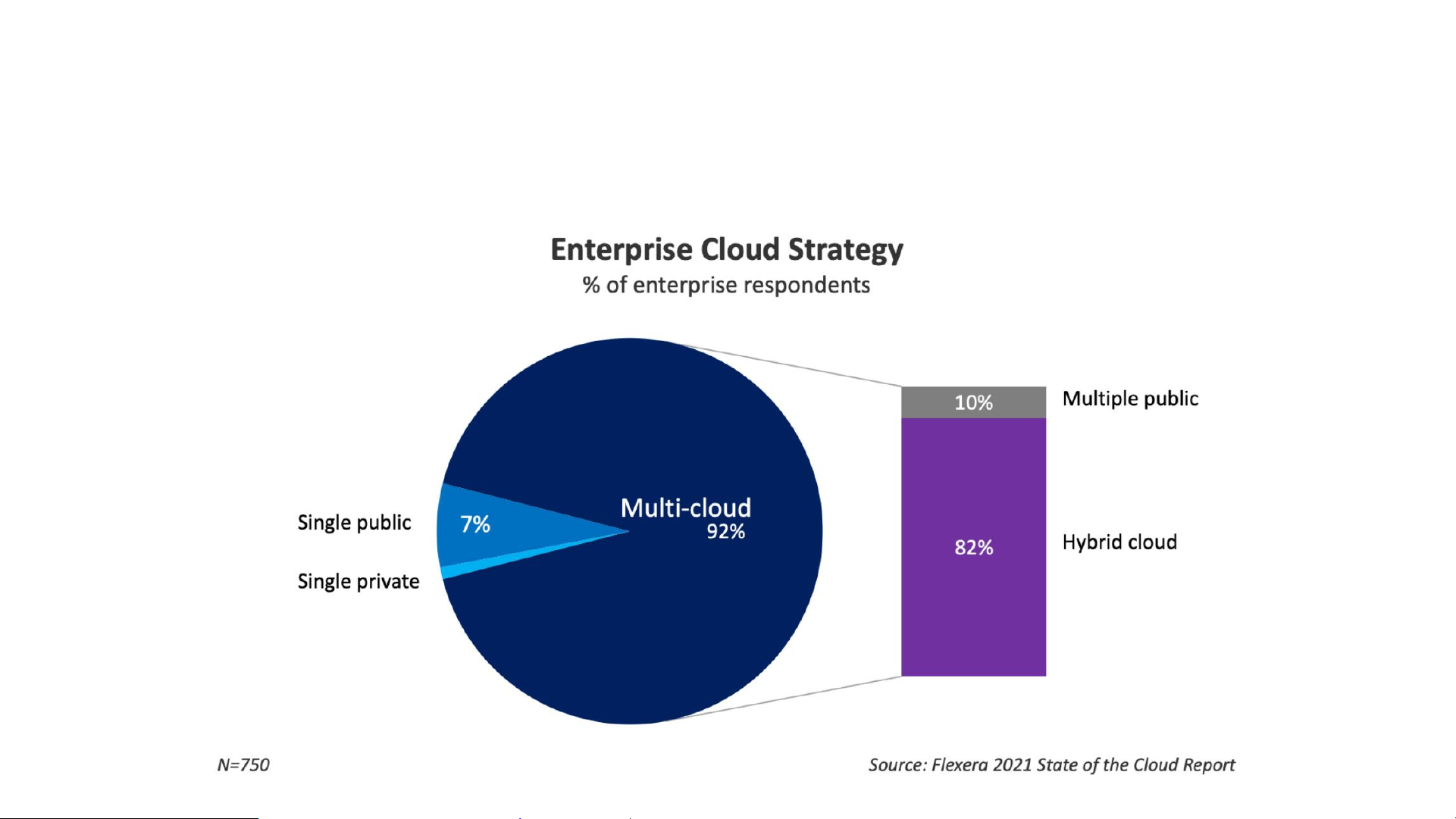
• Organizations that use multiple private/public clouds
Most enterprises use at least one cloud
Most enterprises use multiple clouds Mobile applications
• Cell phones have limited resources • CPU, memory, and storage • Battery
• Most applications rely heavily on the cloud • Store data • Run heavy computations • Searching e-mail
• Computing traffic directions CompSci 401: Cloud Computing Prof. Ítalo Cunha Drivers of Adoption Cloud computing allows control over resource allocation
• Cloud tenants can choose how much resources to use dynamically • Incremental growth
• Start small and grow as business picks up
• Start with a simple deployment and add complexity later • Dynamic scaling
• Tenants can not only increase their footprint, but also decrease
• Absorb bursts of demand (e.g., Black Friday, Super Bowl, World Cup)
• Pay only for resources used
Two key drivers to cloud adoption
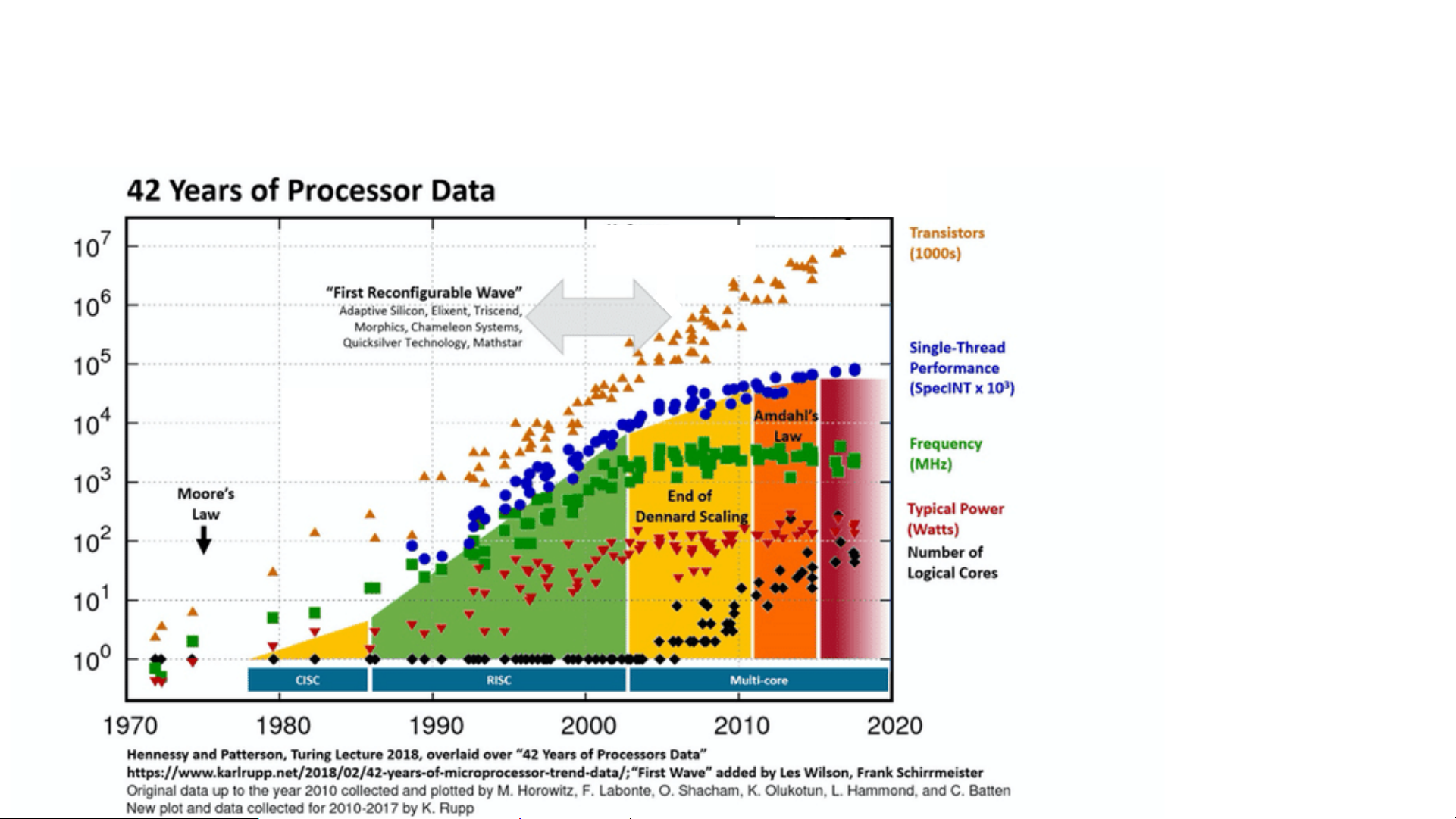
• Flattening of single-thread performance and move to parallelism
• Changes to infrastructure operation and maintenance costs
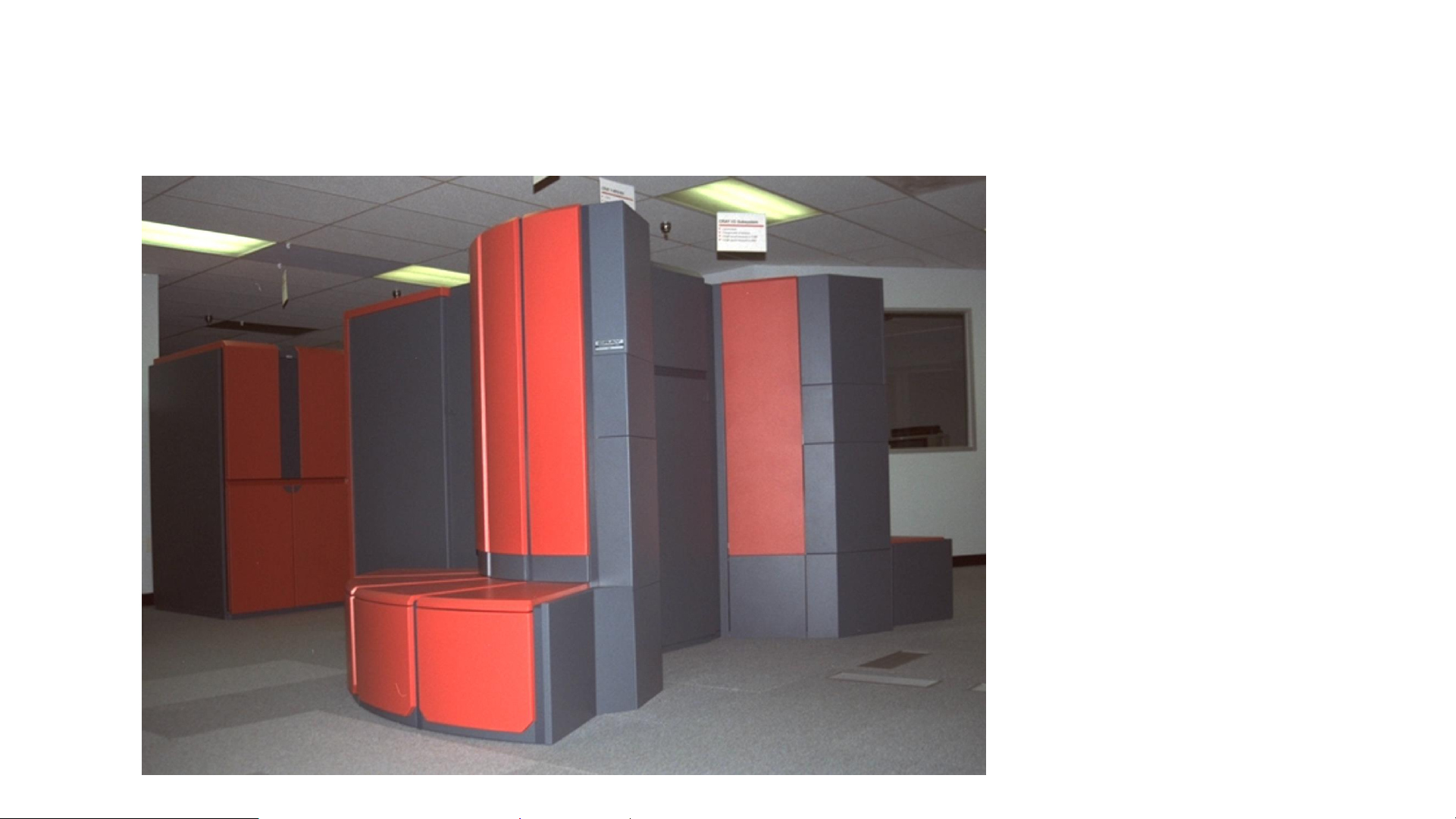
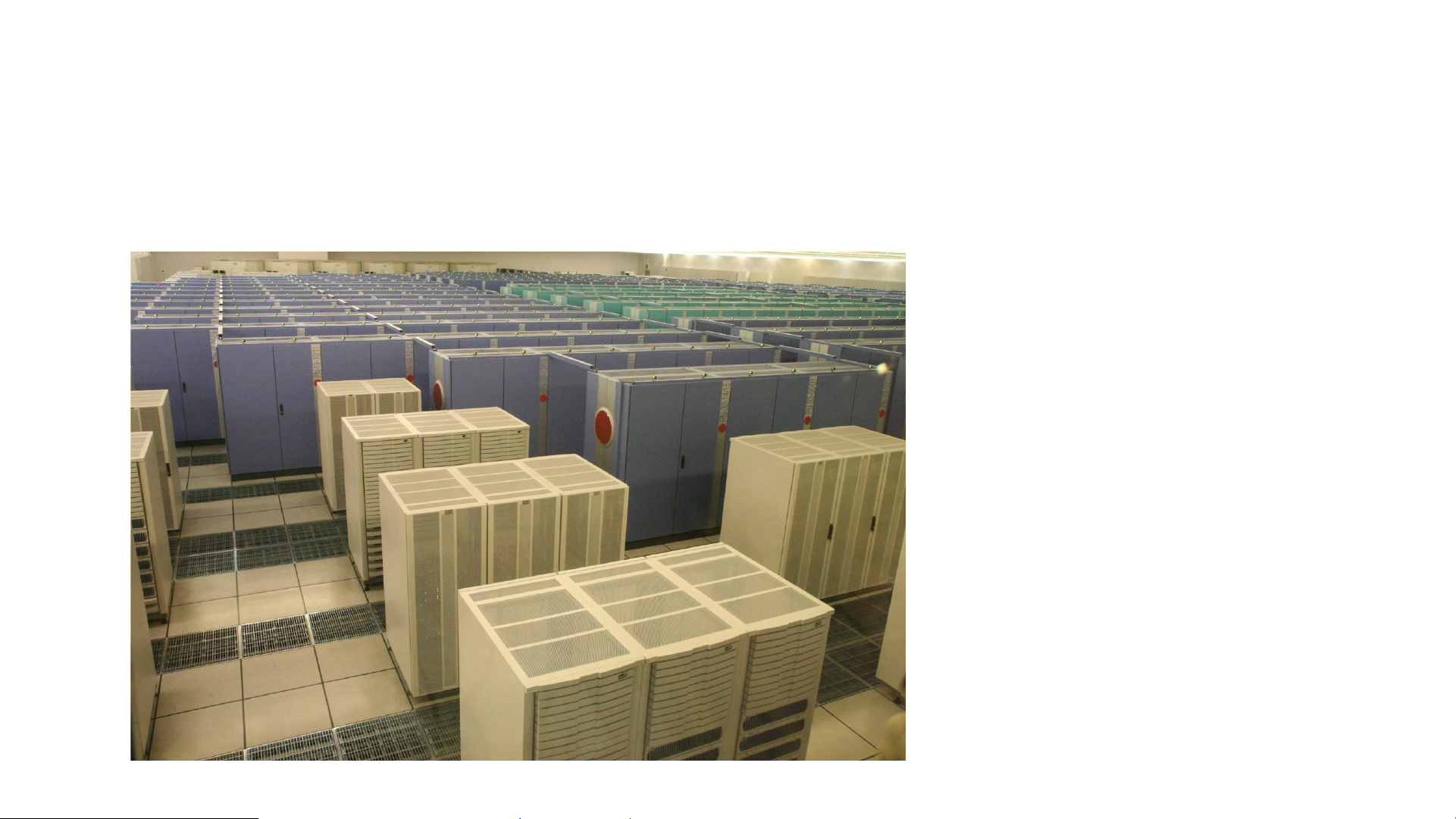
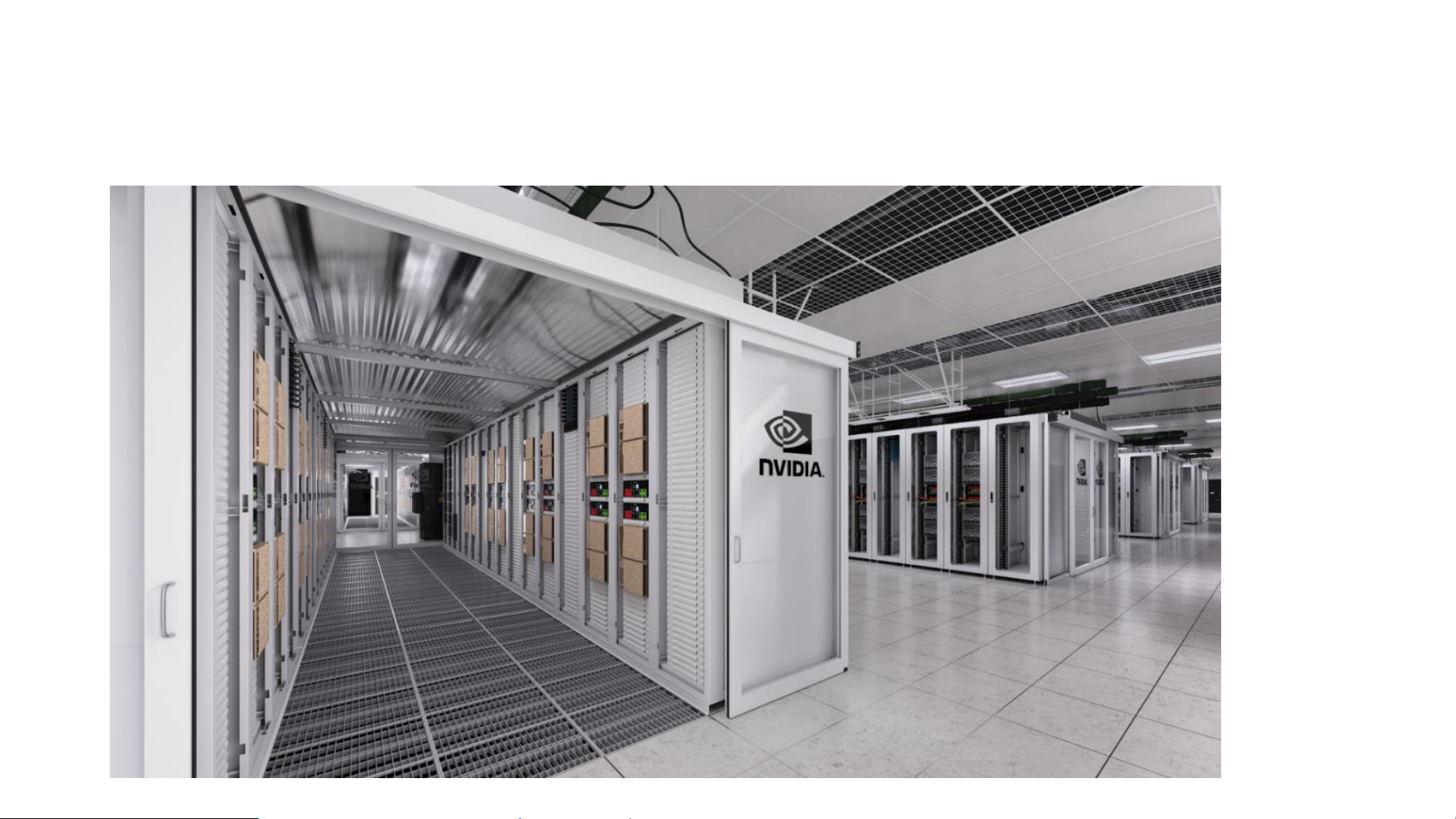
Power constraints and multiple cores Scaling behind a single server Cray Y-MP 1st between 1988-1989 2, 4, or 8 vector processors Scaling behind a single server NEC Earth Simulator 1st between 2002-2004 640x SX-6 nodes with: 8 vector processors 16 GiB of RAM Scaling behind a single server Selene 5th fastest @ 2021 AMD Epyc and NVIDIA GPUs
Processor families of top500 supercomputers