Business English 2: Ensuring Workplace Safety & Security | Đại học Thương Mại
Safety and security in business play a fundamental role in ensuring the smooth and sustainable development of any organization. Safety refers to the protection of employees from accidents, injuries, and health risks in the workplace, while security covers broader aspects such as safeguarding physical assets, preventing theft or vandalism, and defending digital systems against cyberattacks. Tài liệu giúp bạn tham khảo, ôn tập và đạt kết quả cao. Mời đọc đón xem!
Môn: Tiếng anh Thương mại tatm 90 tài liệu
Trường: Trường Đại học Thương Mại 2.9 K tài liệu
Tác giả:

















Preview text:
lOMoAR cPSD| 39651089 Lecturer : Ms. Do Diep Linh lOMoAR cPSD| 39651089 Class : 251_ENTI3411_27 Group : 06
DUTIES FOR PARTICIPANTS Ordinal Full name Duties Mark Number - Chapter I, IV 1 Mai Thị Thanh Ngân - PowerPoint - Word - Chapter II 2 Nguyễn Văn Nguyên - Chapter III - Powerpoint - Chapter III, IV 3 Ma Thị Yến Nhi - PowerPoint 4 Nguyễn Linh Nhi - Do not participate - Chapter III, IV 5 Dương Thế Phong - PowerPoint lOMoAR cPSD| 39651089 ACKNOWLEDGEMENTS
First and foremost, we would like to express our deepest gratitude to Ms. Do Diep
Linh, the lecturer of the Business English 2 module. Throughout our study of this
subject, we have greatly benefited from her dedicated and passionate teaching as well as
her valuable guidance. Thanks to her support, we have acquired a wealth of useful
knowledge, which we have been able to apply in researching and completing this essay
that we now respectfully submit to her.
Nevertheless, due to our limited knowledge of the professional environment and
the chosen topic, certain shortcomings in the completion of this discussion paper are
unavoidable. We sincerely hope that Ms. Linh will kindly review our work and provide
constructive feedback so that we can further improve it. We also wish her happiness,
good health, and continued success in her noble career of education.
Thank you very much! On behalf of all members of Group 6! TABLE OF CONTENTS
ACKNOWLEDGEMENTS .......................................................................................... 1
CHAPTER I. INTRODUCTION ................................................................................. 2
1.1. Overview of Safety and Security in Business ...................................................... 2
1.2. Objectives of the Discussion ................................................................................ 3
CHAPTER II: THEORETICAL BASIS OF SAFETY AND SECURITY IN
BUSINESS ..................................................................................................................... 4
2.1. Key Concepts ....................................................................................................... 4
2.1.1. Definition of Safety and Security .................................................................. 4 1 lOMoAR cPSD| 39651089
2.1.2. Risk and Its Main Characteristics ................................................................. 4
2.1.3. Safety and Security in Business Practice ...................................................... 4
2.2. The Role and Importance of Safety and Security ................................................ 5
2.2.1. For Businesses ............................................................................................... 5
2.2.2. For Employees and Customers ...................................................................... 5
CHAPTER III: MAJOR SAFETY AND SECURITY ISSUES IN BUSINESS ...... 6
3.1. Physical Safety Hazards ....................................................................................... 6
3.2. Cybersecurity Threats ........................................................................................... 7
3.3. Emergency Preparedness and Risk Management............................................... 10
3.4. Employee Awareness and Training Gaps ........................................................... 12
CHAPTER IV: SOLUTIONS AND RECOMMENDATIONS TO ADDRESS KEY
SAFETY AND SECURITY ISSUES AT WORK ..................................................... 14
4.1. Solutions for Physical Safety Hazards ............................................................... 14
4.2. Solutions for Cybersecurity Threats ................................................................... 15
4.3. Solutions for Emergency Preparedness and Risk Management ......................... 16
4.4. Solutions for Employee Awareness and Training Gaps ..................................... 17
CHAPTER V: CONCLUSION .................................................................................. 19
CHAPTER I. INTRODUCTION
1.1. Overview of Safety and Security in Business
Safety and security in business play a fundamental role in ensuring the smooth
and sustainable development of any organization. Safety refers to the protection of
employees from accidents, injuries, and health risks in the workplace, while security
covers broader aspects such as safeguarding physical assets, preventing theft or 2 lOMoAR cPSD| 39651089
vandalism, and defending digital systems against cyberattacks. In today’s highly
competitive and technology-driven business environment, companies face increasing
risks ranging from workplace hazards to sophisticated online threats. Therefore, a
comprehensive approach is needed, combining strict compliance with safety regulations,
investment in modern security technologies, and continuous employee training.
By prioritizing safety and security, businesses can minimize financial losses,
avoid legal liabilities, and maintain operational continuity even in times of crisis.
Moreover, a safe and secure working environment increases employee confidence,
fosters productivity, and strengthens corporate reputation. In the long term, integrating
safety and security into business strategies is not only a legal and ethical responsibility
but also a critical factor for sustainable growth and competitive advantage.
1.2. Objectives of the Discussion
The main objective of this discussion is to examine the key aspects of safety and
security in business that directly affect organizational stability and long-term growth.
Firstly, physical safety hazards remain a major concern, as unsafe working conditions,
faulty equipment, or lack of protective measures can lead to accidents and injuries,
reducing productivity and increasing operational costs. Secondly, in the digital age,
cybersecurity threats such as data breaches, hacking, and phishing attacks pose
significant risks to sensitive information and business continuity. Thirdly, emergency
situations including fires, natural disasters, or sudden operational disruptions require
businesses to have effective preparedness and response plans to minimize damage.
Finally, employee awareness and training gaps are critical challenges, since even the
most advanced safety systems cannot function properly without well-informed and responsible employees.
By addressing these issues, the discussion aims to highlight the importance of
developing a comprehensive safety and security strategy that integrates physical
protection, digital defense, emergency readiness, and continuous employee education. 3 lOMoAR cPSD| 39651089
CHAPTER II: THEORETICAL BASIS OF SAFETY AND SECURITY IN BUSINESS 2.1. Key Concepts
2.1.1. Definition of Safety and Security •
Safety means being free from danger, harm, or injury in a workplace. It covers
actions to prevent accidents, damage, or disruption. •
Security means protecting people, property, and information from intentional
harm such as theft, cyberattacks, or unauthorized access. •
Together, safety and security create a system that lowers risks and helps a business run smoothly.
2.1.2. Risk and Its Main Characteristics
A risk is an uncertain event or condition that may harm or help a business. All
businesses face risks because of markets, technology, or human actions. Main features of risks: •
Uncertainty: Risks cannot be fully predicted but can be estimated. •
Variability: Risk levels can change over time. •
Interconnection: One risk can cause or increase another. •
Control: Some risks can be reduced by planning; others need quick response.
2.1.3. Safety and Security in Business Practice
Safety and security in business mean applying planned steps to find, assess, and
control risks in daily operations and long-term strategies. This includes prevention, early
detection, fast response, and recovery after incidents. The aim is not only to meet the
law but also to protect people, assets, and business continuity. 4 lOMoAR cPSD| 39651089
2.2. The Role and Importance of Safety and Security 2.2.1. For Businesses
Good safety and security systems reduce accidents, data loss, and business
interruptions. Theyalso lower costs from fines, lawsuits, or repairs. Strong measures
improve efficiency and make a company more attractive to clients, investors, and
insurers. They turn possible risks into opportunities for better planning and innovation.
2.2.2. For Employees and Customers
- For employees, a safe and secure workplace builds trust, lowers stress, and increases
productivity. Staff feel comfortable reporting problems and working together. - For
customers, it protects personal data and ensures smooth service. Quick and clear action
during problems improves customer confidence and loyalty. 5 lOMoAR cPSD| 39651089
CHAPTER III: MAJOR SAFETY AND SECURITY ISSUES IN BUSINESS
3.1. Physical Safety Hazards
In any operational environment, from bustling factories to modern offices,
physical safety hazards represent one of the most fundamental challenges to employee
well-being and organizational productivity. As workplaces become more complex with
advanced machinery and dynamic processes, the risk of incidents causing bodily harm
remains a constant concern. Hazards such as slips, trips, falls, machinery-related
accidents, and electrical shocks can lead to serious injuries, disrupt operations, and result
in significant financial and reputational damage.
Many organizations underestimate the daily risks posed by the physical
environment, assuming that common sense or basic safety guidelines are enough to
prevent accidents. In reality, serious incidents often arise from seemingly minor
oversights, including cluttered walkways, poor lighting, inadequate equipment
maintenance, or unguarded machinery. These conditions create opportunities for sudden,
unexpected events that can injure employees, damage property, and halt production.
The human factor is another critical vulnerability. Employees who lack proper
safety training may take shortcuts, operate equipment improperly, or fail to wear
appropriate protective gear without fully understanding the risks. Complacency can set
in over time, causing even experienced workers to neglect established safety protocols.
This is particularly true in fast-paced environments where pressure to meet deadlines
can lead to rushed work, increasing the likelihood of an accident. A single misstep or
lapse in judgment can trigger a chain of events with severe consequences.
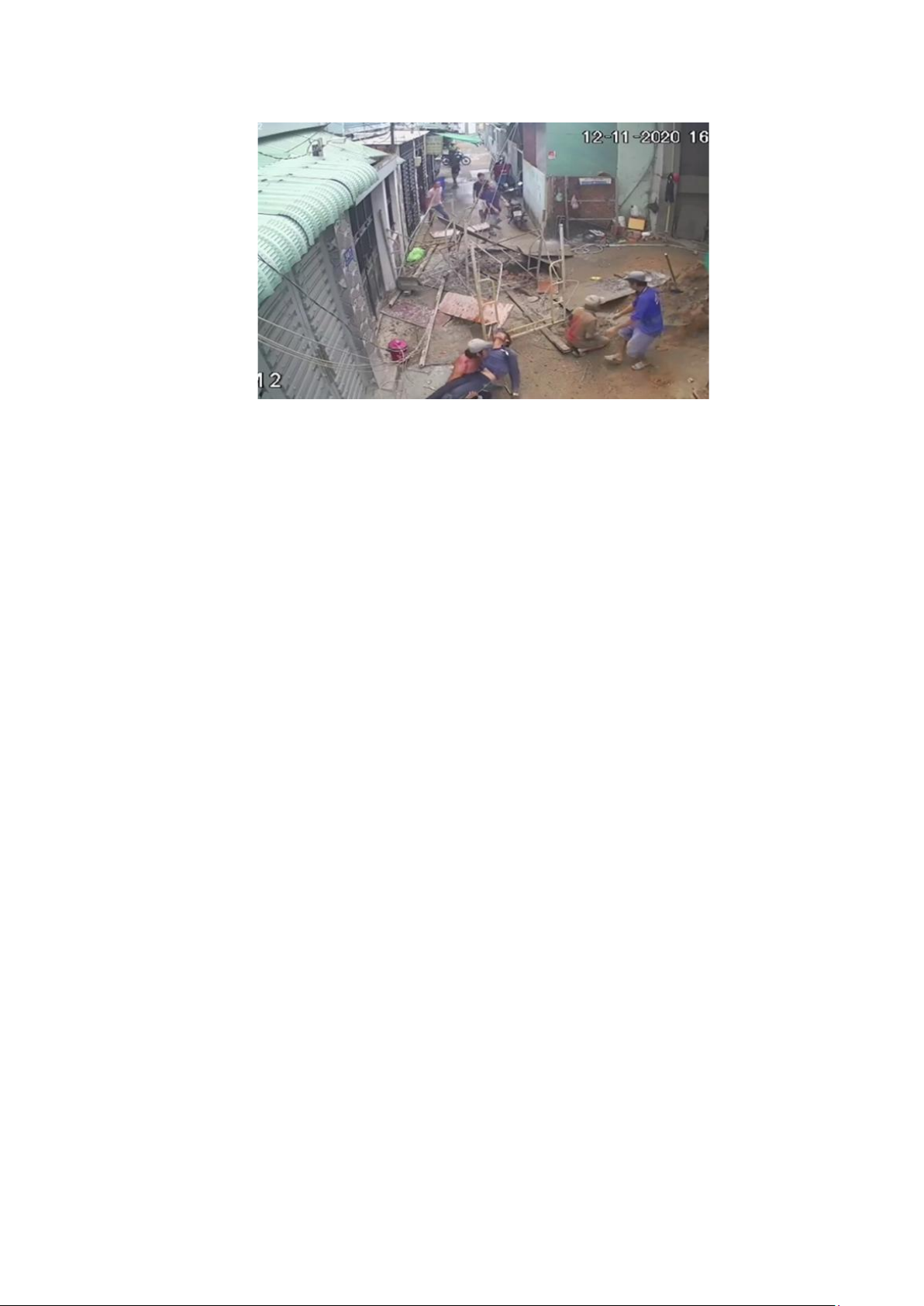
On November 12, 2020, at a six-story construction site on Cống Lở Street, Ward
15, Tân Bình District, Ho Chi Minh City, three workers were working at a height of more
than 5 meters when the cable used to lift materials broke, causing the scaffolding to
collapse. All three workers fell to the ground, suffered multiple injuries, and were rushed
to District 12 Hospital for emergency treatment before being transferred to Military
Hospital 175 for further care. 6 lOMoAR cPSD| 39651089
Picture 3.1. The scene of the scaffolding collapse on November 12, 2020, in Tan Binh District
The accident at the construction site was caused by several major safety failures.
First, the lifting cable broke, suggesting that equipment had not been regularly inspected,
maintained, or met safety standards. Workers were also working at a height of more than
five meters without adequate protection such as safety harnesses or safety nets, which
made the consequences of the scaffolding collapse far more serious. In addition, the site
lacked proper shielding and supervision, as indicated by fines for insufficient protective
measures and falling materials. These issues were further aggravated by insufficient
safety training and pressure to meet deadlines, which may have led to bypassing
established safety procedures. As a result, three workers suffered multiple injuries
requiring long-term treatment, while the investor faced administrative fines, project
suspension, and significant financial losses. Beyond the immediate damage, the incident
also harmed the reputation of both the investor and the contractor, raising public
concerns about occupational safety at construction sites.
3.2. Cybersecurity Threats 3.2.1. Definition
Cybersecurity threats refer to malicious activities that aim to disrupt digital
systems, steal sensitive information, or damage organizational resources. These threats
are among the most critical safety and security concerns in today’s digital economy. 7 lOMoAR cPSD| 39651089 3.2.2. Types of threat -
Phishing: Deceptive emails or messages tricking employees into sharing confidential data. -
Malware & Ransomware: Malicious software that damages systems or locks files until a ransom is paid. -
Data Breaches: Unauthorized access to customer or company data. -
Denial-of-Service (DoS) Attacks: Overloading systems to disrupt normal business operations.
3.2.3. Causes and Vulnerabilities
Cybersecurity risks often arise from weaknesses within organizational systems
and practices. Common causes include the use of weak passwords and outdated
software, which make it easier for attackers to exploit security gaps. Unsecured
networks, such as public Wi-Fi, also create opportunities for unauthorized access. In
addition, a lack of employee awareness and training increases the likelihood of human
error, making staff an easy target for phishing or social engineering attacks. The growing
trend of remote work and the use of personal devices further blurs the line between
professional and private networks, exposing businesses to additional vulnerabilities if
proper safeguards are not in place.
3.2.4. Consequences
- Financial losses: Costs of recovery, fines, and compensation.
- Operational disruption: Halted services or production.
- Reputational damage: Loss of customer trust and competitive advantage. 8 lOMoAR cPSD| 39651089 3.2.5. For example
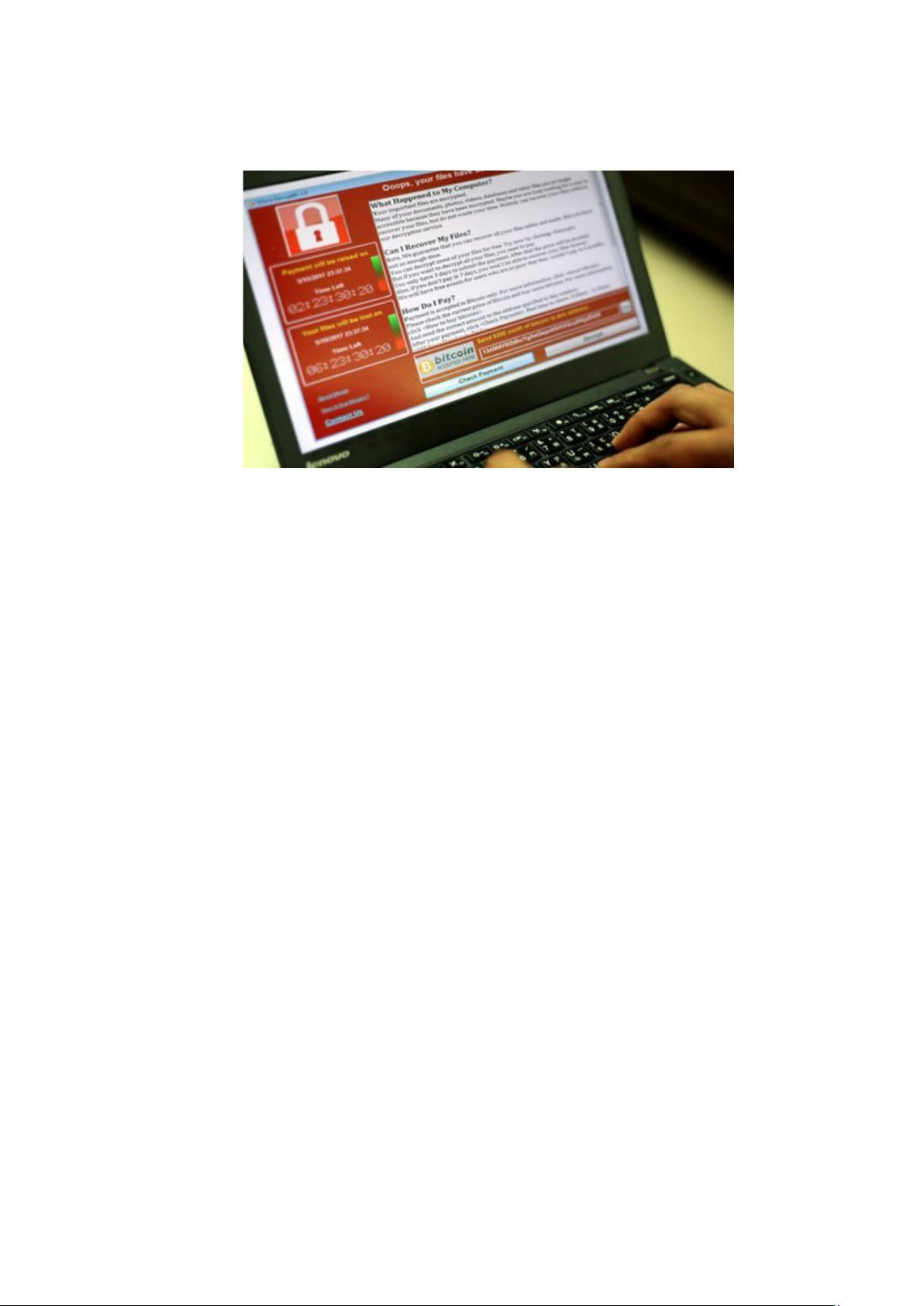
Picture 3.2. WannaCry malware spread rapidly on the first day of the outbreak
In May 2017, the WannaCry ransomware attack swept across the globe, impacting
over 200,000 computers in 150 countries. This malicious software, also known as
WannaCrypt0r 2.0, exploited a vulnerability in Microsoft Windows systems (specifically
the EternalBlue exploit). Once infected, a victim's computer files were encrypted, and a
ransom demand of $300 or more in Bitcoin was displayed to unlock the data. The attack
targeted a wide range of organizations, including the United Kingdom’s National Health
Service (NHS), Spain’s Telefónica, Germany’s Deutsche Bahn, Russia’s Ministry of
Internal Affairs, and global companies like FedEx.
The attack led to massive global losses, costing billions of dollars in system
recovery, lost productivity, and ransom payments over $72,000 from 238 victims by May
17, 2017. It caused severe operational disruption, notably within the UK’s NHS, where
hospitals were unable to access patient records, forcing canceled surgeries and delayed
treatments; similarly, Deutsche Bahn’s railway operations and ticketing systems were
interrupted, disrupting transportation schedules. Beyond the immediate damage,
affected organizations suffered significant reputational harm, with public criticism of
inadequate cybersecurity eroding trust among customers and stakeholders. In addition,
they faced legal and regulatory risks for failing to protect sensitive data, especially in
highly regulated sectors like healthcare where data privacy is critical. 9 lOMoAR cPSD| 39651089
3.3. Emergency Preparedness and Risk Management
One of the most critical challenges faced by modern organizations is the lack of
proper emergency preparedness combined with limitations in risk management skills. In
many cases, businesses underestimate the severity of unexpected crises, assuming that
such events are rare or manageable with existing resources.
- However, reality has shown that crises may arise from a wide variety of sources:
+ Natural disasters such as earthquakes, floods, and pandemics.
+ Technical failures including power outages or system breakdowns.
+ Cyberattacks such as phishing, data breaches, and ransomware.
+ Market disruptions or supply chain interruptions.
Each of these scenarios carries the potential to cause widespread damage if
organizations are not adequately prepared.
Poor crisis management and weak leadership often aggravate these situations.
When managers lack the ability to make quick, informed decisions under pressure,
response times are delayed and employees become confused. Insufficient adaptability
further magnifies these challenges, leaving organizations unable to adjust strategies
effectively in fast-changing environments.
As a result, even incidents that might have been resolved with minimal disruption
can escalate into serious emergencies, threatening business continuity and stakeholder trust.
For instance, not knowing evacuation routes, failing to differentiate between
technical malfunctions and critical system failures, or lacking first-aid knowledge can
turn manageable incidents into disasters. In such high-pressure situations, confusion
spreads quickly, weakening teamwork and increasing the risk of harm to both individuals
and the organization as a whole. 10 lOMoAR cPSD| 39651089
Picture 3.3. Grenfell Tower in London caught fire at nearly 1am on June 14, 2017
On June 14, 2017, a catastrophic fire broke out at Grenfell Tower, a 24-story
residential building in West London, United Kingdom, killing 72 people and injuring
many others. The blaze originated from a faulty refrigerator on the fourth floor but
spread rapidly due to the building’s highly flammable exterior cladding. This incident
exposed serious failures in emergency preparedness and risk management by the
building’s management, local authorities, and emergency response teams.
The Grenfell Tower fire led to devastating consequences on multiple levels.
Seventy-two people lost their lives and dozens were injured, making it one of the worst
fire disasters in the United Kingdom in decades. The financial impact was also severe,
with millions of pounds spent on investigations, compensation, and remediation, while
local authorities and building management faced fines and significant legal expenses. In
addition, the tragedy caused serious reputational damage as authorities and managers
were heavily criticized for failing to ensure safety, eroding public trust and sparking
nationwide debates over fire safety regulations. Finally, the incident triggered major
legal and regulatory consequences, leading to sweeping changes in building and fire
safety standards in the UK and long-running inquiries to determine accountability for the disaster. 11 lOMoAR cPSD| 39651089
3.4. Employee Awareness and Training Gaps
A major challenge in ensuring safety and security at work is the gap in employee
awareness and training. Many organizations assume that posting safety guidelines or
distributing manuals is enough, but in reality, employees often lack the practical
knowledge or confidence to act correctly in urgent situations. Workers who do not fully
understand emergency protocols, evacuation routes, or basic first-aid measures may
unintentionally increase risks during crises. For instance, a delay of just a few minutes
in responding to a fire alarm or a data breach can turn a manageable incident into a severe disaster.
Poor or inconsistent training also contributes to miscommunication, hesitation,
and procedural errors. Employees may not know whom to contact in emergencies, how
to use safety equipment, or how to differentiate between minor technical issues and
critical system failures. These gaps create confusion, slow down the organizational
response, and expose both individuals and the company to greater danger. Additionally,
insufficient awareness weakens teamwork in high-stress situations: without shared
understanding, employees may panic, overlook instructions, or duplicate tasks instead
of working in a coordinated manner. 12 lOMoAR cPSD| 39651089
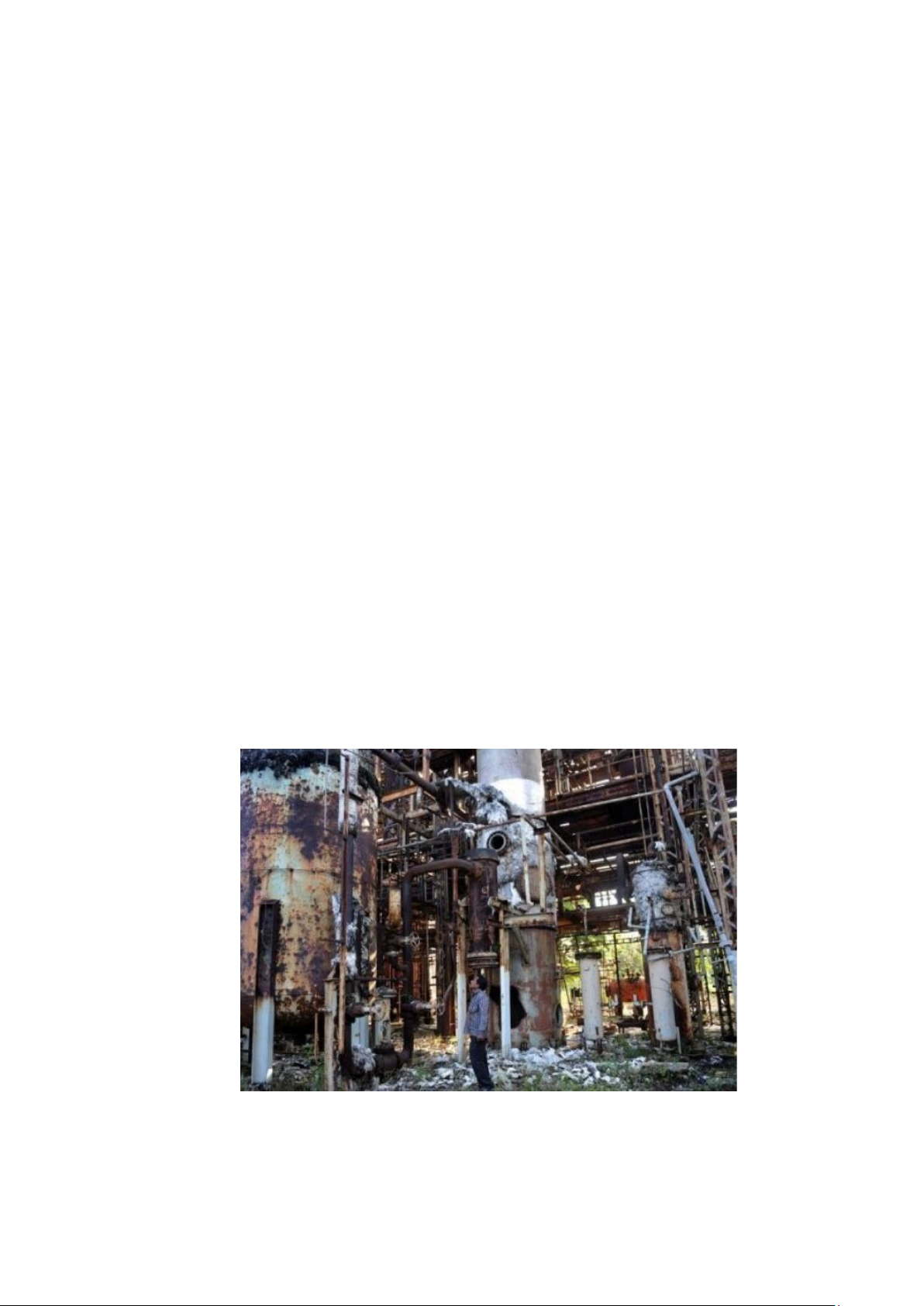
Picture 3.4. Serious toxic gas leak at Union Carbide pesticide plant in Bhopal, India
On the night of December 2–3, 1984, a severe toxic gas leak occurred at Union
Carbide’s pesticide plant in Bhopal, India. Approximately 40 tons of methyl isocyanate
(MIC) escaped from a storage tank and spread into surrounding residential areas. This
leak is considered the worst industrial disaster in history, exposing more than 500,000
people to the toxic gas, causing at least 3,787 immediate deaths, and leaving tens of
thousands more injured or suffering long-term health effects.
The Bhopal disaster highlighted major gaps in employee awareness and training
that amplified the scale of the tragedy. Workers at the plant were not adequately trained
to handle toxic gas leaks or other hazardous chemical emergencies, leading to delays in
activating alarms and initiating evacuation when the leak began. Although the plant was
equipped with safety systems such as cooling and water-spraying mechanisms to
neutralize the toxic gas, many were not functioning due to poor maintenance, and
employees lacked the skills to operate them effectively. In addition, workers were not
fully informed about the dangers of methyl isocyanate or the necessary response
measures, and there were no clear communication channels to report incidents or
coordinate with other departments, resulting in a chaotic and confused initial response.
Finally, because employees had not been trained to work together under pressure, many
acted individually, panicked, or fled without assisting colleagues or warning nearby
communities, which greatly increased the harm and delayed an effective response. 13 lOMoAR cPSD| 39651089
CHAPTER IV: SOLUTIONS AND RECOMMENDATIONS TO ADDRESS
KEY SAFETY AND SECURITY ISSUES AT WORK
4.1. Solutions for Physical Safety Hazards
To address physical safety hazards effectively, organizations must implement a
proactive, multi-layered safety management system rather than simply reacting to
incidents after they occur. The first priority is to apply the "Hierarchy of Controls," an
established framework for mitigating risks. The most effective measures are elimination
and substitution—for instance, removing a hazardous chemical or redesigning a
workspace to eliminate the need for working at heights. When that is not possible,
engineering controls like installing machine guards, safety barriers, and ventilation
systems provide physical barriers between workers and hazards.
Regular inspections and preventative maintenance are essential to keeping the
work environment and equipment in a safe condition before failures occur. Companies
should also establish and enforce clear safe work procedures, such as lockout/tagout
protocols for machinery maintenance, to ensure tasks are performed consistently and
safely. Access to high-risk areas should be restricted, granting entry only to trained and authorized personnel.
Equally important is building a strong culture of safety awareness among all
employees. Comprehensive training programs should teach staff how to identify
hazards, follow safety procedures, and use personal protective equipment (PPE)
correctly. Regular safety meetings and toolbox talks can reinforce these principles and
encourage employees to report potential dangers without fear of reprisal.
Organizations must also establish a clear emergency response plan. This plan
should outline specific procedures for responding to fires, medical emergencies,
chemical spills, and other potential incidents. It should include clear evacuation routes,
communication protocols, and roles for first aid responders. Regular drills and practice
sessions ensure that all employees know how to act calmly and decisively in a crisis.
Finally, workplace safety must be viewed as a continuous process of
improvement, not a one-time goal. Allocating sufficient resources for ongoing risk 14 lOMoAR cPSD| 39651089
assessments, safety audits, and investments in new safety technology enables
organizations to adapt to evolving risks. By integrating these safety measures into their
core operational strategy, companies can protect their workforce, ensure regulatory
compliance, and maintain a strong, productive, and resilient organization.
4.2. Solutions for Cybersecurity Threats
4.2.1. Implement strong technical safeguards
The first step in addressing cybersecurity threats is to establish strong technical
safeguards. Organizations should deploy advanced firewalls and intrusion detection
systems to monitor and block malicious activities before they infiltrate the network.
Encryption protocols are also essential to protect sensitive information during both
storage and transmission, ensuring that data remains secure even if it is intercepted. By
combining these tools, companies can significantly reduce the likelihood of
unauthorized access and data breaches.
4.2.2. Strengthen access controls
Another critical measure is to reinforce access control mechanisms. Businesses
should enforce strict password policies to prevent weak or easily guessed credentials
from being exploited. Multi-factor authentication adds an extra layer of security by
requiring additional verification beyond passwords. Moreover, applying the principle of
least privilege ensures that employees only receive the access necessary to perform their
tasks, thereby minimizing the risk of internal misuse or accidental exposure of sensitive data.
4.2.3. Establish an incident response plan
Organizations must develop a comprehensive incident response plan tailored to
digital threats. This plan should clearly define procedures for detecting, containing, and
reporting breaches in a timely manner. It should also include communication strategies
to manage the flow of information and reduce potential reputational damage during and
after a security incident. Regular testing and simulations are necessary to verify the
effectiveness of the plan and to ensure that employees and IT teams are well-prepared to 15 lOMoAR cPSD| 39651089
respond quickly under real-world conditions. 4.2.4. Continuous Monitoring and Updates
A vital solution to cybersecurity threats is continuous monitoring and regular
updates. Organizations should frequently update their software and apply security
patches to fix vulnerabilities before hackers can take advantage of them. At the same
time, 24/7 monitoring of systems helps detect unusual activities early, allowing quick
responses to prevent damage. In addition, using threat intelligence gives businesses
valuable insights into emerging risks and hacker tactics, helping them stay one step
ahead in protecting their networks and data.
4.3. Solutions for Emergency Preparedness and Risk Management
To effectively address the challenges of emergency preparedness and risk
management, organizations must adopt a comprehensive and proactive approach rather
than relying on reactive measures. The first and most fundamental step is the
development of a well-structured contingency plan. Such a plan should cover a wide
range of scenarios, from natural disasters to cyberattacks, and provide clear instructions
for employees at every level. Regularly updating and testing these plans through
emergency drills is essential to ensure that employees not only know the procedures in
theory but can also execute them confidently in practice.
Leadership development also plays a crucial role in strengthening organizational
resilience. Managers and supervisors need to be equipped with decision-making skills
that are effective under high-stress conditions. Training programs should focus on
enhancing their ability to remain calm, analyze situations quickly, and guide their teams
with authority and clarity during crises. Strong leadership helps reduce panic, prevent
miscommunication, and ensure coordinated responses across departments.
In addition, organizations should invest in advanced risk monitoring systems and
early-warning mechanisms. These tools allow businesses to detect potential threats
before they escalate into full-scale emergencies. For example, cybersecurity monitoring
software can identify vulnerabilities and breaches in real time, while supply chain risk 16 lOMoAR cPSD| 39651089
assessments can anticipate delays or shortages. By acting early, companies can minimize
disruption and maintain business continuity.
Employee training and awareness-building are equally important. Beyond
technical knowledge, workers must be educated on evacuation routes, first-aid practices,
and proper communication channels in emergencies. Scenario-based workshops and
simulations help employees develop the confidence and adaptability required to respond
effectively. Encouraging a culture of shared responsibility—where every employee
understands their role in risk management—ensures stronger teamwork in critical moments.
Finally, organizations should embed emergency preparedness and risk
management into their long-term strategy. This means allocating resources for
continuous improvement, integrating safety into daily operations, and viewing resilience
not as a compliance requirement but as a competitive advantage. Companies that
prioritize preparedness are more likely to protect their people and assets, maintain
stakeholder trust, and ensure sustainable growth even in uncertain environments.
4.4. Solutions for Employee Awareness and Training Gaps
4.4.1. Comprehensive and Practical Training
To effectively close the gaps in employee awareness and training, organizations
must shift from passive information sharing to active, hands-on learning. The first step
is to develop a comprehensive training program that goes beyond simple manuals or
posters. This involves implementing regular, practical training sessions, simulations, and
interactive workshops that allow employees to apply their knowledge in realistic
scenarios. Drills for emergencies like fires, medical incidents, or security threats build
muscle memory and give workers the confidence to respond quickly and correctly under
pressure, transforming theoretical knowledge into practical skill.
4.4.2. Consistency and Role-Specific Focus
A successful training program should be consistent, comprehensive, and tailored
to specific job roles. Standardized modules ensure everyone receives the same core 17 lOMoAR cPSD| 39651089
safety knowledge, while specialized training addresses the unique risks associated with
different departments. Clear communication protocols should be established, teaching
employees exactly who to contact and what information to provide in an emergency.
Regular refresher courses are also essential to reinforce learning and keep staff updated
on new procedures or threats, ensuring that safety knowledge remains current and accessible.
4.4.3. Building a Proactive Safety Culture
Furthermore, effective training goes beyond formal sessions; it involves building
a strong and proactive safety culture. Leadership must actively champion safety,
demonstrating that it is a core organizational value. An open environment where
employees feel comfortable reporting near-misses or potential hazards without fear of
blame helps identify weaknesses before they lead to an incident. Recognizing and
rewarding employees who demonstrate excellent safety practices also reinforces positive
behavior and encourages everyone to take ownership of workplace security.
4.4.4. The Role of Training in Organizational Resilience
Ultimately, investing in employee training is one of the most critical strategies for
organizational resilience. It transforms safety from a set of rules into a shared
responsibility and a collective mindset. By equipping the workforce with the knowledge,
skills, and confidence to handle challenges, organizations not only reduce the likelihood
of accidents and errors but also empower their people to act as the first line of defense.
A well-trained workforce is fundamental to protecting people, safeguarding assets, and
ensuring business continuity in an unpredictable world. 18
Tài liệu liên quan:
-
The Importance of Telephoning in Business and its Etiquette | Bài thảo luận tiếng anh thương mại
13 7 -
How to Become a Good Presenter | Bài thảo luận tiếng anh thương mại
18 9 -

How to handle negative publicity in your business and someillustrations | Bài thảo luận tiếng anh thương mại
22 11 -

Important events in our life | Bài thảo luận tiếng anh thương mại
20 10 -

Technological Innovations in Customer Experience for Vietnam's F&B Industry | Bài thảo luận tiếng anh thương mại
17 9