Exploring Northwest Vietnam - Đề án tạp chí chuyên ngành ngôn ngữ Anh
Exploring Northwest Vietnam - Đề án tạp chí chuyên ngành ngôn ngữ Anh. Tài liệu được sưu tầm giúp bạn tham khảo, ôn tập và đạt kết quả cao. Mời bạn đọc đón xem.
Môn: Tiếng Anh chuyên ngành 353 tài liệu
Trường: Tài liệu Tiếng Anh chuyên ngành, Tiếng Anh cho người đi làm 454 tài liệu
Tác giả:




Preview text:
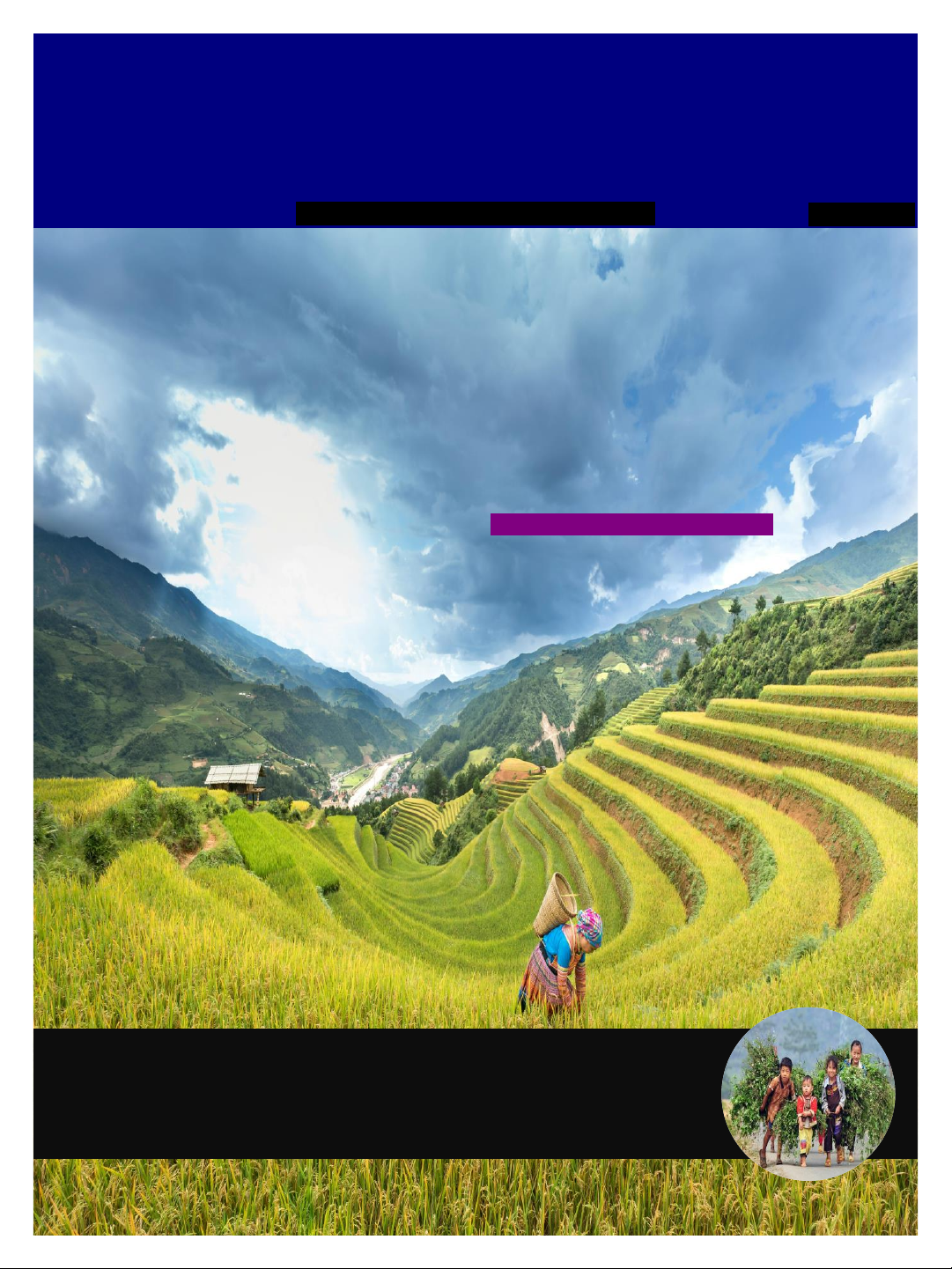
MAG A Cultural & T A ravel Journal o Z f Northwest Vi i etnam
NESep 2 025 EXPLORING NORTHWEST VIETNAM
Where nature meets culture The Soul of
Exploring festivals, lifestyle, and
the Highlands community homestays in Northwest Vietnam © Copyright 2025
Student Project – English Department
Enjoy your FREE complimentary copy Editor’s Note Dear Readers,
Welcome to the first issue of Exploring
Northwest Vietnam. This magazine is dedicated to
unveiling the breathtaking landscapes and vibrant
cultures of Vietnam’s highlands. The Northwest,
with its majestic mountains, golden rice terraces,
and a mosaic of more than twenty ethnic groups,
offers a unique blend of nature and tradition waiting to be explored.
In this issue, we invite you to journey
through the soul of the region. You will
discover signature dishes that carry the
flavors of the mountains, festivals that
unite communities in joy and spirituality,
and traditional crafts that tell stories of resilience and creativity.
We also highlight the role of language
and cultural exchange in connecting local heritage with the wider world.
As students of English, we created
this magazine not only to celebrate the
wonders of Northwest Vietnam but also
to practice our skills in research, writing,
and intercultural communication. We
hope that every page inspires you to see
the world through a new lens—one that
values both diversity and connection.
Thank you for joining us on this journey.
Let’s explore Northwest Vietnam together! Northwest Vietnam Journal Page 1 T A B L E O F C O N T E N T S
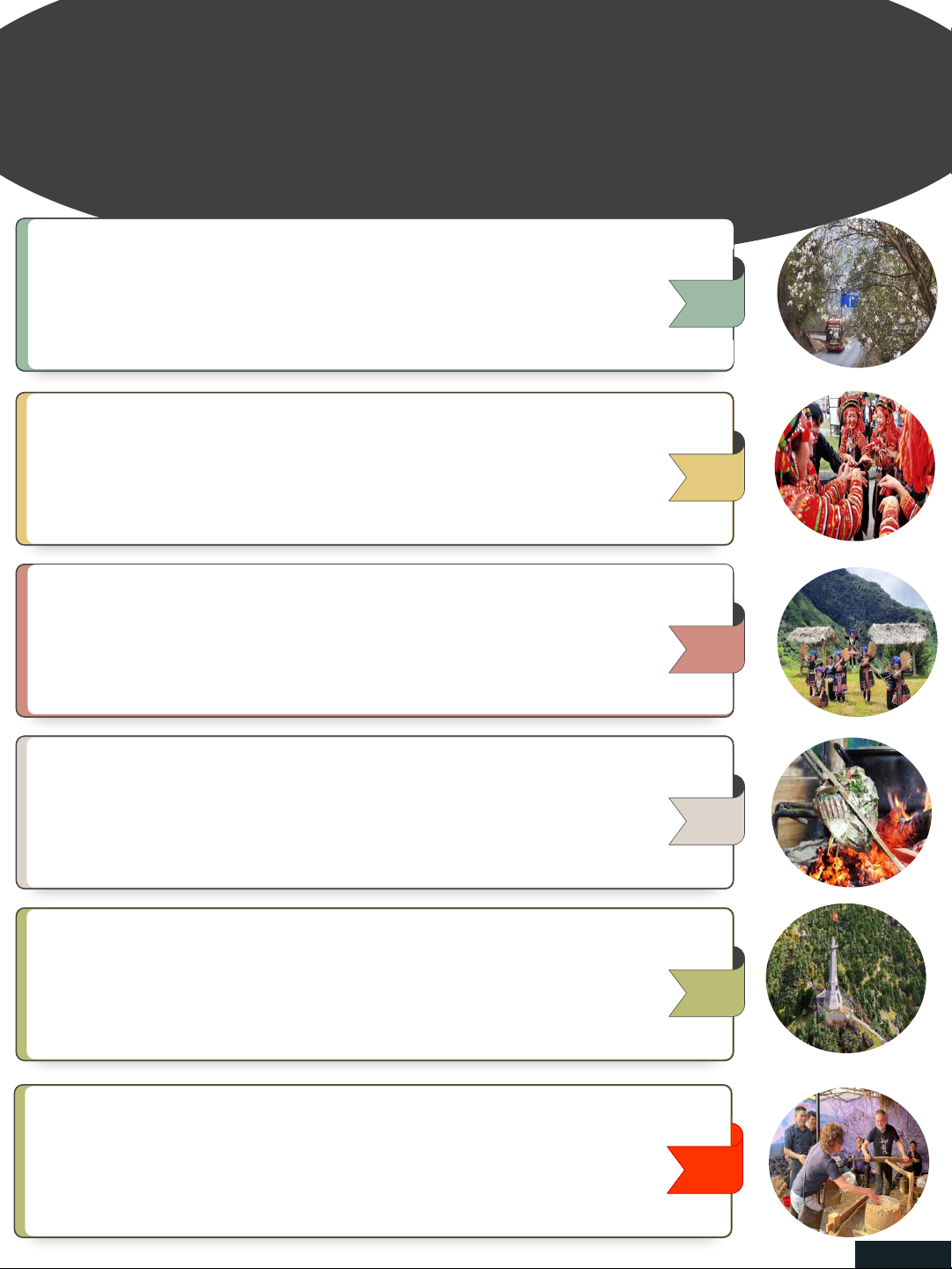
Natural Landscapes of Northwest Vietnam by Dang Thai Son p3-p7 Overview Highlights 01 Experiences Significance
Ethnic Cultures & Traditions by Lo Vu Diep p8-p13 Overview Lifestyle and Customs 02 Architecture and Settlement Cultural Experiences Significance
Festivals & Local Lifestyle
by Nguyen Thanh Binh p14-p20 Hà Nhì Festival
Hmong Independence Festival 03 Hoa Ban Festival Experiences Significance Northwest Gastronomy
by Le Xuan Cuong p21-p23 Overview 04 Highlights Experiences Significance
Signature Tours of the Northwest by Le Duy Tung p24-p28 Overview Fansipan – Sapa Tour 05
Mộc Châu Tour – The Serene Plateau
Apa Chải – Westernmost Điện Biên Tour Significance
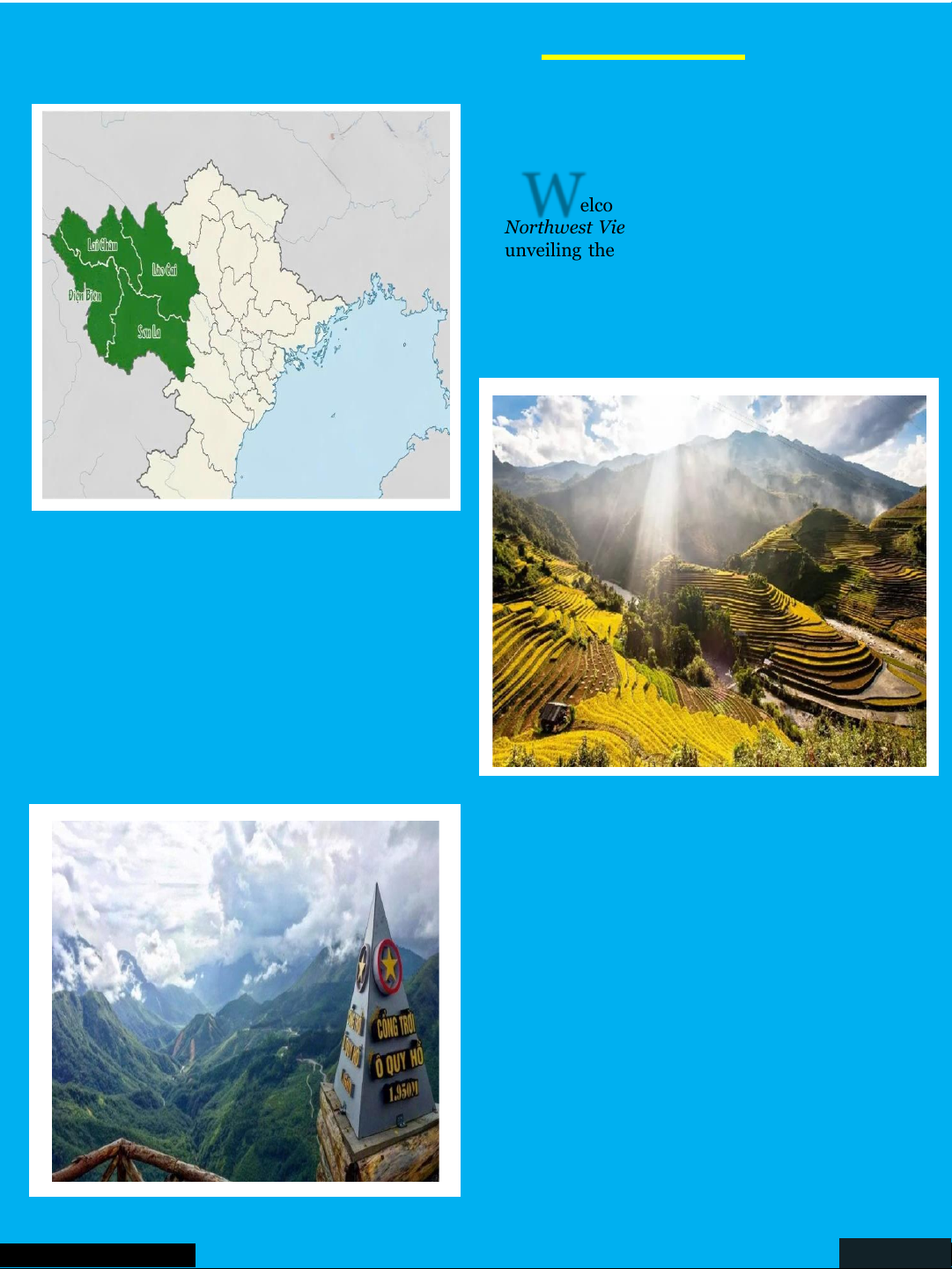
The Northwest through Foreign Eyes by Vu Thi Thoa p29-p32 Overview 06 Nature Impressions Experiences & Emotions Significance Page 2 atural NLandscapes of the Northwest by Dang Thai Son Northwest Vietnam, comprising Lao Cai, Son La, Dien Bien and Lai
Chau, is a vast canvas of mountains, valleys, winding rivers,
and serene lakes. Sapa, shrouded in morning mist,
unveils rolling peaks, while Fansipan towers
majestically, the “Roof of Indochina.” Mu Cang Chai
glows with terraced rice fields at harvest time, and the
gentle hills of Moc Chau invite calm and reflection.
Dien Bien Phu holds both historical resonance and natural
beauty in its meadows and valleys. At the far west, ApaChai
sits quietly among mountains, its dirt roads and remote
villages offering a sense of solitude and untouched nature.
Every stream, every hill seems to tell a story, inviting travelers to explore. Northwest Vietnam Journal Page 3
What makes the Northwest
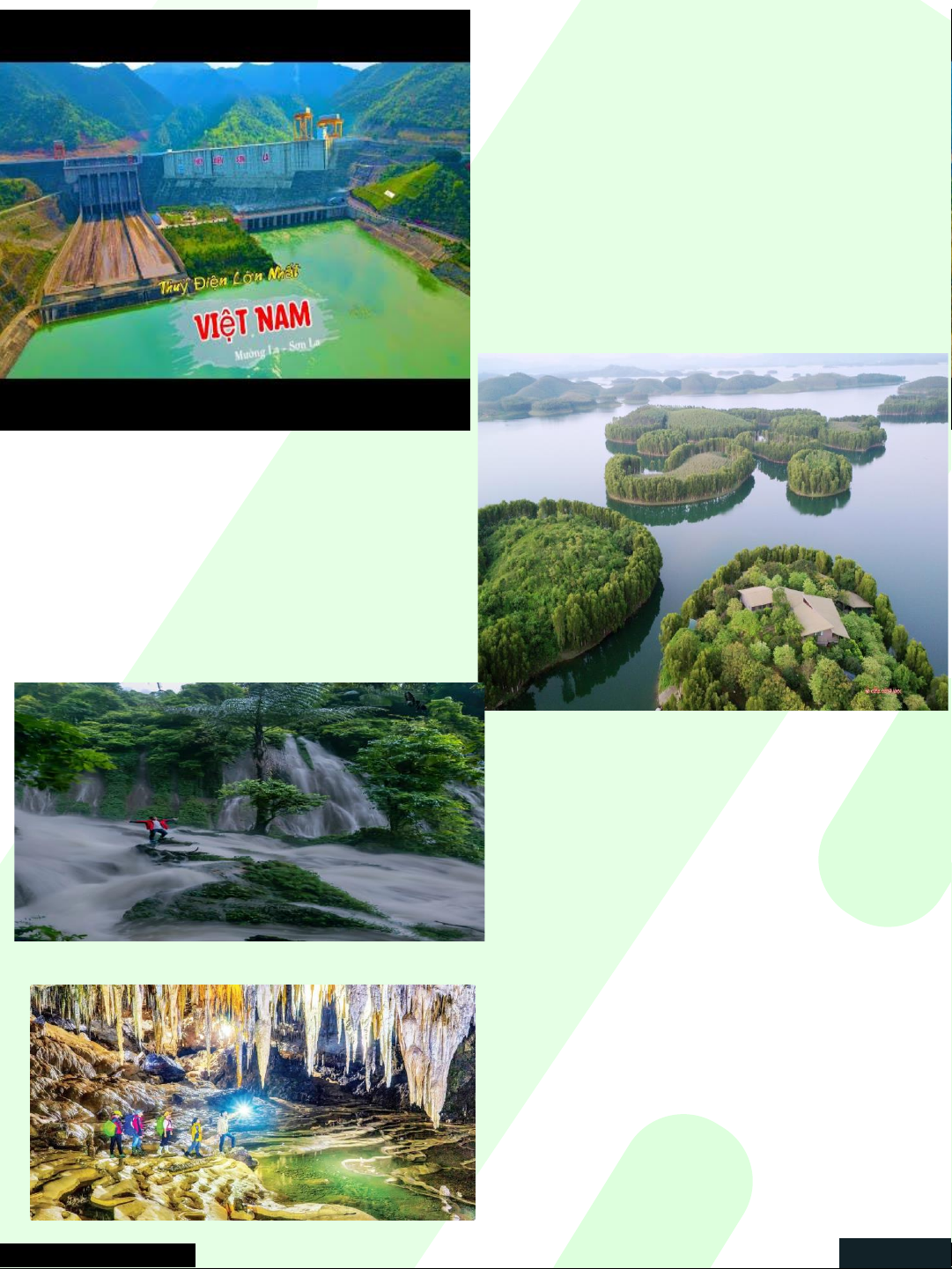
truly captivating is not only the famous landmarks but also the unexpected moments along the journey. In Thac Ba Lake, emerald waters reflect the
surrounding hills, offering calm boating and serene views
Son La Hydropower – the largest hydroelectric plant in Southeast Asia, located in Muong La
Muong La’s villages come
alive — children’s laughter, kitchen smoke drifting, set
against the majestic backdrop of the hydropower dam
Thac Ba lake – a paradise island amidst pristine nature In Lai Chau, Phong Tho and Sin Ho present limestone
mountains, cascading waterfalls,
Conquering Nam Luc Waterfall – a pristine masterpiece amid the vast forests in Lai Chau
and lush forests, combining raw wilderness with breathtaking
vistas. Each place is a living
painting, where light and clouds
shift constantly, making every
step of the journey an unfolding surprise.
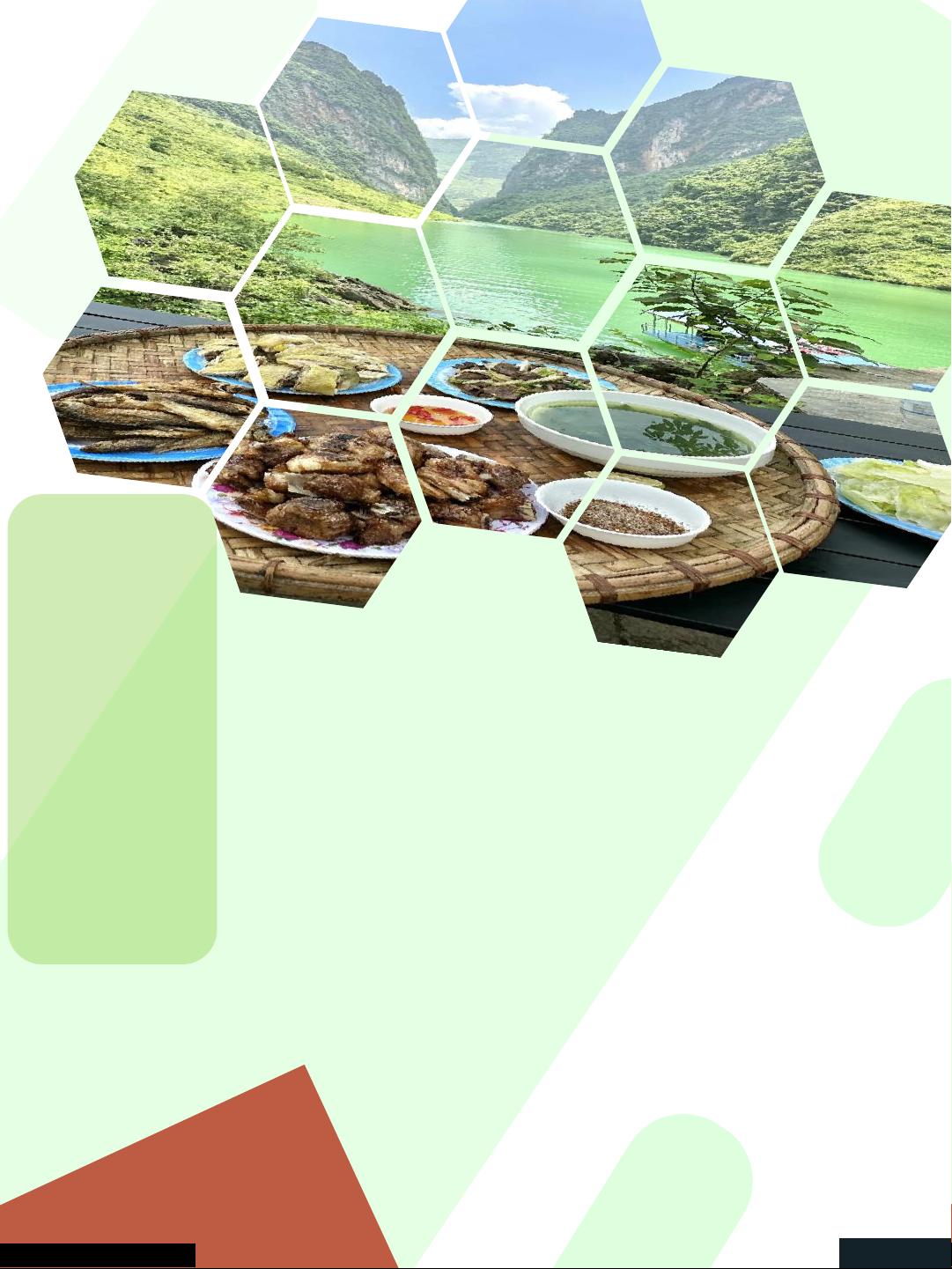
Mystical Pusamcap – The greatest cave of Northwest Vietnam Northwest Vietnam Journal Page 4 A meal with a million-dollar view
Beyond its breathtaking landscapes, the
Northwest also enchants through the richness of its living culture.
Visiting bustling local markets and seasonal festivals,
travelers are greeted by a kaleidoscope of colors from
traditional costumes, the vibrant sounds of folk music, and the
E aroma of freshly prepared local delicacies.
ach village tells its own story through daily routines, artisanal
crafts, and communal gatherings, offering glimpses into centuries-old
traditions that have been preserved and cherished. Interacting with the
highland communities, whether sharing a meal by the hearth, joining a
festive dance, or simply listening to tales of the mountains, allows visitors
to connect deeply with the people, their customs, and their inseparable
bond with the land. Every moment spent among them enriches the
journey, transforming sightseeing into a profound cultural experience
that lingers long after the trip ends. Northwest Vietnam Journal Page 5
Exploring Northwest Vietnam is a slow, immersive
journey. Trekking along hidden paths reveals hidden valleys
and cascading streams, while cycling through winding highland
roads brings travelers close to village life and terraced fields.
Staying in a homestay offers nights by the hearth, sipping hot
tea and listening to stories of local life, seasonal harvests, and
mountain legends. Kayaking on Thac Ba Lake or wandering
along streams immerses visitors in scenery so vivid they almost
feel part of it. Every experience evokes emotion—thrill,
serenity, delight, or awe at the pristine mountains of the Northwest. Northwest Vietnam Journal Page 6 Moc Chau Plateau
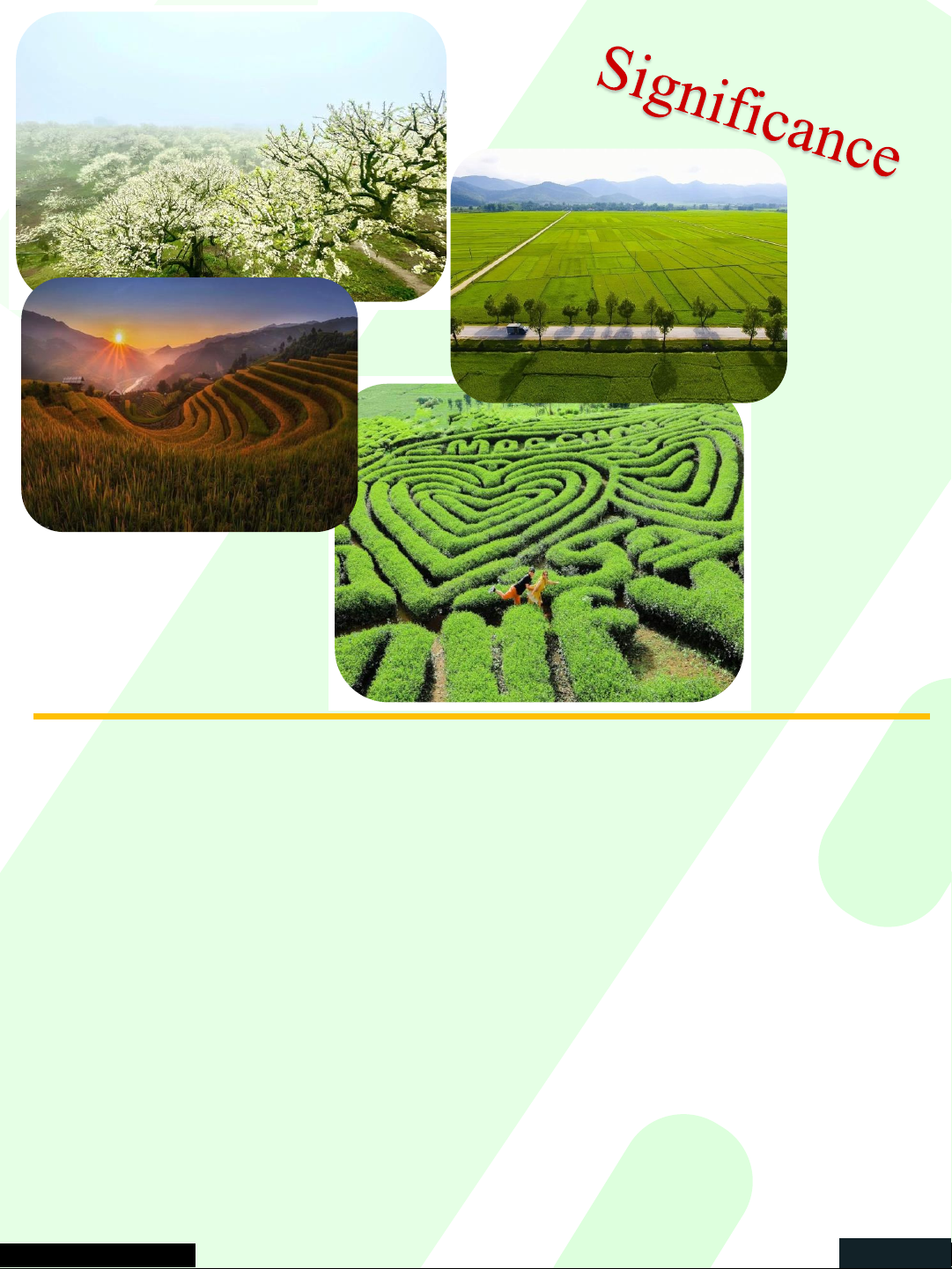
Muong Thanh fields
Sunset over the fields
Moc Chau Tea Hills
Northwest Vietnam is more than a landscape; it is an
emotional journey. Rolling tea hills, terraced rice fields, and
misty valleys instill a quiet sense of reflection. Village life—the
laughter, hearth smoke, and rhythms of daily work—connects
visitors with a world both intimate and extraordinary.
Mountains, valleys, lakes, and forests form a universe where
humans feel both small and harmoniously part of nature. The
Northwest leaves travelers with admiration, peace, and a
longing to return, to continue listening to the stories of land, people, and time. Northwest Vietnam Journal Page 7
Ethnic Cultures & Traditions by Lo Vu Diep
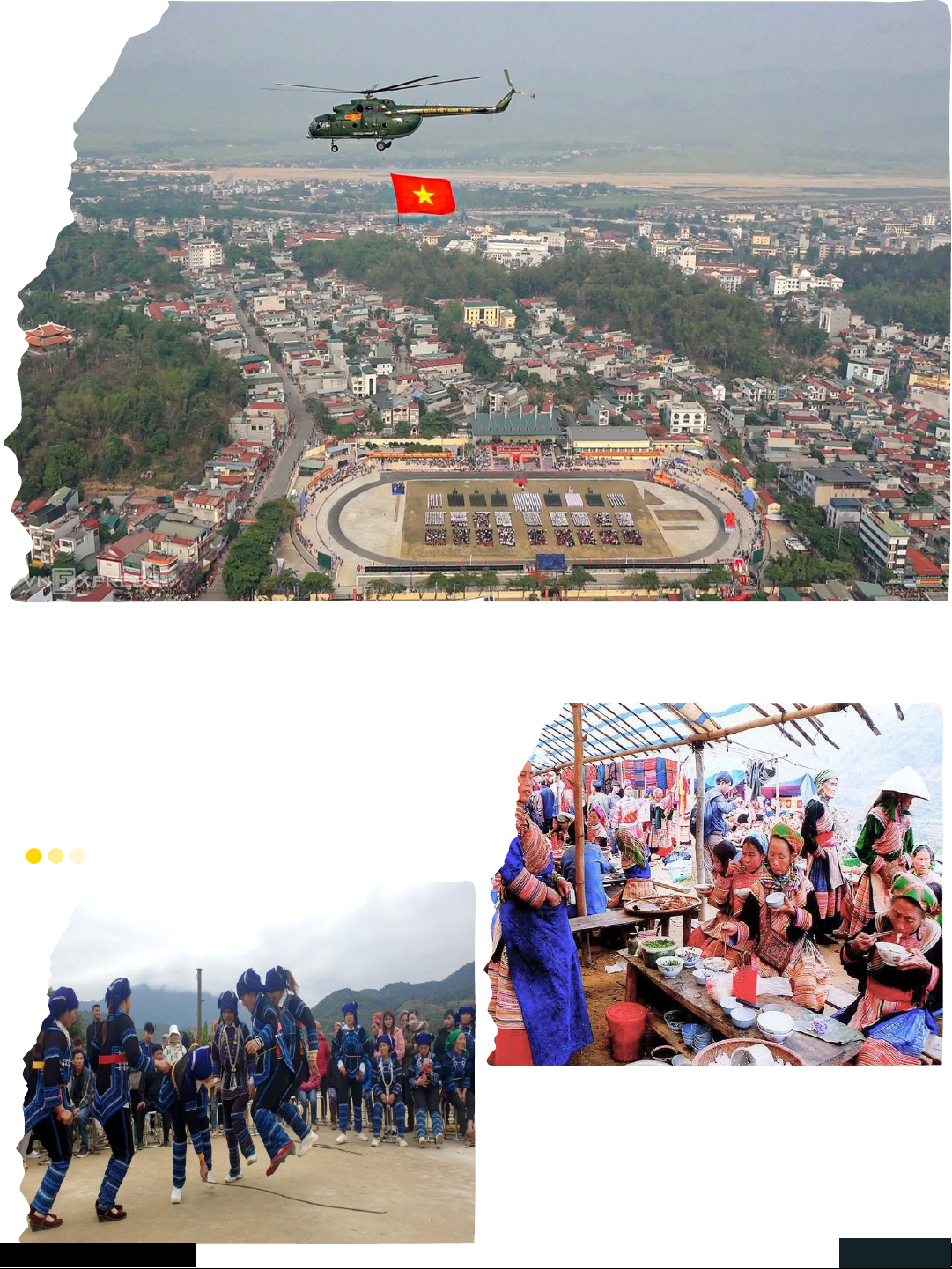
Northwest Vietnam is home to diverse ethnic groups
whose customs and traditions shape the region’s unique
character. Among them, the Thai, H’Mong, Dao, and Ha
Nhi stand out, each bringing distinct clothing, rituals,
music, and architecture. These communities live in
harmony with the mountainous environment, maintaining
ways of life passed down for generations. Visiting their
villages is like stepping into a living museum, where culture
is not displayed behind glass but experienced daily—in homes, fields, and festivals. Northwest Vietnam Journal Page 8 Lifestyle and Customs
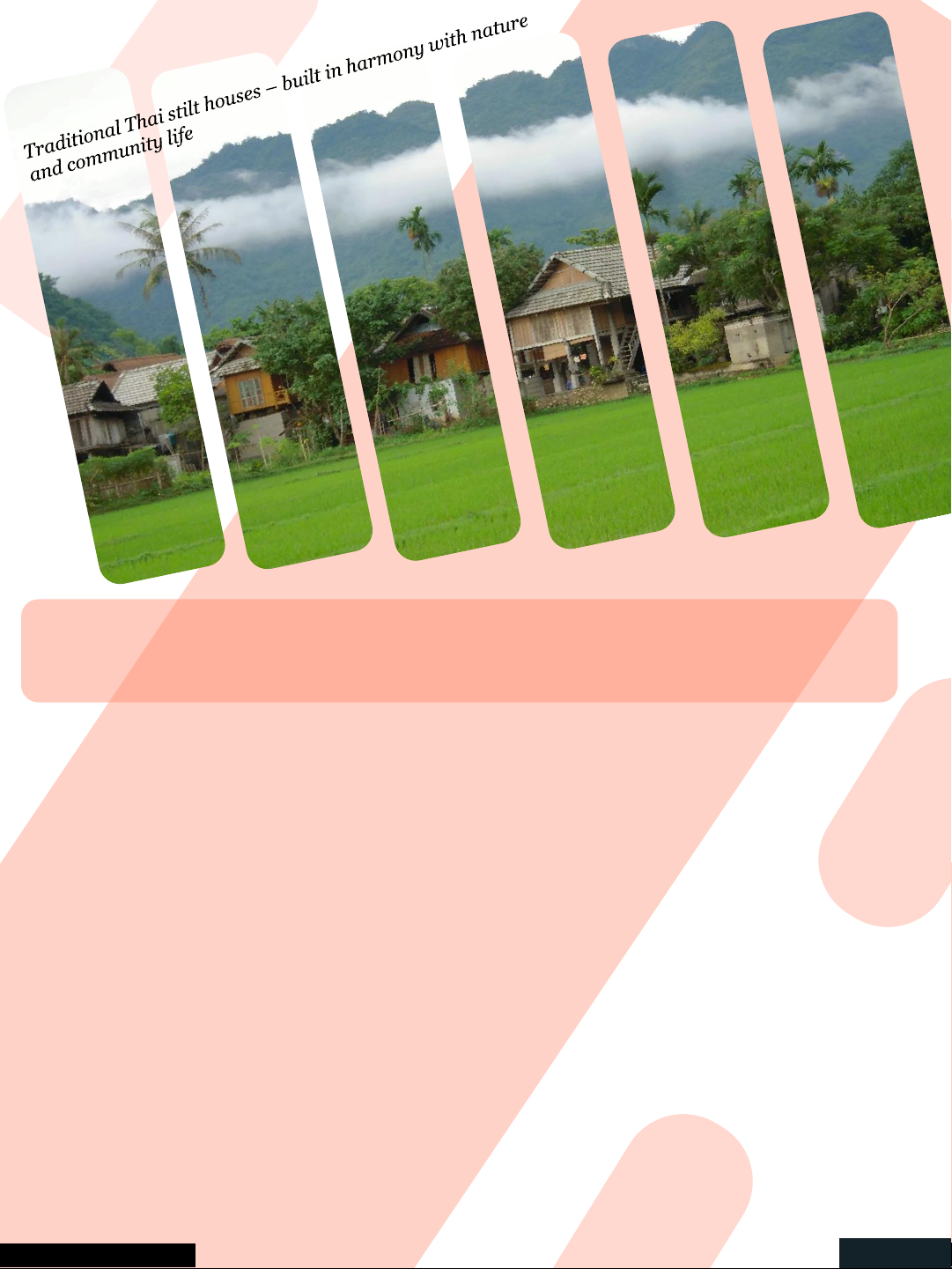
The Thai people often live in stilt houses surrounded
by rice paddies, practicing intricate weaving and
blacksmithing. H’Mong communities are renowned for
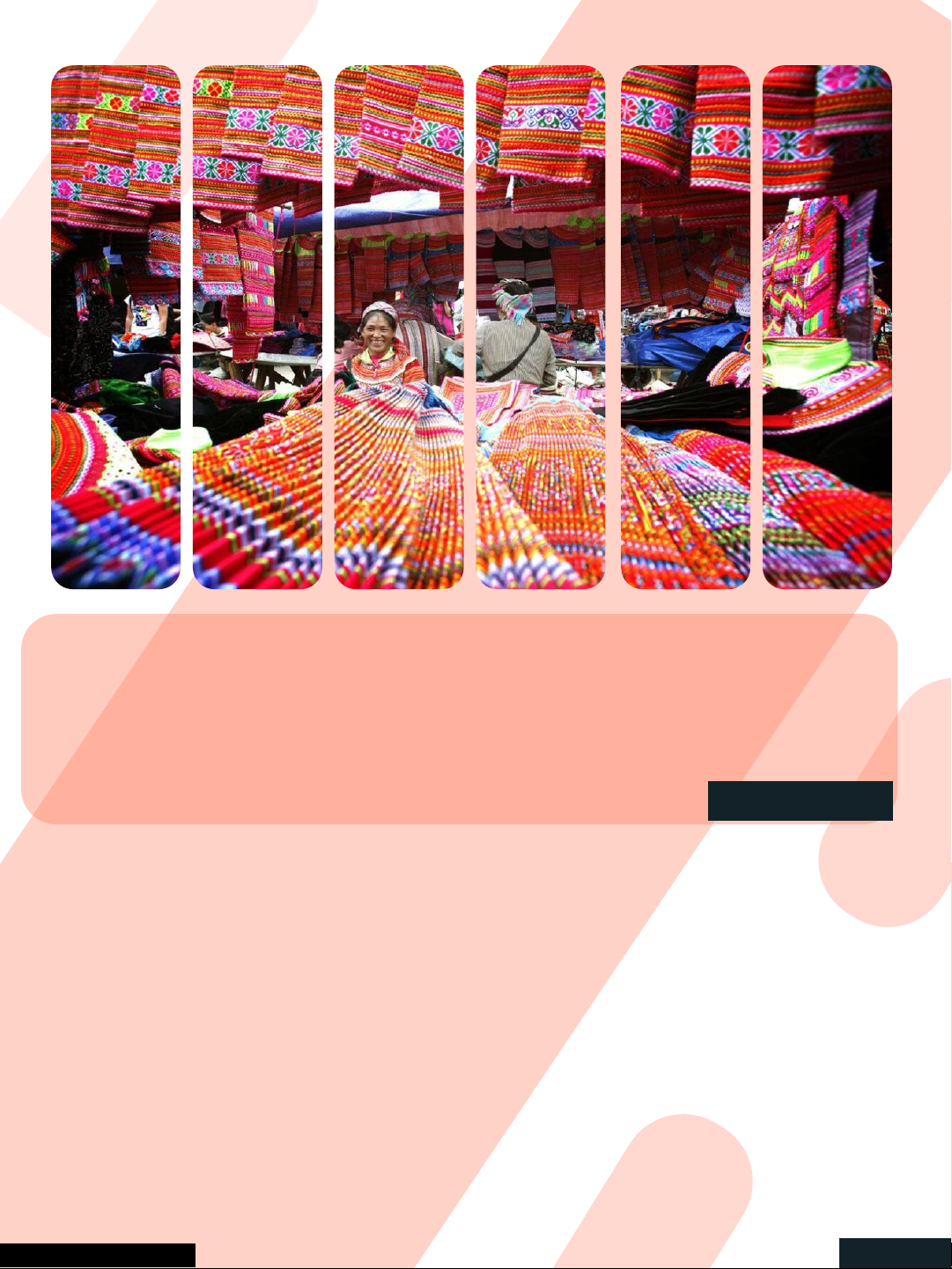
their vibrant embroidery and silver jewelry, with markets
alive with colors during festival seasons. Dao villages
display unique red or indigo clothing and spiritual practices
linked to mountain spirits and ancestors. The Ha Nhi, living
in remote valleys such as ApaChai, maintain close ties to
nature, with rituals for planting and harvesting, and songs
that echo across the hills. Walking through these villages,
travelers hear a tapestry of languages, music, and daily
chatter, experiencing the rhythm of life in the highlands. Northwest Vietnam Journal Page 9
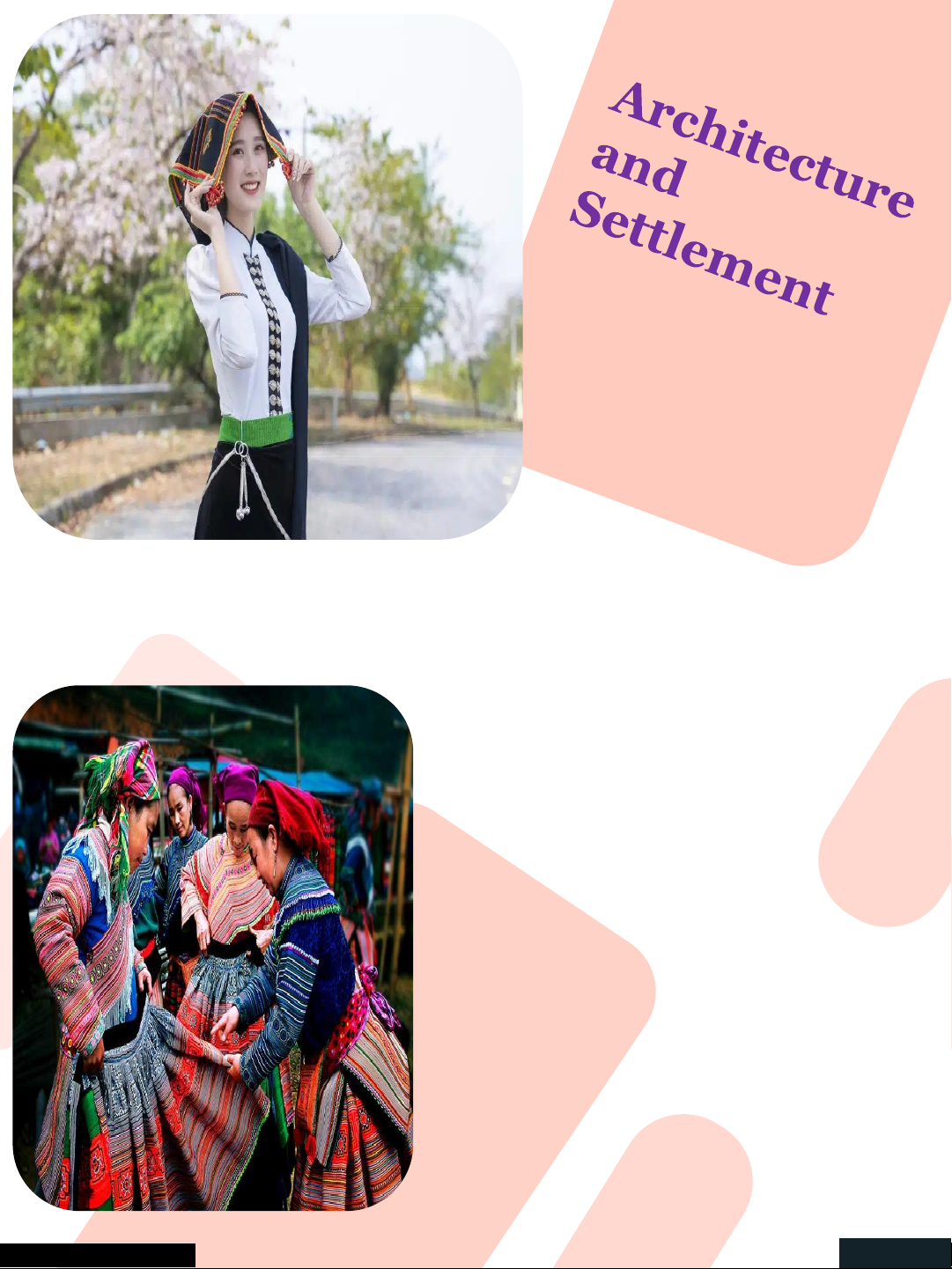
Thai ethnic traditional dress Vietnam
Traditional houses reflect
adaptation to the environment.
Stilt houses in Thai and H’Mong
villages elevate inhabitants above
floodwaters and allow livestock to
shelter beneath. The Dao construct
intricately decorated doors and
interior altars, reflecting their
spiritual beliefs. Villages are often
clustered on hillsides, connected
by narrow paths and bordered by terraced fields, creating a harmonious blend of human
settlement and natural landscape.
Hmong traditional skirt Vietnam Northwest Vietnam Journal Page 10 Cultural Experiences
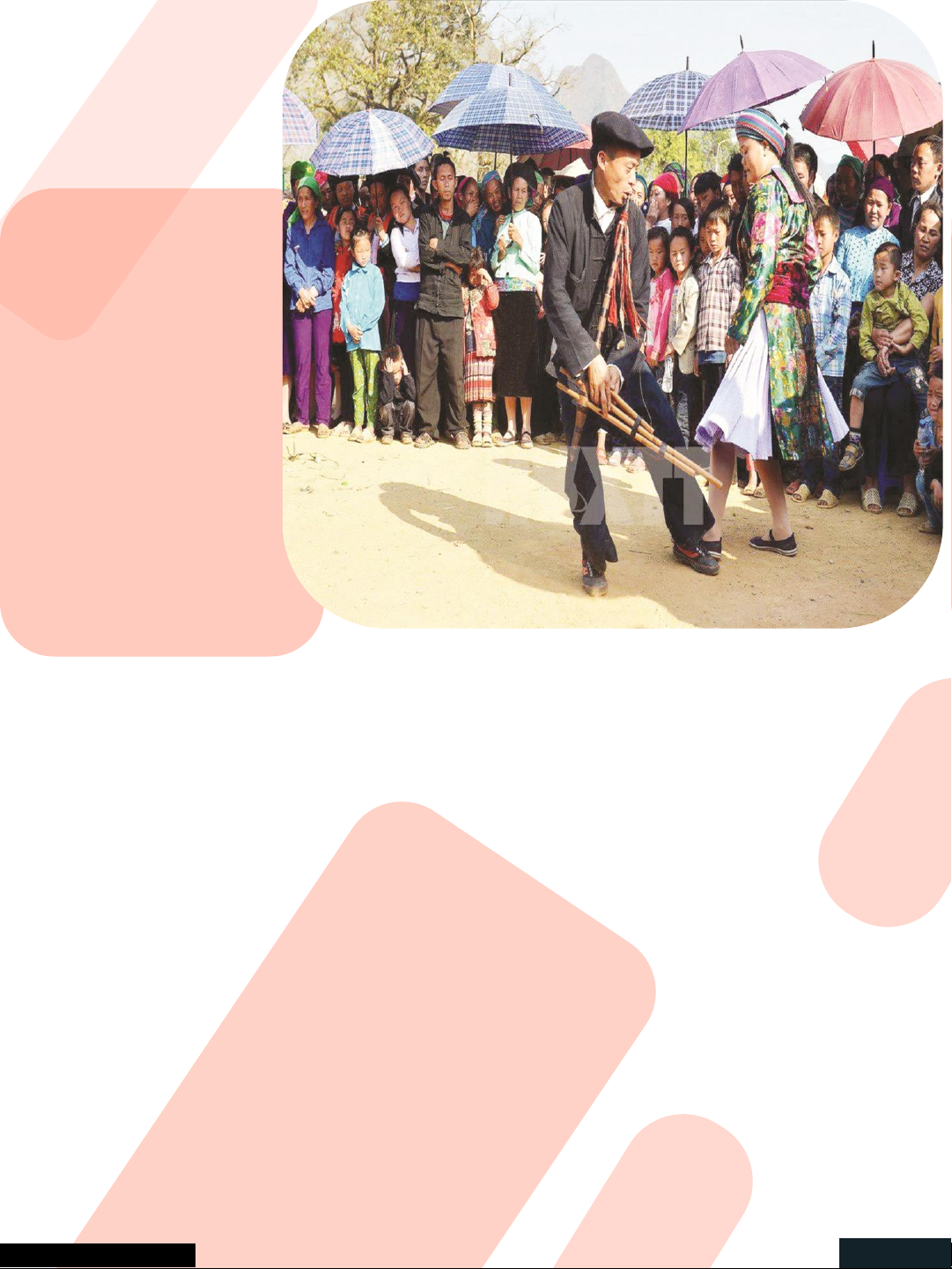
H’Mong youth performing the traditional khèn dance, a symbol of love and vitality
Travelers can join craft workshops, learning weaving, indigo
dyeing, or silver jewelry making. Participating in local
agricultural practices—planting rice, tending livestock, or
harvesting tea and corn—offers insight into daily life. Visiting
local markets, often held once or twice a week, reveals an
explosion of colors, sounds, and flavors, where each ethnic group
presents its unique goods and attire. Engaging with residents
allows an immersive understanding of the customs, oral stories,
and songs that define each community. Northwest Vietnam Journal Page 11 Ethnic cultures of Northwest Vietnam are living heritage, demonstra ting resilience, creativity, and connection to nature.
Homestays connect travelers with living traditions
They offer travelers not just sights but experiences that
stir the senses and emotions—listening to mountain songs at
dusk, watching children play among terraces, or feeling the
warmth of shared tea in a homestay. Understanding these
traditions deepens appreciation of the landscape, history, and
human spirit that define the region. Northwest Vietnam is not
only a journey through stunning vistas but also a journey through
the heart of its people, their stories, and their enduring relationship with the land Northwest Vietnam Journal Page 12
Northwest Vietnam — where culture and nature live in harmony Conclusion
The ethnic cultures of Northwest Vietnam are treasures as
significant as the mountains and valleys that frame them. They
remind us that identity is woven not only into fabrics but also
into songs, dances, and rituals.
For those who journey here, the experience is not just
sightseeing—it is a dialogue with history, tradition, and humanity itself. Northwest Vietnam Journal Page 13
Festivals & Local Lifestyle N By Nguyen Thanh Binh
orthwest Vietnam captivates travelers not
only with its towering mountains and terraced
fields but also with the vibrant rhythms of local
ethnic communities. Traditional festivals and
daily customs create vivid and immersive
experiences. In the highlands, visitors do not
merely observe—they immerse themselves in
local life, feeling the music, colors, aromas, and communal bonds of the region. Northwest Vietnam Journal Page 14 Spirit of the Festivals
Festivals in the Northwest Viet Nam
are not only for entertainment but also
for honoring ancestors and nature. They often mark the farming
calendar, from planting to harvest.
Communities gather to sing, dance, and share rice wine.
Music, colorful attire, and rituals turn vil ages into open-air stages.
Every festival strengthens unity among ethnic groups.
For visitors, it is a lively way to discover cultural identity. Northwest Vietnam Journal Page 15 Ha Nhi Festival (Ga Ma Thu Festival )
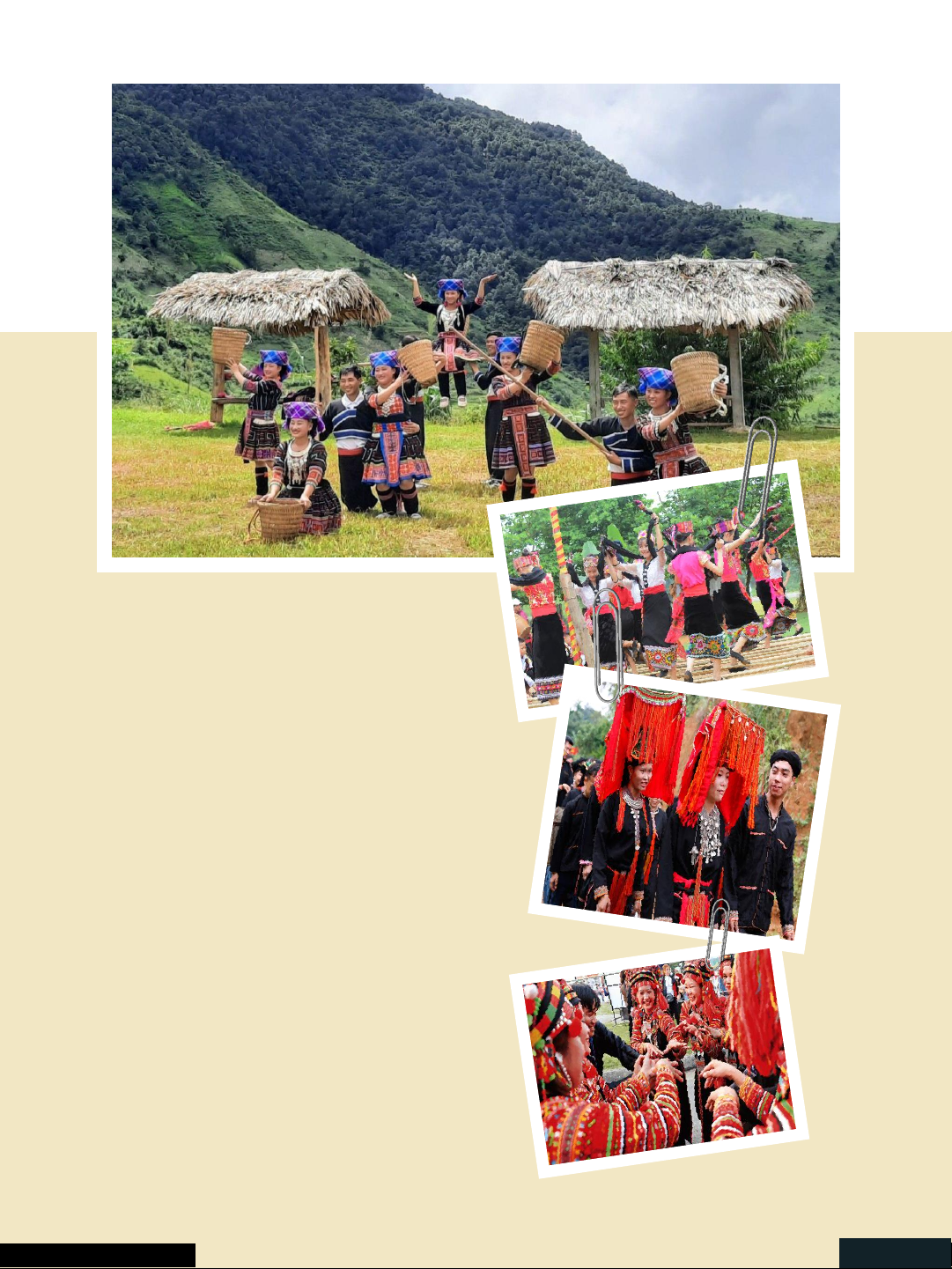
Held in the sixth lunar month in Bat Xat, Lao Cai, the
Ga Ma Thu Festival is the sacred forest-worship ceremony of the Ha Nhi people.
Villagers gather in the sacred forest, offering pigs,
chickens, and rice wine to the Forest God, praying for
peace and good harvests. The atmosphere is solemn yet
festive, with the sound of drums, gongs, and bamboo
flutes echoing through the mountains. After the rituals,
people share food and wine in a joyful community feast.
Traditional costumes, hand-embroidered with bright colors, make the scene
even more vibrant. Travelers can witness the rare forest-worship ritual and learn
about the Ha Nhi’s deep respect for nature. It is not just a festival but a living
expression of harmony between people and the environment Northwest Vietnam Journal Page 16 Hmong Independence Festival
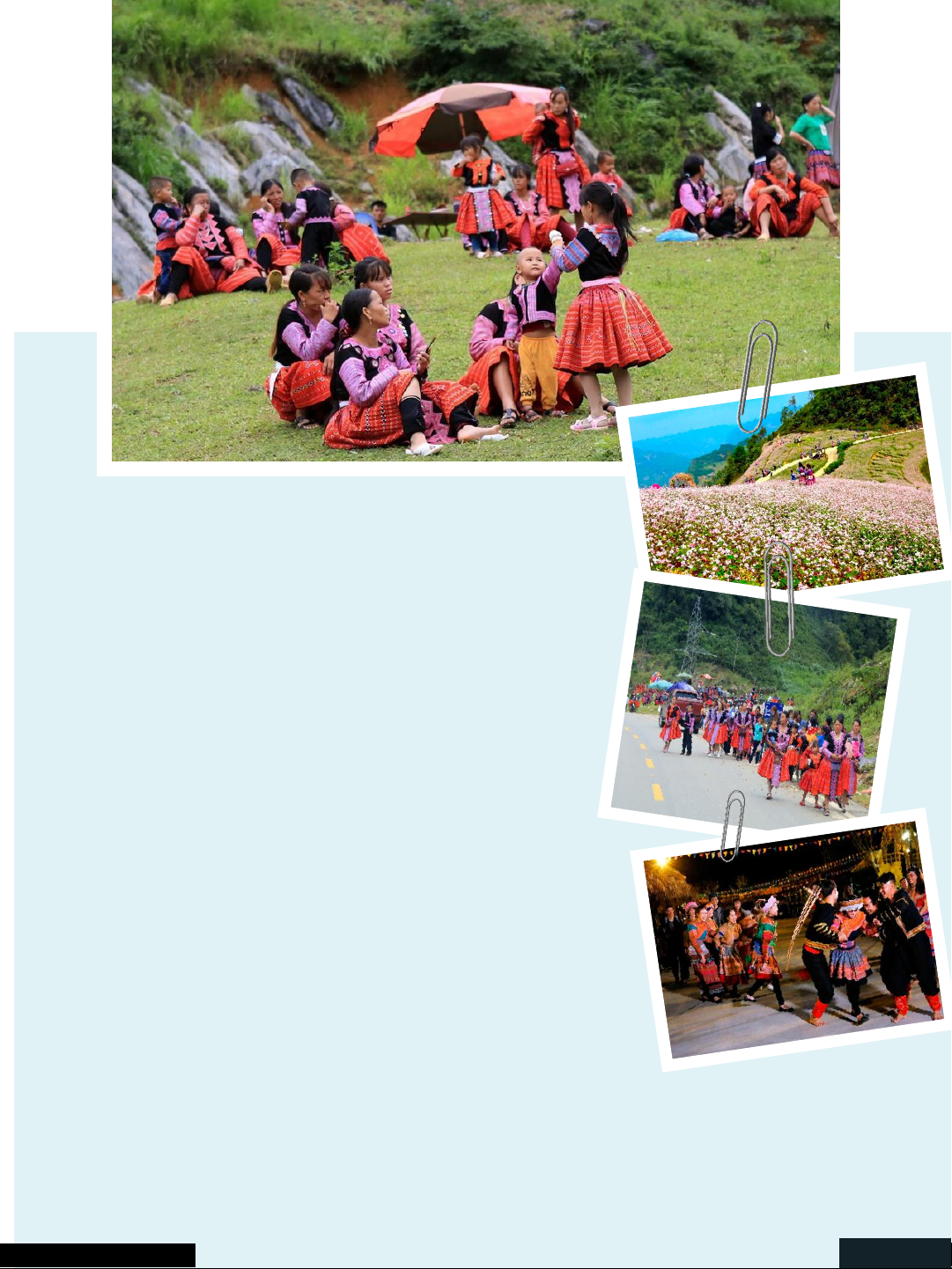
Taking place in autumn, the Hmong Independence
Festival marks the end of the harvest season. Vibrant
markets and the sound of Hmong flutes echo across the
hills, mingling with laughter, conversation, and the
aroma of traditional corn wine. Visitors can join folk
games, taste local dishes, and immerse themselves in the
colorful yet intimate rhythms of Hmong life.
On September 2nd, the H’Mong community in Moc Chau
celebrates their Independence Festival, coinciding with
Vietnam’s National Day. For the H’Mong, it is the most
important day of the year, filled with pride and joy. Men
and women wear their most beautiful brocade costumes,
embroidered with silver ornaments.
The air is filled with the sound of khen (mouth organs), laughter, and traditional
games such as throwing pao, tug-of-war, and spinning tops. Markets bustle with
food stalls selling thang co, sticky rice, corn wine, and forest honey. Young people
use this occasion to meet, sing, and find their partners. Visitors are warmly
welcomed to join the circle dances, taste unique dishes, and capture photos of
colorful outfits. It is a festival of freedom, unity, and vibrant cultural expression. Northwest Vietnam Journal Page 17 Hoa Ban Festival
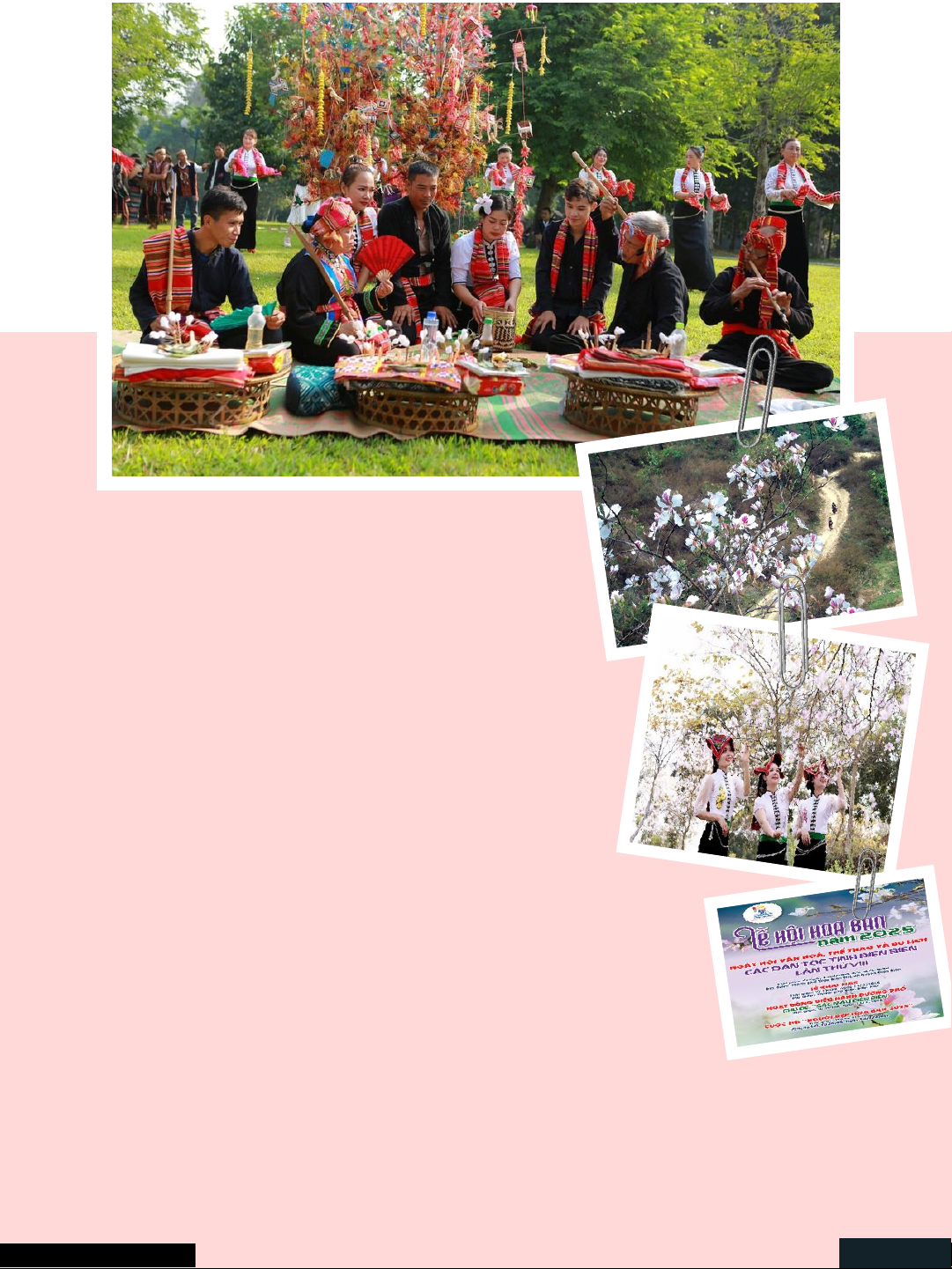
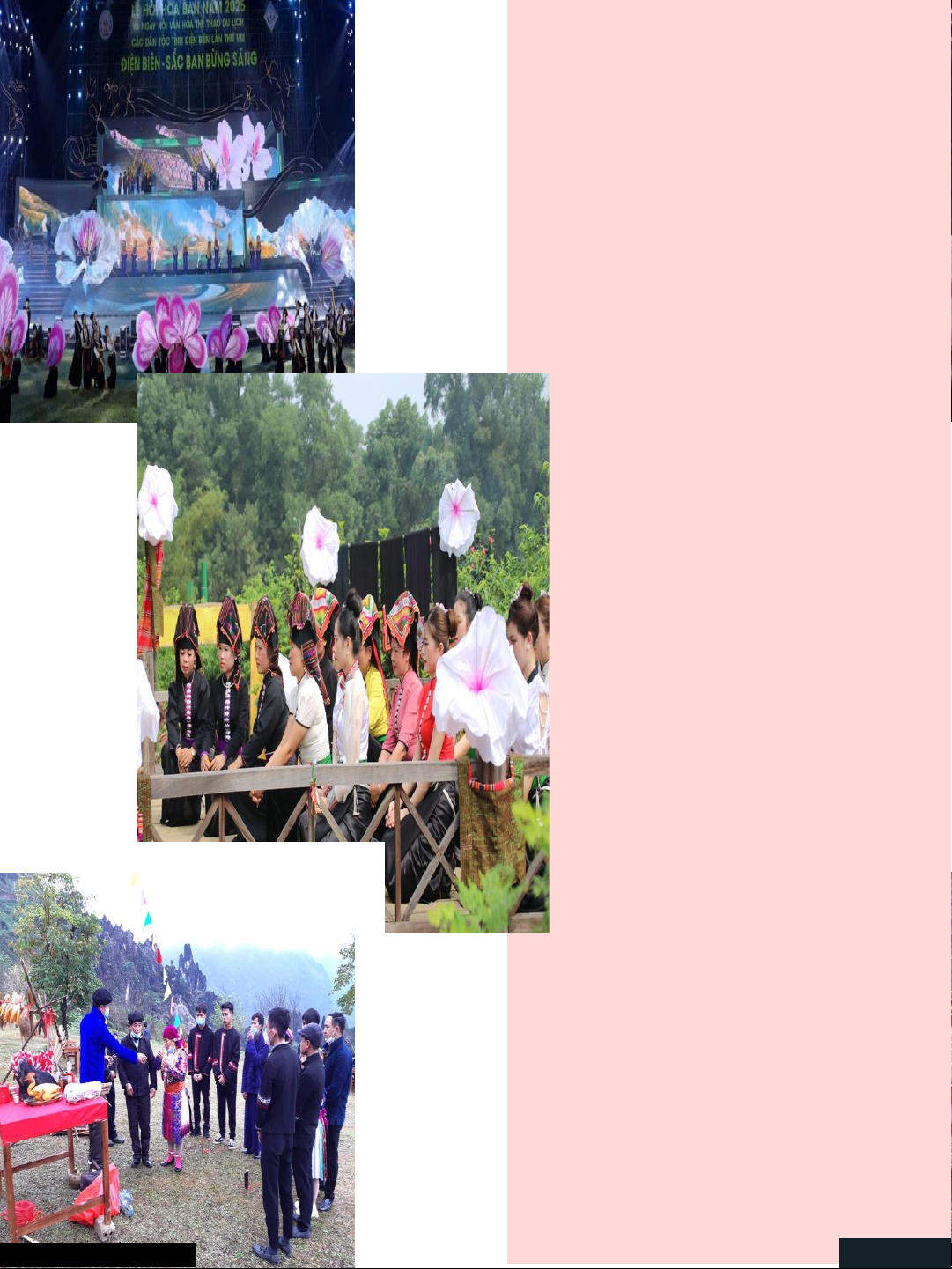
Held during the blooming of Hoa Ban flowers in
Son La and Dien Bien, this festival celebrates both
the beauty of nature and the culture of the Thai,
H’Mong Dao, and Ha Nhi peoples. Travelers can
enjoy traditional dances, local culinary experiences,
and participate in art activities and folk games.
Every March, when the white ban flowers bloom
across the mountains, Dien Bien hosts its most iconic
cultural event – the Ban Flower Festival.
Inspired by the legendary love story of the Thai people, the
festival is both a celebration of spring and cultural pride. Streets
and squares are filled with parades, folk dances, and music performances
The highlight is the traditional xoe dance,
where hundreds join hands in a circle symbolizing unity. Competitions such as archery,
con-throwing, and tug-of-war bring excitement and fun. Food stalls invite visitors to taste
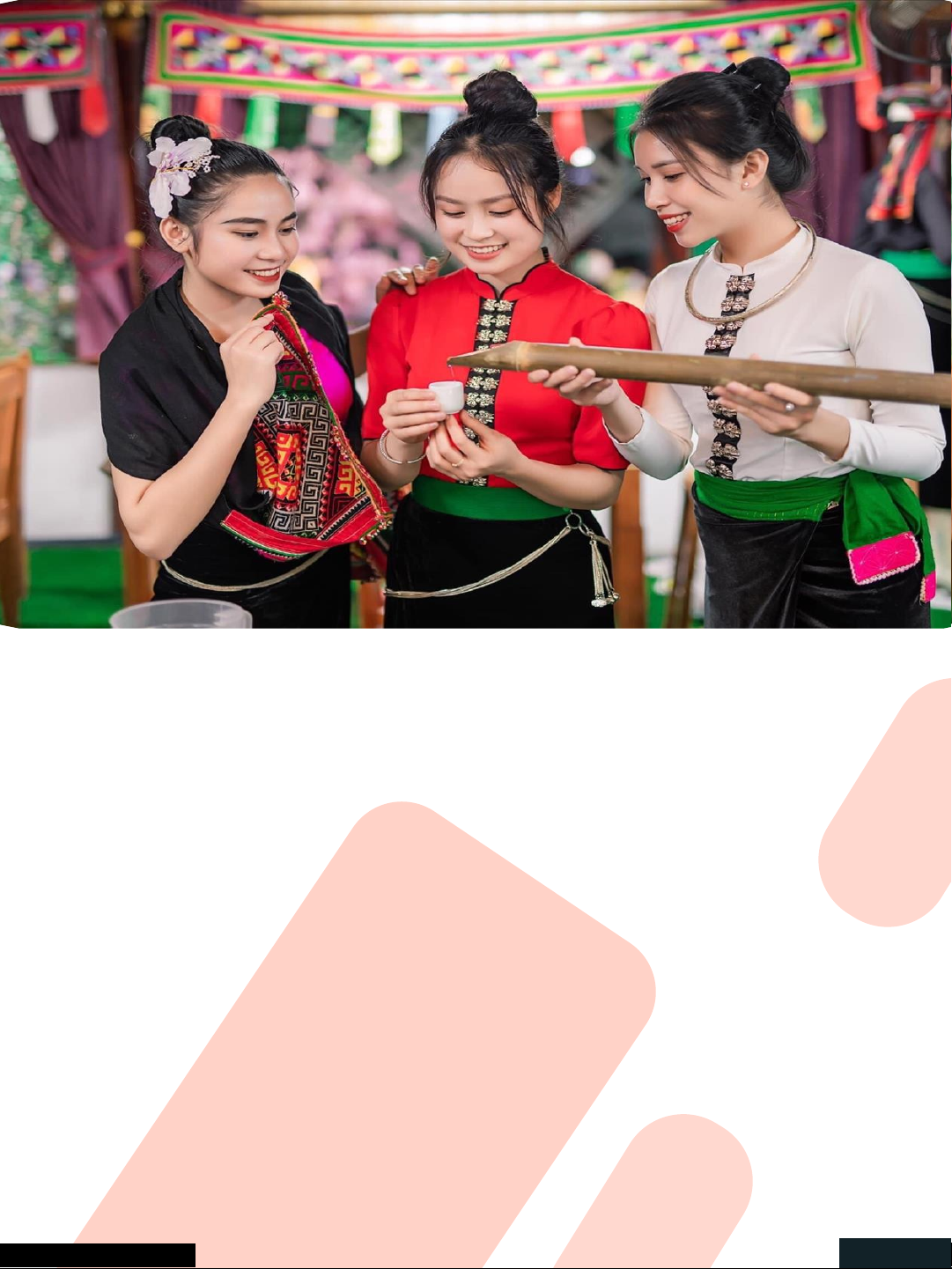
com lam, grilled fish, and rice wine. Travelers can try on traditional ao com costumes and
immerse themselves in folk dances with locals. The festival not only showcases the beauty
of ban flowers but also preserves the soul of Thai culture, making it a must-experience event in Northwest Vietnam Northwest Vietnam Journal Page 18 Experiences Visitors can engage directly with local culture: wear traditional costumes, dance with locals, taste native dishes, and immerse themselves in music, flutes, and laughter. Participating in the Hoa Ban Festival, Ga Ma Thu Festival or Hmong Independence Festival allows travelers to feel the rhythms of life, community spirit, and harmony with nature. Each experience evokes deep emotions, from excitement and delight to serenity and empathy. Northwest Vietnam Journal Page 19
Tài liệu liên quan:
-
Reading and Writing Module 1 | Tài liệu Tiếng Anh
33 17 -
Cambridge IELTS 13 Test-1 Overview and Practice Review | Tài liệu Tiếng Anh
30 15 -
IELTS Test 2 Review - Cambridge 13 Preparation Guide | Tài liệu Tiếng Anh
34 17 -
Litfocus Litreading Survey: Student Reading Interests & Habits Questionnaire | Tài liệu Tiếng Anh
31 16 -

Sách Pre-intermediate Market leader - Business English Course Book
55 28