General English 1practice Test 1 môn Tiếng Anh lớp 3
General English 1practice Test 1 môn Tiếng Anh lớp 3 . Tài liệu giúp bạn tham khảo, ôn tập và đạt kết quả cao. Mời đọc đón xem!
Chủ đề: Tài liệu chung Tiếng Anh 3 33 tài liệu
Môn: Tiếng Anh 3 1.2 K tài liệu
Tác giả:



Preview text:
GENERAL ENGLISH 1
PRACTICE TEST 1
Time: 60 minutes
___________________________
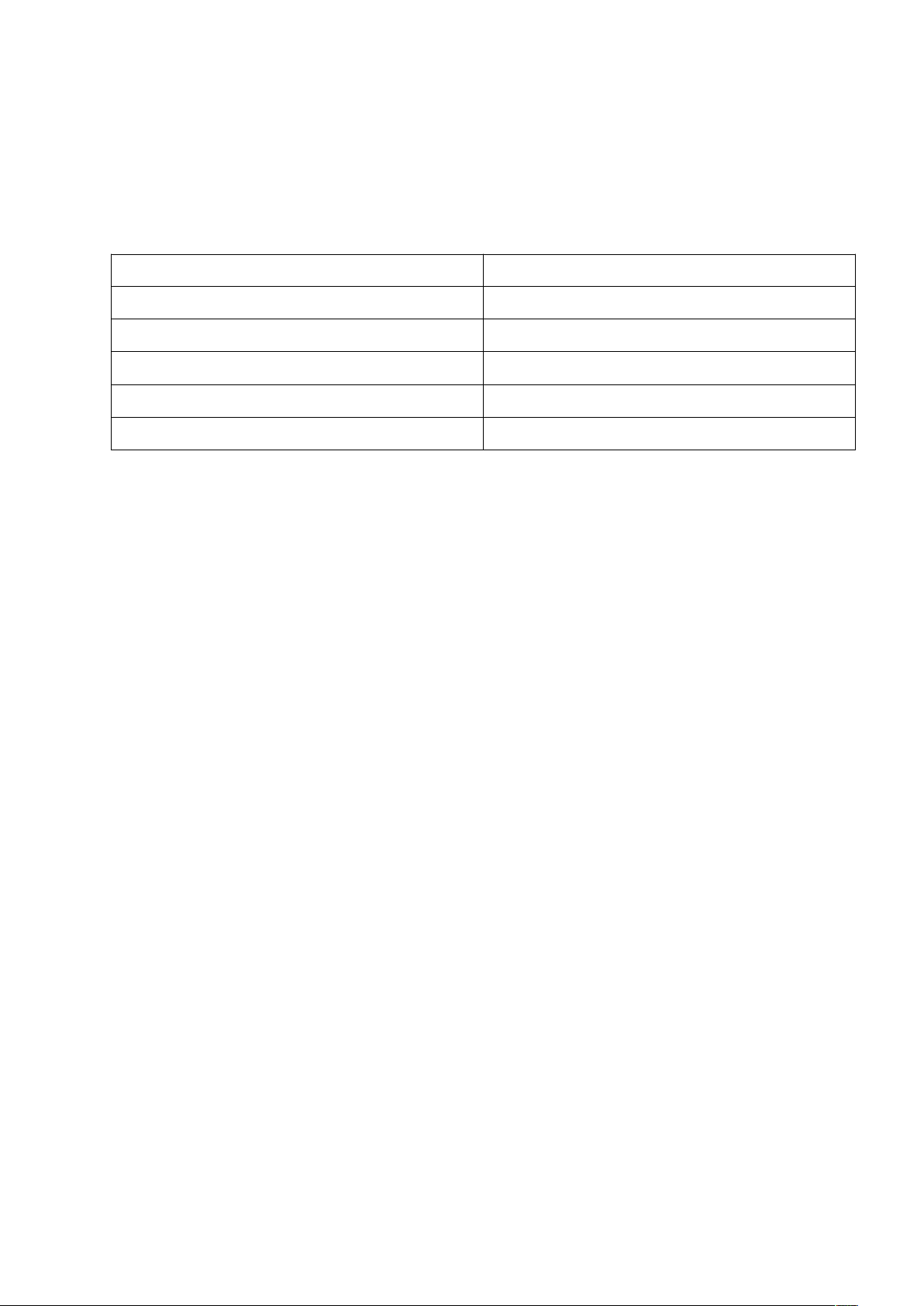
PART I. LISTENING: Listen to two people talking about a job post. Write the phrases in the correct column (10 × 0.25 pts. = 2.5 pts.)
Essential | Not essential |
- Is this job suitable for Carlito? Write Yes/No. ______________
PART II. VOCABULARY & GRAMMAR (2.5 pts.)
- Vocabulary: Read these descriptions and write the profession (5 × 0.25 pts. = 1.25 pts.)
- This person edits magazines or books. ______________________
- This person produces movies. ______________________
- This person works in the law. ______________________
- This man works in business. ______________________
- This man shoots movies with a camera. ______________________
- Grammar: Circle the correct option (5 × 0.25 pts. = 1.25 pts.)
- I am doing/do my homework, but it’s very difficult. Can you help me?
- They are excited because they watch/are watching a soccer game on TV.
- I think their team is losing/loses. They are not happy.
- I usually buy / am buying my clothes online.
- I don’t watch / I’m not watching basketball on TV. I prefer playing it.
PART III. READING: Read the article about memory and circle A or B in the statements below (10 × 0.25 pts. = 2.5 pts.)
HOW TO TRAIN YOUR MEMORY.
Training your memory is not difficult. In fact, it’s really easy, and the good news is, that the more you train your memory, the easier it becomes to train! Your memory improves the more you use it, and it grows bigger the more things you remember. So there’s no reason not to improve your memory. Here are eight easy tips to train your memory, anyone can do them, and you can start immediately.
Tip 1. Be positive. Tell yourself your memory is excellent and that you can memorize more. Being negative will stop your memory from working well.
Tip 2. Repeat the information you want to remember as often as possible. You can do this anywhere, in traffic, on the bus, when you are exercising, or when you are waiting for someone.
Tip 3. Try to remember information in different ways. For example, write it down, turn it into a song and sing it, turn it into a dance and dance it.
Tip 4. Your body remembers things as well as your mind, so use your body to help you. Go for a walk when you are trying to memorize things. Use movements to help yourself remember important things.
Tip 5. Create a strange picture in your mind. Your memory remembers things that are strange. Make a funny picture in your mind of the meaning and sound of the word.
Tip 6. Make connections between things in your memory. Look for repeated letters or sounds in the things you are trying to remember. Make connections between new information you want to remember, and old information already in your memory.
Tip 7. Some foods are healthier for your memory. For example, eating fish helps your memory, and so does food with lots of vitamins A, C, and E. Drinking lots of water is also good for your brain.
Tip 8. Don’t put pressure on yourself. When you put pressure on yourself, your memory gets stressed and doesn’t work. Try to relax, breathe deeply, and enjoy using your memory.
QUESTIONS:
- The text is about
- how to train your memory.
- how the memory works.
- Training your memory
- gets easier when you train more.
- gets more difficult when you train more.
- Your memory
- gets smaller as you train.
- gets bigger as you train.
- Your memory works better
- when you are negative about your memory.
- when you are positive about your memory.
- Repeating information you want to remember is
- important.
- not important.
- Using movement
- doesn’t help your memory to remember things.
- helps your memory to remember things.
- The memory remembers
- normal things more easily.
- strange or unusual things more easily.
- Making connections between things you want to remember
- helps you to remember them.
- doesn’t help you to remember them.
- Eating healthy food and drinking lots of water
- doesn’t help your memory.
- helps your memory.
- Putting pressure on yourself
- is good for your memory.
- is not good for your memory.
PART IV. WRITING (2.5 pts.)
- Rewrite the sentences with the adverb in the correct place. (4 x 0.25 pts = 1pt)
- I watch TV when I have breakfast. (always)
__________________________________________________________________.
- I practice my English. (every day)
__________________________________________________________________.
- I listen to music. (all the time)
__________________________________________________________________.
- Pablito does his homework. (never)
__________________________________________________________________.
- Complete the questions (6 x 0.25 pts = 1.5 pts)
- What ______________________________ after work?
- I’m going to have dinner with my family.
- Where ______________________________ Rudi later?
- I’m meeting him in the library.
- ______________________________ to get another job?
- No, I’m going to keep this one for a while.
- When ______________________________ to Hong Kong?
- I’m flying there on Thursday.
- ______________________________ ?
- Yes, I will be there on Sunday.
- ______________________________ ?
- Jack is going to travel around Africa next year.
END OF TEST