English 8 - Unit 9: A First-Aid Course | môn Tiếng Anh lớp 8
English 8 - Unit 9: A First-Aid Course | môn Tiếng Anh lớp 8 . Tài liệu giúp bạn tham khảo, ôn tập và đạt kết quả cao. Mời đọc đón xem!
Chủ đề: Unit 9: Natural disasters 8 (GS) 13 tài liệu
Môn: Tiếng Anh 8 749 tài liệu
Tác giả:








Preview text:
ENGLISH 8 - UNIT 9: A FIRST-AID COURSE
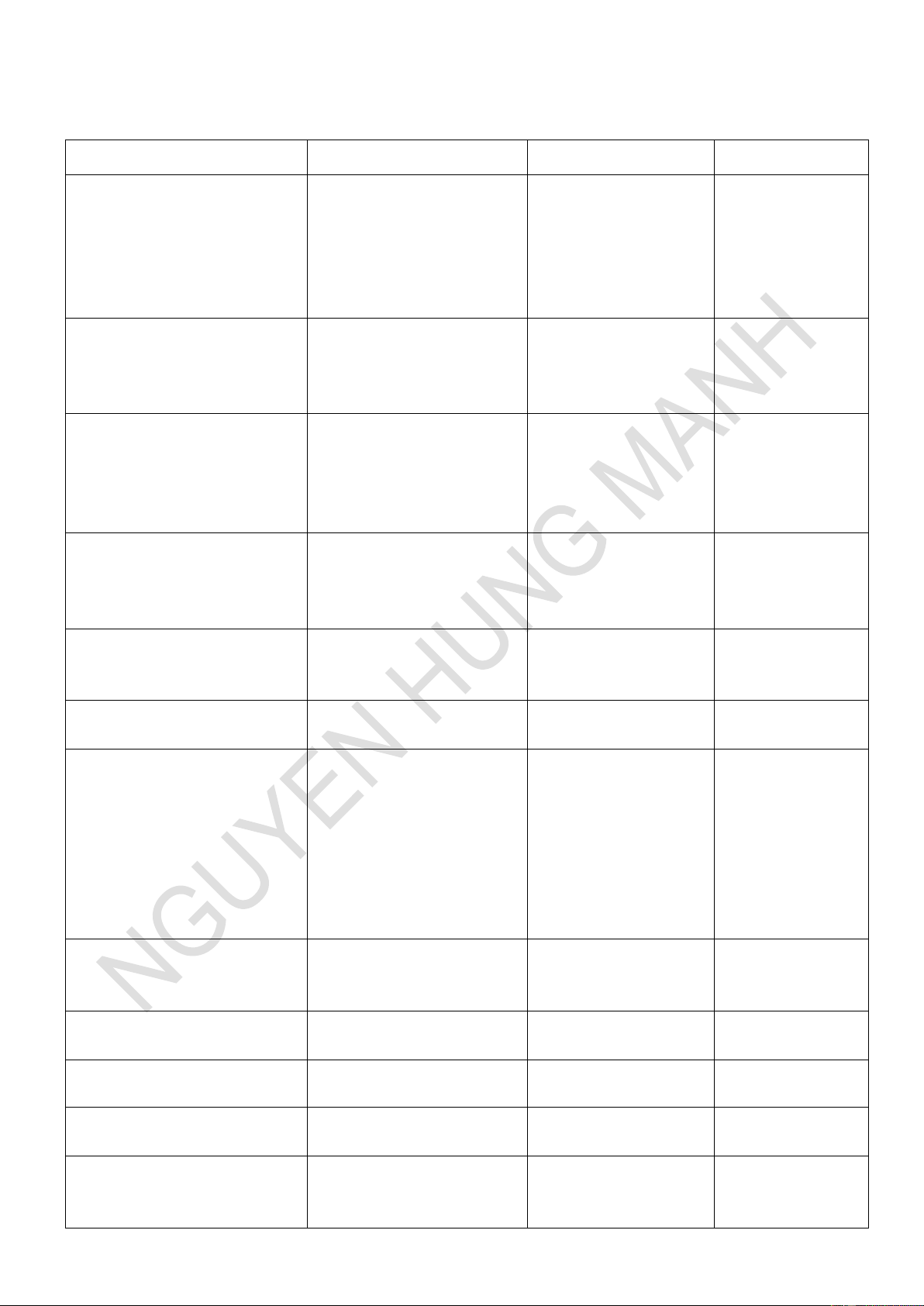
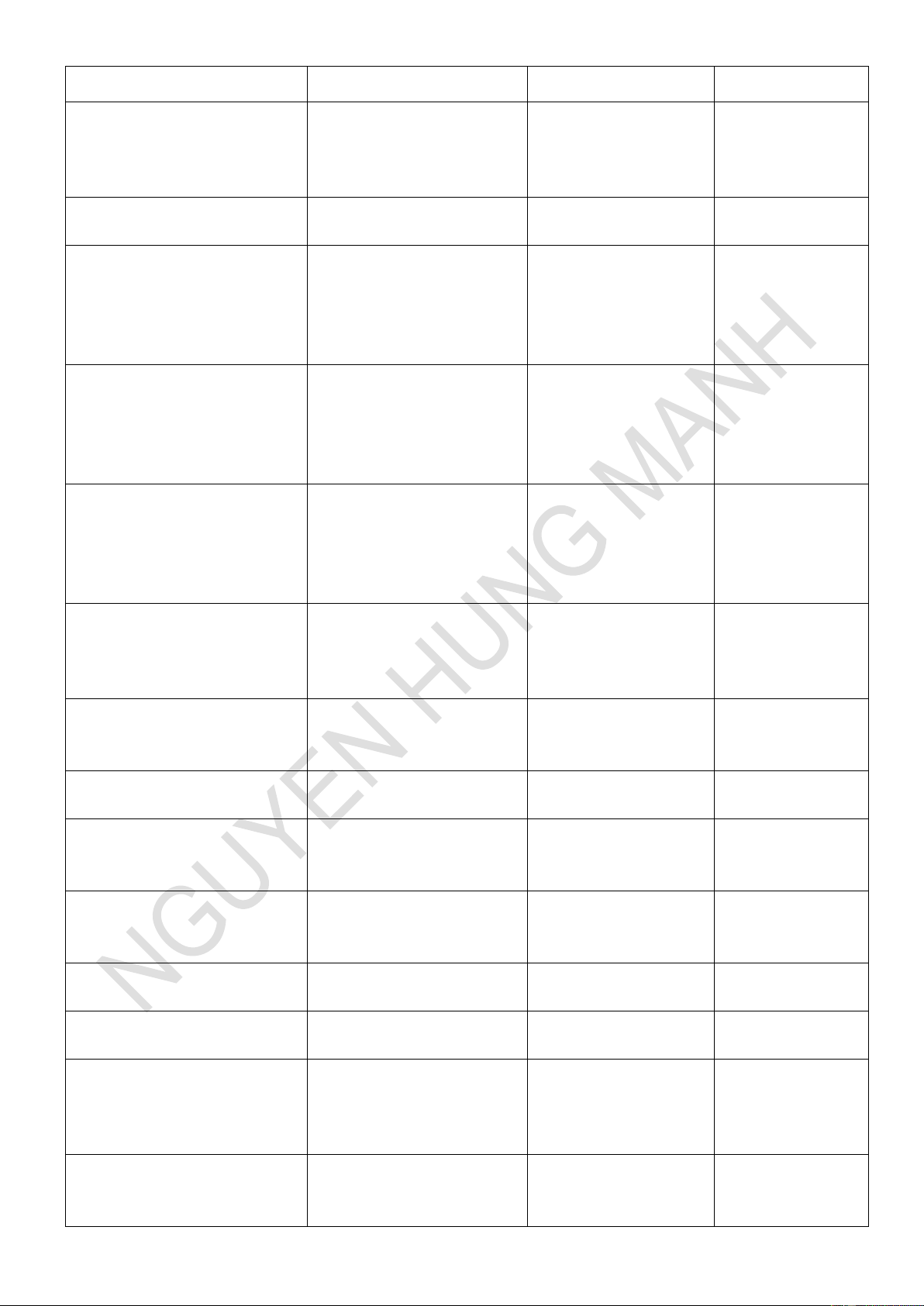
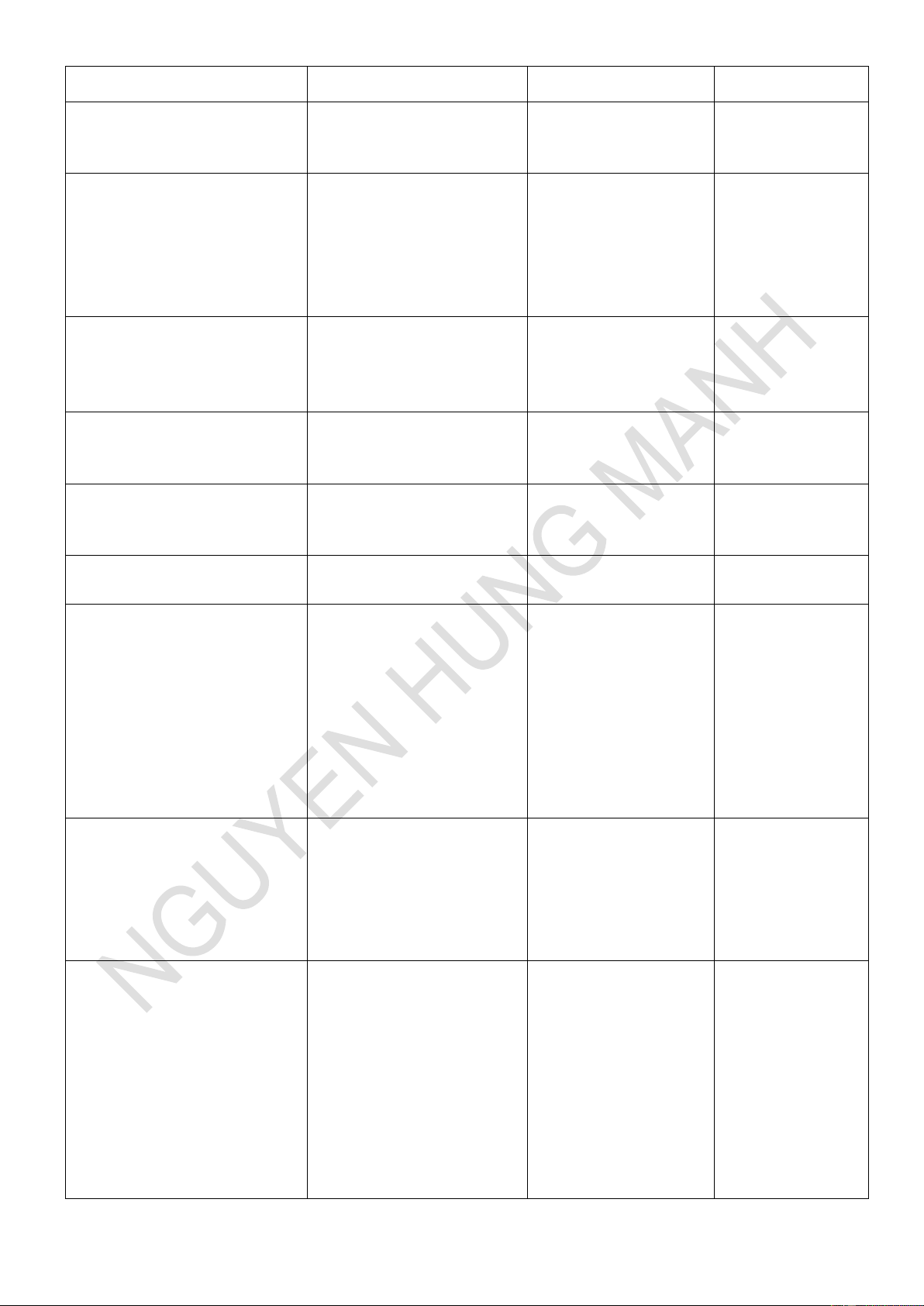
⧫⧫⧫PART 1: WORD FORM NOUN VERB ADJ ADV 1. alcohol - alcoholic - alcoholic - alcoholic drinks shopaholic
≠ non-alcoholic chocoholic workaholic alcoholism 2. effect affect sb/sth affected effectively - the effects of smoking on ≠ unaffected
≠ ineffectively health. effective ≠ ineffective 3. blood
bleed – bled - bled
bleeding (before N) bloodily - to lose/ give/ draw blood bloody blood sample - bloody battle bloodless: without any killing 4. burn: an injury or a mark burn – burnt – burnt burning - caused by fire, heat or acid burn – burned - burned - burning car/ rubber - minor/ severe burn - to burn waste paper/ - burn marks dead leaves
5. calm: a quiet and peaceful calm sb/sth: make calm: not excited, calmly time or situation sb/sth become quiet nervous or upset
calm (sb/sth) down - to keep calm 6. cheer: a shout of joy, cheer sb ≠ boo cheerful cheerfully support or praise
cheer (sb/sth) up 7. consciousness - conscious consciously - to lose consciousness ≠ unconscious
≠ unconsciously ≠ to regain consciousness fashion-conscious consciousness health-conscious = awareness class-conscious self-conscious conscious of sth ≠ unconscious of sth 8. contact (with sb) contact sb: contactable - - to lose contact with sb communicate with sb - to make contact with sb
9. the cool: cool air or a cool cool sth cool: fairly cold place
cool sb down / off cool: not excited
10. cut: a wound caused by cut – cut - cut - - sth sharp
11. dressing: a piece of soft
dress sth: clean, treat - -
material placed over a wound and cover a wound 12. ease: lack of difficulty
ease: make sth less easy easily
- to pass the test with ease unpleasant, painful, severe - ease of use - to ease the pain 1 NOUN VERB ADJ ADV
13. elevation: a piece of
elevate: lift sth up or elevated: higher - ground that is higher than
put sth in a higher position than the area around; the area around above the level of the ground 14. faint: the state of faint = pass out faint - faintly becoming unconscious - to faint from hunger - to feel faint 15. first aid [U] - - - to give first aid - a first-aid course - a first-aid kit first aider 16. heat heat sth hot hotly - to give out a fierce heat heat (sth) up
overheated: too - hotly denied - to feel the heat overheat sth hot - hotly debated the heat: hot weather - hotly disputed overheating 17. hurry: the need or wish hurry: do sth more hurried = rushed hurriedly to get sth done quickly quickly than usual = rush - a hurried breakfast ≠ unhurriedly hurry sb/sth ≠ unhurried
hurry up (with sth)
hurry (sb/sth) up 18. - - immediate: done immediately without delay = right away
- immediate reaction/ = straightaway action/ response = at once
19. injury: harm done to a injure sb/sth/yourself injured -
person’s or an animal’s body ≠ uninjured - serious/ minor injuries the injured 20. injection
inject sth (into yourself - - - to give sb an injection / sb/sth) 21. instruction
instruct sb to do sth: tell instructional: that - - to follow the instructions
sb to do sth in a formal or teaches people sth instruction [U] official way - instructional videos 22. -
lower sth: let or make lower: located sth/sb go down below sth else - lower lip 23. maximum maximize sth maximum - - a maximum of 30 children - to maximize fitness - maximum speed 24. minimum minimize sth minimum - - a minimum of 6 students - to minimize pollution - a minimum price 25. response to sb/sth
respond to sth: give a - - - to make no response spoken or written answer - - to respond to a letter/ an advertisement/ the news 26. revival
revive sb/sth: make - - - the revival of trade sb/sth become conscious - an economic revival or healthy and strong 2 NOUN VERB ADJ ADV 27. shock shock sb shocking shockingly - to come as a shock shocked electric shock 28. sleep sleep – slept – slept sleepy sleepily - to get some/ much sleep sleepless sleeplessly - a good night’s sleep - She lay sleepless sleepiness [U] until dawn. sleeplessness [U] = insomnia 29. sterilization
sterilize sth: kill the
sterile: completely - - adequate sterilization bacteria in or on sth clean and free from sterility [U] - to sterilize milk, water, bacteria surgical instruments - sterile bandages 30. sting sting sb/sth - - - the sting of a bee - a bee sting 29. tightness [U] tighten tight tightly: closely - the tightness or looseness - to tighten a lid, screw and firmly of clothing - tightly closed 30. treatment for sth
treat sb/sth with sth treatable - - medical treatment treat sb for sth 31. wakefulness [U] wake – woke – woken wakeful: not - - A sudden noise jolted him
awake – awoke – sleeping, unable to into wakefulness. awoken sleep = sleepless - He lay wakeful all night. awake - He lies awake at night worrying about his job. 32. warmth warm sb/sth/yourself warm warmly - the warmth of his arms (up) - to keep warm - warmly dressed - the warmth of the welcome - a warm welcome - warmly received
warm: a place where the temperature is warm - Come inside into the warm 33. wound: an injury to the wound sb/sth wounded body using a weapon wound sb: hurt sb’s the wounded - a leg/ head wound feelings She felt deeply - a bullet/ knife/ stab wound wounded by his - The would healed slowly. cruel remarks. - He died from the wounds wounding: that he had received to his chest. hurts sb’s feelings - he found her remarks deeply wounding. 3
⧫⧫⧫PART 2: VERB + PREPOSITION
1. to calm down – to calm sb/sth down:
20. cover sth (with sth): place sth over or in
to become or make sb become calm
front of sth in order to hide or protect it
1a. Calm down! We’ll find her.
20a. She covered her face with her hands.
1b. We waited inside until things calmed
20b. They covered her with a blanket. down.
20c. The floor was covered with plastic
1c. He took a few breaths to calm himself sheeting. down.
20d. Cover the meat with a layer of cheese.
2. He fell off his bike / his horse.
20e. How much of the Earth’s surface was
3. He fell down the stairs and injured his
covered with water/ by water? back. 20f. to cover my eyes
4. He fell into the river/ water.
21. to leave sb/sth in condition/ place
5. He collapsed and fell to the floor/ the
➔ to leave sb/sth + V-ing: make or allow ground.
sb/sth to remain in a particular condition,
6. After work, I just want to fall into bed and place, etc. sleep.
21a. Leave the patient lying flat.
7. She fell under a bus and was killed
21b. Don’t leave her waiting outside in the instantly. rain.
8. She fell from a great height.
21c. Never leave children playing near water
9. He fell five meters to the bottom of the unattended. ravine.
21d. I left the children watching TV.
10. He fell off the roof and killed himself.
21e. I left the engine running.
11. He fell out of the window.
21f. Don’t leave the tap running.
12. He fell off the fourth floor.
21g. The incident left her feeling confused
13. The handle fell off the drawer. and hurt.
14. The book fell from his hands.
➔ to leave sb/sth + adj
15. Several books fell onto the floor.
21h. The disaster left hundreds of people
16. Bombs fell on the city. homeless.
17. to fall over sb/sth = to trip over
21i. Leave the door open, please.
➔17a. I rushed for the door and fell over the
21j. The explosion left 25 people dead. cat in the doorway.
22. to leave sb/sth + to V-bare infinitive:
18. to hit sb/sth (with sth)
let sb else to decide sth or be responsible for
18a. He hit the nail with the hammer. sth
18b. She hit him on the head with her
22a. The director went to Paris o business, umbrella.
leaving the deputy director to run the
18c. She fell off her bike and hit her head on office. the road.
22b. I was left to cope on my own.
19. cover: to be all over a surface or object
➔ to leave it (up) to sb to do sth
➔ cover sth with sth
22c. I’ll leave it up to you to decide.
19a. Whenever winter comes, the streets are 22d. A: Where shall we eat? covered with snow.
B: I’ll leave it entirely (up) to you.
19b. The wind blew in from the desert and (= you can decide).
covered everything with sand.
23. to cheer up – to cheer sb up: to
19c. All the furniture was covered with dust.
become more cheerful; to make sb/sth more
➔ to cover sb/sth in sth cheerful
19d. The players were soon covered in mud.
23a. Oh, come on – cheer up!
19e. The eruption of the volcano covered that
23b. Give Mary a call; she needs cheering up.
area in a layer of ash.
24. to come over (to …): come to a place,
especially sb’s house, to visit for a short time 4
24a. Will you come over to my house on the
27b. I’ll give you a key so that you can let
weekend? I’d love to see you. yourself in.
25. to contact sb: communicate with sb 27c. Let him into the house.
25a. I’ve been trying to contact you all day.
27d. The dog wanted to be let out.
➔ contact (n)
28. to inform sb about / of sth
25b. to lose contact with sb
28a. Please inform us any of changes of
25b. to make contact with sb address.
25c. to keep in contact with sb
28b. Remember to inform us about the
25d. The company put me in contact with change in schedule.
other people in a similar position.
29. respond to sb/sth (v)
26. to keep + sb/sth + adj
29a. She never responded to my letter.
26a. I always keep the window open.
➔ response to sth (n)
➔ to keep + sb/sth + V-ing 30. to faint
26b. I’m sorry to keep you waiting.
30a. to faint from hunger
27. to let sb/sth in: allow sb/sth to go
30b. I almost fainted when she told me.
somewhere ≠ to let sb/sth out
➔ faint (adj)
27a. Will you open the windows so as to let
30c. to be faint from hunger fresh air in.
➔ faint (n)
30d. He fell to the ground in a dead faint.
⧫⧫⧫PART 3: ADJECTIVE + PREPOSITION
1. conscious of sth = aware of sth ≠ unconscious; unaware
1a. She’s very conscious of the problems involved.
➔ to lose consciousness ≠ to regain consciousness
⧫⧫⧫PART 4: NOUN + PREPOSITION 1. burn (n)
➔ first-aider: a person who is trained to give
1a. minor / major / third-degree burns first aid
1b. cigarette burns on the furniture 7. stretcher 1c. a burn on her arm
7a. That football player was carried off on a
2. cut (n) a wound caused by sth sharp stretcher.
2a. cuts and bruises on the face 8. crutch 2b. a deep cut on his arm
8a. After the accident I spent six months on 2c. a bad cut on his leg crutches. 3. blood (n) 9. wheelchair
3a. to lose a lot of blood
9a. He has been confined to a wheelchair 3b. to give blood since the accident.
4. plan(s) for sth
10. level: the height of sth in relation to the
4a. Have you got any plan for the weekend? ground
4b. The plan for our charitable activities fell
10a. the level of water in the bottle
through because of lack of money.
10b. The cables are buried one metre below
5. instructions on how to do sth ground level.
5a. Give first-aid instructions on how to stop
10c. The tables are not on a level (= the the bleeding. same height).
6. first aid: simple medical treatment that is
10d. Lower the patient’s head below the level
given to sb before a doctor comes or before of the heart.
the person can be taken to a hospital
11. dressing: a piece of soft material placed
6a. to give first aid / to use first aid
over a wound in order to protect it 6b. a first-aid course
11a. Cover the burned areas with a thick sterile dressing. 5
➔ to dress sth: clean, treat and cover a
13b. the change in schedule. wound
13c. important changes to the tax system
11b. The nurse will dress that cut for you. 14. treatment for sth 12. occasion for sth
14a. He’s receiving treatment for shock.
12a. Tet is the occasion for a family reunion.
➔ to treat sb (for sth) (with sth)
occasion for sb + to Verb
14b. She was treated for sunstroke.
12b. There are very few occasions for that
14c. The condition is usually treated with
couple to have meals together. drugs and a strict diet.
on this occasion / on one occasion / 15. cure for sth on several occasions
15a. the search for a cure for cancer
12c. We have seen together on two separate
15b. There is no known cure, but the illness occasions. can be treated.
on occasion: sometimes but not often
➔ to cure sb (of sth)
12d. On occasion we are allowed to play
15c. Will you be able to cure him of cancer, games. Doctor?
on the occasion of sth
16. pack (for wound): a hot or cold piece of
12e. On the occasion of Tet, I’d like to wish
soft material that absorbs liquid, used for you good health and success. treatment a wound
13. change in / to sth
16a. to ease the pain with ice or cold packs.
13a. There’s no change in the patient’s condition overnight.
⧫⧫⧫PART 5: OTHER EXPRESSIONS
1. She has a nose bleed.
17c. My motorbike is in perfect condition 2. a bee sting
though I have had it for over 3 years. 3a. to fall asleep
17d. physical condition 3b. to be asleep 17e. mental condition 3c. to go to bed
18. to be out of condition: not physically
3d. to go to the bed fit 3e. to go to sleep
18a. The boy is obese and out of condition. 3f. to get to sleep
19. to be in a hurry + to Verb
3g. to drop off to sleep
≠ to be in no hurry + to Verb
3g. to be / feel sleepy
19a. We were in a hurry to get to the store 4. to keep sb awake before it closed.
4a. The coffee was so strong that it kept me
19b. Take your time. I’m in no hurry. awake.
20. flat (adv): spread out in a level, straight
5a. He stayed awake until one o’clock.
position, especially against another surface
5b. He is not awake yet.
20a. That night I lay flat on my back and 5c. He is still awake. stared up at the ceiling.
5d. Somebody shook me awake.
20b. He lay flat on the floor.
16. in good / poor heath
20c. They pressed themselves flat against
16a. I hope all my family members and
the tunnel wall as the train approached.
beloved students are in good health.
17. in (a/an) critical / excellent / good /
poor / terrible condition
17a. Poor Messi, his mother is in critical condition in hospital.
17b. The victims of the fire remain in rather poor condition. 6 PRACTICE I. WORD FORM
1. The woman did not regain
and died the next day. (conscious) 2. I’ll make
for you to be met at the airport. (arrange)
3. People use first-aid to ease the victim’s pain and . (anxious)
4. Relax for a few minutes and you'll feel more . (comfort)
5. The lecturer is giving us first-aid . (instruct)
6. A dog has bitten him. He needs an anti-tetanus . (inject) 7. The
player was carried out of the football ground on a stretcher. (injure)
8. Doctors have succeeded in finding a better
for the disease. (treat)
9. Always wear a safety helmet to
the danger of head injuries. (minimum)
10. The man was rushed to the emergency room an ambulance. (wound)
11. His coffee was so strong that it kept him . (wake)
12. Please give me some first-aid
(instruct) to help him regain (conscious).
13. After the earthquake, the country needed a lot of
(medicine) equipment to look after the sick and (wound).
14. I almost fainted at the sight of . (bleed) 15. Manufacturers seek to
(minimum) costs and
(maximum) profits.
16. He can't play football today because he has an leg. (injure)
17. She had a bad cut on her head. It's bleeding quite . (bad)
18. He passed the exam with . (easy)
19. Taking this medicine will help the pain. (easy) 20. I don't want anything
. I'll take a Perrier water. (alcohol) 21. She
her newspaper and looked around. (low) 22. His leg was very
after the insect stung it. (pain)
23. The doctor gave me an
to relieve the pain. (inject)
24. It took him a few minutes to . (revival) 25. Doctors should use
instruments before the operation. (sterility) 26. I’m
about her - she hasn't phoned me for weeks. (anxiety) 27. The best
for a cold is to rest and drink lots of fluids. (treat) 28. I was
at the news of her father's death. (shock) 29. He's always
- nothing gets him down. (cheer) 30. The
was sterilized before I covered the burned area with it. (dress)
31. If you have a burn on your arm, put the
part under a running cold tap. (affect)
32. I have spent six months on
since I fell off my motorbike. (crutch) 33. He is a
politician. I will vote for him. (promise) 34. My
made me ski down the steep mountain. (instruct)
35. I tried to persuade her but my words had no on her. (affect)
36. Cover the wound with a handkerchief and try to stop the . (bleed)
37. I can’t remember any more – I must have lost . (conscious)
38. I was surprised to find that there was no
water anywhere in the house. (run)
39. The rope holding the boat suddenly and broke. (tight)
40. ‘I’ll call the doctor,’ he said . (calm)
II. Supply the correct form of the verbs in brackets. 1.
(she/ join) in our trip next summer? 2. I
(not meet) her at school since last week. 3. Listen. Why (the baby / cry)? 4. We
(not go) out last night because of the rain. 7 5.
(the children/ know) one another before? 6. The students
(not have) lessons next week. 7.
(you / finish) writing the letter yet, Nam?
8. ‘You’ve put up the ladder against the tree. What (you / do) with it, Ba?’ ‘I
(climb) up that tree to pick up some fruit.’ 9. Loan
(get) up very early yesterday morning to review her lessons. 10. How long
(you / learn) English? You are fluent in English. 11. He always
(travel) to work by motorbike. 12. What time (he/ be) here? – He
(be) here in half an hour. 13. The sea
(cover) most of the surface of the earth. 14. When the Queen
(arrive), the crowd will stand up. 15. I
(be) ready in five minutes.
16. I want to speak to Professor Wilson when he (be) free. 17. He
(come) before you leave. 18. Many people
(attend) the concert tomorrow night. 19.
(he/ help) us when he is free? 20. My father
(work) very hard every day.
III. Fill in each blank with the correct word in the box. for injection first-aid scared countryside out cleansed suddenly covered hospital
Yesterday Lan and Lien went to visit their aunt in the (1) . She took them out (2)
a walk. When they passed one of her aunt's neighbors' house, a dog came running (3)
and barked incessantly. They wanted to stop it but they couldn't. It ran after them and (4)
bit Lan. It was so terrible. They had to bring Lan to the nearest (5)
which is only half a kilometer from her aunt's house. There the nurse (6)
Lan's wound with warm water and soap. She (7) the wound
with a clean and dry dressing. Lan got an anti-tetanus (8) as soon as possible. She went home after she got (9)
. She felt better, but she still got (10) .
IV. Combine each pair of sentences, using the cues given in brackets.
1. I'll write to Mai. I want to invite her to my birthday party. (so as to)
2. I'm learning English. I want to read books in English. (in order to)
3. Nam does morning exercises regularly. He wants to keep fit. (in order to)
4. I set my alarm clock for 5 o’clock because I wanted to get up in time for the train. (so as to)
5. She said nothing. She didn't want to wake the baby up. (so as not to)
6. You should practise English every day. You can improve it rapidly. (in order to)
7. Mrs. Hoa gave up her job. She could have more time with her children. (in order to)
8. You have to wear warm clothes. You won’t catch a cold. (in order not to)
9. Mr. Tan is saving money. He can buy a new house. (in order that)
10. The little girl stood on the chair. She could see better. (in order that) 8
11. We moved to the front row. We could hear the speaker better. (in order that)
12. He locked the door. No one could disturb him. (so that)
13. Mr. Pike is learning Vietnamese. He wishes to read Kim Van Kieu. (so that)
14. He wishes he had enough money. He wants to buy a new house. (in order that)
15. He hurried up to the station. He didn’t want to miss the train. (so that)
16. I wrote the date in your diary because I didn’t want you to forget it. (in order that)
17. Please shut the windows and the door. I don't want the cat to go into the house. (so that)
18. The man built a high wall around his garden. He didn’t want the fruit to be stolen. (so that)
V. Fill in the blanks with ‘as, to, or from’.
1. That other computer is the same model this one.
2. This exercise is different the last two exercises.
3. Your new schoolbag is similar mine.
4. The customs here aren't exactly the same those in the South.
5. The design of that house is similar the design of this one.
6. Your example is quite different the one in the book.
7. Son’s shirt is the same color yours.
8. This mobile phone is different
any other mobile phone on the market.
9. His answer to the question wasn't quite the same mine.
10. My trouble with English is the same Nga's.
VI. Choose the most appropriate word to complete the sentences below.
1. This is an emergency. Please send to Tran Hung Dao Street. A. a tank B. a cart C. an engine D. an ambulance 2. We can use a
to cover the wound. A. blanket B. net C. handkerchief D. pillow
3. The doctor is asking about the of the injured person to know exactly how to cure her. A. address B. condition C. situation D. appearance
4. The victim's head should be below the level of the . A. feet B. heart C. hands D. neck
5. You should ease the pain with ice or water packs. A. cold B. hot C. cool D. warm
6. The victim should drink a cup of when reviving. A. beer B. tea C. coffee D. wine 7.
his broken legs, he couldn’t go to work. A. Because B. Because of C. Though D. Despite 8. It's very kind you to help me. A. for B. with C. of D. to 9. You should
the burns immediately. A. spoil B. heat C. fire D. cool 10. Would you mind
the windows? It's too hot in here. A. closing B. opening C. to close D. to open
11. We don't know the name of the injured person. A. sterile B. burned C. wounded D. unconscious 9
12. Cool it immediately so as to minimize tissue damage. A. reduce B. deepen C. widen D. enlarge
13. Please send an ambulance to Nguyen Du School. A student is hurt. A. falling B. polluted C. bleeding D. injured
14. Doctors and nurses have been working under great because there has been an increase in road accidents. A. pressure B. tiredness C. worry D. responsibility
15. You should elevate the patient's feet above the level of the heart. A. cut B. press C. raise D. decrease
16. The anti-tetanus injection is needed when someone gets . A. a burn B. a shock C. deep cuts D. dog bites
17. People use first-aid in order to
the victim's pain and anxiety. A. cure B. treat C. increase D. ease
18. We can stop the bleeding by using a towel to cover the wound, then put on it. A. pressure B. medicine C. bandage D. cloth
19. You should wear warm clothes in order to
yourself from cold and snow. A. keep B. protect C. make D. get 20. Don't
the victim with blankets or coats. A. overcome B. overhear C. overheat D. overcook
21. The victim should drink a cup of tea when . A. reviving B. bleeding C. fainting D. calming down 22. Please get me a
. He gets a bad cut in his leg. A. blanket B. wheelchair C. chart D. scissors
23. Don't give the victim any food or drink if he or she suddenly feels . A. happy B. cheerful C. shocking D faint
24. The cup of coffee kept her all night. A. awake B. alone C. asleep D. alive
25. Cover the burned area with a thick dressing. A. polluted B. sterile C. dry D. affected 26. Would you please
me a sterile dressing? A. to give B. give C. giving D. given 27. She telephoned
us the condition of the injured student. A. tell B. to tell C. telling D. told 28. Please let the boy on this chair. A. sit B. to sit C. sat D. sitting 29. I put my hat on
protect my face from the sunlight. A. in order B. in order to C. for D. so as not to
30. When somebody falls to the ground in a dead faint, leave him or her flat. A. lie B. lying C. lay D. laying 10