Tài liệu cho phần Reading của môn Anh văn chuyên ngành 3 - GV Nguyễn Thị Huệ
Tài liệu cho phần Reading của môn Anh văn chuyên ngành 3 - GV Nguyễn Thị Huệ.
Môn: Anh văn A4 4 tài liệu
Trường: Trường Đại học Khoa học tự nhiên, Đại học Quốc gia Thành phố Hồ Chí Minh 1.1 K tài liệu
Tác giả:











Preview text:
Planta (2021) 254:65
https://doi.org/10.1007/s00425-021-03709-x ORIGINAL ARTICLE
Involvement of the auxin–cytokinin homeostasis in adventitious
root formation of rose cuttings as affected by their nodal position in the stock plant
Millicent A. Otiende1 · Klaus Fricke2 · Julius O. Nyabundi3 · Kamau Ngamau4 · Mohammad R. Hajirezaei5 · Uwe Druege2,6
Received: 30 March 2021 / Accepted: 19 August 2021 / Published online: 6 September 2021 © The Author(s) 2021 Abstract
Main conclusion Enhanced levels of indole-3-acetic and raised auxin to cytokinin ratios in the stem base contribute
to the positive acropetal gradient in rooting capacity of leafy single-node stem cuttings of rose.
Abstract Cuttings excised from different nodal positions in stock plants can differ in subsequent adventitious root forma-
tion. We investigated the involvement of the auxin–cytokinin balance in position-affected rooting of Rosa hybrida. Leafy
single-node stem cuttings of two rose cultivars were excised from top versus bottom positions. Concentrations of IAA and
cytokinins were monitored in the bud region and the stem base during 8 days after planting using chromatography–MS/MS
technology. The effects of nodal position and external supply of indole-butyric acid on rooting were analyzed. Most cytokinins
increased particularly in the bud region and peaked at day two before the bud break was recorded. IAA increased in both
tissues between day one and day eight. Top versus bottom cuttings revealed higher levels of isopentenyladenosine (IPR) in
both tissues as well as higher concentrations of IAA and a higher ratio of IAA to cytokinins particularly in the stem base.
The dynamic of hormones and correlation analysis indicated that the higher IPR contributed to the enhanced IAA in the bud
region which served as auxin source for the auxin homeostasis in the stem base, where IAA determined the auxin–cytokinin
balance. Bottom versus top cuttings produced lower numbers and lengths of roots, whereas this deficit was counterbalanced
by auxin application. Further considering other studies of rose, it is concluded that cytokinin-, sucrose- and zinc-dependent
auxin biosynthesis in the outgrowing buds is an important factor that contributes to the enhanced IAA levels and auxin/
cytokinin ratios in the stem base of apical cuttings, promoting root induction.
Keywords Age · Axillary bud growth · Maturation · Plant hormones · Root development · Topophysis Abbreviations
Communicated by Dorothea Bartels. AR Adventitious root * Uwe Druege CK Cytokinin uwe.druege@fh-erfurt.de DAP Days after planting 1 DHZR Dihydrozeatin riboside
University of Kabianga, P.O. Box 2030-20200, Kericho, Kenya IP Isopentenyladenine 2 IPR Isopentenyladenosine
Leibniz Institute of Vegetable and Ornamental Crops (IGZ), 99090 Erfurt, Germany cZR cis-Zeatin riboside 3 tZ trans-Zeatin
Maseno University, P.O. Box Private Bag, Maseno, Kenya 4 tZR trans-Zeatin riboside
Jomo Kenyatta University of Agriculture and Technology,
P.O. Box 62, Nairobi 000-00200, Kenya
5 Leibniz Institute of Plant Genetics and Crop Plant Research,
Gatersleben, 06466 Stadt Seeland, Germany
6 Present Address: Erfurt Research Centre for Horticultural
Crops (FGK), University of Applied Sciences Erfurt, 99090 Erfurt, Germany Vol.:(0123456789) 1 3 65 Page 2 of 17 Planta (2021) 254:65 Introduction
may result in lower carbohydrate levels or modified auxin
homeostasis and signaling in the cuttings, while both factors
Adventitious root (AR) formation is a fundamental biologi-
affect rooting (Rapaka et al. 2005; Ruedell et al. 2015). Cut-
cal process by which new roots are formed post-embryoni-
tings excised from upper shoot positions have a different age
cally from cells of non-root tissues (Steffens and Rasmussen
compared to lower position cuttings. They are chronologi-
2016). Excision-induced AR formation in the stem base of
cally younger based on the shorter time since the tissue dif-
shoot-borne cuttings, following their removal from a donor
ferentiated from the shoot apical meristem (Rasmussen et al.
plant, is the most important basis for clonal propagation of
2015). This may involve less lignification and sclerenchyma
horticultural and forestry plants. AR formation involves development, which has been correlated to the better rooting
successive developmental phases (da Costa et al. 2013;
of top position eucalypt (C. torelliana × C. citriodora) cut-
Druege et al. 2019). The initial phase, mostly referred to as
tings (Wendling et al. 2015). At the same time, tissues from
the induction phase, is characterized as an anatomical lag
top positions have undergone more cell divisions since the
phase, during which the initial cell reprogramming occurs.
meristem has been laid down so that they have a less juve-
If the cells from which AR starts (AR source cells) are root-
nile but more mature character than bottom positions of the
competent already, they can be fate-converted directly to shoots (Poethig 1990; Rasmussen et al. 2015). The underly-
AR root founder cells by a root-inducing signal. However,
ing “vegetative phase change” from juvenile to adult char-
often the cells first have to acquire root competence involv-
acter of the tissues during shoot growth is gradual (Poethig
ing dedifferentiation. After determination of AR founder 1990, 2013). Two microRNAs, miR156 and miR157, and
cells, new roots are formed by cell division, differentiation
their direct targets, the SPL (SQUAMOSA PROMOTER
and growth. It is widely accepted that auxin, mainly indole-
BINDING PROTEIN-LIKE) family of transcription factors
3-acetic acid (IAA), is the central player that induces ARs
have important regulative functions during vegetative phase
in competent cells. However, auxin action is cross-linked to
transition, while the regulatory network is further linked to
other plant hormones, while the endogenous control is still
sugars and plant hormones (Poethig 2013). A maturation-
under-explored (da Costa et al. 2013; Lakehal and Bellini induced decline in rooting capacity of cuttings has been
2019; Druege et al. 2019). Among the co-players, cytokinins
frequently observed with forest tree species and changes in
(CKs) are thought to have an early positive regulative func-
auxin homeostasis and signaling seem to be involved (Piz-
tion during dedifferentiation, whereas high CK levels act zaro and Díaz-Sala 2019). At a given environment and age
antagonistic to auxin during the induction phase (da Costa
of the excised cutting, its physiological condition is further
et al. 2013; Druege et al. 2019).
affected by the relative position within the whole plant net-
Formation of ARs in cuttings is highly dependent on work, which means its proximity to sources and sinks and its
diverse environmental factors at stock plant and cutting lev-
consequential supply status with resources such as mineral
els, the ontogenetic stage of the stock plant and the position
nutrients and carbohydrates and systemic signals such as
of cuttings within the stock plant (Druege 2020). For posi-
plant hormones that function during AR formation.
tional effects the term ‘topophysis’ has been repeatedly used.
Among the plant hormones, auxins and CK concentra-
It has originally been introduced as ‘Ortsnatur’ by Molisch
tions can particularly be expected to vary along the shoot of
(1916) describing the potential of a cutting for subsequent
a stock plant. In shoots, the most important physiologically
growth and differentiation depending on its spatial origin active auxin IAA is synthesized in young expanding leaves
within the donor plant. Effects of the cutting position within
and buds and is in the stem either transported root-ward
the shoot on subsequent rooting is a general phenomenon by polar auxin transport (PAT) in xylem parenchyma and
that has been described for nodal cuttings of several plant cambium cells or co-transported in the phloem associated
species such as Hedera helix (Poulsen and Andersen 1980),
with assimilate transport (Kramer and Bennett 2006; Pet-
Schefflera arboricola (Hansen 1986), Stephanotis floribunda
rasek and Friml 2009; Leyser 2011; Barbier et al. 2015).
(Hansen 1989), Rosa multiflora (Hambrick et al. 1991) and
Both pathways are supplemented with a low conductance
Corymbia torelliana × C. citriodora (Wendling et al. 2015).
and less polar “connective auxin transport”, linking the PAT
The mechanisms underlying such effects of nodal position
route to the surrounding tissues, and can be interconnected are not known.
in leaves (Cambridge and Morris 1996; Bennett et al. 2016;
Position effects along the shoot on rooting capacity of van Rongen et al. 2019). Among the CKs, the free-base
cuttings can principally result from three types of influences,
CKs such as trans-zeatin (tZ) and isopentenyladenine (IP)
environment, age and relative position within the stock plant.
are regarded as physiologically active, whereas their sugar
For example, in vertically grown shoots, lower positions may
conjugates (nucleosides) and derived phosphate conjugates
decrease the effective light intensity and red/far-red ratio (nucleotides) are considered as inactive transport and storage
due to shading by the upper part (Iglesias et al. 2018). This
forms (Davies 2010; Sakakibara 2010). After the traditional
view that CKs are exclusively synthesized in the root and 1 3 Planta (2021) 254:65 Page 3 of 17 65
transported to the shoot through the xylem, there has been Materials and methods
provided evidence, that CKs can be synthesized also in vari-
ous aerial sites such as leaves, stems and flowers while long- Plant material
distance distribution involves both the xylem and phloem
route. In this context, trans-zeatin riboside (tZR) was shown
Cuttings of the R. hybrida cultivars ‘Natal Briar’ and ‘Rosa
to be transported acropetally in xylem sap whereas isopente-
progress’ were used. ‘Natal briar’ has thorns and been
nyladenosine (IPR) was transported basipetally via phloem,
described as easy to root (de Vries 2003). ‘Rosa progress’
respectively (Kudo et al. 2010; Skalicky et al. 2018).
is a thornless cultivar that in preliminary studies revealed
Rosa hybrida is increasingly propagated by rooting of similar rooting characteristics as ‘Natal Briar’, while cut ings
leafy nodal cuttings, consisting of a stem, approximately of both cultivars showed an acropetal increase in rooting
5 cm in length, one 5–7-leaflet leaf and one axillary bud capacity (Otiende et al. 2017). Cuttings of both cultivars
(Fig. 1). Studies of such rose cuttings support an acropetal
were harvested from 3-month-old stock plants maintained
increase of rooting capacity along the shoot. Comparing the
in the greenhouse. Vertical shoots measuring ca. 135 cm in
most apical with the lower six node positions of the culti-
length were cut from the plants. From each shoot, two nodal
vars ‘Korokis’, ‘Tanettahn’ and ‘Sweet Promise’, the bottom
cuttings, each bearing one bud in the axil of a 5-leaflet leaf
position cuttings revealed the lowest percentage of rooted (Fig. 1) were excised out of the centers of the apical third
cuttings (Bredmose and Hansen 1996). Accordingly, api-
(top position) and the basal third (bottom position).
cal cuttings of the cultivars ‘Pink Song’, ‘Orange Beauty’,
‘Gummack’ showed the highest rooting percentage (Park Rooting conditions
et al. 2011). Otiende et al. (2017) studied position effects
on rooting of Rosa hybrida ‘Natal briar’ and ‘Rosa pro-
Each cutting was planted in a pot (7 cm x 7 cm × 6.5 cm)
gress’ and found, that number, length and dry mass of ARs
filled with clean sterile coccus [SL (PVT), Sri Lanka, sup-
of increased along the bottom, middle and top position of plied by Hardi Kenya, Nairobi, Kenya] with a pH of 6.5–7.5 vertical, 1.5 m long shoots.
and electrical conductivity of 0.18–0.24 mS cm−1. The fol-
Considering these relationships, the present study aimed
lowing conditions were maintained in the greenhouse: tem-
to elucidate the influence of nodal position of rose cut-
peratures of 30–35 °C at day time and 22–24 °C at night,
tings on auxin and CK homeostasis and its potential role relative humidity of ≥ 90% provided by misting cycles of
in position-affected AR formation. Based on the findings 10–30 min at day time and 1–2 h at night. After 2 weeks,
of Otiende et al. (2017), we investigated whether the two the misting was gradually reduced. A thermal screen was
cultivars ‘Natal Briar’ and ‘Rosa Progress’ can be character-
applied to control the light intensity. The average light inten-
ized by a similar acropetal shift of auxin–cytokinin patterns
sity in the greenhouse during the day was 630 µmol m−2 s−1
during the early rooting period. Top and bottom cuttings of
(PPFD). Fertigation started at 14 days after planting (DAP)
both cultivars were planted and concentrations of IAA and
and every 4 days thereafter aiming at an EC of 1.3–1.5
diverse CKs were monitored in the stem base as the zone of
mS cm−1. The fertilizers used were Ca(NO3)2, KNO3,
AR regeneration and in the bud region as the zone of bud
(NH4)2SO4, urea, MgSO4, iron chelates, MnSO4, ZnSO4,
outgrowth. Following the results, we analyzed the response
BNa3O3, Na2MoO4 and CuSO4 from Amiran, Nairobi,
of adventitious root formation of top versus bottom cuttings Kenya (Otiende et al. 2017).
to basal application of increasing auxin concentrations.
Monitoring of plant hormone levels
The experiment was laid out in a randomized complete block
design including four replications. The treatments consisted
of two cutting positions (top and bottom) in a factorial com-
bination with two rootstock cultivars (‘Natal briar’ and ‘Rosa Bud region 1 cm
progress’). Per each genotype, four lots of top cuttings and
four lots of bottom cuttings, each consisting of 25 cuttings
(in total 100 cuttings per cultivar and cutting position) were
harvested as described. From each lot, five cuttings were Stem base 1 cm
sampled to analyze the hormone levels at planting date (0
DAP) and the other 20 cuttings were planted and cultivated
Fig. 1 Leafy stem cuttings of Rosa hybrida (circa 4–5 cm in length)
as described for the analysis of hormone levels at 1, 2, 4 and
and the two stem sections sampled for plant hormone analysis. The
stem section of the bud region was sampled with the bud but without
8 DAP. At each day, between 10.00 and 10.30 a.m. samples leaves 1 3 65 Page 4 of 17 Planta (2021) 254:65
from the stem base and bud region (Fig. 1) were collected
Sorbent). These were equilibrated by successive addition of
from five cuttings per replicate, pooled per tissue, shock fro-
1 ml of acetonitrile, 1 ml of methanol, 1 ml of 1 M formic
zen under liquid nitrogen and stored in a freezer at − 80 °C.
acid, and finally, 1 ml of 0.1 M HCl. After the sample was
loaded onto the column, 1 ml of 1 M formic acid and 1 ml
Extraction and analysis of plant hormones
pure MeOH were successively added to remove the acidic
and neutral hormones. Then, the CKs were eluted with 1 ml
The frozen samples were ground in a micromill (Retsch 0.35 M ammonia (NH3) dissolved in 60% MeOH. Eluents
MM301, Haan, Germany), together with five stainless steel
were dried under vacuum at 38 °C for about 3 ½ h and then
balls (diameter 3 mm) for 5 min at a vibration frequency of
re-dissolved in 50–100 µl of 25% MeOH. 30 vibrations s−1.
Analysis of CKs considered the physiologically active
Auxin analysis focused on IAA as most important physi-
free bases of the zeatin- and isopentenyl-type and their
ologically active and actively transported auxin that is essen-
nucleosides that have important functions in cytokinin trans-
tial for induction of ARs (Lakehal and Bellini 2019). The
port. It was conducted essentially as described by Mayta
extraction and analysis of IAA by GC–MS/MS is described
et al. (2018). Briefly, an Agilent 1290 Infinity system con-
in detail by Ahkami et al. (2013). From the homogenized
nected to an Agilent triple quadrupole mass spectrometer
frozen plant material, 150 mg of fresh weight were trans-
QQQ6490 was used for separation and detection of indi-
ferred into a 1.5 ml Eppendorf vial. IAA was extracted vidual hormones. Separated compounds were ionized at
with methanol (20 min at 60 °C, on a shaker) supplemented
atmospheric pressure via electrospray and directed to the
with 2.6 pmol (2H)2-IAA as internal standard. After cen-
mass spectrometer. The control of the complete system and
trifugation at 14,000g, the supernatant was cleaned-up by
recording of the spectra were performed with the Mass-
a solid-phase extraction procedure described by Ahkami Hunter, release B.04.00 (B4038). The following parameters
et al. (2013) using aminopropyl solid-phase extraction col-
were employed: desolvation temperature 350 °C, desolvation
umns (Chromabond NH2 shorty 10 mg; Machery-Nagel, nitrogen gas of 720 l h−1 for both, capillary voltage 2.0 kV,
Dueren, Germany). Samples were methylated using ethe-
detection in positive ion mode and different dwell times
real diazomethane. Separation and mass fragment analysis
between 20 and 200 s. Collision energy settings for the com-
were conducted using a Varian Saturn 2200 ion-trap mass
pounds are given in (Rasmussen et al. 2015). Multiple reac-
spectrometer connected to a CP-3800 gas chromatograph tions monitoring (MRM) was performed to identify individ-
(Agilent, Santa Clara, CA, USA) fitted with a CombiPal ual compounds accurately. The calculation of the identified
autoinjector (CTC Analytics AG, Zwingen, Switzerland) CKs was done based on the authentic pure external standards
as described in detail by Ahkami et al. (2013). Settings with different concentrations for each compound. Levels of
for endogenous IAA were chosen as follows: parent ion tZR and of IPR were further corrected by the recovery of
(m/z) = 190 (M+H)+, diagnostic product ion (m/z) = 130. A
their labeled forms that were added to each sample during
second channel analyzing the isotopically labeled standard
the extraction. For this purpose and for testing the stability
(2H)2-IAA used the parent ion (m/z) = 192 (M+H)+ and the
of the instruments, a mixture of [2H5]–tZR and [2H6]–IPR
diagnostic daughter ion (m/z) = 132. The amount of endog-
was used. Separation of hormones was performed on an
enous compound was calculated from the signal ratio of the
Eclipse Plus C18 column, RPHD 1.8 mm, 2.1 × 50 mm. The
unlabeled over the corresponding stable isotope-containing
gradient was accomplished with 0.1% (v/v) formic acid in mass fragments.
LCMS grade water as buffer A and 0.1% (v/v) formic acid in
Extraction and analysis of CKs followed the protocol LCMS grade methanol (Chemsolute) as buffer B. The col-
of Rasmussen et al. (2015). One ml of ice-cold solution umn was equilibrated with a mixture of buffer A (86.5%) and
methanol:formic acid:water in a ratio of 15:1:4 (by vol.) was
B (13.5%) at a flow rate of 0.4 ml min−1 and heated at 40 °C
added to 100–140 mg of frozen homogenized sample. The
during the whole measurement. The gradient was produced
homogenate was thoroughly mixed and stored at − 20 °C for
by changes of buffer B as fol ows: 0–5 min at 18%, 5–6 min
16 h. After incubation, the homogenate was centrifuged at
at 70%, 6–7 min at 99%, 7–7.1 min at 13.5%, and kept up to
4 °C for 20 min at 13,000g. The supernatant was transferred
9 min at 13.5%. The whole duration of the run was 9.0 min.
to a 2 ml tube and the remaining pellet was re-extracted
with 300 µl of extraction buffer and centrifuged. The com-
Analysis of rooting and its response to extern auxin
bined supernatants were reduced to dryness in a vacuum application
centrifuge at 40 °C for 3½ h at 200 mbar. To prepare the
clean-up by solid-phase extraction, the dried samples were
Number and length of produced adventitious roots were
re-suspended in 100 µl 80% methanol, followed by the addi-
determined at the level of each cultivar as affected by nodal
tion of 900 µl of 1 M formic acid. Separation of the differ-
position and external auxin supply. At planting, the basal
ent hormones was done using MCX columns (Oasis® MCX
ends of the cuttings either remained untreated or were 1 3 Planta (2021) 254:65 Page 5 of 17 65
dipped in powdered form of indole-3-butyric acid (IBA) Results
(w/w-indole-3-butyric acid, Rhizopon, Rhizopon BV) at
concentrations of 0.2%, 0.4% and 0.6%. Each treatment com-
We investigated the involvement of the auxin–cytokinin bal-
bination was replicated three times, while each replication
ance in position-affected rooting of Rosa hybrida, regarding consisted of 20 cuttings.
potential interferences with plant genotype. To this end, we
Number and length of ARs were evaluated at day 30 after
analyzed the influence of two nodal positions of cut ings (top
planting. Primary roots per cutting were counted and length
versus bottom) within the shoots of the stock plant on the
of primary roots was measured using a ruler.
temporal distribution of IAA and of zeatin- and isopentenyl-
type CKs in the bud region and the stem base, comparing Statistical analysis
the two cultivars ‘Natal Briar’ and ‘Rosa Progress’. The
ANOVA results of the effects of cultivar, cutting position
Mean values and standard errors (SE) were calculated. Data
and time after planting on the hormone levels in the two
was analyzed using Statistica Version 3, TIBCO Software cutting sections are summarized in Table 1. According to
Inc. (Palo Alto, CA, USA). The data were subjected to two-
Table 1, the hormone levels and ratios as affected by cut-
factor or three-factor analysis of variance (ANOVA). In case
ting position and its interaction with cultivar and time after
of significant interactions, mean values were compared using
planting are illustrated in Figs. 2 and 3. In addition, Figs. 4
the Tukey test (P ≤ 0.05). Linear regressions and coefficients
and 6 provide coherent pictures of the dynamic of the plant
of determination were determined to analyze interrelation-
hormones and ratios in the bud region and the stem base
ships between specific hormone data.
per each cultivar as affected by the cutting position. Fig-
ure 5 illustrates relationships between specific hormones and
ratios, calculated for specific tissues and dates.
Table 1 ANOVA results of the Hormone C P T C × P C × T P × T C × P × T
effects of cultivar (C), cutting position (P), and time after (a) Bud region
planting (T) on concentrations of plant hormones in the bud IAA ** ** ** * ** ** ns
region (a) and the stem base (b) tZ ns ns ** ns ns ns ns
of rose cuttings (n = 4) tZR ns ns ns ns ns ns ns cZR ** ns * ns ns ns ns DHZR ** ns ** ns ns ns ns IPR ** ** ** * * ns ns Total CKs ** ns ns ns ns ns ns IPR/(Z-type CKs) ** ** ** * * ns ns IAA/tZ ** * ** ns ** * ns IAA/total CKs ** ns ** ns ns ns ns (b) Stem base IAA ** ** ** ns ** ns ns tZR ns ns ** ns ns ns ns tZRR * ** ** ns ns ns ns cZRR ** ns ** ns * ns ns DHZRR ** * ** * ** ** ** IPRR ** * ** ns * ns ns Total CKsR ** ns ** * ** ns ** IPR/(Z-type CKs)R ** ** ** ns ns ns ns IAA/tZR ** ** ** ns ** ns ns IAA/total CKsR ** ** ** ns ** ns ns
IAA indole-3-acetic acid, IPR isopentenyladenosine, tZ trans-zeatin, tZR trans-zeatin riboside, cZR cis-zea-
tin riboside, DHZR dihydrozeatin riboside
*, **Significant at P ≤ 0.05, 0.01, respectively; ns, non-significant. Z-type CKs represent the sum of the
cytokinins (CKs) tZ, tZR, cZR, DHZR
R Excluding day 1 because of destroyed samples of top cuttings of cultivar ‘Rosa progress’ 1 3 65 Page 6 of 17 Planta (2021) 254:65
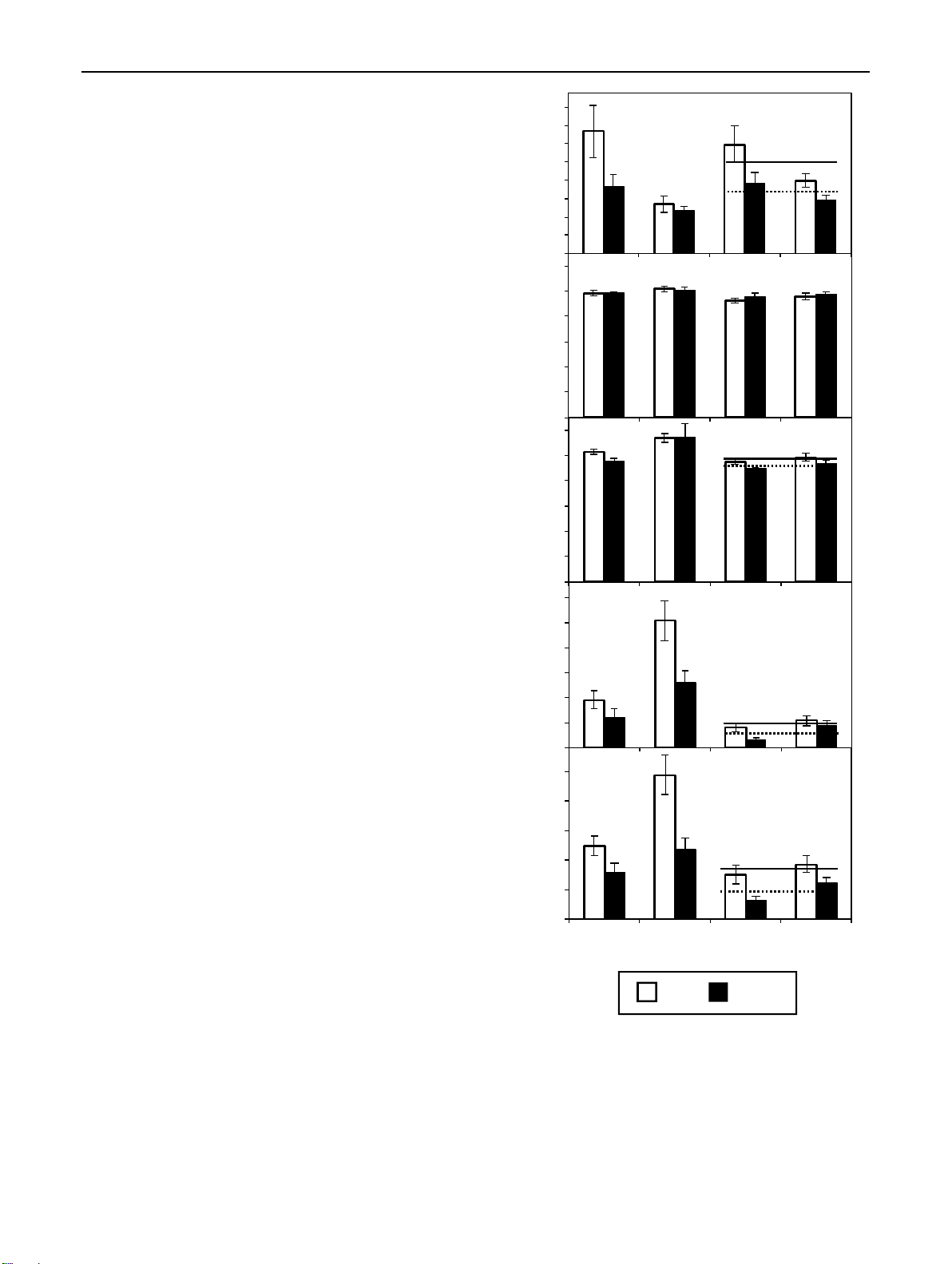
Fig. 2 Effect of cutting position on the mean concentrations calcu- ▸ 80
lated over the period from 0 to 8 days after planting a indole-3-acetic (a) IAA 70 a
acid (IAA), b trans-zeatin (tZ), c trans-zeatin riboside (tZR), d iso-
pentenyladenosine (IPR), and e the mean ratio of IPR to Z-type CKs 60 Tp**
in the bud region and stem base of rose cuttings of the cultivars ‘Rosa 50 mass) b
progress’ (RP) and ‘Natal Briar’ (NB). Columns and bars represent 40 b
the mean values and SE at cultivar level (n = 20, each consisting of 30 b
tissue from five cuttings). When the effect of cutting position was sig- fresh Bt -1 20
nificant at P ≤ 0.05 (*) or P ≤ 0.01 (**) and independent on cultivar, g 10
continuous and broken lines represent the mean levels of both culti- 0
vars for top (Tp) and bottom (Bt) cuttings, respectively. In cases of a
significant interaction between cutting position and cultivar, columns (pmol 600 RB (b )bud NB bud RP base NB base tZ
that do not share a common letter, represent significantly different 500
levels (Tukey test, P ≤ 0.05) 400 300
Auxin concentrations in cutting tissues concentration 200
IAA concentrations in the bud region were affected by culti- 100
var, cutting position, the time after planting and the two-way 0
interactions among these factors (Table 1). As a result, the 600 RB (c )bud NB bud RP base NB base tZR
average IAA levels in the bud region, calculated over the 500 Tp**
8-day-period, were higher in top than in bottom cuttings for 400 Bt
‘Rosa progress’ but not for ‘Natal briar’ (Fig. 2a). IAA in 300
the stem base was also affected by each single factor but the mass)
effect of cut ing position was not subject to interaction with 200
any other factor (Table 1). Consequently, mean IAA levels in fresh 100
the stem base over the 8-day-period were generally higher in -1 g 0
top than in bottom cuttings for both cultivars (Fig. 2a). The 180 RB (d )bud NB bud RP base NB base IPR
temporal analysis of IAA in the bud region revealed a slight pmol a 150
increase between day 1 and day 4 after planting (DAP) in n(
both cutting types (Fig. 3c). Whereas IAA concentrations in 120
the bud region of bottom cuttings remained on a same level 90 b
thereafter, IAA in top cuttings strongly increased until 8 bc 60 c
DAP to reach significantly higher levels compared to bottom concentratio Tp* 30
cuttings (Fig. 3c). Considering the temporal course of IAA Bt
levels at cultivar level, IAA in the stem base of both culti- 0 RB bud NaB bud RP base NB base
vars showed a transient decrease until 1 DAP and increased 0.025 (e) IPR / Z-type CKs
thereafter (Fig. 4c, d). The statistical analysis did not reveal CKs) 0.020
a significant interaction between cutting position and time pe b
on the IAA levels in the stem base (Table 1). However, 0.015 b
when considering the individual time points at cultivar level 0.010 b Tp**
(Fig. 4c, d), a consistent effect of cutting position was found
between 4 and 8 DAP. During this period, the IAA con- 0.005 Bt
centrations in the stem base increased only in top cuttings Ratio (IPR/ Z-ty 0.000
of both cultivars and at 8 DAP reached significantly higher RB bud NB bud RP base NB base
levels than the bottom cuttings, which corresponded to the
similar increase of IAA in the bud region (Fig. 4a–d). These
results suggested a common principle for both cultivars that Top Bottom
underlies the acropetal rise of IAA levels in the stem base
and indicated a linkage to the bud region.
In addition to local processes controlling auxin homeo-
and the finding, that the acropetal gradient in IAA levels at
stasis, auxin accumulation in the stem base of cuttings may
8 DAP was greater in the bud region compared to the stem
depend on auxin influx from upper cutting parts (Garrido
base region (Fig. 4a–d), may indicate an auxin source func-
et al. 2002; Yang et al. 2019). The correspondence of the tion of the bud region for the enhanced IAA accumulation
IAA dynamic between the bud region and the stem base in stem base of top cuttings. To find more statistical support 1 3 Planta (2021) 254:65 Page 7 of 17 65
for the linkage of IAA between the two cutting regions,
the correlation between IAA levels in the bud region as
independent variable and IAA levels in the stem base as
dependent variable was analyzed at the level of individual
replicates. When the data pool of 0, 1 and 2 DAP of both
cultivars was analyzed, IAA concentrations in the stem base
were not related to the IAA concentration in the bud region
(coefficient of determination R2 = 0.030, n.s., n = 47). This
also applied to the IAA data of 4 DAP (R2 = 0.017, n = 16,
Fig. 5a). However, the IAA concentration in the stem base at
8 DAP showed a strong positive relationship to the simulta-
neous IAA concentration in the bud region, which explained
almost 75% of its variability (Fig. 5a).
Cytokinin concentrations in cutting tissues
Using the LC–MS/MS protocol described, tZ, tZR, cis-
zeatin riboside (cZR), dihydrozeatin riboside (DHZR) and
IPR were detected in the rose cutting tissues. We could not
detect IP and dihydrozeatin. In the bud region, only IPR was
affected by cutting position, while this effect was further
dependent on cultivar (Table 1, Fig. 2d). In the stem base,
IPR and also tZR were affected by cutting position inde-
pendent on cultivar (Table 1, Fig. 2c, d). It becomes apparent
from the right panel in Fig. 2c that even though this position
effect on tZR was significant, top position cut ings had only
marginally higher tZR levels compared to bottom cuttings.
Most cytokinins such as IPR (Fig. 4e–h), cZR (Fig. 4i–l),
and DHZR (Fig. 6a–d) increased in both tissues after plant-
ing and peaked at 2 DAP, the time before the first bud break
was recorded (Table 2). The time course of IPR at culti-
var level highlights that top cuttings almost continuously
contained higher IPR levels than bottom cuttings in both
tissues, while the levels were more than twofold higher in
the bud region compared to the stem base (Fig. 4e–h). The
most consistent effect of cutting position on IPR was found
at 4 DAP. At this time point, IPR levels in the bud region
and in the stem base were higher in top cuttings than in bot-
tom cuttings, while this effect was independent on cultivar
(Fig. 4e–h). Most interestingly, the IPR levels in the bud
region at 4 DAP revealed significant positive relations to the
IAA level in same tissues determined at 8 DAP (Fig. 5b),
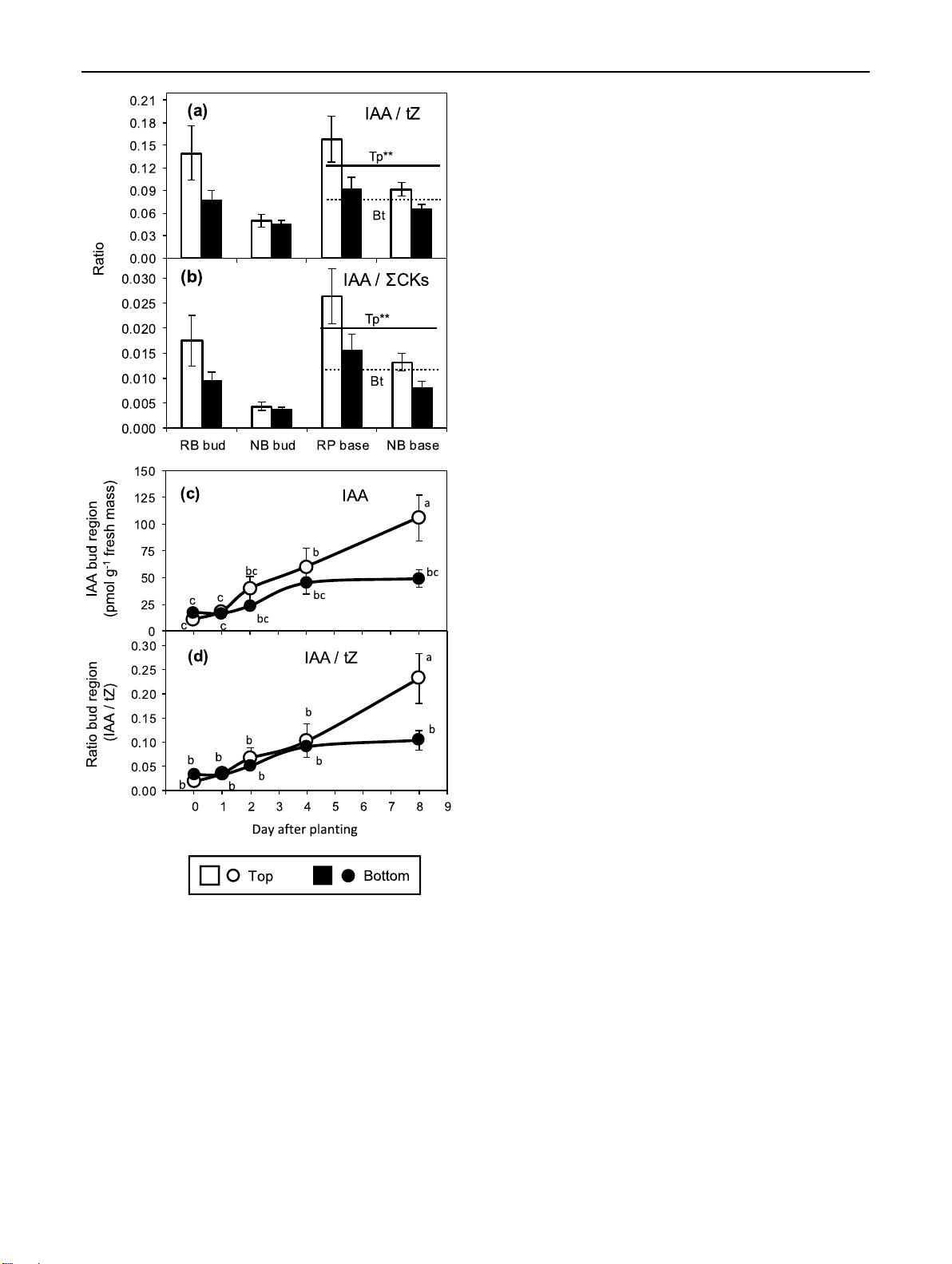
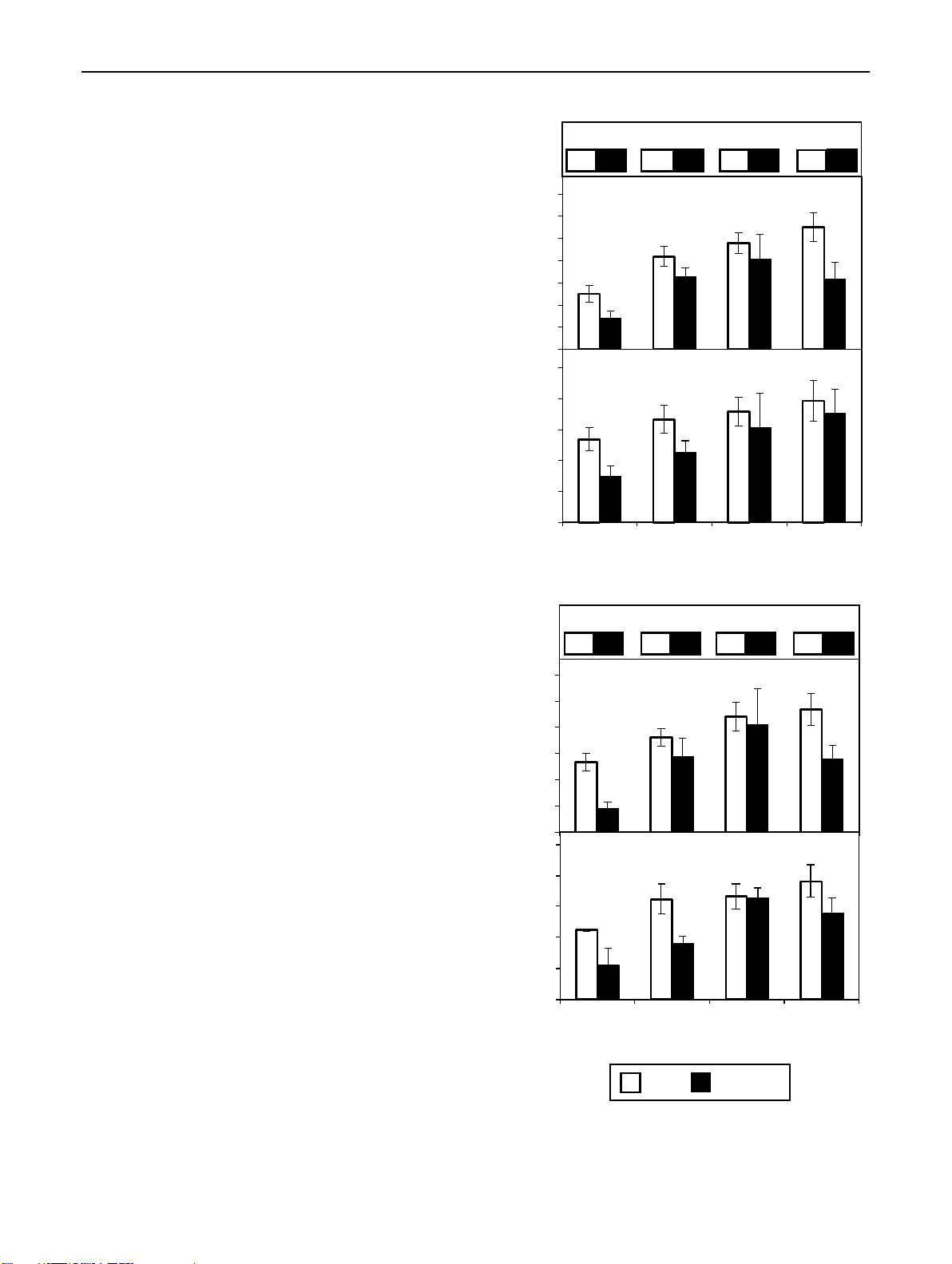
Fig. 3 Effect of cutting position on the mean ratios calculated over
suggesting a positive function of IPR in IAA accumulation.
the period from 0 until 8 days after planting between a indole-
3-acetic acid (IAA) and trans-zeatin (tZ), and b IAA and total cyto-
DHZR levels in the stem base were also affected by cut-
kinins (∑CKs) in the bud region and stem base of rose cuttings of
ting position (Table 1). However, this cytokinin was further
the cultivars ‘Rosa progress’ (RP) and ‘Natal Briar’ (NB). Columns
subject to all two-way interactions and three-way inter-
and bars represent the mean values and SE at cultivar level (n = 20,
action with cultivar and time after planting (Table 1), so
each consisting of tissue from five cuttings). Continuous and broken
lines represent the mean levels of both cultivars for Top (Tp) and Bot-
that no consistent effect of cutting position could be found
tom (Bt) cuttings, respectively. c Mean concentrations of IAA and d
(Fig. 6a–d). Concentrations of cZR were very high com-
mean ratios of IAA to tZ of both cultivars as affected by the interac-
pared to tZR (compare Fig. 2c with Fig. 4i–l) but were not
tion between cutting position and time after planting. **Main effect
affected by cutting position in any of the two tissues, which
of cutting position significant at P ≤ 0.01 and independent on cultivar.
Symbols that do not share a common letter, represent significantly
also applied to the sum of CKs (Table 1, Supplemental Fig.
different levels (Tukey test, P ≤ 0.05) S1). 1 3 65 Page 8 of 17 Planta (2021) 254:65
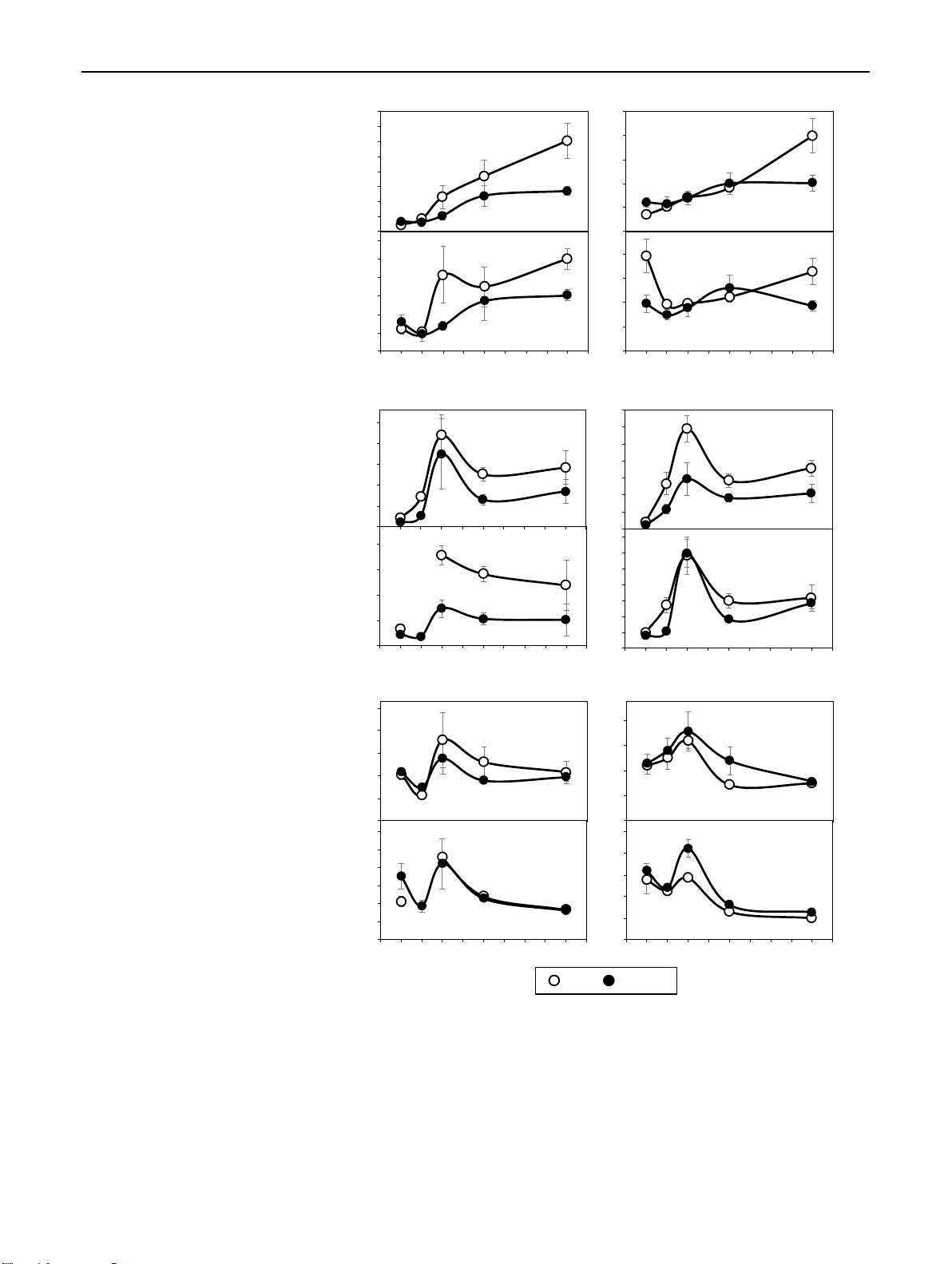
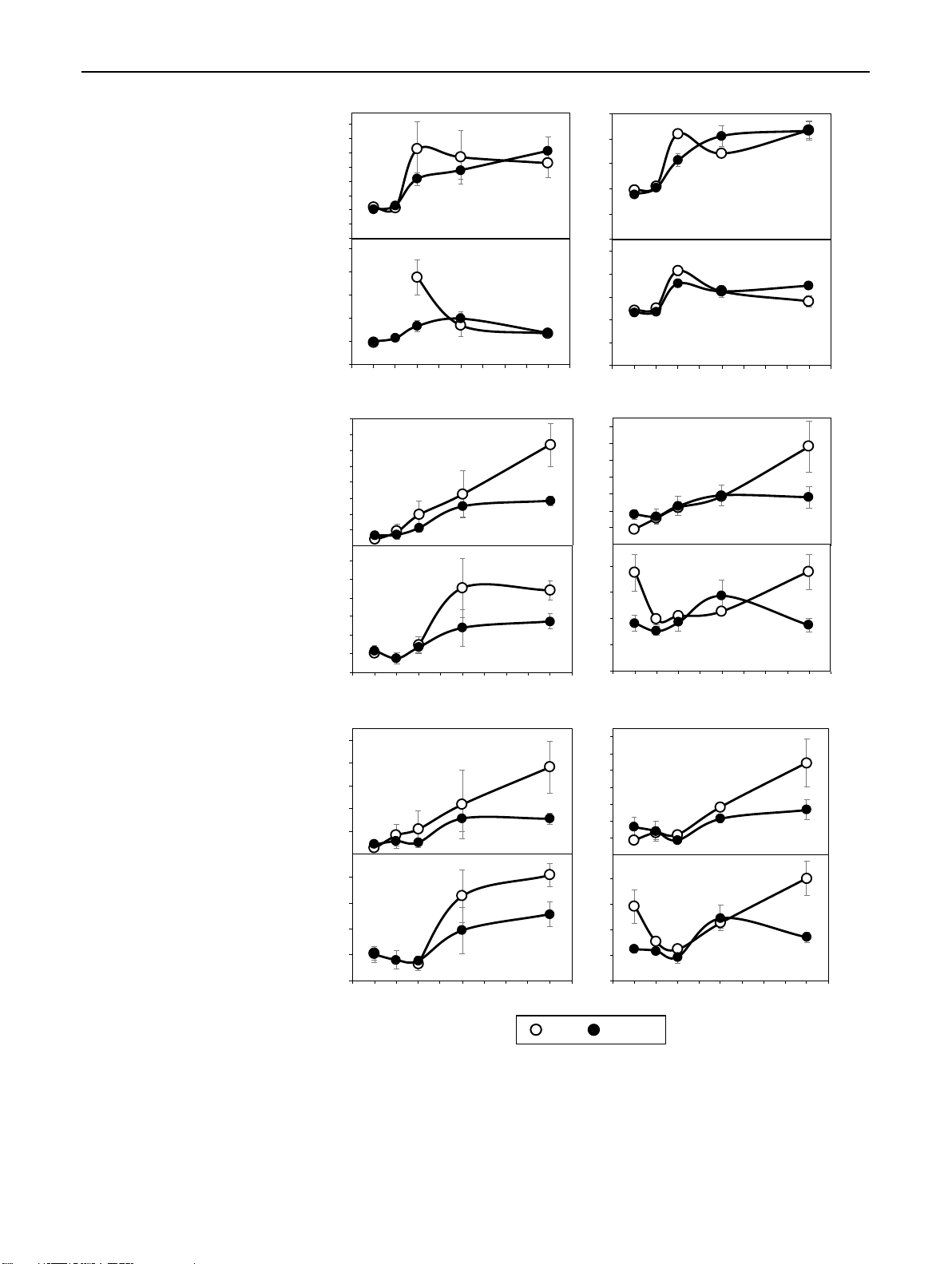
Fig. 4 Temporal distribution of RP, IAA NB, IAA
indole-3-acetic acid (IAA, a–d), 200 75 isopentenyladenosine (IPR, 175 (a) (b) 60
e–h) and cis-zeatin riboside 150 n
(cZR, i–l) in the bud region (a, 125 45 egio
b, e, f, i, j) and the stem base ass) 100 P** P** dr 30
(c, d, g, h, k, l) of rose cuttings 75 Bu hm
of the cultivars ‘Rosa progress’ 50 15 fres
(RP) and ‘Natal briar’ (NB) as 25 -1
affected by the cutting position 0 0 lg 120 -1 0 (c) 1 2 3 4 5 6 7 8 9 -1 0 1 (d) 2 3 4 5 6 7 8 9
(top, bottom). Mean values ± SE 100 60
(n = 4, each consisting of tissue 80 P** 45 base
from five cuttings). Curve fit IAA (pmo P** of CK levels in the stem base 60 30 Stem
of top RP cuttings interrupted 40 15
because no data exist for 1 DAP. 20
P*, P** significant effect of 0 0
cutting position independent on -1 0 1 2 3 4 5 6 7 8 9 -1 0 1 2 3 4 5 6 7 8 9 DAP
cultivar at the specific DAP at
P ≤ 0.05, 0.01, respectively RP, IPR NB, IPR 350 125 300 (f) (e) 100 250 n P* ass) 75 200 P* egio 150 hm 50 dr 100 Bu fres 25 50 -1 0 lg 0 -1 0 1 2 3 4 5 6 7 8 9 70 -1 0 1 2 3 4 5 6 7 8 9 40 (g) (h) 60 P** 30 50 IPR (pmo base 40 P** 20 30 Stem 10 20 10 0 0 -1 0 1 2 3 4 5 6 7 8 9 -1 0 1 2 3 4 5 6 7 8 9 DAP RP, cZR NB, cZR 5000 (i) (j) 8000 4000 n 6000 3000 ass) egio 4000 2000 dr hm Bu 2000 1000 fres -1 0 0 g 3000 -1 0
(k) 1 2 3 4 5 6 7 8 9 5000 -1 0 (l) 1 2 3 4 5 6 7 8 9 pmol 2500 4000 R( 2000 base 3000 cZ 1500 2000 1000 Stem 500 1000 0 0 -1 0 1 2 3 4 5 6 7 8 9 -1 0 1 2 3 4 5 6 7 8 9 DAP Top Bottom
Considering the already discussed relationship between cultivar, while in the bud region this effect was restricted
position and age of cuttings and findings in other plant spe-
to ‘Natal Briar’ (Fig. 2e). For the specific combinations of
cies that plant age can affect the ratio of IPR to zeatin-type
cultivar and cutting position, the temporal courses of the
CKs, we analyzed this parameter. Top cuttings contrasted IPR/zeatin-type CKs ratios (Supplemental Fig. S2) were
to the bottom cuttings by a strongly enhanced ratio of IPR
similar to the IPR levels (Fig. 4e–h). Exclusion of cZR from
to zeatin-type cytokinins in the stem base independent on 1 3 Planta (2021) 254:65 Page 9 of 17 65 175
the pool of zeatin-type CKs principally did not affect these (a) ) 4 DAP 150
results (Supplemental Fig. S3). 8 DAP: R² = 0.745** 125 mass Auxin:cytokinin balance base h 100 m te fres 75 -1
According to the current understanding, the auxin to cyto- As lg 50
kinin balance in the tissues of root regeneration influences IA
AR formation, because high-cytokinin levels act antagonis- 25 (pmo
tically to auxin during AR induction (Druege et al. 2019). 0
Considering the known physiological activity of tZ but 0 50 100 150 200 250
accounting also for potential activities of the other CKs, we
IAA bud region (pmol g-1 fresh mass)
calculated the ratios of IAA to both, tZ and to the sum of 250
CKs (total CKs). The IAA/tZ ratios in the bud region and P (b)
the stem base were affected by cutting position, while in 200 RP, R² = 0.655* ass)
the bud region this effect was further subject to time after NB, R² = 0.936** hm
planting (Table 1). It becomes apparent from Fig. 3d and 150
Fig. 6e–f, that the IAA/tZ ratio in the bud region increased region, 8 DA fres-1 100
independently on cultivar until 4 DAP in cuttings of both lg
positions but thereafter increased only in top cuttings, at bud 50
8 DAP reaching significantly higher values than the bot- IAA (pmo
tom cuttings. In the stem base, the IAA/tZ ratio was higher 0 0 50 100 150 200 250
in top cuttings and not subject to interaction with time or
cultivar (Fig. 3a). However, similar to the IAA levels, the
IPR bud region, 4 DAP (pmol g-1 fresh mass)
most consistent effect of cutting position on the IAA/tZ 0.60
ratio at cultivar level was found at 8 DAP (Fig. 6g, h). The (c) Bud region, R² = 0.997**
IAA/total CKs ratio in the bud region did not show a clear 0.50 ) Stem base, R² = 0.982**
response to cutting position but in the stem base was signifi- 0.40
cantly enhanced in top versus bottom cuttings (right panel in
Fig. 3b), while this effect was independent on other factors 0.30
(Table 1). The temporal courses of IAA/total CKs ratio in 0.20
the different tissues and cultivars (Fig. 6i–l) were similar to Ratio (IAA / tZ 0.10
those of the IAA/tZ ratio (Fig. 6e–h). Furthermore, temporal
and factorial patterns of both ratios resembled to those of 0.00
the IAA level (Fig. 4a–d). Correlation analysis between the 0.10
IAA concentration in the two cutting parts as independent (d) Bud region, R² = 0.896** 0.08
factor and the ratios of IAA to tZ and total cytokinins in ) Stem base, R² = 0.896**
the same tissues as dependent factors revealed strong posi- 0.06
tive linear relationships (Fig. 5c, d), while the IAA level
explained more than 98% of the variability of the IAA/tZ 0.04
ratio and almost 90% of the variability of the IAA/total CKs 0.02
ratio. These findings highlighted IAA as the dominating Ratio (IAA / ∑ CKs
compound, which affected the auxin–cytokinin balance in 0.00
the bud and stem base region under the influence of cultivar 0 50 100 150 200 250 and cutting position.
IAA concentration (pmol g-1 fresh mass)
Rooting response to exogenous auxin
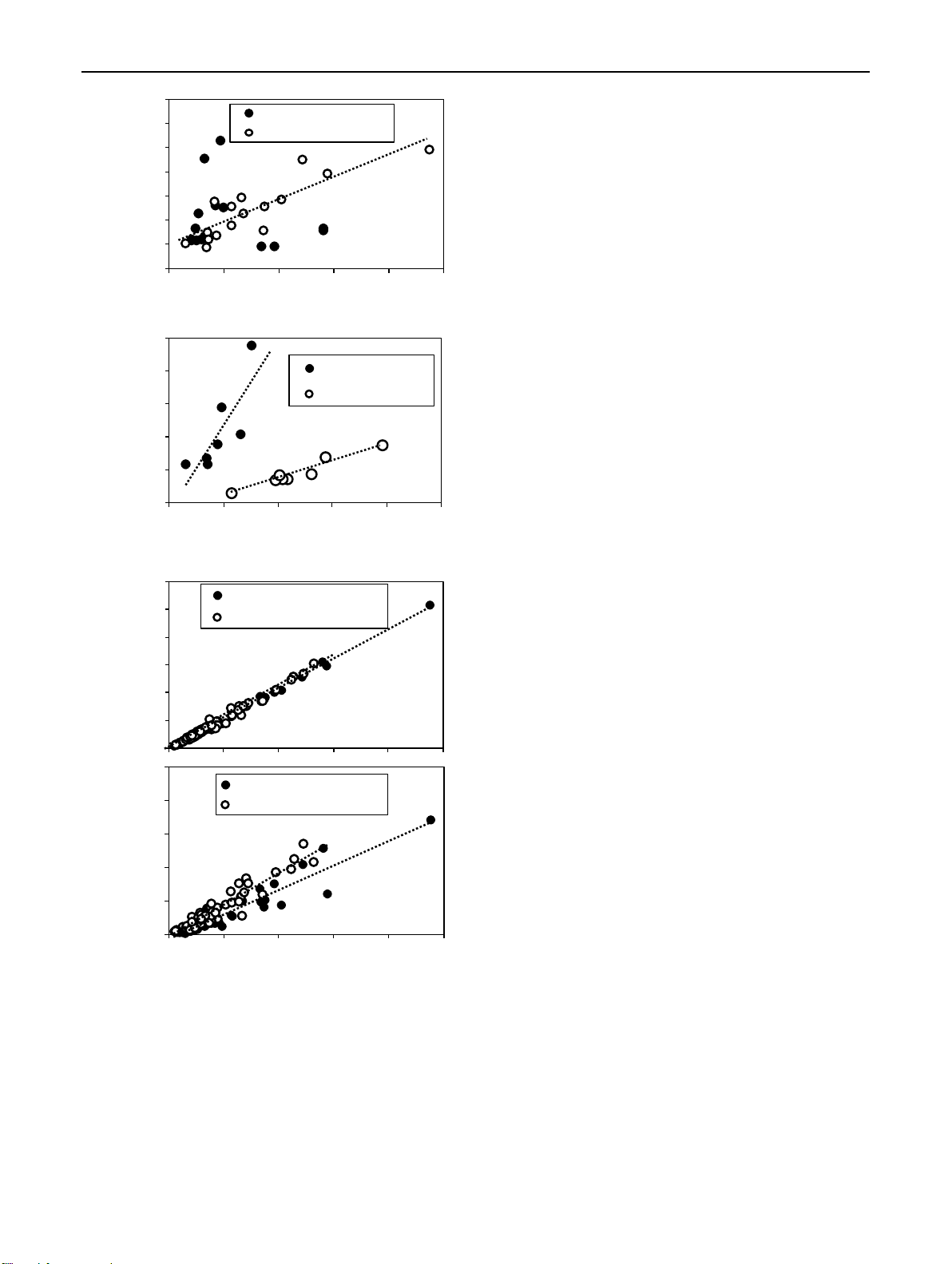
Fig. 5 Scatterplots of a IAA concentration in the bud region (x) and IAA con-
centration in the stem base (y), b IPR concentration in the bud region at 4 DAP
Since the analysis of IAA and CKs uncovered auxin as the
(x) and IAA concentration in the same tissue at 8 DAP (y), c, d IAA concen-
main hormone class responding to the nodal position of rose
trations in the bud region or stem base at 4 DAP and 8 DAP (x) and the ratios
of c IAA to tZ or d IAA to the sum of cytokinins (∑CKs) in the same tissue
cuttings further determining the auxin/cytokinin balance, we
(y). Pooled data of both cultivars and both cutting positions in a, c, d and data
investigated the response of AR formation in the cuttings
per cultivar in b. n = 16 for each DAP (a), n = 7 for ‘Rosa progress’ (RP) and
n = 8 for ‘Natal briar’ (NB) (b), n = 73 for the bud region, n = 64 for the stem
to the nodal position and to external auxin supply (Fig. 7).
base (c, d). Each n consisting of tissue from five cuttings. *, **Significant R2 at
Without auxin application, bottom cuttings of both cultivars
P ≤ 0.01, 0.05, respectively. Dotted lines illustrate the linear trends 1 3 65 Page 10 of 17 Planta (2021) 254:65
Fig. 6 Temporal distribution of RP, DHZR NB, DHZR dihydrozeatin riboside (DHZR, 1250
a–d), the ratio of indole-3 acetic 2000 (a) (b)
acid (IAA) to trans-zeatin (tZ) 1750 1000 n
(e–h) and the ratio of IAA to 1500 750 1250
total cytokinins (∑CKs) (i–l) egio ass) 1000 dr
in the bud region (a, b, e, f, i, 500 750 hm Bu
j) and the stem base (c, d, g, h, 500 250
k, l) of rose cuttings of the cul- fres 250 -1
tivars ‘Rosa progress’ (RP) and 0 0 lg
‘Natal briar’ (NB) as affected by 2500 -1 0 1 2 3 4 5 6 7 8 9 1000 -1 0 1 2 3 4 5 6 7 8 9 (c) (d)
cutting position (top, bottom). 2000 e 800
Mean values ± SE (n = 4, each bas 1500
consisting of tissue from five 600 DHZR (pmo
cuttings). Curve fit of ratios in 1000 400 Stem
the stem base of RP top cuttings 500 200 interrupted because no data
exist for 1 DAP. P*, signifi- 0 0
cant effect of cutting position -1 0 1 2 3 4 5 6 7 8 9 -1 0 1 2 3 4 5 6 7 8 9 DAP
independent on cultivar at the RP, IAA / tZ NB, IAA / tZ
specific DAP at P ≤ 0.05 0.40 0.140 (e) 0.35 (f) 0.120 0.30 0.100 n 0.25 0.080 0.20 P* P* regio 0.060 0.15 d ) 0.040 0.10 Bu 0.05 0.020 0.00 0.000 (IAA / tZ 0.30 -1 0 (g) 1 2 3 4 5 6 7 8 9 -1 0 1 (h) 2 3 4 5 6 7 8 9 P* 0.12 Ratio 0.25 e 0.09 0.20 bas P* 0.15 0.06 Stem 0.10 0.03 0.05 0.00 0.00 -1 0 1 2 3 4 5 6 7 8 9 -1 0 1 2 3 4 5 6 7 8 9 DAP RP, IAA / ∑CKs NB, IAA / ∑CKs 0.05 (i) 0.014 (j) 0.012 0.04 0.010 n 0.03 0.008 regio 0.02 0.006 d 0.004 Bu 0.01 0.002 0.00 0.000 -1 0 (k) 1 2 3 4 5 6 7 8 9 (IAA / ∑ CKs) -1 0 (l) 1 2 3 4 5 6 7 8 9 0.04 0.020 e P* Ratio 0.03 0.015 bas P* 0.02 0.010 Stem 0.01 0.005 0.00 0.000 -1 0 1 2 3 4 5 6 7 8 9 -1 0 1 2 3 4 5 6 7 8 9 DAP Top Bottom
produced significantly lower numbers (Fig. 7a) and lengths
concentrations up to 0.4% enhanced the number and length
of ARs (Fig. 7b) than top cuttings. When the auxin indole-
of ARs in top and bottom cuttings of both cultivars. How-
butyric acid (IBA) was supplied to the cuttings, increasing
ever, this treatment enhanced AR formation more in bottom 1 3 Planta (2021) 254:65 Page 11 of 17 65 Table 2 Most advanced Time Bud region Stem base developmental stages recorded
in the bud region and the stem DAP RP RP NB NB RP RP NB NB base of rose cuttings at the time of sampling for hormone Top Bottom Top Bottom Top Bottom Top Bottom analysis (n = 4) 0 u u u u u u u u 1 u u u u u u u u 2 u u u u u u u u 4 B B B u u u u u 8 E E E B C u S S
DAP, days after planting; RP, ‘Rosa progress’; NB, ‘Natal Briar’; u, unchanged; B, bud break (increased
size of buds); S, swelling (increased diameter); C, callusing (mass of undifferentiated cells at the wound
site); E, shoot emergence (shoot ca. 0.2 cm in length)
than in top cuttings, so that independent on cultivar at 0.4%
Higher nodal position of cuttings stimulates auxin
IBA cuttings from both positions produced the same number
accumulation in the stem base, while outgrowing
(Fig. 7a) and length (Fig. 7b) of ARs. Higher supply of IBA
buds seem to function as auxin source
did not further increase rooting but rather decreased ARs
formation in bottom cuttings, which at 0.6% IBA revealed a
IAA concentrations increased in the bud region after exci-
decreased root length when compared with top cuttings. As
sion and planting of cuttings, while independently on culti-
whole, these results document a deficit in rooting capacity
var top cuttings accumulated significantly higher IAA levels
of bottom cuttings of both cultivars, when they rely on their
until 8 DAP than bottom cuttings (Figs. 3c and 4a, b). Cut-
endogenous auxin. However, this deficit can be counterbal-
tings sampled at 4 DAP and 8 DAP already showed bursted
anced by optimum auxin supply, while the bottom cuttings
and elongated buds, respectively, while top cuttings showed
obviously also reveal a higher sensitivity to excessive auxin
advanced outgrowth of buds (Table 2). In another study, than top cuttings.
excised rose buds accumulated IAA during in vitro culti-
vation for 100 h in dependence on sucrose that stimulated
the outgrowth of buds (Barbier et al. 2015). The increase Discussion
in IAA levels corresponded to enhanced expression of the
RhTAR1 and RhYUC1 genes, that control IAA biosynthesis
We investigated the relationship between auxin, cytokinins
via the tryptophan-dependent YUCCA pathway (Barbier
and adventitious root formation of leafy single-node stem
et al. 2015). In Arabidopsis leaf explants, expression of
cuttings of rose under the influence of different nodal posi-
two YUCCA genes was up-regulated after excision of the
tions within the shoots of the stock plant. To detect interfer-
leaves, whereas genetic and pharmacological inhibition of
ences with plant genotype, two cultivars were compared. the YUCCA pathway inhibited AR formation in the explants
One important characteristic of nodal stem cuttings is that
(Chen et al. 2016). Considering these findings, the temporal
excision from the stock plant involves wounding not only increase and higher IAA accumulation in the bud region of
in the stem base region but also at the apical end of the top cuttings probably result from stimulation of local IAA
cutting and, most important, causes the release from apical
biosynthesis in the buds. However, also other processes that
dominance. The cutting and particularly the axillary bud are
control auxin homeostasis in cutting tissues such as reduced
isolated from the apical part of the shoot, which constitutes
conjugation or catalysis of IAA or enhanced release of IAA
an important source of auxin in the intact plant, so that the
from conjugates may be involved (Druege et al. 2014).
outgrowth of buds is initiated. To date, the regulative com-
The transient decrease of IAA levels in the stem base
munication between bud outgrowth and AR formation is between 0 and 1 DAP was not statistically significant but
not understood (Bredmose et al. 2005). To account for this
appeared as consistent for the four combinations of cultivar
complexity, we investigated the auxin and CK concentra-
and cutting position (Fig. 4c, d). This may be the conse-
tions in the stem base and in the bud region, which included
quence of dis-coupling from the apical auxin source of the
the node and the bud in the leaf axis (Fig. 1).
shoot and a lag time, before auxin biosynthesis was up-regu-
lated in the buds, but also influenced by local metabolic pro-
cesses such as auxin conjugation. In the stem base of petunia
shoot tip cuttings, genes of the GH3 gene family, that encode
acyl acid amido synthetases some of which may conjugate
IAA to amino acids, were strongly upregulated within few 1 3 65 Page 12 of 17 Planta (2021) 254:65
Fig. 7 Number (a) and total length (b) of adventitious roots formed ▸ (a) Root number
by cuttings of ‘Rosa progress’ (RP) and ‘Natal briar’ (NB) in depend-
ence of cutting position (top, bottom) and concentration of applied P* P*,C* ns ns
indole-3-butyric acid (IBA). Columns and bars represent mean val-
ues and SE per cultivar (n = 3, each with 20 cuttings). Numbers in the 13.0 7.2 18.8 13.8 20.9 17.9 23.6 16.7
upper parts represent the mean root number (a) and mean root length
in cm (b) of the two cultivars formed by the top cuttings (black let- 35 RP
ters) versus the bottom cuttings (white letters, black shade). P and C 30
indicate significant effects of position and cultivar, respectively, at 25
the specified level of IBA supply. *, **Significant at P ≤ 0.05, 0.01,
respectively; ns, neither cultivar nor position was significant 20 15 10
hours after cutting excision (Druege et al. 2014). After the er cutting
transient decrease, IAA concentrations increased in the stem sp 5
base to significantly higher levels in the top cuttings (Fig. 4c, 0 root 25 0 0.2 0.4 0.6
d). The corresponding dynamic of IAA in the bud region of NB
and in the stem base and the highly significant positive cor- 20
relations of IAA levels between both cutting parts at 8 DAP
(Fig. 5a) support the view that the temporal increase in IAA Number 15
in the stem base and the enhanced levels in top cuttings at 8 10
DAP are the consequence of enhanced IAA influx from the
bud region. The important functions of polar auxin transport 5
in cutting stems, of PIN1 as important auxin efflux trans- 0
porter and of the upper cutting parts as auxin source for local 0 0.2 0.4 0.6
auxin accumulation in the stem base is supported by findings
on shoot tip cuttings of carnation (Garrido et al. 2002) and
petunia (Ahkami et al. 2013; Yang et al. 2019). Further- (b) Root length
more, in vitro cultivated excised rose buds were shown to P** ns ns P*
express RhPIN1 and RhPP2A that putatively control auxin 123 50 171 117 193 184 213 139
efflux and basal localization of PINs in cells, in a sucrose-
dependent manner (Barbier et al. 2015). In the same study, 300 RP
the contribution of axillary buds to the auxin homeostasis 250
of stems was supported by experiments with a DR5::GUS
expressing pea line. GUS staining in leafless bud-bearing 200
stem sections revealed an intense auxin cannel between the 150
bud and the stem, starting at 48 h after excision of the stem (cm) g 100
section, when sucrose was supplied (Barbier et al. 2015). It
can be expected that after planting of cuttings and cultiva- 50
tion under light in the present study, the fully developed leaf 0 per cuttin
adjacent to the bud (Fig. 1) provided the sucrose to stimulate 250 0 0.2 0.4 0.6 NB
auxin biosynthesis and export from the bud. Interestingly in 200
this context, studies of nutritional factors in rose cuttings of
the same cultivars as in the present study revealed, that top 150
cuttings contained higher sucrose levels than bot om cuttings Root length 100 (Otiende et al. 2017).
The higher IAA levels in the stem base of top cuttings 50
of the cultivar ‘Natal Briar’ at 0 DAP and of the cultivar 0
‘Rosa progress’ at 2 DAP (Fig. 4c, d), that contributed to 0 0.2 0.4 0.6
the significant higher IAA levels in top cuttings over the IBA concentration (%)
first week (Fig. 2a) do not appear as related to an enhanced
auxin source in the buds (Fig. 4a, b). Other processes, which Top Bottom
may have been manifested at stock plant level already, may
be involved. This may include enhanced polar auxin trans-
port to the stem base, decreased catalysis of IAA, e.g., via 1 3 Planta (2021) 254:65 Page 13 of 17 65
lower peroxidase activity, higher local IAA biosynthesis or
and RhPIN1 genes that control auxin biosynthesis and trans-
less conjugation of IAA to sugars and amino acids (Osterc
port in rose (Roman et al. 2016). In the light of these find-
and Stampar 2011; Osterc et al. 2016; Woodward and Bartel
ings, the data of the present study strongly support the con-
2005). Zinc is a well-known factor that is important for the
clusion that after excision of the cuttings, light-dependent
biosynthesis of tryptophan, a precursor of IAA (Cakmak stimulation of CK biosynthesis in the node in response to
et al. 1989). Most interestingly, under same experimental the release from apical dominance stimulated biosynthesis
conditions as of the present study, top cuttings of ‘Rosa pro-
of auxin in the outgrowing buds, that was then basipetally
gress’ and ‘Natal briar’ revealed significantly higher zinc
transported to stem base. Considering the substantial, up to
concentrations in the stem base than bottom cuttings at time
tenfold relative increase of IPR particularly in the bud region
of planting, while highest levels were found in ‘Natal briar’
until day 2 (Fig. 4e, f) and the basipetal phloem transport of (Otiende et al. 2017).
this CK (Kudo et al. 2010; Skalicky et al. 2018), bud-derived
IPR may have particularly supported the observed increase
Release from apical dominance with cutting
of CKs in the stem base (Fig. 4g, h).
excision causes an early cytokinin accumulation
that triggers auxin biosynthesis in the bud
Higher IPR levels in top position cuttings may push auxin biosynthesis
In our study, we focused on the CKs of the IP- and zeatin-
type in the tissues of R. hybrida ‘Natal Briar’ and ‘Rosa Pro-
The higher concentrations of IPR and the increased ratios
gress’ and detected tZ, tZR, cZR, DHZR and IPR. Roman of IPR to Z-type CKs found in the chronologically younger
et al. (2016) additionally detected IP in buds and nodes of
tissue of the top cuttings (Figs. 2d, e and 4e–h) correspond
R. hybrida ‘Radrazz’, but maximum concentrations reached
to effects of plant age and development on CKs reported for
only 3% of the maximum level of IPR. Probably, our method
rose and other woody plant species. In leaves of the main
was not sensitive enough for the detection of the low IP shoot and in axillary shoots of R. hybrida’ Madelon’ grafted
levels. We observed a rise in levels of most CKs during the
‘on ‘Maltic’, levels of IPR and the ratios of IP-type to Z-type
first two days after planting of the cuttings, which was most
CKs decreased chronologically, when plants developed from
pronounced in the bud region. This stays in contrast to the
the stage of primary shoot bearing two short axillary shoots
mostly observed decrease of CK levels in shoot tip cuttings
to the stage of flowering of the elongated axillary shoots
(Druege et al. 2019) and can be explained by stimulation (Dieleman et al. 1997). In Pinus radiata, P. pinea and Pru-
of CK biosynthesis in the cutting tissues after release from
nus persica, levels of IP and/or IPR and IPR/Z-type CKs
apical dominance. It has been shown in Pisum sativum and
ratios were higher in needles, terminal buds or axillary buds
Arabidopsis that with decapitation of plants the IAA repres-
of young, juvenile plants when compared with older, more
sion of the expression of the isopentenyl transferase (IPT)
mature trees (Moncalean et al. 2002; Valdes et al. 2002,
genes that control cytokinin biosynthesis in the node ter-
2004a). In P. radiata trees of same age, levels of IP and IPR
minates and this allows for the increased cytokinin levels decreased with increasing chronological age of the needles
in the same organ (Tanaka et al. 2006; Müller et al. 2015).
(Valdes et al. 2004b). The specific functions of IP-type CKs
In the present study, CKs accumulated in the bud region in relation to plant age and maturation are not understood.
of rose until 2 DAP (Figs. 4e, f, i, j and 6a, b), which was
Interestingly, in the present study, top position cuttings of
2 days before the first indication of starting outgrowth of both cultivars accumulated significantly more IPR until 4
buds (Table 2). Similarly, Bredmose et al. (2005) found an
DAP in the cutting tissues when compared with bottom cut-
increase in CK levels in the bud region of single-node cut-
tings (Fig. 4e–h). Further, the higher IAA levels that were
tings of Rosa L. “Poulra002N” Heidi until the onset of bud
attained in the bud region of top cuttings at 8 DAP were
outgrowth. Roman et al. (2016) investigated the regulation of
positively correlated to previous IPR levels in same tissues
genes controlling CK and auxin homeostasis in response to
(Fig. 5b). Even though the regression lines were cultivar-
decapitation of plants of R. hybrida ‘Radrazz’. They showed
specific, considering the reported light-dependent early
that genes controlling CK biosynthesis such as RhIPT3 and
accumulation of IPR in the node of R. hybrida ‘Radrazz’,
RhIPT5 and of genes that control CK activation (converting
obviously triggering the decapitation-induced stimulation of
of nucleotide forms into active forms) and a putative CK auxin biosynthesis and transport in the buds (Roman et al.
transporter are up-regulated in the node soon after decapi-
2016), the present results strongly suggest that the higher
tation causing CK accumulation in the bud in dependence
IPR levels in the top cuttings contributed to the enhanced
on white light. Inhibitors of CK biosynthesis or perception
auxin levels and the advanced outgrowth of buds in the
inhibited bud outgrowth, whereas CK application includ- cuttings.
ing IP could substitute light in stimulation of decapitation-
induced bud outgrowth and in upregulation of the PhYUC1 1 3 65 Page 14 of 17 Planta (2021) 254:65
Enhanced auxin levels and higher auxin/CK ratio Conclusion
in top position cuttings promote induction of ARs
This study has provided evidence that higher position of
Recently, it was shown that the diversity of number of ARs
nodal rose cuttings within the donor shoot involves higher
formed ex vitro by leafy nodal cuttings of 96 rose geno-
CK levels of the IP-type and higher IAA levels in the bud
types without auxin application was associated with SNPs
region and the stem base, while the higher IAA level further
located in genes that putatively control auxin signaling such
determines a higher IAA/CK ratio in the stem base during
as auxin response factors, Scarecrow and Wuschel-related
the first week after cutting excision. The findings, that the
homebox 8-like genes, whereas numbers of ARs formed acropetal increase of IAA levels in the bud region and in
in vitro under external auxin supply showed only weak the stem base and the resulting higher IAA to CK ratio was
relations to such genes (Nguyen et al. 2020). This finding
consistent between the two cultivars and that independent
already documents the important role of auxin homeostasis
on cultivar the deficit in AR formation of bottom versus top
in rose cuttings in limiting AR formation upstream of the
position cuttings was counterbalanced by external auxin sup-
auxin signal transduction chain. In the present study, higher
ply, highlights the functional role of auxin in the acropetal
IAA levels were found in the stem base of top versus bot-
stimulation of AR formation and support the conclusion that
tom cuttings between 0 and 8 DAP (Figs. 2a and 4c, d) and
the found relationships are highly relevant to the frequently
these further determined a higher auxin/CK ratio in same
observed better rooting of apical cuttings of R. hybrida. The
tissues (Fig. 5c, d). To provide evidence for a functional dynamic of auxin and CK levels in the two cutting parts and
role of auxin in the acropetal increase in rooting capacity
of the outgrowth of buds support the view that a CK-stimu-
of rose, we tested whether the impaired rooting of bottom
lated auxin biosynthesis in the buds contributes to the auxin
cuttings can be rescued by auxin application. We used the homeostasis in the stem base, which is obviously pushed
natural auxin indole-butyric acid (IBA) because of its known
in top cuttings by the higher levels of phloem-mobile IPR.
stable positive effects on AR formation in cuttings compared
In light of the presented findings, of our preliminary
to other available auxins (Lakehal and Bellini 2019) and findings concerning nutritional factors in same cuttings
because in Arabidopsis the function of IBA has mainly been
(Otiende et al. 2017) and of reported effects of decapita-
attributed to its conversion to IAA (Müller 2020). Our find-
tion on axillary bud growth (Barbier et al. 2015; Roman
ing, that basal IBA application at a concentration of 0.4% et al. 2016) a working model of auxin–CK interactions in
counterbalanced the deficit in rooting of bottom cuttings excision-induced and nodal position-mediated AR formation
(Fig. 7), strongly support the conclusion that the higher IAA
in rose is presented in Fig. 8. Excision of cuttings involves
level in top cuttings is the crucial factor contributing to the
the release from apical dominance, causing a decrease of improved rooting.
IAA in the node. This enhances biosynthesis of CKs, which
Information about the timing of the successive phases of
are transported into the bud, where they stimulate their out-
AR formation in rose cuttings is fragmentary. In our study,
growth, auxin biosynthesis and polar auxin transport (PAT).
no ARs were visible until 8 DAP, the last date of hormone
Light powers the supply with sucrose as trigger of auxin bio-
analysis, when first callusing was detected only in top cut-
synthesis and transport. The IAA is transported via PAT to
tings of ‘Rosa progress’ (Table 2). In single-node cuttings of
the stem base, where the enhanced IAA level determines an
Rosa helenae ‘Semiplena’, external callus was visible at ca.
enhanced auxin/CK ratio initiating the AR induction. Accu-
7 days after excision and first roots were visible between 21
mulation of IAA may be supported by wound-induced local
and 28 days, while anatomical studies at day 25 discovered
biosynthesis or release from conjugates and by the cut-off
root primordia inside the stem, that obviously originated from the basipetal auxin drain. When cuttings are excised
from the cambium and phloem region (Monder et al. 2019).
from more apical positions, they contain higher levels of
In light of these findings and considering the temporal dis-
IPR and reach higher IAA levels and IAA/CK ratios particu-
tribution of IAA in the present study, it can be expected larly in the stem base during the first week after planting.
that AR induction occurred during the period until 8 DAP,
This is initiated by the stimulation of CK-mediated auxin
when the top cuttings revealed an auxin–CK homeostasis biosynthesis in the buds, while the higher levels of phloem-
being more supportive for AR induction than the bottom cut-
mobile IPR has a particular function. Auxin biosynthesis
tings. Whether the higher IPR levels in the stem base of top
in the cutting is further stimulated by the higher content of
cuttings (Fig. 4g, h) may have additionally supported early
Zn as important factor of tryptophan biosynthesis and by
CK-dependent dedifferentiation of AR source cel s (Druege
the higher sucrose levels. The resulting higher IAA levels
et al. 2019), requires further investigations.
and higher IAA/CK ratio in the stem base of apical cuttings
stimulate AR induction. In addition to these processes, the
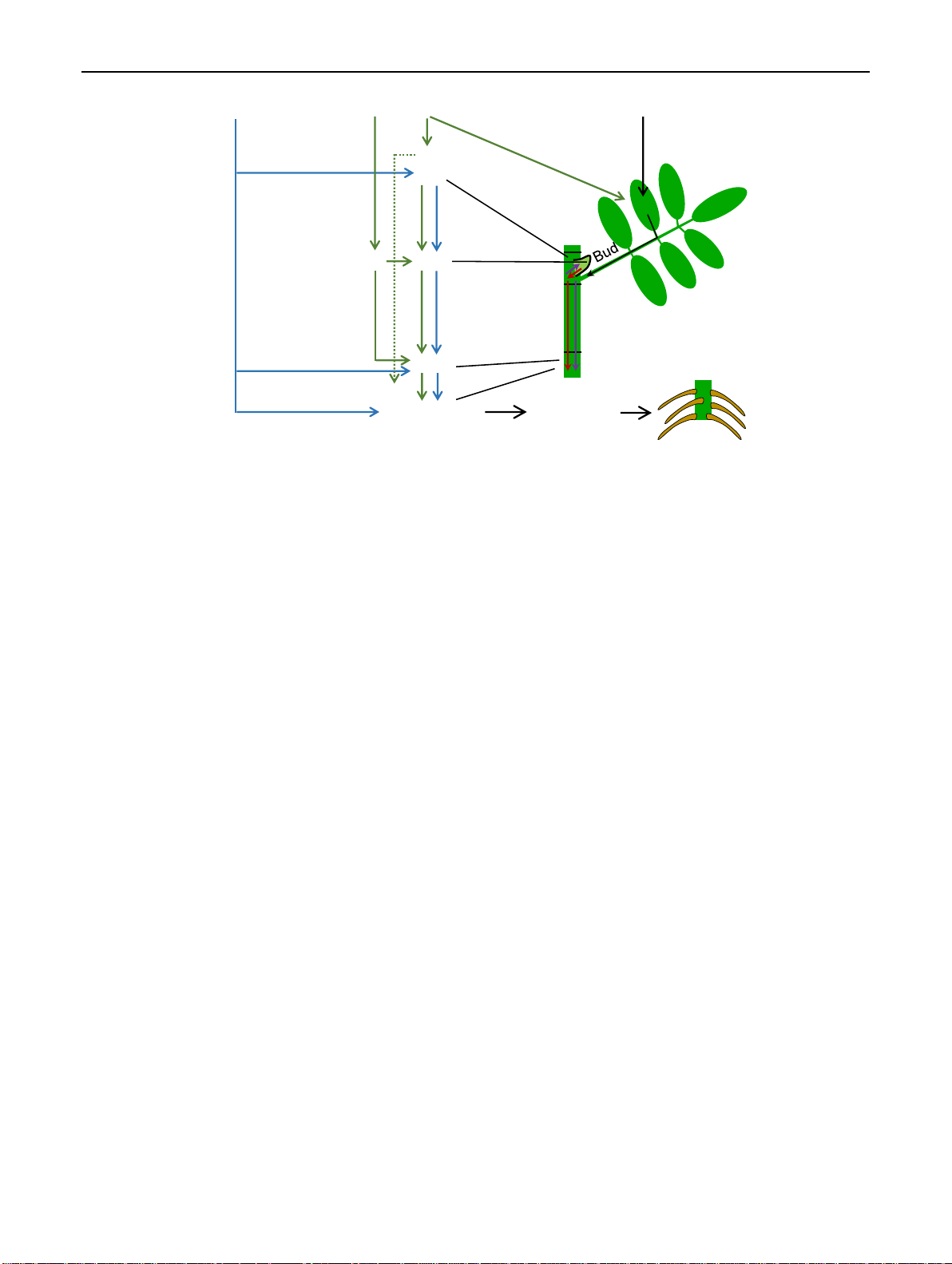
higher levels of IPR in the apical cuttings may favor early 1 3 Planta (2021) 254:65 Page 15 of 17 65 Excision Apical posion Light Release from auxin repression IPR CKs Leaf IPT and others TAR Suc YUC PIN Zn Auxin Bud outgrowth Node PAT CT Auxin Stem base IPR Auxin-CK ratio AR induction
Fig. 8 Working model of auxin–cytokinin interactions during AR
IAA level and enhanced auxin/CK ratio initiates the AR induction.
formation in leafy nodal cuttings of rose as affected by excision of
Cuttings from more apical position accumulate higher levels of IPR
cuttings and nodal position within the donor shoot, based on the pre-
and reach higher IAA levels and IAA/CK ratios particularly in the
sented results and earlier studies of AR formation and axillary bud
stem base during the first week after planting. This is initiated by the
growth in rose (Barbier et al. 2015; Roman et al. 2016; Otiende et al.
stimulation of CK-mediated auxin biosynthesis in the buds, while
2017). Excision of cuttings causes wounding and isolation from
phloem-mobile IPR has a particular function. Auxin biosynthesis is
the apical and basal shoot. The release from the apical dominance
further stimulated by the higher content of zinc (Zn) as important fac-
enhances CK biosynthesis in the node, involving the release of ISO-
tor of tryptophan biosynthesis and by the higher sucrose levels that
PENTENYLTRANSFERASE (IPT) genes from auxin repression. CKs
stimulate expressions of TAR , YUC and PIN1 in the bud. The result-
are transported into the bud, where they stimulate their outgrowth
ing higher IAA levels and higher IAA/CK ratio in the stem base of
and auxin biosynthesis and polar auxin transport (PAT) via upregu-
apical cuttings stimulate AR induction. Blue and green arrows indi-
lation of TRYPTOPHAN AMINOTRANSFERASE RELATED (TAR ),
cate promotive influences of cutting excision and apical position
YUCCA (YUC ) and PIN-FORMED (PIN)1. Light powers the supply
of cuttings, respectively. Red and violet arrows represent the major
with sucrose as trigger of auxin biosynthesis and transport in the bud.
directions of auxin flow by PAT and of CK transport (CT) via IPR in
The IAA is transported via PAT to the stem base, where the enhanced the phloem, respectively
dedifferentiation. Further details and putatively involved Acknowledgements This work was supported by the German Aca-
genes controlling auxin and cytokinin homeostasis and demic Exchange Service (DAAD), the National Commission for Sci-
transport are explained in the figure.
ence, Technology and Innovation (NACOSTI), the Ministry of Con-
sumer Protection, Food and Agriculture of the Federal Republic of
Further work should target the putative processes at organ
Germany, and the Ministry for Science, Research and Culture of the
and tissue level and functionally analyze the contribution of
State of Brandenburg and the Thuringian Ministry of Infrastructure and
genes that control auxin and CK homeostasis and signaling
Agriculture. MAO thanks Finlay Flowers, Kericho, Kenya and Harvest in nodal cuttings.
Flowers, Athi river, Kenya for providing the greenhouse facilities and
plant materials for the experiment.
Author contribution statement MAO conducted the experi-
Funding Open Access funding enabled and organized by Projekt
ments, extracted the samples for hormone analysis, analyzed DEAL.
the data and wrote a first draft of the article. KF performed
the auxin analysis. MRH performed the cytokinin analysis.
Data availability All data generated or analyzed during this study are
JON and KN co-supervised the study. UD conceived and included in this published article and its supplementary information files.
supervised the study, analyzed the data, developed the work-
ing model and wrote the article. All the authors edited and Declarations approved the manuscript.
Conflict of interest The authors have no conflicts of interest to declare
that are relevant to the content of this article.
Supplementary Information The online version contains supplemen-
tary material available at https:// doi. org/ 10. 1007/ s00425- 021- 03709-x. 1 3 65 Page 16 of 17 Planta (2021) 254:65
Open Access This article is licensed under a Creative Commons Attri-
Dieleman JA, Verstappen FWA, Nicander B, Kuiper D, Tillberg E,
bution 4.0 International License, which permits use, sharing, adapta-
Tromp J (1997) Cytokinins in Rosa hybrida in relation to bud
tion, distribution and reproduction in any medium or format, as long
break. Physiol Plant 99:456–464. https:// doi. org/ 10. 1111/j. 1399-
as you give appropriate credit to the original author(s) and the source, 3054. 1997. tb005 60.x
provide a link to the Creative Commons licence, and indicate if changes
Druege U, Franken P, Lischewski S, Ahkami AH, Zerche S, Hause B,
were made. The images or other third party material in this article are
Hajirezaei MR (2014) Transcriptomic analysis reveals ethylene as
included in the article's Creative Commons licence, unless indicated
stimulator and auxin as regulator of adventitious root formation in
otherwise in a credit line to the material. If material is not included in
petunia cuttings. Front Plant Sci 5:494. https:// doi. org/ 10. 3389/
the article's Creative Commons licence and your intended use is not fpls. 2014. 00494
permitted by statutory regulation or exceeds the permitted use, you will
Druege U, Hilo A, Perez-Perez JM, Klopotek Y, Acosta M, Shahinnia
need to obtain permission directly from the copyright holder. To view a
F, Zerche S, Franken P, Hajirezaei MR (2019) Molecular and
copy of this licence, visit http:// creat iveco mmons. org/ licen ses/ by/4. 0/.
physiological control of adventitious rooting in cuttings: phyto-
hormone action meets resource allocation. Ann Bot 123:929–949.
https:// doi. org/ 10. 1093/ aob/ mcy234 References
Druege U (2020) Overcoming physiological bottlenecks of leaf vitality
and root development in cuttings: a systemic perspective. Front
Plant Sci 11:907. https:// doi. org/ 10. 3389/ fpls. 2020. 00907
Ahkami AH, Melzer M, Ghaffari MR, Pollmann S, Javid MG, Shahin-
Garrido G, Guerrero JR, Cano EA, Acosta M, Sanchez-Bravo J (2002)
nia F, Hajirezaei MR, Druege U (2013) Distribution of indole-
Origin and basipetal transport of the IAA responsible for rooting
3-acetic acid in Petunia hybrida shoot tip cuttings and relationship
of carnation cuttings. Physiol Plant 114:303–312. https:// doi. org/
between auxin transport, carbohydrate metabolism and adventi-
10. 1034/j. 1399- 3054. 2002. 11402 17.x
tious root formation. Planta 238:499–517. https:// doi. org/ 10. 1007/
Hambrick CE, Davies FT, Pemberton HB (1991) Seasonal-changes s00425- 013- 1907-z
in carbohydrate nitrogen levels during field rooting of Rosa mul-
Barbier F, Peron T, Lecerf M, Perez-Garcia MD, Barriere Q, Rolcik J,
tiflora ‘Brooks 56’ hardwood cuttings. Sci Hortic 46:137–146.
Boutet-Mercey S, Citerne S, Lemoine R, Porcheron B, Roman H,
https:// doi. org/ 10. 1016/ 0304- 4238(91) 90099-K
Leduc N, Le Gourrierec J, Bertheloot J, Sakr S (2015) Sucrose is
Hansen J (1986) Influence of cutting position and stem length on
an early modulator of the key hormonal mechanisms controlling
rooting of leaf-bud cuttings of Schefflera arboricola. Sci Hortic
bud outgrowth in Rosa hybrida. J Exp Bot 66:2569–2582. https://
28:177–186. https:// doi. org/ 10. 1016/ 0304- 4238(86) 90137-8
doi. org/ 10. 1093/ jxb/ erv047
Hansen J (1989) Influence of cutting position and temperature during
Bennett T, Hines G, van Rongen M, Waldie T, Sawchuk MG, Scarpella
rooting on adventitious root-formation and axillary bud break of
E, Ljung K, Leyser O (2016) Connective auxin transport in the
Stephanotis floribunda. Sci Hortic 40:345–354. https:// doi. org/ 10.
shoot facilitates communication between shoot apices. PLoS Biol 1016/ 0304- 4238(89) 90108-8
14:e1002446. https:// doi. org/ 10. 1371/ journ al. pbio. 10024 46
Iglesias MJ, Sellaro R, Zurbriggen MD, Casal JJ (2018) Multiple links
Bredmose N, Hansen J (1996) Topophysis affects the potential of axil-
between shade avoidance and auxin networks. J Exp Bot 69:213–
lary bud growth, fresh biomass accumulation and specific fresh
228. https:// doi. org/ 10. 1093/ jxb/ erx295
weight in single-stem roses (Rosa hybrida L). Ann Bot 78:215–
Kramer EM, Bennett MJ (2006) Auxin transport: a field in flux. Trends
222. https:// doi. org/ 10. 1006/ anbo. 1996. 0115
Plant Sci 11:382–386. https:// doi. org/ 10. 1016/j. tplan ts. 2006. 06.
Bredmose N, Kristiansen K, Norbaek R, Christensen LP, Hansen- 002
Moller J (2005) Changes in concentrations of cytokinins (CKs)
Kudo T, Kiba T, Sakakibara H (2010) Metabolism and long-distance
in root and axillary bud tissue of miniature rose suggest that local
translocation of cytokinins. J Integr Plant Biol 52:53–60. https://
CK biosynthesis and zeatin-type CKs play important roles in axil-
doi. org/ 10. 1111/j. 1744- 7909. 2010. 00898.x
lary bud growth. J Plant Growth Regul 24:238–250. https:// doi.
Lakehal A, Bellini C (2019) Control of adventitious root formation:
org/ 10. 1007/ s00344- 005- 0050-x
insights into synergistic and antagonistic hormonal interactions.
Cakmak I, Marschner H, Bangerth F (1989) Effect of zinc nutritional-
Physiol Plant 165:90–100. https:// doi. org/ 10. 1111/ ppl. 12823
status on growth, protein-metabolism and levels of indole-3-ace-
Leyser O (2011) Auxin, self-organisation, and the colonial nature of
tic-acid and other phytohormones in bean (Phaseolus vulgaris
plants. Curr Biol 21:R331–R337. https:// doi. org/ 10. 1016/j. cub.
L.). J Exp Bot 40:405–412. https:// doi. org/ 10. 1093/ jxb/ 40.3. 405 2011. 02. 031
Cambridge AP, Morris DA (1996) Transfer of exogenous auxin from
Mayta ML, Lodeyro AF, Guiamet JJ, Tognetti VB, Melzer M,
the phloem to the polar auxin transport pathway in pea (Pisum
Hajirezaei MR, Carrillo N (2018) Expression of a plastid-targeted
sativum L.). Planta 199:583–588. https:// doi. org/ 10. 1007/ BF001
flavodoxin decreases chloroplast reactive oxygen species accumu- 95190
lation and delays senescence in aging tobacco leaves. Front Plant
Chen LQ, Tong JH, Xiao LT, Ruan Y, Liu JC, Zeng MH, Huang H,
Sci 9:1039. https:// doi. org/ 10. 3389/ fpls. 2018. 01039
Wang JW, Xu L (2016) YUCCA-mediated auxin biogenesis is
Molisch H (1916) Pflanzenphysiologie als Theorie der Gärtnerei. Gus-
required for cell fate transition occurring during de novo root tav Fischer, Jena
organogenesis in Arabidopsis. J Exp Bot 67:4273–4284. https://
Moncalean P, Rodriguez A, Fernandez B (2002) Plant growth regula-
doi. org/ 10. 1093/ jxb/ erw213
tors as putative physiological markers of developmental stage in
da Costa CT, de Almeida MR, Ruedel CM, Schwambach J, Maraschin
Prunus persica. Plant Growth Regul 36:27–29. https:// doi. org/ 10.
FS, Fett-Neto AG (2013) When stress and development go hand in 1023/A: 10147 29613 640
hand: main hormonal controls of adventitious rooting in cuttings.
Monder MJ, Kozakiewicz P, Jankowska A (2019) Anatomical struc-
Front Plant Sci 4:133. https:// doi. org/ 10. 3389/ fpls. 2013. 00133
ture changes in stem cuttings of rambler roses induced with plant
Davies PJ (2010) The plant hormones: their nature, occurrence, and
origin preparations. Sci Hortic 255:242–254. https:// doi. org/ 10.
functions. In: Davies PJ (ed) Plant hormones biosynthesis, signal
1016/j. scien ta. 2019. 05. 034
transduction, action!, 3rd edn. Springer, pp 1–15
Müller D, Waldie T, Miyawaki K, To JPC, Melnyk CW, Kieber JJ,
de Vries DP (2003) Clonal rootstocks. In: Roberts AV, Debener T,
Kakimoto T, Leyser O (2015) Cytokinin is required for escape
Gudin S (eds) Encyclopedia of rose science. Elsevier Academic
but not release from auxin mediated apical dominance. Plant J Press, Oxford, pp 651–656
82:874–886. https:// doi. org/ 10. 1111/ tpj. 12862 1 3 Planta (2021) 254:65 Page 17 of 17 65
Müller JL (2020) Synthesis and hydrolysis of auxins and their conju-
Ruedell CM, de Almeida MR, Fett-Neto AG (2015) Concerted tran-
gates with different side-chain lengths: are all products active aux-
scription of auxin and carbohydrate homeostasis-related genes
ins? Period Biol. https:// doi. org/ 10. 1854/ pb. v121- 122i3-4. 10516
underlies improved adventitious rooting of microcuttings derived
Nguyen THN, Tanzer S, Rudeck J, Winkelmann T, Debener T (2020)
from far-red treated Eucalyptus globulus Labill mother plants.
Genetic analysis of adventitious root formation in vivo and in vitro
Plant Physiol Biochem 97:11–19. https:// doi. org/ 10. 1104/ pp. 16.
in a diversity panel of roses. Sci Hortic 266:109277. https:// doi.
00530 10. 1016/j. plaphy. 2015. 09. 005
org/ 10. 1016/j. scien ta. 2020. 109277
Sakakibara PJ (2010) Cytokinin biosynthesis and metabolism. In:
Osterc G, Stampar F (2011) Differences in endo/exogenous auxin pro-
Davies PJ (ed) Plant hormones—biosynthesis, signal transduc-
file in cuttings of different physiological ages. J Plant Physiol
tion, action!, 3rd edn. Springer, pp 95–114
168:2088–2092. https:// doi. org/ 10. 1016/j. jplph. 2011. 06. 016
Skalicky V, Kubes M, Napier R, Novak O (2018) Auxins and cyto-
Osterc G, Mikulic-Petkovsek M, Stampar F (2016) Quantification of
kinins-the role of subcellular organization on homeostasis. Int J
IAA metabolites in the early stages of adventitious rooting might
Mol Sci 19:3115. https:// doi. org/ 10. 3390/ ijms1 91031 15
be predictive for subsequent differences in rooting response.
Steffens B, Rasmussen A (2016) The physiology of adventitious roots.
J Plant Growth Regul 35:534–542. https:// doi. org/ 10. 1007/
Plant Physiol 170:603–617. https:// doi. org/ 10. 1104/ pp. 15. 01360 s00344- 015- 9559-9
Tanaka M, Takei K, Kojima M, Sakakibara H, Mori H (2006) Auxin
Otiende MA, Nyabundi JO, Ngamau K, Opala P (2017) Effects of cut-
controls local cytokinin biosynthesis in the nodal stem in apical
ting position of rose rootstock cultivars on rooting and its relation-
dominance. Plant J 45:1028–1036. https:// doi. org/ 10. 1111/j. 1365-
ship with mineral nutrient content and endogenous carbohydrates. 313X. 2006. 02656.x
Sci Hortic 225:204–212. https:// doi. org/ 10. 1016/j. scien ta. 2017.
Valdes AE, Centeno ML, Espinel S, Fernandez B (2002) Could plant 07. 009
hormones be the basis of maturation indices in Pinus radiata?
Park SM, Won EJ, Park YG, Jeong BR (2011) Effects of node posi-
Plant Physiol Biochem 40:211–216. https:// doi. org/ 10. 1016/
tion, number of leaflets left, and light intensity during cutting S0981- 9428(02) 01371-2
propagation on rooting and subsequent growth of domestic roses.
Valdes AE, Fernandez B, Centeno ML (2004a) Hormonal changes
Hortic Environ Biotechnol 52:339–343. https:// doi. org/ 10. 1007/
throughout maturation and ageing in Pinus pinea. Plant Physiol s13580- 011- 0163-z
Biochem 42:335–340. https:// doi. org/ 10. 1016/j. plaphy. 2004. 02.
Petrasek J, Friml J (2009) Auxin transport routes in plant development. 004
Development 136:2675–2688. https:// doi. org/ 10. 1242/ dev. 030353
Valdes AE, Centeno ML, Fernandez B (2004b) Age-related changes in
Pizzaro A, Díaz-Sala C (2019) Cellular dynamics during maturation-
the hormonal status of Pinus radiata needle fascicle meristems.
related decline of adventitious root formation in forest tree spe-
Plant Sci 167:373–378. https:// doi. org/ 10. 1016/j. plant sci. 2004.
cies. Physiol Plant 165:73–80. https:// doi. org/ 10. 1111/ ppl. 12768 04. 006
Poethig RS (1990) Phase-change and the regulation of shoot morpho-
van Rongen M, Bennett T, Ticchiarelli F, Leyser O (2019) Connec-
genesis in plants. Science 250:923–930. https:// doi. org/ 10. 1126/
tive auxin transport contributes to strigolactone-mediated shoot scien ce. 250. 4983. 923
branching control independent of the transcription factor BRC1.
Poethig RS (2013) Vegetative phase change and shoot maturation in
PloS Genet 15:e1008023. https:// doi. org/ 10. 1371/ journ al. pgen.
plants. Curr Top Dev Biol 105:125–152. https:// doi. org/ 10. 1016/ 10080 23 B978-0- 12- 396968- 2. 00005-1
Wendling I, Brooks PR, Trueman SJ (2015) Topophysis in Corymbia
Poulsen A, Andersen AS (1980) Propagation of Hedera helix—influ-
torelliana × C. citriodora seedlings: adventitious rooting capac-
ence of irradiance to stock plants, length of internode and topo-
ity, stem anatomy, and auxin and abscisic acid concentrations.
physis of cutting. Physiol Plant 49:359–365. https:// doi. org/ 10.
New for 46:107–120. ht ps:/ doi. org/ 10. 1007/ s11056- 014- 9451-7
1111/j. 1399- 3054. 1980. tb033 17.x
Woodward AW, Bartel B (2005) Auxin: regulation, action, and interac-
Rapaka VK, Bessler B, Schreiner M, Druege U (2005) Interplay
tion. Ann Bot 95:707–735. https:// doi. org/ 10. 1093/ aob/ mci083
between initial carbohydrate availability, current photosynthesis
Yang HY, Klopotek Y, Hajirezaei MR, Zerche S, Franken P, Druege
and adventitious root formation in Pelargonium cut ings. Plant Sci
U (2019) Role of auxin homeostasis and response in nitrogen
168:1547–1560. https:// doi. org/ 10. 1016/j. plant sci. 2005. 02. 006
limitation and dark stimulation of adventitious root formation
Rasmussen A, Hosseini SA, Hajirezaei MR, Druege U, Geelen D
in petunia cuttings. Ann Bot 124:1053–1066. https:// doi. org/ 10.
(2015) Adventitious rooting declines with the vegetative to repro- 1093/ aob/ mcz095
ductive switch and involves a changed auxin homeostasis. J Exp
Bot 66:1437–1452. https:// doi. org/ 10. 1093/ jxb/ eru499
Publisher's Note Springer Nature remains neutral with regard to
Roman H, Girault T, Barbier F, Peron T, Brouard N, Pencik A, Novak
jurisdictional claims in published maps and institutional affiliations.
O, Vian A, Sakr S, Lothier J, Le Gourrierec J, Leduc N (2016)
Cytokinins are initial targets of light in the control of bud out-
growth. Plant Physiol 172:489–509. https:// doi. org/ 10. 1104/ pp. 16. 00530 1 3
Document Outline
- Involvement of the auxin–cytokinin homeostasis in adventitious root formation of rose cuttings as affected by their nodal position in the stock plant
- Abstract
- Main conclusion
- Abstract
- Introduction
- Materials and methods
- Plant material
- Rooting conditions
- Monitoring of plant hormone levels
- Extraction and analysis of plant hormones
- Analysis of rooting and its response to extern auxin application
- Statistical analysis
- Results
- Auxin concentrations in cutting tissues
- Cytokinin concentrations in cutting tissues
- Auxin:cytokinin balance
- Rooting response to exogenous auxin
- Discussion
- Higher nodal position of cuttings stimulates auxin accumulation in the stem base, while outgrowing buds seem to function as auxin source
- Release from apical dominance with cutting excision causes an early cytokinin accumulation that triggers auxin biosynthesis in the bud
- Higher IPR levels in top position cuttings may push auxin biosynthesis
- Enhanced auxin levels and higher auxinCK ratio in top position cuttings promote induction of ARs
- Conclusion
- Acknowledgements
- References
- Abstract
Tài liệu liên quan:
-
Tài liệu cho phần Reading của môn Anh văn chuyên ngành 3 - GV Nguyễn Thị Huệ
9 5 -
Đề thi cuối kỳ học phần Anh văn A4 năm 2024 - 2025 | Trường Đại học Khoa học tự nhiên, Đại học Quốc gia Thành phố Hồ Chí Minh
177 89 -
Đề thi cuối HKI học phần Anh văn A4 năm 2024 - 2025 | Trường Đại học Khoa học tự nhiên, Đại học Quốc gia Thành phố Hồ Chí Minh
160 80