Team Dynamics Analysis Môn Organizational behavior | Đại học Kinh Tế Quốc Dân
In our team, we build our norms together with a united viewpoint to avoid any biased forces to members. Our leader- Phanh had never violated the standard norms regardless of her high authority. It is evident that she always schedules meetings and notifies members at least one day in advance. Tài liệu được sưu tầm gồm 32 trang, giúp bạn ôn tập tốt hơn. Mời các bạn đón xem.
Môn: Organizational behavior 38 tài liệu
Trường: Trường Đại học Kinh Tế Quốc Dân 6.7 K tài liệu
Tác giả:













Preview text:
lOMoAR cPSD| 58675420
NATIONAL ECONOMICS UNIVERSITY ASSIGNMENT
ORGANIZATIONAL BEHAVIOR Class : LSIC65B Group : Group 3
Student’s name and ID :
Nguyễn Ngọc Khánh - 11231434
Nguyễn Phương Anh - 11231398
Bùi Ngân Hà - 11231413
Trần Thị Ngọc Oanh - 11231470
Phạm Thảo Nhi - 11231468
Ha Noi, 4/2025 17 lOMoAR cPSD| 58675420 TABLE OF CONTENTS
I. INTRODUCTION .......................................................................................................... 1
1. Role ............................................................................................................................... 1
2. Norm ............................................................................................................................. 2
2.1. Communication Norm ........................................................................................... 2
2.2. Meeting Norm ........................................................................................................ 2
2.3. Brainstorming Norm ............................................................................................... 3
2.4. Conflict Norm ......................................................................................................... 3
2.5. Counter-productive Norm ...................................................................................... 3
3. Status ............................................................................................................................. 3
3.1. Group Status ........................................................................................................... 3
3.2. Individual Status ..................................................................................................... 4
3.3. Status Effects .......................................................................................................... 4
4. Size ................................................................................................................................ 5
5. Cohesiveness ................................................................................................................. 5
II. ANALYSIS OF TEAM DEVELOPMENT THEORIES............................................ 6
1. Tuckman's Stages of Group Development .................................................................... 6
2. Applying Tuckman’s Model to our group: .................................................................... 7
3. Outcome ........................................................................................................................ 9
III. MOTIVATION IN ORGANIZATIONAL BEHAVIOR ........................................... 9
1. Application of Content Theory: Herzberg’s Motivation-Hygiene Theory .................... 9
2. Application of Process Theory: Locke’s Goal-Setting Theory ................................... 12
3. Outcome and Reflection .............................................................................................. 13
IV. PERSONAL REFLECTION ON PERSONALITY AND PERCEPTION ........... 13
V. FACTORS THAT MAKE A GROUP EFFECTIVE OR INEFFECTIVE .......... 16 lOMoAR cPSD| 58675420
1. Factors that contribute to a successful group .............................................................. 16
1.1. Clear communication............................................................................................ 16
1.1. Good leader .......................................................................................................... 16
1.2. High sense of responsibility ................................................................................. 17
1.3. A spirit of learning and mutual support fosters a positive team environment ...... 17
1.4. Mutual understanding among team members ...................................................... 17
2. Factors that challenge to a successful group ............................................................... 17
2.1. Communication that lacks objectivity and directness .......................................... 17
2.2. Missed deadlines .................................................................................................. 18
2.3. Inconsistent ideas.................................................................................................. 18
2.4. Lack of diversity in task distribution .................................................................... 18
VI. RELATIONSHIP BETWEEN THE EFFECTIVENESS OF TEAMWORK ..... 18
AND GOAL ACHIEVEMENT ....................................................................................... 18
1. Clear Communication Enabled Aligned Progress ................................................... 19
2. Leadership Steered the Team Toward Goal Fulfillment .......................................... 19
3. A High Sense of Responsibility Drove Productivity ............................................... 19
4. Collaboration and Support Enhanced Outcomes .................................................... 20
5. Mutual Understanding Built Through Long-Term Cohesion .................................. 20
6. Goal Achievement as a Result of Teamwork .......................................................... 20
VII. CONTRIBUTION OF EACH MEMBER .............................................................. 21
VIII. CONCLUSION ....................................................................................................... 26
APPENDIX ....................................................................................................................... 27
REFERENCES ................................................................................................................. 28 lOMoAR cPSD| 58675420 I. INTRODUCTION
We are a team of five dedicated individuals: Phuong Anh (leader), Ngan Ha, Ngoc Khanh,
Thao Nhi and Ngoc Oanh. Each of us brings unique strengths to the table. In this report, we
present our team structure and dynamics through the lens of group properties: roles, norms,
status, size and cohesiveness. Understanding these elements helps illustrate how we
operate efficiently and harmoniously. 1. Role
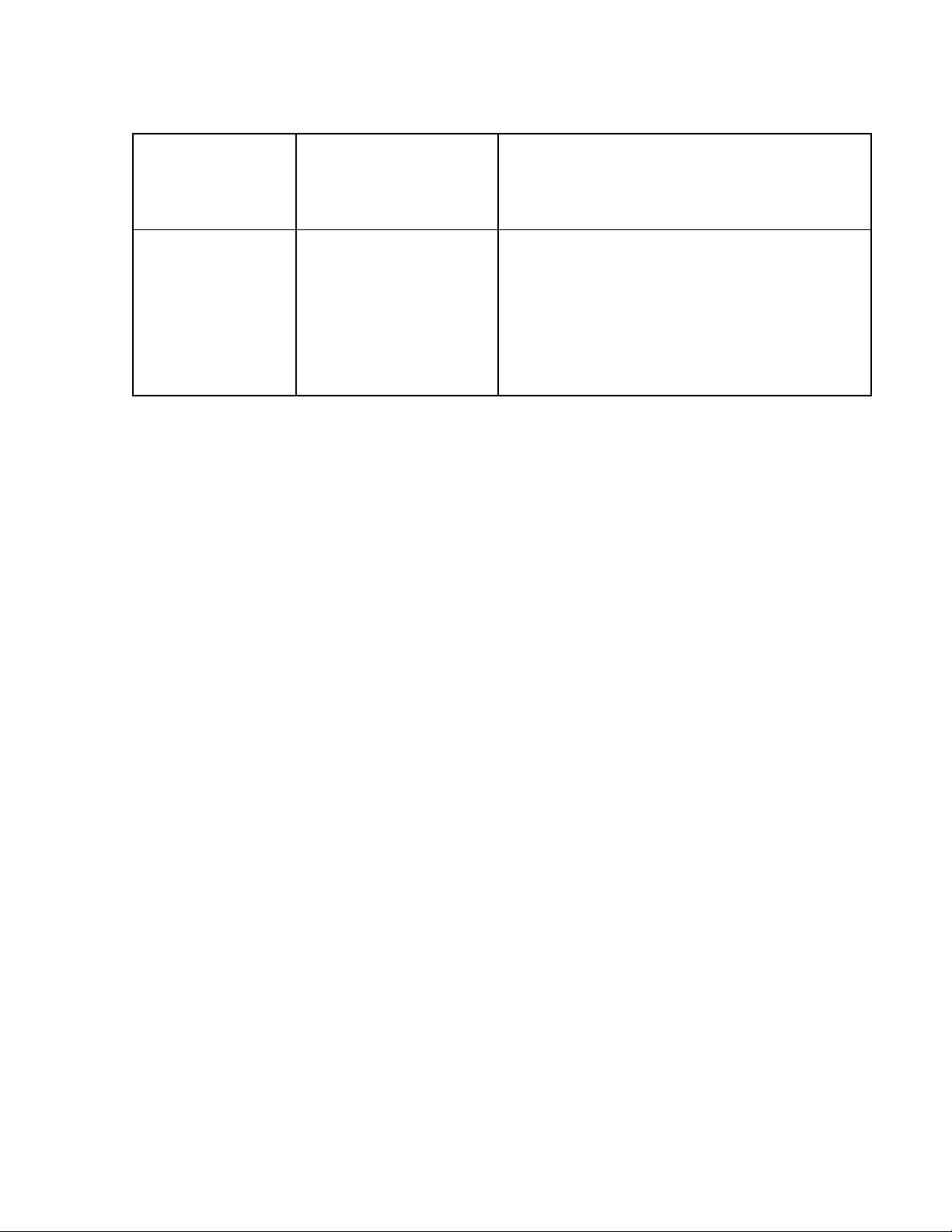
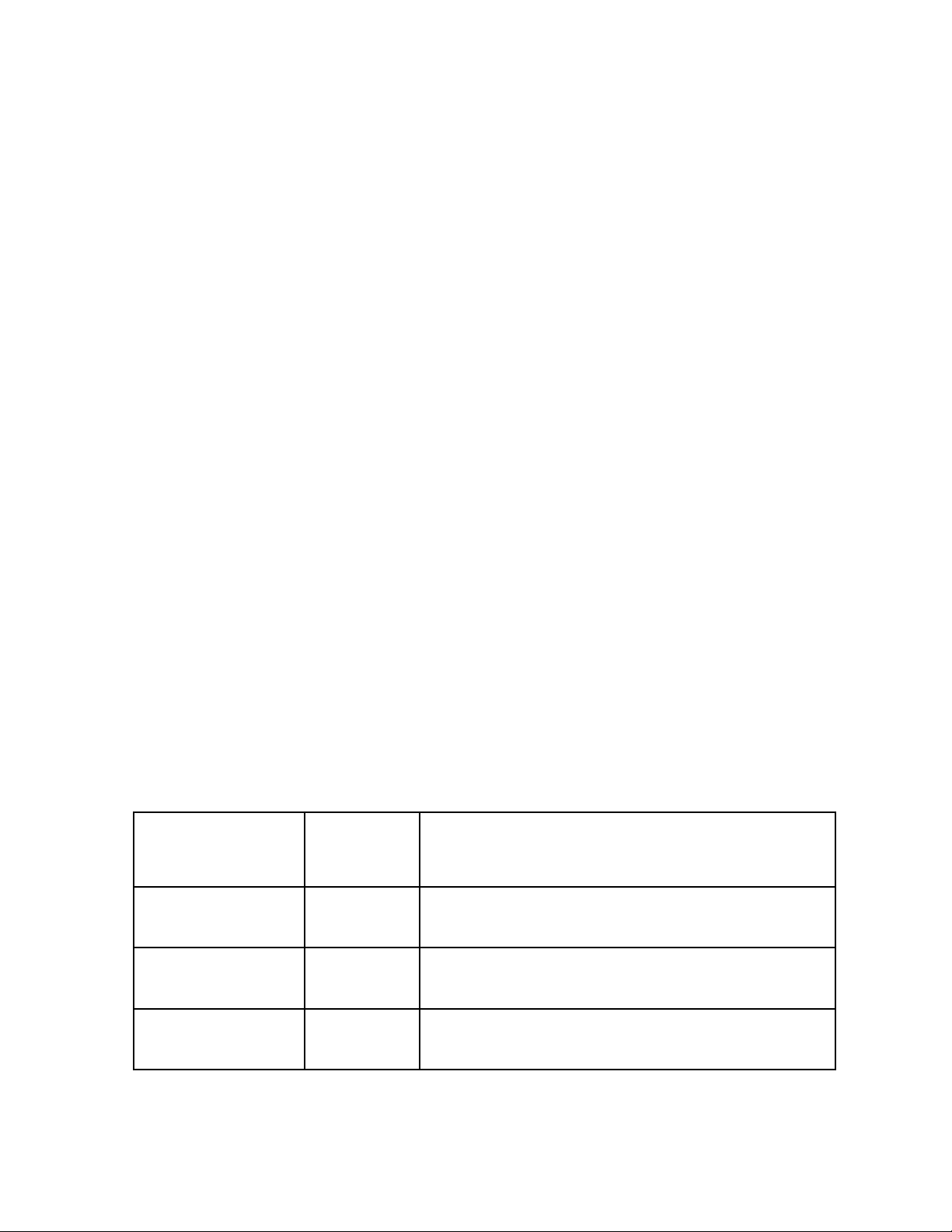
Based on Belbin’s team role theory, we develop this table - the result of our united
viewpoint of each member’s roles. Member Role Contribution Phuong Shaper
Drives the team forward with vision and Anh Coordinator
assertiveness. Sets goals, manages
progress, and keeps the team on track (Leader) under pressure. Ngan Ha Resource
Encourages open communication, energizes Investigator
the group, and contributes original, people- centered ideas. Team Worker Ngoc Team Worker
Fosters group cohesion and emotional Khanh Plant
support. Offers creative ideas while
helping align the team’s values. Thao Nhi Resource
Brings enthusiasm and strong interpersonal Investigator skills. Builds external lOMoAR cPSD| 58675420 Team Worker
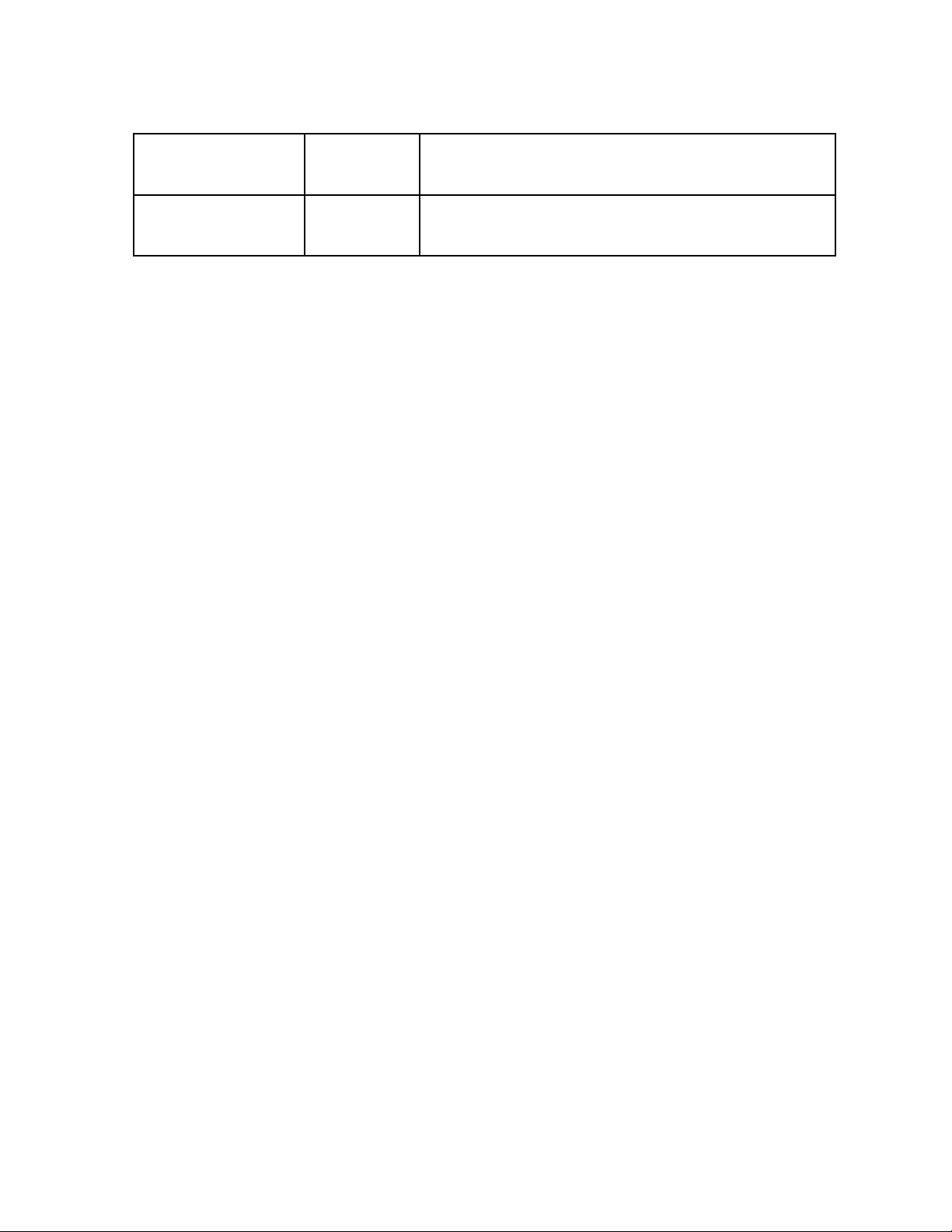
connections and maintains team spirit. Ngoc Oanh Monitor
Provides objective, strategic analysis. Evaluator Specialist
Evaluates ideas critically and ensures
decisions are well thought out and logically sound.
Although our team demonstrates a well-balanced range of Belbin roles, several potential
role conflicts may arise due to differences in working styles and focus.
Role Redundancy: Our team consists of three team workers and two resource investigators-
an unideal ratio. When a large number of people are focused on group involvement, or
external idea generation, it is difficult to determine who is accountable for what. This can
result in confusion, repeated efforts, or crucial social tasks sliding through the cracks.
Inter-role conflict: Most members hold multiple roles carrying differing demands, which
may cause role strain, unneeded stress and difficulty prioritizing. 2. Norm 2.1. Communication Norm
• We communicate transparently, without any hidden agendas
• All members are encouraged to speak up, share opinions, and offer feedback...
• Everyone listens respectfully to one another, often paraphrasing or clarifying to show understanding. 2.2. Meeting Norm
• We circulate meeting agendas in our Messenger group at least one day before each meeting.
• We always come prepared for the topics and materials outlined in the meeting agenda. lOMoAR cPSD| 58675420 2.3. Brainstorming Norm
• Team encourages free-flowing idea generation without immediate evaluation or criticism.
• Even “wild” or unconventional ideas are welcomed as potential sparks for innovation. 2.4. Conflict Norm
• Personal attacks are a no-no.
• We debate ideas in search of better solutions.
• If no agreement can be reached, the team follows a clear process (e.g., vote, leader
decides, revisit later) to move forward peacefully. 2.5. Counter-productive Norm
During our working process, we also find out various negative norms which hinder the
team’s effectiveness and collaboration. For instance, we have a tendency to avoid conflict
to hold “harmony”. Additionally, team members frequently remain in set roles without
rotating or adapting. Both of those limit flexibility and reduce opportunities for skill growth and shared responsibility. 3. Status 3.1. Group Status
We regard the groups in our class to have equal status when they are formed based on the
completion of group assignments.
When it comes to variables like group members' power in comparison to the class, we all
play the role of members rather than higher-ranking positions like monitor or secretary. We
also perform finely in areas like class involvement in events and contribution. As a result,
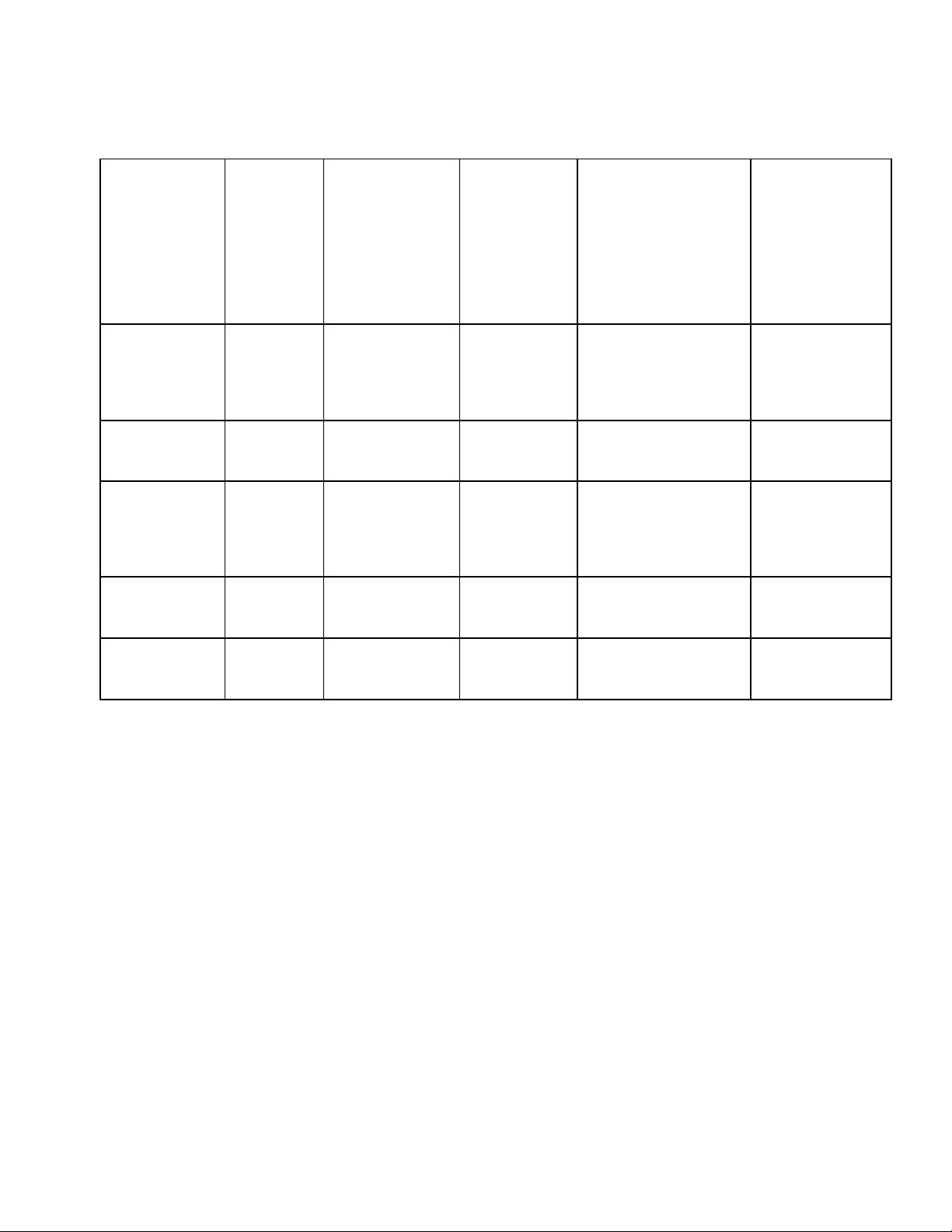
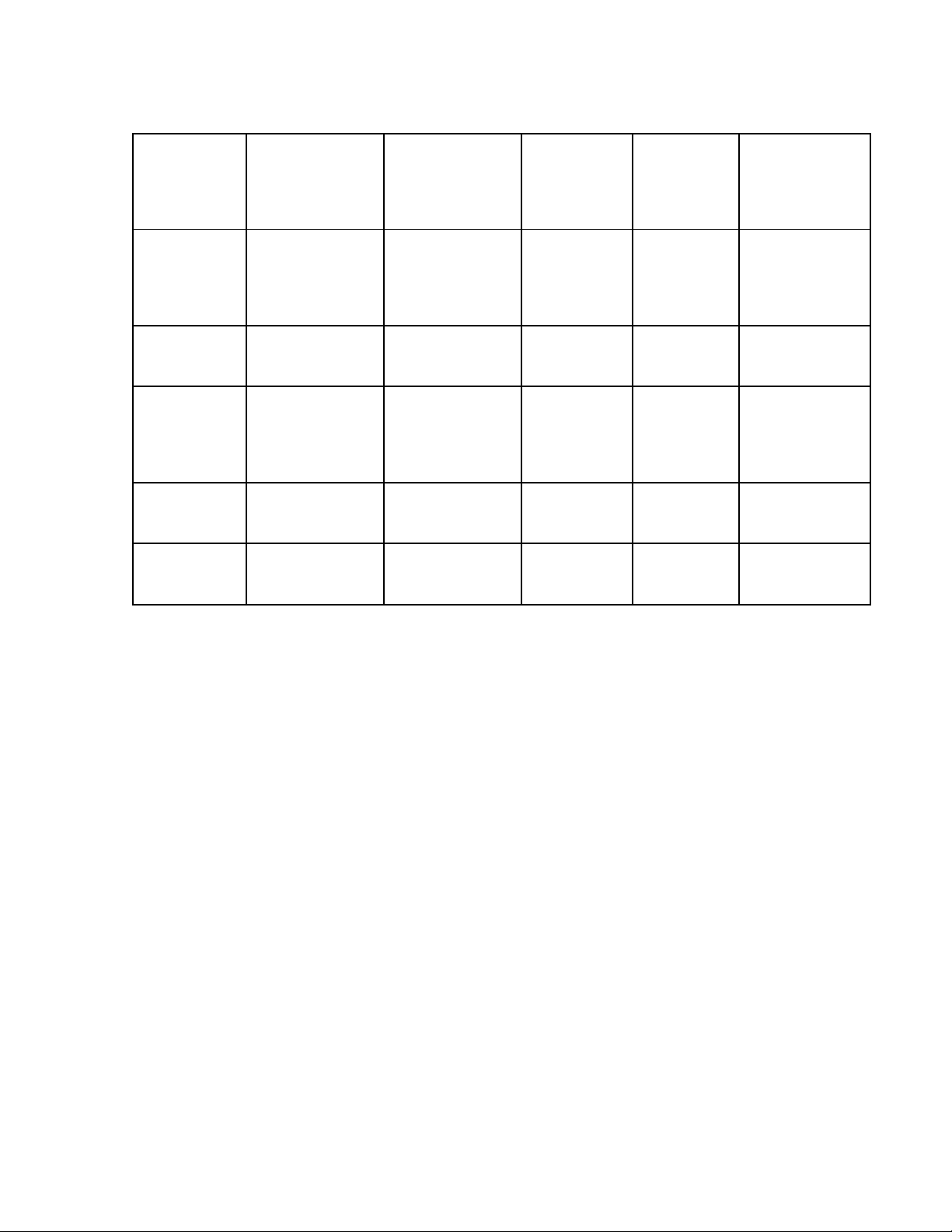
we think of ourselves as in the middle. lOMoAR cPSD| 58675420 3.2. Individual Status Member Formal Task Influence Communication Competence Role Contributor on Dominance Decision- Making Phuong High High High High High Anh Ngan Ha Medium Medium Medium Medium Low Ngoc Medium Medium Medium Medium Medium Khanh Thao Nhi Medium High Medium High Low Ngoc Oanh Medium High High Medium High 3.3. Status Effects 3.3.1. Status and Norms
In our team, we build our norms together with a united viewpoint to avoid any biased forces
to members. Our leader- Phanh had never violated the standard norms regardless of her
high authority. It is evident that she always schedules meetings and notifies members at least one day in advance.
3.3.2. Status and Group Interaction
Team members with higher status like Phuong Anh and Oanh help guide discussions,
organize input, and keep the team on track while other members contribute properly to team
involvement with creativity and morale support as well. This balance improves focus and flow in conservations. lOMoAR cPSD| 58675420
3.3.3. Status and Differentiation
Status differences frequently reflect each member's distinct talents and contributions,
allowing others to delegate appropriately. With Nhi’s high level of communication
dominance, for instance, we can keep our team’s vibe high. Otherwise, we may experience
several issues from these differences in our working process. It is when one’s contribution
is not heard as much as another, frustration is able to be built. 4. Size
Our team of five members is the ideal size recommended by research, which indicates that
teams of five to seven people are the most productive, responsive, and high-quality. Karl
Habermehl and others, such as Hackman and Robbins, contend that smaller teams are more
accountable, communicate more effectively, and make decisions more quickly. Five people
allows us to have a variety of viewpoints without having to deal with significant
coordination problems; this strikes a good balance for effective teamwork, particularly
while working on class assignments. 5. Cohesiveness
Our team demonstrates strong cohesion, as seen by our shared commitment and connection.
Being a small company of five allows us to stay close-knit and collaborative. We
communicate regularly and compliment each other well: Phuong Anh takes the lead and
keeps everyone on track, Nhi and Ha provide energy and keep morale high, Khanh ensures
harmony and emotional understanding, and Oanh contributes deep analysis and strategic
thinking. This diversity, combined with shared values, enhances our bond. Furthermore,
facing tasks together, like meeting tight deadlines, has strengthened our bonds and
reinforced trust. Because of this strong cohesion, we see a high level of participation. We
are well aligned with the team and course goals, and there is a strong emphasis on shared
success. According to theory, when norms support goals and cohesiveness is high, task
performance improves—something we've observed directly in how well and successfully we operate as a group. lOMoAR cPSD| 58675420
II. ANALYSIS OF TEAM DEVELOPMENT THEORIES 1.
Tuckman's Stages of Group Development
These stages are commonly known as: Forming, Storming, Norming, Performing, and
Adjourning. Tuckman's model explains that as the team develops maturity and ability,
relationships establish, and leadership style changes to more collaborative or shared leadership. The forming stage
The initial forming stage is the process of putting the structure of the team together. Team
members feel ambiguous and conflict is avoided at all costs due to the need to be accepted into the group.
What happens? The team is created. Members are polite, positive, but often unsure about
their roles. They rely heavily on the leader for direction.
Key traits: High dependence on leader, unclear goals, individual behavior dominates.
The storming stage
This stage begins to occur as the process of organizing tasks and processes surface
interpersonal conflicts. Leadership, power, and structural issues dominate this stage. What
happens? Conflicts may arise as personalities clash and opinions differ. Team members
may challenge authority or question team goals.
Key traits: Power struggles, competition, frustration, disagreements. • The norming stage
In this stage, team members are creating new ways of doing and being together. As the
group develops cohesion, leadership changes from ‘one’ teammate in charge to shared
leadership. Team members learn they have to trust one another for shared leadership to be effective.
What happens? Team members begin to resolve conflicts, establish norms, and develop
cohesion. Trust and respect grow.
Key traits: Agreement on rules, stronger relationships, collaboration improves. lOMoAR cPSD| 58675420
• The performing stage
True interdependence is the norm of this stage of group development. The team is flexible
as individuals adapt to meet the needs of other team members. This is a highly productive
stage both personally and professionally.
What happens? The team reaches peak performance. Members are motivated,
knowledgeable, and autonomous.
Key traits: High productivity, mutual support, goal achievement.
• The adjourning stage
In this stage typically team members are ready to leave causing significant change to the
team structure, membership, or purpose and the team during the last week of class. They
experience change and transition. While the group continues to perform productively they
also need time to manage their feelings of termination and transition.
What happens? The project ends or the team disbands. This stage may involve celebration or sadness.
Key traits: Reflection, recognition, transition or closure. 2.
Applying Tuckman’s Model to our group:
We applied Tuckman’s team development model to our own Marketing group project
during the first year of university. Throughout the project, we experienced each stage of
team development - from initial forming to final adjourning - and reflected how we
overcame challenges and grew as a team. This real-life experience strongly connects with
what we are learning in Organizational Behavior, as it highlights the key concepts in
understanding how people work together effectively in organizations. Stage 1: Forming
In the initial phase, team members were still unfamiliar with each other and unsure about
roles. To create structure and reduce uncertainty, we held an introductory session where
each member shared their MBTI and communication preferences. Phuong Anh, who is
highly extroverted and strategic (ENTJ-T), took on the leadership role naturally and
suggested the use of a shared Google Drive to organize documents and deadlines. Her lOMoAR cPSD| 58675420
confidence, clarity in communication, and ability to quickly propose solutions made her
stand out, which led the group to unanimously agree on her as the leader. This proactive
approach helped reduce ambiguity and aligned expectations from the beginning. Stage 2: Storming
As tasks became more complex, differences in personality and working styles started to
surface—particularly between Ngan Ha (ENFP) and Oanh (INTJ). Ha preferred
spontaneous brainstorming and broad ideas, while Oanh was more detail-oriented and
critical of vague concepts. This conflict emerged during discussions about the report
structure. Instead of allowing this hindering progress, the leader facilitated a discussion
where both perspectives were shared. This allowed the group to appreciate both creativity
and structure, and they eventually combined their strengths to refine the report outline. Stage 3: Norming
After overcoming early tensions, the group naturally transitioned into the norming stage.
Roles were distributed based on strengths: Nhi and Ha contributed to design and
presentation flow, while Oanh and Khanh handled theoretical analysis. A shared guideline
was created for formatting, citations, and academic tone. Trust increased, and members
began helping each other voluntarily, such as Phuong Anh giving feedback on Oanh’s
writing structure and Khanh supporting Nhi in referencing. Stage 4: Performing
With clear roles and mutual respect, the team worked efficiently. Phuong Anh managed the
report structure, Nhi handled the case analysis, Ha wrote the introduction, Khanh finalized
the conclusion, and Oanh edited and checked references. Members submitted work on time,
and feedback became more focused and constructive. Before submission, the team aligned
on formatting, academic tone, and transitions, resulting in a high-quality report that exceeded expectations.
Stage 5: Adjourning
After the presentation, the team held a short meeting to reflect on the process. Members
recognized that the group had developed better communication skills, learned to manage
conflicts constructively, and became more aware of each person’s working style. Despite lOMoAR cPSD| 58675420
early disagreements, the team successfully delivered a well-structured report and
presentation that received positive feedback from the instructor. This experience helped
everyone understand the value of clear role division, mutual respect, and adaptability in team-based projects. 3. Outcome
Tuckman’s model provided a practical framework for understanding and navigating our
team’s development. By recognizing which stage we were in and acting accordingly—
whether by resolving conflict in the storming stage or strengthening collaboration in the
performing stage—we were able to create a supportive, productive environment. Awareness
of these stages not only enhanced our current project outcomes but also equipped us with
teamwork skills that will be valuable in future academic and professional settings.
III. MOTIVATION IN ORGANIZATIONAL BEHAVIOR
Motivation is the willingness to put effort toward organizational goals, driven by the
potential to meet personal needs. Motivation theories are typically divided into content and process theories. 1.
Application of Content Theory: Herzberg’s Motivation-Hygiene Theory
Content theories focus on what motivates individuals. Prominent examples include
Maslow’s Hierarchy of Needs, Herzberg’s Motivation-Hygiene Theory, McClelland’s
Needs Theory, and Alderfer’s ERG Theory. Among these, Herzberg’s theories are
especially influential and applied to enhance and our effective team.
• Hygiene factors: (e.g., salary, policies, supervision) prevent dissatisfaction but don’t boost motivation.
• Motivators (e.g., achievement, recognition, responsibility) drive real engagement and satisfaction.
We applied this theory in our team to create a balanced, motivating environment
that supports both well-being and performance. lOMoAR cPSD| 58675420
Addressing Hygiene Factors in Our Group:
• Clear Expectations and Roles:
We conducted an initial discussion session where members clarified what
needed to be done and addressed individual questions regarding their specific tasks.
Adequate Resources and Support:
When writing the SMART goal section, Hà shared a sample report from the
previous year that had a clear and persuasive structure. Additionally, the group
created a Google Drive folder to store reference materials and updated versions of the report.
• Fair and Competitive Conditions:
Maintain a positive and respectful environment by addressing any concerns related
to fairness and preventing unnecessary pressure.
• Effective Supervision:
The team leader Phuong Anh didn’t impose deadlines but discussed with members
to set a suitable internal timeline. If someone fell behind, the leader checked in
privately to offer help without pressure.
• Safe and Comfortable Environment:
In group meetings, efforts were made to maintain a respectful and inclusive setting
where members felt comfortable expressing their views. The group avoided
creating a tense atmosphere or prolonged silence, ensuring that all voices were heard.
• Clear Policies and Procedures: (mentioned in part I)
The team agreed to avoid off-topic talk during meetings and to inform in advance
if absent. During Google Meet sessions, members actively used their mics to engage
instead of staying silent or just messaging. Enhancing Motivators:
• Recognition and Achievement:
Acknowledge both individual and collective accomplishments to instill a sense of
pride and motivate continued effort. Team members were recognized for their lOMoAR cPSD| 58675420
creativity, punctuality, and contributions during meetings and in group discussions.
Challenging and Meaningful Tasks:
Responsibilities were assigned based on individual strengths and personality traits
to foster both effectiveness and personal growth. For example, tasks requiring
creativity and adaptability were assigned to Ngan Ha (ENFP – High Extraversion,
High Openness) and Thao Nhi (ESFP – High Extraversion), as their outgoing
nature and openness to new ideas supported dynamic, people-centered tasks. Ngoc
Oanh (INTJ – High Openness) was given tasks involving theoretical analysis and
strategic thinking, where her depth of thought and independence were valuable.
Ngoc Khanh (ENFJ – High Agreeableness) was well-suited for roles that required
connecting theories with real-life group dynamics, as her empathetic nature and
strong interpersonal skills supported effective collaboration and integration of ideas.
• Responsibility and Autonomy:
Everyone was trusted to manage and complete their tasks independently. Each
member was free to write their assigned part without edits beforehand. After that,
the group gave feedback together to improve the content.
• Opportunities for Learning and Development:
Encourage skill development by creating space for learning, whether through
research, feedback, or observation. Group members were encouraged to explore
new methods and apply theories in innovative ways.
• Collaboration and Communication:
The group used Messenger for quick communication, while all important updates
were recorded on Google Docs and Sheets. Before submission, we held a meeting
to review each section, discuss headings, academic vocabulary, and the coherence between paragraphs. lOMoAR cPSD| 58675420 2.
Application of Process Theory: Locke’s Goal-Setting Theory
To complement Herzberg’s theory, our team applied Locke’s Goal-Setting Theory, which
emphasizes that clear, challenging, and attainable goals enhance motivation and
performance. The theory is built around five core principles: clarity, challenge,
commitment, feedback, and task complexity. When these elements are present,
individuals are more likely to stay focused, increase their efforts, and achieve higher
performance, resulting in greater satisfaction.
To apply Locke’s Goal-Setting Theory, our group established a SMART goal based on our
actual working process: Specific:
Our goal was to complete a report on “How individual working styles affect group
dynamics and how motivation theories were applied in previous group activities.” Measurable:
We aimed for a score of at least 9 out of 10. We tracked progress through six specific milestones:
- Finalizing the report idea (April 1) - Dividing tasks (April 2)
- Drafting each part (April 5)
- First group revision (April 8)
- Final content review (April 14)
- Submission (planned for April 17, three days early) • Achievable:
Each member was assigned a task based on their strengths. For example, Khanh and
Oanh, who are good at theory, wrote about theories; Phuong Anh, skilled in editing,
refined the final draft. Everyone agreed to the plan and contributed actively. • Relevant: lOMoAR cPSD| 58675420
The report directly related to our Organizational Behavior course objectives. It also
helped us improve critical thinking by applying theory to real situations,
communication through weekly meetings, and teamwork skills by solving conflicts and supporting each other. • Time-bound:
Our internal deadline was April 17, three days before the official submission. We
scheduled weekly check-ins every Sunday and a full-group meeting for final review
on April 14. This timeline allowed time for proofreading and ensured we weren’t rushed at the last minute. 3. Outcome and Reflection
By integrating Herzberg’s content theory and Locke’s process theory, our team built a
supportive and structured environment that improved motivation, teamwork, and
performance. Herzberg’s focus on satisfaction and engagement, combined with Locke’s
SMART goal framework, gave us both emotional and practical direction. This approach not
only enhanced the quality of our Organizational Behavior project but also helped us develop
valuable skills in collaboration, planning, and self-management—skills we can apply in
future academic and professional settings. IV.
PERSONAL REFLECTION ON PERSONALITY AND PERCEPTION Member MBTI
Big Five Highlight Traits Phuong Anh ENTJ High Extraversion Ngan Ha ENFP
High Extraversion, High Openness Ngoc Khanh ENFJ High Agreeableness lOMoAR cPSD| 58675420 Thao Nhi ESFP High Extraversion Ngoc Oanh INTJ High Openness
In order to have a precise reflection on our members, we first decided to take the MBTI and
Big Five tests- two most widely used and accepted personality models.
To begin with, from the results of the MBTI test, we are clear that our roles, contributions,
as well as the way individuals interacted with each conversation all made sense. In Phuong
Anh’s case, she is an ENTJ with well-organized, decisive characteristics which was one of
the reasons why she was chosen to be our leader. And as an ENFP, Ngan Ha remains a great
contributor during brainstorming sessions owing to her enthusiasm, adaptability, and love
for exploring new ideas. With likewise taking from her persona, Ngoc Khanh as an ENFJ
is highly empathetic and relationship-oriented, often stepping in to maintain harmony and
ensure that everyone feels included. Additionally, Nhi as an ESFP brings in optimism and
a people-centric attitude, putting in a great deal of energy into the group during social and
fast-paced activities, Sectors where she excels. Finally, Oanh offers analytical reasoning
and strategic planning as an INTJ, providing help in the background with an expansive
outlook on what the group might need in the future.
And when reflecting on the Big Five traits, we found that our personalities complemented
each other well, contributing to a balanced and dynamic team environment. Members who
scored high in Extraversion, like Phuong Anh, Ha, and Nhi, naturally took the lead in
initiating conversations, energizing the group, and keeping discussions lively. Meanwhile,
those with high Openness, such as Ha and Oanh, brought creativity and a willingness to
explore new ideas, often encouraging us to look at problems from multiple perspectives.
Khanh’s high Agreeableness stood out in her efforts to maintain team harmony and build
emotional connections, which was essential during stressful moments. Although not all lOMoAR cPSD| 58675420 Member
Selfawareness Selfregulation Motivatio Empathy Social skills n Phuong High High High High High Anh Ngan Ha Medium Medium Medium Medium High Ngoc High Low Medium High High Khanh Thao Nhi Medium Medium High High High Ngoc Oanh High High High Medium High
traits were evenly distributed across members, this diversity allowed us to cover each other's
blind spots. By understanding these traits, we acknowledged how to communicate, assign
tasks, and support one another throughout the group process.
Then our group also conducted a self-assessment based on Daniel Goleman’s Emotional
Intelligence model, which includes five elements: self-awareness, self-regulation,
motivation, empathy, and social skills. The results were based on our individual reflections
and not external evaluations, which encouraged honest and meaningful selfawareness.
Through this process, we realized how certain traits—like high motivation or strong
empathy—supported smoother collaboration, while areas like uneven selfregulation or
varying levels of empathy sometimes created friction. lOMoAR cPSD| 58675420
In our condition, Phuong Anh and Oanh scored high across all five factors, contributing
stability and strong collaboration. In addition, Khanh showed high self-awareness and
empathy, although her low self-regulation may sometimes affect emotional consistency. Ha
and Nhi presented more balanced scores, especially in motivation and empathy, supporting
team morale and understanding. These varied emotional strengths allowed our team to
complement one another and enhanced overall effectiveness in group work. V.
FACTORS THAT MAKE A GROUP EFFECTIVE OR INEFFECTIVE 1.
Factors that contribute to a successful group 1.1. Clear communication
Every member clearly understands the team's goals and responsibilities and can exchange
information transparently. In both online and offline meetings, each member has the
opportunity to speak up and share their personal opinions to contribute to the overall outcome.
My team uses Google Docs, Sheets so that everyone can update the assignment content
together, and Zalo is used to announce meeting times and provide daily progress updates.
This helps everyone stay informed about who is working on what, avoid duplication, and
quickly resolve any questions or issues. 1.1. Good leader
The team leader knows how to coordinate tasks, fully understands the assignment content,
listens to others’ opinions, respects all members, treats everyone fairly, and resolves conflicts when they arise.
Phuong Anh, as a leader, sets reasonable deadlines, reminds the team of them, schedules
meetings that suit everyone’s availability, and consistently keeps the group on track. She
also makes accommodations for members who have other personal commitments to fulfill.
Tài liệu liên quan:
-
Ôn thi Môn Organizational behavior | Đại học Kinh Tế Quốc Dân
61 31 -
Câu hỏi tổng hợp Môn Organizational behavior | Đại học Kinh Tế Quốc Dân
64 32 -
Case Study Analysis Costco's Competitive Strategy | Môn Organizational behavior - Đại học Kinh Tế Quốc Dân
73 37 -
Ảnh hưởng của drone R2D2 đến hành vi nhân viên và đạo đức | Môn Organizational behavior - Đại học Kinh Tế Quốc Dân
57 29 -
Analyzing InnovateX's Organizational Behavior Issues | Môn Organizational behavior - Đại học Kinh Tế Quốc Dân
56 28