Unit 2 (Global 10) (GV) - Vocabulary and Grammar for Global Success môn English Studies| Trường Đại học Thăng Long
2. A. awareness B. difference C. instrument3.
A. pollution B. chemical C. pesticide 4. A. natural B. dangerous C. chemical. Tài liệu giúp bạn tham khảo, ôn tập và đạt kết quả cao. Mời đọc đón xem!
Môn: English Studies 199 tài liệu
Trường: Trường Đại học Thăng Long 550 tài liệu
Tác giả:














Preview text:
17:36, 09/01/2026
Unit 2 (Global 10) (GV) - Vocabulary and Grammar for Global Success - Studocu uc e a uo g a ( a o 036990 5), a da g doa ta eu ay a g a ao
UXIT 2: HUX6X9 6Xb THE ENYIROXXENT by: Mr Thanh (0369904425) Sdt • 0369904425 A. VOCABULAitY Created fi New words (Ter mñi) Words Type Pronunciation Meaning advice (n) /ad'vais/ lii khuyén aim (n) /eim/ muc tiéu achieve (v) /a'tJi:v/ ddt diroc action (n) /'mkJh/ hanh dong activity (n) /mk'tivati/ hodt dong adopt (v) /a'dopt/ theo, chon theo appliance (n) /a'plaians/ thiet bi, dung cu atmosphere (n) /'mtmasfia(r)/ ban khong khi attend (v) /'mtmasfia(r)/ tham dir area (n) /'earia/ khu vtrc awareness (n) /a'weanas/ nhian thirc base on (v) /beis on/ dtra trén be able to (v) /bi 'eibl tu/ cS the be proud of (v) /bi praud avJ tu hao ve be responsible for (v) /bi ri'sponsabl fa(r)/ chiu trach nhiem bottle (n) /'bot1/ chai, lo bin (n) /bin/ cai thiing break down (v) /breik daon/ chia nhfi calculate (v) /'kmlkjuleit/ tinh toan carbon footprint (n) /,ko:ban 'futprint/ dau chan cacbon ceremony (n) /'seramani/ lé ki niem change (n) /tJeinds/ str thay doi chemical (n) /'kemikl/ hsa chat clean up (v) /kli:n xp/ don dep club (n) /klxb/ cfiu ldc bo coHecl (v) /ka'lekt/ suu tarn create (v) /kri'eit/ tao ra cut down on (v) /Wt daun on/ cat giâm damage (n) / ' dmmids/ ton h@, thiet h@ dangerous (adj) / 'de ind s aras/ nguy hiem device (n) /di'vais/ thiet bi difference (n) /'difrans/ sq khac biet dirty (adj) /'ds:ti/ dv bân Bai tap Tieng Anh 10 (Global 17:36, 09/01/2026
Unit 2 (Global 10) (GV) - Vocabulary and Grammar for Global Success - Studocu
Thqc hien Tran Truñng Thanh (Zalo 0369904425), ai dang kinh doanh tai lieu nay la gia eco-friendly (adj) /, i:kau 'frendli/ thân thien mfii trttñrig electrical (adj) /i'lektrikl/ thuoc ve dien electricity (n) /i, lek'trisati/ dien emission (n) /i'mi, n/ sq thâi ra encourage (v) /in'kvridy/ khuyen khich energy (n) /'enadyi/ nâng lttpng environment (n) /in'vairanmant/ mfii trttñrtg environmental (adj) /in, vairan'mentl/ thuoc ve mfii trttñrtg estimate (v) /'estimeit/ ttñc tirih exhibition (n) /,eksi'bi/n/ buoi trien lâm explosion (n) /ik'splauyn/ vu no garbage can (n) /'go:bidy km/ thttng rac global (adj) /'glaubl/ toan cau habit (n) /'hmbit/ thoi quen harm (v) /ho:m/ gñy h@ harmful (adj) /'ho:mf1/ dfic h@ improve (v) /im'pru:v/ câi thi n issue (n) /'iJu:/ van d“e item (n) /'aitam/ viat dog join (v) /dyoin/ tham gia lead (v) /li:d/ dan den lifestyle (n) /'laifstail/ lsi song, cach ssng litter (v) /'lita(r)/ xñ rac material (n) /ma'tiarial/ nguyén lieu method (n) /'me8ad/ phttong phñp natural (adj) /'nmt{ral/ tq nhién natural resources (n) /' nmt{ral ri'so:siz/
nguon tñi nguyén thién nhién neighborhood (n) /'neibahud/ khu xom orgartic (adj) /o:' gmnik/ hiiti co orgartize (v) /' o:ganaiz/ to chrrc personal (adj) /'p3:sanl/ ca nhân pick up (v) /pik up/ nhat polluted (adj) /pa'lu:.tyd/ bi fi nhiem pollution (n) /pa'lu:Jh/ sq fi nhiem produce (v) /pra'dju:s/ sân xuat ra product (n) /'pro t/ sân phâm protect (v) /pra'tekt/ bao ve provide (v) /pra'vaid/ cung cap public transport (n) /, pablik 'trmnspo:t/ phttong tien cfing cong raise (v) /reiz/ lñm gia tâng raw (adj) /ro:/ thfi, chtta qua che bien recycle (v) /, ri:'saikl/ tâi che reduce (v) /ri'dju:s/ lñm giâm Bai tap Tiéng Anh 10 (Global 17:36, 09/01/2026
Unit 2 (Global 10) (GV) - Vocabulary and Grammar for Global Success - Studocu
Thqc hien Tran Truñng Thanh (Zalo 0369904425), ai dang kinh doanh tai lieu nay la gia refillable (adj) /, ri:'filabl/ co the lñm day l@ reusable (adj) /, ri:'ju:zabl/ co the tâi sir dog set up (v) /set ap/ tharth lap shade (n) /Jeid/ bong râm situation (n) /, sitJii'eiJn/ tinh huong suggestion (n) /sa'dyestJñn/ lñi d“e nghi sustainable (adj) /sa'stemabl/ ben vtmg trash = rubbish = waste (n) /trm// /'rdbi// /weist/ rac thâi turn off (v) /'t3:n of/ tat take part in (v) /teik po:t m/ tham gia temperature (n) /'temprat/a(r)/ nhiet dâ waste (v) /weist/ ling phi B. GRAMMAR
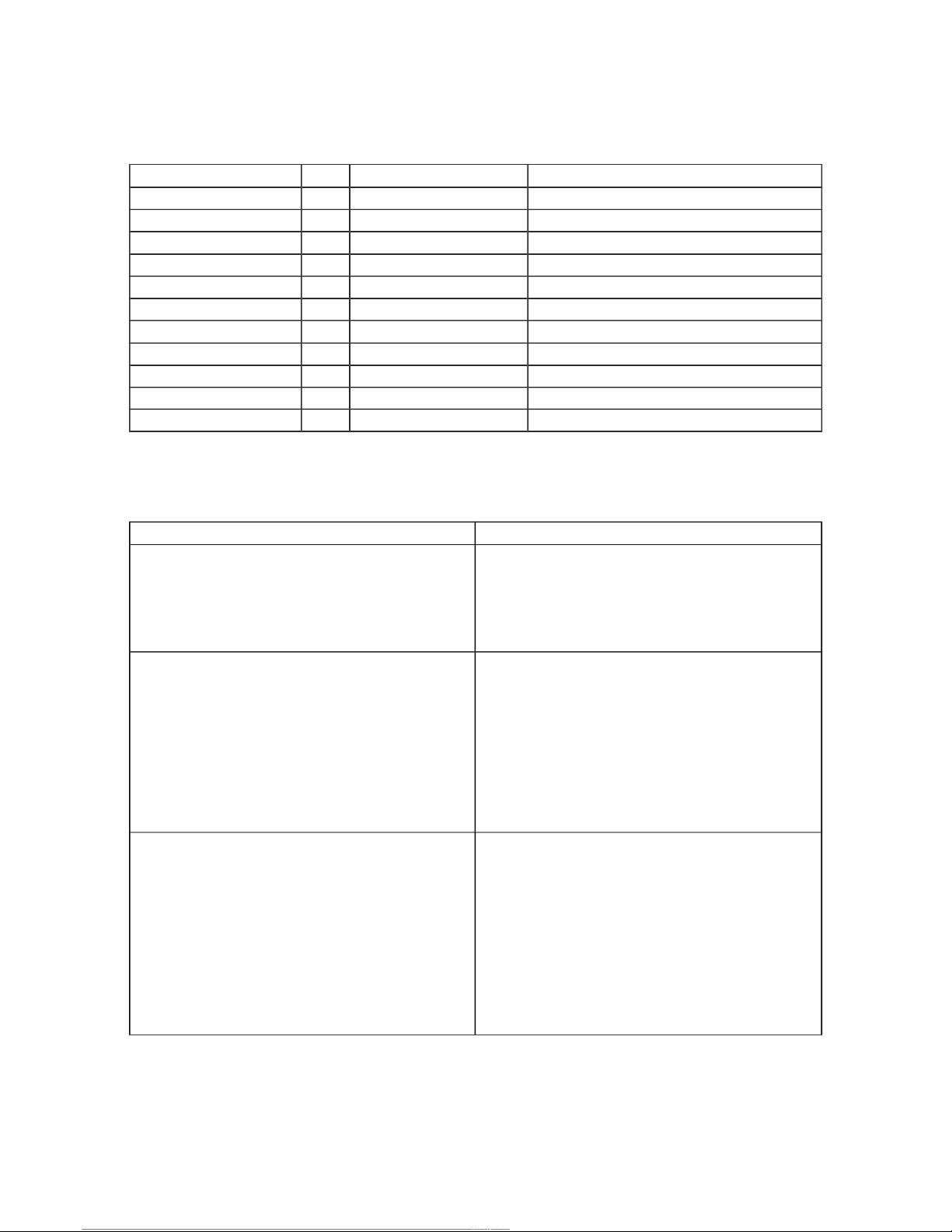
I. Future simple and near future (Thi tttong lai vñ thi tttong lai gan) don
1. Cfing thirc, dau hieu cach sir dung Tuong lai don (WILL + V)
Tuong lai gan (BE GOING TO + V) Cfing thirc Cfing thirc (+) S + will/shall + V.
(+) S + am/is/are + going to + V. (-) S + will not/shall not + V.. (-)
S + am/is/are not going to + V. (?) (Wh-) + will/shall + S +
(?1 (Wh-) am/is/are + S + going to + V.? V.? Cach diing Cach diing
- Phfing doân khfing cñn car - Phfing co cñn car doân
People will work more from home in the future.
Look at those clouds! It is going to rain.
- Tq nguyen lñm gi trong throng lai - Viec lñm quyet djnh tii dñ trttñc
Okay, if no one else will cook dinner, 1 vrill.
Todd and I are going to eat at the new restaurant - Hñrth ng sé lñm nñy sinh t dâ thñi diem noi
tonight. Do you want to come with us?
The grass is getting tall. I think I will cut it - Ke hoach va dq dirih tomorrow.
I'm going to visit my aunt next month. Dau hieu Dau hieu
- I think; I don't think; I am afraid; I am sure that; I
- in + thñi gran: trong ... niia (in 5 minutes: trong 5 fear that; perhaps; probably phut niia)
- in + thñi gran: trong ... nrra (in 5 minutes: trong - tomorrow: ngñy mai 5 phut rn.ta) - next day: ngay tñi - tomorrow: ngñy mai
- next week/ next month/ next year: tuan tñi/ thâng - next day: ngay tñi tñi/ nñm tñi
- next week/ next month/ next year: tuan tñi/ thâng
Created by: Mr Thanh (0369904425) tñi/ nñm tñi Bai tap Tiéng Anh 10 (Global 17:36, 09/01/2026
Unit 2 (Global 10) (GV) - Vocabulary and Grammar for Global Success - Studocu
Thqc hien Tran Truñng Thanh (Zalo 0369904425), ai dang kinh doanh tai lieu nay la gia
II. Passive voice (The bi dâng)
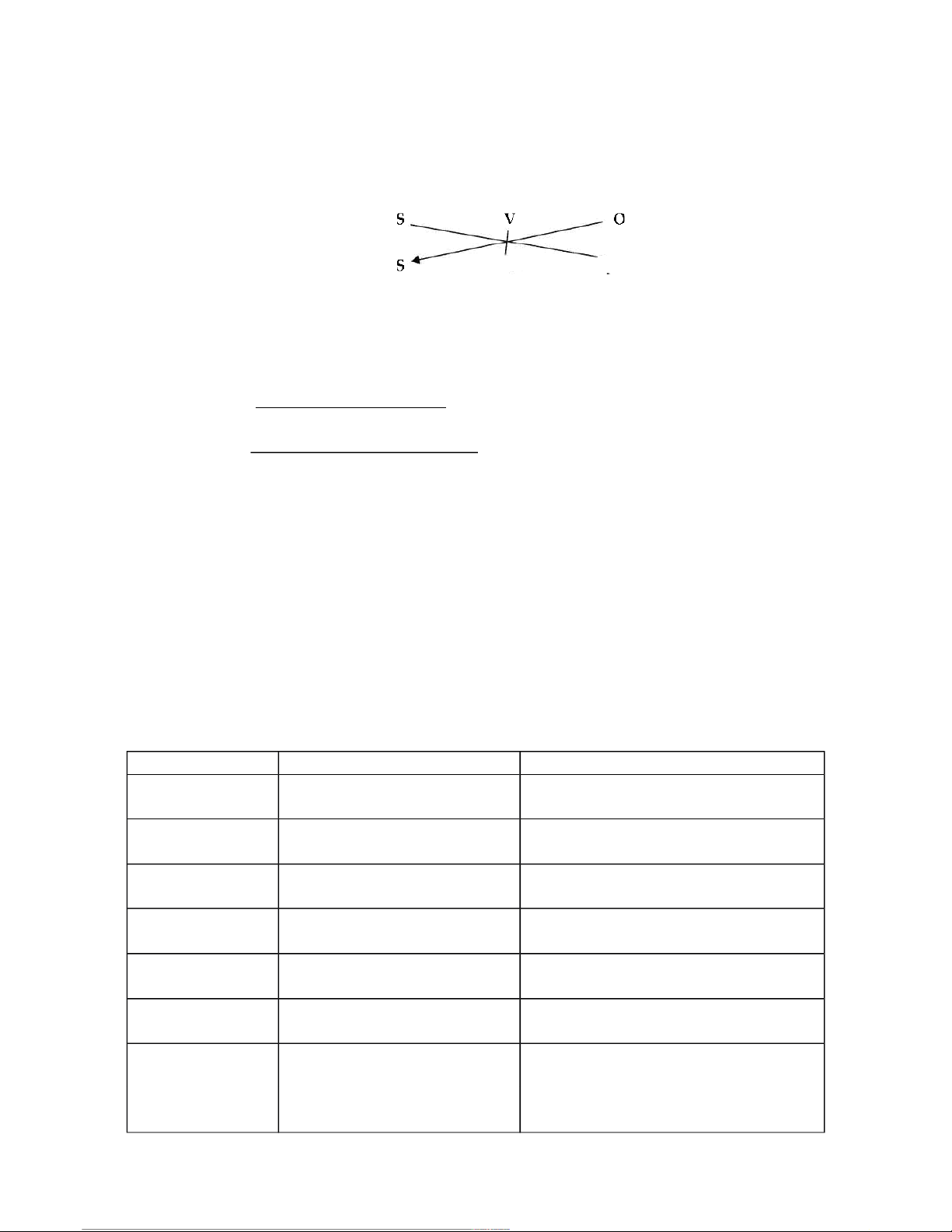
1. Cach chuyén tii cau chii dong sang cau bi dong Active Passive be v’Wd b +0 - TAN NGO (O) trong cñu chu ng lñm CHU NGO trong cñu bi dâ dâng.
- DQNG T’D (V) trong cñu chu ng dâ
sé chuyen thñrih “be + V3/ed”. Trong dâ “be” chia theo thi vñ chia theo chu ngii.
- CHU NGO (S) trong cñu chu dâng sé bien doi thñrih tân ngii vñ co giñi tii “by” phia trttñc (by + O). E.g: Chii dong: Mv p arents will build a house next year. S V O
Bi dong: A house will be built bv mv p are nts next year. S be V3/ed by O
--1- Cac buñc de chuyén tii cau chii dong sang cau bi dong
a. Xac dirih S, V, O vñ thñi cua V trong cñu chu dâng. b. Lay O trong cñu chu ng lñm S cua cñ dâ u bi dâng. c. Lay S trong cñu chu
ng lñm O vñ dat sau by trong dâ cñu bi dñnip.
d. Bien doi V chinh trong cñu chu ng dâ
thârih V3/.d (Past Participle) trong cñu bi dâng.
e. Thém to be vño trttñC V3/.d trong cñu bi d ng â
(to be phâi chia theo thñi eta V chirih trong cñu chu
dâng va chia theo sñ cua S trong cñu bi dâng).
- Trong cñu bi dfing hy + O lufin dll g sau adverbs of place (tr
g tii chi noi chsn) vñ dll g trttñc adverbs of time (tr g tii chi thñi gran).
- Trong cñu bi dâng, co the bfi: by people, by us, by them, by someone, by him, by her ... neu chi dsi tttpng khfing xac d[nh.
2. Bang doi chiéu cau chii dong va b{ dong qua cac thi Tense Active Passive S + V (nguyén)) I' ts/es) S + am/ is/ are + V3/ed Simple Present Peter writes the book.
D The book is written by Peter. S + V2/ed S + was/ were + V3/ed Simple Past Peter wrote the book.
D The book was written by Peter. Present Continuous S + am/ is/ are + V-
S + am/ is/ are + being + V3/ed Peter is writing the book.
D The book is being written by Peter. S + was/ were + V-+ S + was/ were + being + V3/ed Past Continuous Peter was writing the book.
D The book was being written by Peter. S + have/ has + V3/ed S + have/ has + been + V3/ed Present Perfect Peter has written the book.
D The book has been written by Peter. S + had + V3/ed S + had + been + V3/ed Past Perfect Peter had written the book.
D The book had been written by Peter. S + will/ shall + V (nguyén) S + will + be + V3/ed (Simple future) Peter will write the book.
D The book will be written by Peter.
S + am/ is/ are + going to + V(nguyén)
S+ am/ is/ are + going to + be + V3/ed (Near Future)
Peter is going to write the book.
D The book is going to be written by Peter. Bai tap Tiéng Anh 10 (Global 17:36, 09/01/2026
Unit 2 (Global 10) (GV) - Vocabulary and Grammar for Global Success - Studocu
Thuc hien Tran Truong Thanh (Zalo 0369904425), ai dang kinh doanh tai lieu nay la gia mao A. PHONETIC
Exercise 1. Write the words below into the correct column. plane great proud clean principal claim clever clapping grace plastic green grateful clothes practical greeting cliff platform climate cleaner prefer pretend prepare gripping presentation plentiful grass pleasure clarinet classify graduate /kl/ /pU /gr/ /pr/ clean, claim, clever, plane, plastic, platform great, grace, green, principal, proud, prefer, clapping, clothes, cliff, grateful, greeting, pretend, prepare, climate, cleaner, gripping, grass, presentation clarinet, classify graduate
Exercise 2. Read the following sentences and underline the words with /kl/, /pl/, /gr/ or /pr/ sounds, and
write the corresponding sound.
1. The cleaner is cleaning the classroom. /k1/ /kl/ /kl/
2. The club leader claims the primary goals very clearly. /kl/ /kl/ /pr/ /kl/
3. There was plentiful plastic litter on the platform.
• , ñkzza 3’âi Iâgzz tai : Fb or Zato /pl/ /pl/ /pl/ Triré'ng Thanh Sdt: 0369904425
4. We clapped after the principal gave the greetings. /kl/ /pr/ /gr/
5. When the climate is fine, we often climb up the cliff and have a pleasant picnic. /kl/ /kl/ /kl/ /pl/
6. His presentation about green lifestyle is really gripping. /pr/ /gr/ /gr/
7. The grammar notes are practical for US to understand primary issues. /gr/ /pr/ /pr/
8. We can get practical experience from planning the clean-up activities. /pr/ /pl/ /kl/
9. He prepared his profile a few days previously. /pr/ /pr/ /pr/
10. My grandparents had a lot of pleasure on my graduation day. /gr/ /pl/ /gr/
Exercise 3. Find the word which has a different sound in the part underlined. D. damage 1. A. image B. legal C. danger D. Rlastic 2. A. attemR• B. pollute C. receiR' D. feet 3. A. forest B. police C. east
Bai tap Tieng Anh 10 (Global Success) 17:36, 09/01/2026
Unit 2 (Global 10) (GV) - Vocabulary and Grammar for Global Success - Studocu
Thqc hien Tran Truñng Thanh (Zalo 0369904425), ai dang kinh doanh tai lieu nay la gia 4. A. weaver B. warms C. ba}_h D. earth 5. A. hoped B. increased C. produced D. phone 6. A. cave B. nature C. plot D. amazing 7. A. tree B. dggr C. deep D. sewed 8. A. scenery B. rely C. sky D. dry 9. A. zpp B. rppt C. tppl |D. w 10. A. gasp B. areas C. fuels D. cities
Exercise 4. Find the word which has a different stress pattern from the others. D. reduce 1. A. conserve B. fossil C. resource D. character 2. A. awareness B. difference C. instrument D. natural 3. A. pollution B. chemical C. pesticide D. organic 4. A. natural B. dangerous C. chemical D. disaster 5. A. organic energy d. C. appliance D. protect 6. A. reduce B. adopt C. issue D. transportation 7. A. artificial B. generation C. responsible D. refillable 8. A. regularly B. compulsory C. material |D. reserve 9. A. rubbish B. plastic C. method D. vegetable 10. A. renewable B. community C. environment B. VOCABULARY AND GRAMMAR
Exercise 1. Fill in each blank with a suitable word or phrase horn the box. cutting down energy sustainable eco-friendly household appliances greenhouse gases natural litter carbon footprint organic resources
1. People who drop litter can be fined in some cities.
2. To conserve electricity, they are cutting down on the central heating.
3. Ovens, irons, refrigerators, driers, etc. are household appliances.
4. Hydrogenase airships offer an eco-friendly means of transportation.
5. Sustainable tourism is environmentally responsible travel to natural areas.
6. Some natural resources, such as natural gas and fossil fuel, cannot be replaced.
7. The ’green’ housing community uses renewable energy sources such as solar power.
8. Organic food is unadulterated food produced without artificial chemicals or pesticides.
9. Greenhouse gases include chlorofluorocarbons, methane, nitrous oxide and carbon dioxide.
10. A carbon footprint is the total amount of greenhouse gases that are generated by our actions.
Exercise 2. Complete the sentences with the words given. footprint energy appliances clean-up issues eco-friendly lifestyle awareness activities litter aim event
1. Environmental awareness has increased dramatically over the past decades.
2. The clean-up of the mud slide will take several days.
3. You should answer the questions to calculate your business’s environmental footprint.
4. The charity held a planned event of a sponsored five-kilometre walk to raise fund for the homeless. Bai tap Tiéng Anh 10 (Global 17:36, 09/01/2026
Unit 2 (Global 10) (GV) - Vocabulary and Grammar for Global Success - Studocu
Thqc hien Tran Truñng Thanh (Zalo 0369904425), ai dang kinh doanh tai lieu nay la gia
5. There will be an international meeting to discuss environmental issues. Bai tap Tiéng Anh 10 (Global 17:36, 09/01/2026
Unit 2 (Global 10) (GV) - Vocabulary and Grammar for Global Success - Studocu
Thqc hien Tran Truñng Thanh (Zalo 0369904425), ai dang kinh doanh tai lieu nay la gia
6. Regular exercise is a part of a healthy lifestyle.
7. The aim of the project is to encourage people to cut down on-waste.
8. The children were encouraged to take part in different activities.
9. We should use eco-friendly products that are designed to do the least damage to the environment.
10. People who drop litter can be fined in some cities.
11. His new job is to make sure lights and electrical appliances are switched off when they are not used.
12. Batteries store energy from the solar panels.
Exercise 3. Complete the sentences with the words given below.
1. Using cars pollutes the atmosphere. 2. poison pollutes destroy
It’s wrong to destroy trees. We need waste them. burn save reuse recycle
3. People must save the tigers in India.
4. We sometimes reuse plastic cartons We put small plants in them.
5. It’s important to recycle more paper and glass.
6. Some families buy a lot of food and don t cat them. They waste it.
7. Rubbish in the river can poison the fish.
8. It’s bad for the environment to burn plastic bags.
Exercise 4. Choose the best option A, B, C or D. 1. I hope I around the world when I older. A. travel - am B will travel - will be C. will travel - D. travel — will be arrt 2. This house by my grandfather in 2007. A. was built B. built C. is built D. has built 3. Who do you thlrik the match? A. is wirming B. will win C.won D. win 4.
on other planets? What do yDu think? A. Will people live B. Do peDple live C. Are people living D. Did people live 5. A new stadium near the station now. A. is building B. is being built C. builds D. is built
6. Look at how that man is driving! He an accident. A. will have B. is going to have C. is having B. is had 7. One of the most important of energy is the sun. A. resources B. sources C. means D. kinds 8. More people
a green lifestyle because it is good for the environment. A. adopt B. conclude C. compose D. create 9. Here our bus. Hurry up! We it! A. came — missed B. come — miss C. comes - are going to miss D. will come - will miss 10. The river
by poisonous chemicals for a long time. A. was polluted B. polluted C. pollutes |D. has been polluteti 11. The ancient houses
by the fire. They are now under reconstruction. A. were destroyed B. destroyed C. have destroyed D. were destroying 12. In the
agriculture, farmers try to limit the use of chemicals and fertilizers. Bai tap Tiéng Anh 10 (Global 17:36, 09/01/2026
Unit 2 (Global 10) (GV) - Vocabulary and Grammar for Global Success - Studocu
Thqc hien Tran Truñng Thanh (Zalo 0369904425), ai dang kinh doanh tai lieu nay la gia A. sustainable B. conserving C. preserving D. supporting
13. In Singapore, people try to 80% of all waste.
Created by: Mr Thanh (ll3699IJ4425) A. reprocess B. reclaim C. recycle D. reuse
14. Listen! There's someone at the door. 1 the door for you. A. am going to open B. am opening C. open D. will open
15. “Look at those dark clouds!” - “Yes, it in some minutes.” A. will rain B. is going to rain C. are going to rain D. is raining 16. I
a lot of presents on my birthday last week. A. give B. was given C. was giving D. have given
17. It’s very hot. the window. please? A. Are you opening B. Are you going to open C. Will you open D. Won’t you open
18. car models always attract great attention at exhibitions. A. Eco — friendly. B. Wealthy C. I°assionate D. l’ortabIe 19. The new road in a few days. A. finished B. Girlish C. is going t o be finished D. is finishing 20. When I get older, I rich and famous. A. was B. am going to be C. am |D. will be
Exercise S. Choose the answer which is CLOSEST in meaning to the underlined words.
1. The global climate shifts have occurred for several decades. A. dealt with B. hidden C. taken place D. checked in
2. Increased consumption of water leads to rapid depletion of groundwater reserves. A. enlarge J3. exhaustion C. increase D. expand
3. Volcartic rocks formed are drasticall different from their oceartic counterparts. A. extremely B. slightly C. moderately Dlncompetely
4. Certain chemicals are easily absorbed into the blc›ocJstrearn. A. consumed B. taken in C. involved D. taken up
5. Unlike acid rain or deforestation, global warming may not be visible. A. cultivation B. afforestation C. forestry |D. clear-cuttin}j
Exercise 6. Choose the answer which is OPPOSITE in meaning to the underlined words.
1. The cancer treatment has some unfortunate side effects. A. deadly B. disastrous C. lucky D. bad
2. These virus infections display obvious visual symptoms. A. clear B. visible C. ambiguous D. apparent
3. The typhoon devastated a large section of the east coast. A built B. demolish C. destroy D. wreck
4. Climate change will ese y yrel affect many countries in coming decades. A. heavily B. dangerously C. badly |D. mildly
5. They have made maximum use of the natural resources available. A. high J3. minimum C. average D. top
Exercise 7. Put the verbs in brackets in the future with will or be going to.
1. I hope I (get) will get along with everyone.
2. Next week I (join) am going to join a volunteer program. Bai tap Tiéng Anh 10 (Global 17:36, 09/01/2026
Unit 2 (Global 10) (GV) - Vocabulary and Grammar for Global Success - Studocu
Thqc hien Tran Truñng Thanh (Zalo 0369904425), ai dang kinh doanh tai lieu nay la gia
3. If you drop the trash here, they (fine) will fine you. ¿•i. ua at in
4. It’s really hot. — I (turn on) will turn on the air-conAtioner. *rb »r zain
5. Do you think she (like) will like the present we sent her? Truñng Thanh Sdt : 03699044-25
6. Look! The bus (leave) is going to leave. Hurry up! p
7. I don’t thirtk they (go) will go for a picnic again.
8. It’s 7 o’clock already. We (miss) are going to miss the flight.
9. I don’t feel like going out this weekend. I (stay) am going to stay at home.
10. There’s no milk left. - Really? I (get) will get some from the store.
Exercise 8. Put the verbs in brackets in the passive voice.
1. The old computer (repair) will be repaired tomorrow.
2. Be careful! You (hurt) are going to be hurt by that broken glass.
3. Safety barriers (install) will be installed in front of the gate soon.
4. My motorbike (damage) was damaged by the crash yesterday.
5. Our new chairs (transport) are being transported using trucks now.
6. The guests (often entertain) are often entertained by the live musicians.
7. The visitors (give) were given a map of the campus last Sunday.
8. They (educate) haven’t been educated about the dangers of smoking yet.
9. My bicycle (just stole) has just been stolen from outside the supermarket.
10. The students (require) are required to watch a video on the new subject.
Exercise 9. Supply the correct tense of the verb in the braifiels.
1. They(not deliver) haven’t delivered the food yet.
2. I promise that I (be) will be home in time
3. It is hot m here. I (open) will open the window.
4. The villagers (not use) don’t use this rtiad very often.
5. Jessica (move) is going to move to London next year.
6. Last night they (cancel) cancelled the match because of the rain.
7. Millions of people (use) use the Internet every day.
8. They had picked the oranges before the storm (strike) stroke,.
9. I didn’t realize that someone (record) was recording our conversation.
10. As planned, I (stay) am going to stay with my relatives in my hometown next summer.
Exercise 10. Choose the correct option.
1. I thirik I (am going to/will) go to bed now. I’m feeling tired.
2. She has decided that she (is going to/will) look for a new school.
3. Look at those black clouds. I think it (is going to/will) rain.
4. I’m sure you (will/are going to) enjoy this Sunday’s match.
5. My parents (are going to/will) come home when they finish work.
6. Their suitcases are packed. They (will/are going to) go on holiday.
7. Fred wants to find a job, but he (isn’t going to/won’t) do it today.
8. Someone is knocking at the door. - OK, I (am going to/will) answer it.
9. You’ve heard that I (will/am going to) move to Ho Chi Mirih City, haven’t you?
10. Sorry, I forgot to bring your book. I (am going to/will) return it to you tomorrow. Bai tap Tiéng Anh 10 (Global 17:36, 09/01/2026
Unit 2 (Global 10) (GV) - Vocabulary and Grammar for Global Success - Studocu
Thqc hien Tran Truñng Thanh (Zalo 0369904425), ai dang kinh doanh tai lieu nay la gia
Exercise 11. Supply the correct form of the word in the brackets.
1. Chile is the world’s largest producer of copper. (produce)
2. Plants are the main source of atmospheric oxygen. (atmosphere)
3. Environmentalists will be on the watch for damage to wildlife. (Environment)
4. Tap water is usually heavily treated with chemicals. (chemic)
5. We should stop factories from producing harmful gases. (harm)
6. Pollutants are constantly being released into the atmosphere. (Pollute)
7. People are paying more for bottled water than they are for gasoline. ° ttl°)
8. When the bottle is empty, wash it out thoroughly before refilling. (refill)
9. Representatives were chosen by the students from among themselves. (Represent)
10. The world is facing a problem of population explosion. (explode)
Exercise 12. Complete the sentences with the verbs given in the correct form. clean up set up recycle raise encourage adopt organise reduce
1. Doctors try to raise awareness of the importance of adopting a green lifestyle
2. We need to reduce the amount of waste you throw out every day.
3. We can prevent some diseases by adopting a healthier lifestyle.
4. Our club is going to have plans to clean up the beaches.
5. We recycle all our cans and bottles.
6. They will organise a workshop about the benefits of green living.
7. There is a lot of work involved in setting up the campaign to recycle our waste.
8. That fine is not enough to encourage people to stop littering in the streets.
Exercise 13. Complete the sentences with the words given below. biodegradable disposable pollute toxic recycle reusable
1. If you put dangerous chemicals into the air or water, you pollute it.
2. When you use something again, you recycle it.
3. If something is disposable, you can throw it away.
4. If you can use something like a bag or a plate again, we call it reusable.
5. If something is toxic, it is bad for the environment.
6. When something breaks down naturally and returns to the environment, we say that it is biodegradable.
Exercise 14. Complete the sentences with the correct prepositions. rb or Zalo Trir‹rng
1. Leave our electric appliances on when they are not in use is a bad habit. sat: ossssoaazs p
2. It takes many years for plastic waste to break down into small pieces.
3. Both students and local people take part in the event to pick up rubbish in the central market.
4. We should set up more rubbish bins in public places to keep the environment clean and safe for everyone.
Exercise 15. Choose the underlined words that need correction.
1. Amada looks very unhappily with the dress, she’s going to cry. A B C D 2. This time tomorrow Tom
on his way @ the ceremony @ his old school. A B C D Bai tap Tiéng Anh 10 (Global 17:36, 09/01/2026
Unit 2 (Global 10) (GV) - Vocabulary and Grammar for Global Success - Studocu
Thuc hien Tran Truong Thanh (Zalo 0369904425), ai dang kinh doanh tai lieu nay la gia mao
3.If our players win the next match, they straight to the play - off gq round. A B C D 4. I alread y have
invited 100 people to my party, and I hope everyone will come. A B C D
5. My parents have books the hotel as they are going to spend their holidays ay the beach. ABC D
Exercise 1. Decide whether the following statements are true (T) or false (F). Statements True False
1. Tony isn't at work because he is ill.
2. Harry has cycled in to the café.
3. Harry plays football every day. 4. Johnny drives everywhere.
5. Magda thinks the public transport in London is good.
6. Johnny thinks cycling is safe in London.
7. Olivia is concerned about the planet. 8. Carlos is not very busy. AUDIO SCRIPT Harry: Hey there!
Olivia. Hi, Harry, come and have a seat!
Harry: OK — I'll just get a coffee. Hang on ... Where's Tony? Magda. He's off sick.
Olivia: And you'll notice that there's a new chef in here!
Harry: Carlos! What's he doing working here?
Magda. He's taken over while Tony's away.
Harry: Well, good on him — he's always wanted his own restaurant! I guess this café will have to do for
F ICreated by: Mr Thanh (0369904425)
Olivia: Yeah. It's good experience for him!
Harry: Carlos! Hey, Carlos! Could I have a coffee, mate?
Harry: Carlos? Hello!? ... Well, I hope he's a good chef, because he's a terrible waiter!
Olivia: Oh, go on. Give him a break!
Magda: Yeah — it's really busy in here right now. Be patient!
Harry: Busy? Yeah — tell me about it! Everywhere is today — I couldn't find anywhere to park my car. I had to leave it miles away.
Olivia: Park your car? I thought you took your bike everywhere! Harry: Well, I used to, but sometimes
it's just easier to drive, isn't it? Magda: Lazy! Bai tap Tieng Anh 10 (Global 17:36, 09/01/2026
Unit 2 (Global 10) (GV) - Vocabulary and Grammar for Global Success - Studocu
Thqc hien Tran Truñng Thanh (Zalo 0369904425), ai dang kinh doanh tai lieu nay la gia
Harry: I'm not lazy! I do lots of sport — play football every week.
Olivia: Do you drive to the football pitch? Harry: Erm, yeah ... Usually
Olivia: You should use your bike more often. It's better for you, and for the environment!
Johnny: Hello, all! Hey, is that Carlos behind the counter? All: Yes, it is.
Johnny: What's he doing there? Trwé'ng Thiinh Sdt: 0369904425 Olivia: Long story!
Johnny: Blimey Have you seen the traffic out there? Olivia: Not you as well?! Johnny: Me what? Olivia: Driving!
Johnny: Of course I drive. How else would I get around?
Magda: I always use public transport. It's very good here in London, even if it's quite expensive.
Olivia: Not as expensive as a car. Harry: That's true.
Olivia: You should all cycle more!
Johnny: I'm not cycling. It's tiring, and dangerous!
Harry: And the weather here is terrible — cycling in the rain isn't any fun!
Magda: That's true. That's why I get the tube or the bus.
Olivia: Well, I tbirik you should all thirik about your health and the future of the planet!
Harry: Yeah, yeah, yeah ... whatever .
Olivia: It's important! Cars make so much pollution!
Magda: Yeah — Olivia's right!
Johnny: Scientists are finding ways to stop pollution — that's their job.
Olivia: Maybe, but we should all help to help the planet!
Harry: I don't know about the planet. I just thirik right now we should try to help Carlos!
Exercise 1. Match the sentences in column A with the sentences in column B. A B
1. Lots o1 people don’t care about protecting the a. Which river do you mean? environment.
2. Is earthquake a kind of natural disaster?
b. They don’t either grow well or have blossoms.
3. They must stop throwing trash into the river. c. We start it at 9 o’clock.
4. How is your topic Global Warming? d. We should do what?
5. I heard lots of promises to reduce waste.
e. There must be programs to raise their awareness.
6. What time do you have the presentation?
f. They’re all dead. It’s terrible.
7. We should reduce our use of plastic products.
g. We’re now looking for supporting information.
8. How can high temperature affect crops? h. Man-made?
9. Look at those fish in the river! i. Yes, of course. Bai tap Tiéng Anh 10 (Global 17:36, 09/01/2026
Unit 2 (Global 10) (GV) - Vocabulary and Grammar for Global Success - Studocu
Thqc hien Tran Truñng Thanh (Zalo 0369904425), ai dang kinh doanh tai lieu nay la gia
10. Most of the environmental problems are man- j. But no actions have they taken. made. 1. e 2. i3. a4. g 5. j 6.c 7. d8. b 9. I 10. h
Exercise 2. Choose the best answers to complete the dialogues.
1. - A: It’s your studies that you should concentrate on. — B: “ ”
A. Yes, I should continue with my homework. B. Could you help me to study?
C. I know what you mean. D. I don’t tbirik my studies are not important.
2. - A: Cutting down on fossil fuel use is the best way to stop pollution. - B: “ ” A. You can say that again.
B. That’s why they choose gasoline cars.
C. We don’t have to stop to get more petroleum.
D. Pollution and fossil fuels have no connection. 3. - A: “ ”
- B: I’m not sure, but some can live a thousand years. A. Who do you live with? H. How long can a tree live?
C. Why are you planting a tree here? D. How old are they?
4. - A: Do you always turn off the lights before leaving the room? — B: “ ”
A. There are many lights to turn off.
B. I haven’t turned them off.
C. No, I’m not leaving the room. D. Not always.
5. - A: I’ve seen him before. I remember that. - B: “ ” A. He may be your old schoolmate
B. I haven t met you. Trust me!
C. Why didn’t you ask him in advance?
D. I totally disagree with you.
Exercise 3. Complete the conversation Frith the sentences from the box. A. That’s right. B. They’re very cheap.
C. We see plastic bags everywhere.
D. I see, but I don’t really like folding the bags like this.
E. Why are you folding the plastic bags?
F. Yes, we’re polluting the environment with garbage, and plastic waste. G. I never reuse these bags.
H. We don’t have to worry about it. Brian: (1) E Jimmy: Well, for future use. Brian: Are you serious? (2) G "+ „ g „ i ' Jimmy:
Yes, I am. I’ll save these bags because they are always useful. *Kg Thiinh g p
You can always buy new bags from any market. Sdt: 03,69p90442*0 i
(3) B. It’s not worth saving each one. Bai tap Tiéng Anh 10 (Global 17:36, 09/01/2026
Unit 2 (Global 10) (GV) - Vocabulary and Grammar for Global Success - Studocu
Thqc hien Tran Truñng Thanh (Zalo 0369904425), ai dang kinh doanh tai lieu nay la gia
Yes, they’re cheap. That’s why we see them everywhere, on the streets, in the rivers, at home, Jimmy:
in the forests, under the seas... (4) C Brian:
Oh, I know what you’re talking about... Jimmy: (5) F Brian:
So, reusing these bags is your way to help the environment, isn’t it? Jimmy: (6) A Brian:
There are already companies and orgariizations that deal with the problem. (7) H Jimmy:
No, you’re wrong. It’s the responsibility of everyone, you and I, our families, our friends... Brian: (8) D Jimmy:
You don’t have to fold. Just put them to the recycle bin. Brian: Okay. *kea4tna
Exercise 1. Read the passage and choose the best option A, B, C or D.
Land can become polluted by (1) garbage and by industrial waste. In 2014, Americans produced
about 258 million tons of solid waste, according to the U.S. Environmental Protection Agency. A little over
half of the waste — 136 million tons — was gathered in landfills. Only about 34% was recycled or (2)
Orgarñc material was the largest component of the garbage generated, the EPA said. Paper and paperboard (3)
for more than 26%; food was 15% and yard trimmings were 13%. Plastics
comprised about 13% of the solid waste, (4) rubber, leather and textiles made up 9.5% and metals 9%.
Wood contributed to 6.2% of the garbage; glass was 4.4% and other miscellaneous materials (5) up about
3%. Created by: Mr Thanh (0369904425)
Commercial or industrial waste is a significant portion of solid waste. According to the University of
Utah, industries use 4 million pounds of materials in order to provide the average American family with
needed products for one year. Much of it is classified as (6)
, such as construction material (wood,
concrete, bricks, glass, etc.) and medical waste (bandages, surgical gloves, surgical instruments, discarded
needles, etc.). Hazardous waste is any (7)
, solid or sludge waste that contain properties that are
dangerous of potentially harmful to human health or the environment. Industries generate hazardous waste
from mining, petroleum refining, pesticide (8)
and other chemical production. Households generate
hazardous waste as well, including paints and solvents, motor oil, fluorescent lights, aerosol cans and ammunition. 1. A. homework B. housework C. household D. housewife 2. A. compost :B. composted C. composting D. composter 3. A. accounted B. contained C. held D. kept 4. A. like B. as C. when |D. while 5. A. made B. ended C. run D. taken 6. A. nonprofit B. nonsense C. non-recycle |D. non-hazardous 7. A. wet â. liquid C. dry D. melted 8. A. manufactured B. C. manufacturing D. manufacturer manufactory Bai tap Tiéng Anh 10 (Global 17:36, 09/01/2026
Unit 2 (Global 10) (GV) - Vocabulary and Grammar for Global Success - Studocu
Thqc hien Tran Truñng Thanh (Zalo 0369904425), ai dang kinh doanh tai lieu nay la gia
Exercise 2. Choose the word or phrase among A, B, c or D that best fits the blank space in the following passage. The three Rs
Rubbish, and how we choose to (1)
it, affects the environment and everything around US
including the air, water, land, plants, and man-made things. We need a health; environment for our well- being, so we can (2)
why effective management of rubbish is important. Everyone needs to learn
about and practise the three Rs - reduce, reuse, and recycle
- to make our world safe and environmentally-
friendly place. First, we must buy and use less and we should choose items with minimal packaging. Second,
we should reuse things as much as possible and (3)
items on to others who can use them when
they are no longer of (4) to US. Finally, we should recycle everything once its usefulness is over so they
can be made into new items. Making new items from recycled ones takes less energy and fewer resources
than making products from brand-new materials. Just about anything that cannot be reused can be recycled into something (5)
. You’d be amazed what can be done with a recycled product! A recycled plastic
bottle can be made into hundreds of other plastics goods that can be used for many years. 1. A. deal B. cope K. handle D. accept 2. A. know B. understand C. say D. think 3. A. give B. pass C. deliver D. send 4. A. need B. help C. value lD. use 5. A. other B. else C. another |D. morn
Exercise 3. Read the passage and choose the best answer A,. B, C or D to each question.
Contaminated water and poor sanitation are linked to transmission of diseases such as cholera,
diarrhoea, dysentery, hepatitis A, typhoid and polio. Absent, inadequate, or inappropriately managed
water and sanitation services expose individuals to preventable health risks. This is particularly the
case in health care facilities where both patients and staff are placed at additional risk of infection and
disease when water, sanitation and hygiene services are lacking. Globally, 15% of patients develop an
infection during a hospital stay, with the proportion much greater in low-income countries.
Inadequate management of urban, industrial and agricultural wastewater means the dririking-water
of hundreds of millions of people is dangerously contaminated or chemically polluted. Natural
presence of chemicals, particularly in groundwater, can also be of health significance, including arsenic
and fluoride, while other chemicals, such as lead, may be elevated in drinking-water as a result of
leaching from water supply components in contact with drinking-water.
Some 829 000 people are estimated to die each year from diarrhoea as a result of unsafe drinking-water,
sanitation and hand hygiene. Yet diarrhoea is largely preventable, and the deaths of 297 000 children aged
under 5 years could be avoided each year if these risk factors were addressed. Where water is not readily
available, people may decide handwashing is not a priority, thereby adding to the likelihood of diarrhoea and other diseases.
Diarrhoea is the most widely known disease linked to contaminated food and water but there are other
hazards. In 2017, over 220 million people required preventative treatment for schistosomiasis — an acute
and chronic disease caused by parasitic worms contracted through exposure to infested water.
In many parts of the world, insects that live or breed in water carry and transmit diseases such as dengue
fever. Some of these insects, known as vectors, breed in clean, rather than dirty water, and household
drinking water containers can serve as breeding grounds. The simple intervention of covering water storage
containers can reduce vector breeding and may also reduce faecal contamination of water at the household level. Bai tap Tiéng Anh 10 (Global 17:36, 09/01/2026
Unit 2 (Global 10) (GV) - Vocabulary and Grammar for Global Success - Studocu
Thqc hien Tran Truñng Thanh (Zalo 0369904425), ai dang kinh doanh tai lieu nay la gia
1. The passage is mainly about A. diarrhea B. water pollution
C. diarrhea and other diseases
D. diarrhea and other diseases caused by water pollution 2. The phrase “risk
factors” in the third paragraph refers to
A. industrial and agricultural waste B. poor sanitation C. chemicals in drinking water
D. unsafe drinking-water, sanitation and hand hygiene
3. The word “transmit” in the filth paragraph is closest in meaning to A. spread B. break C. conceal D. retain
4. According to the third paragraph, how many people may possibly have diarrhea each year* A. 297,000 B. 829,000 C. 1,126,000 |D. more than 829,000
5. Which of the following diseases is not mentioned in the passage? A. cancer B. polio C. schistosomiasis D. dengue fever
6. Which of the following statements is not true according to the passage?
A. In low-income countries, the proportion of patients developing an infection during a hospital stay is higher than 15%.
B. Arsenic and fluoride are natural presence of chemicals in groundwater.
C. Insects that carzy and transmit diseases only breed in clean water. rb or Zalo Tru’t›’ng Th*nh
D. Diarrhea is preventable for people of all ages. Sdt : 0g699OMZ5
Exercise 4. Read the following passage and mark the lettez A, B, C, or D on your answer sheet to indicate the correct to each of answer the questions.
Many of the major supermarket chains have cnme tinder fire with accusations of various unethical acts
over the past decade. They've wasted tons of food, they've underpaid their suppliers and they've contributed
to excessive plastic waste in their packaging, which has had its impact on our environment.
But supermarkets and grocers are starting to sit up and take notice. In response to growing consumer
backlash against the huge amounts of plastic waste generated by plastic packaging, some of the largest UK
supermarkets have signed up to a pact promising to transform packaging and cut plastic wastage. In a pledge
to reuse, recycle or compost all plastic wastage by 2025, supermarkets are now begirming to take some
responsibility for the part they play in contributing to the damage to our environment with one major
supermarket announcing their plan to eliminate all plastic packaging in their own-brand products by 2023.
In response to criticisms over food waste, some supermarkets are donating some of their food surplus.
However, charities estimate that they are only accessing two per cent of supermarkets' total food surplus, so
this hardly seems to be solving the problem. Some say that supermarkets are simply not doing enough. Most
supermarkets operate under a veil of secrecy when asked for exact figures of food wastage, and without
more transparency it is hard to come up with a systematic approach to avoiding waste and to redistributing surplus food.
Some smaller companies are now taking matters into their own hands and offering consumers a greener,
more environmentally friendly option. Shops like Berlin's Original Unverpakt and London's Bulk Market are
plastic- tree shops that have opened in recent years, encouraging customers to use their own containers or
compostable bags. Online grocer Farmdrop eliminates the need for large warehouses and the risk of huge
food surplus by delivering fresh produce from local farmers to its customers on a daily basis via electric
cars, offering farmers the lion's share of the retail price. Bai tap Tiéng Anh 10 (Global 17:36, 09/01/2026
Unit 2 (Global 10) (GV) - Vocabulary and Grammar for Global Success - Studocu
Thqc hien Tran Truñng Thanh (Zalo 0369904425), ai dang kinh doanh tai lieu nay la gia
There is no doubt that we still have a long way to go in reducing food waste and plastic waste. But
perhaps the major supermarkets might take inspiration from these smaller grocers and gradually move towards a
more sustainable future for us all.
Created by: Mr Thanh (0369904425)
(Adapted from https:lllearnenglish.britishcouncil.org)
1. Which is the most suitable title for the passage? A. Major Supermarket Chains B. Grocers vs. Supermarkets C. Sustainable Supermarkets D. Friendly Supermarkets
2. According to paragraph 2, more and more people want supermarkets to A. compost all plastic wastage
B. donate some of their food surplus C. reduce their plastic waste
D. lower their prices for local farmers
3. The word ”backlash” in paragraph 2 is closest in meaning to A. agreement B. request C. reaction
4. The phrase ”the lion's share” in paragraph 4 is closest in meaning to A. the largest part B. the best choice C. the animal's food D. the royal dish
5. Which statement is TRUE, according to the passage?
A. Supermarkets are not telling people how much food they are actually wasting.
B. There is a grocer in Berlin that doesn't allow customers to use their ovrn containers.
C. Supermarkets are still denying that plastic packaging can cause damage to our environment.
D. Farmdrop stores large amounts of food and produces unnecessary waste.
Exercise S. Read the passage and write True or False next to the sentences.
Air pollution is contamination of the indoor or outdoor environment by any chemical, physical or
biological agent that modifies the natural characteristics of the atmosphere. Household combustion devices,
motor vehicles, industrial facilities and forest fires are common sources of air pollution. Pollutants of major
public health concern include particulate matter, carbon monoxide, ozone, nitrogen dioxide and sulfur
dioxide. Outdoor and indoor air pollution cause respiratory and other diseases and is an important source of morbidity and mortality.
Air pollution kills an estimated seven million people worldwide every year. WHO data shows that
almost all of the global population (99%) breathe air that exceeds WHO guideline limits containing high
levels of pollutants, with low- and middle-income countries suffering from the highest exposures. WHO is
supporting countries to address air pollution.
From smog hanging over cities to smoke inside the home, air pollution poses a major threat to health and
climate. The combined effects of ambient (outdoor) and household air pollution cause millions of premature
deaths every year, largely as a result of increased mortality from stroke, heart disease, chronic obstructive
pulmonary disease, lung cancer and acute respiratory infections.
1. Air pollution is contamination of the outdoor environment only. F
2. Except for household combustion devices, motor vehicles, industrial facilities and forest fires are
common sources of air pollution. F
3. Outdoor and indoor air pollution is an important source of morbidity and mortality. T
4. Air pollution kills an estimated seven million people worldwide every year. T
5. According to WHO, all of the global population breathe polluted air. F
6. Smoke inside the home isn’t a major threat to health and climate. F
7. The combined effects of outdoor and household air pollution reduce millions of premature deaths. F Bai tap Tiéng Anh 10 (Global 17:36, 09/01/2026
Unit 2 (Global 10) (GV) - Vocabulary and Grammar for Global Success - Studocu
Thqc hien Tran Truñng Thanh (Zalo 0369904425), ai dang kinh doanh tai lieu nay la gia
Exercise 6. Read the text, and do the tasks that follow. Bai tap Tiéng Anh 10 (Global 17:36, 09/01/2026
Unit 2 (Global 10) (GV) - Vocabulary and Grammar for Global Success - Studocu
Thqc hien Tran Truñng Thanh (Zalo 0369904425), ai dang kinh doanh tai lieu nay la gia A load of rubbish
In the UK, people are finally starting to listen to the message about recycling. British families now recycle
about 22% of their waste. Only five years ago, the figure was about 10%. That’s good news for the environment - but
there’s a lot more to do. Some other European countries like Germany and Holland,
already recycle about 60% of their waste and that s the goal for the UK too.
Households in England produce 25 million tonnes of waste a year. More than half of this is garden waste,
paper, cardboard, and kitchen waste — which people could recycle. They could also recycle plastic, wood,
glass, and aluminum cans. In fact, if everybody in the UK recycled all of their drinking cans, there would be
14 million fewer rubbish bins of waste each year.
Recycling isn’t the only way to reduce the amount of rubbish we throw away. More than 40% of the waste
in our bins is packaging from shopping. If we changed the way we shop, we could easily reduce the amount
of waste. For example, street markets and small shops often use less packaging than supermarkets. And of
course, iI we grew our own fruit and vegetables, there wouldn’t be any packaging at all.
Task 1. Mark the sentences T (true), or F (false).
1. The UK recycles more than Germany and Holland. F
2. The UK recycles more now than five years ago. T
3. We throw away a lot of packaging from food.
T Task 2. Answer the questions.
1. How much of their waste do British families recycle
now? O british families now reKycle about 22% of their waste.
2. How much do they recycle in Germany and Holland?
D They recycle about 60% of their waste.
3. How much waste do households in England produce? D They produce 25 million tonnes o f waste a year.
4. What eight different things could people recvclc?
O garden waste, paper, cardboard and kitchen waste, plastic, wood, glass and aluminium cans
5. How could we reduce the amount of packaging that we throw away?
H We can change the way we shop, and grow our own fruit and vegetables. Trw‹rng Thanh Sdt: 0369904425 g
Created by: Mr Thanh (0369904425) Wrlttn
Exercise 1. Reorder the words and phrases to make sentences.
1. needs / More money / in / to / invested / greener / fuel sources / be / developing
O More money needs to be invested in developing greener fuel sources.
2. sustain /she / her job they could When no longer their expensive lifestyle / lost
D YYlten she lost her job they could no loner sustain their expensive lifestyle.
3. the pressures / modern life / of / relax / The national park / is / ideal place / an / to / and escape
H ;The national park is an ideal place to relax and escape the pressures of modern life.
4. been / and visual pollutions / blamed / Heavy industries / for river, soil, / air, noise / have
O i-leafy industries have been blamed for river, soil, air, noise and visual pollutions.,
5. complex similarities / He / studies / between / humans / and differences / and animals / the
H He studies the complex similarities and differences between humans and animals. Bai tap Tiéng Anh 10 (Global
Tài liệu liên quan:
-
English-Vietnamese Translation Guide: The World is Flat môn English Studies| Trường Đại học Thăng Long
31 16 -
Midterm Exam - IC Course: Intercultural Communication Insights môn English Studies| Trường Đại học Thăng Long
33 17 -
Outline and Essay on Apathy's Effects on Individuals & Society môn English Studies| Trường Đại học Thăng Long
35 18 -
Listening Practice: Tapescripts and Exercises - Level 1 môn English Studies| Trường Đại học Thăng Long
34 17 -
TOEIC Sample Tests: Speaking and Writing Overview môn English Studies| Trường Đại học Thăng Long
38 19