15-Minute Learn German
15-Minute Learn German. Tài liệu giúp bạn tham khảo, ôn tập và đạt kết quả cao. Mời đọc đón xem!
Môn: Tiếng Đức A1 13 tài liệu
Trường: Học viện Báo chí và Tuyên truyền 2.8 K tài liệu
Tác giả:





Preview text:
This page intentionally left blank e y e w i t n e s s t r av e l 15 -minute GERMAN T du học nghề Đức Vogel http://duhocngheduc.edu.vn/
Học tiếng Đức online miễn phí tại: ivogel.vn T du học nghề Đức Vogel http://duhocngheduc.edu.vn/
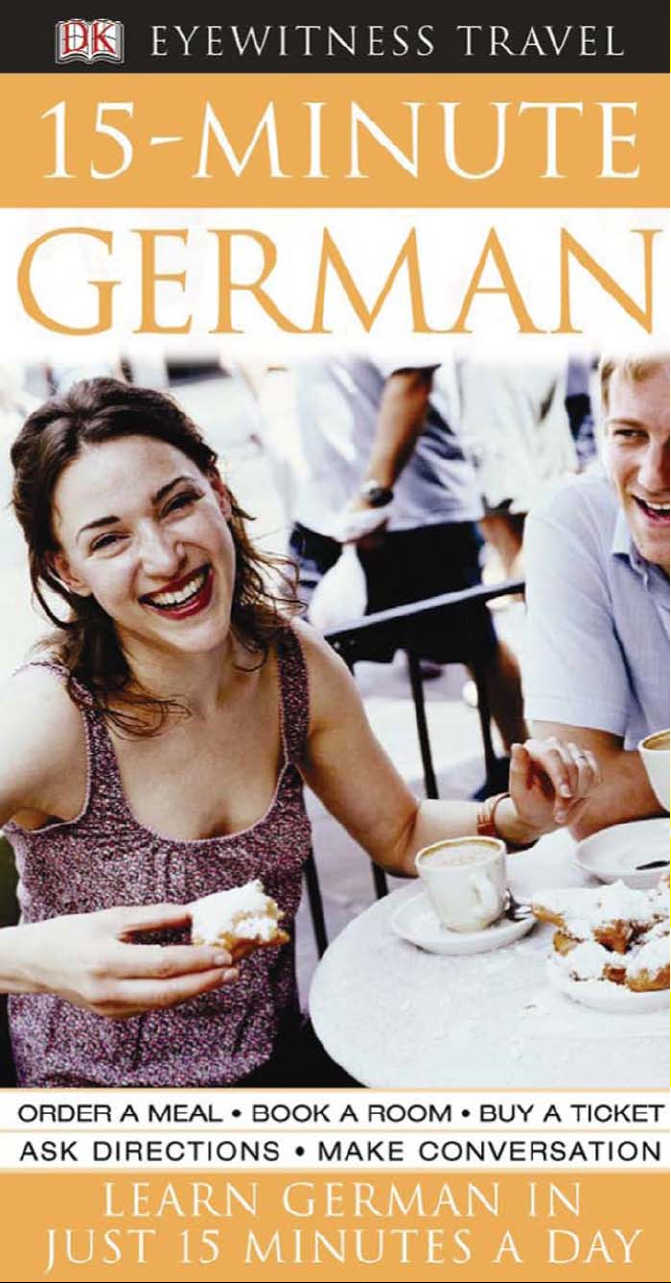
Học tiếng Đức online miễn phí tại: ivogel.vn e y e w i t n e s s t r av e l 15 -minute GERMAN LEARN GERMAN in just 15 minutes A DAY SYLVIA GOULDING T du học nghề Đức Vogel http://duhocngheduc.edu.vn/
Học tiếng Đức online miễn phí tại: ivogel.vn Contents
London, New York, Munich, Melbourne, and Delhi Dorling Kindersley Limited How to use this book 6
Senior Editor Angeles Gavira
Project Art Editor Vanessa Marr
DTP Designer John Goldsmid Week 1
Production Controller Luca Frassinetti Introductions
Publishing Manager Liz Wheeler
Managing Art Editor Philip Ormerod Hello 8
Publishing Director Jonathan Metcalf Art Director Bryn Walls Relatives 10 My family 12
Language content for Dorling Kindersley by To be and to have 14 g-and-w publishing Review and repeat 16
Produced for Dorling Kindersley by Schermuly Design Co. Week 2
Art Editor Hugh Schermuly
Project Editor Cathy Meeus Eating and drinking
Special photography Mike Good In the café 18 First American Edition, 2005 In the restaurant 20
Published in the United States by To want 22
DK Publishing, Inc., 375 Hudson Street, Dishes 24 New York, New York 10014 Review and repeat 26
05 06 07 08 09 10 9 8 7 6 5 4 3 2 1
Copyright © 2005 Dorling Kindersley Limited Week 3
All rights reserved under International and Making arrangements
Pan-American Copyright Conventions. No part Days and months 28
of this publication may be reproduced, stored
in a retrieval system, or transmitted in any Time and numbers 30
form or by any means, electronic, mechanical, Appointments 32
photocopying, recording or otherwise, without
the prior written permission of the copyright On the telephone 34
owner. Published in Great Britain by Dorling Review and repeat 36 Kindersley Limited.
A Cataloging-in-Publication record for this book Week 4
is available from the Library of Congress. Travel ISBN 0-7566-0923-2 At the ticket office 38
15-Minute German is also available in a pack To go and to take 40
with two CDs (ISBN 0-7566-0930-5) Public transportation 42
Color reproduction by Colourscan, Singapore On the road 44
Printed and bound in China by Leo Paper Products Limited Review and repeat 46 Discover more at www.dk.com T du học nghề Đức Vogel http://duhocngheduc.edu.vn/
Học tiếng Đức online miễn phí tại: ivogel.vn Week 5 At the hospital 94 Getting around Review and repeat 96 Around town 48 Week 10 Finding your way 50 At home Sightseeing 52 At home 98 At the airport 54 In the house 100 Review and repeat 56 The backyard 102 Week 6 Pets 104 Accommodation Review and repeat 106 Booking a room 58 Week 11 In the hotel 60 Services Camping 62 Bank and post office 108 Descriptions 64 Services 110 Review and repeat 66 To come 112 Week 7 Police and crime 114 Shopping Review and repeat 116 Shopping 68 Week 12 At the market 70 Leisure and socializing At the supermarket 72 Leisure time 118 Clothes and shoes 74 Sports and hobbies 120 Review and repeat 76 Socializing 122 Week 8 Review and repeat 124 Work and study Reinforce and progress 126 Jobs 78 The office 80 Menu guide 128 Academic world 82 In business 84 English–German dictionary 132 Review and repeat 86 Week 9 German–English dictionary 146 Health At the pharmacy 88 Acknowledgments 160 The body 90 At the doctor 92 T du học nghề Đức Vogel http://duhocngheduc.edu.vn/
Học tiếng Đức online miễn phí tại: ivogel.vn 6 H OW TO U S E T H I S B O O K How to use this book
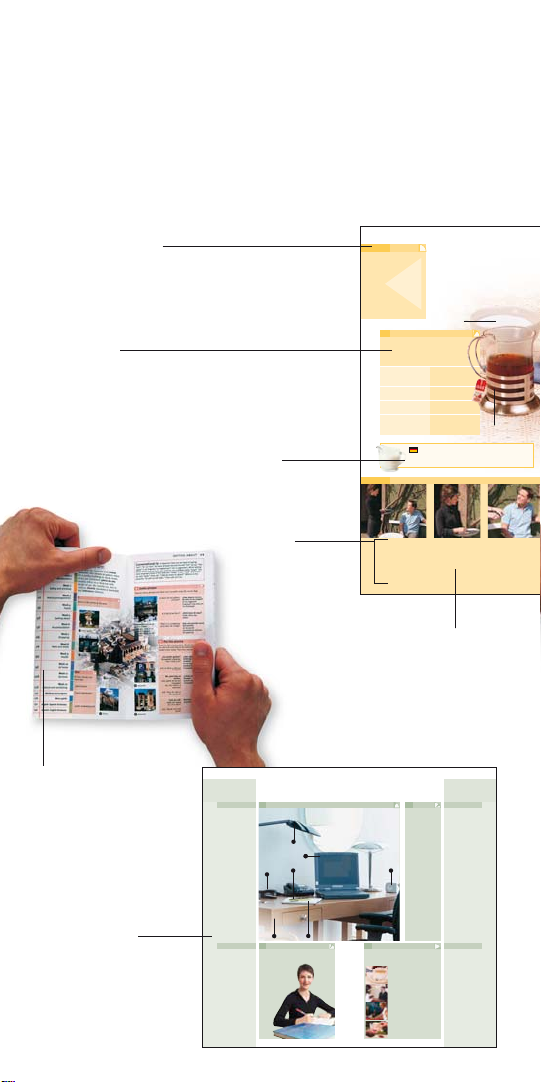
This main part of the book is devoted to 12 themed
chapters, broken down into five 15-minute daily lessons,
the last of which is a revision lesson. So, in just 12 weeks
you will have completed the course. A concluding
reference section contains a menu guide and English-to-
German and German-to-English dictionaries. 1 8 W E E K 2 Warm up and clock 1 Warm up Im Café Count to ten.
Each day starts with a one-minute warm-up that (pp.10–11) At the café Say “hello” and
In a German Café the busiest time is
encourages you to recall vocabulary or phrases “goodbye.” (pp.8–9)
the afternoon, when people stop for Ask “Do you have a
coffee and cake. Some savory dishes brother?” (pp.12–13)
are also usually available, but the
you have learned previously. A clock to the right
emphasis is on pastries and cakes.
of the heading bar indicates the amount of time der Zucker dair tsook-ker sugar
you are expected to spend on each exercise. 2 Match and repeat
Familiarize yourself with the words Instructions
below. Then test yourself by hiding
the German with the cover flap.
Practice the words on the picture also.
Each exercise is numbered and introduced by der Kaffee ohne black coffee Milch
instructions that explain what to do. In some dair kuf-fay oh-ne milkh der Tee mit Milch tea with milk
cases additional information is given about the dair tay mit milkh das Gebäck pastry language point being covered. duss ge-beck das Sandwich sandwich der schwarze Tee duss zent-vitch dair shvar-tse tay black tea
Cultural tip Coffee is always served with milk
and sugar, but tea drinkers should specify if they want milk
Cultural/Conversational tip
(“mit Milch”) or lemon (“mit Zitrone”).
These panels provide additional 3 In conversation
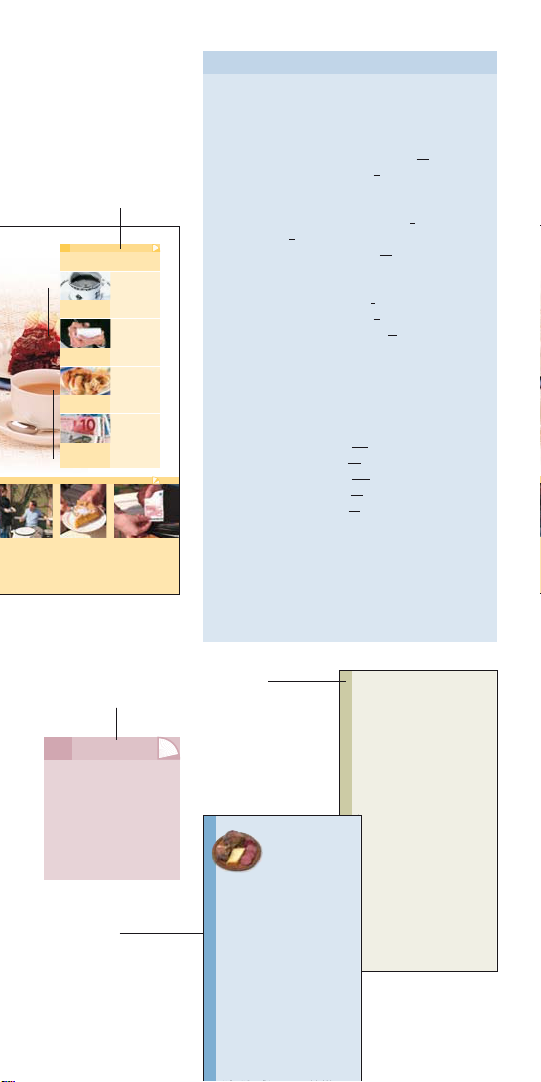
insights into life in Germany and language usage. Text styles Ich hätte gern eine Sonst noch etwas? Haben Sie Kuchen? Tasse Tee mit Milch. zonsst nokh et-vuss hah-ben zee koo-khen ikh het-te gairn ie-ne Distinctive text tuss-se tay mit milkh Anything else? Do you have any cake? I would like a cup of tea with milk, please. styles differentiate German and English, and the pronunciation In conversation guide (see right). Illustrated dialogues reflecting how vocabulary and phrases are used in everyday situations appear throughout the book. How to use the flap 8 6 W E E K 8
WO R K A N D S T U DY 8 7 Antworten Wiederholung Antworten The book’s cover flaps Answers Answers Cover with flap Review and repeat Cover with flap allow you to conceal 1 At the office 1 At the office 3 Work 3 Work 1 das Heftgerät Name these items. Answer these 1 Ich bin duss heft-ge-rayt questions following selbstständig. the German so that the English ikh bin zelpst-shten- 2 die Lampe prompts. dikh dee lum-pe Bei welcher 2 Ich bin von der 3 der Laptop Firma arbeiten Universität Köln. you can test whether dair lap-top Sie? ikh bin fon dair oo- 2 lamp 1 Say: I work for nee-vair-zee-tayt 4 der Stift myself. kewln dair shtift you have remembered Von welcher 3 Ich betreibe 5 der Schreibtisch laptop 1 3 Universität sind Forschungen dair shriep-tish Sie? in der Medizin. 2 Say: I’m at the ikh be-trie-be for- 6 der Notizblock University of shoong-en in dair correctly. dair no-teets-blok 4 pen clock 7 Köln. may-dee-tseen 1 stapler 7 die Uhr Was ist Ihr 4 Ja, meine dee oor Gebiet? Sekretärin hat 3 Say: I’m doing den Zeitplan. medical research. yah, mye-ne zek-re-tair-in hut Haben wir uns dayn tsiet-plahn auf einen Zeitplan geeinigt? 4 Say: Yes, my secretary has the schedule. Revision pages 5 desk notepad 6 2 Jobs 2 Jobs 4 How much? 4 How much? A recap of selected 1 Arzt/Ärztin What are these jobs in German?
Answer the question with the amount 1 Das macht zwei artst/airts-tin shown in brackets. Euro fünfzig. 1 doctor duss makht tsvie 2 Klempner(in) oy-roe fewnf-tsik elements of previous klemp-ner(in) 2 plumber 1 Was kostet der Kaffee? ( 2.50) 2 Es kostet sieben- 3 Verkäufer(in) 3 store clerk undvierzig Euro. fer-koy-fer(in) es kos-tet zee-ben- lessons helps to 4 accountant oont-feer-tsik 4 2 Buchhalter(in) Was kostet das Zimmer? oy-roe bookh-hull-ter(in) 5 teacher ( 47) 3 Das macht drei 5 Lehrer(in) 6 lawyer Euro fünfund- reinforce your lay-rer(in) zwanzig. 3 Was kostet das Kilo duss makht drie 6 Rechtsanwalt/ Tomaten? ( 3.25) oy-roe fewnf-oont- Rechtsanwältin tsvun-tsik knowledge. rekhts-un-vullt/ rekhts-un-vel-tin 4 Er kostet fünfzig
4 Was kostet der Parkplatz für Euro. drei Tage? ( 50) air kos-tet fewnf- tsik oy-roe T du học nghề Đức Vogel http://duhocngheduc.edu.vn/
Học tiếng Đức online miễn phí tại: ivogel.vn
H OW TO U S E T H I S B O O K 7 Pronunciation guide
Many German sounds will already be familiar
to you, but a few require special attention.
Take note of how these letters are pronounced: Useful phrases
ch pronounced from the back of the Selected phrases
throat, as in the Scottish loch relevant to the topic j
pronounced y as in yes help you speak and r
rolled, produced from the back of the understand. throat s
pronounced either s as in see or z
E AT I N G A N D D R I N K I N G 1 9 as in zoo 4 Useful phrases
sch pronounced sh as in ship
Practice these phrases and then test yourself using the cover flap. ß
a special character that represents a ein Stück Kuchen ine shtewck Ich hätte gern eine koo-khen Tasse Kaffee, bitte. double ss slice of cake ikh het-te gairn ie-ne tuss-se kuf-fay, bit-te v
pronounced f as in foot I’d like a cup of coffee, please. w
pronounced v as in van Sonst noch etwas? zonsst nokh et-vuss
z/tz pronounced ts as in pets
German vowels can be tricky, with the same Anything else?
vowel having a number of different Ja, ein Teilchen, bitte. yah, ine tile-khen,
pronunciations. Watch out also for these bit-te
combinations that may look like familiar Yes, a Danish pastry, please.
English sounds, but are pronounced Was macht das? vuss mukht duss differently in German:
au as the English now How much is that? der Kaffee
ee as the English lay dair kuf-fay (white) coffee ei as the English high
eu as the English boy ie as the English see
After each word or phrase you will find a
pronunciation transcription. Read this, bearing Ja, selbstverständlich. Danke. Was macht Vier Euro, bitte. yah, zelpst-fer- das? feer oy-roe, bit-te shtend-likh dun-ke. vuss mukht
in mind the tips above, and you will achieve a duss Four euros, please. Yes, certainly. Thank you. How much is that?
comprehensible result. But remember that the
transcription can only ever be an approximation
and that there is no real substitute for
listening to and mimicking native speakers. Say it In these exercises you are asked to apply what you have learned 1 3 2 D I C T I O N A RY Dictionary using different Dictionary A mini-dictionary English to German vocabulary.
In German, the gender of a noun is indicated by the provides ready
word for the: der for a masculine noun, die for feminine,
and das for neuter. Die is also used with plural nouns,
and the abbreviations “(m pl),” “(f pl),” and “(nt pl)” reference from
are used to indicate their gender here. The feminine
form of most occupations and personal attributes is
made by adding -in to the masculine form: accountant English to German
Buchhalter(in), for example. Exceptions to this rule are
listed separately. Where necessary, adjectives are denoted 5 Say it
by the abbreviation “(adj).” and German to America Amerika A in der Nacht; at 3 American der/die o’clock um 3 Uhr about: about 16 etwa 16 Amerikaner(in); (adj) athletic shoes die English for 2,500 accelerator das amerikanisch Turnschuhe Do you have a single Gaspedal and und ATM der Geldautomat accident der Unfall ankle der Knöchel attic der Dachboden accommodation die another (different) ein attractive attraktiv words. Unterkunft anderer; (one more) August August room, please? accountant der/die noch ein; another time aunt die Tante Buchhalter(in) ein andermal; another Australia Australien ache der Schmerz room ein anderes Australian der/die
across from: across from Zimmer; another Australier(in); (adj) the hotel gegenüber
coffee, please noch australisch dem Hotel einen Kaffee, bitte Austria Österreich adapter der Adapter answering machine Austrian der/die For six nights. 1 2 8 M E N U G U I D E address die Adresse der Anrufbeanworter Österreicher(in); (adj) admission charge der antique shop das österreichisch Eintrittspreis Antiquitätengeschäft automatic automatisch Menu guide after nach antiseptic das
away: is it far away? ist aftershave das Antiseptikum es weit von hier?; go
This guide lists the most common Rasierwasser apartment die Wohnung away! gehen Sie weg! again nochmal aperitif der Aperitif awful furchtbar Is breakfast included?
terms you may encounter on German against gegen appetite der Appetit
menus or when shopping for food. If agenda die
appetizer die Vorspeisen
you can’t find an exact phrase, try Tagesordnung (f pl) B agent der Vertreter apple der Apfel baby das Baby
looking up its component parts. air die Luft application form das back (not front) die air conditioning die Antragsformular Rückseite; (part of Bouillon clear soup Endiviensalat endive Klimaanlage appointment der Termin body) der Rücken A Braten roast meat salad aircraft das Flugzeug apricot die Aprikose backpack der Rucksack Aal eel Brathering pickled and englisch rare airline die Fluglinie are: you are (singular
bacon der Speck; bacon am Spieß on the spit
fried herring, served cold Entenbraten roast duck airmail die Luftpost informal) du bist; and eggs Eier mit Speck Ananas pineapple Bratkartoffeln fried entgrätet bones (fish) air mattress (singular formal; bad schlecht Äpfel apple potatoes Erbsen peas die Luftmatratze plural formal) Sie bag die Tasche
Apfel im Schlafrock baked Bratwurst grilled pork Erdbeertorte strawberry airport der Flughafen sind; (plural informal) baggage das Gepäck; apple in puff pastry sausage cake airport bus ihr seit; we are wir baggage claim die Apfelsaft apple juice Brot bread Essig vinegar der Flughafenbus sind; they are sie sind Gepäckausgabe Apfelsinen oranges Brötchen roll aisle der Gang arm der Arm bait der Köder
Apfelstrudel apple strudel Brühwurst large alarm clock der Wecker armchair der Sessel bake backen Apfeltasche apple frankfurter F alcohol der Alkohol arrivals die Ankunft baker der Bäcker turnover Brust breast Falscher Hase meat loaf
all alle(s); all the streets art die Kunst bakery die Konditorei Apfelwein cider Bückling smoked red Fasan pheasant
alle Straßen; that’s all art gallery die balcony der Balkon Aprikosen apricots herring Fenchel fennel das ist alles Kunstgalerie ball der Ball Menu guide
Arme Ritter bread soaked
Buletten burgers; rissoles Fett fat allergic allergisch
artist der/die Künstler(in) ballet das Ballett
in milk and egg then fried
Bunte Platte mixed platter Filet fillet (steak) almost fast as: as soon as possible Baltic die Ostsee Artischocken artichokes Burgundersoße Fisch fish alone allein so bald wie möglich banana die Banane Auberginen eggplant Burgundy wine sauce
Fischfrikadellen fishcakes already schon
ashtray der Aschenbecher band (musicians) die Use this guide as a
Auflauf baked pudding or Buttercremetorte cream
Fischstäbchen fish sticks always immer asthma das Asthma Band omelet cake Flädlesuppe consommé am: I am ich bin
at: at the post office auf bandage der Verband; Aufschnitt cold meats Buttermilch buttermilk with crepe strips ambulance
der Post; at the station (adhesive) das Austern oysters flambiert flambéed der Krankenwagen am Bahnhof; at night Pflaster reference for food C, D Fleischbrühe bouillon
Fleischkäse meat loaf terminology and B Champignons mushrooms Fleischklößchen Backobst dried fruit Cordon bleu veal cordon meatball(s) Backpflaume prune bleu
Fleischpastete meat vol- Baiser meringue Currywurst mit Pommes au-vent popular German Balkansalat cabbage and frites curried pork Fleischsalat diced meat pepper salad sausage with fries salad with mayonnaise Bananen bananas Dampfnudeln sweet yeast Fleischwurst pork Bandnudeln ribbon dumpling sausage dishes. noodles Deutsches Beefsteak Fond meat juices Basilikum basil ground meat or patty Forelle trout Bauernauflauf bacon and Dicke Bohnen broad Forelle Müllerin (Art) potato omelet beans breaded trout with Bauernfrühstück fried Dillsoße dill sauce butter and lemon potato, bacon, and egg durchgebraten well-done Frikadelle rissole Bauernomelett bacon durchwachsen with fat Frikassee fricassee and potato omelet durchwachsener Speck fritiert (deep-) fried Bechamelkartoffeln bacon Froschschenkel frog’s
potatoes in creamy sauce legs Bedienung service Fruchtsaft fruit juice Beilagen side dishes E
Frühlingsrolle spring roll Berliner jelly doughnut Eier eggs Bier beer Eierauflauf omelet Birnen pears Eierkuchen pancake G Biskuit sponge cake Eierpfannkuchen pancake Gans goose Bismarckhering filleted Eierspeise egg dish Gänseleberpastete pickled herring eingelegt pickled goose-liver pâté T du học nghề Đức Vogel http://duhocngheduc.edu.vn/
Học tiếng Đức online miễn phí tại: ivogel.vn
Blätterteig puff pastry Eintopf stew garniert garnished blau cooked in vinegar; Eintopfgericht stew Gebäck pastries, cakes virtually raw (steak) Eis ice gebacken baked 8 W E E K 1 1 Warm up Guten Tag The Warm Up panel appears at the Hello beginning of each topic. Use it to
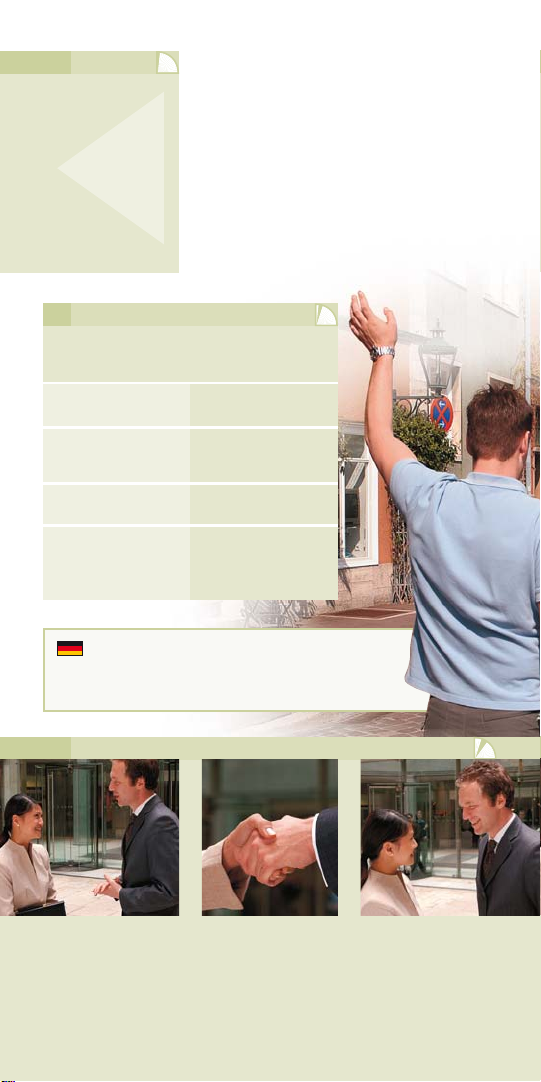
In formal situations, Germans greet reinforce what you
each other with a handshake. They have already learned and to prepare
are addressed with title—Herr (for yourself for moving
men) and Frau (for women)—and last ahead with the new
name. Nowadays the title Fräulein subject.
(Miss) is rarely used for adult women.
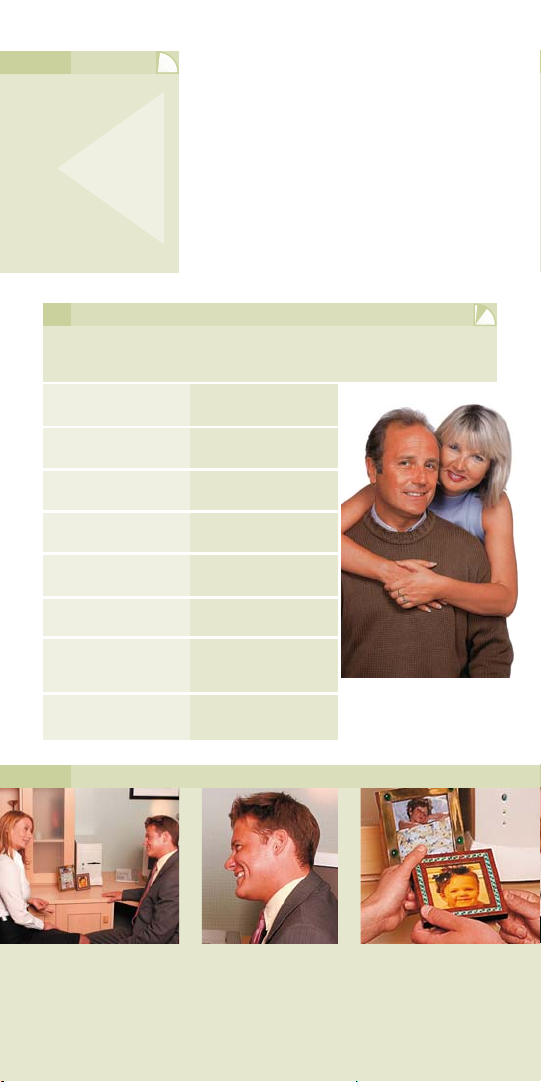
Young people may greet each other with a kiss on each cheek. Hallo! 2 Words to remember Hal-loe Hello!
Learn these expressions. Conceal the German
with the cover flap and test yourself. Guten Tag. Hello/Good day. goo-ten tahk Guten Abend/Nacht. Good evening/night. goo-ten ah-bent /nukht Bis bald/morgen. See you biss balt/mor-gen soon/tomorrow. Auf Wiedersehen/ Goodbye. Tschüss. (formal/informal) owf vee-der-zay- en/tchews
Cultural tip In addition to proper names, all
nouns start with a capital letter in German—for example,
“der Tag” (the day), as in “Guten Tag” (good day).
3 In conversation: formal Guten Tag. Ich heiße Guten Tag. Michael Freut mich. Martina Li. Brand, freut mich. froyt mikh goo-ten tahk. ikh high- goo-ten tahk. mikh-ah- se mar-teen-a lee ail brant, froyt mikh Pleased to meet you. Hello. My name is Hello. Michael Brand, Martina Li. pleased to meet you. T du học nghề Đức Vogel http://duhocngheduc.edu.vn/
Học tiếng Đức online miễn phí tại: ivogel.vn
I NT R O D U C T I O N S 9 4 Put into practice
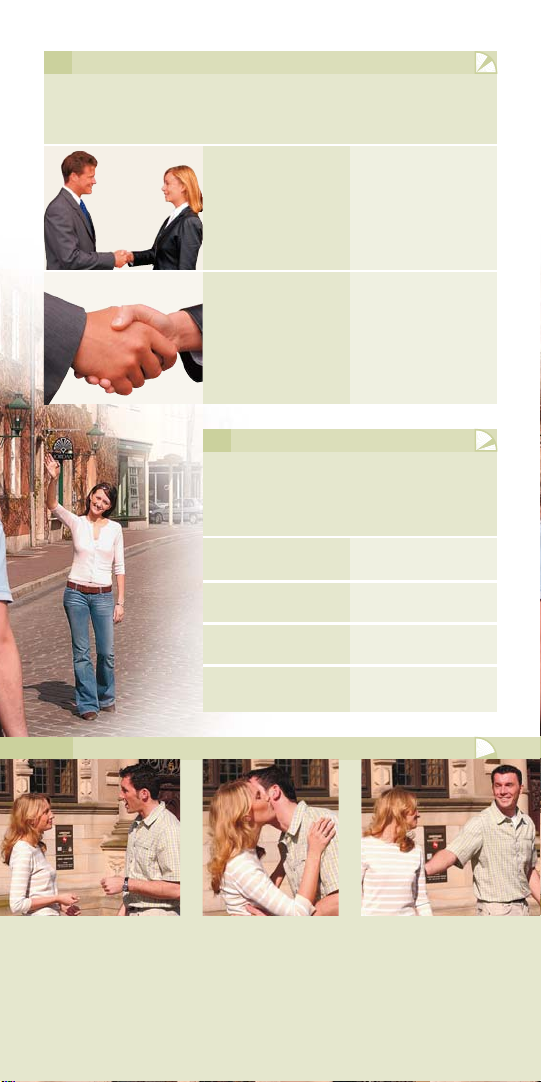
Join in this conversation. Read the German beside the pictures on the
left and then follow the instructions to make your reply. Then test
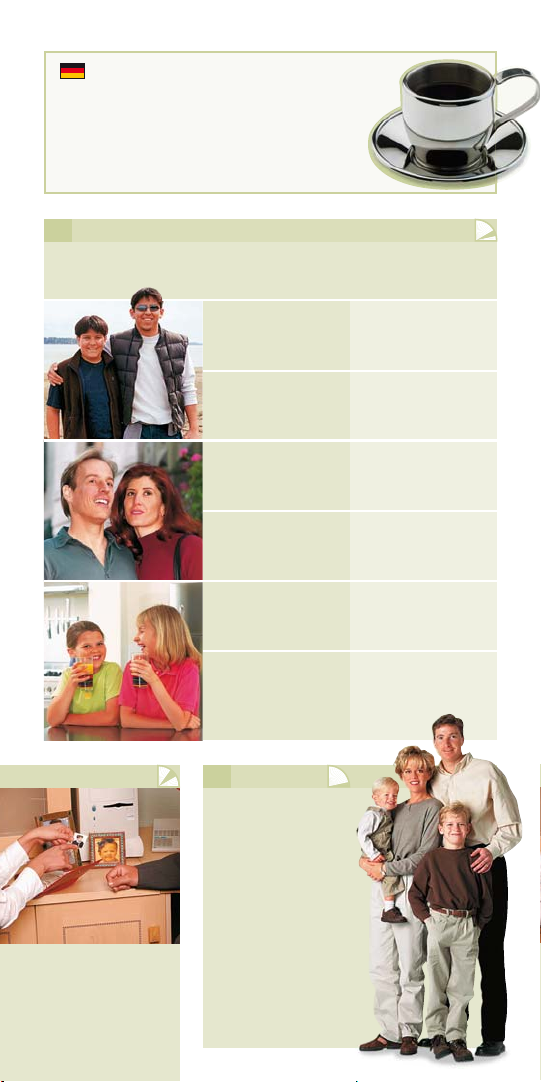
yourself by concealing the answers with the cover flap. Guten Abend, Herr Guten Abend. Gohl. goo-ten ah-bent goo-ten ah-bent, hair goel Good evening, Mr. Gohl. Say: Good evening. Ich heiße Ilse Gerlach. Freut mich. ikh high-se ilze gair-lakh. froyt mikh My name is Ilse Gerlach. Say: Pleased to meet you. 5 Useful phrases
Familiarize yourself with these words.
Read them aloud several times and try to
memorize them. Conceal the German with
the cover flap and test yourself. What’s your name? Wie heißen Sie? vee high-sen zee My name is Thomas. Ich heiße Thomas. ikh high-se toe-mass Pleased to meet you. Freut mich. froyt mikh Thank you. Danke. dun-ke
6 In conversation: informal Also, bis morgen? Ja, auf Wiedersehen. Tschüss. Bis bald. ull-zoe, biss mor-gen yah, owf vee-der-zay-en tchews. biss balt So, see you tomorrow? Yes, goodbye. Goodbye. See you soon. T du học nghề Đức Vogel http://duhocngheduc.edu.vn/
Học tiếng Đức online miễn phí tại: ivogel.vn 1 0 W E E K 1 1 Warm up Die Verwandten Say “hello” and “goodbye” in German. Relatives (pp.8–9)
In German things are masculine, Now say “My name feminine, or neuter, taking a is…”. (pp.8–9)
different form of “the” according Say “Mr” and “Mrs”.
to gender: der (masculine), die (pp.8–9) (feminine), and das (neuter).
There is no easy way of knowing
the gender of a word; you will have to memorize them individually. 2 Match and repeat
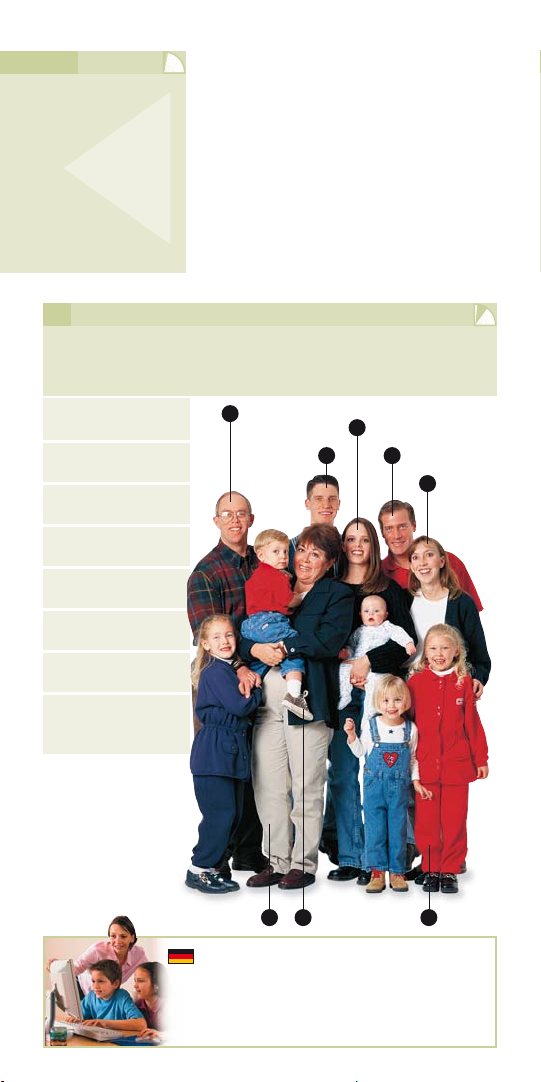
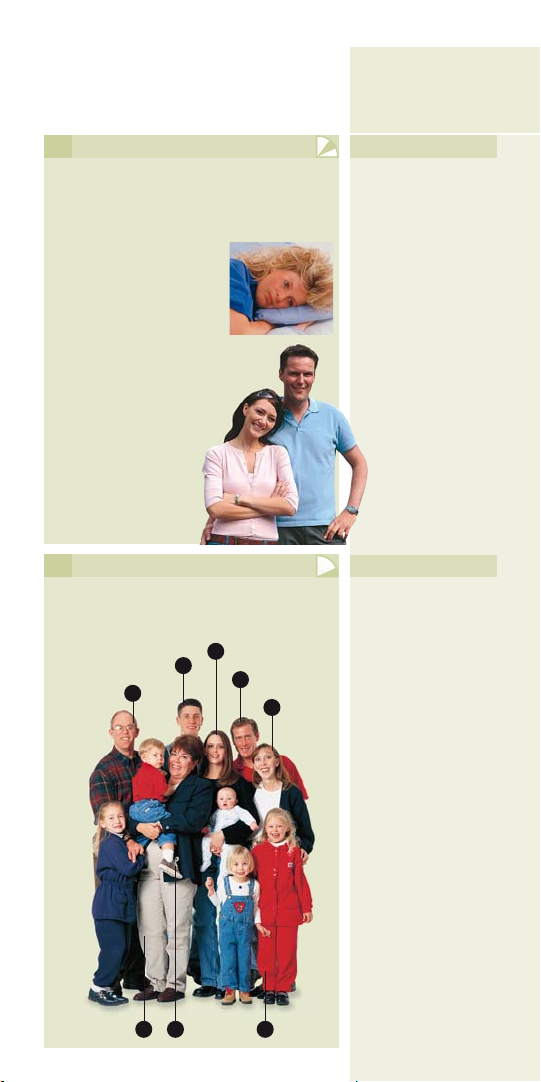
Look at the numbered family members in this scene and match
them with the vocabulary list at the side. Read the German words
aloud. Now, conceal the list with the cover flap and test yourself. 1 der Großvater 1 grandfather dair groes-fah-ter 3 sister 2 der Bruder brother 2 4 father dair broo-der 5 mother 3 die Schwester dee shvess-ter 4 der Vater dair fah-ter 5 die Mutter dee moot-ter 6 die Großmutter dee groes-moot-ter 7 der Sohn dair zoen 8 die Tochter dee tokh-ter grandmother 6 7 son 8 daughter
Conversational tip In German the
word “ein” (a/an) changes according to the gender
of the noun—for example, “Ich habe eine
Schwester” (I have a sister), but “Ich habe einen Sohn” (I have a son). T du học nghề Đức Vogel http://duhocngheduc.edu.vn/
Học tiếng Đức online miễn phí tại: ivogel.vn
I NT R O D U C T I O N S 1 1
3 Words to remember: relatives
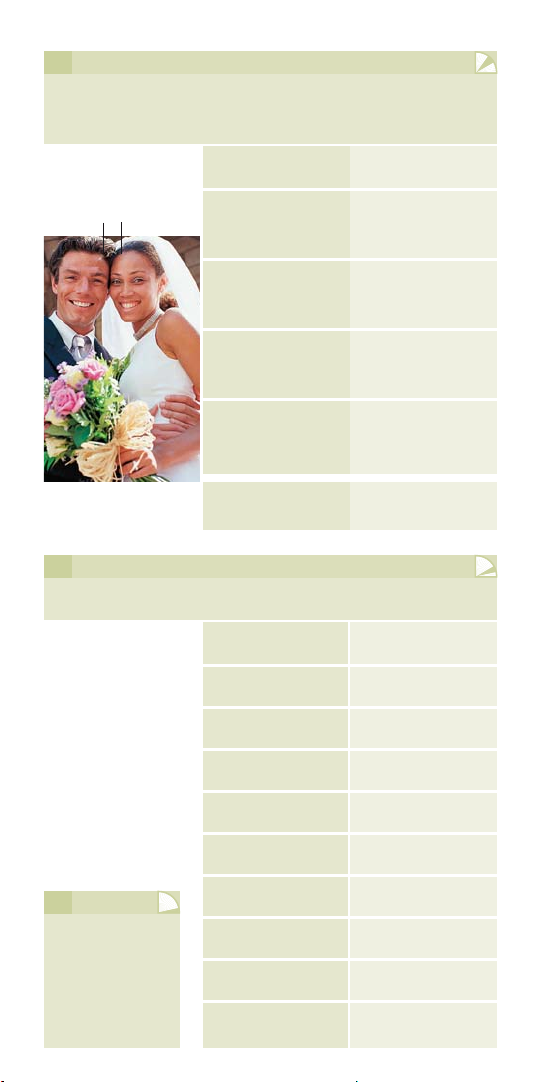
Germans commonly refer to their spouses as mein Mann (my man) or
meine Frau (my woman). This is not impolite, but a shortened version
of mein Ehemann and meine Ehefrau. der die children die Kinder Ehemann Ehefrau dee kin-der dair dee ay-amunn ay-afrow brother-in-law/ der Schwager/die husband wife sister-in-law Schwägerin dair shvar-ger/dee shvay-ge-rin half-brother/half- der Halbbruder/die sister Halbschwester dair hulp-broo-der/dee hulp-shvess-ter stepson/stepdaughter der Stiefsohn/die Stieftochter dair shteef-zohn/dee shteef-tokh-ter stepfather/stepmother der Stiefvater/die Stiefmutter dair shteef-fah-ter/dee shteef-moot-ter Ich bin verheiratet. I have two sons Ich habe zwei Söhne. ikh bin fer-hye-rah-tet ikh hah-be tsvie zer-ne. I’m married.
4 Words to remember: numbers
Memorize these words and then test yourself using the cover flap. In German the plural one eins is formed by adding an ients
“en,” “e,” “er,” or “s” to the end of the word, two zwei tsvie as in Frau/Frauen (woman/women), three drei Tag/Tage (day/days), drie Mann/Männer (man/ men), Auto/Autos four vier (car/cars). In many feer cases the main vowel five fünf changes to an umlaut, fewnf as in der Bruder/die Brüder (brother/ six sechs brothers). In others zeks there is no change. seven sieben 5 Say it zee-ben One sister. eight acht akht Three sons. nine neun Two brothers. noyn ten zehn tsayn T du học nghề Đức Vogel http://duhocngheduc.edu.vn/
Học tiếng Đức online miễn phí tại: ivogel.vn 1 2 W E E K 1 1 Warm up Meine Familie Say the German for as many members of the My family family as you can. (pp.10–11)
There are two ways of saying “you”
in German: Sie for people you have Say “I have two sons.” (pp.10–11)
just met or don’t know very well, and
du for family and friends. There are
also different words for “your” (see
below). It is best to use Sie when you
first meet someone and wait until he or she invites you to use du. 2 Words to remember
The words for “my” and “your” change, depending on the gender and
number of the word to which they relate. mein my (with masculine mine or neuter) meine my (with feminine) mye-ne meine my (with plural) mye-ne dein your (informal, with dine masculine or neuter) deine your (informal, with dye-ne feminine) deine your (informal, with dye-ne plural) Ihr your (formal, with eer masculine or neuter) Das sind meine Eltern. Ihre your (formal, with duss zint mye-ne ee-re feminine or plural) ell-tern These are my parents. 3 In conversation Haben Sie Kinder? Ja, ich habe zwei Hier sind meine hah-ben zee kin-der Töchter. Töchter. Und Sie? yah, ikh hah-be tsvie heer zint mye-ne terkh- Do you have any terkh-ter ter. oont zee children? Yes, I have two These are my daughters. daughters. And you? T du học nghề Đức Vogel http://duhocngheduc.edu.vn/
Học tiếng Đức online miễn phí tại: ivogel.vn
I NT R O D U C T I O N S 1 3
Conversational tip The most common
way to ask a question in German is to invert the
verb and the subject: “Sie haben” (you have)
becomes “Haben Sie…?” (have you?, or do you
have?). Similarly, “Sie möchten Kaffee” (you want
coffee) becomes “Möchten Sie Kaffee?” (Do you want coffee?). 4 Useful phrases
Read these phrases aloud several times and try to memorize them.
Conceal the German with the cover flap and test yourself. Do you have any Haben Sie Brüder? brothers? (formal) hah-ben zee brew-der Do you have any Hast du Brüder? brothers? (informal) husst doo brew-der This is my husband. Hier ist mein Mann. heer isst mine munn That’s my wife. Dort ist meine Frau. dort isst mye-ne frow Is that your sister? Ist das Ihre (formal) Schwester? isst duss ee-re shvess-ter Is that your sister? Ist das deine (informal) Schwester? isst duss dye-ne shvess-ter 5 Say it Do you have any brothers and sisters? (formal) Do you have any children? (informal) I don’t have any sisters. This is my wife. Nein, aber ich habe einen Stiefsohn. nine, ah-ber ikh hah- be ie-nen shteef-zohn No, but I have a stepson. T du học nghề Đức Vogel http://duhocngheduc.edu.vn/
Học tiếng Đức online miễn phí tại: ivogel.vn 1 4 W E E K 1 1 Warm up Sein und haben Say “See you soon.” (pp.8–9) To be and to have Say “I am married”
German verbs have more forms than and “I have a wife.”
English ones, so learn them carefully. (pp.10–11 and pp.12–13)
The verbs sein (to be) and haben (to
have) are used in many expressions,
often differently from English. For
example, in English you say “I’m
hungry,” but in German you say Ich
habe Hunger (literally, I have hunger). 2 Sein: to be
Familiarize yourself with the different forms of sein (to be). Use the
cover flaps to test yourself and, when you are confident, practice the sample sentences below. ich bin I am ikh bin du bist you are (informal, doo bisst singular) er/sie/es ist he/she/it is air/zee/ess isst wir sind we are veer zint ihr seid you are (informal, eer ziet plural) sie sind/Sie sind they are/you are Ich bin Engländerin. zee zint (formal) ikh bin ang-lan-darin I’m English. Ich bin müde. I’m tired. ikh bin mew-de Du bist/Sie sind You’re on time. pünktlich. doo bisst/zee zint pewnkt-likh Ist sie glücklich? Is she happy? isst zee glewk-likh Wir sind Deutsche. We’re German. veer zind doitche T du học nghề Đức Vogel http://duhocngheduc.edu.vn/
Học tiếng Đức online miễn phí tại: ivogel.vn
I NT R O D U C T I O N S 1 5 3 Haben
Learn this verb and the sample sentences. Use the flap to test yourself. I have ich habe ikh hah-be you have (informal, du hast singular) doo husst he/she/it has er/sie/es hat air/zee/ess hut we have wir haben veer hah-ben you have ihr habt Haben Sie Brokkoli? (informal, plural) eer hahpt hah-ben zee brokolee Do you have any they have/you have sie haben/Sie haben broccoli? (formal) zee hah-ben He has a meeting. Er hat eine Besprechung. air hut ie-ne be-shpre-khoong Do you have a Haben Sie ein cell phone? Handy? hah-ben zee ine han-di They have a half- Sie haben einen brother. Halbbruder. zee hah-ben ie-nen hulp-broo-der 4 Negatives
The most common way to make a sentence negative in German is
to put nicht (not) in front of the word that is negated, much as in
English: Wir sind nicht verheiratet (We are not married). Note the
following special negative constructions: not a/not any becomes
kein/keine, not ever/never becomes nie, and not anywhere/nowhere becomes nirgendwo. das Fahrrad I’m not tired. Ich bin nicht müde. duss fahr- ikh bin nikht mew-de raht bicycle He’s not married. Er ist nicht verheiratet. air isst nikht fer-hye-rah-tet We don’t have any Wir haben keine children. Kinder. veer hah-ben kye-ne kin-der Ich habe kein Auto. ikh hah-be kine ow-to I don’t have a car. T du học nghề Đức Vogel http://duhocngheduc.edu.vn/
Học tiếng Đức online miễn phí tại: ivogel.vn 1 6 W E E K 1 Antworten Wiederholung Answers Cover with flap Review and repeat 1 How many? 1 How many? 1 drei
Conceal the answers with the cover flap. drie
Then say these numbers in German. Check
to see if you remembered correctly. 2 neun noyn 1 2 3 3 vier feer 3 9 5 4 64 4 zwei tsvie 5 acht akht 2 6 zehn 7 8 10 tsayn 7 fünf 9 fewnf 8 8 sieben zee-ben 5 76 9 sechs zeks 2 Hello 2 Hello 1 Guten Tag. Ich
You meet someone in a formal situation. heiße… [your
Join in the conversation, replying in name].
German according to the English prompts. goo-ten tahk. ikh high-se… Guten Tag. Ich heiße Claudia. 2 Freut mich.
1 Answer the greeting and give your name. froyt mikh Das ist mein Mann, Norbert. 3 Ja, und ich habe
2 Say “Pleased to meet you.” zwei Söhne. Und Sie? Sind Sie verheiratet? yah, oont ikh
3 Say “Yes, and I have two sons. hah-be tsvie zer- And you?” ne. Oont zee? Wir haben drei Töchter. 4 Auf
4 Say “Goodbye. See you tomorrow.” Wiedersehen. Bis morgen. owf vee-der-zay- en. biss mor-gen T du học nghề Đức Vogel http://duhocngheduc.edu.vn/
Học tiếng Đức online miễn phí tại: ivogel.vn
I NT R O D U C T I O N S 1 7 Antworten Answers Cover with flap 3 To have or be 3 To have or be
Fill in the blanks with the correct form of 1 bin
haben (to have) or sein (to be). Check to see if bin
you remembered the German correctly. 2 ist isst 1 Ich ____ verheiratet. 3 sind 2 Sie (she) ____ müde. zint 3 Wir ____ Deutsche. 4 haben hah-ben 4 ____ Sie eine Besprechung? 5 hat hut
5 Sie (she) ____ eine Schwägerin. 6 habe 6 Ich ____ kein Handy. hah-be 7 ____ du glücklich? 7 bist bisst 8 Das ____ mein Mann. 8 ist isst 4 Family 4 Family
Say the German for each of the numbered 1 der Großvater
family members. Check to see if you dair groes-fah-ter
remembered the German correctly. 2 der Bruder 3 sister dair broo-der brother 2 4 father 3 die Schwester grandfather 1 dee shvess-ter 5 mother 4 der Vater dair fah-ter 5 die Mutter dee moot-ter 6 die Großmutter dee groes- moot-ter 7 der Sohn dair zohn 8 die Tochter dee tokh-ter grandmother 6 7 son 8 daughter T du học nghề Đức Vogel http://duhocngheduc.edu.vn/
Học tiếng Đức online miễn phí tại: ivogel.vn 1 8 W E E K 2 1 Warm up Im Café Count to ten. (pp.10–11) At the café Say “hello” and
In a German Café the busiest time is “goodbye.” (pp.8–9)
the afternoon, when people stop for Ask “Do you have a
coffee and cake. Some savory dishes brother?” (pp.12–13)
are also usually available, but the
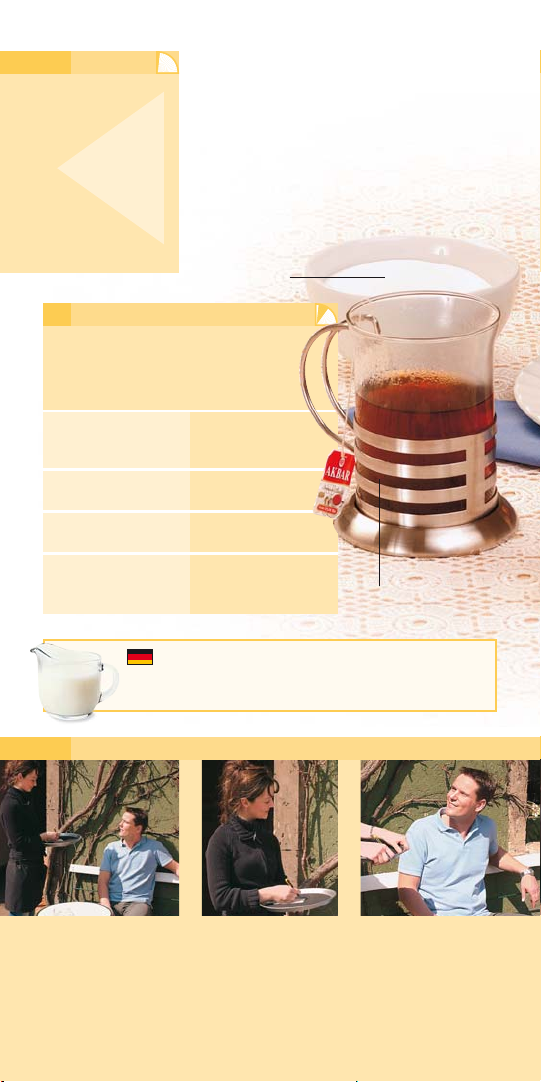
emphasis is on pastries and cakes. der Zucker dair tsook-ker sugar 2 Match and repeat
Familiarize yourself with the words
below. Then test yourself by hiding
the German with the cover flap.
Practice the words on the picture also. der Kaffee ohne black coffee Milch dair kuf-fay oh-ne milkh der Tee mit Milch tea with milk dair tay mit milkh das Gebäck pastry duss ge-beck das Sandwich sandwich der schwarze Tee duss zent-vitch dair shvar-tse tay black tea
Cultural tip Coffee is always served with milk
and sugar, but tea drinkers should specify if they want milk
(“mit Milch”) or lemon (“mit Zitrone”). 3 In conversation Ich hätte gern eine Sonst noch etwas? Haben Sie Kuchen? Tasse Tee mit Milch. zonsst nokh et-vuss hah-ben zee koo-khen ikh het-te gairn ie-ne tuss-se tay mit milkh Anything else? Do you have any cake? I would like a cup of tea with milk, please. T du học nghề Đức Vogel http://duhocngheduc.edu.vn/
Học tiếng Đức online miễn phí tại: ivogel.vn
Tài liệu liên quan:
-
Bài tập Tiếng Đức | Học viện Báo chí và Tuyên truyền
5 3 -
Sách học Ngữ pháp Tiếng Đức | Học viện Báo chí và Tuyên truyền
21 11 -
Từ vựng Anh Đức môn Tiếng Đức | Học viện Báo chí và Tuyên truyền
26 13 -
Tổng hợp các động từ Dativ và Akku môn Tiếng Đức | Học viện Báo chí và Tuyên truyền
27 14 -
Tài liệu về Reflexive verben môn Tiếng Đức A1 | Học viện Báo chí và Tuyên truyền
22 11