Association of Eating Alone with Depressive Symptoms and Suicidal Ideation among Korean Adults
Association of Eating Alone with Depressive Symptoms and Suicidal Ideation among Korean Adults. Tài liệu được sưu tầm giúp bạn tham khảo, ôn tập và đạt kết quả cao. Mời bạn đọc đón xem.
Môn: Tài liệu Tổng hợp 3.6 K tài liệu
Trường: Tài liệu khác 3.9 K tài liệu
Tác giả:

Preview text:
https://doi.org/10.4082/kjfm.20.0128 • Korean J Fam Med 2021;42:219-224 Original Article eISSN: 2092-6715
Association of Eating Alone with
Depressive Symptoms and Suicidal
Ideation among Korean Adults
Joonyoung Park1, Gyeongsil Lee1,2,*
1Department of Family Medicine, Seoul National University Hospital, Seoul, Korea
2Department of Biomedical Sciences, Seoul National University Graduate School, Seoul, Korea
Background: In recent years, eating dinner alone has become a rising social issue in Korea. Depression is one of
the primary health problems that can lead to numerous negative consequences. However, few studies have focused
on people who eat alone and the effect of eating alone on depression. We investigated the association between eat-
ing dinner alone and depression.
Methods: Our cross-sectional study included data from 14,093 Korean adults aged above 19 years old; data were
sourced from the Korea National Health and Nutrition Examination Survey in 2014, 2016, and 2018, when the Pa-
tient Health Questionnaire (PHQ-9) was used. We classified participants based on their dinner habits: eating alone
or social eating. Depression and suicidal ideation among participants were measured using the PHQ-9. Multivari-
ate logistic regression analysis was used to investigate whether eating alone was related to depression or suicidal
ideation after adjusting for age, sex, household income, education, alcohol, smoking, exercise, frequency of eating out, and living arrangement.
Results: Individuals who ate dinner alone (22.9%) had higher depression and suicidal ideation rates than those
who ate with others. Those who ate alone had greater odds ratios (ORs) of depressive symptoms (depression: OR,
1.42; 95% confidence interval [CI], 1.27–1.58; suicidal ideation: OR, 1.49; 95% CI, 1.25–1.78) after adjustment for co-
variates. The subgroup analysis shows that the odds of suicidal ideation among individuals who eat alone were
nonexistent among those who performed regular aerobic exercise.
Conclusion: Eating dinner alone is closely associated with depressive symptoms, particularly suicidal ideation.
Therefore, providing opportunities to eat with others may be effective for maintaining the mental health of adults.
Keywords: Depression; Suicidal Ideation; Meals; Feeding Behavior
Received: June 2, 2020, Revised: September 7, 2020, Accepted: September 9, 2020
*Corresponding Author: Gyeongsil Lee https://orcid.org/0000-0003-1910-9658
Tel: +82-2-2072-0714, Fax: +82-2-766-3276, E-mail: tint0305@snu.ac.kr; 83102@snuh.org
Copyright © 2021 The Korean Academy of Family Medicine
This is an open-access article distributed under the terms of the Creative Commons Attribution Non-Commercial License (http://creativecommons.org/licenses/by-nc/4.0)
which permits unrestricted noncommercial use, distribution, and reproduction in any medium, provided the original work is properly cited. 220 www.kjfm.or.kr
Joonyoung Park, et al. • Eating Alone and Depressive Symptoms INTRODUCTION
2=“more than a week” and 3=“almost every day” for each question).
The total score ranged from 0 to 27 points with a higher total score in-
Single-person households in Korea have increased rapidly from 15.5%
dicating more severe depression symptoms. In this study, participants
in 2000 to 29.3% in 2018, according to Statistics Korea.1) This increase is
with a total score of 5 or more points from the PHQ-9 were defined as
related to changing social structures, such as rising marriage age, di-
depressed and may thus be screened for a depressive disorder and
vorce rates, and bereavement caused by longer life expectancy. As a
considered for further examinations. Additionally, in the case of ques-
result, the number of individuals eating alone is also steadily increas-
tion 9—“How often did I experience self-harm thoughts, such as ‘I
ing.2,3) Individuals who eat together receive social support during
would rather die’ or other such thoughts, in the last 2 weeks”—the
shared mealtimes; therefore, eating alone may have some negative
group was classified as suicidal if individuals answered anything ex-
psychological impacts.4) However, studies related to eating alone have cept “not at all.”
primarily focused on the nutritional factors associated with nutritional
Participants’ ages were classified into three variable groups: 19–39,
imbalance, low food diversity, and obesity.5,6)
40–64, and 65 years old. Household type was classified into living
Few studies have examined the association between eating alone
alone and multiple-person households. Moreover, income levels were
and mental health, including happiness or depressive mood, which
determined by dividing the participants into fourth-percentile house-
have some limitations in the unvalidated questionnaire on mental
hold income variables. Education level was classified as ≤middle
health and small population.7,8) Additionally, not only depressive
school, high school, and ≥college. Body mass index (BMI) was classi-
mood but also suicidal ideation can serve as key markers for mental
fied as underweight (<18.5 kg/m2), normal (18.5–22.9 kg/m2), over-
health, which is assessed in the ninth question of the Patient Health
weight (23–24.9 kg/m2), and obese (≥25 kg/m2), according to the World
Questionnaire (PHQ-9).9) Therefore, we aimed to examine the associa-
Health Organization’s obesity standards.10) Health behaviors included
tion of eating alone with depressive mood and suicidal ideation.
smoking, alcohol consumption, and exercise. Regarding alcohol con-
Among the three meals eaten in a day, we examine dinner because
sumption, participants were defined as problematic drinkers if they
breakfast is usually irregular, eaten at home, or skipped altogether, and
drank more than twice a week with an average alcohol consumption
lunch is often eaten in a group due to external activities, such as work.
of 7 drinks or more for men and 5 drinks or more for women; a moder-
ate drinker was defined as a non-problematic drinker. Smoking was METHODS
classified in the following categories: nonsmokers smoked less than 5
packs of cigarettes in their lifetime, ex-smokers had smoked in the past 1. Study Population
but did not currently smoke, and current smokers were smoking at the
This study used data from the 2014, 2016, and 2018 instances of the
time of the survey. Aerobic exercise utilized the rate of aerobic physical
PHQ-9 survey during the sixth (2013–2015) and seventh (2016–2018)
activity. “Yes” and “no” were used depending on whether physical ac-
waves of the Korea National Health and Nutrition Examination Survey.
tivity was performed over 2 hours and 30 minutes per week or for more
The total number of individuals surveyed was 23,692 with 18,636
than 1 hour and 15 minutes at a high-intensity level. The diet survey
adults aged 19 years or older. Among the 18,636 participants, the ex-
examined the frequency of eating out. Frequency of eating out was
clusion criteria included (1) missing response to the question about
classified as “rarely” (not more than 3 times a month), “usually” (1–4
whether dinners were eaten accompanied by others in the past year
times a week), and “often” (more than 5 times a week).
(n=2,335), (2) eating-out frequency of less than twice a week (n=347),
and (3) missing responses on the PHQ-9 (n=1,861). A total of 14,093 3. Statistical Analysis
individuals (5,826 men and 8,267 women) were included for analysis.
The chi-square test was conducted to compare general characteristics,
The procedures followed were in accordance with the ethical stan-
diet, and health behaviors based on the presence or absence of dinner
dards of the Institutional Review Board of the Korea Disease Control
companions, and the continuous data, age, and BMI were analyzed
and Prevention Agency and with the Helsinki Declaration of 1975, as
using a t-test. A multivariate logistic regression analysis was conducted
revised in 2000. The Institutional Review Board of the Korea Disease
to determine the association between eating alone and depression.
Control and Prevention Agency reviewed and approved the
Model I did not feature adjusted variables; Model II was adjusted for
KNHANES (IRB no., 2013-12EXP-03-5C, 2018-01-03-P-A). All partici-
gender, age, income, and education level; and Model III was adjusted
pants provided written informed consent.
for alcohol, smoking, aerobic exercise, frequency of eating out, and liv-
ing arrangement in addition to factors for Model II. Statistical analysis 2. Study Variables
used the software STATA ver. 16.0 (Stata Corp., College Station, TX,
We defined eating alone as the “no” response to “whether dinners
USA) and P<0.05 was considered statistically significant.
were accompanied by family and non-family members” during the
past year. Depression was measured using the PHQ-9. The survey RESULTS
comprised nine questions, which participants were asked to evaluate
using a 4-point Likert scale (0=“not entirely” 1=“for many days”
The basic characteristics, based on the presence or absence of dinner
https://doi.org/10.4082/kjfm.20.0128
Joonyoung Park, et al. • Eating Alone and Depressive Symptoms www.kjfm.or.kr 221
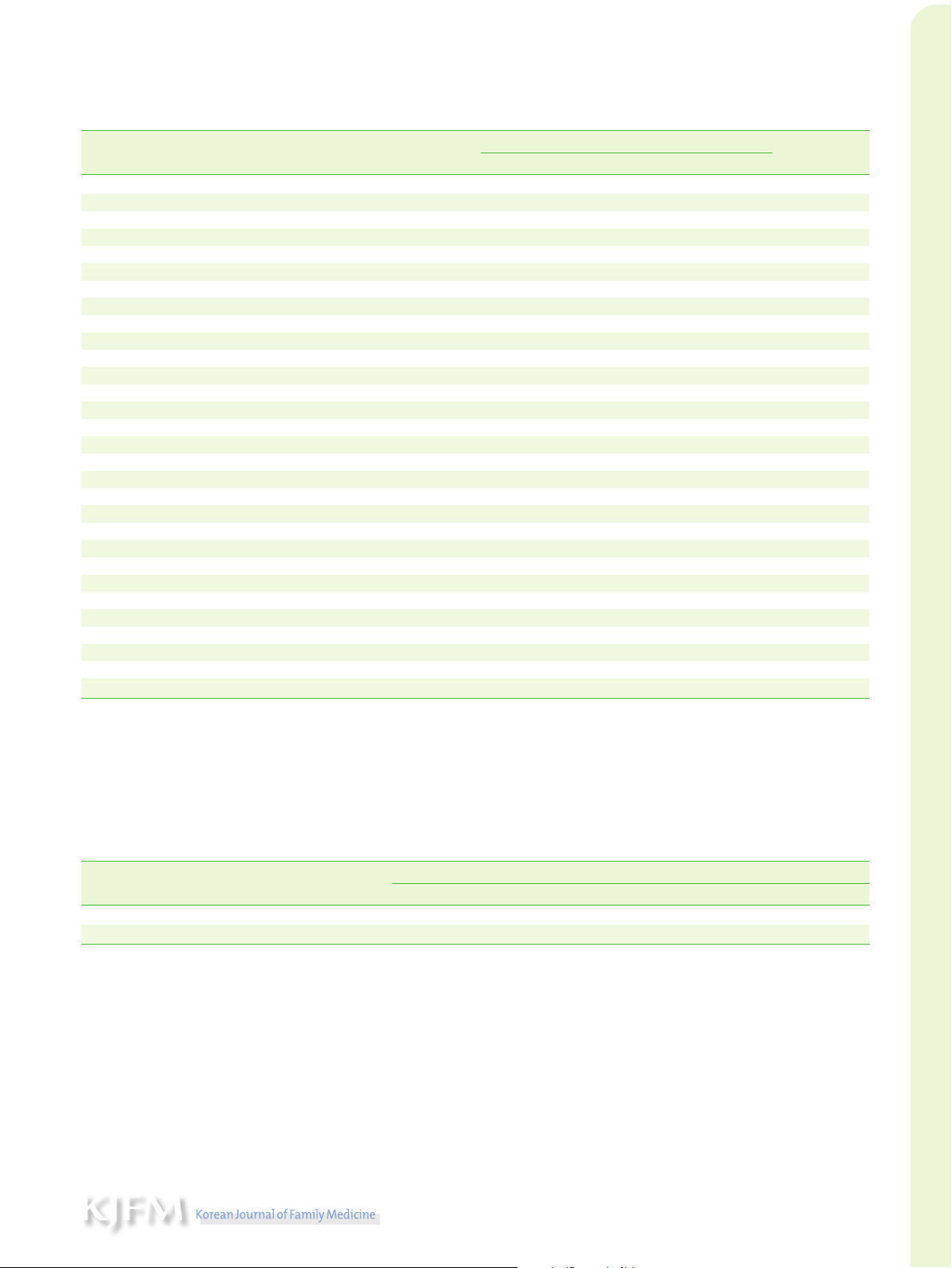
Table 1. General characteristics of subject by dinner companion (n=14,093) Eating together Characteristic Eating alone P-value With family With non-family No. of subjects 3,223 9,280 1,590 Age (y) 56.56±17.09 52.08±15.94 42.28±14.95 <0.001 Male 35.09 60.06 40.30 <0.001 Body mass index (kg/m2) 23.97±3.56 23.80±3.47 24.13±3.57 Household income <0.001 Lower half 57.69 42.16 27.88 Upper half 42.31 57.84 72.12 Education level <0.001
Middle school (grade 6–9) or lower 44.71 28.98 12.96 High school (grade 10–12) 23.66 28.16 23.98 College or higher 31.64 42.86 63.06 Alcohol <0.001 Moderate drinking 86.97 85.51 71.89 Problem drinking 13.03 14.49 28.11 Smoking <0.001 Never 67.66 65.11 51.17 Ex 16.00 20.42 18.28 Current 16.34 14.46 30.55 Aerobic exercise <0.001 Yes 44.37 44.93 50.94 No 55.63 55.07 49.06 Eating out frequency <0.001 Rare (≤3 times/mo) 35.56 29.89 5.60 Usually (1–4 times/wk) 35.15 38.08 14.47 Often (≥5 times/wk) 29.29 32.03 79.94 Living alone (%) <0.001 Yes 39.50 1.25 16.73 No 60.50 98.75 83.27 Depression* 26.62 17.67 18.36 <0.001 Suicidal ideation† 10.98 5.24 4.65 <0.001
Values are presented as mean±standard deviation or %, unless otherwise stated. P-values by chi-square test or t-test. Eating alone: do not have accompanied family
members and non-family members at dinner for the past year; household income: monthly income of the householder of the year is divided into two categories; moderate
drinking: non-problem drinking; problem drinking: drink more than twice a week and the average alcohol consumption is 7 drinks or more for men and 5 drinks or more for
women; never smokers: less than five packs of cigarettes in their lifetime; ex-smokers: smoked in the past but did not currently smoke; aerobic exercise: and physical activity
was performed over 2 hours and 30 minutes per week, or for more than 1 hour and 15 minutes at a high-intensity level.
PHQ, Patient Health Questionnaire.
*PHQ-9 ≥5. †PHQ-9 9th question.
Table 2. OR for depression or suicidal ideation of eating alone individuals compare to eating together individuals
OR (95% CIs) of eating alone individuals Variable Eating together Model I Model II Model III Depression 1 1.68 (1.53–1.84) 1.48 (1.34–1.63) 1.42 (1.27–1.58) Suicidal ideation 1 2.27 (1.98–2.61) 1.61 (1.39–1.87) 1.49 (1.25–1.78)
Model I: unadjusted; model II: adjusted for sex, age, income, and education; and model III: adjusted for alcohol, smoking, aerobic exercise, eating out frequency, and living
arrangement in addition to model II.
OR, odds ratio; CI, confidence interval.
companions, are presented in Table 1. Individuals who ate alone ac-
ally, among the eating alone group, the proportion of those with sui-
counted for 29.7% with both men and women tending to be older,
cidal ideations was significantly higher than for the social eating group.
have lower income, and have lower education levels. In the eating
In the eating together group, most people reported that they dined
alone group, the frequency of eating out was significantly lower. More-
with their families. Individuals who ate with family members account-
over, 35.8% individuals stated that they had not drunk alcohol in the
ed for 85.4%, thereby indicating a tendency to be older, with a higher
past year. The eating alone group had a higher rate of depression (a
percentage of men and lower frequency of eating out.
PHQ-9 score of 5 or higher) than the eating together group. Addition-
Table 2 shows that the relationship of depression or suicidal ideation
https://doi.org/10.4082/kjfm.20.0128 222 www.kjfm.or.kr
Joonyoung Park, et al. • Eating Alone and Depressive Symptoms
depends on the presence or absence of dinner companions. The anal-
level, problematic drinking, and being a current smoker. In particular,
ysis results for model I, which was unadjusted for other variables,
the risk of suicidal ideation was higher among older individuals. The
showed that eating alone was 68% more likely to cause depression,
and suicidal ideations were 2.27 times more likely than for social eat-
ers. Model II was adjusted for sex, age, income, and education and
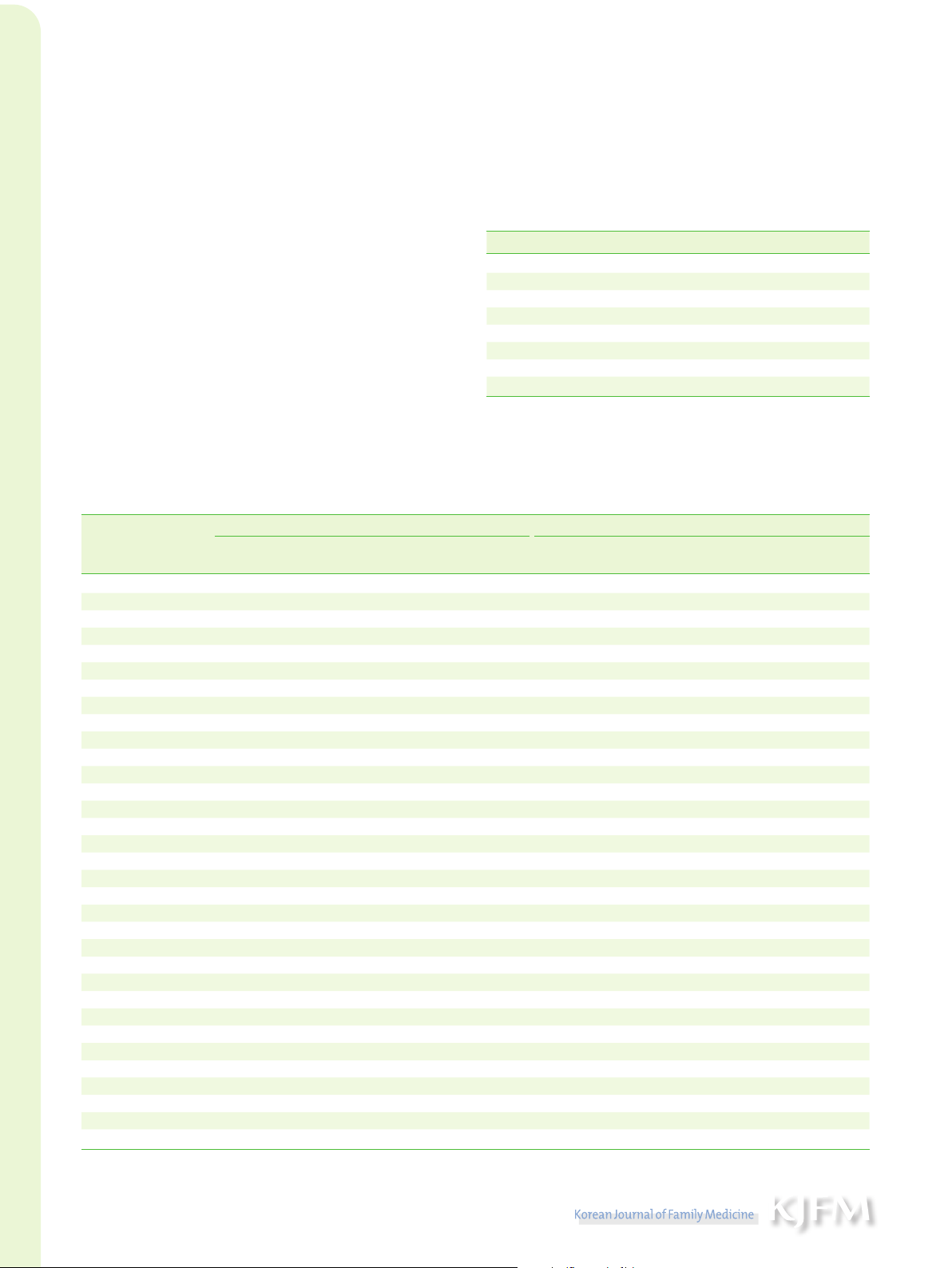
Table 3. Odds ratio for depression or suicidal ideation between groups depending on
showed 1.48 times higher depression levels and 1.61 times higher sui-
the members of dinner companion
cidal ideation levels among the eating alone group. In addition to Variable Eating alone With family With non-family
model II, model III was adjusted for alcohol, smoking, aerobic exer- Depression
cise, frequency of eating out, and living arrangements. The eating Model I 1 0.59 (0.54–0.65) 0.62 (0.53–0.72) Model II 1 0.67 (0.60–0.74) 0.75 (0.64–0.88)
alone group was 1.42 times more depressed and 1.49 times more Model III 1 0.70 (0.62–0.78) 0.74 (0.63–0.88)
prone to suicidal ideation. Table 3 indicates whether the dinner com- Suicidal ideation
panion is or is not a family member and shows that the difference be- Model I 1 0.45 (0.39–0.52) 0.40 (0.31–0.51)
tween family and non-family groups is insignificant. Therefore, in both Model II 1 0.61 (0.53–0.71) 0.71 (0.54–0.93)
groups, the association was lower than in the eating alone group. Model III 1 0.66 (0.55–0.79) 0.71 (0.54–0.94)
Table 4 presents the subgroup analysis, and the trend is similar to
Values are presented as odds ratio (95% confidence interval). Model I: unadjusted;
model II: adjusted for sex, age, income, and education; and model III: adjusted for
the primary results. Risk factors for depression and suicidal ideation
alcohol, smoking, aerobic exercise, eating out frequency, and living arrangement in
included young age, male sex, low BMI, low income, low education addition to model II.
Table 4. Subgroup analysis of the association between types of dinner companion and depression or suicidal ideation Depression Suicidal ideation Variable
No. of depression/no. of OR (95% CI) of eating alone individuals
No. of suicidal ideation/no. of OR (95% CI) of eating alone individuals subtotals compared with eating together subtotals compared with eating together Age (y) 19–39 872/3,797 1.51 (1.22–1.87) 172/3,797 1.62 (1.09–2.39) 40–64 1,107/6,491 1.39 (1.18–1.64) 353/6,491 1.37 (1.04–1.79) ≥65 811/3,805 1.39 (1.12–1.74) 389/3,805 1.58 (1.17–2.12) Sex Men 820/5,826 1.55 (1.27–1.88) 277/5,826 1.80 (1.32–2.46) Women 1,970/8,267 1.37 (1.20–1.57) 637/8,267 1.38 (1.11–1.71) Body mass index Underweight 180/559 1.57 (0.95–2.56) 57/559 0.94 (0.42–2.13) Normal 1,701/8,719 1.45 (1.26–1.67) 547/8,719 1.57 (1.26–1.96) Overweight 900/4,772 1.33 (1.09–1.62) 306/4,772 1.51 (1.11–2.06) Household income Lower half 1,510/6,199 1.48 (1.27–1.74) 622/6,199 1.49 (1.19–1.86) Upper half 1,271/7,860 1.36 (1.16–1.59) 289/7,860 1.49 (1.12–2.00) Education level Middle school or lower 1,030/4,334 1.55 (1.28–1.86) 492/4,334 1.51 (1.17–1.94) High school 712/3,755 1.18 (0.95–1.47) 201/3,755 1.23 (0.84–1.79) College or higher 1,048/5,997 1.51 (1.26–1.80) 219/5,997 1.78 (1.27–2.48) Alcohol Moderate drinking 2,426/12,391 1.38 (1.23–1.56) 788/12,391 1.47 (1.21–1.78) Problem drinking 348/1,642 1.72 (1.30–2.29) 119/1,642 1.75 (1.14–2.70) Smoking Never 1,836/8,993 1.31 (1.15–1.50) 573/8,993 1.47 (1.18–1.83) Ever 935/5,032 1.66 (1.37–2.01) 331/5,032 1.53 (1.14–2.07) Aerobic exercise No 1,564/7,658 1.52 (1.31–1.77) 555/7,658 1.69 (1.34–2.12) Yes 1,212/6,389 1.30 (1.10–1.53) 352/6,389 1.25 (0.94–1.65) Eating out frequency Rare 945/4,009 1.61 (1.33–1.96) 431/4,009 1.29 (0.97–1.70) More than once a week 1,845/10,084 1.35 (1.18–1.54) 483/10,084 1.65 (1.31–2.07) Living alone Yes 479/1,655 1.34 (0.99–1.80) 229/1,655 1.59 (1.01–2.50) No 2,311/12,438 1.43 (1.27–1.61) 685/12,438 1.48 (1.22–1.79)
OR, odds ratio; CI, confidence interval.
https://doi.org/10.4082/kjfm.20.0128
Joonyoung Park, et al. • Eating Alone and Depressive Symptoms www.kjfm.or.kr 223
risk of depression was higher in the group that did not exercise; how-
based on evidence in the literature, the preventive effects of exercise
ever, no relevant correlation was noted between suicidal ideation and
on depression have been reported in large cohort studies.16,17) There- exercise level.
fore, the current study results showed preliminary evidence for the ad-
vantages of exercise for mental health. Studies have shown that BMI DISCUSSION
and depression represent inverse U-shaped curves while others sug-
gested that individuals are more susceptible to various diseases when
Eat alone was associated with higher depression symptoms, including
underweight.18,19) Other studies have shown that underweight women
suicidal ideation. Individuals who ate dinner alone were older, had
are increasingly prone to diseases and depression.20) We found that the
lower income and education level, and were more likely to be in sin-
underweight group had a high risk of depression (odds ratio, 1.57).
gle-person households. Moreover, frequency of eating out was lower
Studies have shown that eating patterns are related to practical prob-
in the eating alone group. When comparing family and non-family
lems, such as decreased appetite with relation to mental health.21) A
groups, the difference was not significant, and, compared to groups
meal is not only about eating; it positively affects the creation of inti-
eating alone, both groups showed lower association. Additionally, a
macy and pleasant feelings through relationships with others.22) There-
subgroup analysis showed that, compared with the counter sub-
fore, individuals can be adversely affected by eating alone—particular-
groups, the magnitude of depressive mood and suicidal ideation was
ly Koreans, because, at a societal level, they tend to feel awkward and
higher in the subgroup including young adults aged 19–39 years, adult ashamed while eating alone.
men, individuals with lower income, individuals with low education
This study had the following limitations. First, the Korea National
levels, individuals engaging in risky alcohol consumption, individuals
Health and Nutrition Examination Survey is a cross-sectional survey
who had smoked in their lifetime, underweight individuals, and indi-
and, therefore, cannot clarify the causality of the association between
viduals who did not engage in exercise.
eating alone and mental health. The survey of eating habits focuses on
Our findings are consistent with those of previous studies that eating
the past year, and PHQ-9 is based on the past 2 weeks, thus ensuring
alone can be a risk factor for depression, though most such studies fo-
reduced bias. Second, the survey specifically inquired about dinner
cused on older adults.3,8,11,12) For older people, eating is one of the most
companions; therefore, it is not entirely possible to rule out results that
important social activities, and they can gain social interactions
may have been influenced by a breakfast or lunch partner. Breakfast
through meals with others.4) We found that, not only for older adults
and lunch are often eaten simply as takeout meals or at the workplace,
but also for young adults, eating alone was associated with depressive
whereas dinner is meaningful because it is usually with eaten with
mood and suicidal ideation; the odds ratio was higher for this group
others who have a special relationship with the individual, and it is a
than for middle-aged adults. A recent study examined the perceptions
mealtime after completing the day’s work. Third, there may be devia-
of commensality and solo-eating among Korean and Japanese college
tions that can be attributed to participants’ memory because we used
students and found that Korean college students tended to adopt a
self-reported surveys about their lifestyle. Finally, some covariables
negative perspective of eating alone and preferred commensality.2)
could not be corrected because they were not included in the data de-
Communication through shared meals with family members or
spite affecting depression or suicidal ideation.
friends is related to appetite or depression, particularly emotional sup-
Despite these limitations, this study has several advantages. First, we
port, which influences an individual’s quality of life. Regarding gender,
used representative data from the Korea National Health and Nutrition
a study analyzing the association between eating alone and depres-
Examination Survey, which examined the presence or absence of fam-
sion among elderly people found that, among men, eating alone had a
ily members for shared meals only until the fifth period (2010–2012),
greater effect on depression, particularly when living alone.11) We also
but, at the beginning of the first year of the sixth period (2013), the sur-
found that men who ate alone experienced more depression and
vey more accurately defined eating alone/social eating by including
higher suicidal ideation compared with men who ate together; the
the option for non-family partners. Second, although several studies
magnitude of odds ratio for men was higher, compared to that of
have focused on the relationship between eating alone and depres-
women, thereby suggesting that eating alone had a stronger effect on
sion, these studies have focused on a specific age group. Depression is
men’s mental health, compared with that on women’s mental health.
not a problem for one specific age group and may be a risk for individ-
A significant difference was noted in the ratio of smokers between eat-
uals of all ages. We examined these factors among adults in a wide age
ing alone and social eating. Smoking involves various social factors,
range. Finally, we examined suicidal ideation risk, which is a grievous
such as income and education levels,13) and is closely linked to depres-
depression symptom. The results indicated that individuals who eat
sion.14,15) Therefore, these factors can affect the association between
alone have greater odds of suicidal ideation, suggesting that eating
smoking and eating alone, and, after adjusting for the factors, smokers
alone can not only trigger depression but also lead to serious symp-
showed a significantly higher risk of depression and suicidal ideation toms.
than nonsmokers. For people who exercised, the odds ratio of eating
Our research presented important public health implications. Eat-
alone on depression was lower than for those who did not exercise.
ing with others led to lower odds ratio of depression. Recently, the
The antidepressant effects of exercise are controversial; however,
number of individuals eating alone has been increasing due to the im-
https://doi.org/10.4082/kjfm.20.0128 224 www.kjfm.or.kr
Joonyoung Park, et al. • Eating Alone and Depressive Symptoms
pacts of coronavirus disease 2019 (COVID-19), which can harm the
7. Yiengprugsawan V, Banwell C, Takeda W, Dixon J, Seubsman SA,
mental health of these individuals. Mental health care should consider
Sleigh AC. Health, happiness and eating together: what can a large
social relationships thoroughly by considering mealtime companion-
Thai cohort study tell us? Glob J Health Sci 2015;7:270-7.
ship.23) Providing group meals can effectively maintain mental health
8. Lee SA, Park EC, Ju YJ, Nam JY, Kim TH. Is one’s usual dinner compan-
among adults. For instance, shared meal services at community cen-
ion associated with greater odds of depression?: using data from the
2014 Korean National Health and Nutrition Examination Survey. Int J
ters that allow people to eat with local residents without relying on Soc Psychiatry 2016;62:560-8.
home-delivered food may be beneficial, particularly among older
9. Choi HS, Choi JH, Park KH, Joo KJ, Ga H, Ko HJ, et al. Standardization
adults. In clinical practice, assessing the eating environment can be
of the Korean version of Patient Health Questionnaire-9 as a screening
valuable for early identification of a depressed person at high risk for
instrument for major depressive disorder. J Korean Acad Fam Med
suicidal ideation. Older adults and women are generally considered 2007;28:114-9.
vulnerable to mental health problems; however, younger adults or
10. Weir CB, Jan A. BMI classification percentile and cut off points [Inter-
men who eat alone must also undergo mental health examinations. As
net]. Treasure Island (FL): StatPearls; 2020 [cited 2020 Apr 20]. Avail-
mentioned earlier, this cross-sectional study cannot clarify the causali-
able from: http://www.ncbi.nlm.nih.gov/books/NBK541070/.
ty between eating alone and depression. However, as society becomes
11. Tani Y, Sasaki Y, Haseda M, Kondo K, Kondo N. Eating alone and de-
increasingly individualized, eating alone is widely accepted, and, re-
pression in older men and women by cohabitation status: the JAGES
cently, social separation has been encouraged, particularly due to the
longitudinal survey. Age Ageing 2015;44:1019-26.
impacts of COVID-19, leading to potential harm to individuals’ mental
12. Kimura Y, Okumiya K, Sakamoto R, Ishine M, Wada T, Kosaka Y, et al.
health. Further investigation, such as a prospective cohort study, is
Comprehensive geriatric assessment of elderly highlanders in Qing-
hai, China IV: comparison of food diversity and its relation to health of
needed to confirm whether eating alone affects depression symptoms
Han and Tibetan elderly. Geriatr Gerontol Int 2009;9:359-65.
and interventions for increasing social eating frequency can alleviate
13. Kim SR, Kim OK, Yun KE, Khang YH, Cho HJ. Socioeconomic factors
depression in individuals who typically eat alone.24)
associated with initiating and quitting cigarette smoking among Kore-
an men. Korean J Fam Med 2009;30:415-25. CONFLICT OF INTEREST
14. Won MR, Ahn MS, Choi YJ. Factors associated with perceived depres-
sion of Korean adults: secondary data from the Korean Community
No potential conflict of interest relevant to this article was reported.
Health Survey. Community Ment Health J 2017;53:288-96.
15. Sung HN, Kim JS. The relationship between smoking and depressive ORCID
symptoms among Korean adults. Korean J Health Educ Promot 2016; 33:57-66.
Joonyoung Park: https://orcid.org/0000-0002-7324-5813
16. Pascoe M, Bailey AP, Craike M, Carter T, Patten R, Stepto N, et al. Phys-
Gyeongsil Lee: https://orcid.org/0000-0003-1910-9658
ical activity and exercise in youth mental health promotion: a scoping
review. BMJ Open Sport Exerc Med 2020;6:e000677.
17. Park SC. Antidepressive effects of exercise. J Korean Neuropsychiatr REFERENCES Assoc 2018;57:139-44.
18. De Wit LM, van Straten A, van Herten M, Penninx BW, Cuijpers P. De-
1. Statistics Korea. Single-person households in Korea [Internet]. Dae-
pression and body mass index, a u-shaped association. BMC Public
jeon: Statistics Korea; 2020 [cited 2020 Apr 23]. Available from: http:// Health 2009;9:14.
kosis.kr/statHtml/statHtml.do?orgId=101&tblId=DT_1YL21161&co
19. Batty GD, Whitley E, Kivimaki M, Tynelius P, Rasmussen F. Body mass nn_path=I2.
index and attempted suicide: cohort study of 1,133,019 Swedish men.
2. Cho W, Takeda W, Oh Y, Aiba N, Lee Y. Perceptions and practices of Am J Epidemiol 2010;172:890-9.
commensality and solo-eating among Korean and Japanese university
20. Helgstrand S, Andersen AM. Maternal underweight and the risk of
students: a cross-cultural analysis. Nutr Res Pract 2015;9:523-9.
spontaneous abortion. Acta Obstet Gynecol Scand 2005;84:1197-201.
3. Kimura Y, Wada T, Okumiya K, Ishimoto Y, Fukutomi E, Kasahara Y, et
21. Engel JH, Siewerdt F, Jackson R, Akobundu U, Wait C, Sahyoun N. Har-
al. Eating alone among community-dwelling Japanese elderly: associ-
diness, depression, and emotional well-being and their association
ation with depression and food diversity. J Nutr Health Aging 2012;16:
with appetite in older adults. J Am Geriatr Soc 2011;59:482-7. 728-31.
22. Danesi G. Pleasures and stress of eating alone and eating together
4. Vesnaver E, Keller HH. Social influences and eating behavior in later
among French and German young adults. MENU 2012;1:77-91.
life: a review. J Nutr Gerontol Geriatr 2011;30:2-23.
23. Kuroda A, Tanaka T, Hirano H, Ohara Y, Kikutani T, Furuya H, et al.
5. Locher JL, Robinson CO, Roth DL, Ritchie CS, Burgio KL. The effect of
Eating alone as social disengagement is strongly associated with de-
the presence of others on caloric intake in homebound older adults. J
pressive symptoms in japanese community-dwelling older adults. J
Gerontol A Biol Sci Med Sci 2005;60:1475-8.
Am Med Dir Assoc 2015;16:578-85.
6. Hammons AJ, Fiese BH. Is frequency of shared family meals related to
24. Choi MJ, Park YG, Kim YH, Cho KH, Nam GE. Eating together and
the nutritional health of children and adolescents? Pediatrics 2011;
health-related quality of life among Korean adults. J Nutr Educ Behav 127:e1565-74. 2020;52:758-65.
https://doi.org/10.4082/kjfm.20.0128
Tài liệu liên quan:
-

Ung dung game hoa trong cac chien dich MKT
43 22 -
Bao cao Chi so TMDT Viet Nam 2025
42 21 -
Thông tư quy định về việc phân quyền, phân cấp và phân định thẩm quyền quản lý nhà nước về giáo dục cho chính quyền địa phương
47 24 -
Nghị quyết về phát huy các giá trị di sản văn hóa gắn với phát triên du lịch bền vững tỉnh Khánh Hòa đến năm 2025, định hướng đến năm 2030
46 23 -
Quyết định phê duyệt Chiến lược phát triển du lịch Việt Nam đến năm 2030
31 16