Kiem dinh gia thuyet thong ke trong kinh doanh
tai lieu nuoc ngoai
Môn: Kiểm định giả thiết thống kê 3 tài liệu
Trường: Trường Đại học Kinh Tế Quốc Dân 8.9 K tài liệu
Tác giả:










Preview text:
Computers and Education: Arti cial Intelligence 8 (2025) 100381
Contents lists available at ScienceDirect
Computers and Education: Artificial Intelligence
journal homepage: www.sciencedirect.com/journal/computers-and-education-artificial-intelligence
The mediating role of academic stress, critical thinking and performance
expectations in the influence of academic self-efficacy on AI dependence: Case study in college students
Benicio Gonzalo Acosta-Enriquez a, Marco Agustín Arbulú Ballesteros b,
Maria de los Angeles Guzman Valle c,* , Jahaira Eulalia Morales Angaspilco d,
Janet del Rosario Aquino Lalupú e, Jessie Leila Bravo Jaico e, Nilton C´esar Germ´an Reyes e,
Roger Ernesto Alarc´on García e, Walter Esteban Janampa Castillo a
a Departamento de Ciencias Psicol´ogicas, Facultad de Educaci´on y Ciencias de la Comunicaci´on, Universidad Nacional de Trujillo, Av. Juan Pablo II S/N Urb, San Andres, Trujillo, Peru
b Escuela de Sistemas, Universidad Cesar Vallejo, Av. Larco 1770, Trujillo, 13001, Peru
c Escuela de ingeniería, Universidad Tecnol´ogica del Perú, Av. Arequipa 265, Lima, Peru
d Escuela de Posgrado, Universidad Se˜nor de Sip´an, Km. 5 Carretera Pimentel, Chiclayo, Peru
e Escuela profesional de ingeniería en Computaci´on e inform´atica, Universidad Nacional Pedro Ruiz Gallo, Av. Juan XXIII 391, Lambayeque, Peru A R T I C L E I N F O A B S T R A C T Keywords:
This study investigated the mediating roles of academic stress, critical thinking, and performance expectations in Academic self-efficacy
the relationship between academic self-efficacy and AI dependency among university students. Data were AI dependency
collected via validated instruments and analyzed via structural equation modeling (PLS-SEM) in a cross-sectional Academic stress
study that included 676 students from six universities in northern Peru. The findings indicated that the rela- Critical thinking Performance expectations
tionship between academic self-efficacy and AI dependency was substantially mediated by academic stress (β = Higher education
0.398, p < 0.001). Furthermore, this relationship is serially mediated by academic stress and performance ex- PLS-SEM
pectations (β = 0.325, p < 0.001). Academic self-efficacy also had a direct and significant effect on AI de-
pendency (β = 0.444, p < 0.001). Paths that utilized critical thinking as a mediator were not statistically
significant, contrary to expectations. The model accounted for 58.9% of the variance in AI dependency. These
results indicate that students’ levels of AI dependency are significantly influenced by psychological factors,
including academic stress and performance expectations. This research contributes to the comprehension of the
psychological processes that underlie the adoption of AI in higher education. It also offers valuable insights for
the development of interventions that foster balanced AI use while enhancing academic self-efficacy. 1. Introduction
AI use as the compulsive and frequent utilization of AI tools that in-
terferes with independent learning and academic skill development.
The expanding use of artificial intelligence (AI) in education has
Their research established specific behavioral indicators of excessive
prompted international apprehension regarding its influence on the
use, including spending more than 70% of study time using AI tools,
acquisition of critical skills and the learning process among university
being unable to complete academic tasks without AI assistance, and
students. The integration of AI technologies, particularly ChatGPT, in
experiencing anxiety when unable to access AI. Their findings indicate
higher education contexts is becoming more common (Supianto et al.,
that such patterns of use may result in decreased critical thinking abil-
2024). The importance of comprehending the factors that influence this
ities and reduced creative capacity. This operational definition provides
dependency is underscored by Zhang et al. (2024), who define excessive
a framework for distinguishing between appropriate academic use of AI * Corresponding author.
E-mail addresses: t528100220@unitru.edu.pe (B.G. Acosta-Enriquez), marbulub@ucv.edu.pe (M.A.A. Ballesteros), c15025@utp.edu.pe (M.A. Guzman Valle),
mangaspilcoj@uss.edu.pe (J.E.M. Angaspilco), jaquino@unprg.edu.pe (J.R. Aquino Lalupú), jbravo@unprg.edu.pe (J.L.B. Jaico), ngerman@unprg.edu.pe
(N.C. Germ´an Reyes), ralarcong@unprg.edu.pe (R.E. Alarc´on García), wjanampa@unitru.edu.pe (W.E.J. Castillo).
https://doi.org/10.1016/j.caeai.2025.100381
Received 10 November 2024; Received in revised form 23 January 2025; Accepted 3 February 2025
Available online 4 February 2025
2666-920X/© 2025 The Authors. Published by Elsevier Ltd. This is an open access article under the CC BY-NC-ND license ( http://creativecommons.org/licenses/by- nc-nd/4.0/ ).
B.G. Acosta-Enriquez et al.
Computers and Education: Arti cial Intelligence 8 (2025) 100381
(as a supplementary learning tool) and problematic dependency pat-
perceived support on AI literacy to develop effective strategies that
terns that could hinder educational outcomes. In this context, academic
improve the educational experience in the digital era, as Rahiman and
self-efficacy is a critical factor that may mediate the relationship be- Kodikal (2024) reported.
tween academic performance and AI use (Wang et al., 2024).
This study also addresses concerns raised by Alania-Contreras et al.
Although previous research has investigated factors such as
(2024) about the need to provide systematic AI education to current
perceived usefulness and ease of use (Acosta-Enriquez et al., 2024c;
medical students, highlighting the importance of academic self-efficacy
Shakib Kotamjani et al., 2024, pp. 570–578), there is a dearth of
and performance expectations in the intention to use AI. In addition, it
comprehensive research investigating the interaction between academic
addresses the call for strategies to resolve identified barriers and
self-efficacy, academic stress, critical thinking, and performance ex-
leverage facilitators made by Acosta-Enriquez et al. (2024b), with a
pectations in the context of AI dependency (Acosta-Enriquez et al.,
particular focus on contextual adaptation, ethical design, and training of
2024b; Bahadur et al., 2024). Consequently, the issue of AI dependency
AI applications in higher education.
has only been broadly addressed. For example, Foroughi et al. (2023)
The justification for this research is further bolstered by the findings
investigated the factors that influence the intention to use ChatGPT for
of Yilmaz et al. (2023), who constructed a generative AI acceptance
educational purposes. They reported that performance expectations,
scale on the basis of the UTAUT framework. Their research highlights
effort expectations, hedonic motivation, and learning value all sub-
the significance of factors such as performance expectations, effort ex-
stantially affect use intention. Nevertheless, they did not specifically
pectations, facilitating conditions, and social influence in student
evaluate the significance of academic self-efficacy. In the same vein, Zhu
acceptance of AI. Additionally, Alzyoud et al. (2024) emphasized the
et al. (2024) evaluated the impact of ethical factors on the utilization of
importance of perceived cybersecurity, novelty value, and perceived
generative AI by university students. Their findings indicated that AI
trust in AI acceptability in educational environments. These factors are
ethical anxiety and perceived ethical risk are significant; however, they
examined in this study in the context of academic self-efficacy and ac-
did not investigate the potential impact of academic stress or critical ademic stress.
thinking on this relationship. The study’s novelty is its evaluation of the
impact of academic self-efficacy on the dependence of university stu- 2. Literature review
dents on artificial intelligence.
Nationally, the issue is intensified by the rapid adoption of AI tech-
2.1. Review of key constructs and their relationships with college students
nologies in Peruvian universities without a clear understanding of their
long-term implications and potential negative impacts. Shakib Kotam-
Academic self-efficacy and stress have a significant bidirectional
jani et al. (2024) reported that although educators have a positive
relationship within the university environment. Academic self-efficacy
attitude toward adopting AI for content creation, assessment, feedback,
is defined as students’ judgments of their ability to organize and
and research, there are concerns about its potential to replace human
execute the courses of action required to attain designated types of
creativity and biases in generated materials. Studies such as that by
educational performance (Bandura, 1997). Liu et al. (2024) demon-
Acosta-Enriquez et al. (2024c) emphasize the importance of considering
strated through a longitudinal analysis that increases in stress levels lead
local contextual factors to effectively implement advanced educational
to a decrease in academic self-efficacy, although the reverse relationship
technologies. Recent research by Acosta-Enriquez et al. (2024d) has
does not necessarily hold. Hasan and Stannard (2023) reported a
examined Gen Z university students’ attitudes toward ChatGPT,
consistent negative correlation between academic stress and
underscoring the importance of perceived ethics and student concerns in
self-efficacy among university student-athletes in their final semester, AI acceptance. which supports this dynamic.
The general aim of this study is to examine the influence of academic
Academic stress, conceptualized as the body’s response to academic-
self-efficacy on AI dependency, considering the mediating roles of aca-
related demands that exceed the adaptive capabilities of students (Lee &
demic stress, critical thinking, and performance expectations among
Larson, 2000), has significant gender-moderated effects. The relation-
university students. The novelty of this research is the integration of
ship between academic stress and academic self-efficacy is moderated by
these constructs within a structural equation model (SEM), which fa-
gender, as reported by Ye et al. (2018). This suggests that educational
cilitates a more comprehensive comprehension of the dynamics that
interventions should be implemented with differentiated approaches.
underlie AI dependency in the academic context. This method is
Çınar-Tanrıverdi and Karabacak-Çelik (2023) identified considerable
consistent with recent research, including that of Bahadur et al. (2024),
mediating factors in this context, including the gratification of psycho-
who investigated the influence of social influence, learning values, and
logical needs (autonomy, competence, and relatedness) and determi-
routines on students’ intentions to use the ChatGPT. The UTAUT2 model
nation, which may alleviate the detrimental effects of stress on
included information accuracy as a moderating variable. Furthermore, self-efficacy.
Chan (2023) underscored the importance of taking student diversity into
Critical thinking, defined as the intellectually disciplined process of
account when elucidating the differences in technology adoption in
actively conceptualizing, analyzing, and evaluating information gath- higher education.
ered from observations or experiences (Paul & Elder, 2020), emerges as
The research hypotheses seek to explore the direct and indirect re-
a crucial dependent variable in this network of relationships. Vachova
lationships among these factors, contributing to filling the knowledge
et al. (2023) established that academic self-efficacy significantly pre-
gap identified in the current literature. This approach builds on the work
dicts critical thinking skills, influencing students’ ability to solve prob-
of Duong et al. (2023), who used a serial multiple mediation model to
lems and draw conclusions. This relationship is moderated by gender
explain higher education students’ use of ChatGPT and reported that
and is more pronounced in male students. Similarly, Trigueros et al.
effort expectations indirectly affect actual ChatGPT use through per-
(2020) noted that academic stress negatively impacts critical thinking,
formance expectations and usage intentions.
suggesting that stress-reduction strategies could improve critical
This research contributes to the corpus of knowledge regarding the thinking abilities.
interaction between psychological factors and the utilization of
In the current technological landscape, dependence on artificial in-
emerging technologies in higher education from a theoretical perspec-
telligence, characterized by compulsive and excessive reliance on AI
tive. In practice, the findings of this study have the potential to influence
tools for academic tasks (Pittman & Choi, 2023), introduces a new
the creation of educational interventions and institutional policies that
dimension to this issue. Zhang et al. (2024) reported that excessive
encourage the development of critical thinking, strengthen academic
reliance on AI tools, such as ChatGPT, may result in adverse outcomes,
self-efficacy, and promote balanced AI use among university students. It
including increased academic passivity, exposure to misinformation,
is essential to understand the impact of psychological requirements and
and reduced creativity and critical thinking. The authors reported that 2
B.G. Acosta-Enriquez et al.
Computers and Education: Arti cial Intelligence 8 (2025) 100381
academic stress and performance expectations regulate the relationship
dependency (Zhang et al., 2024). This complex relationship is reinforced
between academic self-efficacy and AI dependency.
by findings demonstrating that academic self-efficacy predicts critical
The evidence indicates that academic stress has a detrimental effect
thinking (Vachova et al., 2023), whereas academic stress deteriorates
on both self-efficacy and critical thinking. Conversely, academic self-
both self-efficacy (Q. Wang et al., 2024) and critical thinking (Okide
efficacy is a protective factor that improves critical thinking. A new
et al., 2020). Zajacova et al. (2005) documented the combined influence
challenge is presented by AI dependency, which has the potential to
of self-efficacy and stress on academic performance, whereas Çınar--
exacerbate the negative effects of academic stress and impede the
Tanrıverdi and Karabacak-Çelik (2023) demonstrated the mediating
development of critical thinking. These interrelations emphasize the
role of stress in various academic processes. Evidence suggests that
necessity of creating comprehensive interventions that address these
lower academic self-efficacy increases stress, which subsequently re-
factors simultaneously to cultivate a more effective and healthier aca-
duces critical thinking, leading to greater AI dependency (Zhang et al., demic environment.
2024). Consequently, it is formulated as follows:
Hypothesis 2. Academic stress and critical thinking serially mediate
2.2. Support of the hypotheses of the proposed model
the relationship between academic self-efficacy and AI dependency among university students.
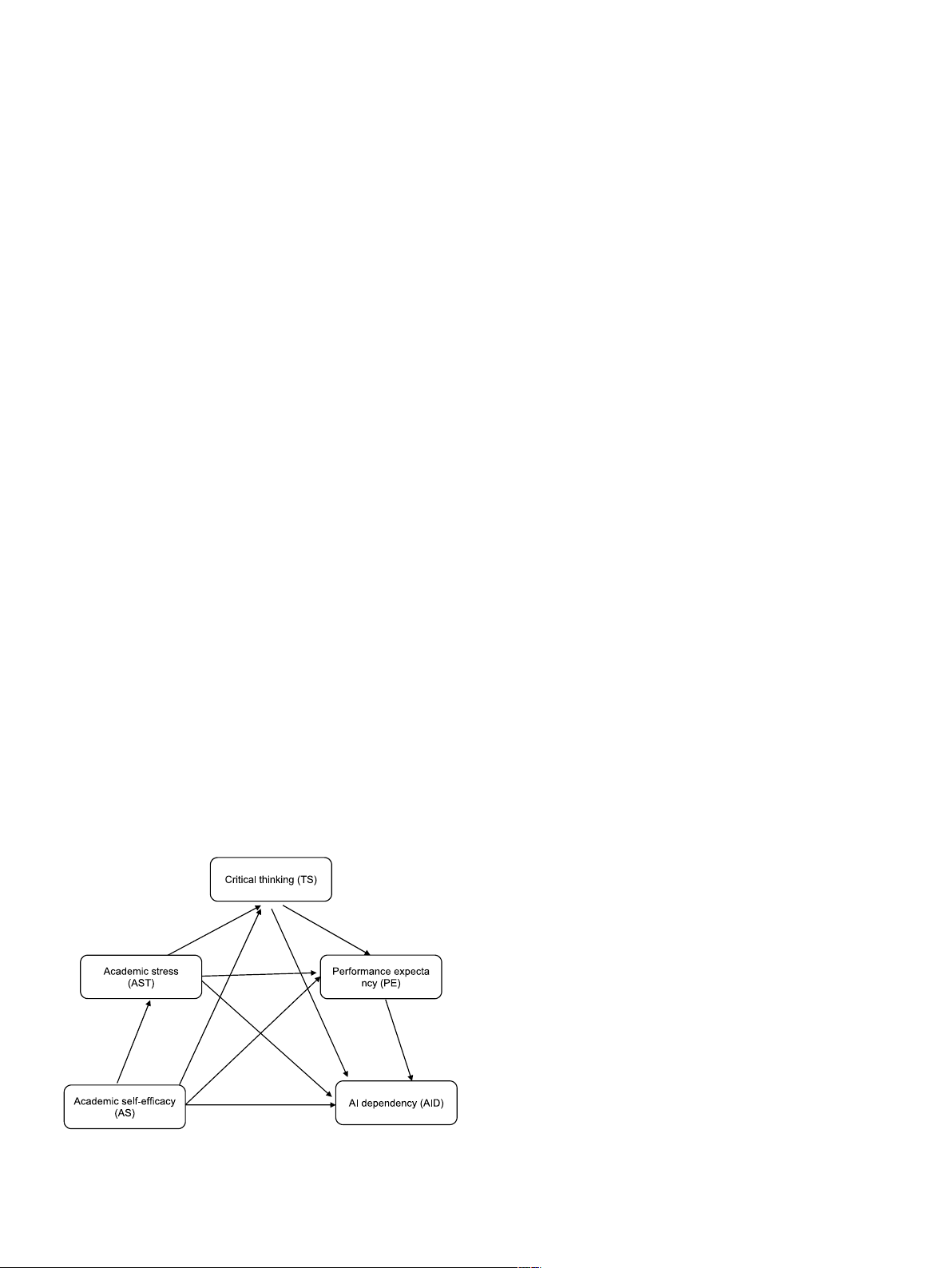
Fig. 1 shows the proposed hypothetical model, which has six hy-
This relationship is mediated by academic stress and performance
potheses supported by the scientific literature:
expectancy, as evidenced by the negative impact of academic self-
The scientific literature has consistently demonstrated a negative
efficacy on AI dependency (Zhang et al., 2024). Gender has been
correlation between academic stress and academic self-efficacy (Hasan
demonstrated to moderate this relationship, as evidenced by longitudi-
& Stannard, 2023; L. Liu et al., 2024), indicating that greater levels of
nal studies that have demonstrated a negative correlation between ac-
stress are associated with a lower level of self-efficacy. This relationship
ademic stress and self-efficacy (Hasan & Stannard, 2023; K. Liu et al.,
has been verified in a variety of contexts, with moderating variables
2023; L. Liu et al., 2024). Meng and Zhang (2023) demonstrated that
such as gender (Ye et al., 2018) and mediators such as academic
academic engagement positively influences academic performance and
determination (Çınar-Tanrıverdi & Karabacak-Çelik, 2023) being
that performance expectancy emerges as a second critical mediator.
considered. Additionally, Jenaabadi et al. (2017) demonstrated that
Honicke and Broadbent (2016) established moderate correlations be-
academic stress serves as a significant mediator in various academic
tween academic self-efficacy and academic performance, which further
processes, influencing student behavior. In the specific context of AI
reinforces this relationship. In 2005, Zajacova et al. demonstrated that
dependency, Zhang et al. (2024) provided direct empirical evidence
academic self-efficacy is a more reliable predictor of academic success
supporting this hypothesis, showing that academic stress effectively
than stress is. Zhang et al. (2024) offered direct evidence that the rela-
mediates the relationship between academic self-efficacy and de-
tionship between self-efficacy and AI dependency is serially mediated by
pendency on AI tools, where students with lower self-efficacy experience
academic stress and performance expectancy. Specifically, lower
greater stress, consequently increasing their dependency on AI tech-
self-efficacy leads to increased stress, which in turn increases perfor-
nologies. This chain of relationships is reinforced by findings from
mance expectations toward AI, resulting in greater reliance on these
Niazov et al. (2022), who documented the mediating role of academic
tools. Therefore, it is formulated as follows:
stress in other academic behaviors related to learning self-regulation.
Consequently, the following is proposed:
Hypothesis 3. Academic stress and performance expectancy serially
mediate the relationship between academic self-efficacy and AI de-
Hypothesis 1. Academic stress mediates the relationship between
pendency among university students.
academic self-efficacy and AI dependency among university students.
Research has demonstrated that academic self-efficacy is a substan-
Empirical evidence has established a negative correlation between
tial predictor of critical thinking (Vachova et al., 2023) and that aca-
academic self-efficacy and AI dependency (Zhang et al., 2024), where
demic performance is positively influenced by a disposition toward
academic stress acts as a primary mediator in this relationship (Hasan &
critical thinking (K. Liu et al., 2023). Wang (2014) reported that
Stannard, 2023; L. Liu et al., 2024; Ye et al., 2018). Critical thinking
self-efficacy influences critical thinking disposition through metacog-
emerges as a secondary mediator in this causal chain and is negatively
nition, whereas Dehghani et al. (2011) demonstrated a substantial cor-
affected by both academic stress (Trigueros et al., 2020) and AI
relation between self-efficacy and critical thinking ability. Complex
critical thinking skills are fostered through interaction with AI tools
(Suriano et al., 2025), and J. The relationships between self-efficacy,
academic performance, and AI preparedness were documented by
Wang, 2014. The mediating role of critical thinking dispositions be-
tween self-efficacy and problem-solving ability was demonstrated by
Tasgin and Dilek (2023), whereas Ren et al. (2020) confirmed that
critical thinking predicts academic performance beyond general cogni-
tive ability. L´opez et al. (2022) underscored the importance of critical
thinking in university students, whereas Yakin et al. (2024, pp.
242–266) asserted that the integration of AI technology in higher edu-
cation improves behavioral intention or critical thinking capacity.
Consequently, the following is proposed:
Hypothesis 4. Critical thinking and performance expectancy serially
mediate the relationship between academic self-efficacy and AI de-
pendency among university students.
The serial mediating effects of academic stress, critical thinking, and
performance expectancy on the relationship between academic self-
Fig. 1. Model proposed. Note: TS=Critical thinking; AST = Academic stress;
efficacy and AI dependency among university students have been
AS=Academic self-efficacy; PE=Performance expectancy; AID =
demonstrated in numerous studies. Zhang et al. (2024) reported that AI dependency.
academic self-efficacy is negatively correlated with AI dependency, with 3
B.G. Acosta-Enriquez et al.
Computers and Education: Arti cial Intelligence 8 (2025) 100381
the association being mediated by academic stress and performance
Trujillo (approval code: 0256-UNT/2024), ensuring informed consent,
expectancy. Hasan and Stannard (2023) and L. Liu et al. (2024) reported
confidentiality, and participants’ right to withdraw at any time. The
that academic stress has a detrimental effect on self-efficacy, whereas
sample was selected via nonprobabilistic convenience sampling, strati-
Pascoe et al. (2020) reported that stress affects academic performance
fied by academic year and field of study, following Wang et al.’s (2024)
and critical thinking. Jia and Tu (2024) proposed a conceptual model
recommendations for exploratory studies on technology adoption in
that incorporates AI capabilities and critical thinking, whereas Dehghani
university contexts. While this sampling approach does not guarantee
et al. (2011) and Vachova et al. (2023) established that academic
full representativeness of the university population owing to its
self-efficacy is a significant predictor of critical thinking. Suriano et al.
nonrandom nature, it provides access to diverse student subpopulations
(2025) reported that AI interaction can foster complex critical thinking
across different academic disciplines and study levels. The primary
skills, whereas Okide et al. (2020) demonstrated the efficacy of critical
objective of exploratory research is to identify initial patterns and
thinking interventions in reducing stress. K. Stupnisky et al. (2008)
trends, and while this sampling type does not ensure complete popula-
documented the interrelationship between perceived academic control
tion representation, Zhang et al. (2024) reported that it is valuable in
and critical thinking disposition, and Liu et al. (2023) reported that
this context, particularly when studying emerging technological phe-
academic performance is influenced by critical thinking disposition. A.
nomena in educational settings.
In contrast, Shen and Cui (2024) reported that the satisfaction of psy-
A frequency analysis of AI usage patterns revealed distinct user
chological requirements mediates AI literacy, whereas Wang et al.
segments among participants. On the basis of the self-reported frequency
(2024) illustrated the mediating role of critical thinking between
of AI tool usage for academic tasks, 42.3% (286 participants) reported
self-efficacy and problem solving. Therefore, it is formulated as follows:
using AI tools daily, 35.8% (242 participants) used them 2–3 times per
Hypothesis 5. Academic stress, critical thinking, and performance
week, and 21.9% (148 participants) used them once per week or less. To
expectancy serially mediate the relationship between academic self-
ensure sample consistency and validate the relationship between AI
efficacy and AI dependency among university students.
dependency and academic performance, we conducted subgroup ana-
lyses comparing heavy users (daily usage), moderate users (2–3 times/
The direct impact of academic self-efficacy on AI dependency among
week), and light users (≤1 time/week). The analysis revealed consistent
university students has been demonstrated in a variety of studies.
patterns across frequency groups, with no significant differences in the
Through the mediation of academic stress and performance expectancy,
structural relationships among variables (ΔCFI <0.01), suggesting that
Zhang et al. (2024) reported that academic self-efficacy impacts AI de-
the observed effects are robust across different levels of AI usage in-
pendency. This relationship is further substantiated by the findings of
tensity. Additional invariance tests confirmed measurement equivalence
Shen and Cui (2024), who demonstrate that AI literacy is mediated by
across usage frequency groups (χ2 = 245.67, df = 186, p > 0.05).
the satisfaction of psychological requirements. Meng and Zhang (2023)
According to Table 1, females comprised 54.07% (365 participants)
demonstrated that academic self-efficacy is a direct predictor of aca-
of the total surveyed university students, whereas males comprised
demic performance through academic engagement, whereas Greco et al.
45.93% (310 participants). In terms of age, 31.05% (209 participants)
(2022) validated a scale that assesses the self-efficacy beliefs of uni-
were in the 21–23 years age range, whereas 23.03% (155 participants)
versity students in academic task management. Self-efficacy beliefs are
were in the 18–20 years age range. Furthermore, the data indicate that
predictive of university outcomes, as confirmed by Gore (2006). Cui
the distribution of participants across different categories of universities
et al. (2023, pp. 226–230) documented the impact of the learning
is nearly equitable, with 50.52% (341 participants) from public uni-
environment on self-efficacy in self-directed learning. Williams (2023)
versities and 49.48% (334 participants) from private universities.
expressed ethical concerns regarding the utilization of generative chat-
The faculty of education was the academic affiliation of the majority
bots in higher education, whereas Chen et al. (2023) investigated the
of the students, accounting for 32.14% (216 participants) of the sample.
degree to which AI programming self-efficacy impacts software devel-
Students from the social sciences comprised 16.96% (114 participants)
opment engagement. Jia and Tu (2024) proposed a conceptual model
that incorporates AI capabilities and self-efficacy, whereas Chou et al.
(2022) identified factors that influence the effectiveness of AI-based Table 1
learning. L. conducted the research. Liu et al. (2024) corroborated this
Description of the sample’s sociodemographic characteristics (n = 676).
relationship by illustrating how academic stress influences self-efficacy, Gender fi %
which in turn influences AI dependency. Female 365 54.07
Hypothesis 6. Academic self-efficacy significantly influences AI de- Male 310 45.93 Age fi %
pendency among university students. [18–20] 155 23.03 [21–23] 209 31.05 2.3. Method [24–26] 101 15.01 [27–29] 87 12.93 [30–32] 74 11.00
Empirical evaluations are indispensable for comprehending attitudes [33 or more] 47 6.98
and behaviors regarding new technologies in educational environments, Type of university fi %
as Dehghani et al. (2011) suggested. Consequently, an empirical eval- Private 334 49.48 Public 341 50.52
uation was implemented to evaluate the research hypotheses (Singh Faculty fi %
et al., 2020). This evaluation involved administering a survey to uni- Education 216 32.14
versity students who had experience with artificial intelligence. Health Sciences and Medicine 74 11.01 Engineering and Architecture 60 8.93 Social Sciences 114 16.96 2.4. Participants Business Sciences 33 4.91 Law and Political Science 54 8.04
Six hundred and seventy-six university students from six public and Economics and Accounting 27 4.02
private universities situated in northern Peru participated in the inves- Agricultural Sciences 40 5.95
Physical Sciences, Mathematics, Statistics and Computer Science 54 8.04
tigation. Participants were recruited through institutional email in-
¿Have you previously employed artificial intelligence in a fi %
vitations and received course credit as an incentive for their university setting?
participation. The study followed the ethical guidelines established by Yes 676 100.0
the Institutional Review Board (IRB) of the Universidad Nacional de No 0 0 4
B.G. Acosta-Enriquez et al.
Computers and Education: Arti cial Intelligence 8 (2025) 100381
of the sample, following this cohort. Importantly, all the respondents
consent form, detailing the study’s objectives and ensuring participant
reported having prior exposure to artificial intelligence tools in a uni-
anonymity. The second section collected sociodemographic informa-
versity setting, which indicates a substantial integration of these tech-
tion. The third section contained the study items, which were organized
nologies into their academic environment.
into five constructs: AI dependency (AID, 5 items), academic self-
efficacy (AS, 7 items), academic stress (AST, 6 items, with AST1 2.5. Instruments
removed), performance expectations (PE, 5 items), and critical thinking
(TS, 5 items). The items were evaluated on a 5-point Likert scale ranging
The Academic Self-Efficacy and AI Dependency Assessment Scale
from (1) "strongly disagree" to (5) "strongly agree".
(ASAIDAS) was developed through a comprehensive review of the ac-
The ASAIDAS was specifically designed to measure the interrela-
ademic literature to identify the components that influence AI de-
tionship between academic psychological factors and AI dependency
pendency, including academic self-efficacy, academic stress, critical
patterns in higher education settings. This instrument provides re-
thinking, and performance expectations (Zhang et al., 2024). The in-
searchers and educators with a validated tool to assess how students’
strument was developed by adapting validated scales from prior
academic self-efficacy levels interact with their AI usage patterns, which
research on attitudes toward AI in educational contexts (Sri Tulasi
is mediated by stress, critical thinking, and performance expectations. & Inayath Ahamed, 2024).
The ASAIDAS was implemented through Google Forms and struc-
tured into three main sections. The first section included the informed Table 2 Convergent validity. Items Outer STDEV P AVE Construct Support loadings values
I feel anxious when I cannot use AI tools for AID1 0.884 0.018 0.000 0.795 AI dependency Zhang et al. (2024) my academic tasks (AID)
I rely excessively on AI to complete my AID2 0.919 0.013 0.000 academic assignments
I have difficulty performing academic tasks AID3 0.893 0.018 0.000 without AI support
I feel the need to use AI with increasing AID4 0.926 0.012 0.000
frequency to maintain my academic performance
I find it difficult to control the time I spend AID5 0.835 0.031 0.000 using AI tools
I am confident in my ability to understand the AS1 0.891 0.021 0.000 0.841 Academic self- Zhang et al. (2024)
most complex concepts presented in class efficacy (AS)
I am certain I can do an excellent job on AS2 0.906 0.015 0.000 assignments and examinations
I can master the skills being taught in my AS3 0.930 0.012 0.000 courses
I am confident in my ability to learn course AS4 0.932 0.011 0.000 material independently
I can successfully complete all assigned tasks AS5 0.937 0.009 0.000 regardless of their difficulty
I am capable of achieving good academic AS6 0.918 0.015 0.000 results through my own merit
I can achieve my academic goals even when AS7 0.902 0.017 0.000 facing challenges
I feel overwhelmed by the amount of AST2 0.762 0.046 0.000 0.654 Academic stress Zhang et al. (2024) academic work I have (AST)
I experience anxiety when facing academic AST3 0.853 0.021 0.000 deadlines
I worry about not being able to meet AST4 0.822 0.033 0.000 academic expectations
I feel pressure to maintain good academic AST5 0.796 0.045 0.000 performance
Academic stress affects my ability to AST6 0.762 0.046 0.000 concentrate
Using AI improves my academic performance PE1 0.770 0.041 0.000 0.683 Performance Zhang et al. (2024)
AI helps me complete my academic tasks PE2 0.728 0.039 0.000 expectations (PE) more quickly
AI tools increase my academic productivity PE3 0.873 0.021 0.000
Using AI makes my academic tasks more PE4 0.878 0.020 0.000 efficient
AI tools help me achieve better grades PE5 0.872 0.020 0.000
I carefully analyze information before TS1 0.700 0.070 0.000 0.646 Critical thinking
(Acosta-Enriquez, Arbulú Ballesteros, Arbulu Perez accepting it as valid (CT)
Vargas et al., 2024; Sri Tulasi & Inayath Ahamed,
I evaluate different perspectives before TS2 0.830 0.038 0.000 2024) reaching a conclusion
I can identify the relevance and validity of TS3 0.847 0.027 0.000 arguments
I question assumptions and seek evidence to TS4 0.774 0.045 0.000 support claims
I develop creative solutions to complex TS5 0.859 0.025 0.000 problems 5
B.G. Acosta-Enriquez et al.
Computers and Education: Arti cial Intelligence 8 (2025) 100381
2.6. Statistical procedure
validity tests, as well as the determination coefficients (R2) for each
construct. To determine reliability, Cronbach’s alpha (α) and composite
Data collection was conducted over six months, from May to October
reliability (CR) coefficients, expressed through the rho_a and rho_c
2024, at public and private universities in northern Peru. As suggested
indices, were used. According to the criteria established by Hair et al.
by Yilmaz et al. (2023), prior to beginning data collection, the necessary
(2017) and Nunnally and Bernstein (1994), values above 0.70 are
authorizations were obtained from the relevant university authorities.
considered adequate. As shown in the table, all the constructs exceed
The instrument was distributed via two primary channels, institutional
this threshold, confirming the internal consistency of the scales.
email and academic WhatsApp groups, following recommendations
The R2 values indicate the explanatory power of the endogenous
from Zhu et al. (2024) to maximize response rates in studies on educa-
variables in the model. In this case, the variable AID (AI dependency) tional technology.
has an R2 of 58.9%, indicating that the exogenous variables explain
A standardized data collection protocol was implemented to guar-
58.9% of its variance. Similarly, the variable AST (academic stress) has
antee consistency among the six participating universities. This meth-
an R2 of 29.3%, suggesting that the exogenous constructs explain 29.3%
odology includes a synchronized data collection period for all
of its variance, whereas PE (performance expectations) and TS (critical
institutions, the same instructions for participants, and consistent
thinking) have R2 values of 61.6% and 40.8%, respectively.
training for survey supervisors.
Discriminant validity was evaluated via the heterotrait–monotrait
Data analysis followed a systematic five-stage process. First, Micro-
ratio (HTMT) and the Fornell and Larcker (1981) criterion. The square
soft Excel was used for data cleansing and preprocessing, including the
root of the average variance extracted (AVE) for each construct, shown
removal of missing values and incomplete surveys. Second, descriptive
in the table’s diagonal, must be greater than the correlations with other
statistics were generated to provide a comprehensive sociodemographic
constructs for a model to be considered discriminantly valid, according overview (Table 1).
to Fornell & Larcker’s criterion. The findings indicate that each
Third, an exploratory factor analysis (EFA) was conducted with half
construct satisfies this criterion. In addition, the HTMT criterion stipu-
of the sample (338 records) to verify the factorial structure of the in-
lates that construct values should be less than 0.85 (Rasoolimanesh,
strument. EFA was performed via maximum likelihood estimation with
2022, pp. 1–8). As demonstrated, all HTMT values are below this
Promax rotation. The Kaiser‒Meyer‒Olkin (KMO) test and Bartlett’s
threshold, indicating that the instrument employed has sufficient
test of sphericity confirmed the sampling adequacy. Items with factor discriminant validity.
loadings less than 0.40 were eliminated, and modification indices were
Model fit indices are essential for evaluating convergent validity, examined to improve model fit.
providing a reference for how well the observed data align with theo-
Fourth, confirmatory factor analysis (CFA) was performed with the
retical values (Farhi et al., 2023; Hair, 2009). Table 4 presents the values
remaining sample to evaluate convergent validity. Item AST1 was
of these indices, highlighting the standardized root mean square residual
excluded because its factor loading was less than 0.70. The remaining
(SRMR), which obtained a value of 0.058, within the recommended
metrics, including average variance extracted (AVE) and factor loadings,
threshold of <0.85 according to Sun (2005), indicating acceptable fit.
met predetermined cutoffs of 0.50 and 0.70, respectively (Table 2). In-
Additionally, the d_ULS and d_G indices have values of 1.160 and
ternal consistency reliability was assessed through Cronbach’s alpha and
0.719, respectively, both of which are statistically significant (p > 0.05),
composite reliability (CR), with values exceeding 0.70. The heterotrait‒
as noted by C. Ringle et al. (2021), further supporting the adequacy of
monotrait (HTMT) ratio and Fornell et al., 1982 verified discriminant the model. validity (Table 3).
The chi-square value of 2.312, when divided by the degrees of
Finally, the proposed research hypotheses were tested via structural
freedom (χ2/df), is within the recommended range of 1–3, indicating
equation modeling (PLS-SEM) with SMART-PLS v.4.0, version 8.0 soft-
that the data are adequately fitted according to the criteria established
ware (C. M. Ringle et al., 2022).
by Escobedo Portillo et al. (2016). The model’s validity and consistency
are further substantiated by the normed fit index (NFI) reaching a value 3. Results
of 0.982, which surpasses the threshold of 0.90, as suggested by Esco-
bedo Portillo et al. (2016). Collectively, these indices indicate that the
3.1. Validity and reliability testing of the measurement model
model matches the observed data well.
The convergent validity of the measurement model was verified
through confirmatory factor analysis (CFA) through the application of
structural equation modeling via partial least squares (PLS-SEM) in this Table 4
study. The factor loadings for each item are displayed in Table 2. All of Goodness-of-fit indices.
the items attain values above 0.70, which is deemed acceptable in Criteria Estimated Threshold Author Decision
accordance with the criteria of Hair (2009). Additionally, the average model
variance extracted (AVE) values of the evaluated constructs surpass the SRMR 0.058 <0.85 Sun (2005) Acceptable
0.50 threshold, thereby satisfying the guidelines established by Hair d_ULS 1.160 p > 0.05 (C. Ringle et al., 2021) Acceptable
et al. (2017). The internal consistency of the items and the adequacy of d_G 0.719 p > 0.05 (C. Ringle et al., 2021) Acceptable χ2/df 2.312 Entre 1 y 3 Escobedo Portillo et al. Acceptable
the model in terms of convergent validity and reliability of the mea- (2016)
surement instrument are demonstrated by these results. NFI 0.982 >0.90 Escobedo Portillo et al. Acceptable
Table 3 presents the results of the reliability and discriminant (2016) Table 3
Reliability and validity tests. α CR (rho_a) CR (rho_c) R2 AID AS AST PE TS HTMT AID 0.935 0.936 0.951 0.589 0.892 – AS 0.968 0.969 0.974 – 0.711 0.917 0.745 AST 0.868 0.877 0.904 0.293 0.480 0.541 0.809 0.581 PE 0.882 0.892 0.915 0.616 0.639 0.698 0.510 0.826 0.580 TS 0.862 0.870 0.901 0.408 0.647 0.595 0.518 0.700 0.804 0.793 6
B.G. Acosta-Enriquez et al.
Computers and Education: Arti cial Intelligence 8 (2025) 100381
3.2. Testing the research hypotheses
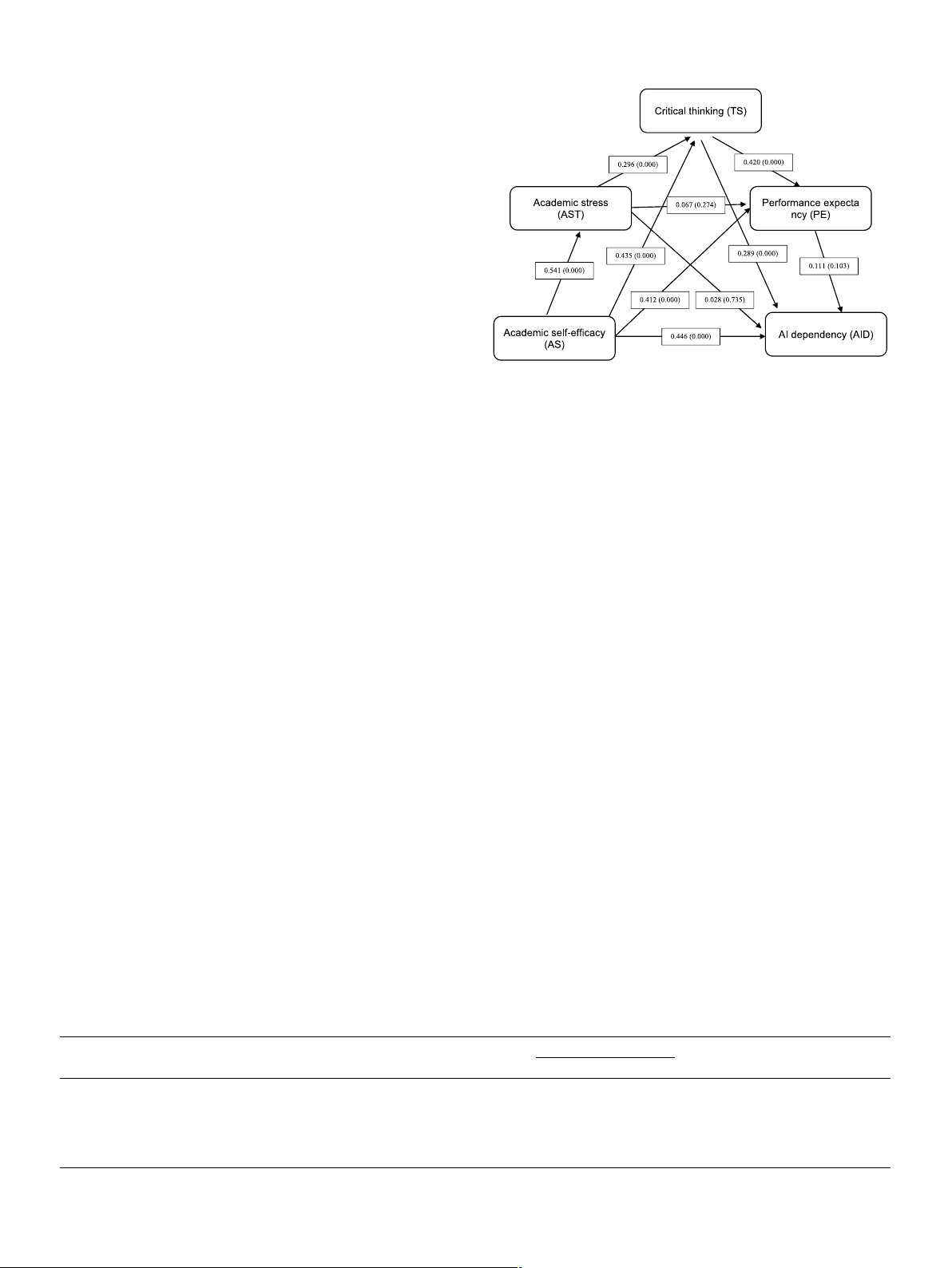
Table 5 and Fig. 2 summarize the results of the hypotheses evaluated
in the model. Hypothesis 1 (H1) revealed a significant effect between AS
(academic self-efficacy) and AID (AI dependency) through AST (aca-
demic stress), with a path coefficient of β = 0.398 and a p value of 0.000,
suggesting that academic stress effectively mediates the relationship
between academic self-efficacy and AI dependency among students. This
result supports the mediating role of AST in this pathway.
On the other hand, Hypothesis 3 (H3) was also significant, showing a
mediated relationship between AS and AID through AST and PE (per-
formance expectations), with a coefficient of β = 0.325 and a p value of
0.000. This finding indicates that performance expectations also play an
important role in the connection between academic self-efficacy and AI
dependency, with academic stress acting as a prior mediator in this relationship.
Hypothesis 6 (H6) revealed a significant direct effect between AS and
AID, with a path coefficient of β = 0.444 and a p value of 0.000, indi-
Fig. 2. Representation of the model with the contrasted hypotheses.
cating that academic self-efficacy directly influences AI dependency,
without the need for mediators in this case.
incorporating the mediating roles of stress and technological expecta-
However, hypotheses H2, H4, and H5 did not reach statistical sig-
tions. This finding complements research by Honicke and Broadbent
nificance and were rejected. H2, which proposed a pathway mediated by
(2016) and Zajacova et al. (2005) on predictors of academic success,
AST and TS (critical thinking), and H4, which considered TS and PE as
adding a technological dimension to their models. Additionally, the
mediators, showed no significant effects. Similarly, H5, which included
results align with those of Wang et al. (2024) and Gore (2006) regarding
serial mediation through AST, TS, and PE, did not reach a significant
how self-efficacy beliefs influence academic performance expectations.
level to support its effect. These results suggest that while some variables
Observations by Chen et al. (2024) and Chou et al. (2022) on the
play a relevant mediating role, specific combinations of mediators were
effectiveness of AI-based learning are also supported by these findings.
not significant in their influence on AI dependency.
The sixth hypothesis (H6) demonstrated a significant direct influence
of academic self-efficacy on AI dependency (β = 0.444, p < 0.001). This 4. Discussion
result is consistent with Shen and Cui’s (2024) studies on AI literacy and
expands on Greco et al.’s (2021) findings on academic task manage-
The results of this study provide empirical evidence on the mecha-
ment. The studies by Williams (2023) and Jia and Tu (2024) on AI
nisms linking academic self-efficacy with AI dependency in university
integration in educational settings are also supported by these results.
students, revealing significant mediation patterns through academic
Additionally, the observations of Cui et al. (2023, pp. 226–230) on the
stress and performance expectations.
impact of the learning environment on self-efficacy are complemented
Regarding the first hypothesis (H1), the results confirm that aca- by these findings.
demic stress significantly mediates the relationship between academic
In contrast, hypotheses H2, H4, and H5, which involved critical
self-efficacy and AI dependency (β = 0.398, p < 0.001). This finding
thinking as a mediator, did not find empirical support. This lack of
aligns with that of Zhang et al. (2024), who reported that students with
significant effects differs from previous findings by Vachova et al. (2023)
lower self-efficacy are more vulnerable to academic stress, increasing
and Dehghani et al. (2011) regarding the relationship between
their reliance on technology. These results also concur with the studies
self-efficacy and critical thinking. The results also contrast with Wang
by Liu et al. (2024) and Hasanuddin et al. (2024) on the inverse rela-
(2014) observations on the role of metacognition and the findings of Ren
tionship between self-efficacy and academic stress. Additionally, these
et al. (2020) on academic performance prediction. This divergence
findings extend the conclusions of Niazov et al. (2022) and Ye et al.
suggests that critical thinking processes may operate differently in
(2018) by demonstrating that stress not only affects overall academic
contexts of specific technology adoption.
performance but also specifically influences technology use patterns.
The explanatory power of the model (R2 = 0.589) indicates that
The results also support the observations of Çınar-Tanrıverdi and Kar-
academic self-efficacy and its mediators are relevant predictors of AI
abacak-Çelik (2023) on how stress can alter academic self-regulatory
dependency. These results expand the findings of Rahiman and Kodikal mechanisms.
(2024) on the factors influencing AI literacy and complement Alzyoud
For the third hypothesis (H3), the serial mediation of academic stress
et al.’s (2024) observations on technology acceptance in educational
and performance expectations was confirmed (β = 0.325, p < 0.001).
settings. The model also finds support in Yilmaz et al.’s (2023) studies on
This result expands on the findings of Meng and Zhang (2023) regarding
generative AI acceptance and Acosta-Enriquez et al.’s (2024) research
the relationship between self-efficacy and academic performance by on attitudes toward ChatGPT. Table 5 Hypothesis testing. Hypothesis β p value Percentile SE Decision 2.50% 97.50% H1
AS→AST→AID 0.398 0.000 0.125 0.458 0.093 Acepted H2
AS→AST→TS→AID 0.043 0.003 0.015 0.084 0.084 Rejected H3
AS→AST→PE→AID 0.325 0.000 0.112 0.434 0.088 Acepted H4
AS→TS→PE→AID 0.021 0.000 − 0.002 0.033 0.042 Rejected H5
AS→AST→TS→PE→AID 0.007 0.000 − 0.003 0.017 0.063 Rejected H6 AS →AID 0.444 0.000 0.296 0.590 0.084 Acepted
Note. β = path coefficient; SE = standard deviation; ***p < 0.001; **p < 0.01; *p < 0.05. 7
B.G. Acosta-Enriquez et al.
Computers and Education: Arti cial Intelligence 8 (2025) 100381
The findings presented contribute to understanding the psychologi-
These implications provide a solid foundation for developing insti-
cal mechanisms underlying the adoption of AI technologies in higher
tutional strategies that promote the effective and healthy integration of
education, establishing a more comprehensive framework that in-
AI in higher education while addressing the psychological and academic
tegrates emotional, cognitive, and performance expectation factors. This needs of students.
knowledge is essential for designing educational interventions that
promote balanced AI use while strengthening students’ academic self- efficacy.
4.2. Future research and limitations
4.1. Theoretical and practical implications
When interpreting the results of this study, it is important to consider
the numerous methodological and contextual constraints. Initially, the
The findings of this research contribute to the literature on tech-
cross-sectional design of the investigation obstructs the establishment of
nology adoption in higher education across multiple dimensions. First,
definitive causal relationships between the variables under investiga-
the study expands Bandura’s theory of academic self-efficacy to the
tion. A longitudinal approach is necessary to capture temporal changes
specific context of AI dependency, demonstrating that the influence
in AI dependency patterns, as Zhang et al. (2024) observed, due to the
mechanisms are both direct and mediated. This finding complements the
dynamic character of technology adoption.
theoretical frameworks proposed by Zhang et al. (2024) and Wang et al.
A second limitation lies in the nonprobabilistic sampling method
(2024) on the integration of emerging technologies in educational
used. Although this approach enables access to a substantial sample of settings.
university students, it may affect the generalizability of the results to
Second, the research provides empirical evidence on the dual role of
other student populations. This methodological limitation has been
academic stress as a mediator, contributing to the understanding of the
previously recognized by Wang et al. (2024) in similar studies on
psychological factors that influence technology adoption. This result
technology adoption in higher education.
extends the theoretical models of Liu et al. (2024) and Hasanuddin et al.
Third, the study’s exclusive focus on universities in northern Peru
(2024) by demonstrating how stress not only affects academic perfor-
may restrict the generalizability of the findings to other cultural and
mance but also modulates technology use patterns.
geographic contexts. Acosta-Enriquez et al. (2024) proposed that tech-
Third, the study highlights the importance of performance expecta-
nology adoption patterns may be substantially influenced by cultural
tions as a secondary mediator, contributing to the literature on the and socioeconomic differences.
unified theory of acceptance and use of technology (UTAUT) in educa-
Fourth, the research utilized self-report measures, which are sus-
tional contexts. This finding complements the work of Foroughi et al.
ceptible to common method variance and social desirability bias, as
(2023) and Bahadur et al. (2024) on determinants of the intention to use
observed by Liu et al. (2024) in their research on academic stress and ChatGPT. self-efficacy.
The lack of significant mediating effects from critical thinking chal-
Given these limitations, several avenues for future research are
lenges some previous theoretical assumptions and suggests the need to
proposed. First, longitudinal studies are recommended to examine the
reconsider the role of higher cognitive processes in the adoption of
temporal evolution of AI dependency and its relationships with aca-
educational technologies, as noted by Vachova et al. (2023) and Deh-
demic self-efficacy and stress. This approach, suggested by Bahadur ghani et al. (2011).
et al. (2024), would allow for the establishment of more robust causal
On the practical side, the study’s results offer several implications for relationships.
higher education practices. First, educational institutions should
Second, future studies should expand the research to different cul-
implement programs that strengthen academic self-efficacy as a strategy
tural and geographic contexts and conduct comparative analyses to
to promote a more balanced use of AI. This recommendation aligns with
identify universal and culturally specific patterns. This recommendation
Shakib Kotamjani et al.’s (2024) call to develop critical digital
aligns with Chan’s (2023) proposals on the need to understand diversity competencies. in technology adoption.
Second, the findings on the mediating role of academic stress suggest
Third, incorporating mixed methods that combine quantitative data
the importance of implementing stress management programs as an
with in-depth qualitative analysis is suggested. As Zhu et al. (2024)
integral part of technology adoption strategies. This recommendation is
indicate, this would allow for a more nuanced understanding of stu-
supported by Acosta-Enriquez et al.’s (2024b) work on managing psy-
dents’ subjective experiences with AI.
chological barriers in AI adoption.
Fourth, future research should examine the role of additional
Third, educational institutions should consider developing policies
moderating variables, such as the type of academic task, field of study,
that explicitly address performance expectations related to AI use. This
or level of digital literacy. This research direction, suggested by Ala-
could include clear guidelines on the appropriate use of AI tools and the
nia-Contreras et al. (2024), is essential for understanding AI usage pat-
promotion of practices that maximize educational benefits while mini- terns in higher education.
mizing the risks of excessive dependency, as suggested by Alania-Con-
Fifth, studies that incorporate objective measures of AI use and ac- treras et al. (2024).
ademic performance, complementing self-reported data, are recom-
Fourth, educators should incorporate pedagogical strategies that
mended. This methodological approach, proposed by Duong et al.
encourage critical and reflective use of AI tools, given the findings
(2023), would allow for more accurate measurements of technological
concerning the limited mediation of critical thinking. This recommen- dependency patterns.
dation aligns with Chan’s (2023) proposals on diversifying technology
Sixth, future studies could examine the impact of specific in- adoption strategies.
terventions designed to strengthen academic self-efficacy and reduce
Fifth, institutions should develop monitoring and evaluation systems
excessive AI dependency. As Rahiman and Kodikal (2024) suggested,
that can identify patterns of excessive AI dependency, considering aca-
intervention evaluation is crucial for developing effective educational
demic self-efficacy and stress indicators as early warning signals. This practices.
suggestion is based on Zhu et al.’s (2024) observations on the impor-
Finally, investigating the interaction between AI dependency and
tance of ethical oversight in AI use.
other relevant psychological constructs, such as learning self-regulation,
Finally, the results suggest the need for differentiated interventions
intrinsic motivation, and coping strategies, is recommended. This
that account for variations in academic self-efficacy and stress levels
research direction, proposed by Yilmaz et al. (2023), could provide a
among students, as proposed by Rahiman and Kodikal (2024) in their
more comprehensive understanding of the factors influencing technol- studies on AI literacy.
ogy adoption in higher education. 8
B.G. Acosta-Enriquez et al.
Computers and Education: Arti cial Intelligence 8 (2025) 100381 5. Conclusions
Conceptualization. Janet del Rosario Aquino Lalupú: Writing – review
& editing, Investigation. Jessie Leila Bravo Jaico: Writing – review &
This study significantly contributes to the understanding of the
editing, Investigation. Nilton C´esar Germ´an Reyes: Writing – review &
mechanisms linking academic self-efficacy with AI dependency in
editing, Investigation. Roger Ernesto Alarc´on García: Writing – review
higher education. The findings reveal complex interaction patterns be-
& editing, Investigation. Walter Esteban Janampa Castillo: Valida-
tween psychological and behavioral factors, moving beyond simplistic tion, Investigation.
explanations for technology adoption in educational settings.
The first significant finding is that the relationship between academic
Availability of data and material
self-efficacy and AI dependency is mediated by academic stress,
revealing a previously unexplored psychological mechanism in the
The datasets used and/or analyzed during the current study are
literature on educational technology adoption. This discovery suggests
available from the corresponding author upon reasonable request.
that interventions aimed at reducing technological dependency should
address not only cognitive aspects but also the emotional components of
Open data and ethics statements learning.
A second innovative finding demonstrates the serial mediation of
The study was approved by an ethics committee of the Universidad
academic stress and performance expectations, highlighting a causal
Nacional de Trujillo with approval code: 0256-UNT/2024. Informed
chain that links self-efficacy beliefs with technology use patterns. This
consent was obtained from all participants and their right to privacy was
nuanced understanding of the interactions between psychological and
strictly respected. Data can be obtained by sending an e-mail request to
behavioral variables provides a stronger foundation for developing the corresponding author.
effective educational interventions.
The research also reveals counterintuitive findings regarding the role
Declaration of generative AI and AI-assisted technologies in the
of critical thinking. The lack of significant mediating effects from critical writing process
thinking challenges prior assumptions about its centrality in technology
adoption and suggests the need to reconsider existing theoretical models
In the development of this article, the authors used ChatGPT version on AI use in higher education.
4.0 to optimize the writing, language and clarity of the manuscript. The
The methodology employed in this study represents an innovation in
authors subsequently reviewed and revised the content as necessary,
educational technology research by integrating serial mediation analysis
taking full responsibility for the final content of the publication.
with structural equation modeling. This methodological approach pro-
vides a replicable template for future studies on the adoption of Funding
emerging technologies in educational contexts.
The results partially refute previous theories that emphasized the Not applicable.
predominant role of cognitive processes in technology adoption, sug-
gesting instead a more complex model where emotional factors and
performance expectations play a crucial role. This refutation opens new
Declaration of competing interest
lines of inquiry into the psychological determinants of AI use in education.
The authors declare that they have no known competing financial
The explanatory power of the proposed model (58.9% variance in AI
interests or personal relationships that could have appeared to influence
dependency) represents a significant advancement in quantitatively
the work reported in this paper.
understanding the factors influencing educational technology adoption.
This level of predictive accuracy provides a solid empirical foundation Acknowledgments
for developing institutional policies and intervention programs.
The study also contributes to methodological advancements in the Not applicable.
field by validating measurement instruments adapted to the Latin
American context, offering reliable tools for future research in the re- References
gion. The cross-cultural validation of these measures represents a sig-
nificant step forward for international comparative research.
Acosta-Enriquez, B. G., Arbulú Ballesteros, M. A., Arbulu Perez Vargas, C. G., Orellana
Ulloa, M. N., Guti´errez Ulloa, C. R., Pizarro Romero, J. M., Guti´errez
The implications of these findings extend beyond academia, sug-
Jaramillo, N. D., Cuenca Orellana, H. U., Ayala Anzo´ategui, D. X., & L´opez Roca, C.
gesting the need for a holistic approach in designing educational policies
(2024). Knowledge, attitudes, and perceived Ethics regarding the use of ChatGPT
that consider the interactions among psychological, technological, and
among generation Z university students. International Journal for Educational
Integrity, 20(1). https://doi.org/10.1007/s40979-024-00157-4. Article 1.
pedagogical factors. This deeper understanding of these mechanisms
Acosta-Enriquez, B. G., Arbulú Ballesteros, M. A., Huamaní Jordan, O., L´opez Roca, C., &
allows for anticipating and addressing emerging challenges in AI inte-
Saavedra Tirado, K. (2024). Analysis of college students’ attitudes toward the use of gration in higher education.
ChatGPT in their academic activities: Effect of intent to use, verification of
information and responsible use. BMC Psychology, 12(1). https://doi.org/10.1186/
In summary, this research not only expands existing knowledge on AI s40359-024-01764-z. Scopus.
adoption in higher education but also provides a renewed conceptual
Acosta-Enriquez, B. G., Arbulú P´erez Vargas, C. G., Huamaní Jordan, O., Arbulú
and methodological framework for addressing the challenges of tech-
Ballesteros, M. A., & Paredes Morales, A. E. (2024). Exploring attitudes toward
nological integration in educational contexts. The findings suggest the
ChatGPT among college students: An empirical analysis of cognitive, affective, and
behavioral components using path analysis. Computers and Education: Artificial
need to rethink traditional approaches to technology adoption, consid-
Intelligence, 7, Article Scopus. https://doi.org/10.1016/j.caeai.2024.100320
ering the complex interplay among psychological factors, emotional
Acosta-Enriquez, B. G., Ramos Farro˜nan, E. V., Villena Zapata, L. I., Mogollon
dimensions, and performance expectations.
Garcia, F. S., Rabanal-Le´on, H. C., Angaspilco, J. E. M., & Bocanegra, J. C. S. (2024).
Acceptance of artificial intelligence in university contexts: A conceptual analysis
based on UTAUT2 theory. Heliyon, 10(19), Article Scopus. https://doi.org/10.1016/
CRediT authorship contribution statement j.heliyon.2024.e38315
Alania-Contreras, R. D., Ruiz-Aquino, M., Alvarez-Risco, A., Condori-Apaza, M., Chanca-
Flores, A., Fabi´an-Arias, E., Rafaele-de-la-Cruz, M., Del-Aguila-Arcentales, S.,
Benicio Gonzalo Acosta-Enriquez: Investigation, Formal analysis,
Davies, N. M., Ortiz de Agui, M. L., & Y´a˜nez, J. A. (2024). Evolving attitudes toward
Conceptualization. Marco Agustín Arbulú Ballesteros: Formal anal-
online education in Peruvian university students: A quantitative approach. Heliyon,
ysis. Maria de los Angeles Guzman Valle: Investigation, Conceptual-
10(9), Article e30566. https://doi.org/10.1016/j.heliyon.2024.e30566
Alzyoud, M., Al-Shanableh, N., Alomar, S., As’adalnaser, A. M., Mustafa, A., Al-
ization. Jahaira Eulalia Morales Angaspilco: Investigation,
Momani, A., & Al-Hawary, S. I. S. (2024). Artificial intelligence in Jordanian 9
B.G. Acosta-Enriquez et al.
Computers and Education: Arti cial Intelligence 8 (2025) 100381
education: Assessing acceptance via perceived cybersecurity, novelty value, and
Top platform adoption. Entertainment Computing, 49, Article 100623. https://doi.
perceived trust. International Journal of Data and Network Science, 8(2), 823–834.
org/10.1016/j.entcom.2023.100623
https://doi.org/10.5267/j.ijdns.2023.12.022. Scopus.
Liu, K., Tan, W. H., & Saari, E. M. (2023). Effects of pervasive game on behavioral
Bahadur, S. G. C., Bhandari, P., Gurung, S. K., Srivastava, E., Ojha, D., & Dhungana, B. R.
intention toward fitness among older adults in Henan: An empirical study.
(2024). Examining the role of social influence, learning value and habit on students’
Educational Gerontology. https://doi.org/10.1080/03601277.2023.2244793. Scopus.
intention to use ChatGPT: The moderating effect of information accuracy in the
L´opez, D. M., Cueva, C. C., & Ruiz, D. F. (2022). Emprendimiento social: Un an´alisis
UTAUT2 model. Cogent Education, 11(1). https://doi.org/10.1080/
bibliom´etrico y revisi´on de literatura. REVESCO. Revista de Estudios Cooperativos, 2331186X.2024.2403287. Scopus.
142, Article e84390e84390. https://doi.org/10.5209/reve.84390
Bandura, A. (1997). Self-efficacy: The exercise of control. W.H. Freeman and Company.
Meng, Q., & Zhang, Q. (2023). The influence of academic self-efficacy on university
https://doi.org/10.1891/0889-8391.13.2.158
students’ academic performance: The mediating effect of academic engagement.
Chan, C. K. Y. (2023). A comprehensive AI policy education framework for university
Sustainability, 15(7). https://doi.org/10.3390/su15075767. Article 7.
teaching and learning. International Journal of Educational Technology in Higher
Niazov, Z., Hen, M., & Ferrari, J. R. (2022). Online and academic procrastination in
Education, 20(1), 38. https://doi.org/10.1186/s41239-023-00408-3
students with learning disabilities: The impact of academic stress and self-efficacy.
Chen, I.-H., Chang, Y.-L., Yang, Y.-N., Yeh, Y.-C., Ahorsu, D. K., Adjorlolo, S., Strong, C.,
Psychological Reports, 125(2), 890–912. https://doi.org/10.1177/
Hsieh, Y.-P., Huang, P.-C., Pontes, H. M., Griffiths, M. D., & Lin, C.-Y. (2023). 0033294120988113. Scopus.
Psychometric properties and development of the Chinese versions of gaming
Nunnally, J., & Bernstein, D. I. H. (1994). Psychometric theory. Incorporated: McGraw-Hill
disorder test (GDT) and gaming disorder scale for adolescents (GADIS-A). Asian Companies.
Journal of Psychiatry. , Article 103638. https://doi.org/10.1016/j.ajp.2023.103638
Okide, C. C., Eseadi, C., Ezenwaji, I. O., Ede, M. O., Igbo, R. O., Koledoye, U. L.,
Chou, C.-M., Shen, T.-C., Shen, T.-C., & Shen, C.-H. (2022). Influencing factors on
Ekwealor, N. E., Osilike, C., Okeke, N. M., Igwe, N. J., Nwachukwu, R. U.,
students’ learning effectiveness of AI-based technology application: Mediation
Ukanga, L. P., Olajide, M. F., Onuorah, A. E., Ujah, P., Ejionueme, L. K.,
variable of the human-computer interaction experience. Education and Information
Abiogu, G. C., Eskay, M., Ugwuanyi, C. S., & Tusconi, M. (2020). Effect of a critical
Technologies, 27(6), 8723–8750. https://doi.org/10.1007/s10639-021-10866-9.
thinking intervention on stress management among undergraduates of adult Scopus.
education and extramural studies programs. Medicine, 99(35), Article E21697.
Çınar-Tanrıverdi, E., & Karabacak-Çelik, A. (2023). Psychological need satisfaction and
https://doi.org/10.1097/MD.0000000000021697. Scopus.
academic stress in college students: Mediator role of grit and academic self-efficacy.
Pascoe, M. C., Hetrick, S. E., & Parker, A. G. (2020). The impact of stress on students in
European Journal of Psychology of Education, 38(1), 131–160. https://doi.org/
secondary school and higher education. International Journal of Adolescence and
10.1007/s10212-022-00658-1. Scopus.
Youth, 25(1), 104–112. https://doi.org/10.1080/02673843.2019.159682
Cui, Y., Liu, Z., Sun, Z., & Jin, J. (2023). Campus learning environment, the influence of
Paul, R., & Elder, L. (2020). Critical thinking: Tools for taking charge of your learning and
psychological emotions during learning on self-learning efficacy. https://doi.org/
your life (4th ed.). Foundation for Critical Thinking Press. https://doi.org/10.4324/
10.1145/3606094.3606127. Scopus. 9781003168985
Dehghani, M., Sani, H. J., Pakmehr, H., & Malekzadeh, A. (2011). In Relationship between
Pittman, J., & Choi, S. (2023). Understanding AI dependency in higher education: A
students’ critical thinking and self-efficacy beliefs in Ferdowsi University of Mashhad, Iran
conceptual framework and measurement scale. Computers & Education, 196, Article
(Vol. 15, pp. 2952–2955). https://doi.org/10.1016/j.sbspro.2011.04.221. Scopus.
104784. https://doi.org/10.1016/j.compedu.2023.104784
Duong, C. D., Bui, D. T., Pham, H. T., Vu, A. T., & Nguyen, V. H. (2023). How effort
Rahiman, H. U., & Kodikal, R. (2024). Revolutionizing education: Artificial intelligence
expectancy and performance expectancy interact to trigger higher education
empowered learning in higher education. Cogent Education, 11(1). https://doi.org/
students’ uses of ChatGPT for learning. Interactive technology and smart education.
10.1080/2331186X.2023.2293431. Scopus.
https://doi.org/10.1108/ITSE-05-2023-0096. Scopus.
Rasoolimanesh, S. M. (2022). Discriminant validity assessment in PLS-SEM: A comprehensive
Escobedo Portillo, M. T., Hern´andez G´omez, J. A., Esteban´e Ortega, V., & Martínez
composite-based approach.
Moreno, G. (2016). Modelos de ecuaciones estructurales: Características, fases,
Ren, X., Tong, Y., Peng, P., & Wang, T. (2020). Critical thinking predicts academic
construcci´on, aplicaci´on y resultados. Ciencia & trabajo, 18(55), 16–22. https://doi.
performance beyond general cognitive ability: Evidence from adults and children.
org/10.4067/S0718-24492016000100004
Intelligence, 82. https://doi.org/10.1016/j.intell.2020.101487. Scopus.
Farhi, F., Jeljeli, R., Aburezeq, I., Dweikat, F. F., Al-shami, S. A., & Slamene, R. (2023).
Ringle, C., Wende, S., & Becker, J. (2021). Model fit—SmartPLS. https://www.smartpls.
Analyzing the students’ views, concerns, and perceived ethics about chat GPT usage.
com/documentation/algorithms-and-techniques/model-fit.
Computers and Education: Artificial Intelligence, 5, Article 100180. https://doi.org/
Ringle, C. M., Wende, S., & Becker, J. (2022). SmartPLS 4. https://www.smartpls.com 10.1016/j.caeai.2023.100180
/documentation/getting-started/cite.
Fornell, C., & Larcker, D. F. (1981). Evaluating structural equation models with
Shakib Kotamjani, S., Shirinova, S., & Fahimirad, M. (2024). Lecturers perceptions of
unobservable variables and measurement error. Journal of Marketing Research, 18(1),
using artificial intelligence in tertiary education in Uzbekistan. Proceedings of the 7th
39–50. https://doi.org/10.2307/3151312
international conference on future networks and distributed systems. https://doi.org/
Fornell, C., Tellis, G. J., & Zinkhan, G. M. (1982). Validity assessment: A structural 10.1145/3644713.3644797
equations approach using partial least squares. Proceedings of the American marketing
Shen, Y., & Cui, W. (2024). Perceived support and AI literacy: The mediating role of
association educators’ conference.
psychological needs satisfaction. Frontiers in Psychology, 15, Article Scopus. https://
Foroughi, B., Senali, M. G., Iranmanesh, M., Khanfar, A., Ghobakhloo, M., Annamalai, N.,
doi.org/10.3389/fpsyg.2024.1415248
& Naghmeh-Abbaspour, B. (2023). Determinants of intention to use ChatGPT for
Singh, N., Sinha, N., & Li´ebana-Cabanillas, F. J. (2020). Determining factors in the
educational purposes: Findings from PLS-SEM and fsQCA. International Journal of
adoption and recommendation of mobile wallet services in India: Analysis of the
Human-Computer Interaction. https://doi.org/10.1080/10447318.2023.2226495.
effect of innovativeness, stress to use and social influence. International Journal of Scopus.
Information Management, 50, 191–205. https://doi.org/10.1016/j.
Gore, P. A. (2006). Academic self-efficacy as a predictor of college outcomes: Two ijinfomgt.2019.05.022
incremental validity studies. Journal of Career Assessment, 14(1), 92–115. https://
Sri Tulasi, T., & Inayath Ahamed, S. B. (2024). Artificial intelligence effects on student
doi.org/10.1177/1069072705281367. Scopus.
learning outcomes in higher education. Proceedings of 9th international conference on
Greco, A., Annovazzi, C., Palena, N., Camussi, E., Rossi, G., & Steca, P. (2022). Self-
science, technology, engineering and mathematics: The role of emerging technologies in
efficacy beliefs of university students: Examining factor validity and measurement
digital transformation, ICONSTEM 2024. Scopus. https://doi.org/10.1109/
invariance of the new academic self-efficacy scale. Frontiers in Psychology, 12. ICONSTEM60960.2024.10568868
https://doi.org/10.3389/fpsyg.2021.498824. Scopus.
Stupnisky, R. H., Renaud, R. D., Daniels, L. M., Haynes, T. L., & Perry, R. P. (2008). The
Hair, J. (2009). Multivariate data analysis.
interrelation of first-year college students’ critical thinking disposition, perceived
Hair, J., Sarstedt, M., Ringle, C., & Gudergan, S. (2017). Advanced issues in partial least
academic control, and academic achievement. Research in Higher Education, 49(6),
squares structural equation modeling.
513–530. https://doi.org/10.1007/s11162-008-9093-8. Scopus.
Hasan, M. N.-U., & Stannard, C. R. (2023). Exploring online consumer reviews of
Sun, J. (2005). Assessing goodness of fit in confirmatory factor analysis. Measurement and
wearable technology: The Owlet Smart Sock. Research Journal of Textile and Apparel,
Evaluation in Counseling and Development, 37(4), 240–256. https://doi.org/10.1080/
27(2), 157–173. https://doi.org/10.1108/RJTA-08-2021-0103. Scopus.
07481756.2005.11909764. Scopus.
Honicke, T., & Broadbent, J. (2016). The influence of academic self-efficacy on academic
Supianto, Widyaningrum, R., Wulandari, F., Zainudin, M., Athiyallah, A., & Rizqa, M.
performance: A systematic review. Educational Research Review, 17, 63–84. https://
(2024). Exploring the factors affecting ChatGPT acceptance among university
doi.org/10.1016/j.edurev.2015.11.002. Scopus.
students. Multidisciplinary Science Journal, 6(12). https://doi.org/10.31893/
Jenaabadi, H., Nastiezaie, N., & Safarzaie, H. (2017). The relationship of academic multiscience.2024273. Scopus.
burnout and academic stress with academic self-efficacy among graduate students.
Suriano, R., Plebe, A., Acciai, A., & Fabio, R. A. (2025). Student interaction with ChatGPT
New Educational Review, 49(3), 65–76. https://doi.org/10.15804/tner.2017.49.3.05.
can promote complex critical thinking skills. Learning and Instruction, 95. https://doi. Scopus.
org/10.1016/j.learninstruc.2024.102011. Scopus.
Jia, X.-H., & Tu, J.-C. (2024). Toward a new conceptual model of AI-enhanced learning
Tasgin, A., & Dilek, C. (2023). The mediating role of critical thinking dispositions
for college students: The roles of artificial intelligence capabilities, general self-
between secondary school student’s self-efficacy and problem-solving skills. Thinking
efficacy, learning motivation, and critical thinking awareness. Systems, 12(3).
Skills and Creativity, 50. https://doi.org/10.1016/j.tsc.2023.101400. Scopus.
https://doi.org/10.3390/systems12030074. Scopus.
Trigueros, R., Padilla, A., Aguilar-Parra, J. M., Lirola, M. J., García-Luengo, A. V.,
Lee, M., & Larson, R. (2000). The Korean ’examination hell’: Long hours of studying,
Rocamora-P´erez, P., & L´opez-Liria, R. (2020). The influence of teachers on
distress, and depression. Journal of Youth and Adolescence, 29(2), 249–271. https://
motivation and academic stress and their effect on the learning strategies of
doi.org/10.1023/A:1005160717081
university students. International Journal of Environmental Research and Public Health,
Liu, L., Feroz Shah De Costa bin Mohd Faris De Costa, M., Sufri bin Muhammad, M.,
17(23), 1–11. https://doi.org/10.3390/ijerph17239089. Scopus.
Gong, S., & Liu, B. (2024). The moderating effect of algorithm literacy on Over-The- 10
B.G. Acosta-Enriquez et al.
Computers and Education: Arti cial Intelligence 8 (2025) 100381
Vachova, L., Sedlakova, E., & Kvintova, J. (2023). Academic self-efficacy as a
Ye, L., Posada, A., & Liu, Y. (2018). The moderating effects of gender on the relationship
precondition for critical thinking in university students. Pegem Egitim ve Ogretim
between academic stress and academic self-efficacy. International Journal of Stress
Dergisi, 13(2), 328–334. https://doi.org/10.47750/pegegog.13.02.36. Scopus.
Management, 25, 56–61. https://doi.org/10.1037/str0000089. Scopus.
Wang, J. (2014). R&D activities in start-up firms: What can we learn from founding
Yilmaz, F. G. K., Yilmaz, R., & Ceylan, M. (2023). Generative artificial intelligence
resources? Technology Analysis and Strategic Management, 26(5), 517–529. https://
acceptance scale: A validity and reliability study. International Journal of Human-
doi.org/10.1080/09537325.2013.870990. Scopus.
Computer Interaction. https://doi.org/10.1080/10447318.2023.2288730. Scopus.
Wang, Q., Ma, Y., Mao, J., Song, J., Xiao, M., Zhao, Q., Yuan, F., & Hu, L. (2024). Driving
Zajacova, A., Lynch, S. M., & Espenshade, T. J. (2005). Self-efficacy, stress, and academic
the implementation of hospital examination reservation system through hospital
success in college. Research in Higher Education, 46(6), 677–706. https://doi.org/
management. BMC Health Services Research, 24(1). https://doi.org/10.1186/s12913-
10.1007/s11162-004-4139-z. Scopus. 023-10467-x
Zhang, S., Zhao, X., Zhou, T., & Kim, J. H. (2024). Do you have AI dependency? The roles
Williams, R. T. (2023). The ethical implications of using generative chatbots in higher
of academic self-efficacy, academic stress, and performance expectations on
education. Frontiers in Education, 8, Article Scopus. https://doi.org/10.3389/
problematic AI usage behavior. International Journal of Educational Technology in feduc.2023.1331607
Higher Education, 21(1). https://doi.org/10.1186/s41239-024-00467-0. Scopus.
Yakin, A. A., Obaid, A. J., Apriani, E., Ganguli, S., & Latief, A. (2024). The efficiency of
Zhu, W., Huang, L., Zhou, X., Li, X., Shi, G., Ying, J., & Wang, C. (2024). Could AI ethical
blending AI technology to enhance behavior intention and critical thinking in higher
anxiety, perceived ethical risks and ethical awareness about AI influence university
education. En embedded Devices and Internet of things: Technologies and applications.
students’ use of generative AI products? An ethical perspective. International Journal
https://doi.org/10.1201/9781003510420-14. Scopus.
of Human-Computer Interaction. https://doi.org/10.1080/10447318.2024.2323277. Scopus. 11
Document Outline
- The mediating role of academic stress, critical thinking and performance expectations in the influence of academic self-eff ...
- 1 Introduction
- 2 Literature review
- 2.1 Review of key constructs and their relationships with college students
- 2.2 Support of the hypotheses of the proposed model
- 2.3 Method
- 2.4 Participants
- 2.5 Instruments
- 2.6 Statistical procedure
- 3 Results
- 3.1 Validity and reliability testing of the measurement model
- 3.2 Testing the research hypotheses
- 4 Discussion
- 4.1 Theoretical and practical implications
- 4.2 Future research and limitations
- 5 Conclusions
- CRediT authorship contribution statement
- Availability of data and material
- Open data and ethics statements
- Declaration of generative AI and AI-assisted technologies in the writing process
- Funding
- Declaration of competing interest
- Acknowledgments
- References