Pathways 3 Reading Writing Critical Thinking | Tài liệu Tiếng Anh
Pathways 3 Reading Writing Critical Thinking | Tài liệu Tiếng Anh. Tài liệu giúp bạn tham khảo, ôn tập và đạt kết quả cao. Mời đọc đón xem!
Môn: Tiếng Anh chuyên ngành 363 tài liệu
Trường: Tài liệu Tiếng Anh chuyên ngành, Tiếng Anh cho người đi làm 466 tài liệu
Tác giả:








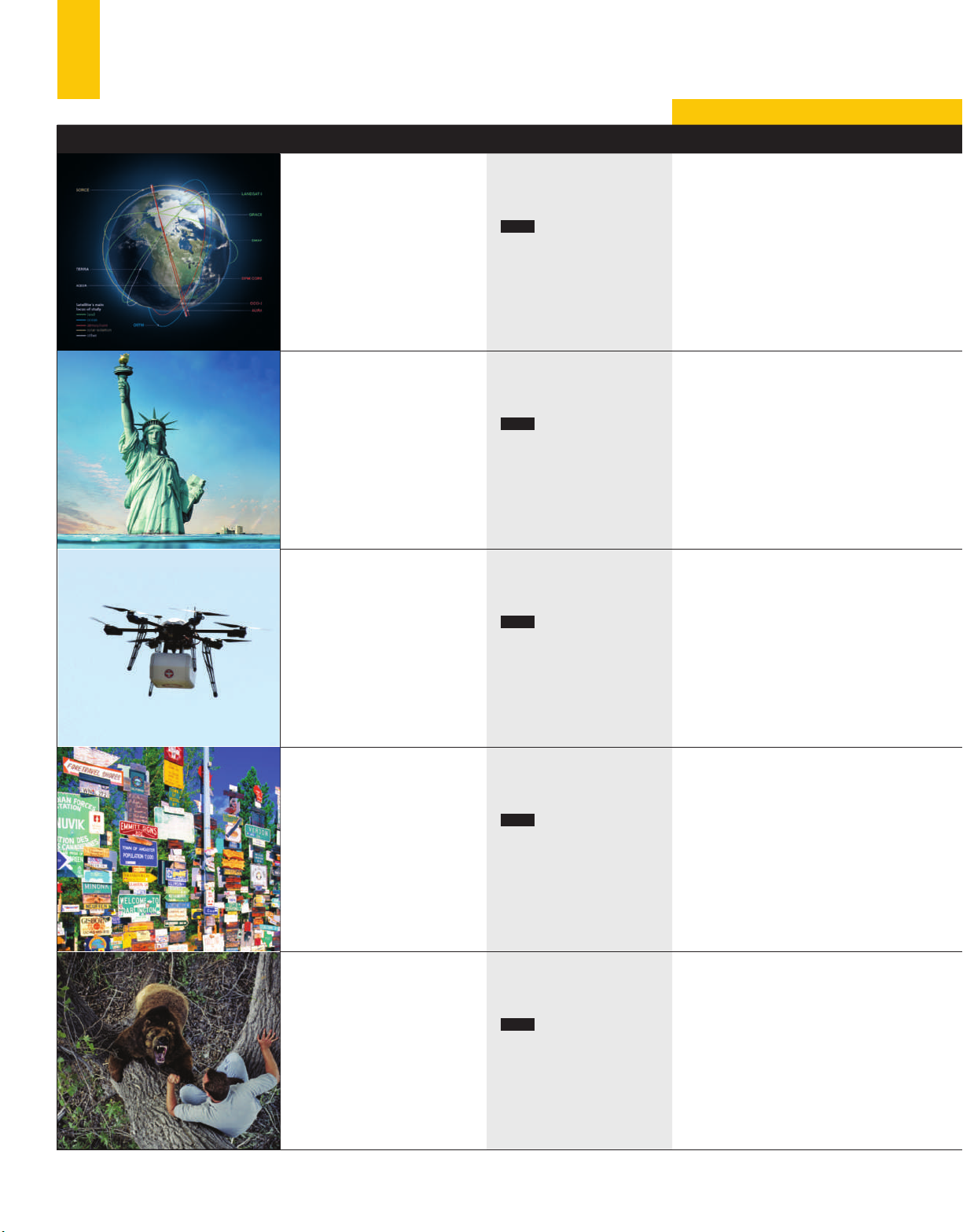

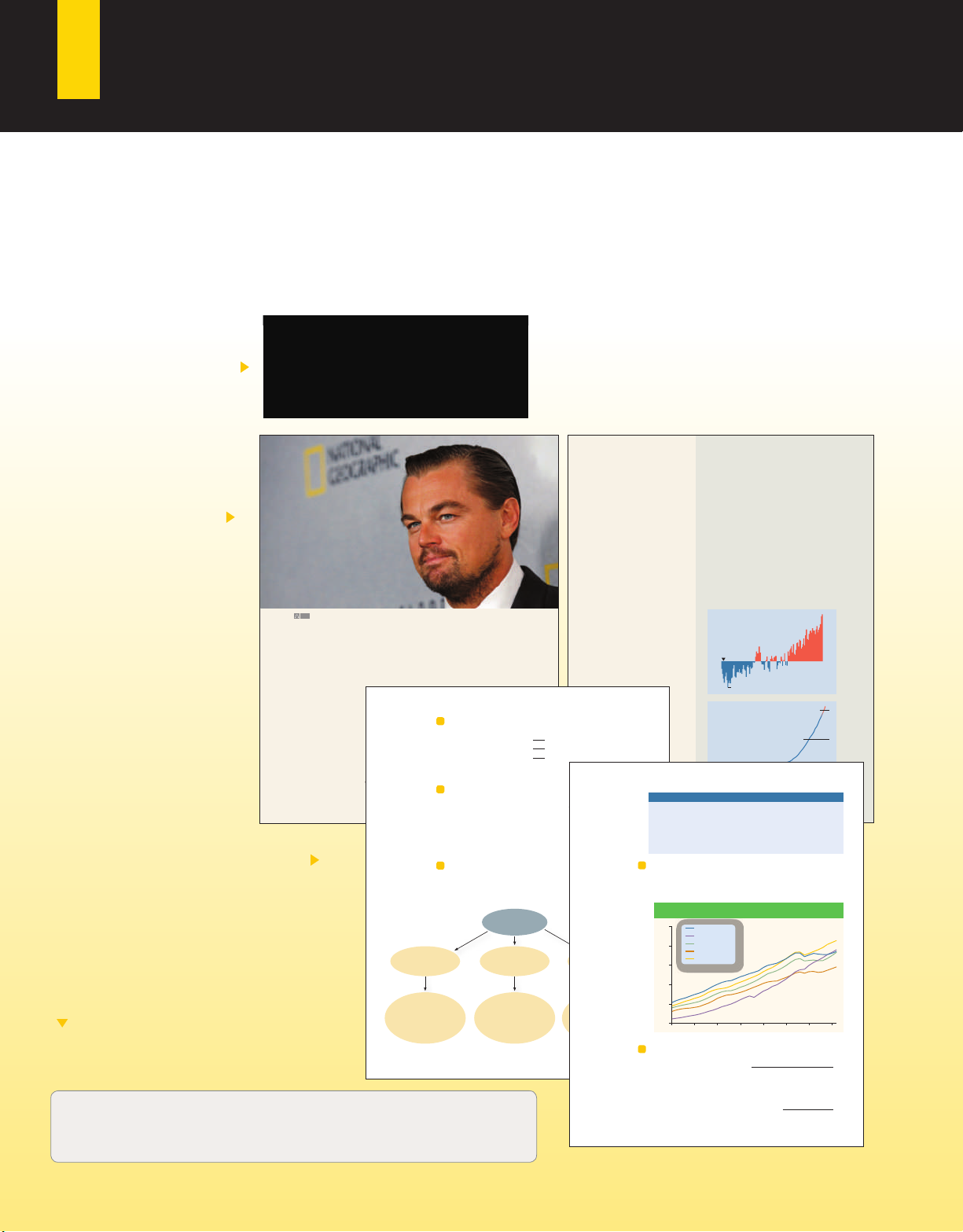
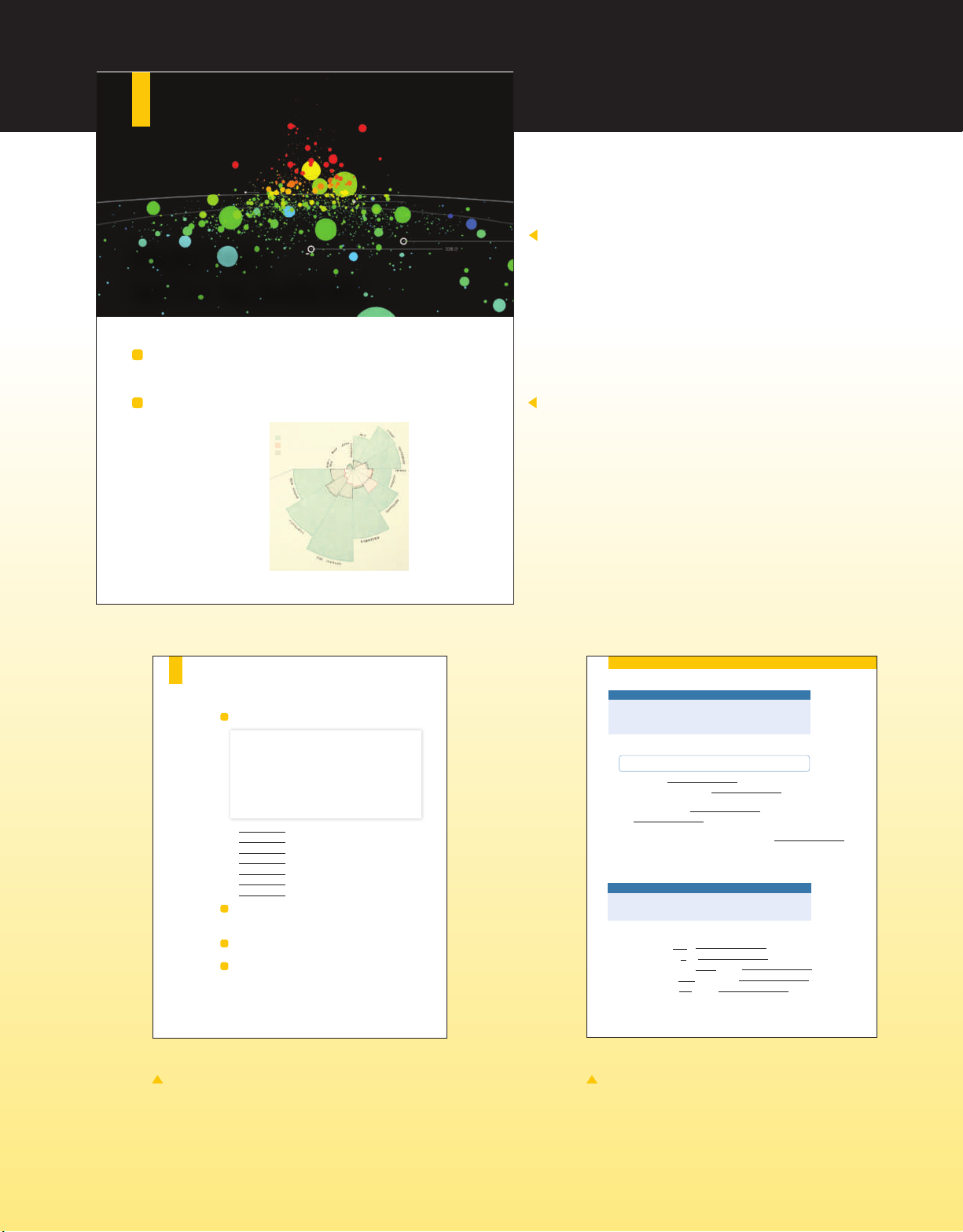
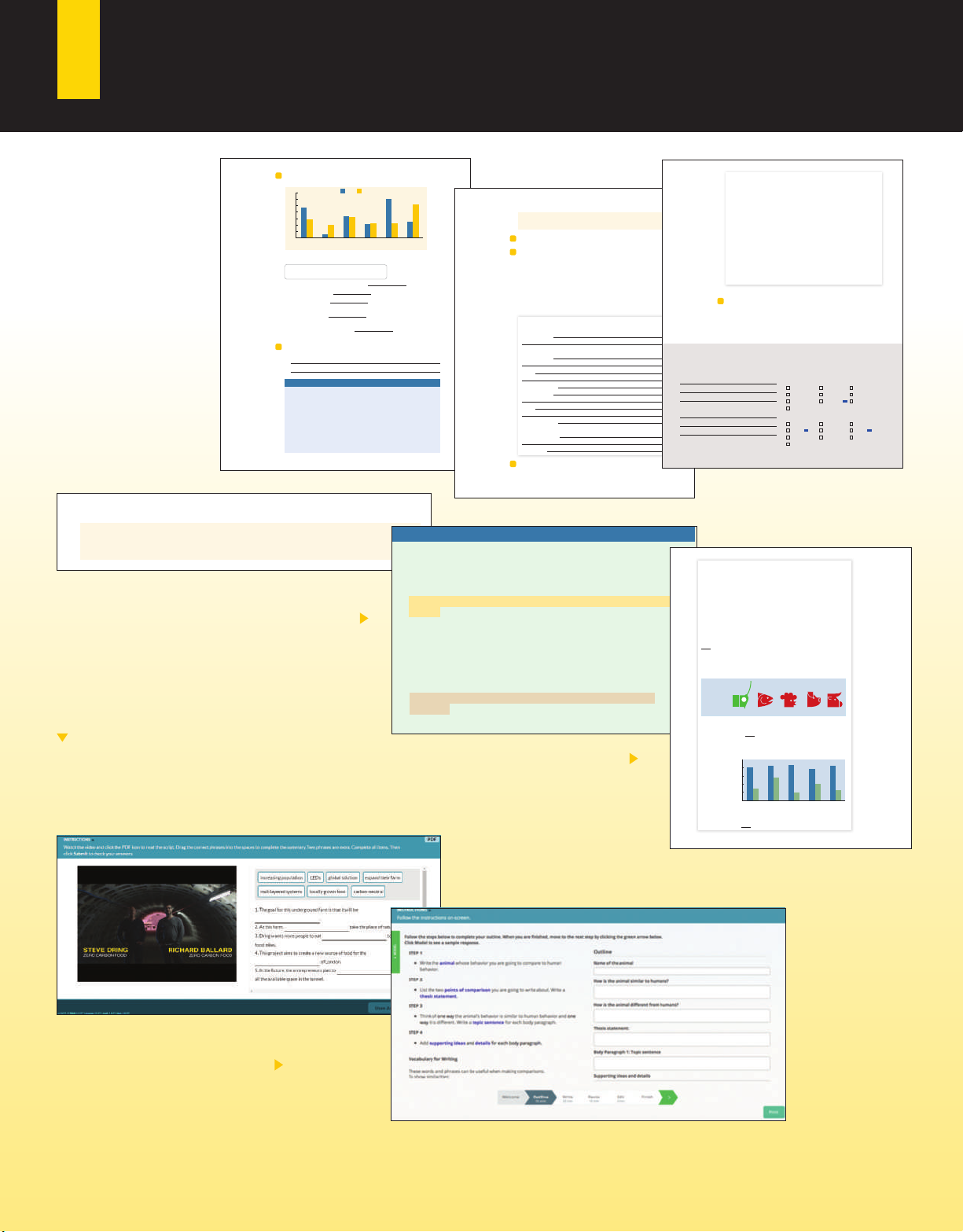


Preview text:
ON THE COVER
A rock moves across the Racetrack Playa in
California’s Death Valley National Park.
© KiskaMedia/iStock/Getty Images
Copyright 2018 Cengage Learning. All Rights Reserved. May not be copied, scanned, or duplicated, in whole or in part. Due to electronic rights, some third party content may be suppressed from the eBook and/or eChapter(s).
Editorial review has deemed that any suppressed content does not materially affect the overall learning experience. Cengage Learning reserves the right to remove additional content at any time if subsequent rights restrictions require it. 3 Pathways Second e d it i o n
Reading, Writing, and Critical Thinking Mari Vargo Laurie BLass
Australia • Brazil • Mexico • Singapore • United Kingdom • United States i
Copyright 2018 Cengage Learning. All Rights Reserved. May not be copied, scanned, or duplicated, in whole or in part. Due to electronic rights, some third party content may be suppressed from the eBook and/or eChapter(s).
Editorial review has deemed that any suppressed content does not materially affect the overall learning experience. Cengage Learning reserves the right to remove additional content at any time if subsequent rights restrictions require it.
PW_RW_SB3_07793_FM_i-x_ptg01.indd 1 11/01/18 9:24 pm
This is an electronic version of the print textbook. Due to electronic rights restrictions,
some third party content may be suppressed. Editorial review has deemed that any suppressed
content does not materially affect the overall learning experience. The publisher reserves the right
to remove content from this title at any time if subsequent rights restrictions require it. For
valuable information on pricing, previous editions, changes to current editions, and alternate
formats, please visit www.cengage.com/highered to search by ISBN#, author, title, or keyword for
materials in your areas of interest.
Important Notice: Media content referenced within the product description or the product
text may not be available in the eBook version.
Copyright 2018 Cengage Learning. All Rights Reserved. May not be copied, scanned, or duplicated, in whole or in part. Due to electronic rights, some third party content may be suppressed from the eBook and/or eChapter(s).
Editorial review has deemed that any suppressed content does not materially affect the overall learning experience. Cengage Learning reserves the right to remove additional content at any time if subsequent rights restrictions require it. Pathways
© 2018 National Geographic Learning, a Cengage Learning Company
Reading, Writing, and Critical Thinking 3, WCN: 02-300 Second Edition
ALL RIGHTS RESERVED. No part of this work covered by the copyright herein
may be reproduced or distributed in any form or by any means, except as
Mari Vargo and Laurie Blass
permitted by U.S. copyright law, without the prior written permission of the copyright owner. Publisher: Andrew Robinson
“National Geographic”, “National Geographic Society” and the Yellow Border
Executive Editor: Sean Bermingham
Design are registered trademarks of the National Geographic Society
Development Editor: Melissa Pang ® Marcas Registradas
Director of Global Marketing: Ian Martin
For product information and technology assistance, contact us at
Product Marketing Manager: Tracy Bailie
Cengage Learning Customer & Sales Support, cengage.com/contact
For permission to use material from this text or product,
Media Researcher: Leila Hishmeh
submit all requests online at cengage.com/permissions
Senior IP Analyst: Alexandra Ricciardi
Further permissions questions can be emailed to
permissionrequest@cengage.com
IP Project Manager: Carissa Poweleit Student Book:
Senior Director of Production: Michael ISBN-13: 978-1-337-40779-3 Burggren
Student Book with Online Workbook:
Senior Production Controller: Tan Jin Hock ISBN-13: 978-1-337-62512-8
Manufacturing Planner: Mary Beth Hennebury
Art Director: Brenda Carmichael
National Geographic Learning 20 Channel Center Street
Compositor: MPS North America LLC Boston, MA 02210 USA
Cover Photo: A rock moves across the
Racetrack Playa in California’s Death Valley
National Park: © KiskaMedia/iStock/Getty
National Geographic Learning, a Cengage Learning Company, has a mission Images
to bring the world to the classroom and the classroom to life. With our English
language programs, students learn about their world by experiencing it. Through
our partnerships with National Geographic and TED Talks, they develop the
language and skills they need to be successful global citizens and leaders.
Locate your local office at international.cengage.com/region
Visit National Geographic Learning online at NGL.Cengage.com/ELT
Visit our corporate website at www.cengage.com
Printed in the United States of America
Print Number: 03 Print Year: 2018
Copyright 2018 Cengage Learning. All Rights Reserved. May not be copied, scanned, or duplicated, in whole or in part. Due to electronic rights, some third party content may be suppressed from the eBook and/or eChapter(s).
Editorial review has deemed that any suppressed content does not materially affect the overall learning experience. Cengage Learning reserves the right to remove additional content at any time if subsequent rights restrictions require it.
PW_RW_SB3_07793_FM_i-x_ptg01.indd 2 11/01/18 9:24 pm Contents Scope and Sequence iv
Introduction to Pathways viii
1 SOCIAL RELATIONSHIPS 1
2 SCIENCE AND INVESTIGATION 25
3 CITY SOLUTIONS 49 4 DANGER ZONES 73
5 THE TRAVEL BUSINESS 99
6 INFORMATION DESIGN 123
7 GLOBAL CHALLENGES 147
8 MEDICAL INNOVATIONS 171
9 WORLD LANGUAGES 195
10 SURVIVAL INSTINCT 219 Vocabulary Extension 243 Independent Student Handbook 248 Acknowledgments and Credits 258
Index of Exam Skil s and Tasks 262
Copyright 2018 Cengage Learning. All Rights Reserved. May not be copied, scanned, or duplicated, in whole or in part. Due to electronic rights, some third party content may be suppressed from the eBook and/or eChapter(s).
Editorial review has deemed that any suppressed content does not materially affect the overall learning experience. Cengage Learning reserves the right to remove additional content at any time if subsequent rights restrictions require it.
PW_RW_SB3_07793_FM_i-x_ptg01.indd 3 11/01/18 9:24 pm Scope and Sequence
Ac A d e m i c S k i l l S Unit Title and Theme Reading Texts and Video Reading 1 Reading 1 Focus The Ape in the Office
Identifying Main and Supporting Ideas SOCIAL VIDEO Elephant Orphans RELATIONSHIPS
Predicting, Understanding Purpose, Reading 2 Summarizing, Categorizing, page 1 Gender in the Wild
Inferring Meaning, Understanding ACADEMIC TRACK:
Main Ideas, Understanding Details Behavioral Science 2 Reading 1 Focus Tech Detectives
Identifying a Sequence of Events SCIENCE AND VIDEO
Predicting, Understanding Main INVESTIGATION Secrets in the Ice Ideas, Understanding Details,
Categorizing, Inferring Meaning page 25 Reading 2 King Tut’s Family Secrets ACADEMIC TRACK: Technology/Genetics 3 Reading 1 Focus Living on an Urban Analyzing Visual Information CITY SOLUTIONS Planet Predicting, Summarizing, page 49 VIDEO Understanding Main Ideas, Farming Underground Identifying Pros and Cons, ACADEMIC TRACK: Reading 2 Understanding Purpose, Sociology/Urban Studies The Urban Visionary Inferring Meaning 4 Reading 1 Focus Sensing Disaster Understanding Referencing and DANGER ZONES Cohesion VIDEO page 73 Hurricanes
Predicting, Summarizing, Understanding Reading 2
a Process, Understanding Main Ideas, ACADEMIC TRACK: Yel owstone’s Smoking
Understanding Details, Inferring Earth Science Bomb Meaning, Understanding Visual Information 5 Reading 1 Focus The New Face of Analyzing Causes and Effects Tourism THE TRAVEL Predicting, Understanding Key Terms, Understanding Main BUSINESS VIDEO Galápagos Tourism Ideas, Understanding Purpose, page 99
Identifying Arguments, Skimming, Reading 2
Understanding Details, Inferring ACADEMIC TRACK: Geotourism in Action Meaning Economics/Business iv
Copyright 2018 Cengage Learning. All Rights Reserved. May not be copied, scanned, or duplicated, in whole or in part. Due to electronic rights, some third party content may be suppressed from the eBook and/or eChapter(s).
Editorial review has deemed that any suppressed content does not materially affect the overall learning experience. Cengage Learning reserves the right to remove additional content at any time if subsequent rights restrictions require it.
PW_RW_SB3_07793_FM_i-x_ptg01.indd 4 11/01/18 9:25 pm Critical Thinking Writing Vocabulary Extension Focus Skil Focus Word Link Analyzing Evidence Writing Body Paragraphs pre-
Evaluating Evidence, Reflecting, Language for Writing Synthesizing Making Comparisons Writing Goal
Writing two body paragraphs comparing animal and human behavior Focus Skil Focus Word Link Analyzing Levels of Certainty Writing a Summary -ist Evaluating, Synthesizing Language for Writing Paraphrasing Writing Goal Writing two summaries Focus Skil Focus Word Partners Analyzing Quotes
Writing Introductory and Concluding Expressions with income Justifying Your Opinion, Paragraphs Evaluating, Synthesizing Language for Writing
Using the Simple Past and the Present Perfect Writing Goal
Writing a problem-solution essay about
how a city solved a problem it faced Focus Skil Focus Word Forms Inferring Writing a Process Essay Changing Nouns and Adjectives Applying, Analyzing Evidence Language for Writing to Verbs with -en Using Paral el Structures Writing Goal
Writing a process essay about how people
can prepare for a natural hazard Focus Skil Focus Word Forms Evaluating Arguments Writing a Cause-Effect Essay
Adjectives and Nouns ending in Synthesizing, Evaluating/ Language for Writing -ive Justifying
Using if … , (then) … Writing Goal
Writing a cause-effect essay about the positive
and negative effects of tourism on a place v
Copyright 2018 Cengage Learning. All Rights Reserved. May not be copied, scanned, or duplicated, in whole or in part. Due to electronic rights, some third party content may be suppressed from the eBook and/or eChapter(s).
Editorial review has deemed that any suppressed content does not materially affect the overall learning experience. Cengage Learning reserves the right to remove additional content at any time if subsequent rights restrictions require it.
PW_RW_SB3_07793_FM_i-x_ptg01.indd 5 11/01/18 9:25 pm Scope and Sequence
Ac A d e m i c S k i l l S Unit Title and Theme Reading Texts and Video Reading 6 Reading 1 Focus The Rise of Visual Data Identifying Arguments and Counterarguments INFORMATION VIDEO DESIGN Painting with Numbers Predicting, Summarizing,
Understanding Details, Interpreting page 123 Reading 2 Visual Information, Inferring Visual Culture ACADEMIC TRACK:
Meaning, Understanding Main Ideas, Design/Communication Understanding Supporting Ideas 7 Reading 1 Focus A Need for Change Understanding Appositives GLOBAL VIDEO
Predicting, Understanding Main CHALLENGES The Snow Guardian Ideas, Understanding Details,
Interpreting Visual Information, page 147 Reading 2 Understanding Problems and Eight Steps to a ACADEMIC TRACK: Solutions, Inferring Meaning Sustainable Future Environmental Science 8 Reading 1 Focus The Healer of Córdoba
Understanding Passive Sentences MEDICAL VIDEO Predicting, Summarizing, INNOVATIONS Healthcare Innovator
Identifying Main Ideas, Sequencing,
Understanding Details, Inferring page 171 Reading 2 Meaning, Understanding Medical Frontiers ACADEMIC TRACK: Referencing Health/Medicine 9 Reading 1 Focus The Future of English Understanding Predictions WORLD VIDEO
Predicting, Understanding Main LANGUAGES Enduring Voices Ideas, Understanding Details,
Inferring Meaning, Interpreting page 195 Reading 2
Visual Information, Understanding Vanishing Voices ACADEMIC TRACK:
Effects, Understanding Certainty Anthropology/Linguistics 10 Reading 1 Focus Deadly Summit Identifying Adverbial Phrases SURVIVAL INSTINCT VIDEO Skimming, Summarizing, Understanding Main Ideas, page 219 Survival Lessons
Sequencing, Inferring Meaning, Reading 2 ACADEMIC TRACK:
Predicting, Understanding Details Breath of Life Psychology vi
Copyright 2018 Cengage Learning. All Rights Reserved. May not be copied, scanned, or duplicated, in whole or in part. Due to electronic rights, some third party content may be suppressed from the eBook and/or eChapter(s).
Editorial review has deemed that any suppressed content does not materially affect the overall learning experience. Cengage Learning reserves the right to remove additional content at any time if subsequent rights restrictions require it.
PW_RW_SB3_07793_FM_i-x_ptg01.indd 6 11/01/18 9:26 pm Critical Thinking Writing Vocabulary Extension Focus Skil Focus Word Link Evaluating Visual Data Writing a Persuasive Essay mis- Evaluating Infographics, Language for Writing Applying, Synthesizing Describing Visual Information Writing Goal
Writing a persuasive essay and using visual data to support arguments Focus Skil Focus Word Partners Inferring Attitude Writing an Opinion Essay Expressions with cut Evaluating Language for Writing Using Adjective Clauses Writing Goal
Writing an opinion essay about the best way to ensure a sustainable future Focus Skil Focus Word Partners Inferring Purpose Evaluating Information Online Antonyms Reflecting, Applying, Language for Writing Synthesizing
Introduction to Quoting and Citing Sources Writing Goal
Writing a research-based essay about a
medical innovation and its significance Focus Skil Focus Word Partners Applying Ideas
Planning an Essay Using a T-Chart adjective + language Synthesizing, Analyzing Language for Writing Arguments Presenting Counterarguments Writing Goal
Writing a persuasive essay about whether
everyone in the world should speak the same language Focus Skil Focus Word Forms
Interpreting Figurative Language
Writing a Descriptive Narrative Essay
Adjectives ending in -ed and -ing Reflecting, Applying, Language for Writing Synthesizing
Using Past Forms for Narratives Writing Goal
Writing a narrative essay about someone
who survived a dangerous situation Vocabulary Extension 243
Independent Student Handbook 248
Index of Exam Skil s and Tasks 262 vii
Copyright 2018 Cengage Learning. All Rights Reserved. May not be copied, scanned, or duplicated, in whole or in part. Due to electronic rights, some third party content may be suppressed from the eBook and/or eChapter(s).
Editorial review has deemed that any suppressed content does not materially affect the overall learning experience. Cengage Learning reserves the right to remove additional content at any time if subsequent rights restrictions require it.
PW_RW_SB3_07793_FM_i-x_ptg01.indd 7 11/01/18 9:26 pm
The Pathway to Academic Readiness
Pathways Reading, Writing, and Critical Thinking, Second Edition uses National Geographic
stories, photos, video, and infographics to bring the world to the classroom. Authentic,
relevant content and carefully sequenced lessons engage learners while equipping them with
the skills needed for academic success. Each level of the second edition features NEW and
NASA’s satellites circle the globe many UPDATED content.
times a day, collecting information on
aspects of the Earth’s environment.
A C A D e m I C S K I L L S
T H I N K A N D D I S C U S S
READING Identifying arguments and counterarguments
1 What does the infographic above show? Academic skills are clearly
WRITING Writing a persuasive essay
2 What are some other ways in which
information and data can be presented labeled at the beginning
GRAMMAR Describing visual information visual y?
CRITICAL THINKING Evaluating visual data of each unit. 123
“ Climate change is real, SEVEN FACTS ABOUT CLIMATE CHANGE it is happening right now,
1. The world is warming.
Earth’s temperature goes up and down from year it is the most urgent threat
to year—but over the past half-century, it has gone up
G a lot (Fig. 1). The trend currently looks set to continue: facing our entire species.
the heat in 2016 broke the historic record set in 2015, NEW AND UPDATED
” which broke the one from 2014.
2. It’s because of us. reading passages A NEED
Q: How can an issue like climate
Carbon dioxide warms the planet, and we’ve increased
change attract more sustained
the amount in the air by nearly half, mostly since the incorporate a variety of w attention?
H 1960s (Fig. 2). Events such as El Niño—a climate cycle in FOR
DiCaprio: There is no issue this
the Pacific Ocean—also affect global temperatures. But no
important—because the future of the
natural cause explains the half-century warming trend. text types, charts, and
planet is at stake.3 We have no planet B.
The energy we focus on solving climate 3. We’re sure. E
change and the pressure we place on
More than 9 out of 10 climate scientists agree: infographics to inform CHANGE
global leaders to lead on the question I
Carbon emissions cause global warming. A 2013 review
will help create a sustainable and
livable environment for the long term. and inspire learners. 2.03 Figure 1 2016+1.69°
Oscar-winning actor Leonardo DiCaprio
them understand what particular things are
Q: You traveled around the world for Global temperature, difference from average
likes to say that he makes his living in made-
going to solve the problem.” In late 2016,
this film. What message do people
in degrees Fahrenheit
up worlds. Now DiCaprio, a UN Messenger
National Geographic interviewed DiCaprio have for Americans?
A of Peace, has produced a documentary about
about Before the Flood. This interview was
DiCaprio: We need to vote for 1901–2000
a very real concern: climate change. He shot edited for length and clarity.
leaders who understand the serious average
Before the Flood all over the world—this time
issues impacting our climate—and for playing himself.
Q: Who do you hope to reach with the film?
leaders who believe in the undeniable
DiCaprio became a climate activist after a
DiCaprio: We all have a role to play in
truth of science. No nation or society
1998 meeting with former U.S. Vice President
saving our planet. This film is meant to educate is immune4 to the symptoms of 1908-0.79° Source: NOAA
Al Gore, an early advocate for climate change
everyone, from global leaders to everyday
climate change. America is in many
places already feeling the impacts
education. The meeting inspired him to
citizens, on the threat of climate change. There F
UNDERSTANDING THE READING
of it: droughts in California, rising
B launch the Leonardo DiCaprio Foundation.
are practical steps we all must take—today— Figure 2 400
The foundation has awarded over 60 million
to hasten1 the adoption of renewable and
seas in Miami, more extreme storms 2016 Average atmospheric
dollars to individuals and organizations that
in the Gulf of Mexico. We can still U N D E R S T D
A N clean-energy technologies across the planet. D I N G
A Match the technology investigato rs used (1–3) to solve the crime (a–e). There are two carbon dioxide
are working to protect wildlife, indigenous M A I N I D E A S extra answers.
prevent these crises from becoming a
in parts per million
For the film we interviewed inspiring figures, communities, and the planet.
widespread challenge in the future of
from Pope Francis and President Obama, who
1. DNA in a leech helped detectives a. our country identify a murderer. . We have an opportunity 350
In the documentary Before the Flood,
both have the ability to galvanize2 millions 1987
2. DNA from a tree helped detectives b.
to lead the world on one of the most locate a murder weapon.
DiCaprio investigates the impact of climate
of people, to activists like Sunita Narain, a 3. CT scans helped scientists c. crucial solve a drug case. issues of all time. In 2016,
change around the globe. In his introductory
tremendous voice in India who’s calling for her annual average C
speech at the film’s London premiere, DiCaprio
country to be part of a global solution. d. identify a thief. CO2 concentrations 300 exceeded the threshold 3
said, “We wanted to make a film that gave
If something is at stake, it’s at risk; it could be lost 1911 of 400 parts per million.
e. discover how a man was murdered.
1 To hasten means to speed something up. or be in danger. 284
people a sense of urgency, [and] that made
2 If you galvanize people, you motivate them to take action.
4 If a person or a thing is immune, it will not be 1832
DEVELOPING READING SKILLS
affected by another person or thing.
Source: Carbon Dioxide Information Analysis Center U N D E R S TA N D I N G
B Look back at “A Murder Case in Arizona.” For each statement below, circle T for true, F D E TA I L S
for false, or NG if the information is not given.
READING SKILL Analyzing Visual Information
G L O B A L C H A L L E N G E S 151 152 UNIT 7
1. The police found the suspect’s pager at the crime scene. T F NG
When you first look at a graph, read the title, subtitle, caption, and/or legend (key).
2. The victim was a friend of the suspect. T F NG
Ask yourself what information is being presented. What do the lines, colors, or
3. The suspect had bought the truck recently. T F NG
symbols mean? What is the purpose of the graph? Then underline important words
4. The suspect claimed that he never met the victim. T F NG
in the title or caption that tell you about the content. Ask yourself how the graph
supports the ideas in the reading passage. How does it help you understand the
5. The police were able to prove that the truck T F NG author’s ideas better? had been at the crime scene.
Explicit reading skill instruction C AT E G O R I Z I N G
C What evidence was useful to investigators? Complete the diagrAam w N A LYitZh t I N h Ge p V I ie S c U e As o
L f A . Work with a partner. Look at the graph below and answer the questions.
includes main ideas, details, inference, evidence (a–l) below. I N F O R M AT I O N
1. Look at the title, subtitle, and legend. What is the main purpose of the graph? a. a damaged tree b. a healing wound
c. a suspect’s blood d. an arrowhead
2. Underline the sentence in the reading passage that the graph relates to. e. a leech f. a truck g. a pager h. seed pods
prediction, note-taking, sequencing, and
3. How does the graph support the sentence in the reading passage? i. DNA database j. a later arrest k. a full stomach l. tree DNA
South Korea Overtakes Europe vocabulary development.
Growth in GDP1 per capita (against selected European countries) 1980–2016 Crime 50,000 Italy South Korea 40,000 Spain Portugal Australia robbery Arizona murder Iceman murder United Kingdom 30,000 20,000 Evidence Evidence Evidence 10,000
Critical thinking activities are 0 1980 1985 1990 1995 2000 2005 2010 2015
integrated throughout each unit, and
1 Gross Domestic Product (GDP) is the amount of goods and services produced in one year. A N A LY Z I N G V I S U A L
B . Look at the infographic in the reading passage and answer the questions. Discuss your
help develop learner independence. I N F O R M AT I O N answers with a partner. 32 UNIT 2
1. What do the red and green colors indicate?
2. What is the main purpose of the chart?
a. to show the emissions goals of certain cities and countries
b. to show how some countries have reduced their emissions in the last 25 years
c. to show how most cities have lower per capita emissions than their countries
3. Which paragraph in the passage does the graph support?
C R I T I C A L T H I N K I N G A writer may quote an expert to support an idea
presented in an article. When you read a quote from an expert, ask yourself: 58 UNIT 3
Which of the writer’s main or supporting ideas does the quote support? viii
D . Read the following quotes from the passage. Which main or supporting idea from the
C R I T I C A L T H I N K I N G :
paragraph does each quote support? Discuss with a partner. A N A Ly z I N G q u o T e s
Copyright 2018 Cengage Learning. All Rights Reserved. May not be copied, scanned, or duplicated, in whole or in part. Due to electronic rights, some third party content may be suppressed from the eBook and/or eChapter(s).
Editorial review has deemed that any suppressed content does not materially affect the overall learning experience. Cengage Learning reserves the right to remove additional content at any time if subsequent rights restrictions require it.
1. “They value knowledge over space. That’s what the modern city is all about.” (paragraph C)
PW_RW_SB3_07793_FM_i-x_ptg01.indd 8 12/01/18 8:19 pm Video Jer Thorp created this graphic to show exoplanets—planets outside of our solar system—discovered by the Kepler space telescope.
NEW AND UPDATED Video sections use
National Geographic video clips to provide PAINTING
a bridge between Readings 1 and 2, WITH NUMBERS
and to give learners ideas and language
for the unit’s writing task. Before Viewing
A Read the caption above and discuss the answers to these questions with a partner. P R E D I C T I N G
1. What might the different sizes and colors of the circles represent?
2. What do you think the locations of the circles represent?
B Read the information about data artists. In what ways are Thorp’s and Nightingale’s L E A R N I N G A B O U T
NEW An additional short reading passage
infographics similar? Discuss your answer with a partner. T H E T O P I C
Jer Thorp is a data artist—someone Causes of death
provides integrated skills practice.
who combines art and science to better disease
communicate complex information. injury other
According to Thorp, an early example
of an infographic was by Florence
Nightingale—a nurse during the
Crimean War (1853–1856). One of her
graphics (right) showed that, contrary
to popular belief, most soldiers were
dying of treatable diseases rather than
from injuries during the war. Her work
reduced soldiers’ deaths by over 60
percent, and is an example of how
infographics can change public opinion.
I N F O R M AT I O N D E S I G N 133 Reading 1
Vocabulary ExtEnsion unit 1
Wo r d L i n k pre- PREPARING TO READ
Words that begin with the prefix pre- mean “before in time.” For example, previously means
“before the time period that you are talking about.” Pre- can be added to some common B U I L D I N G
A The words in blue below are used in Reading 1. Read the sentences. Then match the
root words. For example, preview means “to see a part of something before watching the V O C A B U L A R Y
correct form of each word to its definition. whole thing.”
Good journalists aim to present the news in an objective manner without inserting
their own opinions into their reports.
complete each sentence with the words below. one word is extra.
People with poor vision correct their eyesight by wearing glasses or contact lenses.
In order to make their products seem more effective, companies might deliberately
predict prepare preschool prevent preview previous
include misleading information in their advertisements.
One downside to using information from the Internet is that the source may not be reliable. 1. It is a good idea to
some slides before giving a presentation.
Most people have strong opinions about whale hunting. Not many people are
2. Scientists are developing apps that can
a person’s behavior better than a
neutral about the issue.
human can. For example, the app can tell if a customer will buy a product again.
When writing a report, it’s important to check that the points make sense and don’t contain faulty logic.
3. For many entry-level jobs, no experience is required. 4. To
conflict in a workplace, try to avoid aggressive behavior with your 1. (n) a disadvantage co-workers. 2.
(adv) on purpose or intentionally
5. Movie companies often upload a short video online to give people a of an
upcoming movie and get them excited about it. 3. (n) the ability to see 4.
(adj) containing mistakes; inaccurate
Vocabulary ExtEnsion unit 2 5.
(adj) based on facts, not personal bias 6.
(adj) not having an opinion about something
Wo r d L i n k -ist 7.
(adj) making someone believe something that is not true
Some nouns that end in -ist can refer to someone who works in a specific academic or U S I N G
B Discuss these questions with a partner.
professional field. An archaeologist, for example, works in the field of archaeology. In V O C A B U L A R Y
general, for words ending in a vowel or -y, drop the vowel or -y and add -ist.
1. What do you think are the downsides to using information from the Internet?
2. What kinds of misleading information have you seen online?
complete each sentence with the correct noun form of the underlined word. B R A I N S T O R M I N G
C What are some benefits of infographics for people working in business, education, or
1. Someone who writes novels is a .
journalism? Discuss with a partner.
2. Someone who produces art is an . P R E D I C T I N G
D Skim the first sentence of each paragraph in the reading passage. What do you think
3. Someone who looks at how the economy works is an .
the passage is about? Check your idea as you read.
4. Someone who provides therapy to other people is a .
a. the purposes of different types of infographics
b. the history of data visualization
5. Someone who plays the piano as a job is a .
c. the pros and cons of using infographics 126 U N I T 6
V o c a b u l a r y E x t E n s i o n 243
Key academic and thematic
NEW Vocabulary extension activities
vocabulary is practiced, and expanded cover word forms, word webs, throughout each unit.
collocations, affixes, and more, to boost
learners’ reading and writing fluency. ix
Copyright 2018 Cengage Learning. All Rights Reserved. May not be copied, scanned, or duplicated, in whole or in part. Due to electronic rights, some third party content may be suppressed from the eBook and/or eChapter(s).
Editorial review has deemed that any suppressed content does not materially affect the overall learning experience. Cengage Learning reserves the right to remove additional content at any time if subsequent rights restrictions require it.
PW_RW_SB3_07793_FM_i-x_ptg01.indd 9 12/01/18 8:19 pm Writing Skills Practice Pathways’ approach
B Look at the bar graph below. Then complete the sentences using the words and EDitinG PR AC tiCE to writing guides
phrases in the box. One is extra. Read the information below. 7 Male Female
in sentences with comparison expressions, remember: 6
• that the form of be in be similar to must agree with its subject. students through 5 wrITING TASK
• to use commas correctly in sentences with while, like, likewise, similarly, on the other
hand, unlike, whereas, and in contrast. 4 U S I N G A T- C H A R T
B Work with a partner. Think of both sides of the issue below. Write at least two pros and Hours 3
GoAL You are going to write a persuasive essay on the following topic:
Correct one mistake with comparison expressions in each of the sentences (1–5). the writing process 2
Everyone in the world should speak the same language. Do you agree or disagree?
two cons. Then choose the side that you think is stronger.
1. The use of tools among gorillas are similar to the use of tools among chimpanzees. 1 0 B R A I N S T O R M I N G
A Think of arguments for both sides of the essay topic. Use a T-chart to make notes.
2. Dogs are not capable of using language. in contrast some apes are able to and develops Watching Reading for Playing
Using social Exercising and Socializing
communicate using human sign language. TV pleasure computer games media doing sports
Issue: Everyone should start learning a second language
3. Horses help farmers by pulling carts. likewise dogs help by herding sheep.
Figure 1: Time spent on the weekend by 18–24-year-olds P L A N N I N G
B Follow these steps to plan your essay. at the age of three. Step 1
Choose the side of the issue that you want to defend in your essay. research
4. cats in the wild have to hunt for food. House cats on the other hand, get their food learners’ confidence
information that strengthens your position. from humans. half twice a third more than four times less than Step 2
Choose arguments to support your position and use them to write your thesis Pros Cons
5. chimpanzee mothers and daughters form strong bonds. Similarly adult female statement in the outline.
elephants form close relationships with young females in the family. in planning, drafting,
1. As Figure 1 shows, women read for pleasure as much as men.
Step 2 Write topic sentences for each of your body paragraphs. 2. Men and women spend
three hours playing computer games. • Step 3
use your research notes to write one or two supporting details for each argument. • 3. Women spend almost
as much time socializing as men, as seen
Step 4 use your T-chart to note counterarguments. F i N A L D R A F T
E Follow these steps to write a final draft. revising, and editing. in Figure 1.
Step 5 Write a summary statement and add a final thought.
1. check your revised draft for mistakes with language for making comparisons. 4. Women spend about
as much time as men exercising and
2. now use the checklist on page 253 to write a final draft. make any other necessary
doing sports, as illustrated in Figure 1. oUTLINe changes.
5. As shown in Figure 1, women watch three hours of TV during Introductory paragraph the weekend. • Thesis statement: •
C Write two more sentences about the graph in exercise B using words and phrases that express quantity. Body paragraphs UNIT reVIew Topic sentence 1:
3. Do you remember the meanings of these words? 1.
Answer the following questions.
1. What is one similarity between human office workers
check (P) the ones you know. look back at the unit 2. Details: and chimpanzees?
and review the ones you don’t know. WRITING SKILL Reading 1: Writing a Persuasive Essay N O T I C I N G
C Read the sentence from a persuasive Count es erar sa gument 1: y and answer the questions. aggressive ambitious behavior
In a persuasive essay, you choose one side of an issue and persuade your reader to Topic sentence 2:
agree with your position. You present your position in your thesis statement and care for conflict criticize
support it with reasons that show why you think it’s correct. interact motivation AWL status
Although it may be difficult for immigrant children to maintain both their native language
The body paragraphs in a persuasive essay should include good reasons and Details:
2. What should you include in a body paragraph? treat
convincing details that show why your position is correct. Convincing details
and the dominant language of their new country, their parents should encourage them to be Reading 2:
include facts, direct quotes, and data based on evidence. Counterargument 2:
Charts and graphs that show the data you’re referring to can make your arguments discipline establish extended family bilingual. Concluding paragraph
even stronger. They make your argument more credible and provide evidence that gender AWL generally intense AWL
what you are saying is true. For example, if you are arguing that self-driving cars are summary statement: observe previously replace
more dangerous than traditional cars, a chart or graph that compares accident rates social structure
for each type of vehicle will make your argument mor e convincing
1. .What are the two sides of the argument the writer presents? Final Thought: 142 UNIT 6 24 UNiT 11 Argument 1: F I R S T D R A F T
C Use the information in the outline to write a first draft of your essay. Argument 2: 216 UNIT 9
2. Which is the writer’s main argument? wrITING TASK
GoAL You are going to write a persuasive essay on the following topic:
L a n g uag e f o r W r i t i n g Presenting Counterarguments
Everyone in the world should speak the same language. Do you agree or disagree?
Arguments in a persuasive essay are more convincing and balanced when writers
present and then refute the counterarguments—the arguments on the other side
R E V I S I N G P R AC T I C E
of the issue. Writers introduce counterarguments using concession words and
The draft below is a persuasive essay about whether people should eat insects B R A I N S T O R M I N G
A Think of arguments for both sides of the essay topic. Use a T-chart to make notes. phrases such as while, even though, and although.
rather than meat and fish. Add the sentences (a–c) in the most suitable spaces.
a. As resources become scarce and the global population increases, perhaps counterargument
someday more people will consider sitting down for a meal of crickets and worms.
b. One reason insects make a good food source is that consuming them produces
While flying around the world to record speakers of disappearing languages may be
much less waste than eating meat or fish. P L A N N I N G
c. As illustrated in Figure 2, crickets have as much protein as salmon, chickens, and cows.
WBriting
Follow t hGoals ese steps t and o plan yo La ur esngu say. age for Writing
expensive, protecting the valuable knowledge these languages contain is worth it. A
Does a meal of fried crickets and marinated worms sound tasty to you? While insects Step 1
Choose the side of the issue that you want to defend in your essay. research writer’s argument
are already a desirable source of protein in some parts of the world, they are not very
sections provide the focus and scaff
popular worldwide. However, there are good reasons for eating insects instead of meat
information that strengthens your position. olding
In addition, writers often use modals such as may, might, and could when and fish. B
presenting counterarguments to show that these arguments are weaker—less
When we eat chicken or beef, we generally only eat the muscles and throw needed f Step 2 or lear ners to become successful
Choose arguments to support your position and use them to write your thesis
away the rest. As Figure 1 shows, the majority of a cricket’s body can be used as
likely or certain—than their own arguments. Writers sometimes also present their
food—only one-fifth is wasted. Conversely, with most other protein sources, such statement in the outline.
as fish, chicken, and cattle, much more of the animal is wasted. Only about half of
own arguments with modals such as must, have to, and should to show that their
a salmon or a chicken is used as food, and less than half of a cow is consumed. This writers.
means the majority of the animal’s body is thrown away.
Step 2 Write topic sentences for each of your body paragraphs. arguments are stronger. weaker 80% 50% 55% 55% 40% Figure 1: Step 3
use your research notes to write one or two supporting details for each argument.
While saving endangered languages may preserve some cultural or scientific Edible portion of animal (%)
Step 4 use your T-chart to note counterarguments.
information, we must not discourage children from learning the dominant Cricket Salmon Chicken Pig Cow
language of their region. stronger C An online w Step 5 orkbook, powered by M
Write a summary statement and add a final thought. yELT,
Another reason we should eat insects is that they are packed with nutrition. Many insects are rich in protein.
They also contain much less fat, making them a
healthy choice. In addition, insects such as crickets are a good source of vitamins and
minerals. They have 10 times as much vitamin B as salmon, almost five times as much 12 includes video clips and aut
magnesium as beef, and more calcium than milk. oUTLINe omatically graded 25 214 U N I T 9 UPDATED Revising Protein Figure 2: activities f 20 Introductor or lear y paragr ners t aph o practice the skills taught Practice sections Nutritional 15 value of animal (%) The percent of 10 protein and fat in Fat in the Student Books Thesis statement: . incorporate realistic crickets is similar to 5 that of most meats. 0 Cricket Salmon Chicken Pig Cow D
It’s clear that there are benefits to replacing meat and fish with insects. In addition to Body paragraphs model paragraphs and
being less wasteful and equally nutritious, insects are available all over the world and they reproduce rapidly. Topic sentence 1: help learners refine their
I N F O R M AT I O N D E S I G N 145 writing. Details: Counterargument 1: Topic sentence 2: Details: Counterargument 2: Concluding paragraph summary statement: Final Thought:
NEW Guided online writing F I R S T D R A F T
C Use the information in the outline to write a first draft of your essay.
practice provides reinforcement and
consolidation of language skills, helping 216 UNIT 9
learners to become stronger and more confident writers. x
Copyright 2018 Cengage Learning. All Rights Reserved. May not be copied, scanned, or duplicated, in whole or in part. Due to electronic rights, some third party content may be suppressed from the eBook and/or eChapter(s).
Editorial review has deemed that any suppressed content does not materially affect the overall learning experience. Cengage Learning reserves the right to remove additional content at any time if subsequent rights restrictions require it.
PW_RW_SB3_07793_FM_i-x_ptg01.indd 10 12/01/18 8:19 pm SOCIAL RELATIONSHIPS 1
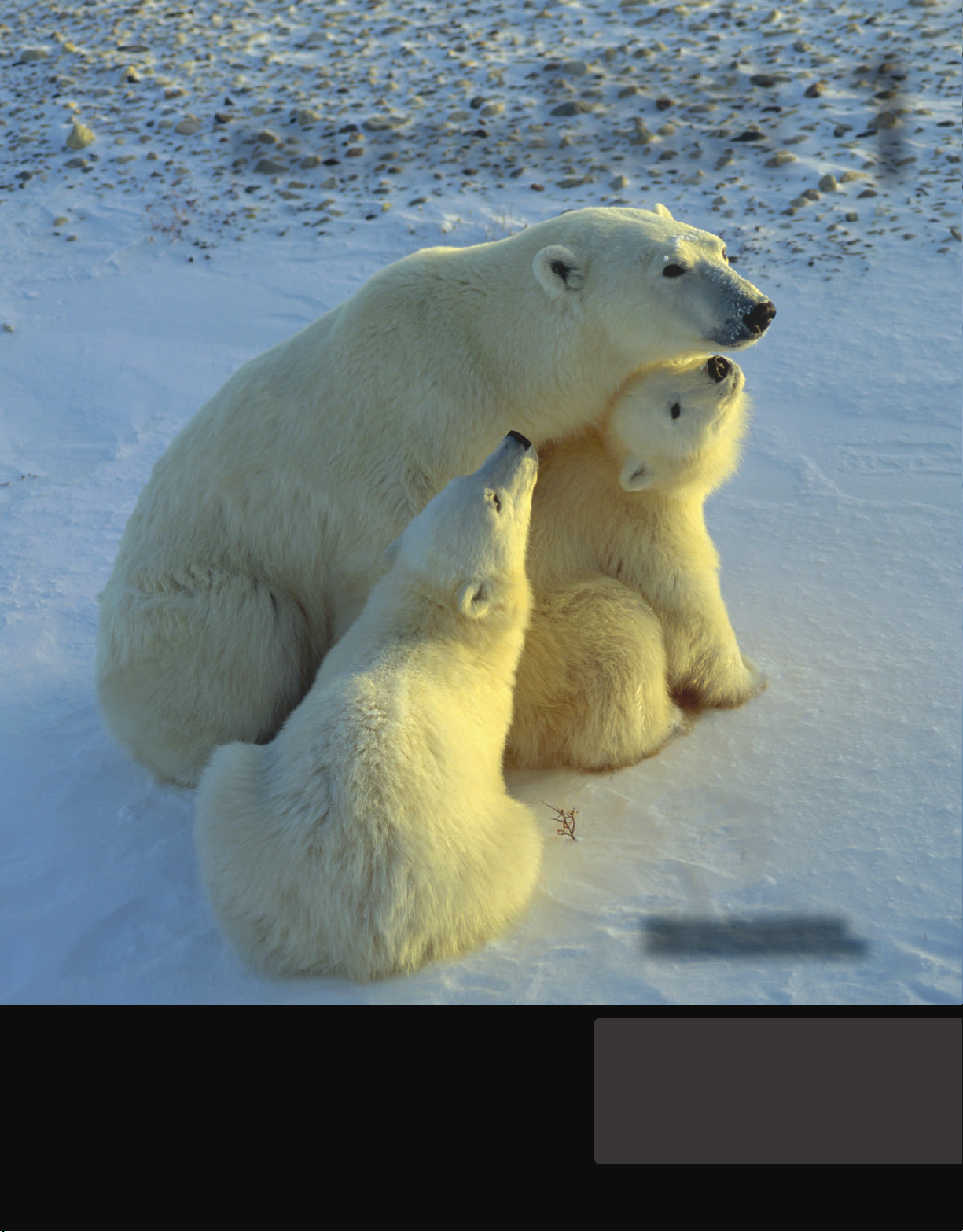
Polar bear cubs stay with their
mothers for more than two years.
A C A D e m I C S K I L L S
T H I N K A N D D I S C U S S
ReAding identifying main and supporting ideas
1 Aside from humans, what other animals live in social groups?
WRiting Writing body paragraphs
2 What similarities do you think there are between gRAmmAR making comparisons
human relationships and animal relationships?
CRitiCAl thinking Analyzing evidence 1
Copyright 2018 Cengage Learning. All Rights Reserved. May not be copied, scanned, or duplicated, in whole or in part. Due to electronic rights, some third party content may be suppressed from the eBook and/or eChapter(s).
Editorial review has deemed that any suppressed content does not materially affect the overall learning experience. Cengage Learning reserves the right to remove additional content at any time if subsequent rights restrictions require it.
PW_RW_SB3_07793_U01_001-024_ptg01.indd 1 12/01/18 5:59 pm expLore THe THeme
A read the information on these pages
and answer the questions.
1. What are some examples of nonhuman primates?
2. What similarities have researchers discovered between humans and other primates?
B match the words in blue to their definitions. (v) to behave toward someone in a particular way (v) to communicate with someone or something (v) to look after someone (usually a young, sick, or old person) 2 U N i T 1
Copyright 2018 Cengage Learning. All Rights Reserved. May not be copied, scanned, or duplicated, in whole or in part. Due to electronic rights, some third party content may be suppressed from the eBook and/or eChapter(s).
Editorial review has deemed that any suppressed content does not materially affect the overall learning experience. Cengage Learning reserves the right to remove additional content at any time if subsequent rights restrictions require it.
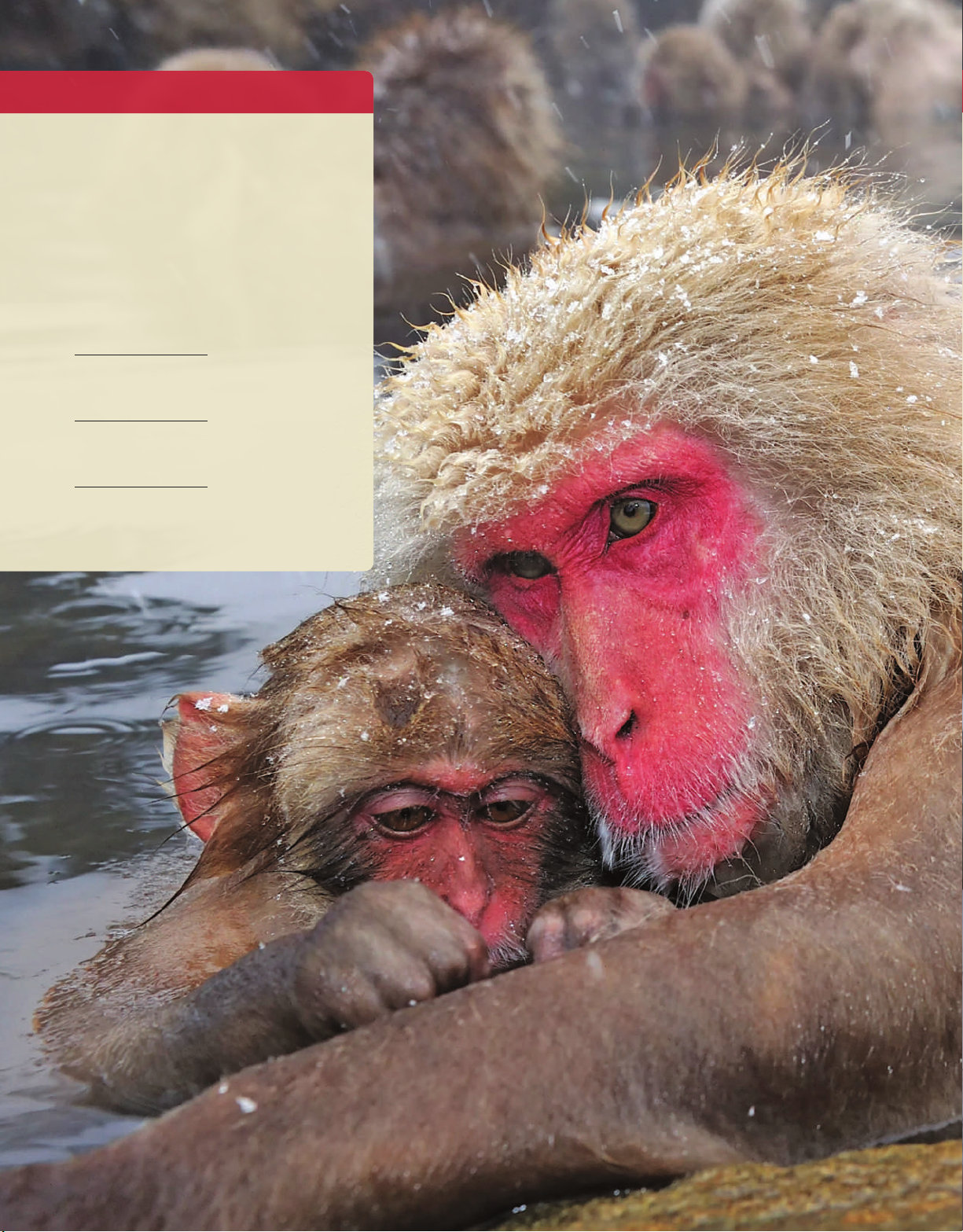
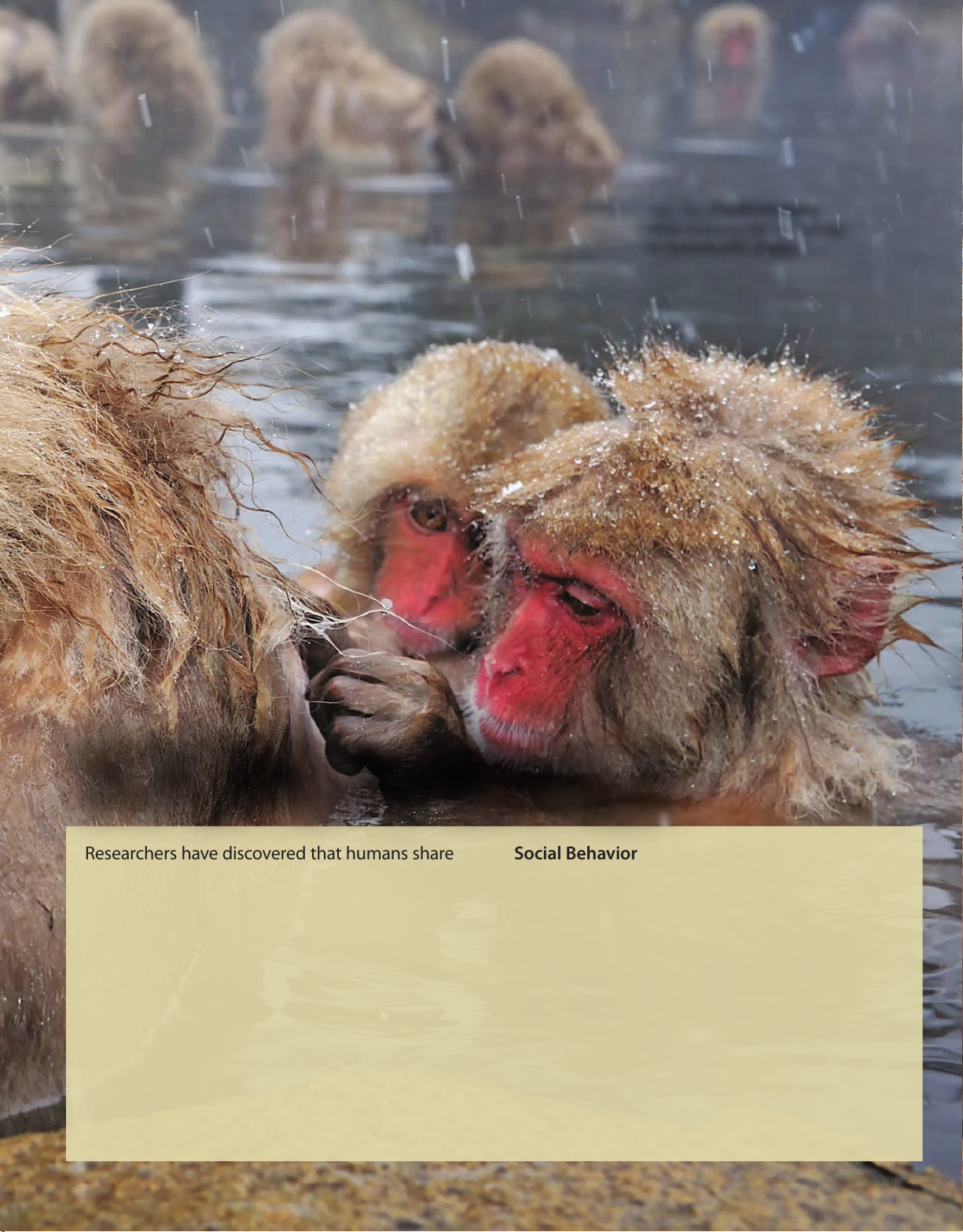
PW_RW_SB3_07793_U01_01-024_ptg01.indd 2 11/01/18 3:55 pm Families of wild macaques
often bathe in the hot springs in Yamanouchi, Japan. Social animalS
Researchers have discovered that humans share Social Behavior
certain behavioral characteristics with other
Both humans and other primates tend to live in
primates—the group of mammals that includes
social groups, and they share some characteristics humans, monkeys, and apes.
in terms of their social behavior. Researchers today
are looking at the similarities and differences in Basic Communication
how humans and animals interact within their
Primatologists—scientists who study primates—
own social groups, for example, how they treat
have found that some apes are capable of basic
each other and care for their young.
communication using human sign language.
Researchers have also observed apes inventing and
using tools to get food and complete other tasks.
S O C i A L R E L AT i O N S H i P S 3
Copyright 2018 Cengage Learning. All Rights Reserved. May not be copied, scanned, or duplicated, in whole or in part. Due to electronic rights, some third party content may be suppressed from the eBook and/or eChapter(s).
Editorial review has deemed that any suppressed content does not materially affect the overall learning experience. Cengage Learning reserves the right to remove additional content at any time if subsequent rights restrictions require it.
PW_RW_SB3_07793_U01_01-024_ptg01.indd 3 11/01/18 3:56 pm Reading 1 prepArING To reAD B U i L D i N G
A The words in blue below are used in Reading 1. Read the paragraph. Then match the V O C A B U L A R Y
correct form of each word to its definition.
most workplaces are positive environments where people work well together. However,
an aggressive employee in an office can easily lead to workplace stress—by treating
coworkers unfairly, criticizing them, or taking credit for their work. Employees who
experience workplace conflict on a regular basis can lose motivation to do good
work. Why do some employees not cooperate with their coworkers? it may be that the
employee is ambitious and thinks that aggressive behavior will help them get ahead.
or the employee is afraid of losing status in the company and thinks that aggressive
behavior will help them stay on top. 1. (n) a serious disagreement 2. (n) the way someone acts 3.
(adj) acting in a forceful or competitive way 4.
(n) a feeling of being excited to do something 5.
(v) to speak badly of someone or something 6.
(adj) wanting to be successful 7.
(n) an individual’s position within a group U S i N G
B Discuss these questions with a partner. V O C A B U L A R Y
1. How ambitious are you? Would you rather be a president of a company, or a low-
level or mid-level employee without a lot of responsibilities? Why?
2. How would you react to an aggressive coworker? Give an example. B R A i N S T O R M i N G
C Discuss your answers to these questions in groups.
1. in what ways do you think employees cooperate in the workplace? Give two examples.
2. in what ways do you think primates cooperate in the wild? Give two examples. P R E D i C T i N G
D Read the title, headings, and captions in the reading passage. How do you think
human behavior in the office is similar to primate behavior in the jungle? Write three
ideas. Then check your ideas as you read. 4 U N i T 1
Copyright 2018 Cengage Learning. All Rights Reserved. May not be copied, scanned, or duplicated, in whole or in part. Due to electronic rights, some third party content may be suppressed from the eBook and/or eChapter(s).
Editorial review has deemed that any suppressed content does not materially affect the overall learning experience. Cengage Learning reserves the right to remove additional content at any time if subsequent rights restrictions require it.
PW_RW_SB3_07793_U01_01-024_ptg01.indd 4 11/01/18 3:56 pm THE aPE in THE oFFicE 1.01
Does the “office jungle” mirror behavior in the real jungle? New research A
shows people in offices may use conflict and cooperation in similar ways to primates in the jungle.
Animal behavior specialist Richard Conniff is the author of The Ape in the
Corner Office. In his book, Conniff examines corporate behavior through the
eyes of a primatologist. He suggests cooperation is the key to success for both B
humans and other primates. He sees similarities in the ways they use social
networks and hierarchies1 to gain status. He also points out that while conflict
can be effective at times, both humans and apes usually prefer to cooperate.
1 Hierarchies are groups or situations that are organized from higher to lower by rank, social status, or function.
S O C i A L R E L AT i O N S H i P S 5
Copyright 2018 Cengage Learning. All Rights Reserved. May not be copied, scanned, or duplicated, in whole or in part. Due to electronic rights, some third party content may be suppressed from the eBook and/or eChapter(s).
Editorial review has deemed that any suppressed content does not materially affect the overall learning experience. Cengage Learning reserves the right to remove additional content at any time if subsequent rights restrictions require it.
PW_RW_SB3_07793_U01_01-024_ptg01.indd 5 11/01/18 3:56 pm
CooperatioN versus CoNfliCt
People often think that the animal world is full of conflict. However, conflict
and aggression actually play a smaller role in the wild than cooperation. In fact,
according to Conniff, both humans and other primates are social creatures,
and both groups normally try to avoid conflict. Chimpanzees, for example, C
typically spend their days caring for their young and traveling together in small
groups. Conniff points out that chimps spend about 5 percent of the day being
aggressive, but 15 to 20 percent of the day grooming2 each other. For humans
and other primates, conflict is rare and does not last long. For both species,
cooperation is a more effective way to succeed and survive. tHe value of NetworkiNg
Research also shows that people and other primates use similar social
networking strategies to get ahead in life. They create tight social bonds by
sharing resources, doing each other favors, building teams, and making friends. D
Employees with ambitious career goals, for example, often rely on powerful
people in their office to help them get better jobs. In a similar way, chimps work
to strengthen relationships with other chimps.
Frans de Waal, a primatologist at Emory University in Atlanta, Georgia,
claims that for chimps, “you can never reach a high position in their world if
you don’t have friends who help you.” In fact, research shows that chimps often
create bonds to strengthen their status, or importance, in the community. They e
do favors for one another and share resources. They sometimes also use their
cunning3 to get ahead. “In chimps a common strategy is to break up alliances
that can be used against them,” de Waal explains. “They see a main rival sitting Aggressive behavior
with someone else and they try to break up [that meeting].” may bring results, but also leads to isolation for the
2 grooming is the activity of animals cleaning each other. 3 aggressor.
Cunning is the ability to achieve things in a clever way, often by deceiving other people. 6 6 U N i T 1
Copyright 2018 Cengage Learning. All Rights Reserved. May not be copied, scanned, or duplicated, in whole or in part. Due to electronic rights, some third party content may be suppressed from the eBook and/or eChapter(s).
Editorial review has deemed that any suppressed content does not materially affect the overall learning experience. Cengage Learning reserves the right to remove additional content at any time if subsequent rights restrictions require it.
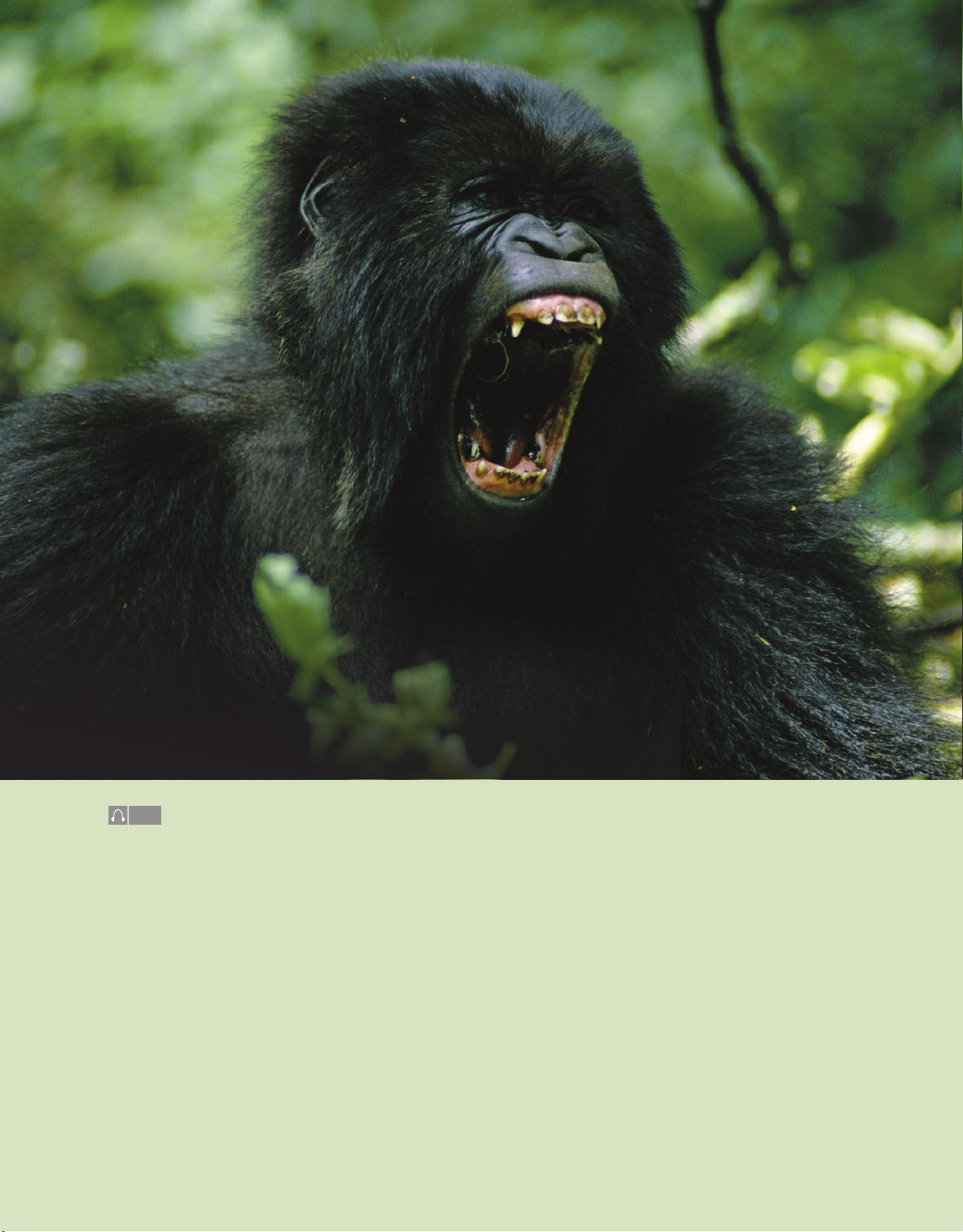
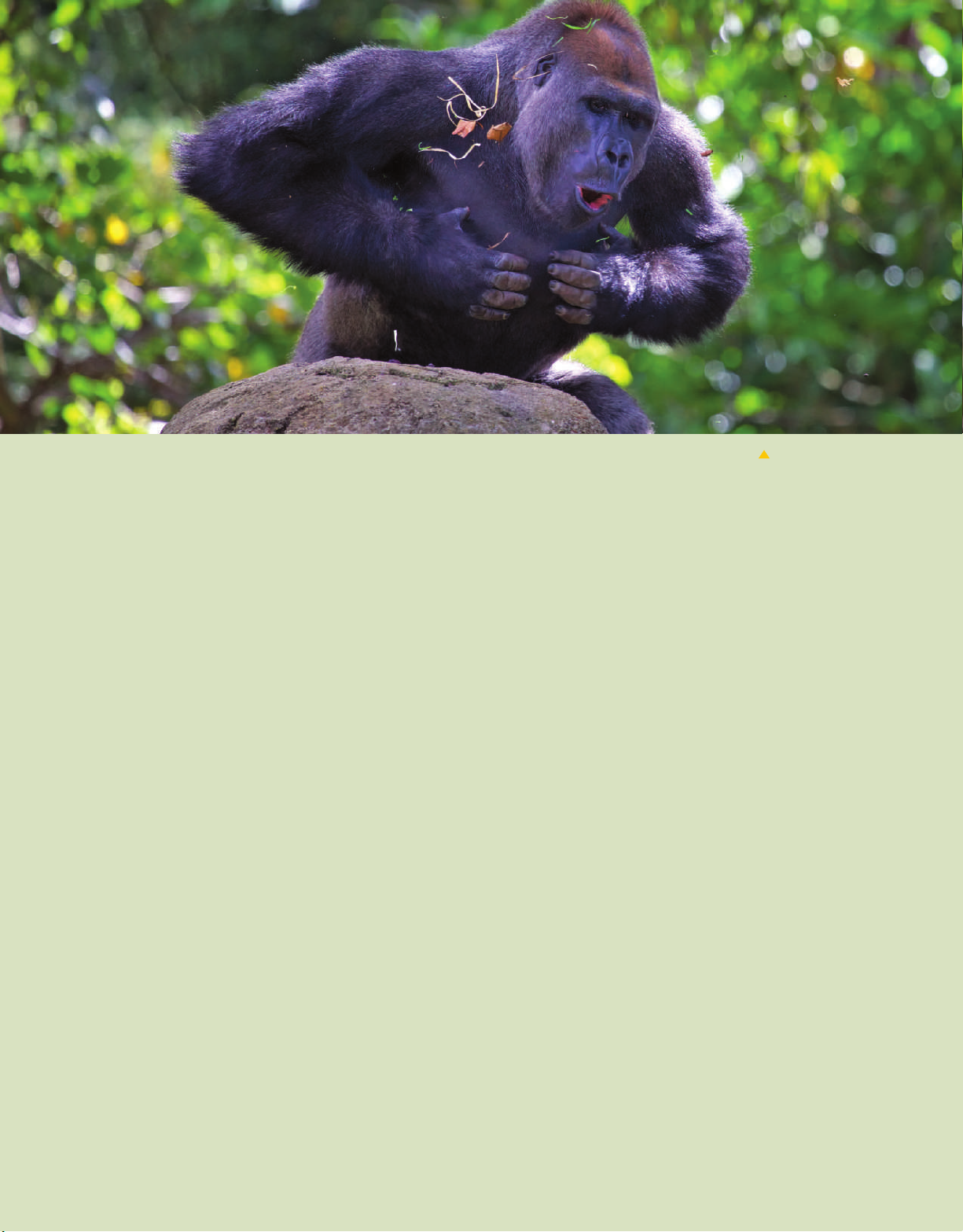
PW_RW_SB3_07793_U01_01-024_ptg01.indd 6 11/01/18 3:56 pm Chest-pounding is
tHe importaNCe of HierarCHies a sign of aggression among gorillas.
Groups of coworkers and primate groups have similar social rules. In both
cases, the groups organize themselves into hierarchies, and individual members
know their roles. Individuals in both human and ape groups have a particular
position in relation to other group members. This decides their behavior in F
the group. For example, young people may speak softly or avoid eye contact
when they talk to people with higher status. Similarly, Conniff explains that
when chimpanzees approach a powerful or senior member, they try to make
themselves look as small as they can.
tHe limits of aggressioN
Although cooperation is more common in groups, both humans and other
primates sometimes use conflict in order to gain status. Aggressive behaviors get
attention, and they show an individual’s power in the group. People sometimes
shout or intimidate others to make a point or win an argument. Apes show
aggression by pounding their chests, screeching, or hitting trees. However, G
Conniff notes that conflict does not gain long-term success for either species.
When bosses criticize their employees, treat them unfairly, or make their
working lives difficult, employees become stressed, lose motivation, and quit
their jobs. When apes are aggressive, they chase other apes away. In both cases,
aggressive individuals can become isolated, and neither humans nor apes want to be alone.
In his book, Conniff makes the case that interacting in a kind and polite way
is more beneficial for both humans and primates. “The truth is we are completely
dependent on other people emotionally as well as for our physical needs,” H
Conniff concludes. “We function as part of a group rather than as individuals.”
Employees who cooperate in the office and primates who cooperate in the wild
find themselves happier, more effective, and more likely to survive.
S O C i A L R E L AT i O N S H i P S 7
Copyright 2018 Cengage Learning. All Rights Reserved. May not be copied, scanned, or duplicated, in whole or in part. Due to electronic rights, some third party content may be suppressed from the eBook and/or eChapter(s).
Editorial review has deemed that any suppressed content does not materially affect the overall learning experience. Cengage Learning reserves the right to remove additional content at any time if subsequent rights restrictions require it.
PW_RW_SB3_07793_U01_01-024_ptg01.indd 7 11/01/18 3:56 pm