Prognostic value of HER2-low status in breast cancer: a systematic review and meta-analysis
Prognostic value of HER2-low status in breast cancer: a systematic review and meta-analysis. Tài liệu được sưu tầm giúp bạn tham khảo, ôn tập và đạt kết quả cao. Mời bạn đọc đón xem.
Môn: Tài liệu Tổng hợp 3.6 K tài liệu
Trường: Tài liệu khác 3.9 K tài liệu
Tác giả:







Preview text:
ORIGINAL RESEARCH
Prognostic value of HER2-low status in breast cancer: a systematic review and meta-analysis
C. Molinelli1,2, F. Jacobs1,3, E. Agostinetto1, G. Nader-Marta1, M. Ceppi4, M. Bruzzone4, E. Blondeaux4, F. Schettini5,6,7,
A. Prat5,7,8, G. Viale9, L. Del Mastro2,10, M. Lambertini2,10 & E. de Azambuja1,11
1Academic Trials Promoting Team, Institut Jules Bordet and l’Université Libre de Bruxelles (ULB), Brussels, Belgium; 2Department of Internal Medicine and Medical
Specialties (DiMI), School of Medicine, University of Genova, Genoa; 3Department of Biomedical Sciences, Humanitas University, Milan; 4Clinical Epidemiology Unit,
IRCCS Ospedale Policlinico San Martino, Genoa, Italy; 5Translational Genomics and Targeted Therapies in Solid Tumors, August Pi I Sunyer Biomedical Research
Institute (IDIBAPS), Barcelona; 6Department of Medical Oncology, Hospital Clínic of Barcelona, Barcelona; 7Faculty of Medicine and Health Sciences, University of
Barcelona, Barcelona; 8Reveal Genomics, Barcelona, Spain; 9Department of Pathology, IEO European Institute of Oncology IRCCS, Milan; 10Department of Medical
Oncology, U.O. Clinica di Oncologia Medica, IRCCS Ospedale Policlinico San Martino, Genoa, Italy; 11Medical Oncology Department, Institut Jules Bordet and
l’Université Libre de Bruxelles (ULB), Brussels, Belgium Available online 4 July 2023
Background: Human epidermal growth factor receptor 2 (HER2)-low expression in breast cancer has been recently
identified as a new therapeutic target. However, it is unclear if HER2-low status has an independent impact on prognosis.
Materials and methods: A systematic literature research was carried out to identify studies comparing survival
outcomes of patients affected by HER2-low versus HER2-zero breast cancer. Using random-effects models, pooled
hazard ratios (HRs) and odds ratios (ORs) with 95% confidence intervals (CIs) were calculated for progression-free
survival (PFS) and overall survival (OS) in the metastatic setting as well as disease-free survival (DFS), OS and
pathological complete response (pCR) in the early setting. Subgroup analyses by hormone receptor (HoR) status
were carried out. The study protocol is registered on PROSPERO (n.CRD42023390777).
Results: Among 1916 identified records, 42 studies including 1 797 175 patients were eligible. In the early setting,
HER2-low status was associated with significant improved DFS (HR 0.86, 95% CI 0.79-0.92, P < 0.001) and OS (HR
0.90, 95% CI 0.85-0.95, P < 0.001) when compared to HER2-zero status. Improved OS was observed for both HoR-
positive and HoR-negative HER2-low populations, while DFS improvement was observed only in the HoR-positive
subgroup. HER2-low status was significantly associated with a lower rate of pCR as compared to HER2-zero status
both in the overall population (OR 0.74, 95% CI 0.62-0.88, P ¼ 0.001) and in the HoR-positive subgroup (OR 0.77,
95% CI 0.65-0.90, P ¼ 0.001). In the metastatic setting, patients with HER2-low breast cancers showed better OS
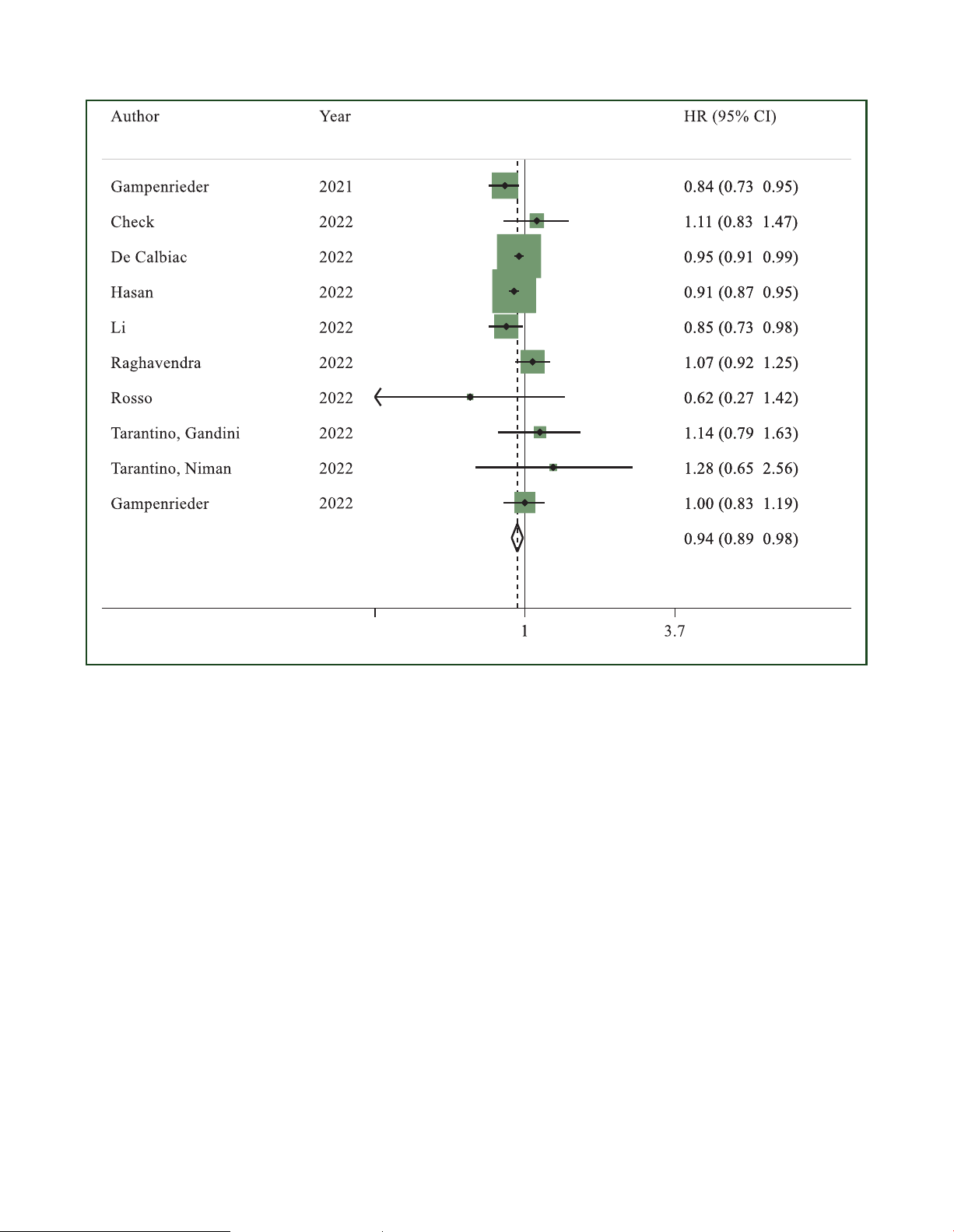
when compared with those with HER2-zero tumours in the overall population (HR 0.94, 95% CI 0.89-0.98, P ¼
0.008), regardless of HoR status. No significant PFS differences were found.
Conclusions: Compared with HER2-zero status, HER2-low status appears to be associated with a slightly increased OS
both in the advanced and early settings, regardless of HoR expression. In the early setting, HER2-low tumours seem to
be associated to lower pCR rates, especially if HoR-positive.
Key words: breast cancer, HER2-low, HER2-zero INTRODUCTION
Breast cancer is one of the most common malignancies
worldwide.1 It is traditionally classified into different sub-
types, according to hormone receptor (HoR) expression and
*Correspondence to: Dr Evandro de Azambuja, Academic Trials Promoting
human epidermal growth factor receptor 2 (HER2) status:
Team, Institut Jules Bordet, Rue Meylemeersch, 90 (Rez Haut Nord)dB-1070
Anderlecht, Brussels, Belgium. Tel: þ32 (0) 2 541 72 44
luminal-like (HoR-positive/HER2-negative), triple negative
E-mail: evandro.deazambuja@hubruxelles.be (E. de Azambuja).
(HoR negative/HER2-negative) and HER2 positive (HoR- Twitter handle: @E_de_Azambuja, @ChiaraMolinelli, @FlaviaJacobs_,
positive or negative), partially resembling the molecular
@ElisaAgostinett, @Nader_Guilherme, @BlondeauxEva, @FrancescoSche20,
@prat_aleix, @delmastro_lucia, @matteolambe.
luminal A, luminal B, HER2-enriched and basal-like sub-
types.2,3 According to the American Society of Clinical
2059-7029/© 2023 The Authors. Published by Elsevier Ltd on behalf of Eu-
ropean Society for Medical Oncology. This is an open access article under the CC
Oncology/College of American Pathologists (ASCO/CAP)
BY-NC-ND license (http://creativecommons.org/licenses/by-nc-nd/4.0/). Volume 8 - Issue 4 - 2023
https://doi.org/10.1016/j.esmoop.2023.101592 1 ESMO Open C. Molinelli et al.
guidelines, HER2 positivity is defined by an immunohisto- Systematic Reviews and Meta-Analyses (PRISMA)
chemical (IHC) score of 3þ or 2þ with in situ hybridization guidelines.11
(ISH) amplification. An IHC score of 0, 1þ and 2þ without
This study is registered in the PROSPERO database
ISH amplification would define a tumour as HER2-negative.4
(registration number CRD42023390777) and the protocol is
In recent years, a new concept has emerged in the breast
available in the PROSPERO website.
cancer scenario: tumours characterized by an IHC score of
1þ and 2þ without ISH amplification are defined as HER2-
Selection criteria and data extraction
low.5,6 These tumours, previously categorized as HER2-
To be included in the present meta-analysis, studies had to
negative, have been recently identified as a therapeutic
satisfy the following inclusion criteria: (i) studies including
target for new HER2-targeting antibody-drug conjugates
patients diagnosed with invasive breast cancer with any
(ADCs), like trastuzumab deruxtecan (T-DXd). T-DXd was
disease stage I-IV; (ii) studies reporting the prognosis of
compared to a physician’s choice chemotherapy in HER2-
patients with HER2-low breast cancer in comparison to
low metastatic breast cancer patients treated with one or
those with HER2-zero breast cancer. If more than one
two previous lines of chemotherapy within the DESTINY-
publication on the same dataset was available, data were
Breast04 phase III trial. The study showed notable im-
extracted from the most updated record. Studies meeting
provements in progression-free survival (PFS) and overall
one of the following criteria were excluded: (i) insufficient
survival (OS) with T-DXd in the overall population enrolled,
results on the association between HER2-low status and
as well as in the HoR-positive and triple-negative sub-
clinical outcomes; (ii) studies reporting on HER2-low status
cohorts, separately.7 Based on these results, T-DXd was
in patients not affected by breast cancer; (iii) studies pub-
recently approved by the Food and Drug Administration and
lished in languages other than English.
European Medicines Agency for the treatment of patients
The following variables were extracted from the included
with advanced HER2-low breast cancer, representing the
studies, when available: author, year of publication, country,
first approved treatment indication in this subpopulation.8,9
median follow-up, type of study, total number of patients,
Despite its therapeutic implications, it is unclear if HER2-
number of patients with HER2-low breast cancer, number of
low status has an independent impact on prognosis, both in
patients with HER2-zero breast cancer, number of patients
the metastatic and early settings. Several studies have
with HER2-low/HoR-positive breast cancer, number of pa-
investigated the prognostic value of HER2-low status with
tients with HER2-zero/HoR-positive breast cancer, number
conflicting results.10 In order to address this controversial
of patients with HER2-low/HoR-negative breast cancer,
topic, we conducted a systematic review and meta-analysis
number of patients with HER2-zero/HoR-negative breast
to assess the prognostic role of HER2-low status in breast
cancer, type of comparison, disease-free survival (DFS),
cancer, both in early and advanced settings and according
pathological complete response (pCR) and OS in the early to HoR status.
setting for each patients’ subgroup, PFS and OS in the
metastatic setting for each patients’ subgroup. MATERIALS AND METHODS
We conducted a quantitative synthesis of data from studies Study objectives
evaluating the prognostic role of HER2-low status, in the
The primary objective of our meta-analysis was to assess
early and advanced settings and according to HoR status.
the prognostic value of HER2-low status in breast cancer,
both in the early and advanced settings. The primary ob-
Search strategy and study identification
jectives were to evaluate: (i) the association between HER2-
We carried out a systematic literature research of PubMed
low status and pCR rate, DFS and OS in the early setting; (ii)
and Cochrane databases with no language or date restric-
the association between HER2-low status and PFS and OS in
tion up to 18 December 2022. We also retrieved abstracts the advanced setting.
from major international conferences of the past 2 years
Secondary objectives of our analysis were assessing (i)
[American Society of Clinical Oncology (ASCO), European
the association between HER2-low status and pCR rate, DFS
Society of Medical Oncology (ESMO) and ESMO Breast, San
and OS in the early setting according to the HoR status and
Antonio Breast Cancer Symposium (SABCS)] in order to
(ii) the association between HER2-low status and PFS and
identify potentially eligible unpublished studies. The search
OS in the metastatic setting, according to the HoR status.
strategy was carried out using the keywords ‘breast cancer’,
‘HER2-Low’, ‘ERBB2-low’, ‘human epidermal growth factor Risk of bias assessment
receptor 2 low’, ‘low level HER2’. The full search strategy
The risk of bias (RoB) for each included study was evaluated
used for each database is presented in the Supplementary
by two investigators (CM and GNM). The RoB was assessed
Material, available at https://doi.org/10.1016/j.esmoop.
using the Quality in Prognosis Studies (QUIPS) tool,12 which
2023.101592. The systematic literature research was car-
includes six distinct domains regarding study participation,
ried out independently by two authors (CM and FJ) and any
study attrition, prognostic factor measurement, outcome
discrepancies were solved by discussion with a third author
measurement, study confounding, statistical analysis and
(EA). The present systematic review and meta-analysis was
reporting. Through this tool, each study was classified as
carried out according to the Preferred Reporting Items for
having a low, moderate or high RoB. 2
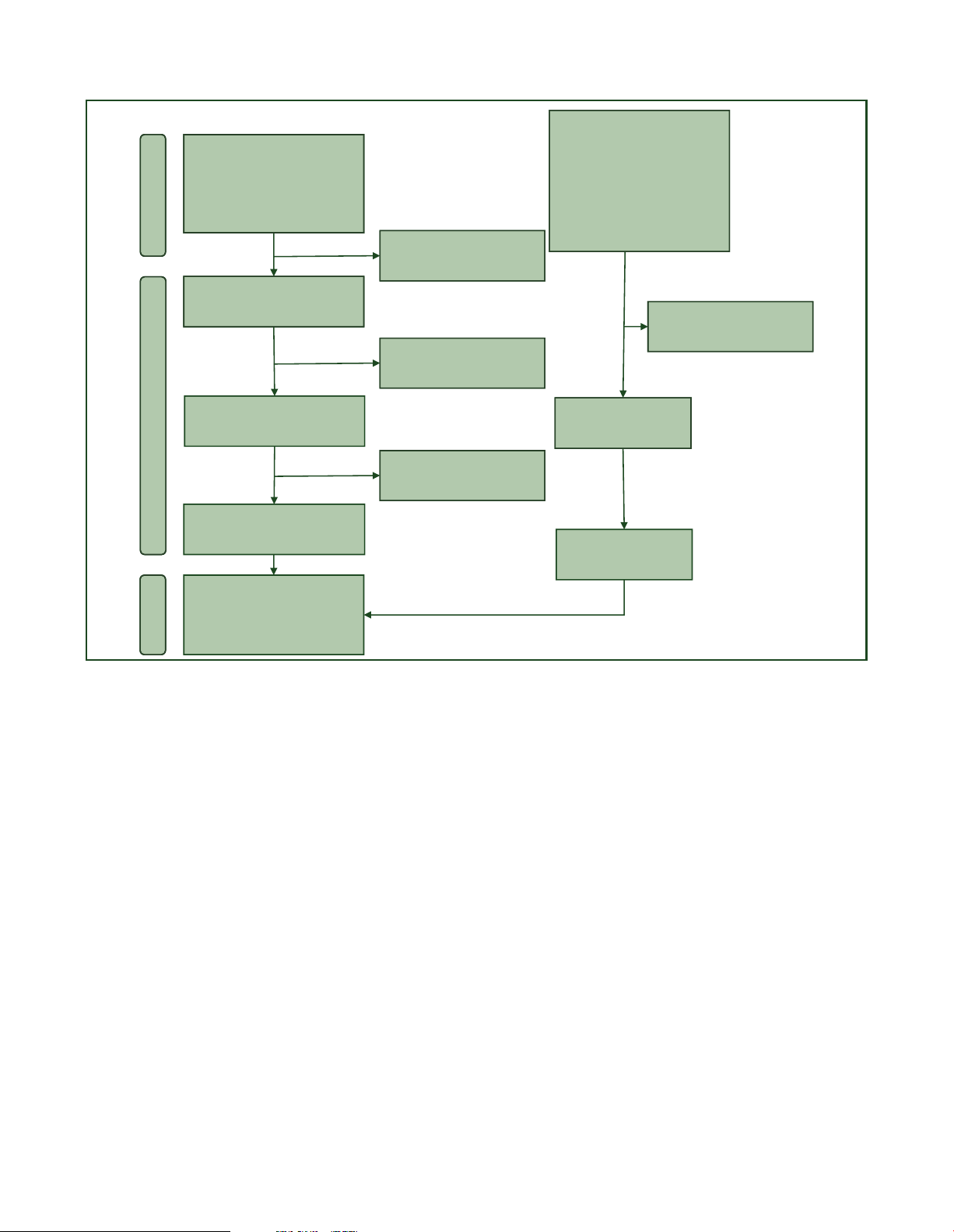
https://doi.org/10.1016/j.esmoop.2023.101592 Volume 8 - Issue 4 - 2023 C. Molinelli et al. ESMO Open Records identified from: Records identified from: ASCO (n = 86) PubMed (n = 232)
ESMO/ESMO Breast (n = 390) Cochrane (n = 929) SABCS (n = 279) Total (n = 1161) Total (n =755) Identification Duplicate records removed (n = 32)
Records screened (n = 1129) Records excluded on title and
abstract screening (n =722) Records excluded on title and
abstract screening (n = 1086)
Reports assessed for eligibility Records assessed for (n = 43) eligibility (n =33) Screening Records excluded on full text screening (n =14)
Reports included from databases (n =29) Reports included from conference proceedings (n =13) Total number of
records included (n =42) Inclusion
Figure 1. The PRISMA flow chart summarizing the process for the identification of eligible studies.
ASCO, American Society of Clinical Oncology; ESMO, European Society for Medical Oncology; PRISMA, Preferred Reporting Items for Systematic Reviews and Meta-
Analyses; SABCS, San Antonio Breast Cancer Symposium. Statistical analysis
groups, whereas HRs were estimated using the method
We calculated the pooled hazard ratio (HR) comparing pa-
reported by Watkins and Bennett.14 Survival analyses were
tients with HER2-low breast cancer and HER2-zero breast
then repeated by excluding computed HRs and including
cancer for survival endpoints in the early setting (DFS and
only the studies reporting the HRs. The Higgins I2 index was
OS) and in the metastatic setting (PFS and OS), and the
computed to assess the degree of consistency of the results
pooled odds ratio (OR) for the pCR endpoint. The random-
of the studies. Egger’s test was used to assess the likelihood
effects model of DerSimonian and Laird was applied to
of publication bias. To verify if some study strongly influ-
compute the pooled estimates of HR and OR and their 95%
enced the pooled estimates, sensitivity analyses were car-
confidence intervals (CIs). This model allowed us to estimate
ried out, by excluding the studies one at a time and
the amount of the variability between studies and accord-
recalculating the pooled estimates. All statistical analyses
ingly provide suitable standard errors of pooled HR and
and forest plot generations were carried out using STATA
pCR. We used the random-effects model even if the het-
Software Version 13.1 (StataCorp LP, College Station, TX).
erogeneity between studies was low since, when the
Cohorts including merely HoR-positive tumours were only
studies included in a meta-analysis derived from the pub-
included in the HoR-positive subgroup analysis. Cohorts
lished literature, the assumption that they all share an
including exclusively HoR-negative tumours were only
identical true effect size and the differences are exclusively
included in the HoR-negative subgroup analysis.
due to the sampling error, as required by the fixed-effects
model, is too stringent. Nevertheless, when the heteroge- RESULTS
neity is low, fixed- and random-effects models provide
A total of 1916 records were identified from databases and
similar results.13 When available, HR based on multivariate
conference proceedings by using the above-mentioned
analysis was used; if not available, we used HR based on
research criteria. After duplicate removal and exclusion of
univariate analysis. When the OR or HR estimates were not
non-relevant records, 42 studies were included in the pre-
reported but the number of events for each group could be
sent meta-analysis (Figure 1). Among them, 12 studies
derived, ORs were computed as the odds of events between
included data from patients affected by metastatic breast Volume 8 - Issue 4 - 2023
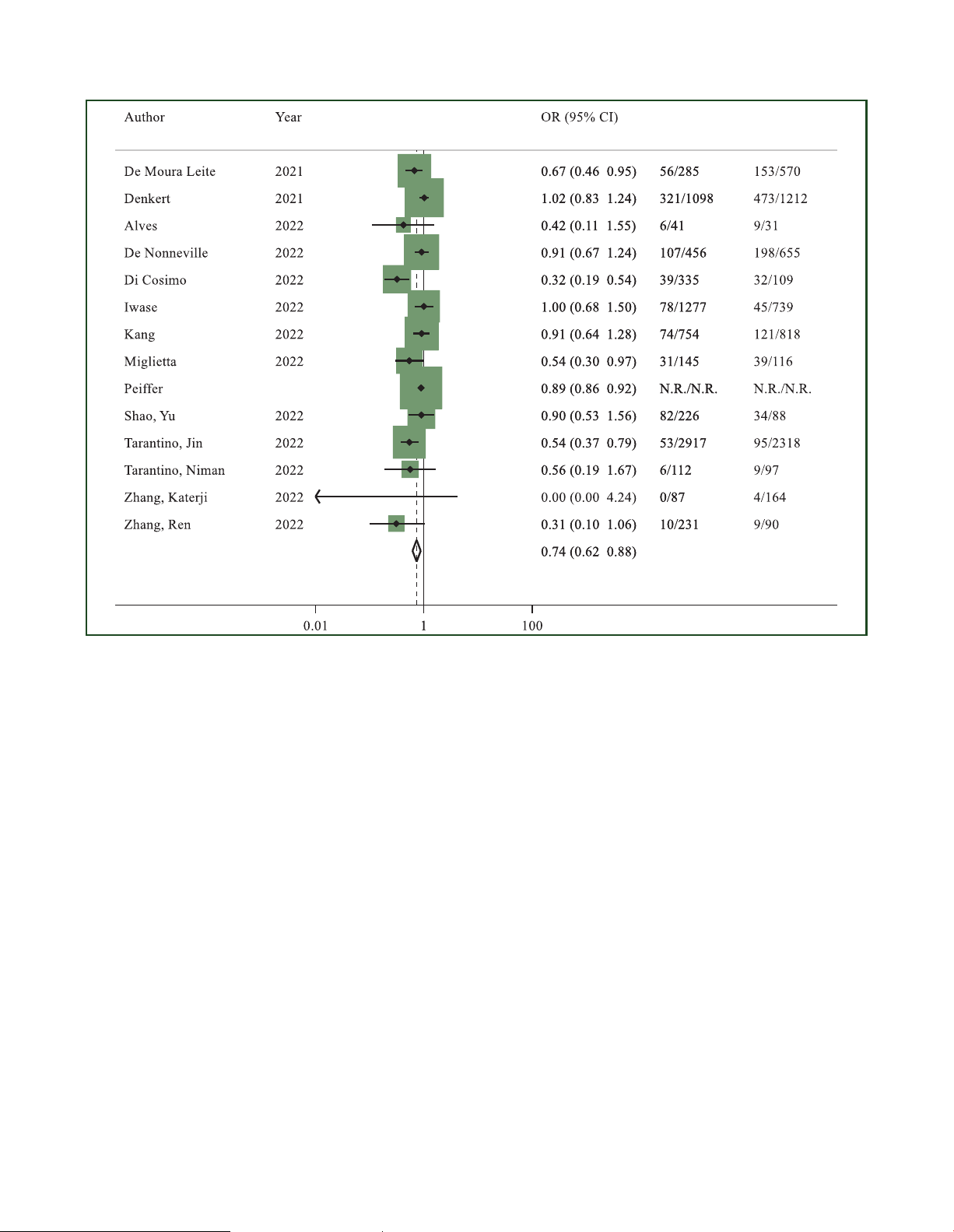
https://doi.org/10.1016/j.esmoop.2023.101592 3 ESMO Open C. Molinelli et al. HER2-low HER2-zero et al.30 - et al.33 - et al.28 - et al.31 - et al.34 - et al.38 - et al.41 - et al.42 - et al.54 2023 - et al.46 - et al.49 - et al.55 - et al.53 - et al.52 -
Random effect (I2 = 69.0%, P < 0.001) -
Figure 2. Odds ratio (OR) for pathological complete response after neoadjuvant chemotherapy of HER2-low breast cancers versus HER2-zero breast cancers in the
overall population (the size of the squares is proportional to the weight of each study).
CI, confidence interval; HER2, human epidermal growth factor receptor 2. Random effect: P ¼ 0.001; Egger’s test: P ¼ 0.024.
cancer,15-26 27 analysed data from patients with early breast
significantly associated with a lower rate of pCR (OR 0.77,
cancer27-53 and 3 studies analysed subjects in both set-
95% CI 0.65-0.90, P ¼ 0.001; I2 ¼ 17.3%; P ¼ 0.269)
tings.54-56 A total of 1 797 175 patients were eligible for this
(Supplementary Figure S1, sensitivity analysis available in
analysis, of whom 1 697 079 had early disease (1 118 389
the Supplementary Material and Supplementary Table S2,
HER2-low and 578 690 HER2-zero) and 100 096 had available at
https://doi.org/10.1016/j.esmoop.2023.
advanced disease (59 798 HER2-low and 40 298 HER2-zero).
101592). In the HoR-negative cohort, pCR data were avail-
able for 15 studies.28,30,31,33-35,41,42,46,47,49,51,52,54,55 No sta-
tistically significant difference was found in pCR rates Early setting
between patients with HER2-low and those with HER2-zero
Pathological complete response. Considering the overall
tumours (OR 0.95, 95% CI 0.81-1.11, P ¼ 0.497; I2 ¼ 42.5%; population, 14 studies including 114 754
P ¼ 0.042) (Supplementary Figure S2, sensitivity analysis
patients28,30,31,33,34,38,41,42,46,49,52-55 had available data
available in the Supplementary Material and Supplementary
regarding pCR. A total of 10 675 out of 68 059 (15.6%)
Table S3, available at https://doi.org/10.1016/j.esmoop.
patients with HER2-low breast cancer achieved pCR at 2023.101592). No significant publication bias was
surgery, compared to 10 593 out of 46 695 (22.6%) patients
observed for pCR analyses both in HoR-positive and HoR-
with HER2-zero breast cancer. A statistically significant dif-
negative subanalyses (Egger’s test: P ¼ 0.804 and P ¼
ference in terms of pCR in favour of HER2-zero subgroup 0.513, respectively).
was found (OR 0.74, 95% CI 0.62-0.88, P ¼ 0.001; I2 ¼ 69%;
P < 0.001) (Figure 2). The sensitivity analysis provided
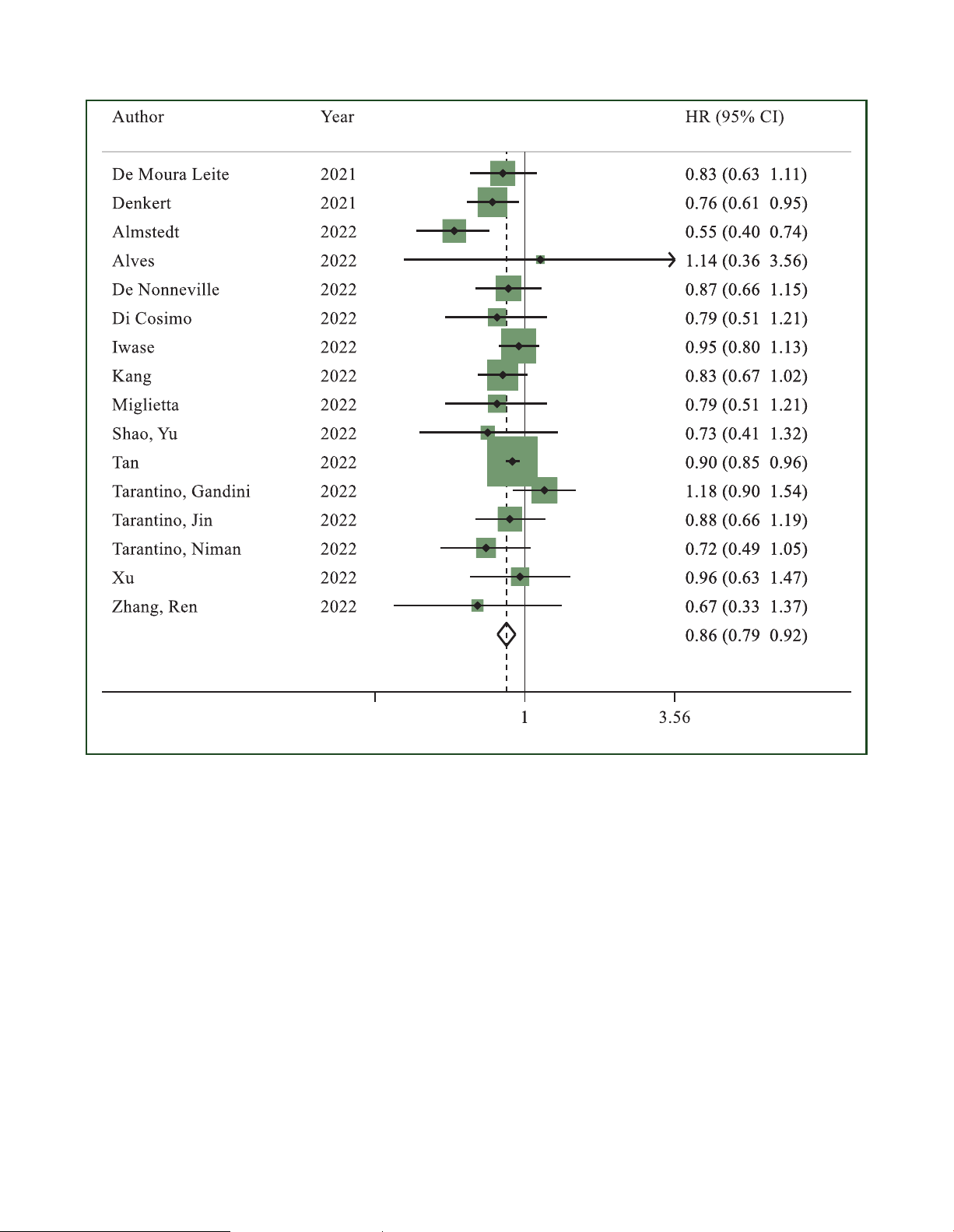
Disease-free survival. Sixteen studies reported DFS results
consistent results with similar OR estimates (Supplementary
in the overall population.27,28,30,31,33,34,38,41,42,46,48-50,52,55,56
Table S1, available at https://doi.org/10.1016/j.esmoop.
HER2-low status was significantly associated with longer
2023.101592). Egger’s test P value was 0.024, showing a
DFS as compared to HER2-zero status (HR 0.86, 95% CI 0.79- potential publication bias.
0.92, P < 0.001; I2 ¼ 24.4%; P ¼ 0.178) (Figure 3).
In the HoR-positive cohort, pCR data were reported by 13
Consistent results were reported in the sensitivity analysis
studies.28,30,31,33,34,36,41,42,46,49,52,54,55 HER2-low status was
(Supplementary Table S4, available at https://doi.org/10. 4
https://doi.org/10.1016/j.esmoop.2023.101592 Volume 8 - Issue 4 - 2023 C. Molinelli et al. ESMO Open et al.30 - et al.33 - et al.27 - et al.28 - et al.31 - et al.34 - et al.38 - et al.41 - et al.42 - et al.46 - et al.48 - et al.56 - et al.49 - et al.55 - et al.50 - et al.52 -
Random effect (I2 = 24.4%, P = 0.178) - 0.281 Favors HER2-low Favors HER2-zero
Figure 3. Hazard ratio for disease-free survival of HER2-low breast cancers versus HER2-zero breast cancers in the overall population (the size of the squares is
proportional to the weight of each study).
CI, confidence interval; HER2, human epidermal growth factor receptor 2. Random effect: P < 0.001; Egger’s test: P ¼ 0.212.
1016/j.esmoop.2023.101592). Similar results were observed 0.78-1.04, P
¼ 0.155; I2 ¼ 35.6%; P ¼ 0.073)
in the analysis where computed HRs were excluded (data
(Supplementary Figure S4, available at https://doi.org/10.
not shown). No publication bias was detected (Egger’s test:
1016/j.esmoop.2023.101592).27,30,33-35,37,39,41,42,44,46-50,52,55 P ¼ 0.212).
Egger’s test P value was 0.928 showing no RoB. Sensitivity
Among the 20 studies reporting DFS results in the HoR-
analysis showed a significant difference in favour of HER2-
positive cohort,27,29,30,32-34,36-38,41-46,48,49,50,52,55 HER2-low
low tumours after the exclusion of the study by Di
status was significantly associated with longer DFS as
Cosimo et al.34 (HR 0.88, 95% CI 0.77-0.99, P ¼ 0.038)
compared to HER2-zero status (HR 0.86, 95% CI 0.80-0.93, P
(Supplementary Table S6, available at https://doi.org/10.
< 0.001; I2 ¼ 17.8%; P ¼ 0.232) (Supplementary Figure S3, 1016/j.esmoop.2023.101592). available at
https://doi.org/10.1016/j.esmoop.2023.
101592). Consistent results were reported in the sensi-
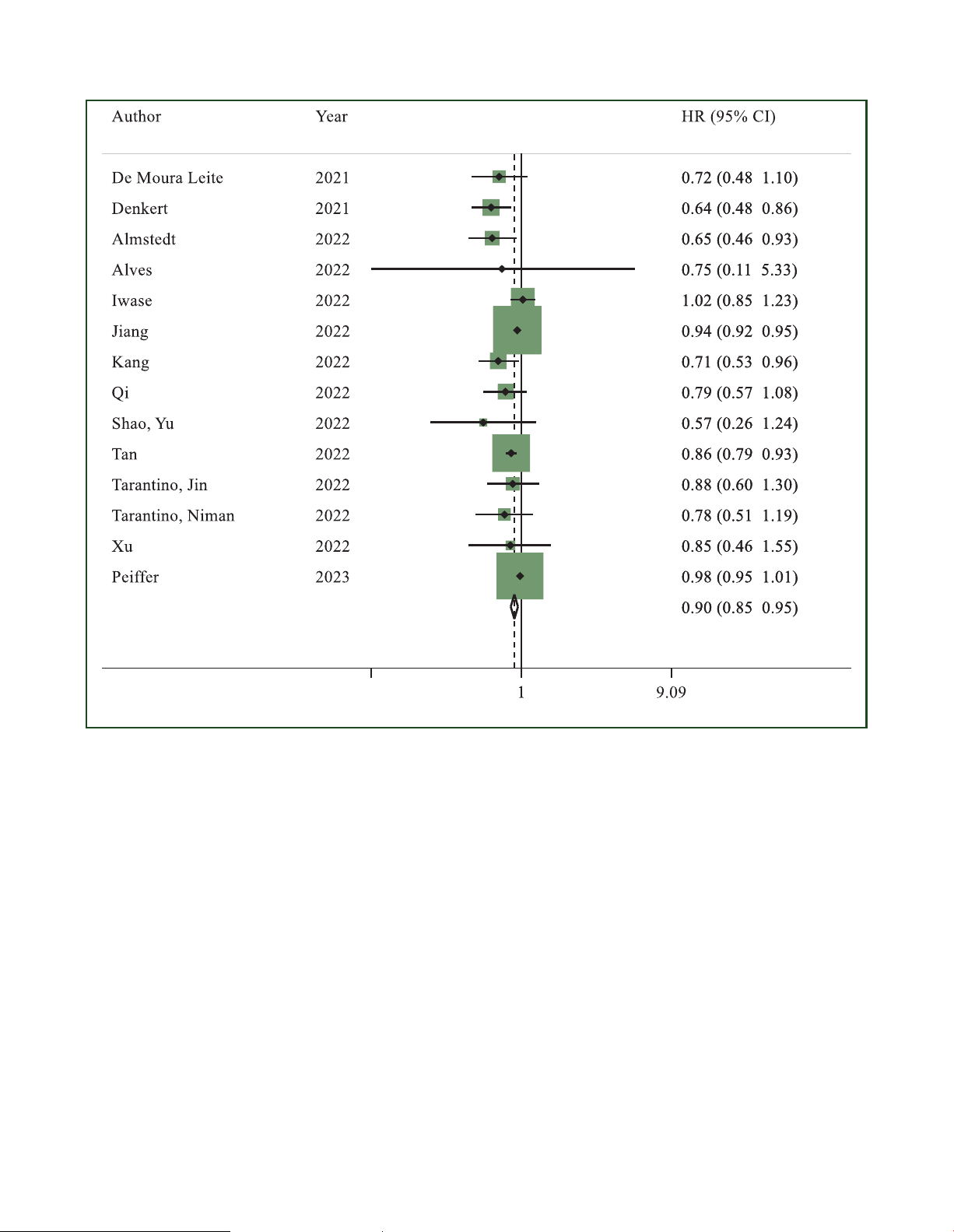
Overall survival. Fourteen studies reported OS data,
tivity analysis (Supplementary Table S5, available at https://
comparing patients with HER2-low tumours and HER2-zero
doi.org/10.1016/j.esmoop.2023.101592). No publication
tumours.27,28,30,33,38,40,41,44,46,48-50,54,55 Patients with HER2-
bias was found (Egger’s test: P ¼ 0.357).
low tumours had significantly longer OS as compared to
No statistically significant difference in terms of DFS was
those with HER2-zero tumours (HR 0.90, 95% CI 0.85-0.95, P <
found between patients with HER2-low and those with
0.001; I2 ¼ 59.2%; P ¼ 0.003) (Figure 4; sensitivity
HER2-zero tumours, analysing 17 studies reporting data
analysis available in the Supplementary Material and
from patients with HoR-negative disease (HR 0.90, 95% CI
Supplementary Table S7, available at https://doi.org/10. Volume 8 - Issue 4 - 2023
https://doi.org/10.1016/j.esmoop.2023.101592 5 ESMO Open C. Molinelli et al. et al.30 - et al.33 - et al.27 - et al.28 - et al.38 - et al.40 - et al.41 - et al.44 - et al.46 - et al.48 - et al.49 - et al.55 - et al.50 - et al.54 -
Random effect (I2 = 59.2%, P = 0.003) - 0.11 Favors HER2-low Favors HER2-zero
Figure 4. Hazard ratio (HR) for overall survival of HER2-low breast cancers versus HER2-zero breast cancers in the overall population in the early setting (the size of
the squares is proportional to the weight of each study).
CI, confidence interval; HER2, human epidermal growth factor receptor 2. Random effect: P < 0.001; Egger’s test: P ¼ 0.031.
1016/j.esmoop.2023.101592). Similar results were observed
1016/j.esmoop.2023.101592). Sensitivity analysis showed
in the analysis where computed HRs were excluded (data
the same results after excluding each study one by one
not shown). A potential publication bias was observed
(Supplementary Table S9, available at https://doi.org/10. (Egger’s test: P ¼ 0.031). 1016/j.esmoop.2023.101592).
Data about OS in the HoR-positive population were re-
ported in 15 studies.27,30,32,37,38,40,41,43,44,46,48-50,54,55 HER2-
low tumours were associated with better OS than HER2- Metastatic setting
zero tumours (HR 0.94, 95% CI 0.90-0.98, P ¼ 0.003; I2 ¼
Progression-free survival. Three studies reported data
47.4%; P ¼ 0.021) (Supplementary Figure S5, available at
regarding PFS in the overall population.18,19,56 No significant
https://doi.org/10.1016/j.esmoop.2023.101592). Consistent
difference was found in terms of PFS in the first line be- results were reported in the sensitivity analysis
tween HER2-low and HER2-zero tumours (HR 0.99, 95% CI
(Supplementary Table S8, available at https://doi.org/10.
0.96-1.03, P ¼ 0.710; I2 ¼ 0.0%; P ¼ 0.541. Egger’s test: P ¼
1016/j.esmoop.2023.101592). Egger’s test P value was
0.300) (Supplementary Figure S7, sensitivity analysis avail-
<0.001 showing risk of publication bias. OS data in patients
able in the Supplementary Material and Supplementary with HoR-negative disease were available in 16
Table S10, available at https://doi.org/10.1016/j.esmoop.
studies.27,30,33,35,37,39-41,44,46-50,54,55 Again, a significant dif-
2023.101592). Five studies reported PFS data for the HoR-
ference in OS was found between the two groups, in favour
positive cohort.15,16,18,19,26 Consistent with the results ob-
of HER2-low tumours (HR 0.88, 95% CI 0.82-0.95, P ¼ 0.001;
tained for the overall population, there was no significant
I2 ¼ 36.5%; P ¼ 0.072; Egger’s test: P ¼ 0.378)
difference in terms of PFS in the HoR-positive cohort (HR
(Supplementary Figure S6, available at https://doi.org/10.
1.13, 95% CI 0.94-1.35, P ¼ 0.192; I2 ¼ 70.8%; P ¼ 0.008; 6
https://doi.org/10.1016/j.esmoop.2023.101592 Volume 8 - Issue 4 - 2023 C. Molinelli et al. ESMO Open et al.19 - et al.17 - et al.18 - et al.21 - et al.23 - et al.24 - et al.25 - et al.56 - et al.55 - et al.20 -
Random effect (I2 = 35.3%, P = 0.126) - 0.27 Favors HER2-low Favors HER2-zero
Figure 5. Hazard ratio (HR) for overall survival of HER2-low breast cancers versus HER2-zero breast cancers in the overall population in the metastatic setting (the
size of the squares is proportional to the weight of each study).
CI, confidence interval; HER2, human epidermal growth factor receptor 2. Random effect: P ¼ 0.008; Egger’s test: P ¼ 0.540.
Egger’s test: P ¼ 0.259) (Supplementary Figure S8, available
HER2-low status appeared to be associated with better OS
at https://doi.org/10.1016/j.esmoop.2023.101592). Sensi-
when compared to HER2-zero status (HR 0.92, 95% CI 0.87-
tivity analysis demonstrated similar results (Supplementary
0.98, P ¼ 0.013; I2 ¼ 71.3%, P < 0.001) (Supplementary
Table S11, available at https://doi.org/10.1016/j.esmoop. Figure S10, sensitivity analysis available in the
2023.101592). PFS data in the HoR-negative cohort were
Supplementary Material and Supplementary Table S13,
available in two studies18,19 and the difference between available at
https://doi.org/10.1016/j.esmoop.2023.
HER2-low and HER2-zero status was not significant (HR
101592). Data about OS in HoR-negative patients were
0.92, 95% CI 0.84-1.02, P ¼ 0.103; Egger’s test: not
available in six studies.18-20,23,54,55 Again, patients affected computable, sensitivity analysis not carried out)
by HER2-low tumours showed longer OS when compared to
(Supplementary Figure S9, available at https://doi.org/10.
patients with HER2-zero tumours (HR 0.91, 95% CI 0.87- 1016/j.esmoop.2023.101592).
0.95, P < 0.001; I2 ¼ 0.0%, P ¼ 0.981) (Supplementary Figure S11, sensitivity analysis available in the
Overall survival. OS data for the overall population were
Supplementary Material and Supplementary Table S14,
reported in 10 studies.17-21,23-25,55,56 A significant difference available at
https://doi.org/10.1016/j.esmoop.2023.
in terms of OS in favour of patients with HER2-low breast
101592). No significant publication bias was observed in
cancer was found in the overall population (HR 0.94, 95% CI
both HoR-positive and HoR-negative subanalyses (Egger’s
0.89-0.98, P ¼ 0.008; I2 ¼ 35.3%; P ¼ 0.126; Egger’s test:
test: P ¼ 0.259 and P ¼ 0.746, respectively).
P ¼ 0.540) (Figure 5; sensitivity analysis available in the
Supplementary Material and Supplementary Table S12,
Risk of bias and publication bias. Eleven studies included available at
https://doi.org/10.1016/j.esmoop.2023. were considered to have an overall high 101592).
RoB,17,20,21,28,32,36,38,40,42,45,50 while 19 studies were classi-
Nine studies reported OS data in the HoR-positive fied as having a moderate RoB15,16,19,22-24,29-
cohort.16,18,19,21-23,26,54,55 As in the overall population,
31,41,43,44,46,47,52-56 and 12 studies were considered to have Volume 8 - Issue 4 - 2023
https://doi.org/10.1016/j.esmoop.2023.101592 7 ESMO Open C. Molinelli et al. a low
RoB.18,25-27,33-35,37,39,48,49,51 A detailed RoB
50 (PAM50) analysis, only 28.7% of HER2-zero tumours assessment57 for each study is reported in the
were classified as luminal A. The rate of luminal A subtypes
Supplementary Material, available at https://doi.org/10.
increases when analysing HER2-low IHC 1þ cancers (49%) 1016/j.esmoop.2023.101592.
and HER2-low IHC 2þ/ISH not amplified tumours (54.2%).6
Agostinetto et al. analysed 789 samples with available
PAM50 data: among luminal A tumours, the great majority DISCUSSION were represented by HER2-low/HoR-positive cancers
In the past 2 years, HER2-low status has been identified as a (54.4%), while 33.7% were HER2-zero/HoR-positive
new therapeutic target after the impressive results obtained
cancers.58 These data could justify our findings, considering
by T-DXd in the phase III DESTINY-Breast04 trial.7 These data
that luminal A breast cancer is characterized by a lower
prompted a relevant debate to define whether HER2-low
response to chemotherapy and better prognosis than the
breast cancer could be considered as a new clinico-
other subtypes.59,60 Considering that the HoR-positive tu-
pathological entity or not.10 This meta-analysis aimed to
mours represent the majority of HER2-low breast cancer
clarify the prognostic role of HER2-low status. Overall, we
(from 64% to 93% according to literature),10 the overall
included 42 studies with a total of 1 797 175 patients. We
population results could be mostly driven by the HoR-
observed that HER2-low status appeared to be associated
positive cohort. Consistently, in the HoR-negative sub-
with improved OS regardless of HoR status, both in the
group analysis, no difference in terms of pCR was detected
advanced and early settings. Moreover, HER2-low status
between HER2-low and HER2-zero breast cancer. According
appeared to be associated with a lower rate of pCR as
to the studies carried out by Schettini et al. and Agostinetto
compared to HER2-zero status, in the overall population
et al., the majority of triple-negative breast cancers were
and HoR-positive subset, but not in triple-negative cases.
basal-like through PAM50 analysis, with no significant dif-
In the early setting, HER2-low status was associated with
ferences based on HER2 status.6,58 Coherently, within the
longer DFS in the overall population and in patients with
basal-like subtype, the rates of HER2-low and HER2-zero
HoR-positive disease, while no significant difference was
tumours were quite similar (41.7% and 40.3%, respec-
found in the HoR-negative cohort. Among patients with
tively).58 Considering that triple-negative and basal-like
advanced breast cancer, despite the improvement demon-
breast cancers seem to have a good response to chemo-
strated in OS, no significant difference was detected in
therapy, it is not surprising that no difference was observed
terms of PFS, regardless of HoR status.
in pCR, irrespective of HER2 status.
An explanation for the slightly better prognosis observed
Our data are overall consistent with those published by
in patients with HER2-low tumours might reside in HER2-
Denkert et al., who showed that patients with HER2-zero
low tumour biology, apparently strictly associated to HoR
tumours not reaching pCR were those at worst prognosis.33
status. A lower prevalence of prognostically unfavoured
As regards the PFS results in the metastatic setting, no
non-luminal tumours in HoR-positive/HER2-low versus HoR-
differences were found between HER2-low and HER2-zero
positive/HER2-zero and a direct correlation between HER2-
tumours, in the overall population and regardless of HoR
low prevalence and HoR levels have been observed, while
status. In three15,16,26 out of five studies included in the
no molecular differences have been found in triple-negative
HoR-positive cohort analysis, the whole cohort was treated
HER2-zero versus HER2-low tumours.6,49,58 A higher preva-
in the first line with cyclin-dependent kinase (CDK) 4/6 in-
lence of basal-like tumours in HER2-zero versus HER2-low
hibitors and endocrine therapy. In the study by Gampen-
breast cancer, driven by the higher prevalence of triple-
rieder et al., 42.7% of patients were treated with this
negative disease in this former IHC category, was also re-
regimen;19 only 63 out of 15 054 patients received first-line
ported.6,58 Hence, the more favourable prognosis of HER2-
CDK 4/6 inhibitors in the study conducted by de Calbiac
low disease might have been influenced by these underly-
et al.18 These results are particularly interesting since re-
ing biological features. At the same time, the relative dif-
searchers are actively looking for validated biomarkers to
ference in survival between HER2-low and HER2-zero breast
predict the response to CDK 4/6 inhibitors. In the overall
cancer patients is very limited and the statistical significance
population and HoR-negative cohort, data regarding first-
could be due to the high number of patients included in the
line treatments were scarce. Considering the triple-
analysis and heterogeneity of treatments administered. For
negative subgroup, different regimens could be used as
these reasons, the better outcomes of HER2-low subgroup
first-line treatment, thus preventing us from drawing solid
may probably translate into limited clinical differences. conclusions.
We also evaluated the association between HER2 status
Our meta-analysis has some limitations that should be
and pCR. HER2-low status appeared to be associated with a
considered. Firstly, our study is not an individual patient-
lower rate of pCR as compared to HER2-zero status,
level data meta-analysis, though it has been shown that
regardless of HoR status. A substantial heterogeneity was
individual-level and trial-level pooled analysis results do not
detected in the pCR evaluation among the overall popula-
diverge significantly, especially for survival data.61-63 Sec-
tion, while it appeared to be low in the HoR-positive cohort
ondly, almost every study included in our meta-analysis was
analysis. The results detected in the HoR-positive popula-
a retrospective analysis; only one study was prospective45
tion are consistent with the data published by Schettini
and data of two papers were derived from prospective/
et al.6 According to their prediction analysis of microarray
retrospective registries.19,26 Most of the data are derived 8
https://doi.org/10.1016/j.esmoop.2023.101592 Volume 8 - Issue 4 - 2023 C. Molinelli et al. ESMO Open from national registries, including cancers diagnosed
Nevertheless, its role as a therapeutic target for novel anti-
through different decades. A central review of the tumour
HER2 ADCs is unquestionable, though probably related only
samples specifically for the considered analysis has been
to the presence of some levels of HER2 in the tumour cell
carried out only in two studies.23,39 Before the discovery of
membrane. In any case, further investigations are needed
HER2-low status as a therapeutic target, the pathologists
to establish the possibility of de-escalating treatment in
were unaware that the distinction of HER2-zero and HER2-
HER2-low breast cancer due to a potential slightly better
low status could guide patient’s treatment, so that the
prognosis over HER2-zero tumours. Ensuring the proper
historical scores could not be accurate enough to be fully
identification of patients with HER2-low disease has
trustable. Moreover, the staining technique and the inter-
become essential to not deny patients a highly effective
pretation (observer-dependent) have been slightly modified
treatment with novel targeted agents. To achieve this goal,
over time4 and significant discordance among pathologists
education and training of pathologists is an urgent need,
in the evaluation of HER2 status at immunohistochemistry
because they should dismiss the traditional binary distinc-
has been demonstrated, especially for HER2 1þ and 2þ
tion of HER2-positive and HER2-negative disease, and categories.6,64
accurately and reproducibly report HER2 status according to
Furthermore, in the DAISY phase II study, a subgroup of
the scores of the current ASCO/CAP recommendations.4
HER2-zero breast tumours partially responded to T-DXd,
with a median PFS of 4.2 months.65 These results strongly ACKNOWLEDGEMENTS
suggest that better ways of assessing which patients might
FS is supported by a Rio Hortega contract from the Instituto
benefit from T-DXd are urgently needed. de Salud Carlos III.
Another issue we had to consider was the heterogeneity
between studies, which was high on four occasions when FUNDING
the pooled estimate was statistically significant (Figures 2 None.
and 4, Supplementary Figures S5 and S10, available at
https://doi.org/10.1016/j.esmoop.2023.101592). However,
only one study result conflicted with the pooled estimate, DISCLOSURE
and such a merely quantitative heterogeneity did not affect
CM reports support to attend medical conferences from
the direction of the pooled estimate. In another case
Gilead and honoraria from Novartis and Lilly (all outside the
(Supplementary Figure S10, available at https://doi.org/10.
submitted work). EA reports consultancy fees/honoraria
1016/j.esmoop.2023.101592), three out of nine studies
from Eli Lilly, Sandoz, AstraZeneca, research grant to her
diverged from the pooled estimate. Yet, they were the least
institution from Gilead and support for attending medical
powerful studies and only one reported a statistically sig-
conferences from Novartis, Roche, Eli Lilly, Genetic, Istituto
nificant result, thus not affecting the reliability of the
Gentili, Daiichi Sankyo, AstraZeneca. GNM reports support pooled estimate.
to attend medical conferences from Roche and Bayer (all
As regards the metastatic setting, in some studies
outside the submitted work). AP reports advisory and
the HER2 status was assessed on the primary tumour
consulting fees from Roche, Pfizer, Novartis, Amgen, BMS,
sample,23-25 in others on the sample of the biopsy carried
Puma, Oncolytics Biotech, MSD, Guardant Health, Peptomyc
out on the metastatic site if available and on the primary
and Lilly, lecture fees from Roche, Pfizer, Novartis, Amgen, tumour block if the metastatic tissue was not
BMS, Nanostring Technologies and Daiichi Sankyo, institu-
available.16,18,19,22,26,55 This could be impactful considering
tional financial interests from Boehringer, Novartis, Roche,
the potential significant discordance in terms of HER2 status
Nanostring, Sysmex Europe GmbH, Medica Scientia inno.
between primary and metastatic disease, with 44% of
Re-search, SL, Celgene, Astellas and Pfizer; and shares
breast cancers changing HER2 status from HER2-zero to
ownership and a leadership role in Reveal Genomics, SL. EB HER2-low and 22% vice versa.56
reports funding to her institution from Gilead Science. FS
By contrast, the strength of our meta-analysis is the
declares personal fees for educational activities from
number of patients included, amounting to 1 797 175
Novartis and Gilead and travel expenses from Gilead,
subjects. To the best of our knowledge, our study is the
Novartis and Daiichy Sankyo. GV received honoraria for
largest and most up-to-date meta-analysis assessing the
advisory boards and consulting fees from Roche, AstraZe-
prognostic value of HER2-low status as compared with
neca, Daiichi Sankyo, MSD Oncology and Pfizer. LDM reports
HER2-zero, both in the early and metastatic settings.
institutional research grant from Eli Lilly, Novartis, Roche,
Furthermore, we provided a comprehensive analysis of the
Daiichi Sankyo and Seagen, consulting fees from Eli Lilly;
impact of HER2-low status on different clinical outcomes, in
honoraria from Roche, Novartis, Pfizer, Eli Lilly, AstraZeneca,
both the advanced and early settings. Finally, we found a
Merck Sharp and Dohme, Seagen, Gilead, Pierre Fabre, Eisa,
specific prognostic implication in terms of OS which is
Exact Sciences and Ipsen and support for attending meet-
consistent across both settings and all subgroups.
ings from Roche, Pfizer and Eisai; and fees for participation In conclusion, HER2-low breast cancer cannot be
on a data safety monitoring board or advisory board from
considered a new biologic entity and its differential prog-
Novartis, Roche, Eli Lilly, Pfizer, Daiichi-Sankyo, Exact Sci-
nostic features in reference to HER2-zero disease are limited
ences, Gilead, Pierre Fabre, Eisai, AstraZeneca and Agendia.
and likely driven by HoR status and its underlying biology.
ML played an advisory role for Roche, Lilly, Novartis, Volume 8 - Issue 4 - 2023
https://doi.org/10.1016/j.esmoop.2023.101592 9 ESMO Open C. Molinelli et al.
Astrazeneca, Pfizer, Seagen, Gilead, MSD and Exact Sciences
low expression: a cancer registry-linked insurance claims study. J Clin
and received speaker honoraria from Roche, Daiichi Sankyo, Oncol. 2022;40(suppl 28):399.
18. de Calbiac O, Lusque A, Mailliez A, et al. Comparison of management
Lilly, Novartis, Pfizer, Sandoz, Libbs and Takeda and travel
and outcomes in ERBB2-low vs ERBB2-zero metastatic breast cancer in
grants from Gilead outside the submitted work. EDA
France. JAMA Netw Open. 2022;5(9):e2231170.
received honoraria and/or participated to advisory board
19. Gampenrieder SP, Rinnerthaler G, Tinchon C, et al. Landscape of HER2-
from Roche/GNE, Novartis, Seattle Genetics, Zodiac, Libbs
low metastatic breast cancer (MBC): results from the Austrian
and Pierre Fabre; received travel grants from Roche/GNE
AGMT_MBC-Registry. Breast Cancer Res. 2021;23(1):112.
20. Gampenrieder SP, Dezentjé V, Lambertini M, et al. 177P Low HER2
and GSK/Novartis; and received research grant to his insti-
expression does not influence prognosis in metastatic triple-negative
tution from Roche/GNE, AstraZeneca, GSK/Novartis and
breast cancer: results from an international, multicenter analysis co-
Servier. All other authors have declared no conflicts of
ordinated by the Austrian Group Medical Tumor Therapy (AGMT). Ann interest. Oncol. 2022;33:S208.
21. Hasan S, Neubauer Z, Press RH, et al. Prognostic implications of
HER2Neu-low in metastatic breast cancer. J Clin Oncol. 2022;40(suppl REFERENCES 16):1044.
1. Siegel RL, Miller KD, Wagle NS, Jemal A. Cancer statistics, 2023. CA
22. Holthuis EI, Vondeling GT, Kuiper JG, et al. Real-world data of HER2-low
Cancer J Clin. 2023;73(1):17-48.
metastatic breast cancer: a population based cohort study. Breast.
2. Harbeck N, Gnant M. Breast cancer. Lancet. 2017;389(10074):1134- 2022;66:278-284. 1150.
23. Li Y, Abudureheiyimu N, Mo H, et al. In real life, low-level HER2
3. Schettini F, Brasó-Maristany F, Kuderer NM, Prat A. A perspective on
expression may be associated with better outcome in HER2-negative
the development and lack of interchangeability of the breast cancer
breast cancer: a study of the National Cancer Center, China. Front
intrinsic subtypes. NPJ Breast Cancer. 2022;8(1):85. Oncol. 2022;11:774577.
4. Wolff AC, Hammond MEH, Allison KH, et al. Human epidermal growth
24. Raghavendra AS, Liu DD, Mouabbi JA, Tripathy D. Prevalence of HER2-
factor receptor 2 testing in breast cancer: American Society of Clinical
low among metastatic breast cancer patients and their outcomes
Oncology/College of American Pathologists clinical practice guideline
compared to HER2 IHC 0. Paper presented at the San Antonio Breast
focused update. J Clin Oncol. 2018;36(20):2105-2122.
Cancer Symposium. December 6-12, 2022; Texas, USA.
5. Tarantino P, Hamilton E, Tolaney SM, et al. HER2-low breast cancer:
25. Rosso C, Voutsadakis IA. Characteristics, clinical differences and out-
pathological and clinical landscape. J Clin Oncol. 2020;38(17):1951-
comes of breast cancer patients with negative or low HER2 expression. 1962.
Clin Breast Cancer. 2022;22(4):391-397.
6. Schettini F, Chic N, Brasó-Maristany F, et al. Clinical, pathological, and
26. Zattarin E. HER2-low status is associated with worse clinical outcomes
PAM50 gene expression features of HER2-low breast cancer. NPJ
in hormone receptor-positive, HER2-negative advanced breast cancer Breast Cancer. 2021;7(1):1.
patients treated with first-line cyclin-dependent kinase 4/6 inhibitors
7. Modi S, Jacot W, Yamashita T, et al. Trastuzumab deruxtecan in pre-
plus endocrine therapy. Paper presented at the San Antonio Breast
viously treated HER2-low advanced breast cancer. N Engl J Med.
Cancer Symposium. December 6-12, 2022; Texas, USA. 2022;387(1):9-20.
27. Almstedt K, Heimes AS, Kappenberg F, et al. Long-term prognostic
8. U.S. Food and Drug Administration. FDA Approves First Targeted
significance of HER2-low and HER2-zero in node-negative breast can-
Therapy for HER2-Low Breast Cancer. 2022. Available at https://www.
cer. Eur J Cancer. 2022;173:10-19.
fda.gov/news-events/press-announcements/fda-approves-first-targeted-
28. Alves FR, Gil L, Vasconcelos de Matos L, et al. Impact of human
therapy-her2-low-breast-cancer. Accessed June 24, 2023.
epidermal growth factor receptor 2 (HER2) low status in response to
9. European Medicines Agency. Assessment report. Available at https://
neoadjuvant chemotherapy in early breast cancer. Cureus. 2022;14(2):
www.ema.europa.eu/en/medicines/human/EPAR/enhertu. Accessed e22330. June 24, 2023.
29. Chen M, Chen W, Liu D, et al. Prognostic values of clinical and mo-
10. Molinelli C, Jacobs F, Marchiò C, et al. HER2-low breast cancer: where
lecular features in HER2 low-breast cancer with hormonal receptor
are we? Breast Care. 2022;17(6):533-545.
overexpression: features of HER2-low breast cancer. Breast Cancer.
11. Page MJ, McKenzie JE, Bossuyt PM, et al. The PRISMA 2020 statement: 2022;29(5):844-853.
an updated guideline for reporting systematic reviews. BMJ. 2021;372:
30. de Moura Leite L, Cesca MG, Tavares MC, et al. HER2-low status and n71.
response to neoadjuvant chemotherapy in HER2 negative early breast
12. Hayden JA, van der Windt DA, Cartwright JL, Côté P, Bombardier C.
cancer. Breast Cancer Res Treat. 2021;190(1):155-163.
Assessing bias in studies of prognostic factors. Ann Intern Med.
31. de Nonneville A, Houvenaeghel G, Cohen M, et al. Pathological com- 2013;158(4):280-286.
plete response rate and disease-free survival after neoadjuvant
13. Borenstein M, Hedges LV, Higgins JPT, Rothstein HR. A basic intro-
chemotherapy in patients with HER2-low and HER2-0 breast cancers.
duction to fixed-effect and random-effects models for meta-analysis.
Eur J Cancer. 2022;176:181-188.
Res Synth Method. 2010;1(2):97-111.
32. Denkert. Outcome analysis of HER2-zero or HER2-low hormone
14. Watkins C, Bennett I. A simple method for combining binomial counts
receptor-positive (HRþ) breast cancer patients - characterization of the
or proportions with hazard ratios for evidence synthesis of time-to-
molecular phenotype in combination with molecular subtyping. Paper
event data. Res Synth Methods. 2018;9(3):352-360.
presented at the San Antonio Breast Cancer Symposium. December 6-
15. Bao KKH, Sutanto L, Tse SSW, Man Cheung K, Chan JCH. The association 12, 2022; Texas, USA.
of ERBB2-low expression with the efficacy of cyclin-dependent kinase
33. Denkert C, Seither F, Schneeweiss A, et al. Clinical and molecular
4/6 inhibitor in hormone receptor-positive, ERBB2-negative metastatic
characteristics of HER2-low-positive breast cancer: pooled analysis of
breast cancer. JAMA Netw Open. 2021;4(11):e2133132.
individual patient data from four prospective, neoadjuvant clinical
16. Carlino F, Diana A, Ventriglia A, et al. HER2-low status does not affect
trials. Lancet Oncol. 2021;22(8):1151-1161.
survival outcomes of patients with metastatic breast cancer (MBC)
34. Di Cosimo S, La Rocca E, Ljevar S, et al. Moving HER2-low breast cancer
undergoing first-line treatment with endocrine therapy plus palboci-
predictive and prognostic data from clinical trials into the real world.
clib: results of a multicenter, retrospective cohort study. Cancers
Front Mol Biosci. 2022;9:996434. (Basel). 2022;14(20):4981.
35. Domergue C, Martin E, Lemarié C, et al. Impact of HER2 status on
17. Check DK, Jackson BE, Spees L, et al. Treatment patterns and health
pathological response after neoadjuvant chemotherapy in early triple-
care resource use of patients with metastatic breast cancer with HER2-
negative breast cancer. Cancers. 2022;14(10):2509. 10
https://doi.org/10.1016/j.esmoop.2023.101592 Volume 8 - Issue 4 - 2023 C. Molinelli et al. ESMO Open
36. Douganiotis G, Kontovinis L, Markopoulou E, et al. Prognostic signifi-
51. Yam C, Li Z, Korkut A, et al. Clinical and molecular characteristics of
cance of low HER2 expression in patients with early hormone receptor
HER2-low/zero early stage triple-negative breast cancer. Paper pre-
positive breast cancer. Cancer Diagn Progn. 2022;2(3):316-323.
sented at the San Antonio Breast Cancer Symposium. December 6-12,
37. Horisawa N, Adachi Y, Takatsuka D, et al. The frequency of low HER2 2022; Texas, USA.
expression in breast cancer and a comparison of prognosis between
52. Zhang G, Ren C, Li C, et al. Distinct clinical and somatic mutational
patients with HER2-low and HER2-negative breast cancer by HR status.
features of breast tumors with high-, low-, or non-expressing
Breast Cancer. 2022;29(2):234-241.
human epidermal growth factor receptor 2 status. BMC Med.
38. Iwase T, Fujii T, Yam C, et al. Quantitative estrogen receptor expression 2022;20(1):142.
affects pathologic complete response to neoadjuvant chemotherapy in
53. Zhang H, Katerji H, Turner BM, Audeh W, Hicks DG. HER2-low breast
patients with early-stage breast cancer with low expression of HER2.
cancers: incidence, HER2 staining patterns, clinicopathologic features,
Paper presented at the San Antonio Breast Cancer Symposium.
MammaPrint and BluePrint genomic profiles. Mod Pathol. 2022;35(8):
December 6-12, 2022; Texas, USA. 1075-1082.
39. Jacot W, Maran-Gonzalez A, Massol O, et al. Prognostic value of HER2-
54. Peiffer DS, Zhao F, Chen N, et al. Clinicopathologic characteristics and
low expression in non-metastatic triple-negative breast cancer and
prognosis of ERBB2-low breast cancer among patients in the National
correlation with other biomarkers. Cancers. 2021;13(23):6059.
Cancer Database. JAMA Oncol. 2023;9(4):500-510.
40. Jiang C, Perimbeti S, Deng L, Shapiro CL, Gandhi S. Abstract 4124:
55. Tarantino P, Niman SM, Erick TK, et al. HER2-low inflammatory breast
Clinical outcomes in women with resectable HER2-low breast cancer in
cancer: clinicopathologic features and prognostic implications. Eur J
the real world. Cancer Res. 2022;82(suppl 12):4124. Cancer. 2022;174:277-286.
41. Kang S, Lee SH, Lee HJ, et al. Pathological complete response, long-term
56. Tarantino P, Gandini S, Nicolò E, et al. Evolution of low HER2 expression
outcomes, and recurrence patterns in HER2-low versus HER2-zero breast
between early and advanced-stage breast cancer. Eur J Cancer.
cancer after neoadjuvant chemotherapy. Eur J Cancer. 2022;176:30-40. 2022;163:35-43.
42. Miglietta F, Griguolo G, Bottosso M, et al. HER2-low-positive breast
57. McGuinness LA, Higgins JPT. Risk-of-bias VISualization (robvis): an R
cancer: evolution from primary tumor to residual disease after neo-
package and Shiny web app for visualizing risk-of-bias assessments. Res
adjuvant treatment. NPJ Breast Cancer. 2022;8(1):66. Syn Meth. 2021;12(1):55-61.
43. Mutai R, Barkan T, Moore A, et al. Prognostic impact of HER2-low
58. Agostinetto E, Rediti M, Fimereli D, et al. HER2-low breast cancer:
expression in hormone receptor positive early breast cancer. Breast.
molecular characteristics and prognosis. Cancers (Basel). 2021;13(11): 2021;60:62-69. 2824.
44. Qi WX, Chen L, Cao L, Xu C, Cai G, Chen J. Ki-67 index provides long-
59. Prat A, Pineda E, Adamo B, et al. Clinical implications of the intrinsic
term survival information for early-stage HER2-low-positive breast
molecular subtypes of breast cancer. Breast. 2015;24:S26-S35.
cancer: a single-institute retrospective analysis. J Oncol. 2022;2022:1-9.
60. Jensen MB, Lænkholm AV, Nielsen TO, et al. The Prosigna gene
45. Rothschild HT. HER-2 low status in early stage invasive lobular carci-
expression assay and responsiveness to adjuvant cyclophosphamide-
noma of the breast: associated factors and outcomes in an institutional
based chemotherapy in premenopausal high-risk patients with breast
series. Paper presented at the San Antonio Breast Cancer Symposium.
cancer. Breast Cancer Res. 2018;20(1):79.
December 6-12, 2022; Texas, USA.
61. Gulia S, Kannan S, Ghosh J, Rath S, Maheshwari A, Gupta S. Mainte-
46. Shao Y, Yu Y, Luo Z, et al. Clinical, pathological complete response, and
nance therapy with a poly(ADP-ribose) polymerase inhibitor in patients
prognosis characteristics of HER2-low breast cancer in the neoadjuvant
with newly diagnosed advanced epithelial ovarian cancer: individual
chemotherapy setting: a retrospective analysis. Ann Surg Oncol.
patient data and trial-level meta-analysis. ESMO Open. 2022;7(5): 2022;29(13):8026-8034. 100558.
47. Sierra M. Magnetic resonance imaging (MRI) and clinicopathological
62. Tierney JF, Fisher DJ, Burdett S, Stewart LA, Parmar MKB. Comparison
analysis of triple-negative breast cancer (TNBC) patients (pts) treated
of aggregate and individual participant data approaches to meta-
with primary anthracyclines (A)/taxanes (TX)-based chemotherapy.
analysis of randomised trials: an observational study. PLoS Med.
Paper presented at the San Antonio Breast Cancer Symposium. 2020;17(1):e1003019.
December 6-12, 2022; Texas, USA.
63. Tudur Smith C, Clarke M, Marson T, et al. A framework for deciding if
48. Tan RSYC, Ong WS, Lee KH, et al. HER2 expression, copy number
individual participant data are likely to be worthwhile. Abstracts of the
variation and survival outcomes in HER2-low non-metastatic breast
23rd Cochrane Colloquium, Vienna, Austria. Cochrane Database Syst
cancer: an international multicentre cohort study and TCGA-METABRIC Rev. 2015;10(suppl):RO 6.1.
analysis. BMC Med. 2022;20(1):105.
64. Robbins CJ, Fernandez AI, Han G, et al. Multi-institutional assessment
49. Tarantino P, Jin Q, Tayob N, et al. Prognostic and biologic significance of
of pathologist scoring HER2 immunohistochemistry. Mod Pathol.
ERBB2-low expression in early-stage breast cancer. JAMA Oncol. 2023;36(1):100032. 2022;8(8):1177-1183.
65. Mosele MF, Lusque A, Dieras V, et al. LBA1 Unraveling the
50. Xu H, Han Y, Wu Y, et al. Clinicopathological characteristics and prog-
mechanism of action and resistance to trastuzumab deruxtecan (T-
nosis of HER2-low early-stage breast cancer: a single-institution
DXd): biomarker analyses from patients from DAISY trial. Ann Oncol.
experience. Front Oncol. 2022;12:906011. 2022;33:S123. Volume 8 - Issue 4 - 2023
https://doi.org/10.1016/j.esmoop.2023.101592 11
Document Outline
- Prognostic value of HER2-low status in breast cancer: a systematic review and meta-analysis
- Introduction
- Materials and Methods
- Search strategy and study identification
- Selection criteria and data extraction
- Study objectives
- Risk of bias assessment
- Statistical analysis
- Results
- Early setting
- Pathological complete response
- Disease-free survival
- Overall survival
- Metastatic setting
- Progression-free survival
- Overall survival
- Risk of bias and publication bias
- Early setting
- Discussion
- Acknowledgements
- Funding
- Disclosure
- References
Tài liệu liên quan:
-

Ung dung game hoa trong cac chien dich MKT
37 19 -

Bao cao Chi so TMDT Viet Nam 2025
37 19 -

Thông tư quy định về việc phân quyền, phân cấp và phân định thẩm quyền quản lý nhà nước về giáo dục cho chính quyền địa phương
42 21 -
Nghị quyết về phát huy các giá trị di sản văn hóa gắn với phát triên du lịch bền vững tỉnh Khánh Hòa đến năm 2025, định hướng đến năm 2030
41 21 -

Quyết định phê duyệt Chiến lược phát triển du lịch Việt Nam đến năm 2030
26 13