Sephora Racial Bias e Book DES 12-23-20 V12 - Tài liệu tham khảo | Đại học Hoa Sen
Sephora Racial Bias e Book DES 12-23-20 V12 - Tài liệu tham khảo | Đại học Hoa Sen và thông tin bổ ích giúp sinh viên tham khảo, ôn luyện và phục vụ nhu cầu học tập của mình cụ thể là có định hướng, ôn tập, nắm vững kiến thức môn học và làm bài tốt trong những bài kiểm tra, bài tiểu luận, bài tập kết thúc học phần, từ đó học tập tốt và có kết quả
Môn: Marketing (MK191P1) 310 tài liệu
Trường: Trường Đại học Hoa Sen 5.3 K tài liệu
Tác giả:













Preview text:
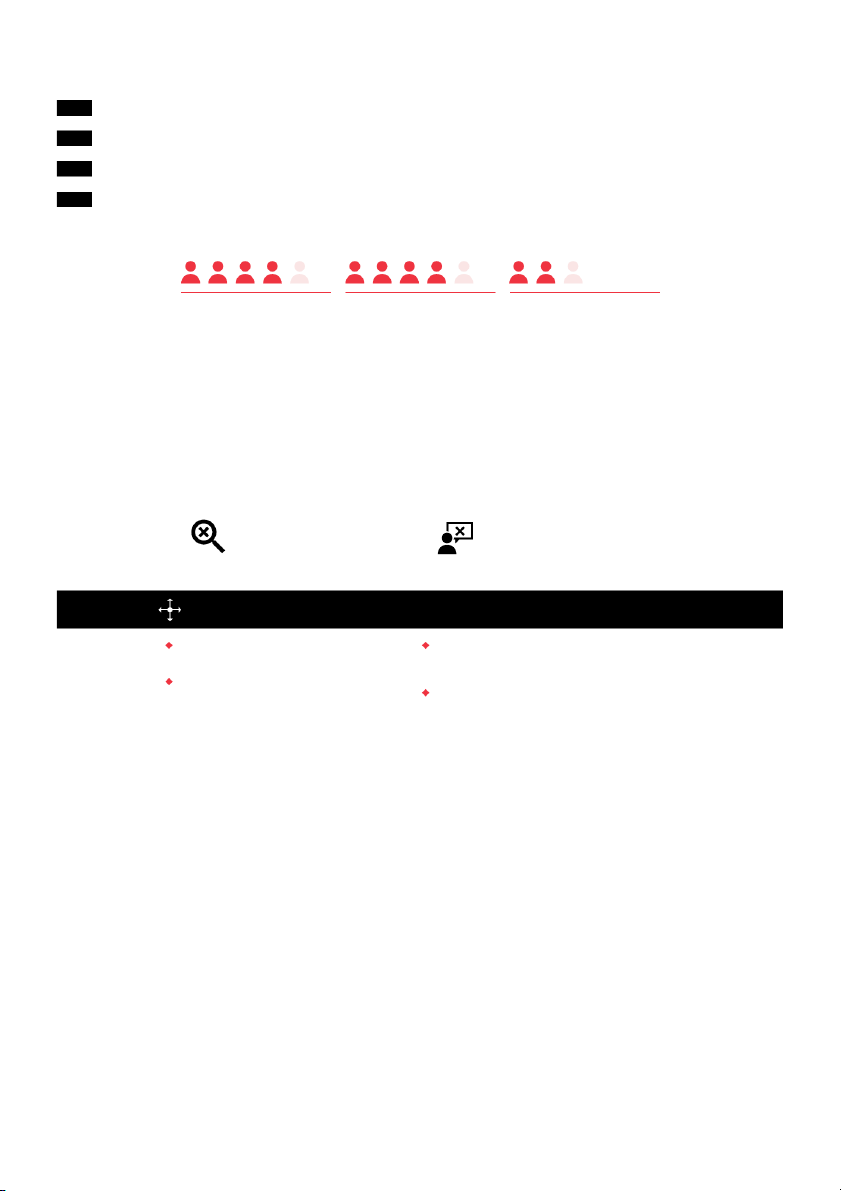
The Racial Bias in Retail Study Commissioned by Table of Contents
03 Executive Summary / Introduction 06 Racial Bias in Retail
08 The limited diversity and exclusionary treatment
shoppers encounter in the retail journey
09 The differences of perception on in-store interactions as
reported by shoppers and retail employees
11 The preventative and reactive coping mechanisms
BIPOC (Black, Indigenous and People of Color) shoppers
use for anticipated biased experiences in-store
12 How negative experiences are creating missed opportunities for all
13 How meaningful and long-term action is desired by
both shoppers and retail employees 14 Closing 15 Research Details
A Word From Jean-André Rougeot,
President & CEO, Sephora Americas
At Sephora, diversity, inclusion and equity have been
longstanding values and core to our mission since the company
was founded as a new kind of beauty company. But the reality is
that the retail experience is not always inclusive to all. The very
real issue of underlying racial bias remains a barrier to ensuring
that all of our clients enjoy the sense of belonging we strive to
foster. We are committed to doing all we can to change that.
To better equip ourselves with the knowledge and insights
needed to effectively tackle this issue, we commissioned the first
of its kind research study on the state of racial bias in retail today.
Not only has this effort helped to better measure the problem,
but it has led to the identification of tangible opportunities for
improvement for the retail community at large.
With these learnings in hand, we at Sephora have formulated an
action plan to help us continue to address this issue ourselves.
We hope other retailers will join us in charting similar paths
forward, with the ultimate goal of fostering inclusion and
improving the retail experience for all. Sephora
The Racial Bias in Retail Report 3 Executive Summary
Retail is one of society’s most interactive institutions — with millions of people from all different
backgrounds crossing paths daily. These interactions bring a range of possibilities: highs and lows,
positive and negative experiences, connection and misunderstanding, and often, instances of racial
bias and the feeling of unfair treatment. In fact, racial bias is so pervasive in retail that according to a
2018 Gallup study significantly more Black shoppers reported experiencing unfair treatment in a store
within a 30-day period than at work, in dealings with the police, or at a restaurant, bar, theater, or
some other entertainment venue.
The Sephora-commissioned study was conducted over a year-long period, beginning in the Fall of
2019 and ending in late 2020, included both primary and secondary research. The research consists of
analysis of academic literature, a deep dive into why and how racial bias shows up in retail today, and
interviews, both online and virtual, with shoppers and retail employees across the United States.
The study explores the disparate experiences in retail across race and includes insights on socio-
economic status, gender, and more. The goal of the research is to call attention to the inequities of
retail shopping experiences for consumers and more importantly, identify actionable solutions to galvanize change.
Racism, discrimination, and other forms of racial bias and unfair treatment are deeply rooted and
pervasive issues in America. Recent events across the U.S. have further reinforced the need for
immediate reform in all areas of the public sector. It has never been more apparent that a person’s
race in America determines profoundly different experiences, challenges, and outcomes.
The comprehensive research addresses the perspectives theorized by Sephora’s academic partners,
Dr. Cassi Pittman Claytor and Dr. David Crockett, leading scholars of retail racism: that racial bias
and unfair treatment exists at all phases of the shopping journey, even before a shopper walks into a
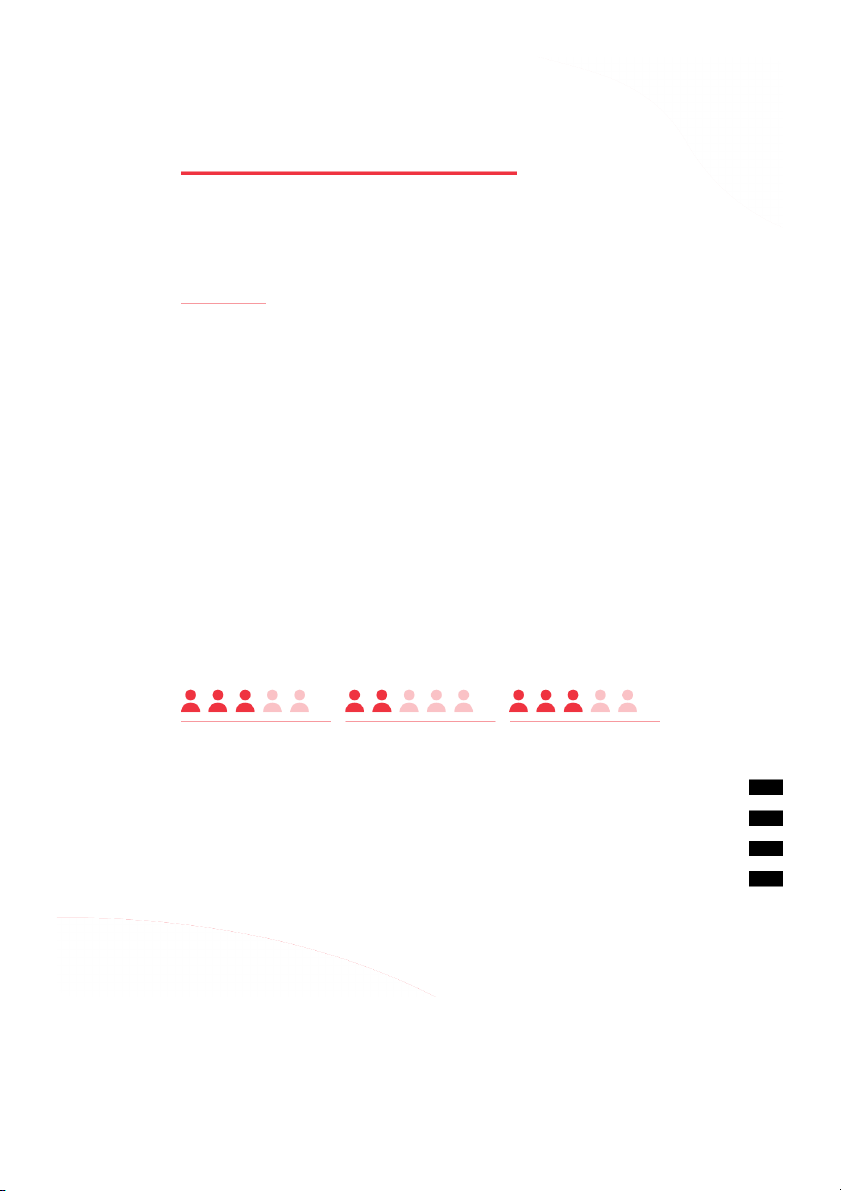
store. The study uncovered that: 3 in 5 retail shoppers have 2 in 5 retail shoppers have 3 in 5 retail employees have experienced discriminatory personally experienced unfair witnessed bias at their place treatment
treatment on the basis of their of work race or skin color Sephora
The Racial Bias in Retail Report 4
The following pages will dig deeply into the 5 Truths about
bias and BIPOC shoppers across the U.S. retail industry uncovered by the study: 01
Limited racial diversity across marketing, merchandise, and retail employees results in
exclusionary treatment before U.S. BIPOC shoppers even enter a store and continues across their in-store journey 02
U.S. BIPOC shoppers feel in-store interactions are driven by their skin color and ethnicity,
yet retail employees cite behavioral attributes, rather than appearance, as the basis for their interactions 03
U.S. BIPOC shoppers use coping mechanisms to minimize or avoid anticipated biased
experiences when in-store. While many customer experience needs are universal, BIPOC
shoppers have some needs that hold greater importance in helping them feel welcome 04
The majority of U.S. BIPOC shoppers do not voice concerns about negative shopping
experiences directly to retailers, creating missed opportunities for feedback and
improvement, and impacting future sales as shoppers take their business elsewhere 05
Meaningful and long-term action is most important to U.S. shoppers and retail
employees who want to see the company’s words supported by consequential action
These findings offer retailers new and timely insights for how to create strategies and implement
actions in their own businesses to confront, address and determine how best to reduce racial bias and
unfair treatment. And while change will require a comprehensive commitment, the study points to
several clear areas where shoppers, specifically BIPOC shoppers, and retail employees, believe they can be better served.
To make the shopping experience more inclusive, it is critical that
retailers develop strategies based on data – as Sephora has begun to
do – and tailor them to the specific conditions of their business. That,
for me, is the primary contribution of this study. It will help retailers
“ better identify key areas of challenge and opportunity, and ultimately
it will help them evaluate progress.
– Dr. David Crockett (Sephora Research Advisor) S Seepphhoorraa
The Racial Bias in Retail Report
The Racial Bias in Retail Report 55 Racial Bias in Retail
What is racial bias? Racial bias is an unconscious or conscious (implicit
vs explicit) way of thinking that influences how an individual acts and
interacts with people from different racial or ethnic backgrounds. Racial bias is complex.1
Pittman Claytor and Crockett created a model that accounts for racial bias, revealing the
ways that racial bias is pervasive. Racial bias is pervasive across retail settings and impacts
all shoppers, granting some preferential treatment and others exclusionary treatment. They
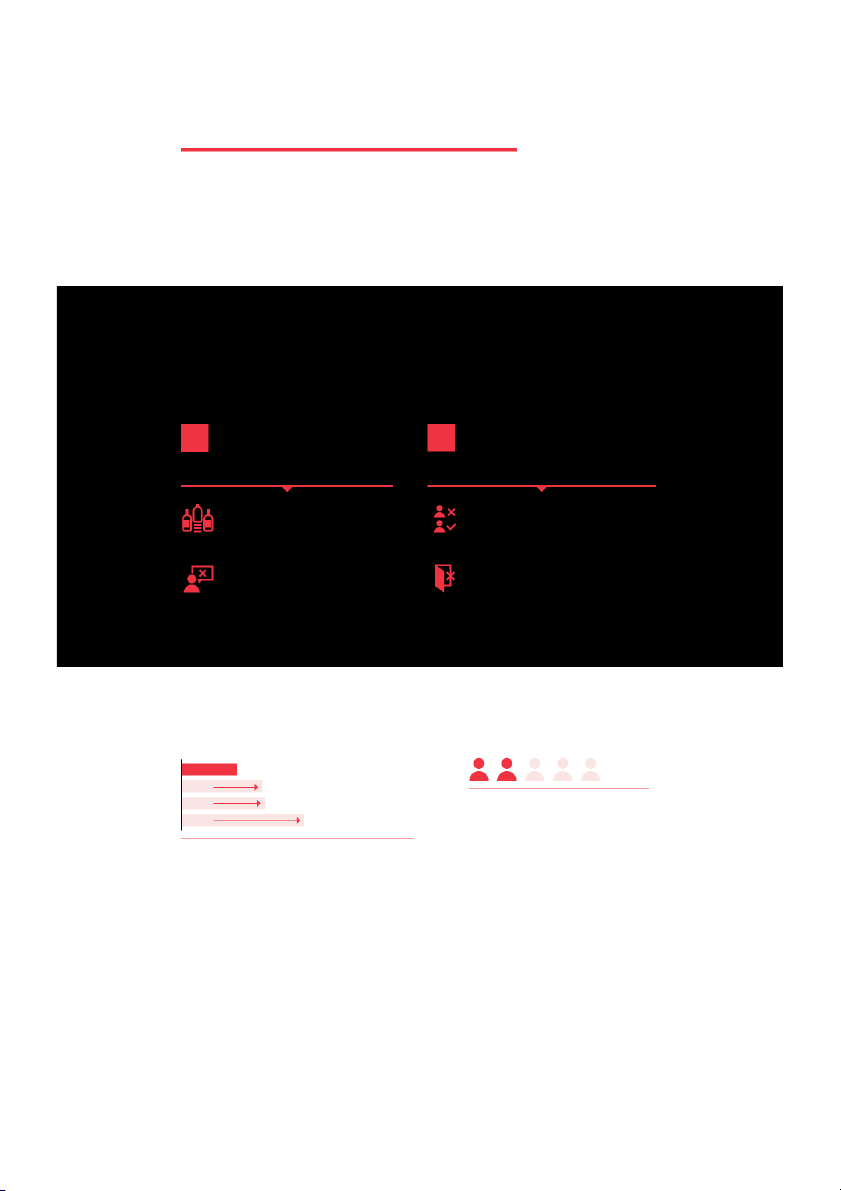
argue that racially-biased and exclusionary treatment (RBET) affects the shopper journey 2 in two distinct ways:
An invisible “tax” or experience
A pattern of exclusion and inequality
01 burden for select demographics in
02 via policies that create unequal which retail shoppers:
experiences across demographics in which retail shoppers:
Are unable to find products they
Are categorized as less desirable than others.
need, have fewer options to choose
For example, Black shoppers being treated
from, or products are segregated or
as suspicious and subject to additional difficult to access. surveillance while in store.
Have difficulty getting assistance,
Are treated as unworthy or illegitimate and
experience long wait times, or are
ultimately prevented from entering a store or treated differently.
making a purchase because of stereotypes.
For example, a Black shopper reporting
they were told they “could not afford an expensive item.”
Sephora’s study found that a majority of U.S. shoppers report personal
experience with bias and unfair treatment: White 24% Asian 35% LatinX 36%
2 in 5 retail shoppers have personally Black
experienced unfair treatment on the 53%
basis of their race or skin color
BIPOC shoppers have personally experienced
higher rates of unfair treatment on the basis of their race or skin color 1. Eberhardt 2019.
2. Claytor, Pittman Cassi and Crockett, David. (2019). “Racial Bias and Exclusionary Sephora
The Racial Bias in Retail Report 6
Treatment in Retail Settings.” [PowerPoint Presentation] Presented at Sephora’s
Foundational Learning and Hypothesis Generation Workshop. San Francisco, CA Racial Bias in Retail
Experiences with racially-biased and exclusionary treatment create an added burden or cost
to the shopper. For example, in instances of RBET, shoppers have a humiliating, degrading, or
emotionally-taxing experience. Select shoppers have to manage interactions with security or
police because they report being perceived by store associates “as a threat.” This all contributes to
the store being a place where they may feel unwelcome. 1
While Americans tend to believe in the power of the purse
and that money is the great equalizer, a multitude of studies
have consistently revealed that racial minorities, particularly
Black Americans, are not protected from stigmatizing and
“ discriminatory treatment in retail settings. In perpetuating
racially exclusionary treatment, retail stores contribute to the
promotion and reproduction of racial hierarchies.
– Dr. Cassi Pittman Claytor (Sephora Research Advisor)
A critical new finding discovered in Sephora’s study was that shoppers are not the only ones subject
to bias across the retail landscape. Retail employees’ experiences with bias in their store can be
extremely varied as they are both accused of bias, and for those of color, victims of bias from
shoppers and other retail employees. 1 in 5 retail employees have 1 in 3 retail employees have personally experienced unfair
contemplated quitting when they treatment at their place of
experienced racial bias and unfair work (20%)
treatment (31% for all employees; 37% for Black employees)
1. Gabbidon & Higgins 2007. Henderson, Hakistian, & Williams 2016. Schreer et al. 2009. Sephora
Henderson 2016. Pittman 2017, Crockett 2017. Crockett, Grier, & Williams 2003. Sephora
The Racial Bias in Retail Report 7 Truth 1
Limited racial diversity across marketing,
merchandise, and retail employees results in
exclusionary treatment before U.S. BIPOC
shoppers even enter a store and continues across their in-store journey
Sephora’s study found that retail shoppers confront exclusionary treatment even before stepping
foot in the store. Three in four retail shoppers (74%) feel that marketing fails to showcase a diverse
range of skin tones, body types and hair textures. This is true across all categories, but especially for
department stores (72%), beauty (70%), apparel (69%), and mass merchants (67%).
The lack of diversity in marketing is also seen in the merchandise that lines retailer shelves. Two in
three retail shoppers (65%) think stores fail to deliver an equally-distributed assortment of products
catering to different shoppers’ tastes and preferences. This is particularly true for mass merchants
(63%), hardware (62%), beauty (60%), and outdoor/recreation (60%).
The issue isn’t only that current on-shelf items don’t serve diverse shopper needs. In addition, nearly
four in five retail shoppers (78%) don’t believe there is representation in brands or companies that
are owned by and made for people of color. Retailer Opportunity
Focus on representation and diversity across marketing
Focus on representation and diversity in staff to
and product that addresses the unique needs of all
signal diversity and inclusion to shoppers and create
racial groups as these are some of the biggest visual
inclusive shopping experience through sustained
cues for shoppers that signal diversity and inclusion
learning of inclusive behaviors with shoppers
Make a commitment to long-term store placements
Implementing equitable and consistent product
of BIPOC-made products and carry merchandise that
placement in stores, avoiding products for people of
caters to diverse shopper needs equally
color being isolated or hard to find, locked up behind
glass, or generally less accessible than other products Sephora
The Racial Bias in Retail Report 8 Truth 2
U.S. BIPOC shoppers feel in-store interactions
are driven by their skin color and ethnicity, yet
retail employees are more likely to cite behavioral
attributes, rather than appearance, as the basis for their interactions
When researchers asked retail shoppers of all races about unfair treatment, they indicated that
they experience feeling judged on the shopping journey, specifically upon entering the store. BIPOC
shoppers are more likely than their white counterparts to feel most often judged by their skin color
and ethnicity. For example, Black shoppers are 3x more likely than white shoppers to feel this
way (32% vs. 9%). White shoppers, on the other hand, are more likely than Black shoppers to cite
more race-neutral factors like age (27% vs. 12%) or attractiveness (13% vs. 7%), as the basis of the discernment they face.
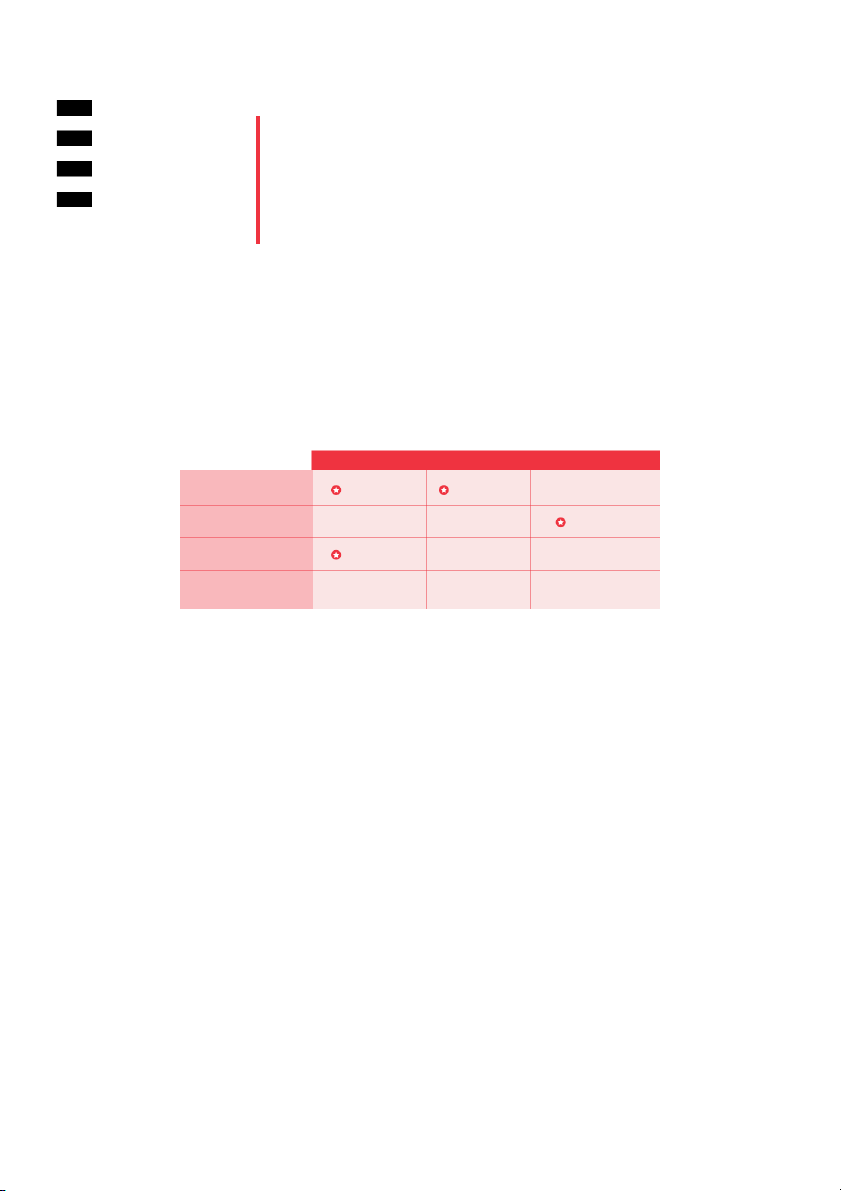
U.S. shoppers feel most judged by: #1 #2 #3 Black Shoppers Skin Color Ethnicity Age LatinX Shoppers Body weight Age Ethnicity or size Asian Shoppers Ethnicity Age Attractiveness White Shoppers Age Attractiveness Clothes/Accessories/ Makeup
When BIPOC shoppers are in U.S. retail stores, they report feeling:
Judged when they feel others are assessing them based
“Passed off” when they’re directed to someone who
on the color of their skin or their race
looks like them, to help find a shade
Misunderstood when employees misidentify their
Overlooked when employees ignore them race or identity
Defensive when they feel others are studying
their behavior, following them or may accuse them of something
Employees perceive their interactions with U.S. shoppers differently
Yet, despite the experiences retail shoppers report, three in five (60%) retail employees surveyed
more often cite shoppers’ behavioral attributes rather than physical attributes when determining how
to approach or interact with shoppers, underscoring significant disconnect between how shoppers
and employees interpret interactions in U.S. retail. Sephora
The Racial Bias in Retail Report 9 Truth 2
However, U.S. shoppers confront the reality of racial bias and unfair
treatment in their inability to receive help from store associates who are “like them.” For example:
4 in 5 retail shoppers struggle 4 in 5 retail shoppers have
2 in 3 retail shoppers are not to find associates who look difficulty finding associates able to find store associates like them (79%) who are familiar with their
who speak their native language unique needs (82%) (63%)
In sharing their retail experiences, Black shoppers, in particular, report an interest in connecting with
store associates who truly understand them. Black shoppers are 1.5x more likely than white shoppers
to say it’s important that stores have associates who look like them (35% vs 20%).
In order to have a more positive in-store experience, BIPOC shoppers believe it is important that:
They can find a store associate
Store associates communicate with
familiar with needs unique to them
them in their native or preferred and their race/ethnicity language Retailer Opportunity
Implement employee trainings specific to
Focus on representation and diversity across the
unconscious bias, racial profiling and anti-racism
workforce so that shoppers have the opportunity to find
and connect with store associates who look like them
Remove policies and practices that disparage
shoppers, such as using code words to classify
Train all employees in understanding and addressing
Black shoppers or using seemingly race-neutral or
the specific needs of all racial groups, so that BIPOC
colorblind logic to guide interactions with shoppers
employees are not burdened with the responsibility of who have unique needs
servicing all BIPOC shoppers in the store Sephora
The Racial Bias in Retail Report 10
Tài liệu liên quan:
-
Phân tích kỹ thuật Phân tích kỹ thuật không giống với phân tích cơ bản - Tài liệu tham khảo | Đại học Hoa Sen
270 135 -
Article 1 - Impact of social media in India - Tài liệu tham khảo | Đại học Hoa Sen
401 201 -
Nhượng quyền kinh doanh - báo cáo cuối kì - Tài liệu tham khảo | Đại học Hoa Sen
309 155 -
Article 1 - Impact of social media in India - Tài liệu tham khảo | Đại học Hoa Sen
348 174 -
On Lê Vũ for skylines - Exhibition introduction writing sample - Tài liệu tham khảo | Đại học Hoa Sen
297 149