Human Behavior and the Social Environment I
Human Behavior and the
Social Environment I
SUSAN TYLER
UNIVERSITY OF ARKANSAS LIBRARIES
FAYETTEVILLE, AR
.&'S!/"(+S'S-!S("%S'/"+('&'-SS()2+" !-SYS8686S2S.,'S2%+S",S
%"',S.'+SS+-"/S(&&(',S--+".-"('M('(&&+"%M!+%"$S:@6S
'-+'-"('%S"',AS1)-S0!+S(-!+0",S'(-@S
//j"42<$2<jjaaj=2/$;;j4<*$:@+;$j24<$#Qj
Contents
2<:4#="<+42j Gj
<<:+!=<+42;j Lj
Part I. The Person in Environment
*8<$:jG\j4@j$j;$j=:jA8$"<<+42;j HKj
Part II. The Biopsychosocial Dimension
*8<$:jH\j+($;82j*$4:+$;j MKj
Part III. The Sociocultural Dimension
*8<$:jI\j*$4:$<+"/j$:;8$"<+?$;j OOj
*8<$:jJ\j*$j/$1$2<;j4(j=/<=:$j GGJj
Part IV. The Social Change Dimension
*8<$:jK\j4"+/j<$)4:+C<+42jvj<$:$4<B8+2)j GKOj
*8<$:jL\j2a):4=8j?4:+<+;1jvj:$-=#+"$j GOGj
*8<$:jM\j$#="+2)j+;":+1+2<+42j HGGj
*8<$:jN\j"+/jvj<*2+"j2$9=/+<Bj HIKj
Part V. Pre-Pregnancy & Prenatal Development
*8<$:jO\j$:$#+<BRj:$2</j$?$/481$2<Rjvj
+:<*j
+"-2S
HNNj
+'-%S/%()&'-S
HOOj
"+-!S
IHNj
HNMj
Part VI. Development in Infancy & Toddlerhood
*8<$:jGF\j*B;+"/j$?$/481$2<j+2j2(2"Bjvj
4##/$:*44#j
IKKj
*8<$:jGG\j4)2+<+?$j$?$/481$2<j+2j2(2"Bjvj
4##/$:*44#j
IOKj
*8<$:jGH\j;B"*4;4"+/j$?$/481$2<j+2j2(2"Bj
vj4##/$:*44#j
''-S&(-"(',S
JILj
(+&"' S--!&'-,S
JJFj
JIHj
Part VII. Development in Early Childhood
*8<$:jGI\j*B;+"/j$?$/481$2<j+2j:/Bj
*+/#*44#j
JMGj
*8<$:jGJ\j4)2+<+?$j$?$/481$2<j+2j:/Bj
*+/#*44#j
KFNj
*8<$:jGK\j;B"*4;4"+/j$?$/481$2<j+2j:/Bj
*+/#*44#j
KKMj
Part VIII. Development in Middle Childhood
*8<$:jGL\j*B;+"/j$?$/481$2<j+2j+##/$j
*+/#*44#j
LFOj
*8<$:jGM\j4)2+<+?$j$?$/481$2<j+2j+##/$j
*+/#*44#j
LILj
*8<$:jGN\j;B"*4;4"+/j$?$/481$2<j+2j+##/$j
*+/#*44#j
LOLj
Part IX. Development in Adolescence
*8<$:jGO\j*B;+"/j$?$/481$2<j+2j#4/$;"$2"$j MIOj
*8<$:jHF\j4)2+<+?$j$?$/481$2<j+2j
#4/$;"$2"$j
MLNj
*8<$:jHG\j;B"*4;4"+/j$?$/481$2<j+2j
#4/$;"$2"$j
MOGj
Part X. Development in Early Adulthood
*8<$:jHH\j*B;+"/j$?$/481$2<j+2j:/Bj
#=/<*44#j
NHGj
*8<$:jHI\j4)2+<+?$j$?$/481$2<j+2j:/Bj
#=/<*44#j
NLMj
*8<$:jHJ\j;B"*4;4"+/j$?$/481$2<j+2j:/Bj
#=/<*44#j
OFIj
Part XI. Development in Middle Adulthood
*8<$:jHK\j*B;+"/j$?$/481$2<j+2j+##/$j
#=/<*44#j
OLKj
*8<$:jHL\j4)2+<+?$j$?$/481$2<j+2j+##/$j
#=/<*44#j
GFIFj
*8<$:jHM\j;B"*4;4"+/j$?$/481$2<j+2j+##/$j
#=/<*44#j
GFMGj
Part XII. Development in Late Adulthood
*8<$:jHN\j*B;+"/j$?$/481$2<j+2j<$j
#=/<*44#j
GGJGj
*8<$:jHO\j4)2+<+?$j$?$/481$2<j+2j<$j
#=/<*44#j
GHFIj
*8<$:jIF\j;B"*4;4"+/j$?$/481$2<j+2j<$j
#=/<*44#j
GHKGj
##+<+42/j$;4=:"$;j GIFKj
#48<j<*+;j!44.Vj GIFNj
Why do people do the things they do?
*<i;j@*<j@$j:$j*$:$j<4jD2#j4=<jbj.&'O!/"(+O'O -!O
("%O'/"+('&'-jFGjbj4@j#4j<*$Bj"422$"<Wj4@j#4$;j+<j
;*8$j=;Wj*Bj#4j@$j<*+2.j2#j($$/j<*$j@Bj@$j#4Wj
*+;j@+//j!$j$A8/4:$#j<*:4=)*4=<j<*+;j"4=:;$j!Bj$A1+2+2)j*=12j
!$*?+4:j<*:4=)*4=<j/+($j;<)$j#$?$/481$2<;j2#j4=:j+2<$:"<+42;j
@+<*j <*$j ;4"+/j $2?+:421$2<Qj *+;j "4=:;$j @+//j $A8/4:$j <*$4:$<+"/j
8$:;8$"<+?$;j +2j 4"+/j 4:.j <4j *$/8j 8:4?+#$j j (4=2#<+42j (4:j
4:)2+C+2)j<*4=)*<;j!4=<j"/+$2<j2$$#;j2#j+;;=$;j<*$Bj:$j;$$.+2)j
;=884:<;j (4:Qj *$4:+$;j @+//j <*$2j !$j "422$"<$#j <4j +184:<2<j
#$?$/481$2</Rj;4"+/Rj2#j"=/<=:/j+;;=$;j<*<j8:$;$2<j<*:4=)*4=<j
$"*j;<)$j4(j/+($j<4j":$<$j2j4?$://j8+"<=:$j4(jj"/+$2<i;j$A8$:+$2"$j
2#j*4@j@$j"2j=;$j<*+;j+2(4:1<+42j<4j*?$jj!$<<$:j=2#$:;<2#+2)j
4(j*4@j8$48/$j@$j@4:.j@+<*j:$j+2E=$2"$#j2#j@*BQj24@/$#)$j4(j
<B8+"/j#$?$/481$2<j+2j$"*j;<)$j4(j/+($j@+//j/;4j+2(4:1j<*$j4"+/j
4:.$:j+(j2Bj4<*$:j;=884:<;Rj:$;4=:"$;Rj4:j;$:?+"$;j1Bj!$j2$$#$#Qj
j
f4"+/j@4:.$:;j:$j.24@/$#)$!/$j!4=<j*=12j
!$*?+4:j":4;;j<*$j/+($j"4=:;$Tj<*$j:2)$j4(j;4"+/j
;B;<$1;j+2j@*+"*j8$48/$j/+?$Tj2#j<*$j@B;j;4"+/j
;B;<$1;j8:414<$j4:j#$<$:j8$48/$j+2j1+2<+2+2)j4:j
"*+$?+2)j*$/<*j2#j@$//a!$+2)Qj4"+/j@4:.$:;j88/Bj
<*$4:+$;j2#j.24@/$#)$j(:41j<*$j/+!$:/j:<;j<4j
=2#$:;<2#j!+4/4)BRj;4"+/Rj"=/<=:/Rj8;B"*4/4)+"/j2#j
;8+:+<=/j#$?$/481$2<Qgjb jj]HFFNRj8QL^j
j
*$:$j+;j24j;+2)/$j#$D2+<+42j(4:jQjj$2"4=:)$jB4=j<4j<*+2.j
!4=<j @*<j +<j 1$2;j <4j B4=Qj 2j 4"+/j 4:.Rj ::$/Bj #4j @$j @4:.j
@+<*j 8$48/$j @*4;$j 8:4!/$1;j :$j ;<:+)*<(4:@:#Qj B8+"//BRj @$j
2<:4#="<+42jjxjjG
$2"4=2<$:j 8:4!/$1;j <*<j :$j "418/$Aj 2#j +2<$:"422$"<$#j 42j
;$?$:/j /$?$/;j 2#j :$9=+:$j /44.+2)j <j <*$j :$/<+42;*+8;j !$<@$$2j
!$*?+4:;j2#j$2?+:421$2<;Qj$j/+.$j<4j$A8/4:$j;j1="*j;j84;;+!/$j
+2j 4"+/j 4:.j 2#j =;$j 4(j <*$4:+$;j @+<*+2j ?:+4=;j #+1$2;+42;j
]!+4/4)+"/Rj8;B"*4/4)+"/Rj;4"+/Rj2#j;8+:+<=/^j//4@;j=;j<4j*?$jj
!:4#$:j.24@/$#)$j!;$j+2j;$?$:/j#+(($:$2<j:$;j<4j*?$jj!$<<$:j
=2#$:;<2#+2)j 2#j !+/+<Bj <4j f8=<j +<j //j <4)$<*$:gj <4j ;;$;;j 2#j
+2<$:?$2$j@+<*j"/+$2<j"42"$:2;Qj
$j @+//j =<+/+C$j ?+)2$<<$;j <4j @4:.j +2j "422$"<+2)j $"*j <*$4:BRj
88:4"*Rj 8$:;8$"<+?$Rj 2#j /+($j ;<)$j 4(j #$?$/481$2<j <*:4=)*4=<j
<*+;j "4=:;$Qj "*j ;$"<+42j @+//j !$)+2j @+<*j j ?+)2$<<$j <*<j @+//j !$j
+2"4:84:<$#j<*:4=)*4=<j<4j#$142;<:<$j$A18/$;j4(j$"*j"42"$8<j
]<*<j +;j 24<j "4?$:$#j +2j B4=:j :$#+2);^Qj +($j ;<)$j #$?$/481$2<j
?+)2$<<$;j@+//j!$j=;$#j;j2jf=2(4/#+2)j";$gj<4j//4@jB4=j<4j@4:.j+2j
":+<+"/j<*+2.+2)j4(j*4@j<*$j<*$4:+$;Rj88:4"*$;Rj2#j8$:;8$"<+?$;j
"422$"<j<*:4=)*4=<j$"*j/+($j;<)$Qj
Social Work Values:
+/"jbj$2))$j+2j<*+;j!Bj*$/8+2)j8$48/$j##:$;;j
2#j*48$(=//Bj:$;4/?$j<*$+:j8:4!/$1;["42"$:2;jbj/;4j
$2))$j+2j;$:?+"$j<*:4=)*j?4/=2<$$:+2)j<+1$j<4j
4:)2+C<+42;j@+<*+2j<*$j"411=2+<Bj]!4:#;Rj1$2<4:+2)j
8:4):1;Rj$<"^Qj
("%O.,-"jbj#?4"<$j2#jD)*<j)+2;<j;4"+/j
+2-=;<+"$;j(4:j+2#+?+#=/;[):4=8;jbj)$2$://Bj(4"=;+2)j+2j
:$;j4(j84?$:<BRj#+;":+1+2<+42Rj$#="<+42Rj
=2$18/4B1$2<Rj$<"Qj
'- +"-2jbj$j1=;<j/@B;j@4:.j<4j!$j<:=;<@4:<*BRj
Hjjxjj2<:4#="<+42
*42$;<Rj2#j:$;842;+!/$j+2j4=:j@4:.j2#j@+<*j4=:j
"/+$2<;Qj
(&)-'jbj/@B;j;<:+?$j<4j+18:4?$j4=:j
.24@/$#)$j2#j$A8$:<+;$j<*:4=)*j"42<+2=4=;j/$:2+2)j
2#j$#="<+42Qj
.&'O+%-"(',!"),jbj"422$"<j;j8:<2$:;j
<*:4=)*4=<j<*$j8:4"$;;jbj/;4j@4:.j<4j+18:4?$j
:$/<+42;*+8;j@+<*+2j<*$j"/+$2<i;j;B;<$1j<4j*$/8j+18:4?$j
4?$://j(=2"<+42+2)j<*:4=)*j+2":$;$#j"422$"<+42;[
;=884:<;Qj
" '"-2jbj?/=$j2#j:$;8$"<j$"*j8$:;42j@$j1$$<j2#j
$2))$j@+<*j"418;;+42j2#j:$;8$"<Qj
Critical Thinking Skills:
*<j+;j+<Wj
Xj ,('"' jbj+2<$:$;<j+2j<*$j=2.24@2jbj@*<i;j
)4+2)Wj
Xj /%.-"' jbj"*//$2)+2)j88$:2"$;jbj@*<j#4j
B4=j<*+2.jB4=j;$$j?;j@*<jB4=j"<=//Bj;$$Wj
Xj +(%&J,(%/"' D","('O&$"' jbj$A8/4:$j//j
;+#$;j2#j#$<$:1+2$j<*$j!$;<j#$"+;+42Qj
Xj '%23"' jbj*4@j#4j<*$Bj"422$"<Wj*<j#4$;j+<j
2<:4#="<+42jjxjjI
//j1$2Wj4@j#4$;j+<j//j##j=8Wj$;<j#$"+;+42Wj
+1$j(4:j:$E$"<+42Qj
j
Why is this important?
GQj *$4:+$;Rj88:4"*$;Rj2#j8$:;8$"<+?$;j*$/8j/Bj<*$j(4=2#<+42j
(4:j2Bj:$/+;<+"j2#j:<+42/j8:"<+"$j+2j2BjD$/#Qj=:j
8:4($;;+42/j?/=$;j/Bj<*$j(4=2#<+42j42j@*+"*j;4"+/j@4:.i;j
1+;;+42j+;j!;$#Qj*$Bj*$/8j)=+#$j=;j+2j#$"+;+42j1.+2)j;j<*$Bj
:$j#+:$"<$#j<4@:#;jj;8$"+D"j8=:84;$j2#j*$/8j=;j<4j):4@j
2#j#$?$/48Qj
HQj =;<+D"<+42j(4:jB4=:j#$"+;+42;jbj@$j1=;<j=;$j":+<+"/j<*+2.+2)j
;.+//;j<4j$A8/4:$j2#j8:4"$;;j*4@j#$"+;+42;j1Bj+18"<j4=:j
"/+$2<;j2#j@$j1=;<j!$j!/$j<4j#+;"=;;j*4@j4=:j#$"+;+42;j@$:$j
#$<$:1+2$#Qj
About the Author:
=;2jB/$:RjRjjbj/+2+"/j;;+;<2<j:4($;;4:Rj2+?$:;+<Bj
4(j:.2;;RjB$<<$?+//$Rjj
:4($;;4:jB/$:j*;j !$$2j<$"*+2)j <j<*$j "*44/j4(j4"+/j 4:.j
;+2"$j 8:+2)j HFGNQj $(4:$j -4+2+2)j <*$j "*44/j 4(j 4"+/j 4:.Rj ;*$j
@4:.$#j +2j j "411=2+<Bj !;$#j 1$2</j *$/<*j )$2"Bj (4:j 4?$:j GFj
B$:;j @+<*j j (4"=;j +2j 2(2<j 2#j :/Bj *+/#*44#j $2</j $/<*j
2#j"*44/a;$#j$2</j$/<*j;$:?+"$;j:$?4/?+2)j:4=2#j+;;=$;j
:$/<$#j<4j<:=1Rj!=;$Rj<<"*1$2<Rj2A+$<BRj#$8:$;;+42Rj#41$;<+"j
Jjjxjj2<:4#="<+42
?+4/$2"$Rj(4;<$:j":$Rj#-=;<1$2<;Rj#+;:=8<+?$j!$*?+4:;Rj2#jRj
<*:4=)*j=;$j4(j8/Bj<*$:8Bj<$"*2+9=$;j2#j#B#+"j+2<$:?$2<+42;Qj
LO-!O!' O2(.O0",!O-(O,O"'O-!O0(+%MOKO!-&O'!"O
L(.O'O(O"-MOKO(O!'"+O
References:
j 411+;;+42j 42j "":$#+<<+42Qj ]HFFN^Qj S '(($Qj
4=2"+/j42j4"+/j4:.j#="<+42Qj
2<:4#="<+42jjxjjK
Attributions
The Meaning Behind This Book
j!$)2j1Bj":$$:j+2j4"+/j4:.j@4:.+2)j+2j<*$j1$2</j*$/<*jD$/#j
@+<*jj(4"=;j+2j2(2<j2#j:/Bj*+/#*44#j$2</j$/<*Qjj:$/+C$#j
#=:+2)j <*+;j <+1$j -=;<j *4@j 1="*j j 8$:;42i;j $A8$:+$2"$;j 2#j <*$+:j
$2?+:421$2<;j+18"<$#j//j;8$"<;j4(j<*$+:j/+?$;Rj+2"/=#+2)j@*Bj<*$Bj
1#$j<*$j"*4+"$;j4:j:$;842#$#j<*$j@Bj<*$Bj#+#Qj(<$:jj/+<</$j4?$:j
j #$"#$j 4(j 1$2</j *$/<*j @4:.Rj j *#j 2j 4884:<=2+<Bj <4j 1.$j j
"*2)$j+2j1Bj":$$:j2#j-4+2$#j<*$j@4:/#j4(j"#$1+Qj=:+2)j1Bj
D:;<j ;$1$;<$:j <$"*+2)Rj j !$"1$j @:$j4(j <*$j 8$2j #="<+42/j
$;4=:"$;j<j4=:j=2+?$:;+<Bj2#j+11$#+<$/Bj<*4=)*<j4(j<*$j!$2$D<;j
4(j<:2;+<+42+2)j<*+;j"4=:;$j@+<*j8:4?+#+2)jj(:$$Rj42/+2$j""$;;+!/$j
<$A<!44.j <*<j @4=/#j ;=884:<j !4<*j ;<=#$2<;j 2#j +2;<:="<4:;j /+.$j
+2j $A8/4:+2)j *=12j !$*?+4:Rj ;4"+/j $2?+:421$2<Rj 2#j /+($j ;<)$j
#$?$/481$2<Qjjj!$)2j@4:.+2)j@+<*j<*$j2+?$:;+<Bj/+!::Bj;B;<$1j<4j
"418+/$j#+(($:$2<j"*8<$:;j(:41j#+(($:$2<j48$2j2#j(:$$j<$A<!44.;j
(:41j4<*$:j#+;"+8/+2$;j2#j<*$2j##$#j4:+)+2/j"42<$2<j<4j;=884:<j
"422$"<+42j <4j 4"+/j 4:.j (4=2#<+42;j 2#j 8:"<+"$j +2j <*$j D:;<j
(4=:j;$"<+42;Rj;j@$//j;j":$<+2)j?+)2$<<$;j<4j=;$j<*:4=)*4=<j$"*j
;$"<+42Qj *+;j <$A<j @+//j ;=884:<j <*$j :$#$:j @+<*j j #$$8$:j
=2#$:;<2#+2)j 4(j 4"+/j 4:.j <*$4:+$;Rj 8$:;8$"<+?$;Rj 2#j
88:4"*$;Rj/+($j;<)$j#$?$/481$2<Rj2#j"422$"<+42j4(j*4@j<*$Bj:$j
=<+/+C$#j +2j 4:)2+C+2)Rj ;;$;;+2)Rj 2#j 8/22+2)j (4:j "/+$2<j ;=884:<Qj
<j+;j 1Bj *48$j B4=j@+//j "41$j@Bj (:41j<*+;j"4=:;$j;$$+2)j4<*$:;j
<*:4=)*j j /$2;j 4(j $18<*BRj "418;;+42Rj 2#j "=:+4;+<BRj ;<488+2)j
<4j ;.j B4=:;$/(Rj f@*<j 1=;<j <*$Bj *?$j $A8$:+$2"$#j +2j <*$+:j /+($Wgj
<4j )+2j j !$<<$:j =2#$:;<2#+2)j !$(4:$j -=18+2)j <4j "42"/=;+42;j 4:j
;;=18<+42;j4(j4<*$:;Qj
LO +O %%O.'"*.@O ('N-O#. AO .'+,-'O"',-@MO SOO (2O@O
''--O
Ljjxjj<<:+!=<+42;
.&'S !/"(+S 'S -!S ("%S '/"+('&'-S j +;j #8<$#j (:41j
?:+4=;j @4:.j 8:4#="$#j 2#j #+;<:+!=<$#j =2#$:j <*$j :$<+?$j
41142;j+"$2;$Qj$/4@Rj+;j<*$j/+;<j4(j//j#8<$#j"*8<$:;j=;$#j+2j
<*$j1.+2)j4(j<*+;j!44.Qj
(/+O& Bj1)$j!Bj$:#j/<122j(:41j+A!BQj
!)-+O 7EO #8<$#j (:41j *8<$:j HQHj (:41j :+2"+8/$;j 4(j 4"+/j
;B"*4/4)Bj !Bj <*$j 2+?$:;+<Bj 4(j +22$;4<j =2#$:j <*$j :$<+?$j
41142;j <<:+!=<+42a42411$:"+/a*:$/+.$j JQFj
2<$:2<+42/j+"$2;$Rj$A"$8<j@*$:$j4<*$:@+;$j24<$#Qj
!)-+O 8EO #8<$#j (:41j *8<$:j OQH\jj +($;82j *$4:+$;j
+2j8$2<ARj;B"*4/4)BQj 8$2<Aj Qj"<j HRj HFGOj
!--)BDD'1@(+ D('-'-,D
:6:J?96J:;9J?J8:<<>U78@8@OO 4@2/4#j (4:j (:$$j
<j!--)BDD'1@(+ D('-'-,D
:6:J?96J:;9J?J8:<<>U78@8@O
!)-+O 9EO #8<$#j (:41j *$4:$<+"/j $:;8$"<+?$;j !Bj +"$j
2+?$:;+<Bj =2#$:j <*$j :$<+?$j 41142;j <<:+!=<+42a
42411$:"+/jJQFj/+"$2;$Qj
!)-+O :EO #8<$#j (:41j *8<$:j IQHj (:41j 4"+4/4)Bj !Bj <*$j
2+?$:;+<Bj4(j+22$;4<j=2#$:j<*$j:$<+?$j41142;j<<:+!=<+42a
42411$:"+/a*:$/+.$jJQFj2<$:2<+42/j+"$2;$Rj$A"$8<j@*$:$j
4<*$:@+;$j24<$#Qj
!)-+O ;EO #8<$#j (:41j *8<$:j GHQGj (:41j :+2"+8/$;j 4(j 4"+/j
;B"*4/4)Bj !Bj <*$j 2+?$:;+<Bj 4(j +22$;4<j =2#$:j <*$j :$<+?$j
41142;j <<:+!=<+42a42411$:"+/a*:$/+.$j JQFj
2<$:2<+42/j+"$2;$Rj$A"$8<j@*$:$j4<*$:@+;$j24<$#Qj
!)-+O <EO #8<$#j (:41j*8<$:jGHQHj(:41j :+2"+8/$;j 4(j4"+/j
;B"*4/4)Bj !Bj <*$j 2+?$:;+<Bj 4(j +22$;4<j =2#$:j <*$j :$<+?$j
41142;j <<:+!=<+42a42411$:"+/a*:$/+.$j JQFj
2<$:2<+42/j+"$2;$Rj$A"$8<j@*$:$j4<*$:@+;$j24<$#Qj
!)-+O =EO #8<$#j (:41j *8<$:j GHQIj (:41j :+2"+8/$;j 4(j 4"+/j
;B"*4/4)Bj !Bj <*$j 2+?$:;+<Bj 4(j +22$;4<j =2#$:j <*$j :$<+?$j
41142;j <<:+!=<+42a42411$:"+/a*:$/+.$j JQFj
2<$:2<+42/j+"$2;$Rj$A"$8<j@*$:$j4<*$:@+;$j24<$#Qj
!)-+O >EO #8<$#j (:41j *8<$:j IQGRj IQHRj IQKRj IQLRj IQMRj 2#j IQNj
<<:+!=<+42;jjxjjM
(:41j 4"+/j :4!/$1;j !Bj <*$j 2+?$:;+<Bj 4(j +22$;4<j =2#$:j <*$j
:$<+?$j 41142;j <<:+!=<+42a42411$:"+/a*:$/+.$j JQFj
2<$:2<+42/j+"$2;$Rj$A"$8<j@*$:$j4<*$:@+;$j24<$#Qj
!)-+O?Ej#8<$#j(:41j*8<$:jHj(:41j+($;82j$?$/481$2<Sj
j ;B"*4/4)+"/j $:;8$"<+?$j $"42#j #+<+42j !Bj :<*j //Bj 2#j
=C22$j /$2<+2$a:$2"*j =2#$:j <*$j :$<+?$j 41142;j
<<:+!=<+42a42"411$:"+/a*:$j/+.$jIQFj=284:<$#j/+"$2;$Qj
!)-+O 76O KO 78EO #8<$#j (:41j *8<$:j Ij (:41j +($;82j
$?$/481$2<Sj j ;B"*4/4)+"/j $:;8$"<+?$j $"42#j #+<+42j !Bj
:<*j //Bj 2#j =C22$j /$2<+2$a:$2"*j =2#$:j <*$j :$<+?$j
41142;j <<:+!=<+42a42"411$:"+/a*:$j /+.$j IQFj =284:<$#j
/+"$2;$Qj
!)-+O 79O KO 7;EO #8<$#j (:41j *8<$:j Jj (:41j +($;82j
$?$/481$2<Sj j ;B"*4/4)+"/j $:;8$"<+?$j $"42#j #+<+42j !Bj
:<*j //Bj 2#j =C22$j /$2<+2$a:$2"*j =2#$:j <*$j :$<+?$j
41142;j <<:+!=<+42a42"411$:"+/a*:$j /+.$j IQFj =284:<$#j
/+"$2;$Qj
!)-+O 7<O KO 7>EO #8<$#j (:41j *8<$:j Kj (:41j +($;82j
$?$/481$2<Sj j ;B"*4/4)+"/j $:;8$"<+?$j $"42#j #+<+42j !Bj
:<*j //Bj 2#j =C22$j /$2<+2$a:$2"*j =2#$:j <*$j :$<+?$j
41142;j <<:+!=<+42a42"411$:"+/a*:$j /+.$j IQFj =284:<$#j
/+"$2;$Qj
!)-+O 7?O KO 87EO #8<$#j (:41j *8<$:j Lj (:41j +($;82j
$?$/481$2<Sj j ;B"*4/4)+"/j $:;8$"<+?$j $"42#j #+<+42j !Bj
:<*j //Bj 2#j =C22$j /$2<+2$a:$2"*j =2#$:j <*$j :$<+?$j
41142;j <<:+!=<+42a42"411$:"+/a*:$j /+.$j IQFj =284:<$#j
/+"$2;$Qj
!)-+O 88O KO 8:EO #8<$#j (:41j *8<$:j Mj (:41j +($;82j
$?$/481$2<Sj j ;B"*4/4)+"/j $:;8$"<+?$j $"42#j #+<+42j !Bj
:<*j //Bj 2#j =C22$j /$2<+2$a:$2"*j =2#$:j <*$j :$<+?$j
41142;j <<:+!=<+42a42"411$:"+/a*:$j /+.$j IQFj =284:<$#j
/+"$2;$Qj
!)-+O 8;O KO 8=EO #8<$#j (:41j *8<$:j Nj (:41j +($;82j
$?$/481$2<Sj j ;B"*4/4)+"/j $:;8$"<+?$j $"42#j #+<+42j !Bj
:<*j //Bj 2#j =C22$j /$2<+2$a:$2"*j =2#$:j <*$j :$<+?$j
Njjxjj<<:+!=<+42;
41142;j <<:+!=<+42a42"411$:"+/a*:$j /+.$j IQFj =284:<$#j
/+"$2;$Qj
!)-+O 8>O KO 96EO #8<$#j (:41j *8<$:j Oj (:41j +($;82j
$?$/481$2<Sj j ;B"*4/4)+"/j $:;8$"<+?$j $"42#j #+<+42j !Bj
:<*j //Bj 2#j =C22$j /$2<+2$a:$2"*j =2#$:j <*$j :$<+?$j
41142;j <<:+!=<+42a42"411$:"+/a*:$j /+.$j IQFj =284:<$#j
/+"$2;$Qj
<<:+!=<+42;jjxjjO
GFjjxjj<<:+!=<+42;
PART I
THE PERSON IN
ENVIRONMENT
Learning Objectives:
Xj A8/4:$j<*$j$:;42j+2j2?+:421$2<j88:4"*j
Xj $;":+!$j<*$j+":4Rj$CC4Rj2#j":4j
88:4"*j
Xj $;":+!$j<*$j+4a;B"*4a4"+/a8+:+<=/j
88:4"*j
Xj $;":+!$jB;<$1;j*$4:Bj
Xj $;":+!$j"4/4)+"/j*$4:Bj
Xj $;":+!$j"4;B;<$1;j*$4:Bj
Xj 2<:4#="$j<:$2)<*;j$:;8$"<+?$j
*$j$:;42j+2j2?+:421$2<jjxjjGG
!(-(S2S!+",-"'S+.+-S('S',)%,!S
Vignette
,('R,S )+'-,S !/S 'S
%%S 2S -!S ,!((%S ,("%S
0(+$+S -(S ",.,,S ('+',S
+%-S -(S 4 !-"' S 0"-!S S )+S
'S %"'"' S +,@S S",S
)+'-,S %,(S +)(+-S ('+',S -S
!(&S 0"-!S )((+S ,"%"' S
+%-"(',!"),AS ' +S ",,.,AS 'S
PS S --"-.AS %02,S -%$"' S
$AS '/+S %",-'"' S (+S ("' S
0!-S0S,$S!"&S-(S(Q@S!2S+)(+-SS%(' S&"%2S!",-(+2S(S,.,-'S
.,S'S&'-%S!%-!S",,.,SK'1"-2S'S)+,,"('L@S!2S+)(+-S
"'+,S('+',S+%-S-(S-!",S,S-!2S+'-%2S(.'S&+"#.'S"'S
,('R,S +((&@S ,('S K7:S 2J(LS +)(+-,S P2S )+'-,S ('R-S $'(0S 0!-S
-!2R+S-%$"' S(.-@S2S%"--%S+(-!+S'S,",-+S#.,-S -S&S"'S-+(.%S
.,SS('R-S%-S-!&S-(.!S&2S,-.AS,",AS&2S)+'-,S('R-S+AS
-!2S('R-S%",-'S-(S&AS-!2S#.,-S0'-S&S-(S(S0!-S-!2S,2@S'SS
('R-S,S0!-S-!S" S%S",S0"-!S&S,&($"' SS%"--%S0AS"-S!%),S
&S%S--+S'S'(-SS,(S&S%%S-!S-"&@QS
What comes to mind when you hear
Person-In-Environment?
*+;j88:4"*j+;j<*$j"42"$8<j<*<j8$48/$j"2j!$j*$?+/Bj+2E=$2"$#j
!Bj<*$+:j$2?+:421$2<Qj<j*+)*/+)*<;j<*$j+184:<2"$j4(j=2#$:;<2#+2)j
2j +2#+?+#=/j 2#j <*$+:j !$*?+4:j <*:4=)*j <*$+:j $2?+:421$2<Qj j
8$:;42i;j$2?+:421$2<Rj/42)j@+<*j<*$+:j$A8$:+$2"$;Rj@+//j*$/8j;*8$j
<*$j@Bj<*$Bj?+$@j<*$j@4:/#Rj*4@j<*$Bj<*+2.Rj2#j@*Bj<*$Bj:$;842#j
<*$j @Bj <*$Bj #4Qj 2j 4"+/j 4:.Rj )<*$:+2)j +2(4:1<+42j (:41j 4=:j
"/+$2<;j+;jj(4=2#<+42j8+$"$j4(j<*$j@4:.j@$j#4j2#j.24@+2)j@*<j
GHjjxjj*$j$:;42j+2j2?+:421$2<

Preview text:

Human Behavior and the Social Environment I Human Behavior and the Social Environment I SUSAN TYLER
UNIVERSITY OF ARKANSAS LIBRARIES FAYETTEVILLE, AR
Human Behavior and the Social Environment I Copyright © 2020 by Susan Tyler is
licensed under a Creative Commons Attribution-NonCommercial-ShareAlike 4.0
International License, e
xcept where otherwise noted.
All content CC BY-NC-SA unless otherwise noted. Contents Introduction 1 Attributions 6
Part I. The Person in Environment
Chapter 1: How We Use Our Expectations 25
Part II. The Biopsychosocial Dimension Chapter 2: Lifespan Theories 75
Part III. The Sociocultural Dimension
Chapter 3: Theoretical Perspectives 99
Chapter 4: The Elements of Culture 114
Part IV. The Social Change Dimension
Chapter 5: Social Categorization & Stereotyping 159
Chapter 6: In-group Favoritism & Prejudice 191
Chapter 7: Reducing Discrimination 211
Chapter 8: Racial & Ethnic Inequality 235
Part V. Pre-Pregnancy & Prenatal Development
Chapter 9: Heredity, Prenatal Development, & 287 Birth Heredity 288 Prenatal Development 299 Birth 328
Part VI. Development in Infancy & Toddlerhood
Chapter 10: Physical Development in Infancy & 355 Toddlerhood
Chapter 11: Cognitive Development in Infancy & 395 Toddlerhood
Chapter 12: Psychosocial Development in Infancy 432 & Toddlerhood Infant Emotions 436 Forming Attachments 440
Part VII. Development in Early Childhood
Chapter 13: Physical Development in Early 471 Childhood
Chapter 14: Cognitive Development in Early 508 Childhood
Chapter 15: Psychosocial Development in Early 557 Childhood
Part VIII. Development in Middle Childhood
Chapter 16: Physical Development in Middle 609 Childhood
Chapter 17: Cognitive Development in Middle 636 Childhood
Chapter 18: Psychosocial Development in Middle 696 Childhood
Part IX. Development in Adolescence
Chapter 19: Physical Development in Adolescence 739
Chapter 20: Cognitive Development in 768 Adolescence
Chapter 21: Psychosocial Development in 791 Adolescence
Part X. Development in Early Adulthood
Chapter 22: Physical Development in Early 821 Adulthood
Chapter 23: Cognitive Development in Early 867 Adulthood
Chapter 24: Psychosocial Development in Early 903 Adulthood
Part XI. Development in Middle Adulthood
Chapter 25: Physical Development in Middle 965 Adulthood
Chapter 26: Cognitive Development in Middle 1030 Adulthood
Chapter 27: Psychosocial Development in Middle 1071 Adulthood
Part XII. Development in Late Adulthood
Chapter 28: Physical Development in Late 1141 Adulthood
Chapter 29: Cognitive Development in Late 1203 Adulthood
Chapter 30: Psychosocial Development in Late 1251 Adulthood Additional Resources 1305 Adopt this book! 1308
Why do people do the things they do?
That’s what we are here to find out – Human Behavior and the
Social Environment (HBSE) – How do they connect? How does it
shape us? Why do we think and feel the way we do?
This will be explored throughout this course by examining human
behavior throughout life stage developments and our interactions
with the social environment. This course will explore theoretical
perspectives in Social Work to help provide a foundation for
organizing thoughts about client needs and issues they are seeking
supports for. Theories will then be connected to important
developmental, social, and cultural issues that present throughout
each stage of life to create an overall picture of a client’s experience
and how we can use this information to have a better understanding
of how people we work with are influenced and why. Knowledge of
typical development in each stage of life will also inform the Social
Worker if any other supports, resources, or services may be needed.
“Social workers are knowledgeable about human
behavior across the life course; the range of social
systems in which people live; and the ways social
systems promote or deter people in maintaining or
achieving health and well-being. Social workers apply
theories and knowledge from the liberal arts to
understand biology, social, cultural, psychological and
spiritual development.” – CSWE (2008, p.6)
There is no single definition for HBSE. I encourage you to think
about what it means to you. In Social Work, rarely do we work
with people whose problems are straightforward. Typically, we Introduction | 1
encounter problems that are complex and interconnected on
several levels and require looking at the relationships between
behaviors and environments. We like to explore as much as possible
in Social Work and use of theories within various dimensions
(biological, psychological, social, and spiritual) allows us to have a
broader knowledge base in several different areas to have a better
understanding and ability to “put it all together” to assess and
intervene with client concerns.
We will utilize vignettes to work in connecting each theory,
approach, perspective, and life stage of development throughout
this course. Each section will begin with a vignette that will be
incorporated throughout to demonstrate examples of each concept
(that is not covered in your readings). Life stage development
vignettes will be used as an “unfolding case” to allow you to work in
critical thinking of how the theories, approaches, and perspectives
connect throughout each life stage.
Social Work Values:
Service – engage in this by helping people address
and hopefully resolve their problems/concerns – also
engage in service through volunteering time to
organizations within the community (boards, mentoring programs, etc).
Social Justice – advocate and fight against social
injustices for individuals/groups – generally focusing in
areas of poverty, discrimination, education, unemployment, etc.
Integrity – We must always work to be trustworthy, 2 | Introduction
honest, and responsible in our work and with our clients.
Competence – always strive to improve our
knowledge and expertise through continuous learning and education.
Human relationships – connect as partners
throughout the process – also work to improve
relationships within the client’s system to help improve
overall functioning through increased connections/ supports.
Dignity – value and respect each person we meet and
engage with compassion and respect.
Critical Thinking Skills: What is it? •
Reasoning – interest in the unknown – what’s going? •
Evaluating – challenging appearances – what do
you think you see vs what you actually see? •
Problem-solving/decision making – explore all
sides and determine the best decision. •
Analyzing – how do they connect? What does it Introduction | 3
all mean? How does it all add up? Best decision? Time for reflection. Why is this important?
1. Theories, approaches, and perspectives help lay the foundation
for any realistic and rational practice in any field. Our
professional values lay the foundation on which social work’s
mission is based. They help guide us in decision making as they
are directed towards a specific purpose and help us to grow and develop.
2. Justification for your decisions – we must use critical thinking
skills to explore and process how decisions may impact our
clients and we must be able to discuss how our decisions were determined. About the Author:
Susan Tyler, MSW, LCSW – Clinical Assistant Professor, University of Arkansas, Fayetteville, AR
Professor Tyler has been teaching at the School of Social Work
since Spring 2018. Before joining the School of Social Work, she
worked in a community based mental health agency for over 10
years with a focus in Infant and Early Childhood Mental Health
and School-Based Mental Health services revolving around issues
related to trauma, abuse, attachment, anxiety, depression, domestic 4 | Introduction
violence, foster care, adjustments, disruptive behaviors, and ADHD,
through use of play therapy techniques and dyadic interventions.
“Be the change you wish to see in the world” – Mahatma Gandhi
“You can do it” – Rob Schneider
References:
CSWE Commission on Accreditation. (2008). EPAS Handbook.
Council on Social Work Education. Introduction | 5 Attributions
The Meaning Behind This Book
I began my career in Social Work working in the mental health field
with a focus in Infant and Early Childhood Mental Health. I realized
during this time just how much a person’s experiences and their
environments impacted all aspects of their lives, including why they
made the choices or responded the way they did. After a little over
a decade of mental health work, I had an opportunity to make a
change in my career and joined the world of academia. During my
first semester teaching, I became aware of the Open Educational
Resources at our university and immediately thought of the benefits
of transitioning this course with providing a free, online accessible
textbook that would support both students and instructors alike
in exploring human behavior, social environment, and life stage
development. I began working with the University library system to
compile different chapters from different open and free textbooks
from other disciplines and then added original content to support
connection to Social Work foundations and practice in the first
four sections, as well as creating vignettes to use throughout each
section. This text will support the reader with a deeper
understanding of Social Work theories, perspectives, and
approaches, life stage development, and connection of how they are
utilized in organizing, assessing, and planning for client support.
It is my hope you will come away from this course seeing others
through a lens of empathy, compassion, and curiosity, stopping
to ask yourself, “what must they have experienced in their life?”
to gain a better understanding before jumping to conclusions or assumptions of others.
“We are all unique. Don’t judge, understand instead.” ~ Roy T. Bennett 6 | Attributions
Human Behavior and the Social Environment I is adapted from
various work produced and distributed under the Creative
Commons License. Below, is the list of all adapted chapters used in the making of this book.
Cover Image: Image by Gerd Altmann from Pixabay.
Chapter 1: Adapted from Chapter 2.2 from Principles of Social
Psychology by the University of Minnesota under the Creative Commons
Attribution-NonCommercial-ShareAlike 4.0
International License, except where otherwise noted.
Chapter 2: Adapted from Chapter 9.2: Lifespan Theories in OpenStax, Psychology. OpenStax CNX. Oct 2, 2019 http://cnx.org/contents/
4abf04bf-93a0-45c3-9cbc-2cefd46e68cc@12.2
. Download for free at http://cnx.org/contents/
4abf04bf-93a0-45c3-9cbc-2cefd46e68cc@12.2
.
Chapter 3: Adapted from Theoretical Perspectives by Rice University under the Creative Commons Attribution- NonCommercial 4.0 license.
Chapter 4: Adapted from Chapter 3.2 from Sociology by the
University of Minnesota under the Creative Commons Attribution-
NonCommercial-ShareAlike 4.0 International License, except where otherwise noted.
Chapter 5: Adapted from Chapter 12.1 from Principles of Social
Psychology by the University of Minnesota under the Creative Commons
Attribution-NonCommercial-ShareAlike 4.0
International License, except where otherwise noted.
Chapter 6: Adapted from Chapter 12.2 from Principles of Social
Psychology by the University of Minnesota under the Creative Commons
Attribution-NonCommercial-ShareAlike 4.0
International License, except where otherwise noted.
Chapter 7: Adapted from Chapter 12.3 from Principles of Social
Psychology by the University of Minnesota under the Creative Commons
Attribution-NonCommercial-ShareAlike 4.0
International License, except where otherwise noted.
Chapter 8: Adapted from Chapter 3.1, 3.2, 3.5, 3.6, 3.7, and 3.8 Attributions | 7
from Social Problems by the University of Minnesota under the
Creative Commons Attribution-NonCommercial-ShareAlike 4.0
International License, except where otherwise noted.
Chapter 9: Adapted from Chapter 2 from Lifespan Development:
A Psychological Perspective Second Edition by Martha Lally and
Suzanne Valentine-French under the Creative Commons
Attribution-Noncommercial-Share Alike 3.0 unported license.
Chapter 10 – 12: Adapted from Chapter 3 from Lifespan
Development: A Psychological Perspective Second Edition by
Martha Lally and Suzanne Valentine-French under the Creative
Commons Attribution-Noncommercial-Share Alike 3.0 unported license.
Chapter 13 – 15: Adapted from Chapter 4 from Lifespan
Development: A Psychological Perspective Second Edition by
Martha Lally and Suzanne Valentine-French under the Creative
Commons Attribution-Noncommercial-Share Alike 3.0 unported license.
Chapter 16 – 18: Adapted from Chapter 5 from Lifespan
Development: A Psychological Perspective Second Edition by
Martha Lally and Suzanne Valentine-French under the Creative
Commons Attribution-Noncommercial-Share Alike 3.0 unported license.
Chapter 19 – 21: Adapted from Chapter 6 from Lifespan
Development: A Psychological Perspective Second Edition by
Martha Lally and Suzanne Valentine-French under the Creative
Commons Attribution-Noncommercial-Share Alike 3.0 unported license.
Chapter 22 – 24: Adapted from Chapter 7 from Lifespan
Development: A Psychological Perspective Second Edition by
Martha Lally and Suzanne Valentine-French under the Creative
Commons Attribution-Noncommercial-Share Alike 3.0 unported license.
Chapter 25 – 27: Adapted from Chapter 8 from Lifespan
Development: A Psychological Perspective Second Edition by
Martha Lally and Suzanne Valentine-French under the Creative 8 | Attributions
Commons Attribution-Noncommercial-Share Alike 3.0 unported license.
Chapter 28 – 30: Adapted from Chapter 9 from Lifespan
Development: A Psychological Perspective Second Edition by
Martha Lally and Suzanne Valentine-French under the Creative
Commons Attribution-Noncommercial-Share Alike 3.0 unported license. Attributions | 9 10 | Attributions PART I THE PERSON IN ENVIRONMENT Learning Objectives:
Explore the Person in Environment Approach •
Describe the Micro, Mezzo, and Macro Approach •
Describe the Bio-Psycho-Social-Spiritual Approach • Describe Systems Theory • Describe Ecological Theory • Describe Ecosystems Theory •
Introduce Strengths Perspective The Person in Environment | 11 Vignette
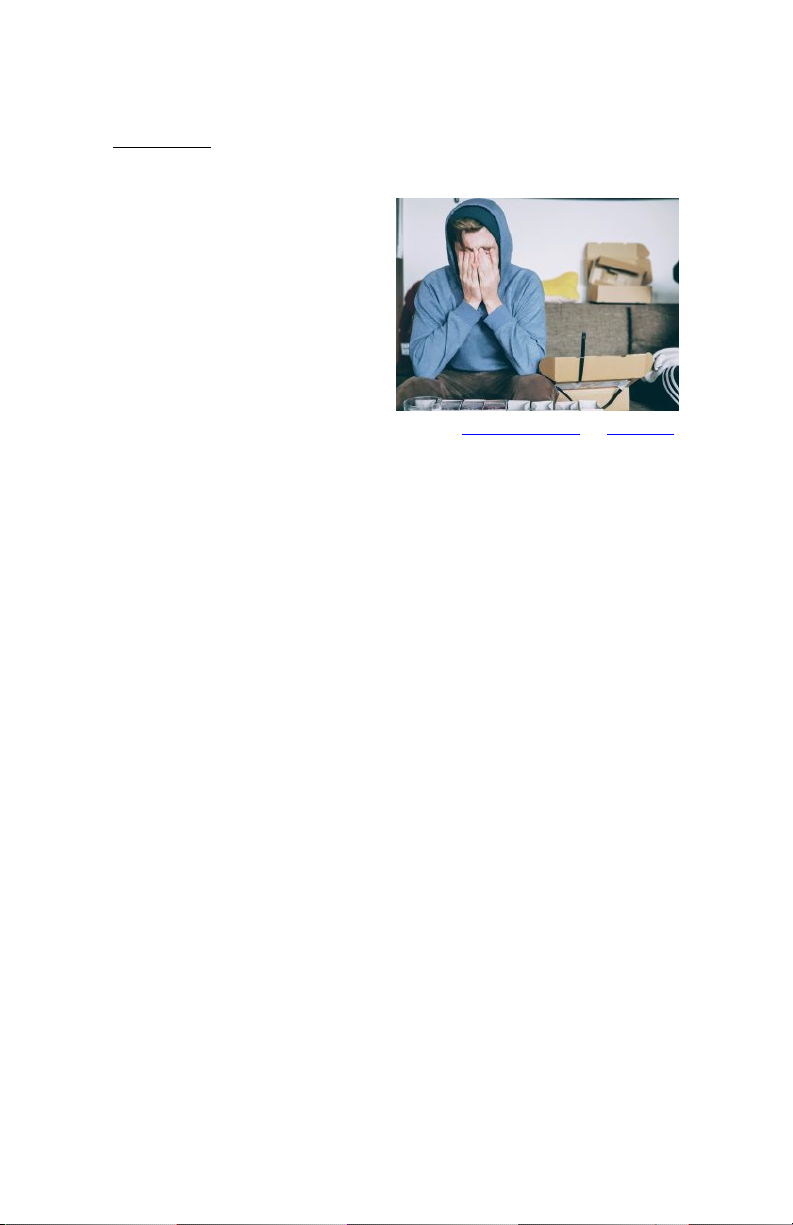
Jason’s parents have been
called by the school social worker to discuss concerns
related to fighting with a peer and declining grades. His
parents also report concerns at home
with poor sibling
relationships, anger issues, and
“a bad attitude, always talking Photo by Christian Erfurt
on Unsplash
back, never listening or doing
what we ask him to do”. They report a long family history of substance
abuse and mental health issues (anxiety and depression). They report
increased concerns related to this as they recently found marijuana in
Jason’s room. Jason (14 y/o) reports “My parents don’t know what
they’re talking about. My little brother and sister just get me in trouble
because I don’t let them touch my stuff, besides, my parents don’t care,
they don’t listen to me, they just want me to do what they say. And I
don’t see what the big deal is with me smoking a little weed, it helps
me feel better and not be so mad all the time.”

What comes to mind when you hear Person-In-Environment?
This approach is the concept that people can be heavily influenced
by their environment. It highlights the importance of understanding
an individual and their behavior through their environment. A
person’s environment, along with their experiences, will help shape
the way they view the world, how they think, and why they respond
the way they do. In Social Work, gathering information from our
clients is a foundation piece of the work we do and knowing what 12 | The Person in Environment