Thai Nguyen Tea - Đề án tạp chí ngôn ngữ Anh
Thai Nguyen Tea - Đề án tạp chí ngôn ngữ Anh. Tài liệu được sưu tầm giúp bạn tham khảo, ôn tập và đạt kết quả cao. Mời bạn đọc đón xem.
Môn: Tài liệu Tổng hợp 3.6 K tài liệu
Trường: Tài liệu khác 3.9 K tài liệu
Tác giả:



Preview text:
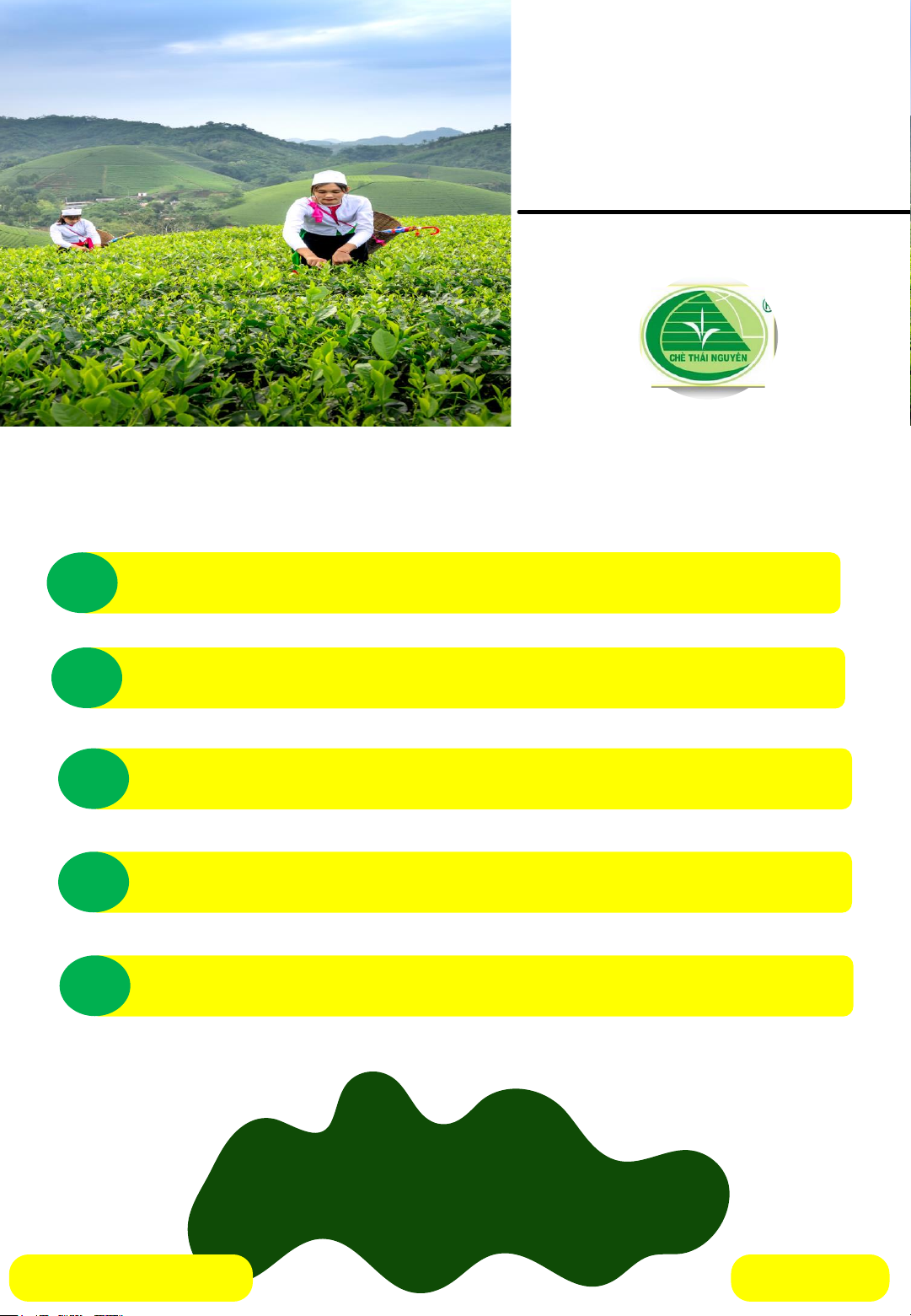
Thai Nguyen Tea – The scent of the earth, the
taste of nature, the spirit of its people.
From lush tea hills to a gently steaming cup, the story of tea is one of culture, identity, and Vietnamese pride. Branding Magazine SEP/2025 ISSUE 01 TABLE Of Contents 01
7 Key Factors Behind the Unique Aroma of Tan Cuong Tea By Nguyen Quang Hieu p3-p10 02
4 Most Famous Thai Nguyen Tea Regions By Nguyen Thi To Uyen p11-p15 03 Tea culture in Thai Nguyen By Nguyen Thi Linh p16-p20 04
Top 5 best Thai Nguyen teas today By Truong Phuc Duy p21-p25 05
How to make delicious Thai Nguyen tea properly By Pham Manh Truong p26-p30 Branding Magazine PAGE.02
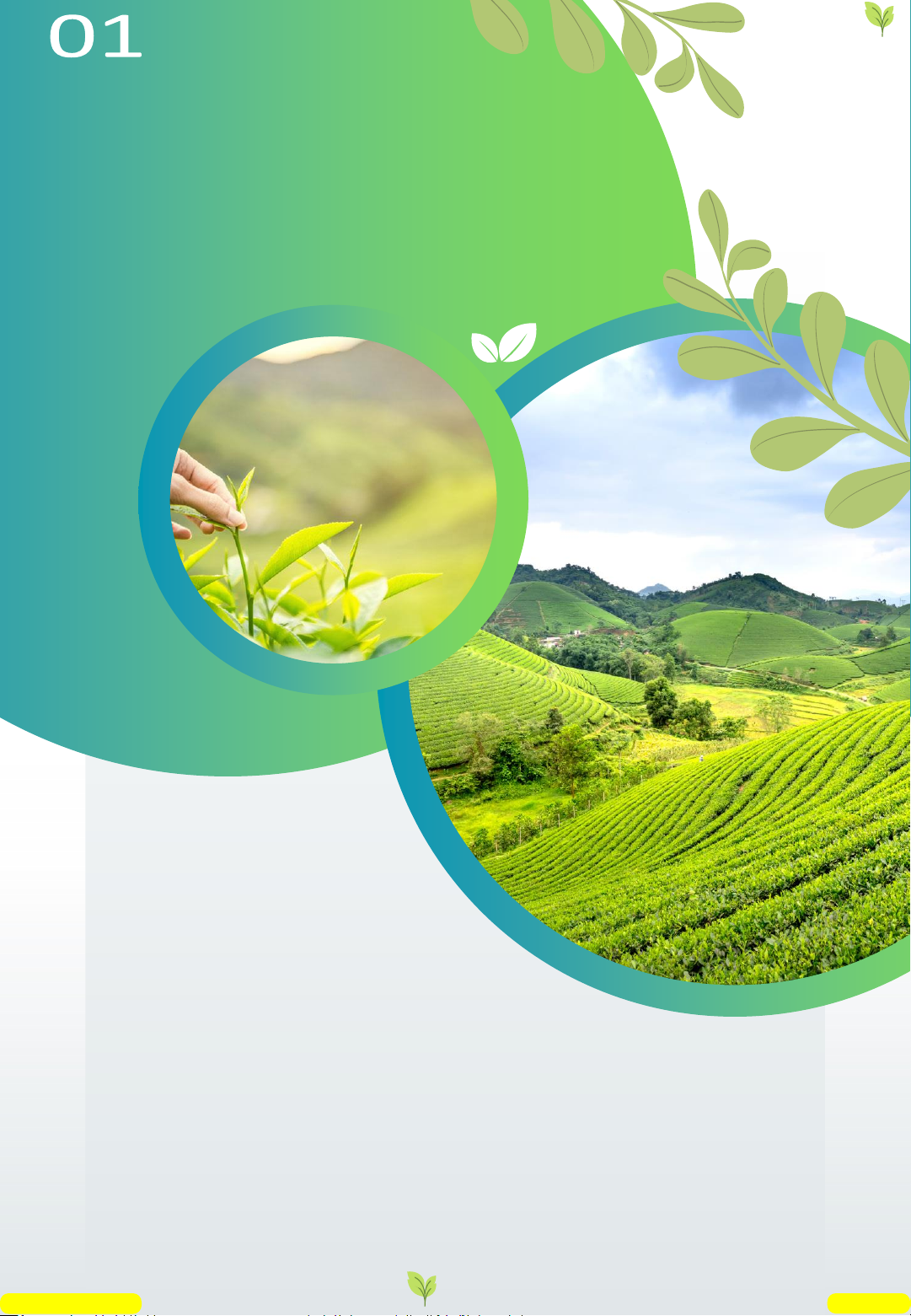
7 Key Factors Behind the Unique Aroma of Tan Cuong Tea
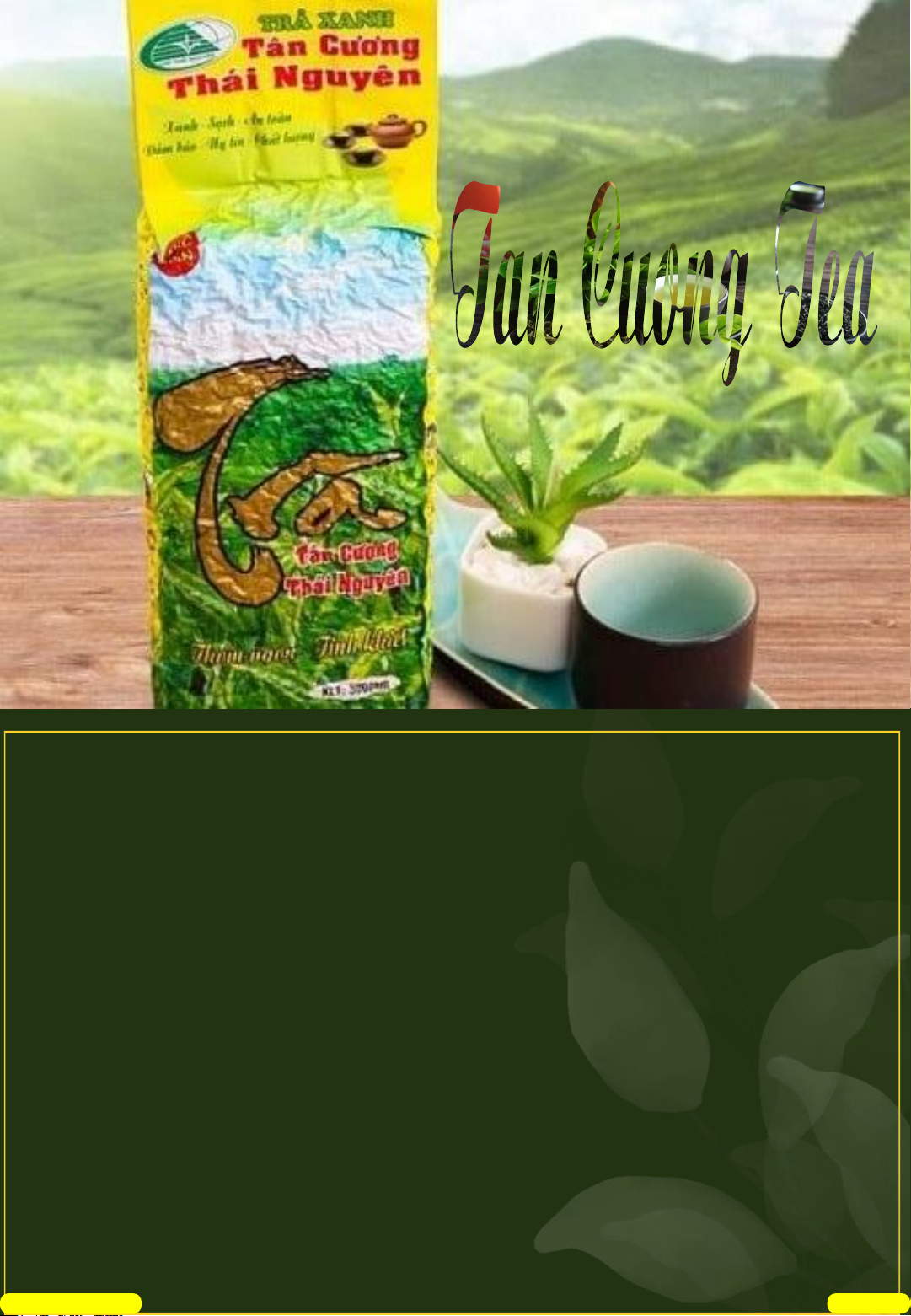
Tan Cuong Thai Nguyen tea has long been mentioned as a symbol of the quintessence
of Vietnamese tea, where the quintessence of heaven and earth and the skillful hands
of humans converge. It is no coincidence that this type of tea is loved by tea
connoisseurs, who cherish each cup like a treasure. What makes people fall in love
with Tan Cuong tea is not the initial bitter taste or the elegant sweet aftertaste, but
the gentle, spreading, rich yet delicate aroma, which seems to be able to awaken
emotions and memories from long ago. That aroma does not come naturally, but is
the result of a series of perfect conditions, from land, climate, tea variety, care to
processing and preservation methods. The seven factors listed below are the pieces
that create the characteristic aroma, making Tan Cuong tea different and lasting over time. Branding Magazine PAGE.03 Fertile soil The source of tea fragrance t
A the foot of the gentle hills of the
midlands of Tan Cuong is a layer of red
clay soil, rich in ancient alluvium and
natural minerals - an ideal environment for
tea trees to grow healthily, young buds to
develop evenly, and accumulate essential
oils and valuable nutrients. The loose,
well-drained but still moist enough properties help the tea tree roots to penetrate
deeply and absorb minerals persistently in each season That layer of soil is like a thick
cushion that nourishes the tea tree with the quintessence of heaven and earth,
helping the tea leaves to have a characteristic dark green color, thick buds and bloom
evenly, which is the premise for creating a passionate yet pure aroma. It can be said
that each cup of Tan Cuong tea is a part of the spiritual energy of the land, where
every inch of land is preserved and cultivated through many generations, transmitting
vitality to each bud and leaf, so that when roasted, the aroma spreads, carrying the
soul of the mountain, the taste of the soil and the mark of time. Branding Magazine PAGE.04 02 Harmonious Climate
Symphony of Morning Dew and Light Sunshine Xinjiang has a cool midland climate, with a too harsh, sunlight is not and keeping the large temperature range too harsh, helping the tea cultivation environment between day and night, a leaves dry moderately, clean. Thanks to the thick layer of dew in the the essential oils do not evaporate too soon, excellent balance early morning and light thereby preserving the between humidity and sunshine, creating ideal natural aroma. Gentle light, Xinjiang tea trees conditions for tea trees to winds from neighboring are not physiologically accumulate essence slowly valleys often blow stressed, thereby and deeply. The sparkling through the tea fields, producing many aromatic dew drops of the first day helping the air circulate, reducing pests substances such as permeate each tea bud, theanine, polyphenols while the sunlight is not too and characteristic ester harsh, compounds. Branding Magazine PAGE.05 03 Native Tea Varieties The Origin of Deep Fragrance
On the tea hills in Tan Cuong, people
are still loyal to the traditional midland
tea variety – a long-standing variety,
famous for its ability to adapt well to local
conditions and especially for its high
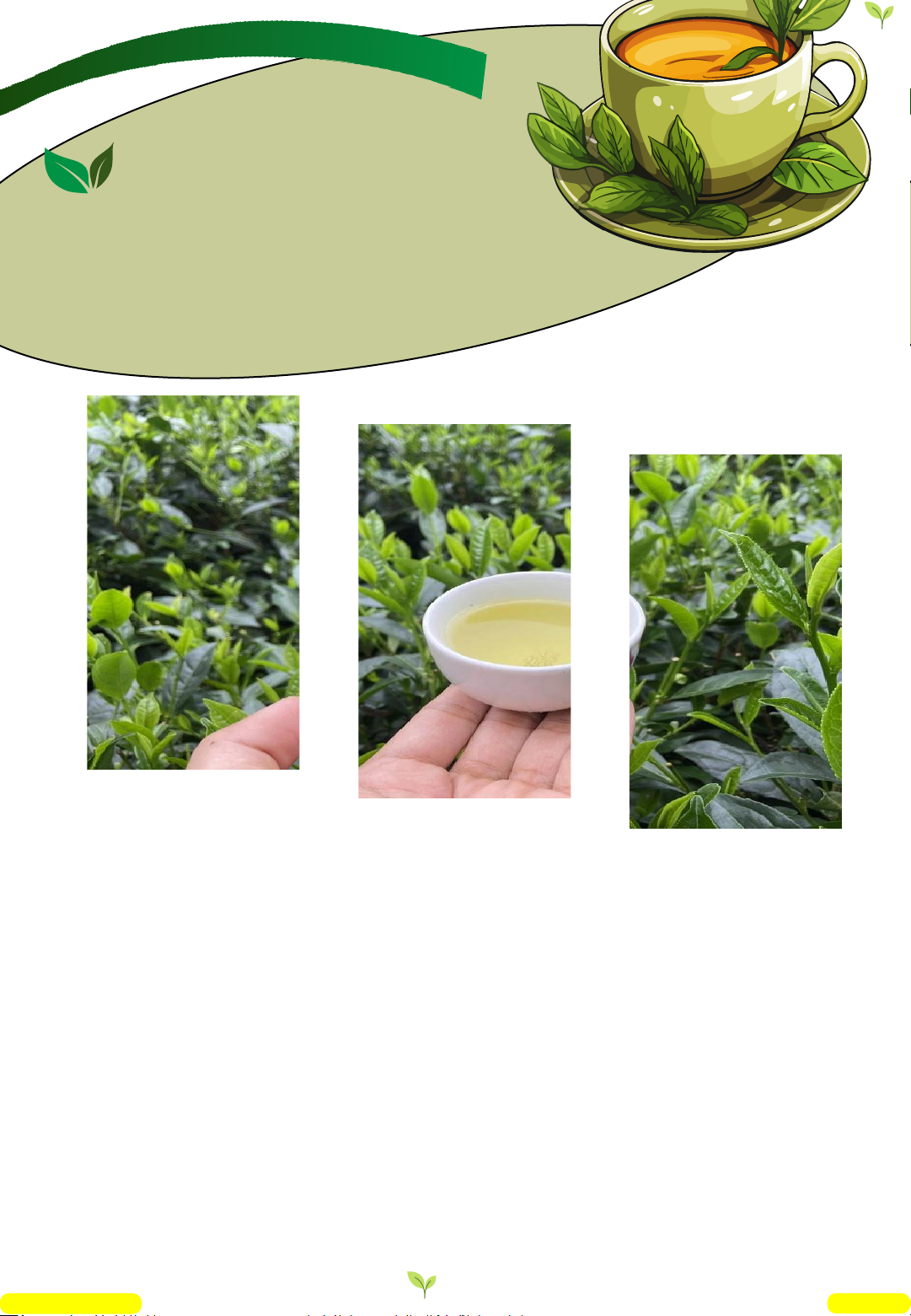
essential oil content. The tea buds are
small, with many fine hairs, and are green
when young, with a slender but sturdy
stem that easily absorbs nutrients from the soil and air.
Unlike modern hybrid teas that are
biased towards productivity, native tea
varieties grow slowly, accumulating
fragrance over time. When picked and
processed, the natural essential oils
stored in each young bud will burst into a
gentle fragrance like young grass, with a
faint scent of young rice, mixed with a
light and long-lasting sweet aftertaste. Branding Magazine PAGE.06 04 Natural care process
Preserving the purity of each tea bud
Tan Cuong tea makers have long been
imbued with the philosophy of "following
nature", which means cultivating
naturally, respecting the growth cycle of
the plant and minimizing artificial
intervention. The tea hills here are
carefully tended by hand, using
composted manure, rice water, wood ash,
rice husks and easily decomposable
organic materials to nourish the plants.
In each tea season, people prune
branches, loosen roots, manually weed
and use biological measures to prevent
pests and diseases, helping the tea plants
grow healthily, without accumulating
chemical residues that affect the flavor.
The tea plants grow slowly, without being
forced, thereby producing a stable amount
of essential oils, the aroma is not changed by chemical intervention. Branding Magazine PAGE.07 05 The art of tea picking
Filtering the essence from the golden hours
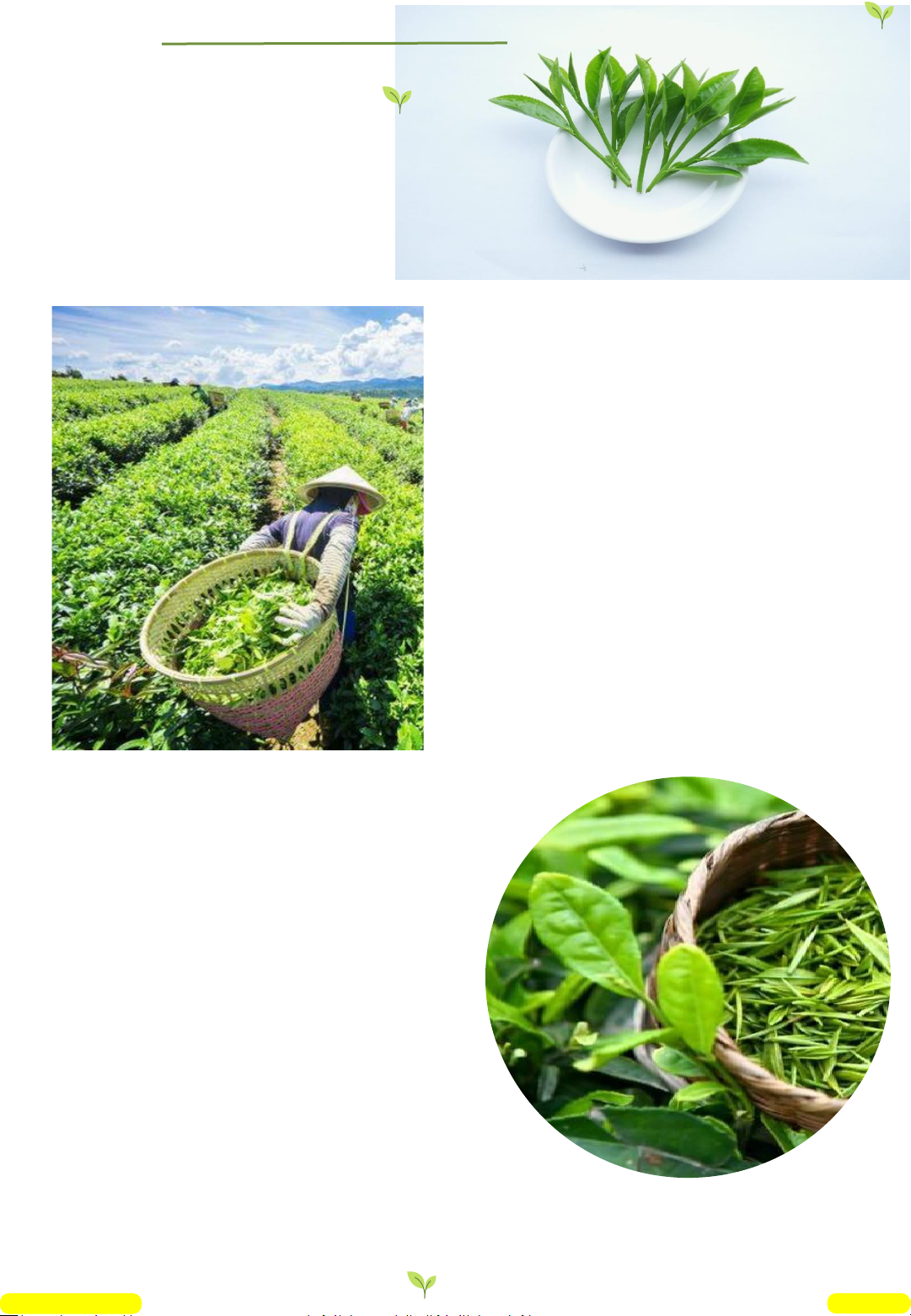
It is not always possible to pick high-
quality tea buds. Tan Cuong tea growers
The golden rule in harvesting is "one
carefully choose the time to harvest,
bud, two leaves" - that is, only take the
usually from 5am to 8am, when the tea
young buds at the top of the branch and
buds are still shriveled by the night dew,
the two next leaves. This is the part that
not yet opened, containing a lot of sap and
contains a lot of essential oils and has the
essence. Harvesting at this time helps to
strongest aroma. If picked too early, the
preserve the intact amount of essential oils
buds will not have enough nutrients; if
that have not been evaporated by the
picked late, the old leaves will lose the
sunlight, thereby keeping the aroma longer
sweetness and purity of the tea. and clearer after roasting. . Branding Magazine PAGE.08 06
Traditional roasting technique
Preserving the soul of the tea in every scent
The roasting step is where all the essence
of the tea making process converges,
directly determining the aroma, dryness,
color and curl of the dried tea. In Tan
Cuong, tea roasters use traditional cast
iron pans, heated by firewood or charcoal,
stirring constantly so that the heat spreads
across the surface of the tea buds without burning them.
Tea roasters do not use watches to keep
time, but instead use their ears, listen to
the rustling sound, use their noses to
measure the aroma emanating from the
pan, and use their hands to know how dry
the tea is, whether it is firm enough. All
senses join in an instinctive dance, where
each movement affects the final result - a
batch of standard fragrant tea, with a light
green color, evenly curled strands, a
gentle aroma and not too astringent.
This hand-roasting technique requires sophistication and many years of
experience, because even a small deviation in time or temperature can
cause the aroma to be lost and the taste to be distorted. That is why Tan
Cuong tea is precious - because each batch of tea is not only a product but
also a work of art, a testament to the hard work and heart of the tea maker. Branding Magazine PAGE.09 07
Proper storage technique
Preserving the aroma of tea like preserving a treasure
After roasting, tea needs to be properly stored so
as not to lose the aroma that has been painstakingly
cultivated. In Tan Cuong, people often store tea in
vacuum bags and then put them in earthenware jars or tin boxes with desiccant
packets, placed in a dry, cool place, away from sunlight and direct heat sources.
Some sophisticated tea makers also store tea in ceramic jars with tight lids,
placed in a cool cellar so that the aroma of the tea "ripens" over time, giving off
a stronger and deeper flavor. Storage is not simply to maintain quality, but also
part of the art of processing – where every smallest detail affects the final result. Branding Magazine PAGE.10 4 Most Famous By Nguyen Thi To Uyen
Thai Nguyen is a place that when mentioned, people will immediately think of
the famous specialty here, which is tea. Thai Nguyen tea has been formed and
developed for a long time with the planting area being among the top in the
country. 4 famous Thai Nguyen tea regions include: Tan Cuong, Trai Cai, La Bang
and Phu Luong, each region has its own unique characteristics, creating a
diverse tea product of Thai Nguyen. Branding Magazine PAGE.11
THAI NGUYEN TEA REGION IN TAN CUONG
Tan Cuong is the most famous tea region
of Thai Nguyen province. Tan Cuong tea
region is a semi-mountainous area, the
region includes 3 communes: Tan Cuong
Commune, Phuc Triu Commune, Phuc
Xuan Commune. Tan Cuong Thai Nguyen
tea region always produces top quality
tea products. This is also the origin of
the development of Thai Nguyen tea trees.
Thai Nguyen Tan Cuong tea area
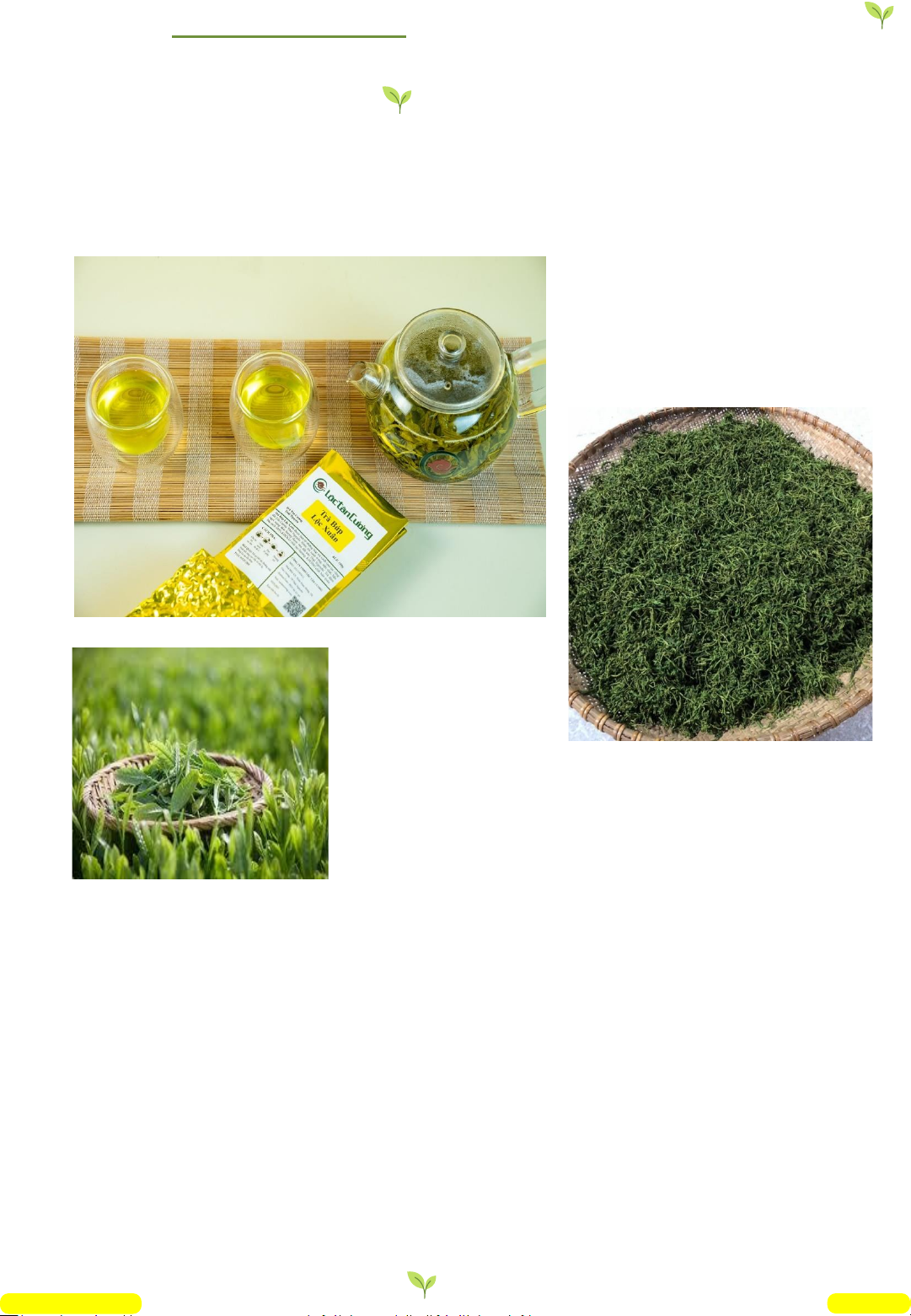
currently has more than 400 hectares of Tan Cuong tea products have a
tea plantations, this tea area is favored
characteristic dark green color, small petals,
by natural conditions that are very
tightly twisted like a hook. When brewed, it
suitable for the development of tea. In
has a prominent young rice aroma, a
addition to natural conditions, there are
yellow-green water color, the tea has a
other factors that create the reputation
slightly astringent taste when first drunk
of this tea area, which are the methods
and a sweet, deep and creamy aftertaste of
of cultivation, care and nurturing of tea
tea. If you are a tea lover, then look for trees of the people here.
products from Tan Cuong tea region, it
certainly will not disappoint you. Branding Magazine PAGE.12 PHU LUONG TEA REGION
In Phu Luong tea region, we must
mention famous tea growing locations
such as: Tuc Tranh, Vo Tranh, Khe Coc, Phu Do. With more than 4,300
hectares of tea growing, 35 craft
villages, Phu Luong district is one of
the Thai Nguyen tea regions with the
largest tea output in the province.
Phu Luong district has a famous tea
brand called Khe Coc tea, although
the growing area here is small, in
recent years it has been planted with
many new varieties, and the planting
With the name of Khe Coc tea village, and
and care methods have also been
the rich, strong flavor grown on fertile hill significantly improved.
land with water from the stream flowing
down, favorable for the development and
improvement of tea quality. Khe Coc tea
brand in the near future will become a
famous drink with a rich, strong flavor in Thai Nguyen tea land. Branding Magazine PAGE.13 La Bang - Dai Tu Tea Region
Over many years of formation and
development, this tea region has also
introduced to the market a number of
delicious tea products, Thai Nguyen tea
specialties such as: green tea, young tea,
oolong tea, etc. With the growing and
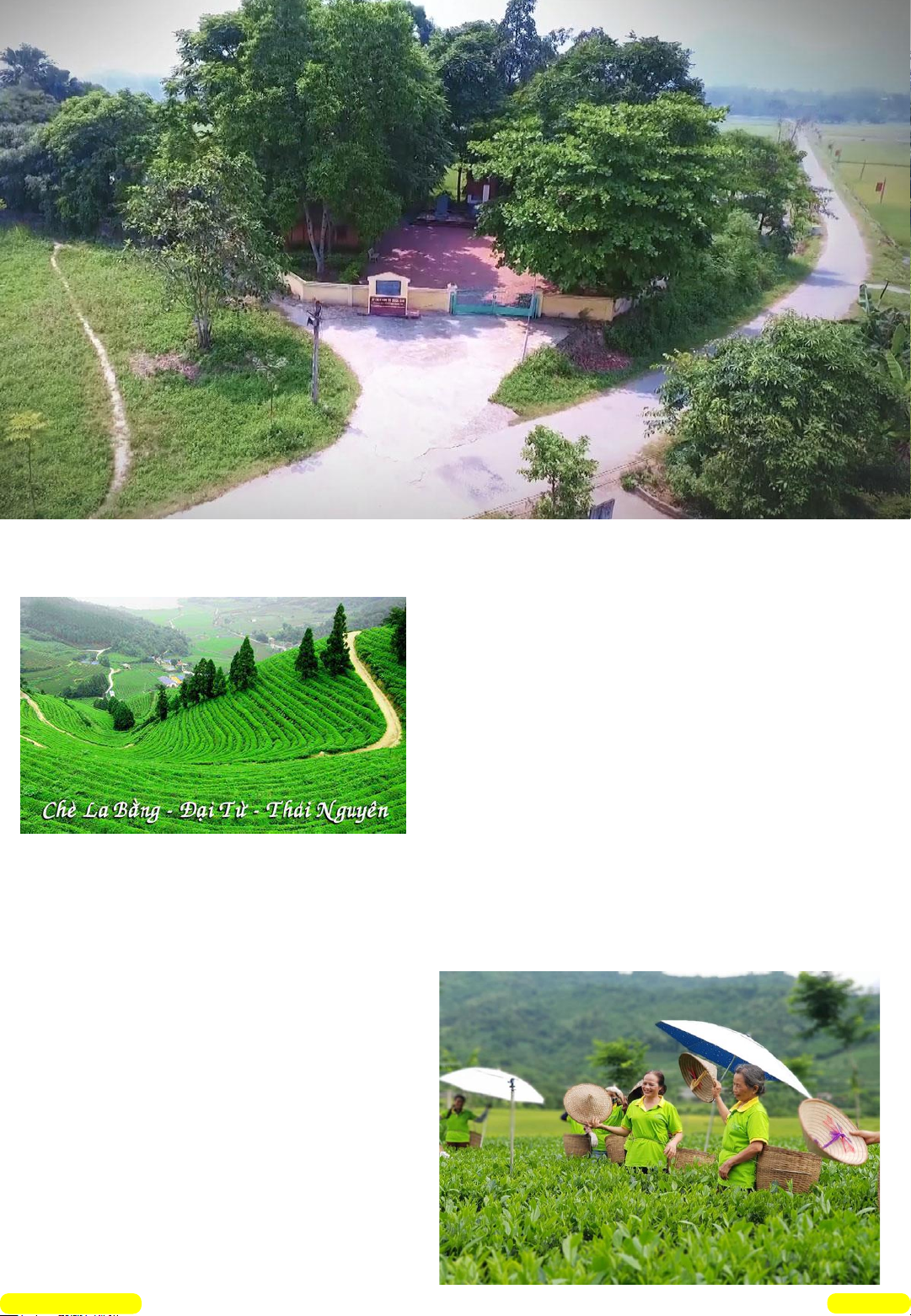
This tea region in Dai Tu district is
production processes gradually being
most famous for the La Bang tea
improved, this promises to be a strong tea
cluster. La Bang tea is one of the
region of Thai Nguyen province in the
famous tea brands of Dai Tu district in coming years.
particular and Thai Nguyen province
in general. The total tea growing area
here is about 200 hectares, although
smaller than Tan Cuong tea region,
the quality here is not inferior to
other tea regions. La Bang commune
has also started to grow and produce
tea according to VietGap standards
and the whole commune has more
than 10 traditional craft villages. Branding Magazine PAGE.14 Trai Cai Tea Region
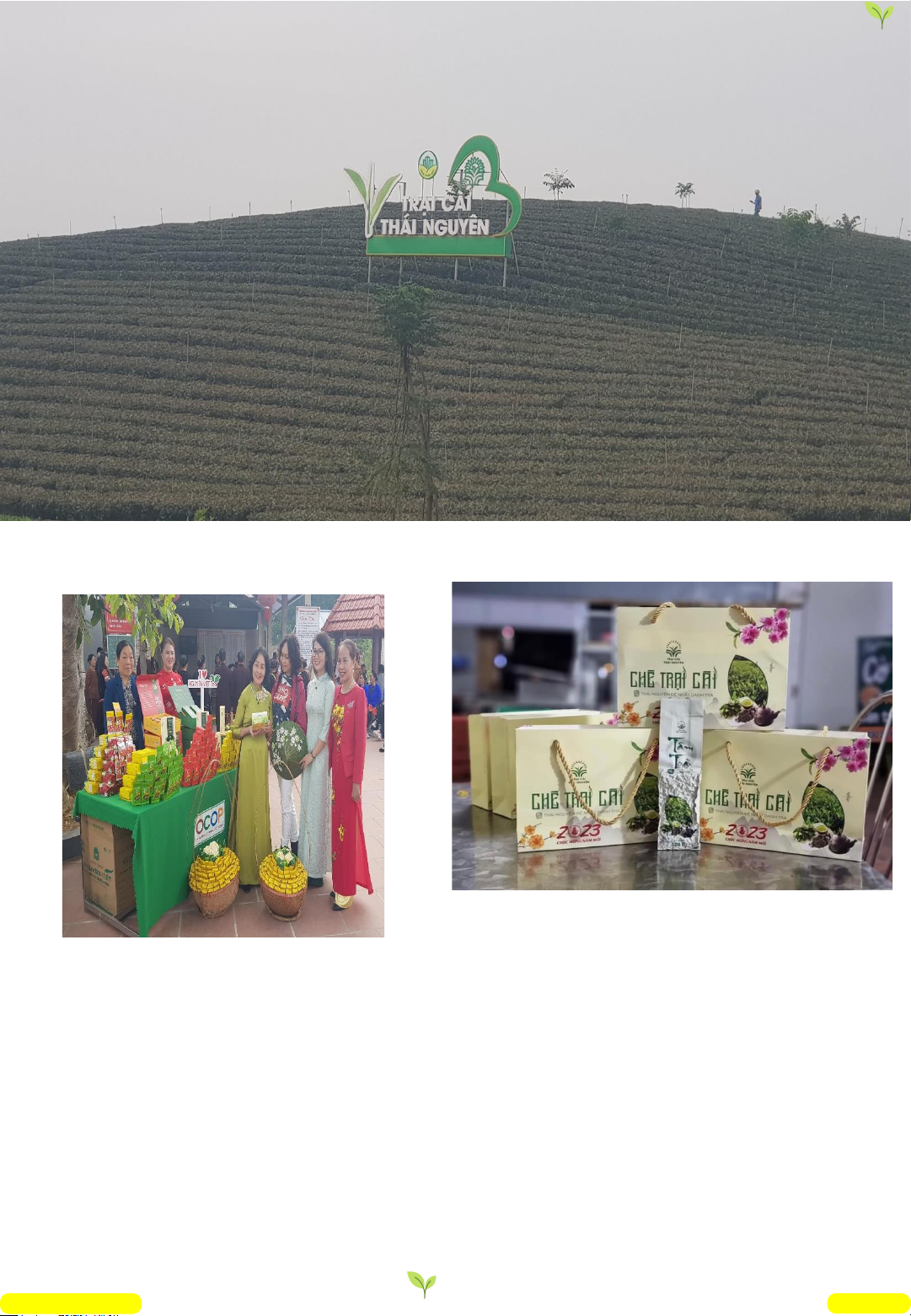
Trai Cai Thai Nguyen tea area has about 600
hectares of tea plantation including 2
Trai Cai Tea, Thai Nguyen, in Dong Hy
communes: Minh Lap and Hoa Binh
District, Thai Nguyen Province, is one
commune, the area planted far from Minh
of the Thai Nguyen tea regions that
Lap is about 400 hectares larger. The tea
has delicious tea with its own special
hills here are all carefully cared for and
flavor, with a gentle aroma of young
developed evenly. The tea processing areas
rice, honey-yellow liquid, moderate
in families are built separately, clean and
astringency, and sweetness later. Tea
hygienic, ensuring safety in production. The
from Trai Cai has a flavor quite similar
tea products here are also produced
to Tan Cuong tea, making it difficult to
according to VietGap standards. distinguish. Branding Magazine PAGE.15 By Nguyen Thi Linh
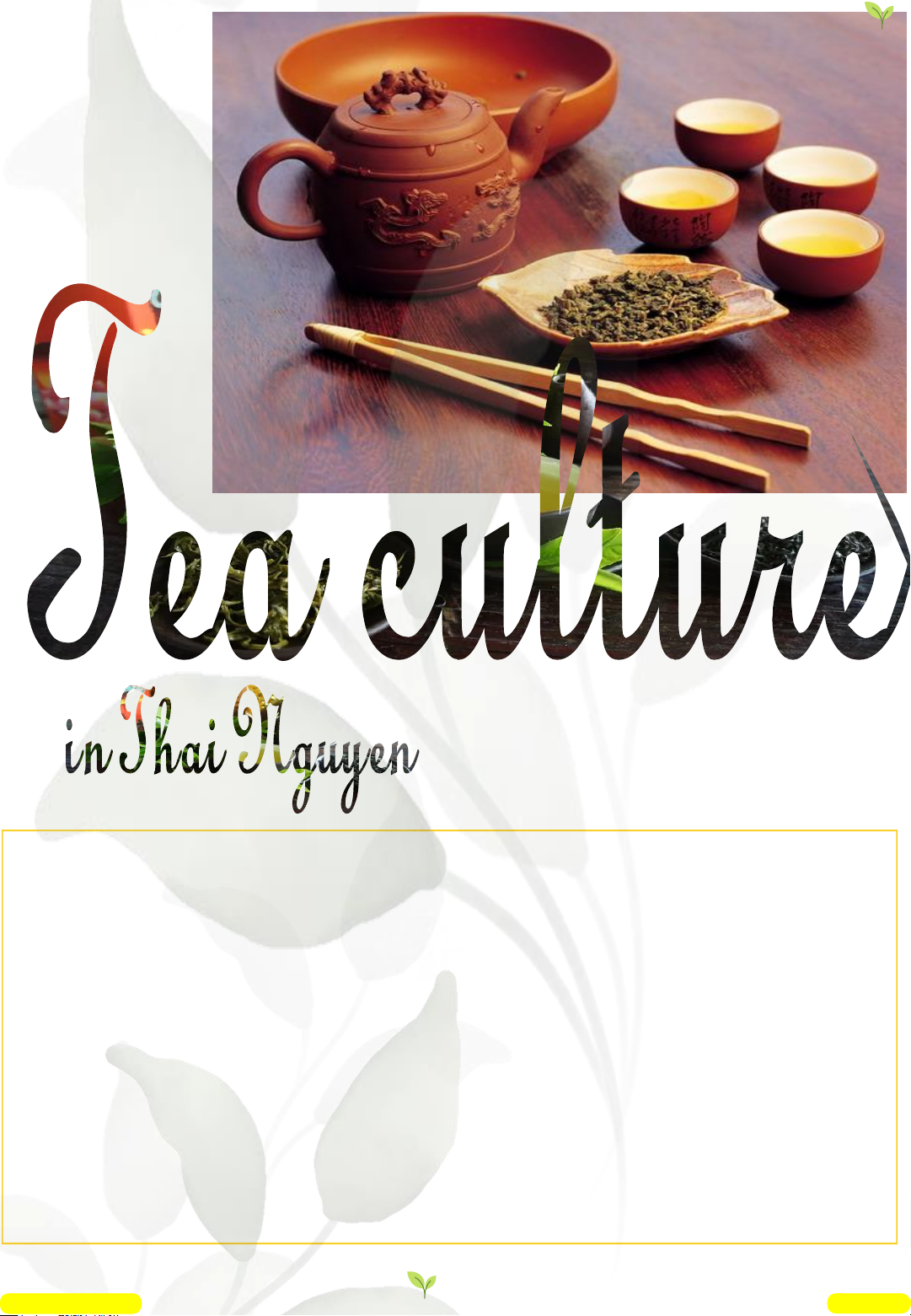
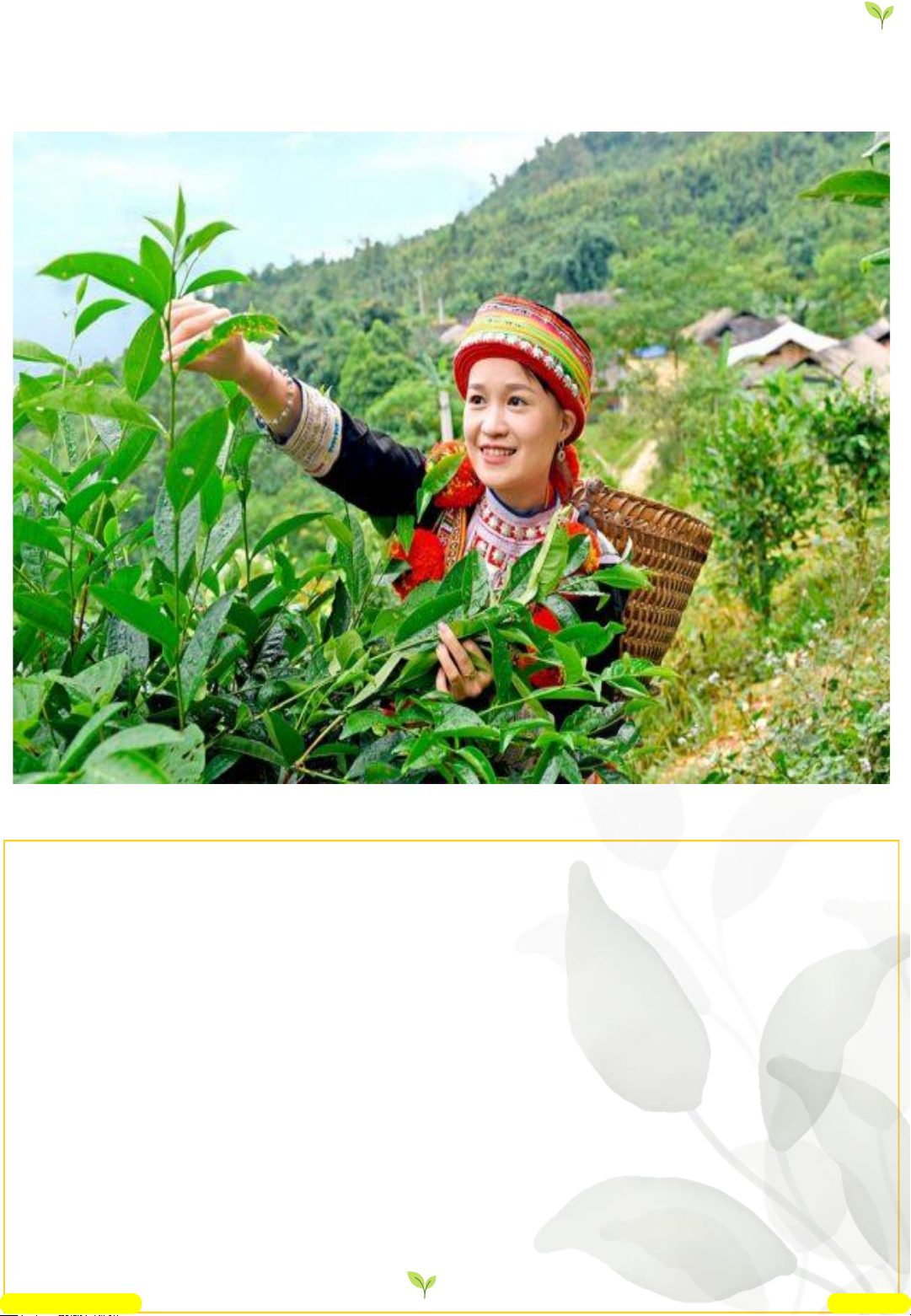
When mentioning Thai Nguyen, we are talking about tea trees and tea culture,
with famous tea regions nationwide such as Tan Cuong, La Bang (Dai Tu district),
Trai Cai (Dong Hy district), Khe Coc, Tuc Tranh (Phu Luong)... Tea village culture
has become one of the typical tourism products in Thai Nguyen. Branding Magazine PAGE.16
"First water, second tea, third brewing, fourth teapot"
When mentioning Thai Nguyen, we are talking about tea trees and tea culture,
with famous tea regions nationwide such as Tan Cuong, La Bang (Dai Tu district),
Trai Cai (Dong Hy district), Khe Coc, Tuc Tranh (Phu Luong)... If in the past, a
piece of betel was considered the beginning of a conversation, now, a cup of tea
is considered indispensable in daily life or meetings about work, visiting...
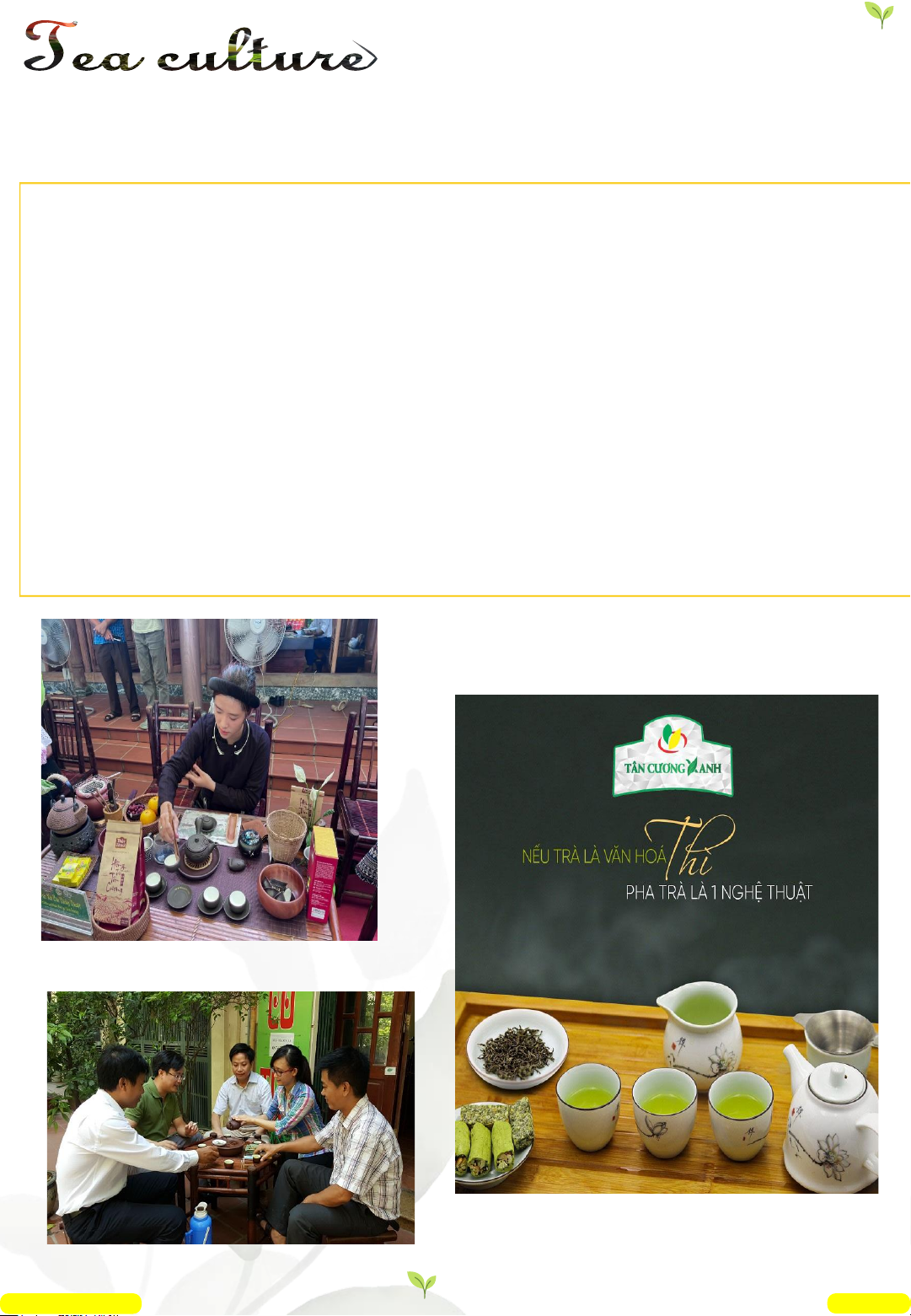
“First water” means choosing clean water to make tea, from the source.
“Second tea” means choosing good tea, from color to natural flavor according
to Thai Nguyen standards. “Third brewing” is a very important part to create the
flavor of a cup of tea, that is rinsing the teapot, rinsing the tea with water first,
then brewing the tea. “Four teapots” is how to choose a teapot among
countless types, you should use a ceramic teapot (or purple clay teapot)
because this type can help keep the heat longer, the flavor of the tea will also be kept intact. Branding Magazine PAGE.17
Thai Nguyen tea culture is also shown in the way of offering and enjoying tea.
The correct way to offer a cup of Thai Nguyen tea is to hold the cup with the
middle finger, and the index finger and thumb support the mouth of the cup.
The person offering the tea and the person receiving the tea are both respectful
and humble, before drinking, they move the cup to the left hand, look at it with
their eyes, then move it to the right. To hold a tea cup, turn your palm inward,
bring the cup close to your nose to smell the tea aroma, then cover your mouth and take a small sip. Branding Magazine PAGE.18
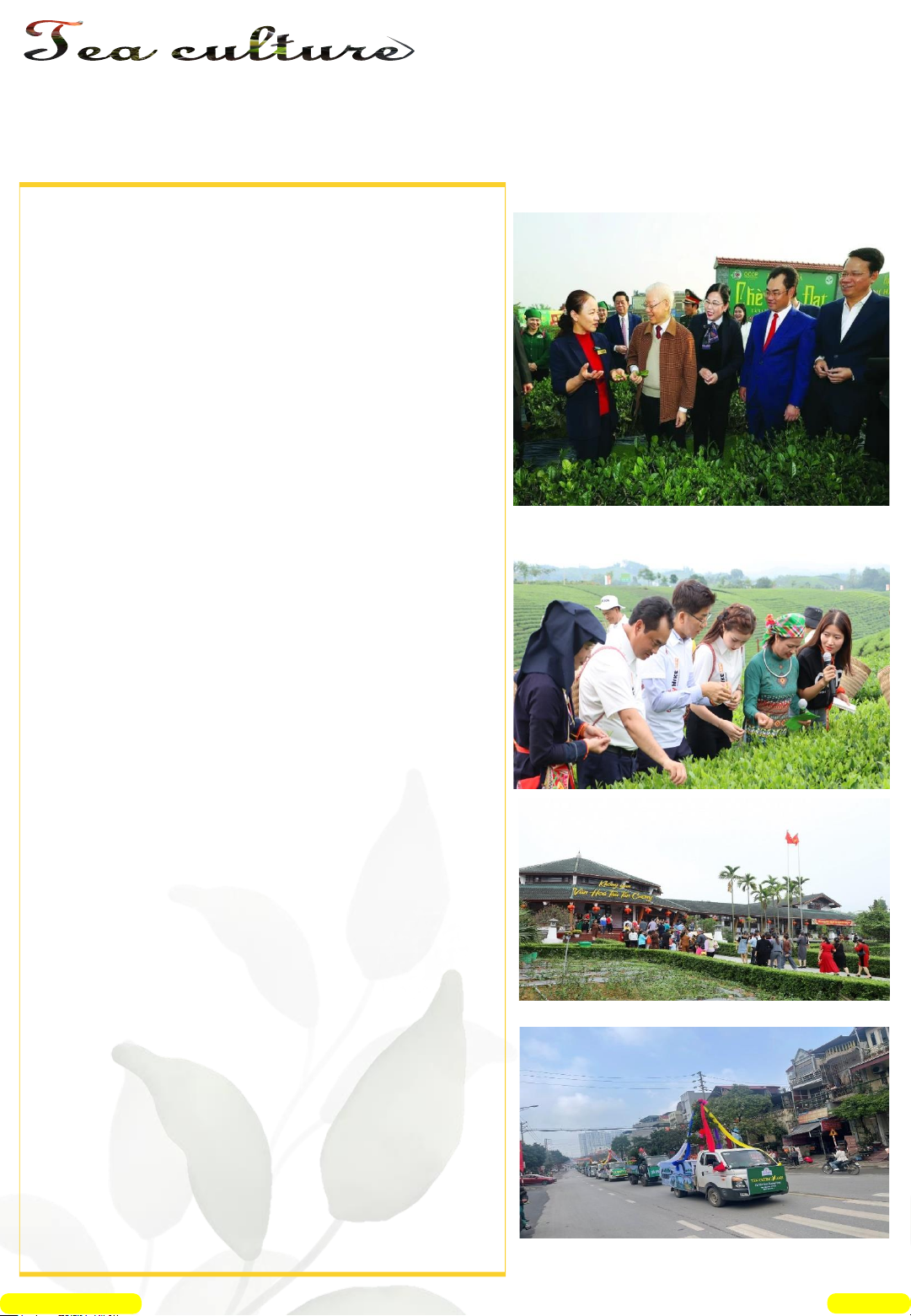
Preserving and promoting the value of tea culture
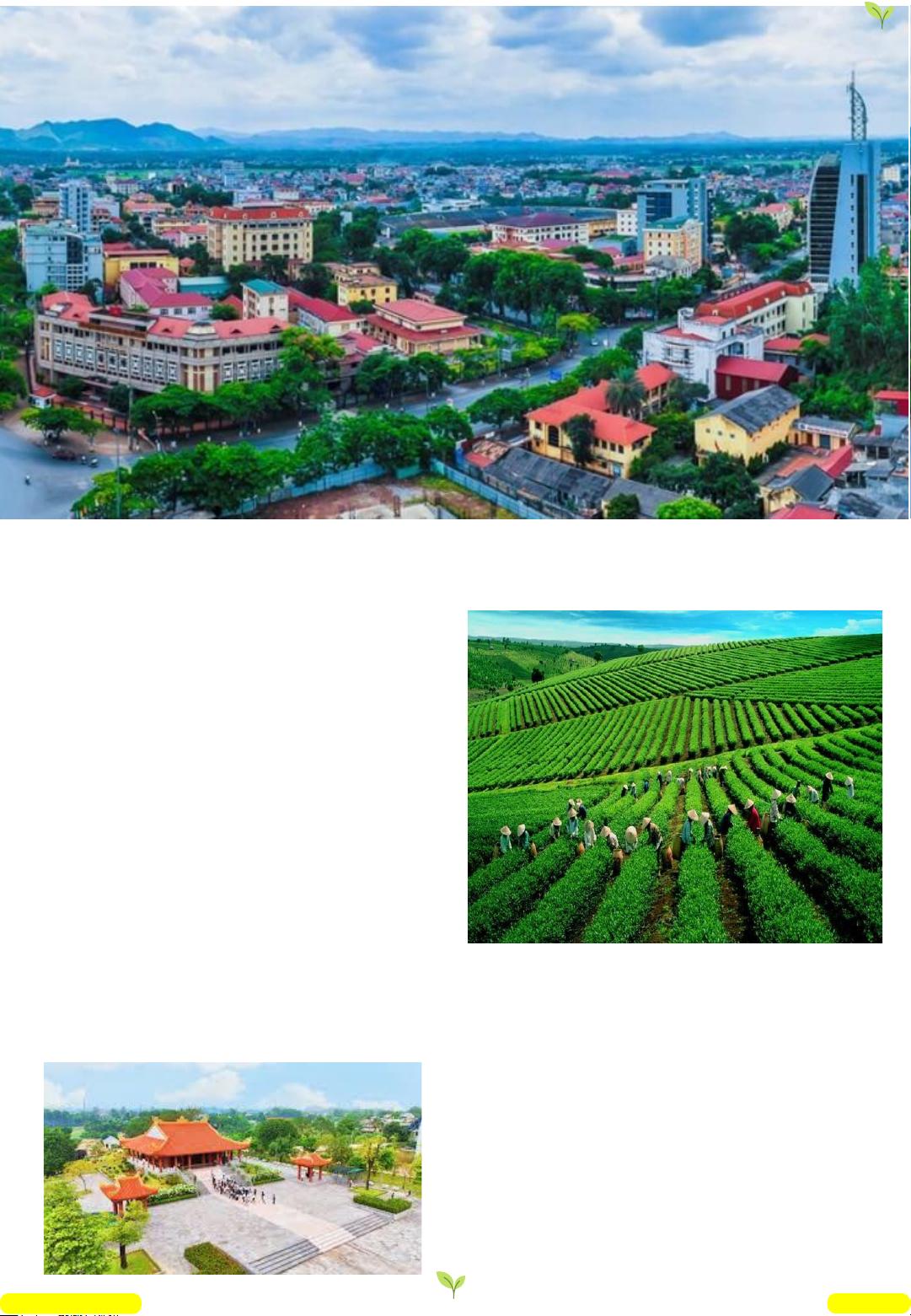
In Thai Nguyen, the Spring Tea Festival originated from
Guoc hamlet - which is considered the ancestral land of
Thai Nguyen tea trees. This unique festival is organized
annually by the people of Guoc hamlet in early spring,
with activities such as tea-making competitions,
performing arts, throwing shuttlecocks, swinging,
cockfighting, martial arts, poetry reading, etc. Later, the
festival was upgraded to Tan Cuong Spring Tea Festival
with more unique content such as tea-making
performances and tea invitations. Gradually, this
cultural activity was expanded to tea regions in Thai
Nguyen such as La Bang (Dai Tu district), Trai Cai (Dong
Hy district), Khe Coc, Tuc Tranh (Phu Luong) ... The Tea
Culture Festival in tea regions in the province has
become an indispensable periodic activity, a typical
cultural feature of Thai Nguyen province.
According to the Department of Culture, Sports and
Tourism of Thai Nguyen, after the Prime Minister
approved the project "Preserving and promoting
tangible and intangible cultural values of Thai Nguyen
Tea", from 2013 to now, this unit has advised the
People's Committee of Thai Nguyen province to
successfully organize 03 tea festivals on a national and
international scale. Not only creating a driving force to
promote socio-economic development, Thai Nguyen
Tea Festival also contributes to preserving and
promoting tangible and intangible cultural values of Thai
Nguyen Tea, improving the quality and value of tea
products; at the same time, expanding cultural
exchange and international integration, promoting the
development of the Vietnamese tea industry in general
and Thai Nguyen province in particular.
In addition, the famous tea brand helps Thai Nguyen
province attract domestic and international tourists.
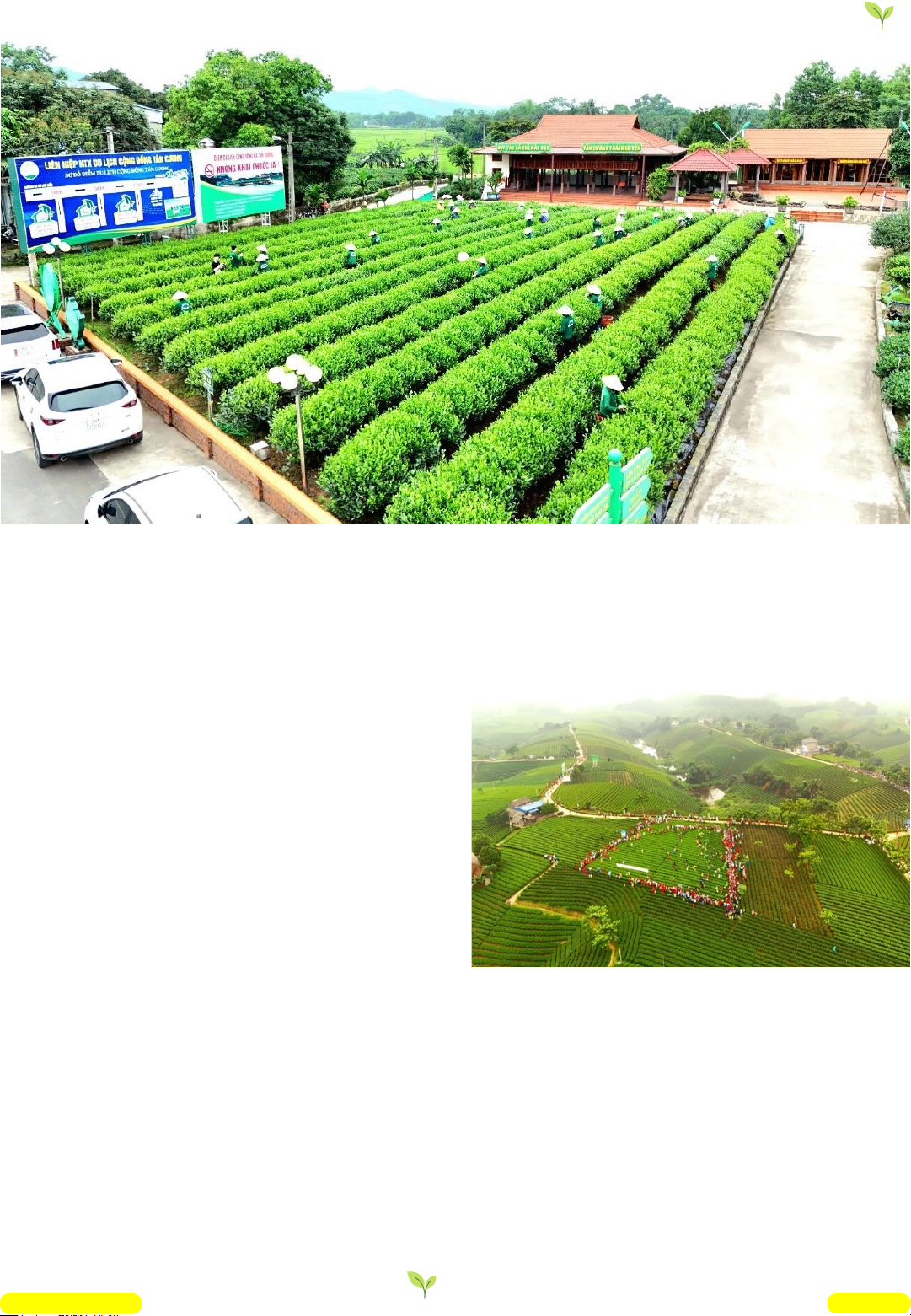
From the vast green tea hills, many establishments now
open additional services to welcome visitors, create
eco-tourism areas, and experience tea culture. In the
Tan Cuong tea region, the community eco-tourism
model here has developed well, creating attractive
products that make many tourists excited and
impressed. Some typical models are Tam Tra Thai
Cooperative, Tien Yen Tea and Community Tourism
Cooperative, Hao Dat Tea Cooperative; Tan Cuong Tea Cultural Space... Branding Magazine PAGE.19 Top 5 best Thai Nguyen teas today By Truong Phuc Duy
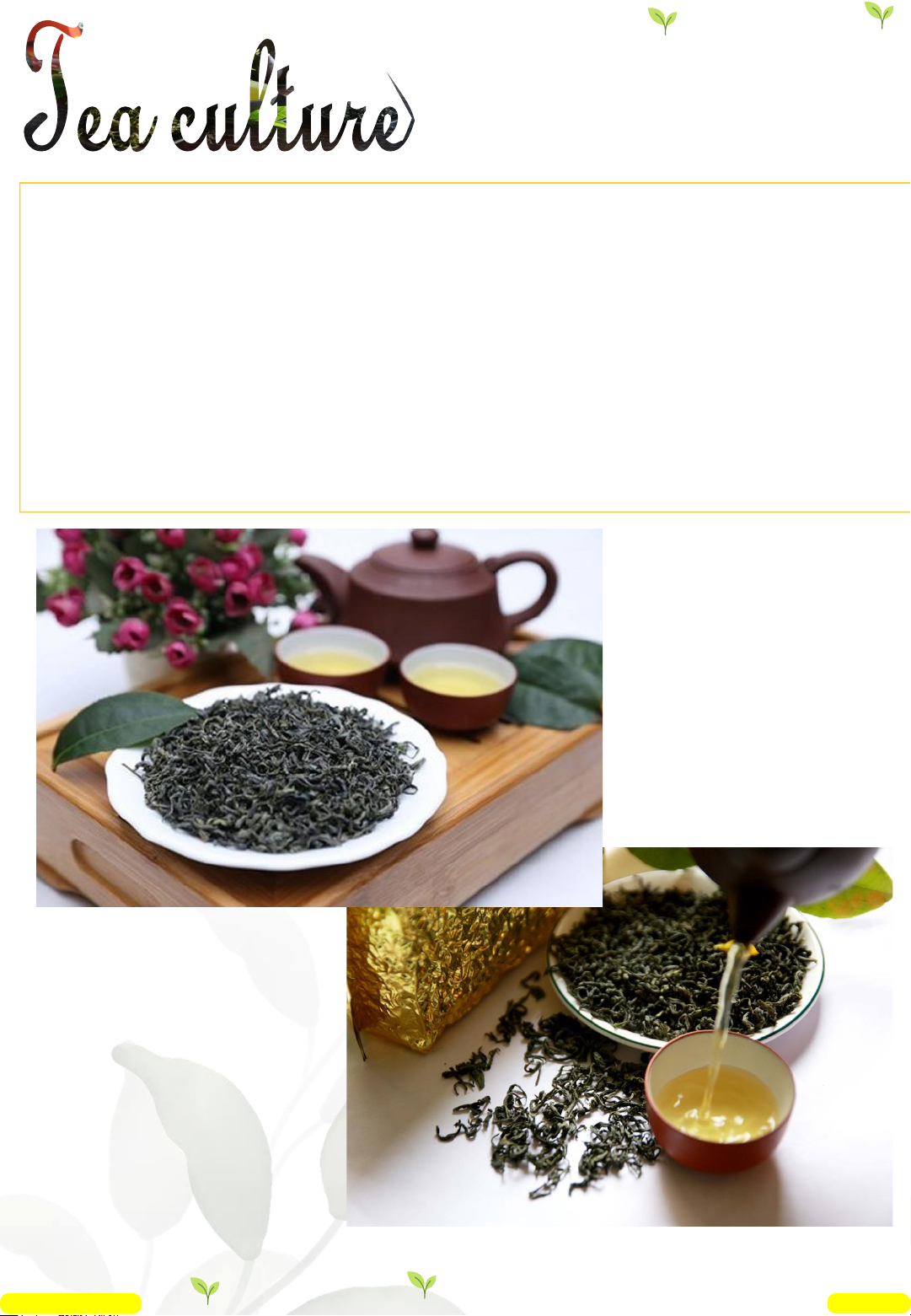
The Thai Nguyen tea market is extremely diverse
with many different types of tea, each with its
own characteristics and flavors. Below are the
types of tea that are most highly rated for quality
and are popular with consumers. Branding Magazine PAGE.20
Tài liệu liên quan:
-

Ung dung game hoa trong cac chien dich MKT
18 9 -
Bao cao Chi so TMDT Viet Nam 2025
15 8 -
Thông tư quy định về việc phân quyền, phân cấp và phân định thẩm quyền quản lý nhà nước về giáo dục cho chính quyền địa phương
24 12 -
Nghị quyết về phát huy các giá trị di sản văn hóa gắn với phát triên du lịch bền vững tỉnh Khánh Hòa đến năm 2025, định hướng đến năm 2030
14 7 -

Quyết định phê duyệt Chiến lược phát triển du lịch Việt Nam đến năm 2030
13 7