Bach Cello Suite No. 1 Prelude: Tuning for Electric Bass| Thực tập cơ bản | Trường Đại học Bách Khoa Hà Nội
Johann Sebastian Bach (1685 - 1750) is the most highly reveredcomposer of the German baroque era. He is considered by most music historians to be among the greatest musical geniuses, improvisers, and prolific composers in the history of western-based music . Tài liệu giúp bạn tham khảo, ôn tập và đạt kết quả cao. Mời đọc đón xem!
Môn: Thực tập cơ bản 331 tài liệu
Trường: Đại học Bách Khoa Hà Nội 5.6 K tài liệu
Tác giả:





Preview text:
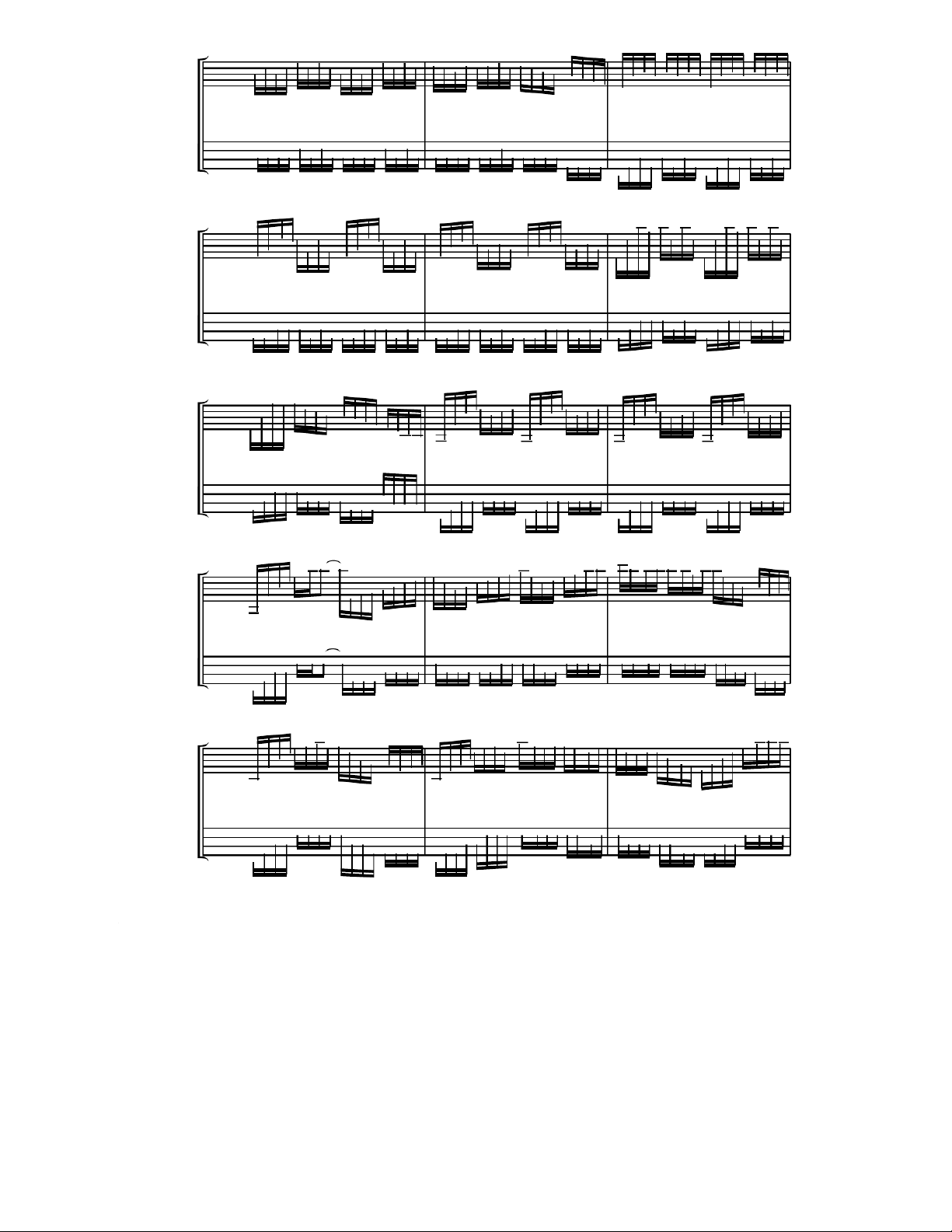
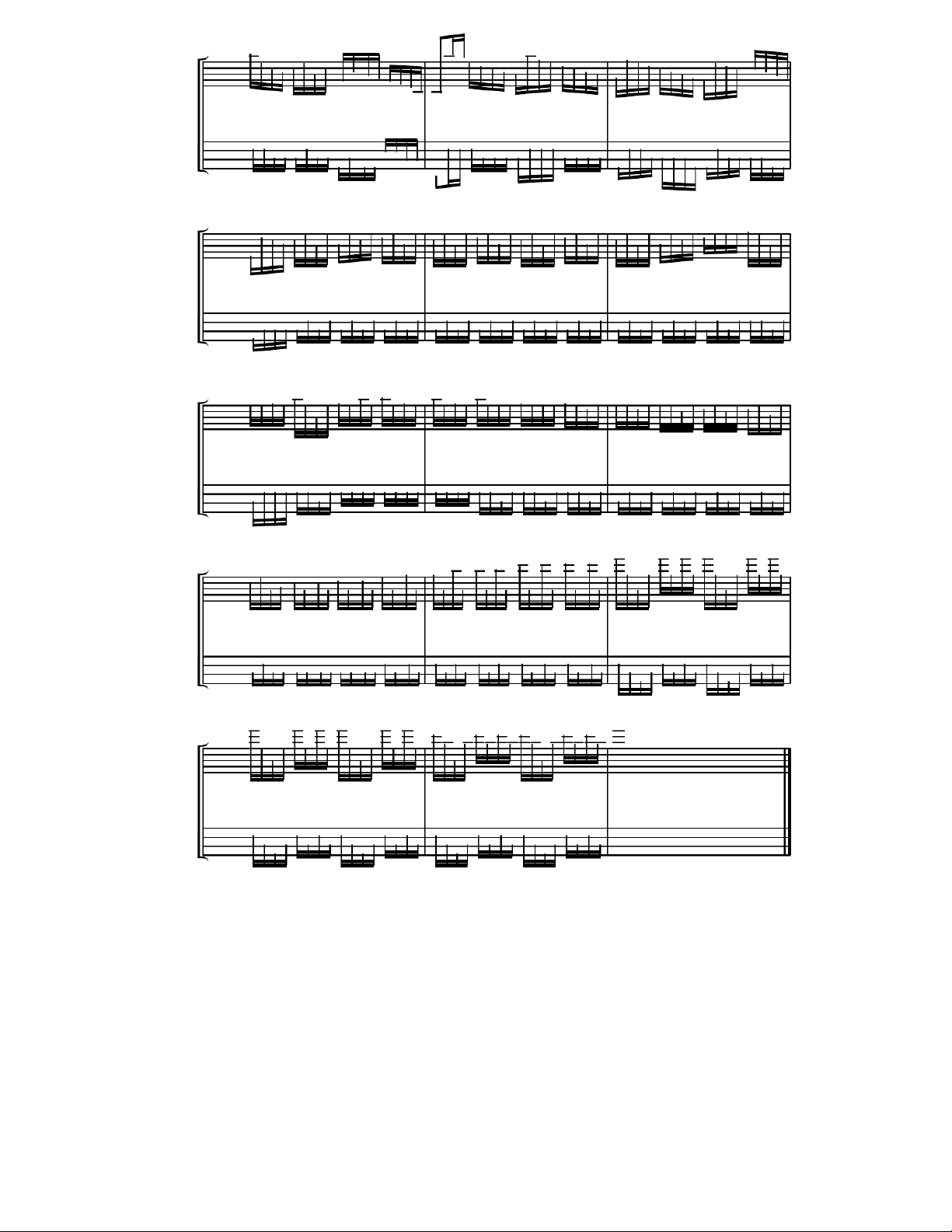
Cello Suite No. 1 - Prelude Johann Sebastian Bach
Arranged For Solo Electric Bass By Cliff Engel Cello Tuning: CGDA 1
œœœœœœœœœœœœœœœœ
œœœœœœœœœœœœœœœœ
? #44 œœœœœœœœœœœœœœœœ T
12121412141214121212141214121412 12141514151415141214151415141514 12161514151615161216151415161516 A B
4? # œœœœœœœœœœœœœœœœ
œœœœœœœœœœœœœœ#œ
#œ œœœœœœœœœœœœœœ T
12171412141714171217141214171416 1214141214171617141716171612 1816 18171217121712171817121712171217 A B
7œœœ#œ œœœœœœœœœœœ
œ#œ œœœœœœœœœ#œ œœ ? #
œœœœœœœœœœœœœœœœ T
161217 16171217121612171212161412
16 1812141218161417161417 16141217 A
16161716171617161616171617161716 B
10 œœœœœœœœœœœœœœœœ
œœœœœœœœœœœœœœœœ ? #
#œnœ œœœœœœœœœœœœ T
16141217121716121214161217161412 1812 1514151218121412151415121812 17141214151214121714121415121614 A B © 2004 Cliff Engel
œœœœœœœœœœœœœœœœ 1? 3 #
18171217121712171817121712171217
13161316121612161316131612161216 17161417161712161716141217161412 œœœœœœœœœœœœœœœœ T A B
œœnœ œœœœœœœœœœœœœ
œœœœœœœœœœœœœœœœ 1? 6 #
12161514151615161216151415161516
1216 1514151615161216151415161516 1#21
œ71œ4œ12œ1œ41œ7œ1œ417121œ7œ14 œ 1œ2œ14œ1œ7œ1417
œœœœœœœœœœœœœœœœ
œœœœœœœœœœœœœœœœ T A B 1? 9
# œœœœœ#œœ œœœœœœœœ
12121412141716141217161412181614 13141416171416171314141617141617 12141214161214161214121416121416 T A B
œœœœœœœœœœœœœœœœ
bœ œ#œ œ œnœœœ œœœœœœœœ 2? 2 # 1214121612 1617 17
œœœœœœœœœœœœœœœœ
œœœœœœœœ#œ œbœœœœ#œ œ 14161712141617
12161214161712141512161712141517 1817 161717 1514151512161412141617 T A B
œœœœ œ œ#œœœœœœœ#œ œœ 2? 5
# 14141216121415121417121716121416 1412161217121412 16 1312131312 1812
121716171714 18161418141712 161716 T A B
28 œœœœœœœœœœ#œ œœœœ ? # œœœœœœœœœœœœœœ
œœœœœœœœœœœœœœœœ œ T
17121614161212161412 181614121816 1514121716141215141217161412 141217161412171612171614121716 A B 17 14
31? # œœœœœœœœœœœœœœœœ
œœœœœœœœœœœœœœœœ
œœœœœœœœœœœœœœœœ T
14171614161212121412161217121412 16121212171214121612121217121412 16121212141216121712191214121212 A B
34 œœœœœœœœœœœœœœœœ ? #
œœœœœœ œ œ œœ œ œ œœœœ
œ œ œœœœœœœœœœœœœœ T
19121412151212121412151217121412 15121412151219121412191214121712 19121712191216121712161217121412 A B œœœœ#œ œœbœnœnœ#œ
œœœœœœœœœœœœœœœœ 3?
7 œœ#œœnœ#œ œœ#œ œœbœ T
16121214 1512 16121712 18121212 1312 14121512 16121712 1812 1912 2012 2112 22211921222122212221192122212221 A B
40 œœœœœœœœœœœœœœœœ
œœœœœœœœœœœœœœœœ w ? # w w T
22191919221922192219191922192219 21221922212221222122192221222122 22 A 21 B 12 Performance Notes
Johann Sebastian Bach (1685 - 1750) is the most highly revered composer of the German baroque era.
He is considered by most music historians to be among the greatest musical geniuses, improvisers, and
prolific composers in the history of western-based music. Throughout his lifetime, Bach was more
acknowledged as an organist than as a composer, and for many decades after his death, Bach's
compositions were largely ignored. It wasn't until the 19th century that his real musical genius came to
be recognized, particularly by romantic era composers such as Mendelssohn and Schumann. Since that
time, Bach's popularity has steadily grown. Throughout his musical career, Bach maintained three
significant posts: court organist and orchestral director in Weimar (1708-17), court orchestral director at
Köthen (1717-23), and cantor (municipal composer) in Leipzig (1723-45). It was during his time spent
as the orchestral director at Köthen that he composed some of his greatest secular instrumental works including the cello suites.
Practically every great cellist of the past century has recorded Bach's six suites for solo cello. Up to the
early decades of the twentieth century, Bach's cello suites remained virtually undiscovered. Sometimes
cellists used them as technical fingering exercises but never performed them in public. It wasn't until the
1930's that the legendary Spanish cellist Pablo Casals resurrected Bach's cello suites from obscurity with
the first definitive recording of the suites. Since then, the cello suites have become among Bach's most
favored works and required repertoire for all cellists.
After hearing world renowned cellist Yo-Yo Ma's recording of Bach's six suites for solo cello, my first
attempt at performing Bach's "Prelude in G Major" from the first suite on electric bass in standard tuning
began in 1992. It wasn't long before I recognized that the cello suites just didn't sound as good as they
did when performed on cello. In 1993, I began studying cello which I continued for the next two years.
During that time, I realized the difference in resonance was due in large part to the tuning of the cello. Cello Tuning:
As you know, a 4-string electric bass is tuned in fourths, and standard tuning for the open strings is
E-A-D-G (low to high). Cellos are tuned in fifths, C-G-D-A (low to high). When analyzing recordings
of Bach's cello suites, you will hear that the open strings play a significant factor in their overall
sonority. The cello suites can be played on a 4-string electric bass in standard tuning, but to attain the
often sustained resonance of the open strings, the cello suites should be played in cello tuning. Note the
harmonic tension created by allowing the open G-string to ring extensively throughout the first 5
measures. In addition, the cello suites are much easier to play in cello tuning because in standard tuning
on electric bass, they require many awkward fingerings which are virtually eliminated in cello tuning.
Over the years, many attempts have been made at arranging the cello suites for various instruments, but
the best interpretations are still performed and recorded on instruments utilizing cello tuning.
Cello tuning can be easily achieved using standard gauge bass strings without the worry of placing
unnecessary tension on your instrument. In order to perform this arrangement, you will need to modify
three of the four strings on a 4-string electric bass in standard tuning. First, raise the open G-string a
whole step to A. The standard G-string will be the only string that you will need to raise in pitch. The
D-string will remain the same. Next, lower the open A-string a whole step to G. Finally, detune the
open E-string two whole steps to C. There are many advantages to tuning your bass in fifths, especially
for playing solo bass. For a detailed analysis of the benefits of utilizing altered tunings, please refer to
previous articles I have written regarding this subject. Capo:
After you have tuned your bass to cello tuning, you will need to place a capo across all four strings at the
12th fret. By playing the "Prelude in G Major" in the second octave of the fingerboard (between the
12th and 24th frets), you will be performing this work in the same range as it is heard on cello.
Whenever you see the 12th fret indicated in the tablature of this arrangement, you will play the open
string which will now be stopped at the 12th fret by the capo. Technique:
From a technical point of view, this arrangement is easy to play utilizing a fingerstyle picking method
which includes your thumb, index, and middle fingers. Interpretation:
Within the standard notation and tablature of this arrangement, I have only included the notes and
indicated the positions where those notes should be played. The cello suites are among Bach's most
adapted and recorded works, and each time they are performed, they are phrased slightly different.
Usually, the same artist never plays a cello suite in the exact same fashion twice. Solo bassist Michael
Manring plays a version of Bach's "Prelude In G Major" in live performances which is similar to this
arrangement. I have also included a few of my favorite renditions of the cello suites below both in cello
and standard tunings. When listening to these recordings, you will hear how each of these artists has interpreted these solo pieces. Recommended Recordings:
Yo-Yo Ma - Bach: The 6 Unaccompanied Cello Suites
Pablo Casals - Bach Cello Suites
John Patitucci - Heart Of The Bass
Gary Karr - J.S. Bach Solo Suites
Edgar Meyer - Unaccompanied Bach Cello Suites
Tài liệu liên quan:
-
Báo cáo Thực Tập Cơ Bản: Linh Kiện và IC Trong Mạch Điện | Thực tập cơ bản | Trường Đại học Bách khoa Hà Nội
41 21 -
Báo cáo Thực Tập Cơ Bản: Thiết Kế Mạch Điện Tử | Thực tập cơ bản | Trường Đại học Bách khoa Hà Nội
35 18 -
Báo cáo về Chủ nghĩa Xã hội Khoa học và Vai trò của C. Mác - Ph. Ăngghen | Thực tập cơ bản | Trường Đại học Bách khoa Hà Nội
40 20 -
Báo cáo Thực Tập Cơ Bản: Thiết Kế Mạch Đếm Thuận 0-9 Bằng Altium | Thực tập cơ bản | Trường Đại học Bách khoa Hà Nội
35 18 -
Báo cáo thực tập Mạch khuếch đại âm tần - Điện tử | Thực tập cơ bản | Trường Đại học Bách khoa Hà Nội
38 19