Bài giảng điều khiển tự động | Trường Đại học bách khoa - Đại học Quốc gia Thành phố Hồ Chí Minh
Bài giảng điều khiển tự động | Trường Đại học bách khoa - Đại học Quốc gia Thành phố Hồ Chí Minh. Tài liệu giúp bạn tham khảo, ôn tập và đạt kết quả cao. Mời đọc đón xem!
Môn: Điều khiển tự động 4 tài liệu
Trường: Trường Đại học Bách khoa - Đại học Quốc gia Thành phố Hồ Chí Minh 625 tài liệu
Tác giả:















Preview text:
MÔN HỌC
CƠ SỞ TỰ ĐỘNG
Giảng viên: Nguyễn Đức Hoàng
Bộ môn Điều Khiển Tự Động Khoa Điện – Điện Tử Đại Học Bách Khoa Tp.HCM Email: ndhoang@hcmut.edu.vn CuuDuongThanCong.com
https://fb.com/tailieudientucntt
Nội dung môn học (10 chương)
(14 tuần = 42 tiết LT + 14 tiết BT)
Chương 1: Giới thiệu về hệ thống điều khiển tự động
Chương 2: Mô hình toán học hệ thống liên tục
Chương 3: Đặc tính động học
Chương 4: Khảo sát tính ổn định của hệ thống
Chương 5: Chất lượng hệ thống điều khiển
Chương 6: Thiết kế hệ thống tuyến tính liên tục
Chương 7: Mô hình toán học hệ rời rạc
Chương 8: Phân tích hệ rời rạc
Chương 9: Thiết kế hệ rời rạc Chương 10: Ứng dụng CuuDuongThanCong.com
https://fb.com/tailieudientucntt
Tài liệu tham khảo
Giáo trình: Lý thuyết điều khiển tự động
Nguyễn Thị Phương Hà – Huỳnh Thái Hoàng
NXB Đại Học Quốc Gia TpHCM
Bài tập: Bài tập điểu khiển tự động
Nguyễn Thị Phương Hà Tài liệu: Automatic Control System
Modern Control System Theory and Design CuuDuongThanCong.com
https://fb.com/tailieudientucntt Đánh giá
Thi giữa kỳ : 20%
Thi cuối kỳ : 60% Bài tập : 20% bao gồm:
+ về nhà có kết hợp mô phỏng Matlab
+ trên lớp : gọi lên bảng làm ( mỗi lần không làm
được -1đ vào điểm thi GK, -0.5đ vào điểm thi CK ) CuuDuongThanCong.com
https://fb.com/tailieudientucntt CHƯƠNG 1
GIỚI THIỆU VỀ HỆ THỐNG
ĐIỀU KHIỂN TỰ ĐỘNG CuuDuongThanCong.com
https://fb.com/tailieudientucntt 1769
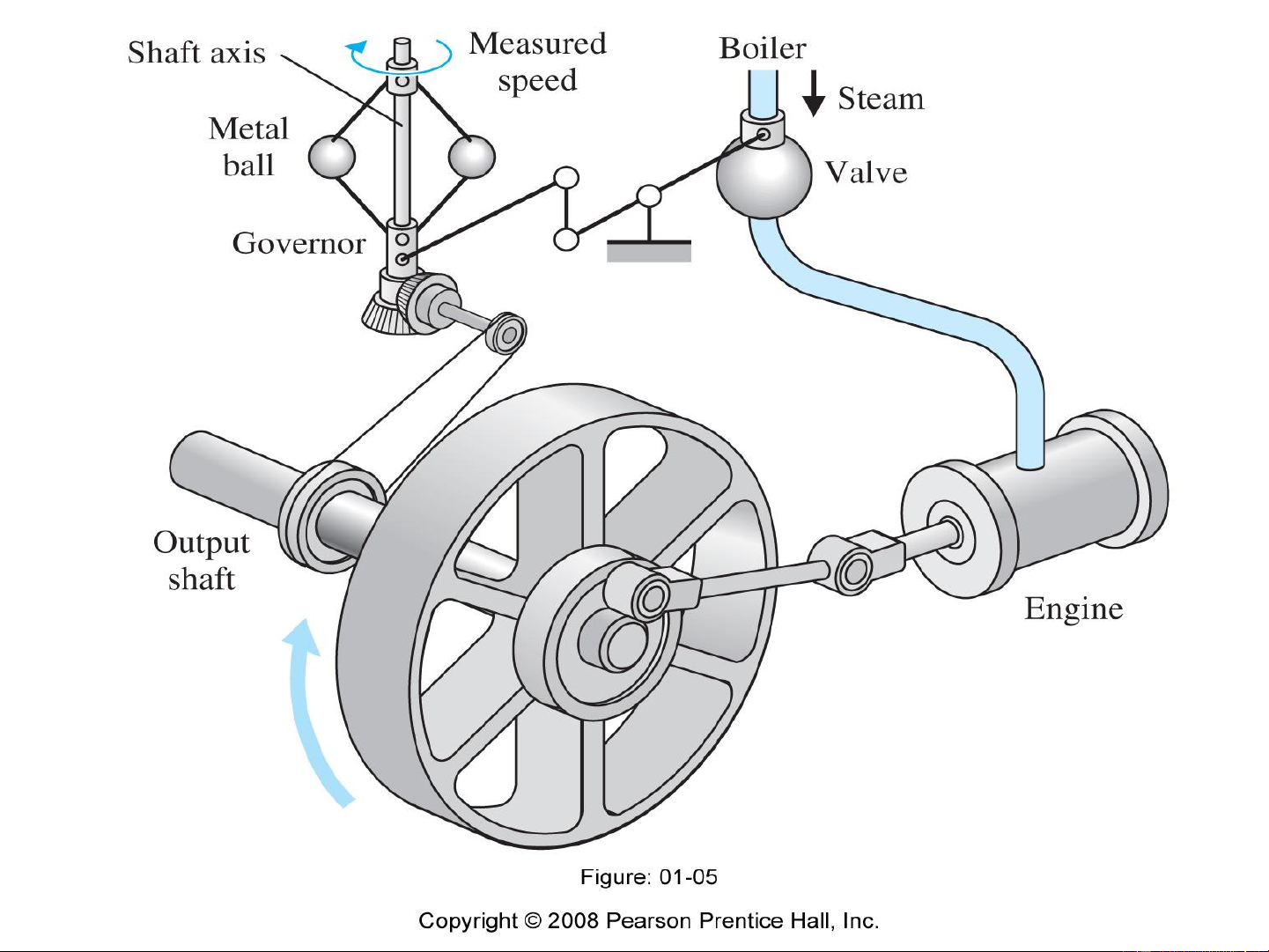
• James Watt’s steam engine and governor developed.
The Watt steam engine is often used to mark the
beginning of the Industrial Revolution in Great
Britain. During the Industrial Revolution, great
strides were made in the development of
mechanization, a technology preceding automation. Control Systems 6 CuuDuongThanCong.com
https://fb.com/tailieudientucntt CuuDuongThanCong.com
https://fb.com/tailieudientucntt CuuDuongThanCong.com
https://fb.com/tailieudientucntt Control
• Control is a sequence of decisions aimed at the
attainment of specified objectives in an
environment of uncertainty and presence of disturbances. CuuDuongThanCong.com
https://fb.com/tailieudientucntt Control system
• A control system is an arrangement of
physical components connected or related in
such a manner as to command, direct, or
regulate itself or another system. CuuDuongThanCong.com
https://fb.com/tailieudientucntt CuuDuongThanCong.com
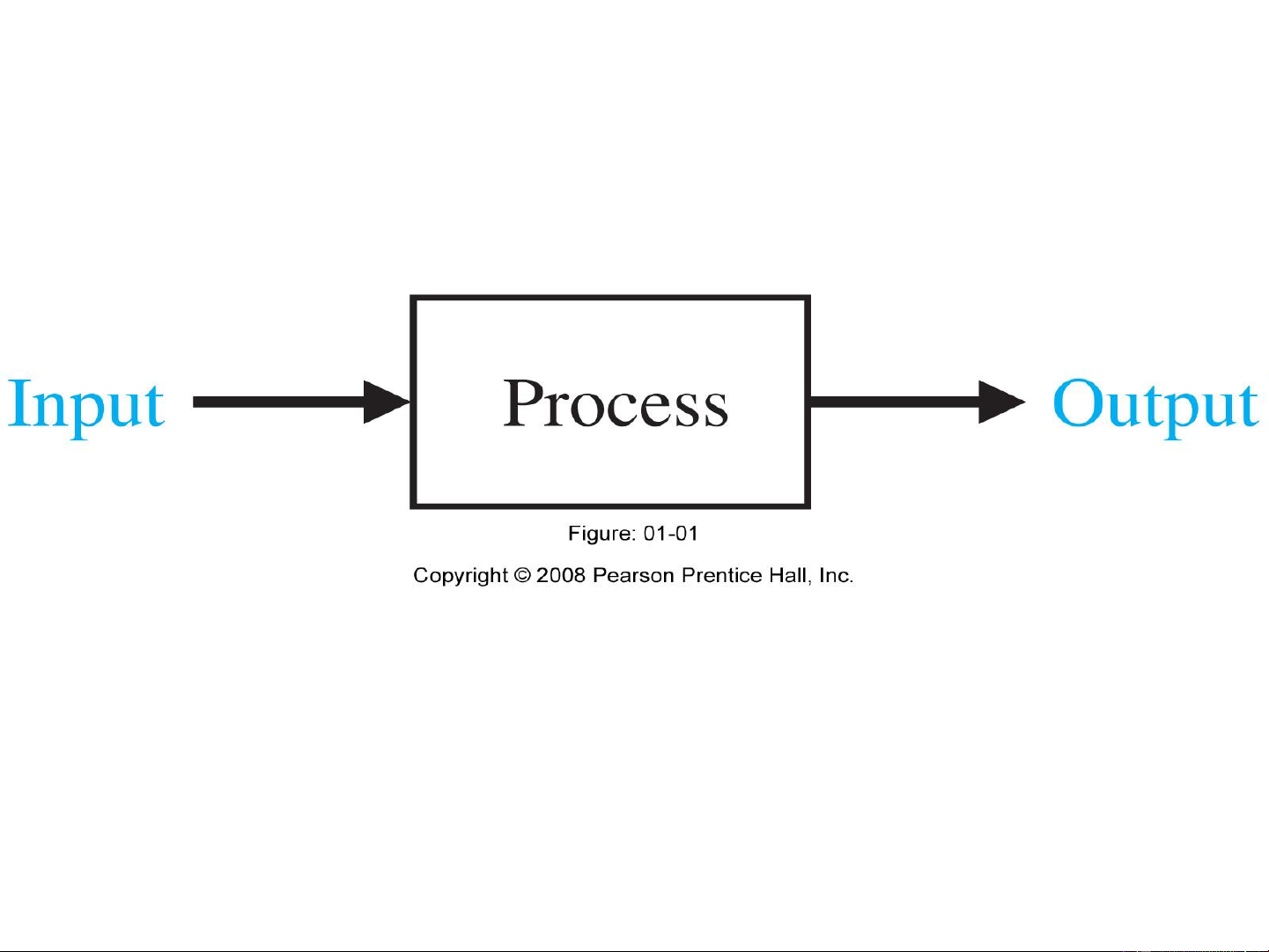
https://fb.com/tailieudientucntt Input
• The input is the stimulus, excitation or
command applied to a control system.
• Typically from external energy source,
usually in order to produce a specified
response from the control system. CuuDuongThanCong.com
https://fb.com/tailieudientucntt Output
• The output is the actual response obtained from a control system.
• It may or may not be equal to specified
response implied by the input. CuuDuongThanCong.com
https://fb.com/tailieudientucntt
History of Automatic Control CuuDuongThanCong.com
https://fb.com/tailieudientucntt Prior to World War II
A main impetus for the use of feedback in the
United States was the development of the
telephone system and electronic feedback
amplifiers by Bode, Nyquist, and Black at Bell Telephone Laboratories. CuuDuongThanCong.com
https://fb.com/tailieudientucntt Prior to World War II
The Russian theory tended to utilize a time-
domain formulation using differential equations. CuuDuongThanCong.com
https://fb.com/tailieudientucntt World War II Design and construct:
• automatic airplane pilots,
• gun-positioning systems,
• radar antenna control systems. CuuDuongThanCong.com
https://fb.com/tailieudientucntt Sputnik and space age
The time-domain methods developed by
Liapunov, Minorsky, and others have met
with great interest in the last two decades. CuuDuongThanCong.com
https://fb.com/tailieudientucntt Recent time
Recent theories of optimal control developed
by L.S. Pontryagin in the former Soviet Union
and R. Bellman in the United States, and
studies of robust systems, have contributed
to the interest in time-domain methods. CuuDuongThanCong.com
https://fb.com/tailieudientucntt Terms and Concepts CuuDuongThanCong.com
https://fb.com/tailieudientucntt