Bài giảng Tổng quan về tế bào môn Sinh học tế bào | Đại học Bách Khoa Hà Nội
Bài giảng Tổng quan về tế bào môn Sinh học tế bào | Đại học Bách Khoa Hà Nội. Tài liệu được sưu tầm giúp bạn tham khảo, ôn tập và đạt kết quả cao. Mời bạn đọc đón xem.
Môn: Sinh học tế bào 19 tài liệu
Trường: Đại học Bách Khoa Hà Nội 5.8 K tài liệu
Tác giả:














Preview text:
GENERAL BIOLOGY THE OVERVIEW OF CELLS:
STRUCTURES AND FUNCTIONS Dr. Tran Thi Thuy Linh
Faculty of Pharmacy, University of Health Sciences- VNU Email: tttlinh@uhsvnu.edu.vn Mục tiêu học tập • Tổng quan về tế bào
• Hiểu học thuyết tế bào
• Cấu trúc và chức năng của tế bào nhân sơ – nhân thực
• Liên hệ cơ chế tác dụng thuốc ở cấp tế bào
Overview of cell – cell theory • Smallest living unit
• Most are microscopic
• Vary enormously in appearance and function
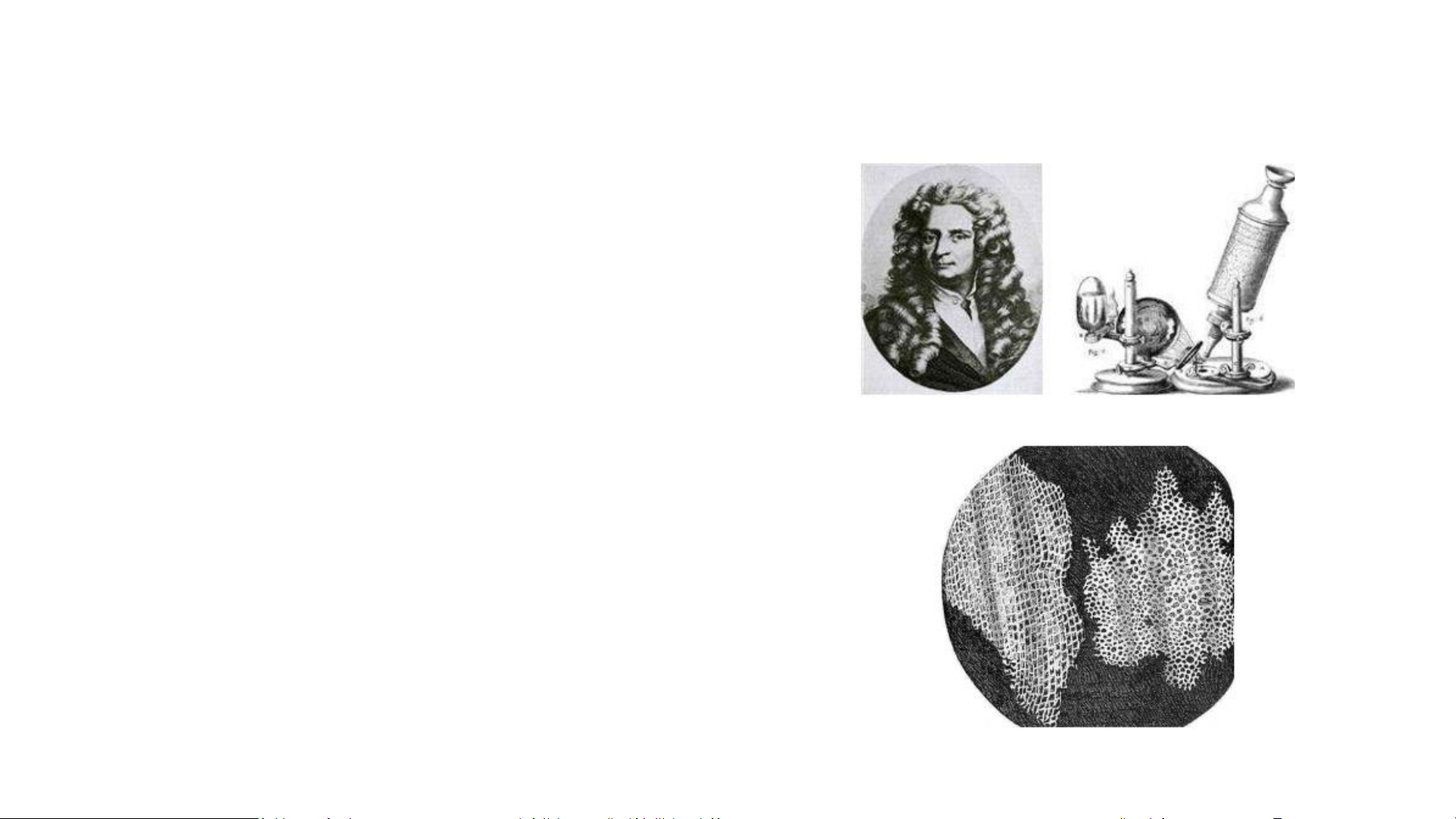
• All have a similar basic chemistry Discovery of cell • Robert Hooke - 1665 – Observed sliver of cork with simple compound microscope (magnifications of 30x to 50x) – Saw “rows of empty boxes”
– Coined the term “cell” Discovery of cell
• Anton van Leeuwenhoek - 1674 • Made use of a microscope containing improved lenses that could magnify objects almost 300-fold - Observed living organisms (bacteria, sperms, blood cells…)
Oral bacteria observed by Anton van Leeuwenhoek
and their contemporary equivalents
(Microbiol. Mol. Biol. Rev. December 2007 vol. 71 no. 4653-670) Cell theory
• Matthias Schleiden, 1839:
Suggested that every structural part of a plant was
made up of cells or the result of cells.
• Theodor Schwann, 1839:
Stated that along with plants, animals are composed
of cells or the product of cells
• Rudolf Virchow, 1855:
Stated that all cells arise only from pre-existing cells. Cell theory
• Three tenets of cell theory:
1. All living things are made of cells
2. The cell is the most basic unit of life
3. All cells arise only from pre-existing cells
The modern version of the cell theory:
The modern version of the cell theory includes the ideas that:
1. All cells have the same basic chemical composition
2. Energy flow occurs within cells.
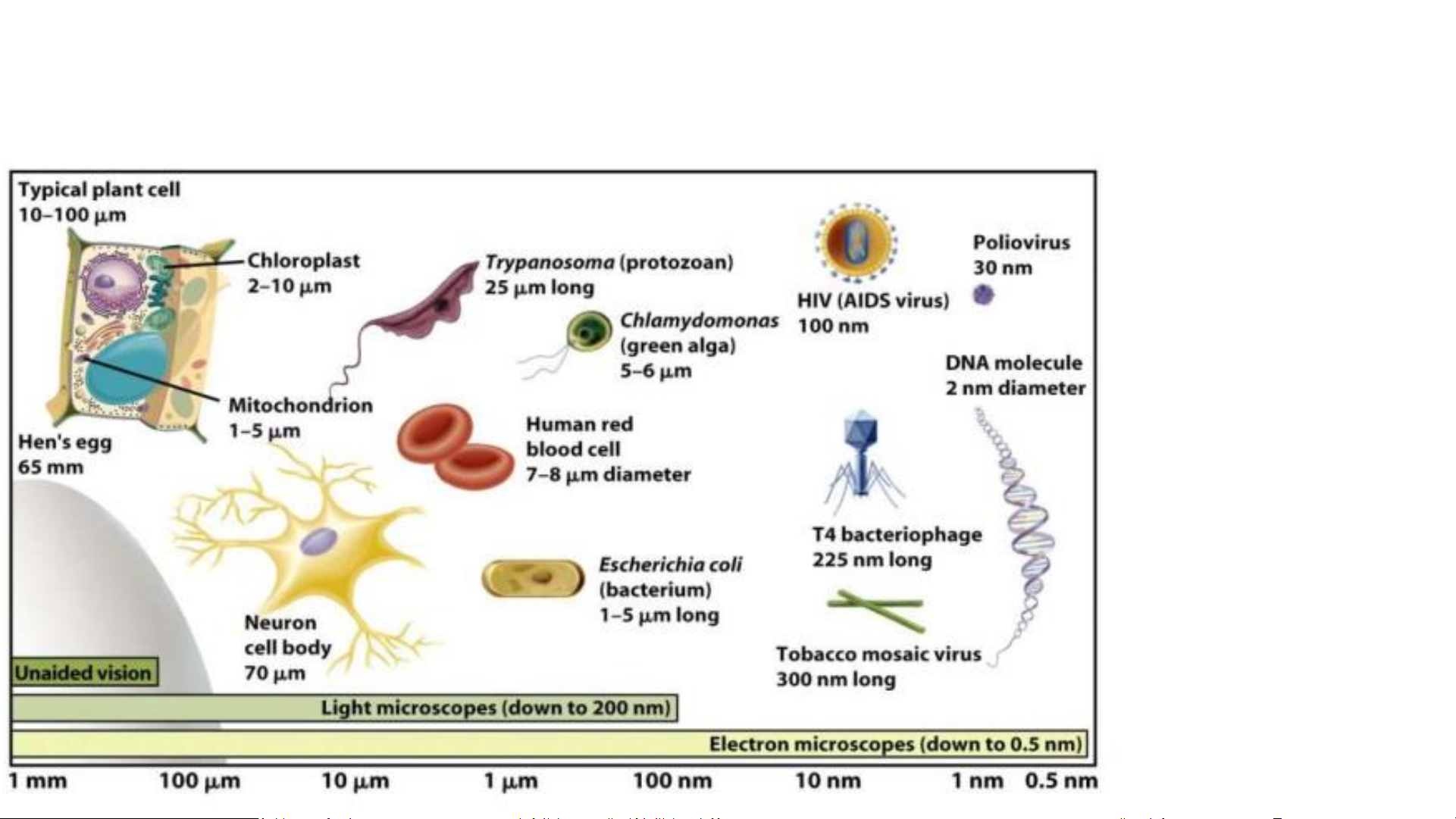
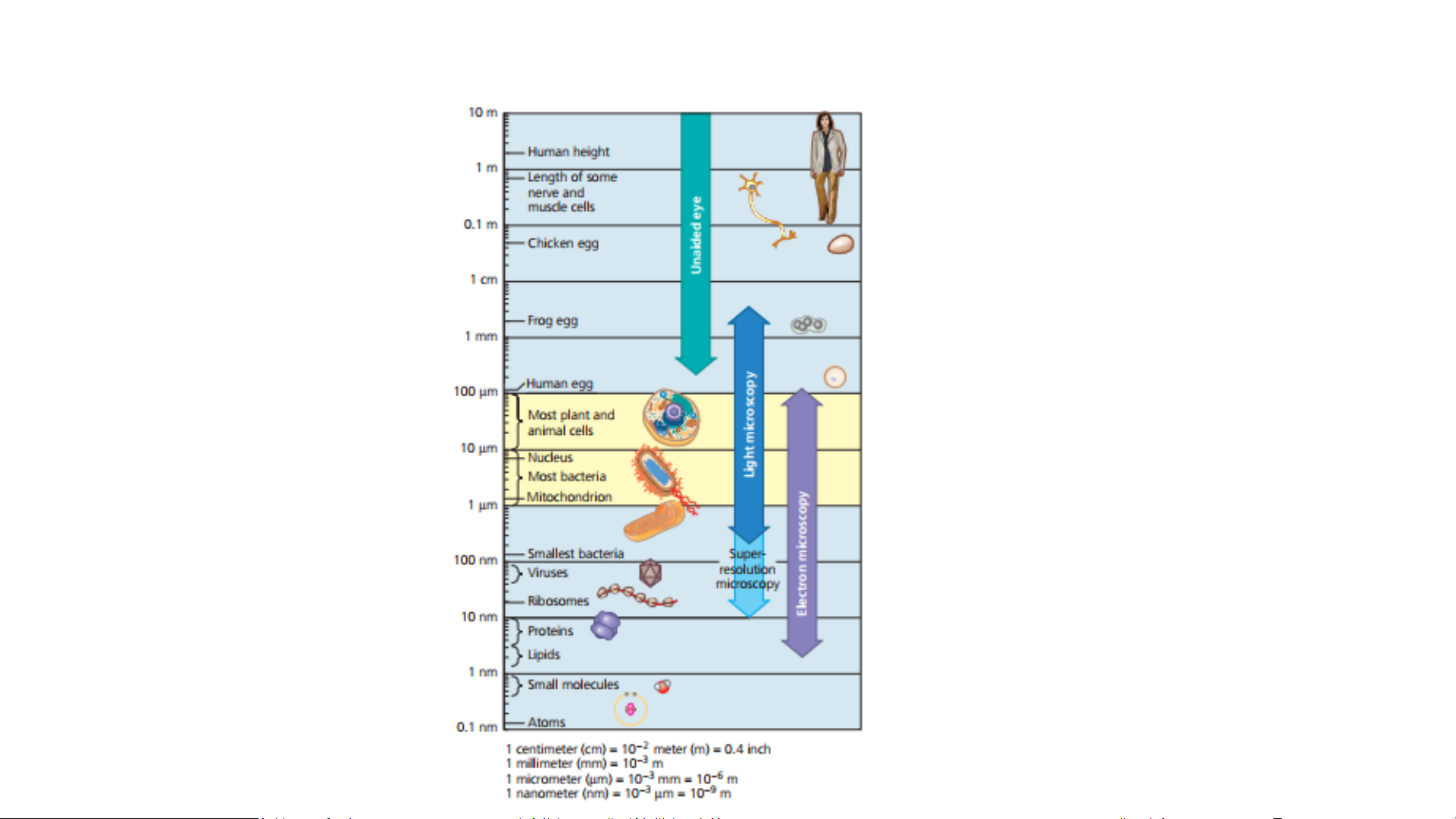
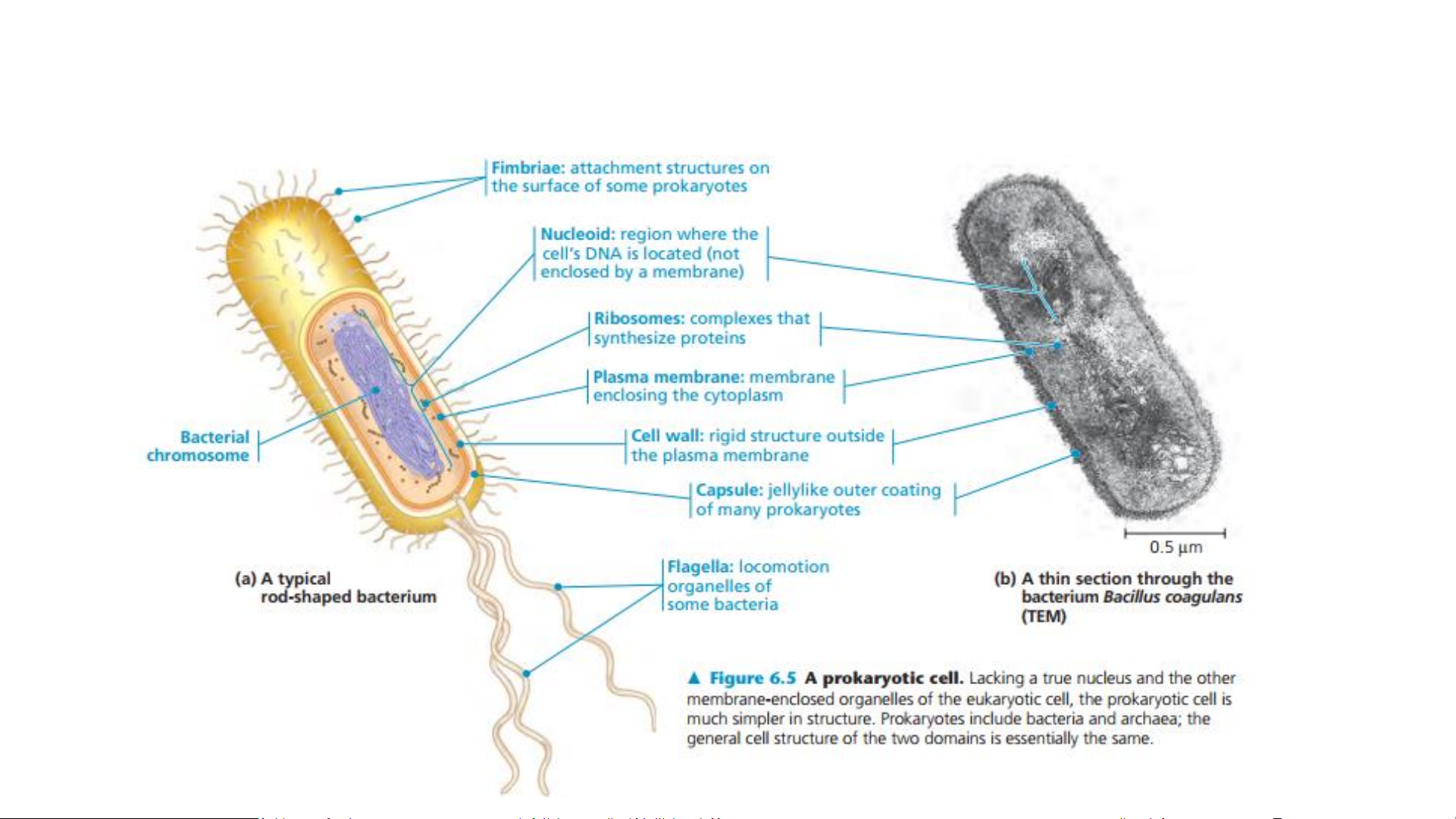
3. Heredity information (DNA) is passed on from cell to cell The size range of cells Microscopy A prokaryotic cell
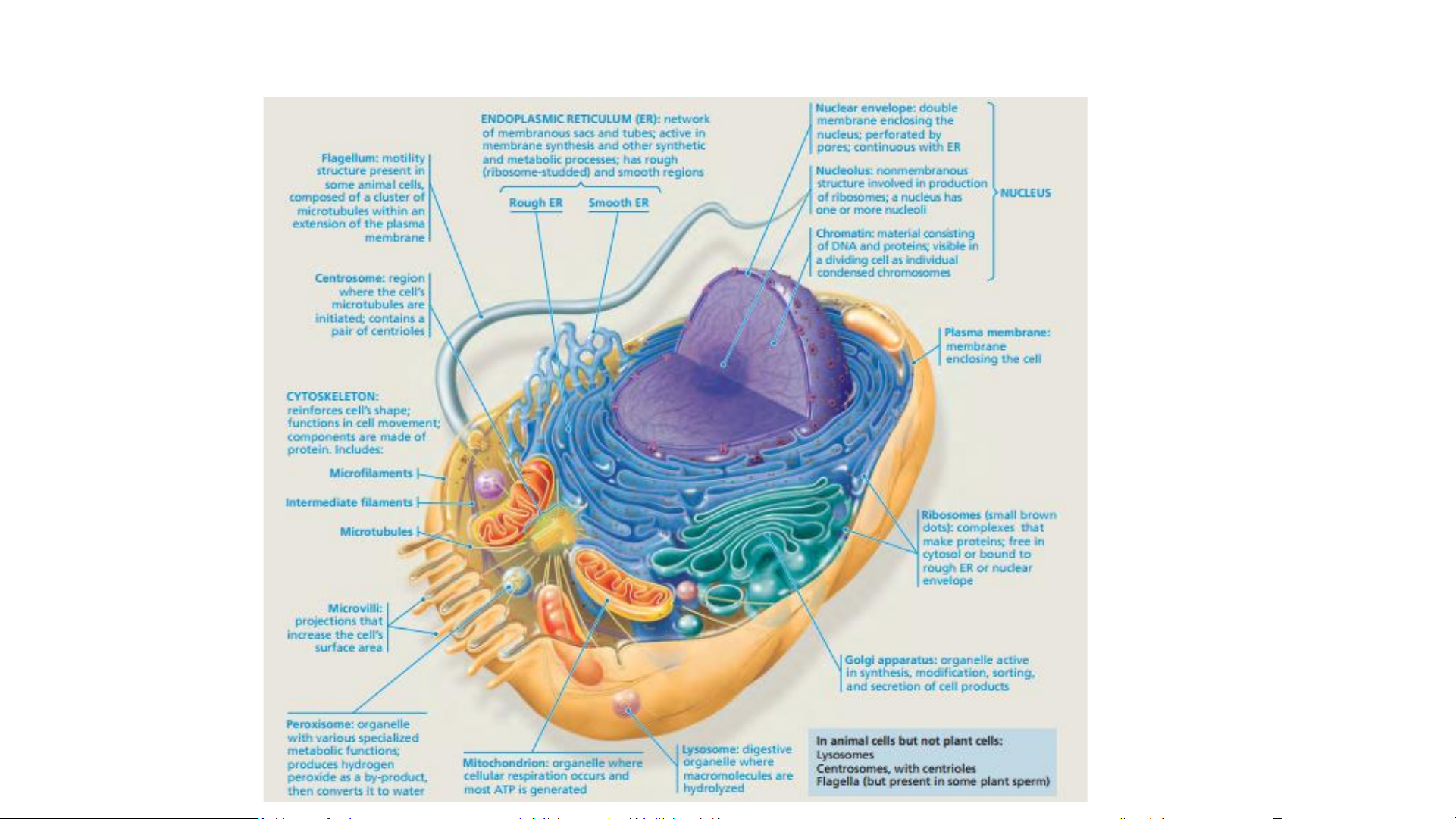
Exploring Eukaryotic Cells
Exploring Eukaryotic Cells
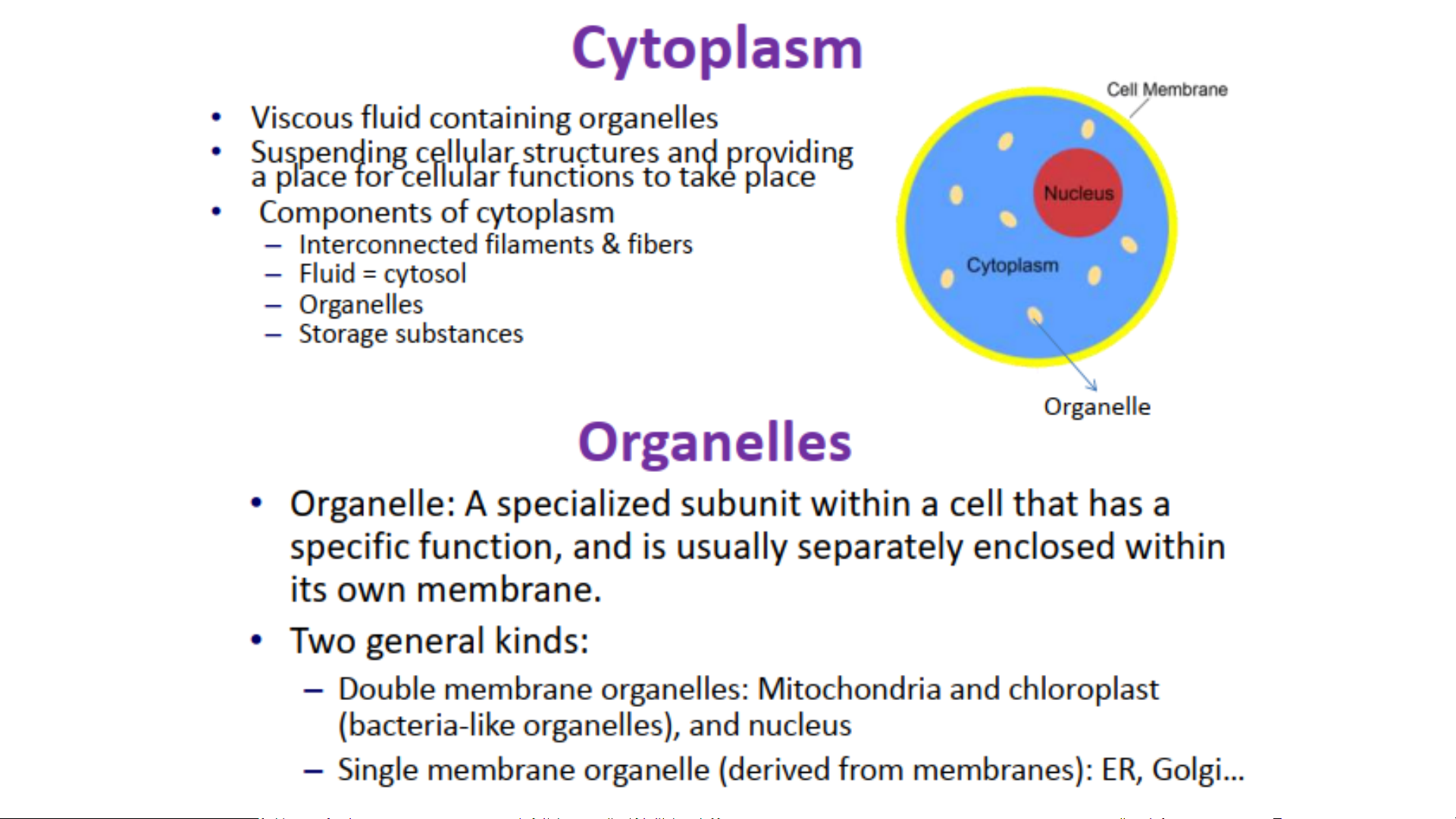
How does the internal organization of eukaryotic
cells allow them to perform the functions of life?
The Nucleus: Information Central
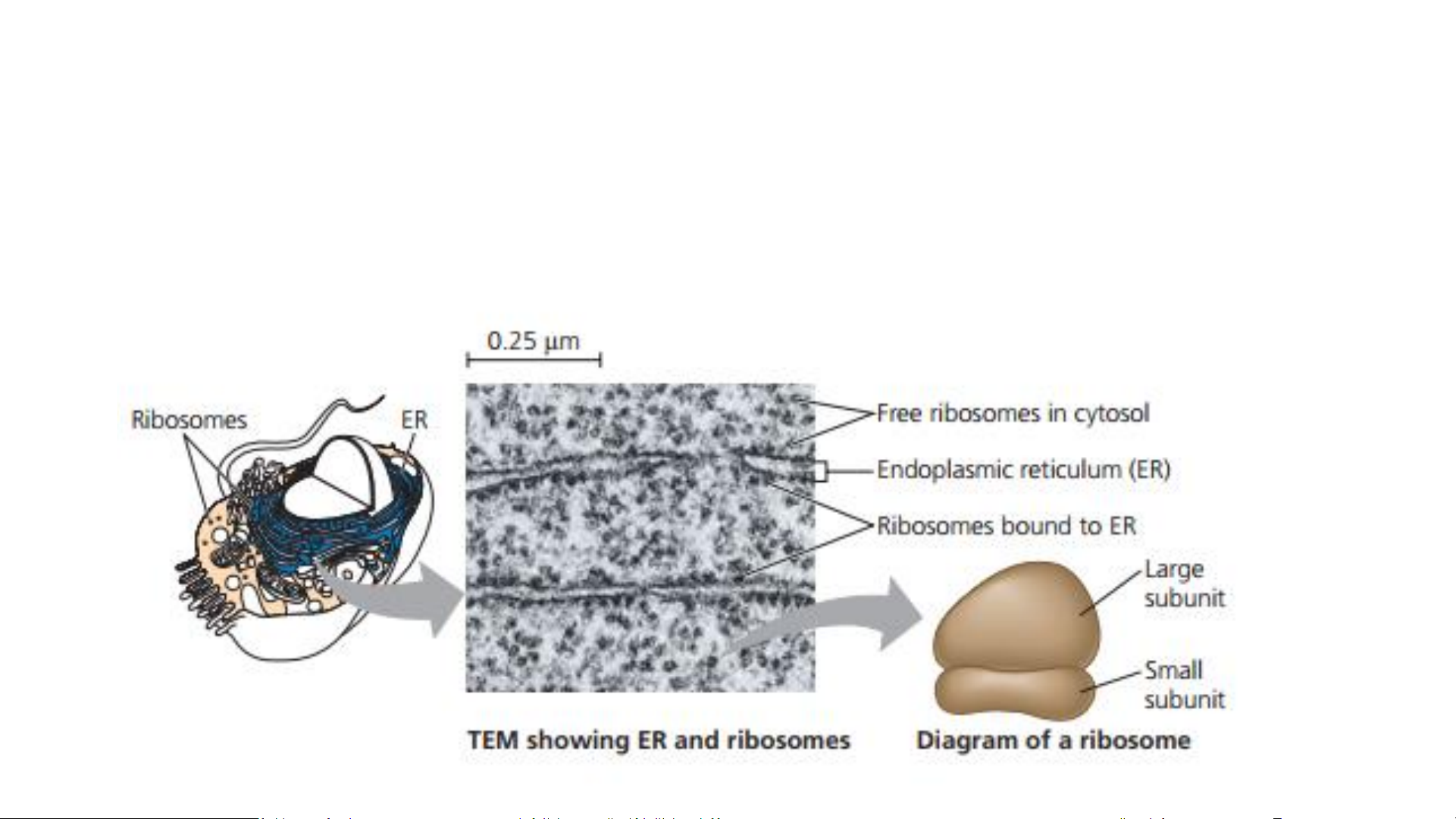
Ribosomes: Protein Factories
Ribosomes, which are complexes made of ribosomal RNA and protein, are the cellular
components that carry out protein synthesis. The plasma membrane Membrane Structure
Tài liệu liên quan:
-
bài giảng giải tích 1 trường bác khoa
18 9 -
N Ahmad - Clinical and etiological profile of unprovoked thrombosis in young patients admitted at a
17 9 -
Bài giảng về Sự sinh sản của tế bào Eukaryote môn Sinh học tế bào | Đại học Bách Khoa Hà Nội
38 19 -
The cell division and cell death môn Sinh học tế bào | Đại học Bách Khoa Hà Nội
50 25