Enhancing Team Performance môn Principle of Management | Trường Đại học Quốc tế, Đại học Quốc gia Thành phố Hồ Chí Minh
From proverbs to societies to sports to business, teams and teamwork are rich topics of conversation and major pathways to great accomplishments.4 But even so, just the words group and team elicit both positive and negative reac- tions in the minds of many people. Tài liệu giúp bạn tham khảo, ôn tập và đạt kết quả cao. Mời đọc đón xem!
Môn: Principles of Management 314 tài liệu
Trường: Trường Đại học Quốc tế, Đại học Quốc gia Thành phố Hồ Chí Minh 2 K tài liệu
Tác giả:







Preview text:
Teamwork Insight > TEAM CONTRIBUTIONS Learning
Th e benefi ts of team performance aren’t
of the team, and of the organization,
realized unless members make positive matter.”2 About Yourself
team contributions. Th ese are things Scene—NBA basketbal court:
people do to help teams succeed at
Scholars fi nd that basketbal teams
their tasks and help members enjoy the win more games the longer the team experience. players have been together. “Must Have” Team Skills
Scene—Hospital operating room:
Why? Researchers claim it’s a
Scholars notice that heart surgeons
“teamwork eff ect.” Teams whose
• Encouraging and motivating others
have lower death rates for similar
members play together longest win • Accepting suggestions
procedures performed in hospitals
more because the players get to
• Listening to different points of view
where they do more operations than know each other’s moves and play-
• Communicating information and those performed where they do ideas ing tendencies.3
• Persuading others to cooperate fewer operations.
A large part of your career suc-
• Resolving and negotiating confl ict
Why? Researchers say the operations
cess wil depend on how wel you • Building consensus
go better because the doctors in the
work in and lead teams. Take a look • Fulfi lling commitments
better hospitals spend more time work-
at the list of “must-have” team skil s.
• Avoiding disruptive acts and words
ing together with members of their sur-
Do you have the skills portfolio and
gery teams. It’s not only the surgeon’s
personal commitment to make truly
skil s that count, they say, “. . . the skills valuable team contributions?
BUILD SKILLS AND COMPETENCIES AT END OF CHAPTER YOURSELF BETTER
■ Engage in Further Refl ection on Your Team Contributions
■ Ta ke the Self-Assessment—Team Leader Skills
■ Prepare for the Team Exercise—Work Team D ynamics
■ Solve the Career Situations in Teamwork
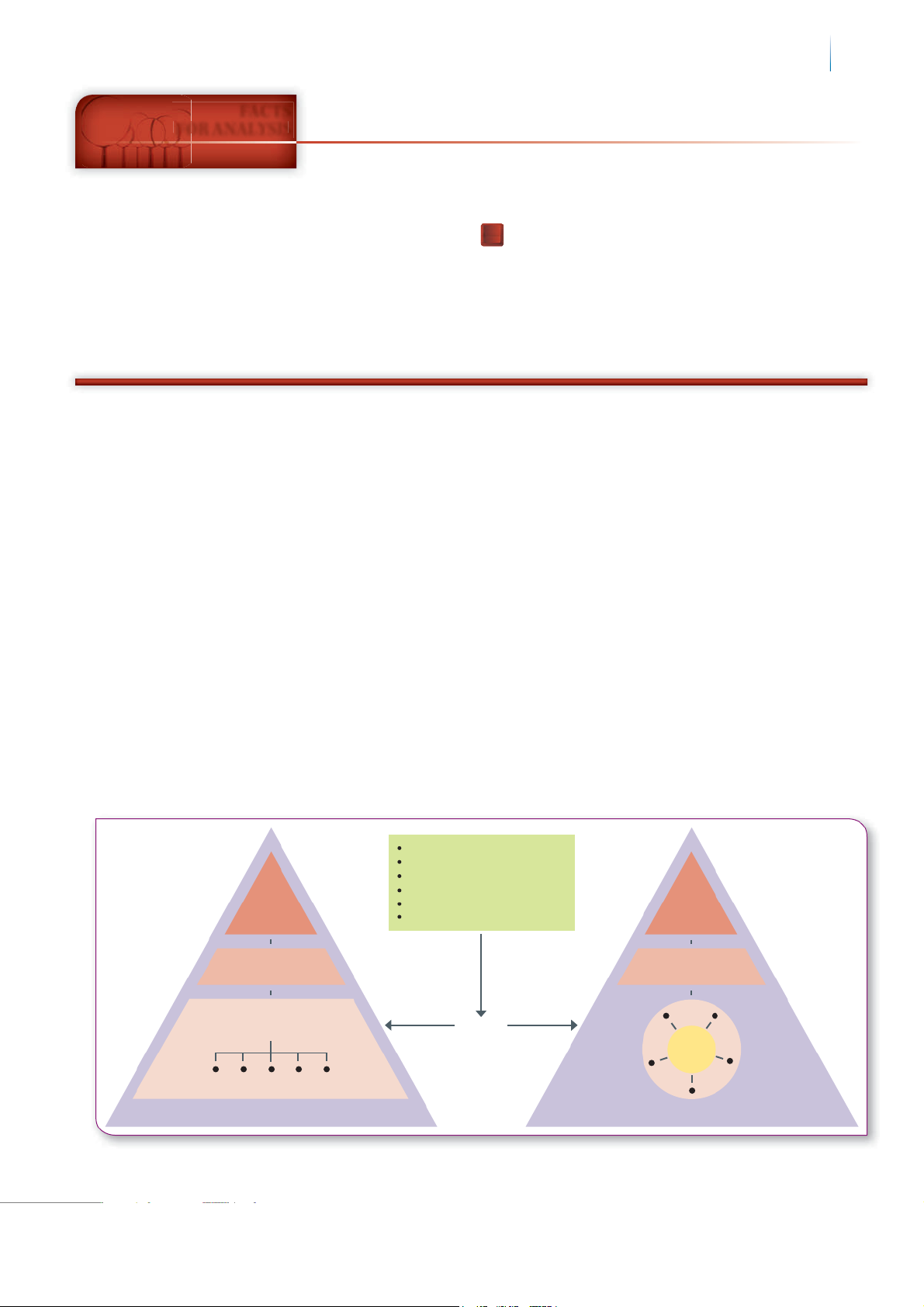
■ Analyze the Case Study—Auto Racing!—“When the Driver Takes a Back Seat” D L A E S A H R B N O IN A G R D Teams and Teamwork 17 TAKEAWAY 1 TAKEAWAY 2 TAKEAWAY 3 TAKEAWAY 4 Teams in Trends in the Use How Teams Work Decision Making Organizations of Teams • Team inputs in Teams • Teamwork pros • Committees, project • Stages of team • Ways teams make • Teamwork cons teams, and task forces development decisions • Meetings, meetings, • Cross-functional teams • Norms and • Advantages and meetings • Self-managing teams cohesiveness disadvantages of team decisions • Organizations as • Virtual teams • Task and maintenance networks of teams roles • Groupthink • Team building • Communication • Creativity in team networks decision making LEARNING CHECK 1 LEARNING CHECK 2 LEARNING CHECK 3 LEARNING CHECK 4
“Sticks in a bundle are hard to break”—Kenyan proverb
“Never doubt that a smal group of thoughtful, determined people can change
the world”—Margaret Mead, anthropologist
“Pick good people, use smal teams and give them great tools so that they are
very productive. . .”—Bil Gates, businessman and philanthropist
“Gettin’ good players is easy. Gettin’ ’em to play together is the hard part”—Casey Stengel, basebal manager
From proverbs to societies to sports to business, teams and teamwork are rich
topics of conversation and major pathways to great accomplishments.4 But
even so, just the words group and team elicit both positive and negative reac-
tions in the minds of many people. Although it is said that “two heads are better
than one,” we are also warned that “too many cooks spoil the broth.” Th e true
skeptic can be heard to say: “A camel is a horse put together by a committee.”
Teams are both rich in performance potential and very complex in the way
they work; they can be great successes and they can also be colossal failures.5
More than a third of workers report dissatisfaction with teamwork, and less
than half say they receive training in group dynamics.6 Still, many people pre-
fer to work in teams rather than independently. Teams in Organizations
A team is a collection of people who regu-
larly interact to pursue common goals.
A team is a smal group of people with complementary skil s who interact and
Teamwork is the process of people
work with one another to achieve shared goals.7 Teamwork is the process of people
actively working together to accomplish common goals.
working together to accomplish these goals. 432 Teams in Organizations 433
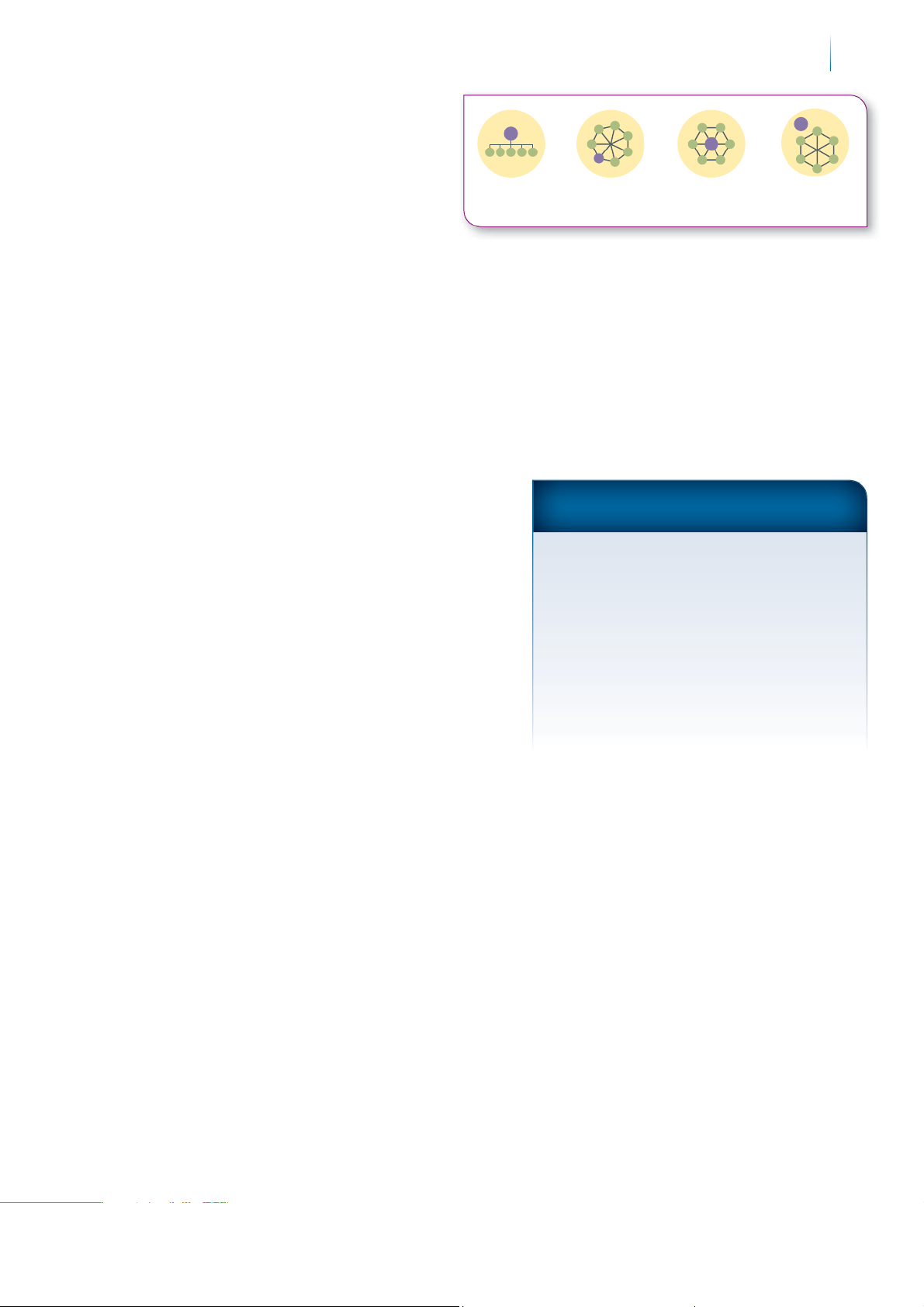
Managers must be prepared to perform at least four
important teamwork roles. A team leader serves as the
appointed head of a team or work unit. A team member
serves as a helpful contributing part of a project team.
A network facilitator serves as the peer leader and net- Team leader Team member Network facilitator Coach or Developer
working hub for a special task force. And, a coach or de-
Roles managers play in teams and teamwork
veloper serves as a team’s advisor on ways to improve processes and performance. Teamwork Pros
Although teams can be hard work, they are worth it when things turn out right.8
Th eir beauty is accomplishing something far greater than what’s possible for an
individual alone. Th is is cal ed synergy, the creation of a whole that is greater than Synergy is the creation of a whole the sum of its parts.
greater than the sum of its individual parts.
Synergy pools individual talents and eff orts to create extraordinary results
through col ective action. When Jens Voigt, one of the top racers on the Tour de
France, was asked to describe a “perfect cyclist,” for example, he
created a composite of his nine-member team: “We take the time
trial legs of Fabian Cancel ara, the speed of Stuart O’Grady, the The Many Benefits of Teams
climbing capacity of our leaders and my attitude.” His point was
that the tour is way too hard for a single rider to win on his own
• Performance gains through synergy
talents. Like so many other things in any workplace, the synergies
• More resources for problem solving
made possible by teamwork are the keys to success.9
Just being part of a team is often good for its members. Th e per-
• Improved creativity and innovation
sonal connections can help people do their jobs better—getting
• Improved quality of decision making
help, making contacts, sharing ideas, responding to favors, and
• Greater member commitment to tasks
avoiding roadblocks. Th e personal relationships can help satisfy
important needs that may be diff i cult to meet in the regular work
• Increased motivation of members
setting or life overal , providing things like positive interactions, a
• Increased need satisfaction of members
sense of security and belonging, or emotional support.10 Teamwork Cons
We al know that things don’t always work out as intended with teams and team-
work. Problems can easily turn their great potential into frustration and failure.11
Personality confl icts and work style diff erences can disrupt a team. Unclear tasks,
ambiguous agendas, and il -defi ned problems can cause teams to work too long on
the wrong things. Sometimes people start out motivated and then lose it because
teamwork takes too much time from other tasks, deadlines, and priorities. A lack of
success also hurts morale. And, it’s easy for members to lose motivation when the
team is poorly organized and led, or other members slack off .12
Who hasn’t encountered social loafi ng? Th is is the presence of “free-riders” who Social loafi ng is the tendency of some
slack off because responsibility is diff used in teams and others are present to do the people to avoid responsibility by “free- riding” in groups.
work.13 But don’t despair, there are things a leader or concerned team members can
do in such cases. Th e possibilities include making individual contributions more
visible, rewarding individuals for their contributions, making task assignments
more interesting, and keeping group size smal so that free-riders are more subject
to peer pressure and leader evaluation.14 434 TEAM A S N T D E AMWORK ETHICS
> THE STUDENT COMPLAINED THAT FREE RIDERS WERE ON THE LINE
MAKING IT HARD FOR HER TEAM TO PERFORM WELL
Social Loafi ng Is Getting in the Way of Team Performance
His point is that the team was disadvantaged because
two free-riders caused reduced performance capacity.
3. Telephone cal from the boss: “John, I really need you to
serve on this committee. Will you do it? Let me know to-
morrow.” In thinking about this, I ponder: I’m overloaded,
but I don’t want to turn down the boss. I’ll accept but let
the committee members know about my situation. I’ll be
active in discussions and try to offer viewpoints and per- Masterfi le
spectives that are helpful. However, I’ll let them know up
front that I can’t be a leader or volunteer for any extra work.
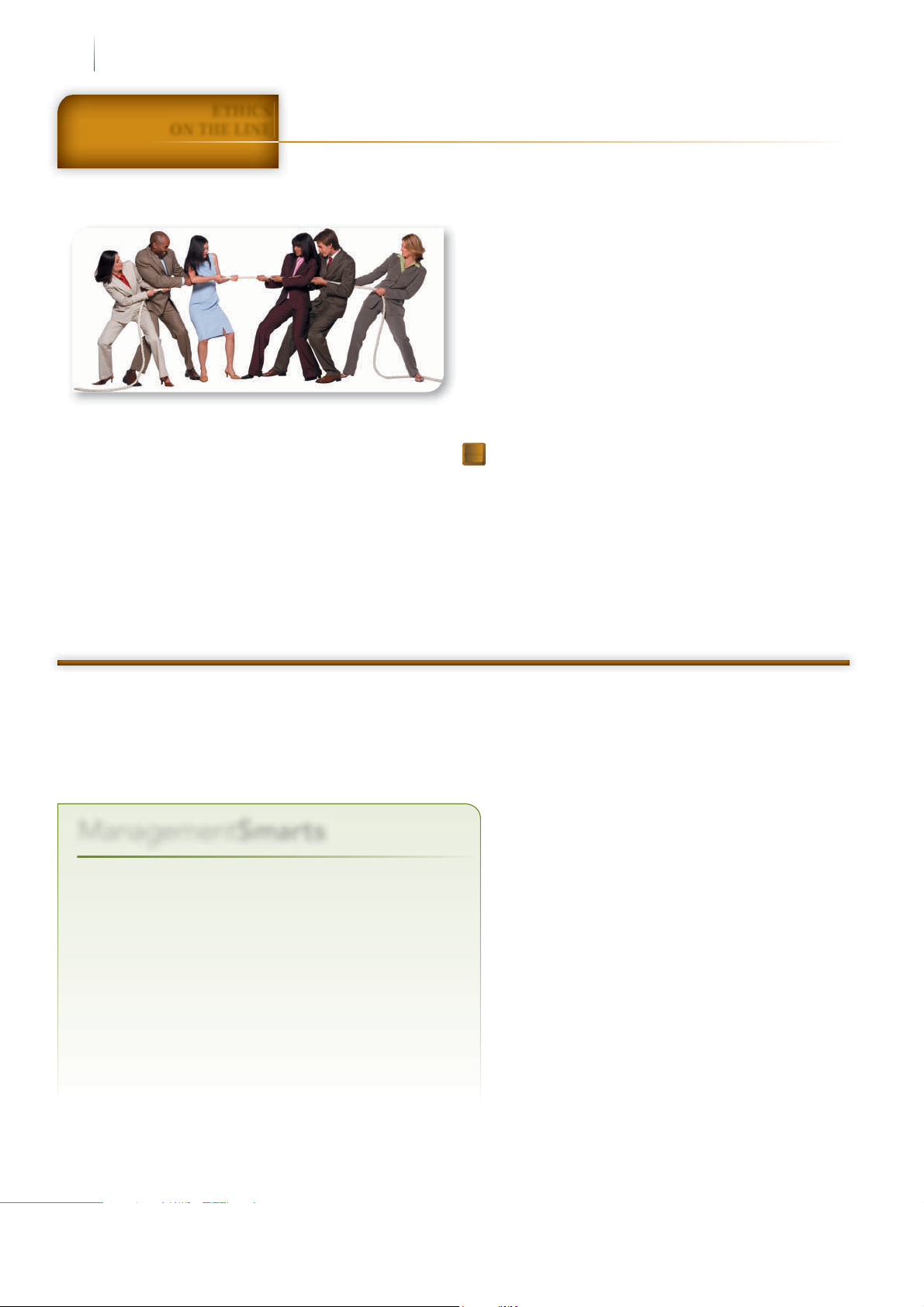
1. Psychology study: A German researcher asked people
to pull on a rope as hard as they could. First, individuals ETHICS QUESTIONS
pulled alone. Second, they pulled as part of a group.
The results showed that people pull harder when work-
What are the ethical issues involved in team situations when
ing alone than when working as part of a team. Such
some people sit back and let others do more of the work?
“social loafi ng” is the tendency to reduce effort when
When you join a group, do all members have an ethical obliga- working in groups.
tion to do a similar amount of work—why or why not? When
2. Faculty offi ce: A student wants to speak with the instructor it comes to John, does the fact that he intends to be honest
about his team’s performance on the last group project.
with the other committee members make any difference? Isn’t
There were four members, but two did almost all of the
he still going to be a social loafer while earning credit from his
work. The other two largely disappeared, showing up only boss for serving on the committee? Is his approach ethical—or
at the last minute to be part of the formal presentation.
should he simply decline to participate on the committee? Meetings, Meetings, Meetings
“We have the most ineff ective meetings of any company,” says a technology execu-
tive. “We just seem to meet and meet and meet, and we never seem to do anything,”
says another in the package delivery industry. “We
realize our meetings are unproductive. A consult- ManagementSmarts
ing fi rm is trying to help us, but we’ve got a long way
to go,” says a corporate manager.15
What do you think when someone says: “Let’s
Spotting the Seven Sins of Deadly Meetings
have a meeting”? Are you ready and willing, or
1. People arrive late, leave early, and don’t take things seriously.
apprehensive and even perturbed? We aren’t al-
2. Th e meeting is too long, sometimes twice as long as necessary.
ways happy to get a request to add another meet-
3. People don’t stay on topic; they digress and are easily distracted.
ing to our busy schedules. And the problems de-
4. Th e discussion lacks candor; people are unwil ing to tel the
scribed in Management Smarts don’t help.16 You truth.
might even be able to add to the list from per-
5. Th e right information isn’t available, so decisions are sonal experience. postponed.
Good meetings don’t happen by chance. People
6. Nothing happens when the meeting is over; no one puts
have to work hard and work together to make them decisions into action.
productive and rewarding. Face-to-face and virtual
7. Th ings never get better; the same mistakes are made
meetings are where lots of information is shared, meeting after meeting.
decisions get made, and people gain understanding Trends in the Use of Teams 435
of issues and one another. Th ey’re important and necessary. Th is is why knowing
more about teams and teamwork is so useful.
Organizations as Networks of Teams
Formal groups are off icial y recognized and supported by the organization.
A formal group is a team off i cially
Th ey may be called departments (e.g., market research department), units (e.g.,
recognized and supported by the orga- nization.
audit unit), teams (e.g., customer service team), or divisions (e.g., off i ce prod-
ucts division), among other possibilities. Th ese formal groups form interlocking
networks that set the foundations of organization structure, and managers are
key “linking pins” among them. Managers lead formal groups at one level while
also serving as members of others at the next higher level and in groups formed across functions.17
Informal groups are also present and important in al organizations. Th ey
An informal group is unoff i cial and
emerge from natural or spontaneous relationships among people. Some are interest emerges from relationships and shared interests among members.
groups in which workers band together to pursue a common cause such as better
working conditions. Some emerge as friendship groups that develop for a wide vari-
ety of personal reasons, including shared non-work interests. Others exist as support
groups, in which the members basical y help one another do their jobs or cope with common problems.
Although people may sometimes air gripes and spread rumors in informal groups,
the social connections they off er play many positive roles in organizations. Tapping
into relationships within informal groups can help speed the workfl ow or al ow peo-
ple to “get things done” in ways not possible within the formal structure. Members
of informal groups can also satisfy needs that are otherwise unmet in their formal
work assignments. Th ese include gaining such things as friendship, security, sup-
port, and a sense of belonging. LEARNING CHECK 1
TAKEAWAY QUESTION 1 How do teams contribute to organizations?
Be sure you can • defi ne team and teamwork
• identify four roles managers perform in teams • defi ne synergy
• explain teamwork pros and cons • discuss the implications of social loafi ng • explain the potential benefi ts of informal groups Trends in the Use of Teams
A trend toward greater empowerment in organizations today shows up as an em-
phasis on committees, project teams, task forces, cross-functional teams, and self-
managing teams. And importantly, any and al of these teams function in both face- to-face and virtual forms.
Committees, Project Teams, and Task Forces
A committee brings people together outside of their daily job assignments to work A committee is designated to work on
in a smal team for a specifi c purpose. Th e task agenda is typical y narrow, focused, a special task on a continuing basis. 436 TEAM A S N T D E AMWORK Management in Popular Culture
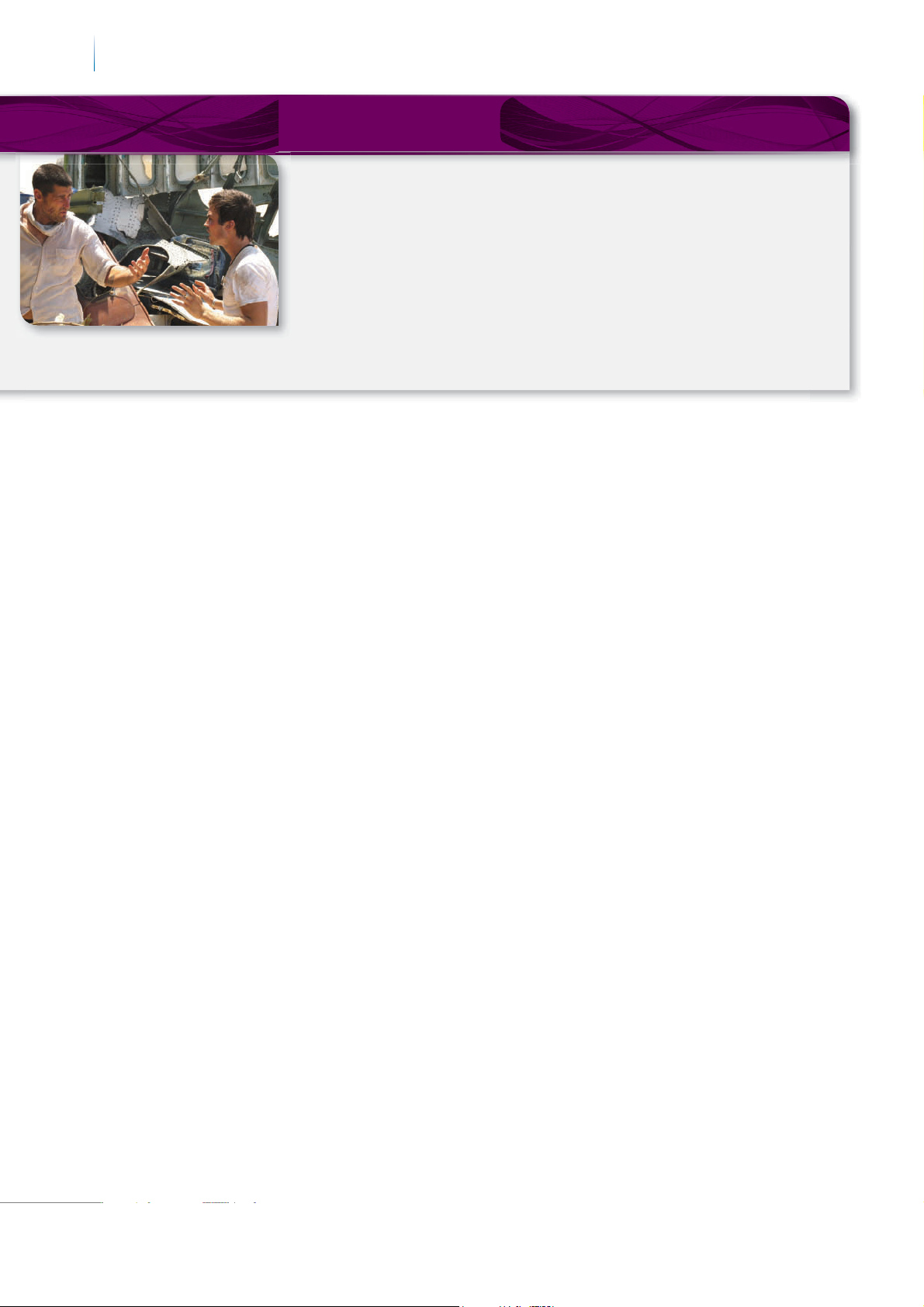
Mysterious Island Was a Window into Teamwork
A plane crash deposits a group of strangers on a mysterious island with little hope of
rescue. Sound familiar? It’s al part of the background for a television series you might
recall, Lost. An early episode shows a doctor, Jack Shephard (Matthew Fox), walking off
on his own. He ends up fi nding a source of clean water, something that can keep them
al alive. He returns to the crash site only to witness a fi ght for the last of the bottled
water. He breaks up the fi ght and declares we “live together, die alone.” His lesson in ABC/Photofest
teamwork was that each person should fi nd a way to contribute to the good of al , and
then make the commitment to real y do it.
and ongoing. Organizations usual y have a variety of permanent or standing com-
mittees dedicated to a wide variety of concerns, such as diversity, quality, and prod-
uct development. Committees are led by a designated head or chairperson, who is
held accountable for performance results.
A project team or task force is
Project teams or task forces bring people together to work on common
convened for a specifi c purpose and
problems, but on a temporary rather than permanent basis. Th e goals and task
disbands when its task is completed.
assignments are specifi c and completion deadlines are clear. Creativity and in-
novation may be part of the agenda. Project teams, for example, might be formed
to develop a new advertising message, redesign an off i ce layout, or streamline a work process.18 Cross-Functional Teams
A cross-functional team operates
Many organizations make use of cross-functional teams that pull together
with members who come from diff erent
members from across functional units to work on common goals. Th ese teams
functional units of an organization.
help reduce the functional chimneys problem by eliminating “walls” that may
Th e functional chimneys problem
is a lack of communication across
otherwise limit communication and cooperation among people from diff erent functions.
departments and functions. Target CEO Gregg Steinhafel, for example, says that
his fi rm uses cross-functional teams from “merchandising, marketing, design,
communications, presentation, supply chain and stores” to create and bring to
customers new limited edition fashions.19 Self-Managing Teams
Traditional work groups consisting of fi rst-level supervisors and their immediate
Members of a self-managing work
subordinates are being replaced in a growing number of organizations with self-
team have the authority to make
managing work teams. As shown in Figure 17.1, these teams operate with a high
decisions about how they share and complete their work.
degree of task interdependence, authority to make many decisions about how they
work, and col ective responsibility for results.20 Th e expected advantages are better
performance, reduced costs, and good morale.
Multitasking is a key feature of any self-managing team, whose members each
have the skil s to perform several diff erent jobs. And within a team the emphasis Trends in the Use of Teams 437
FACTS > MEETINGS ARE FREQUENT, BUT MANY SAY THE ONES FO F R O F ANALYSIS THEY ATTEND ARE INEFFECTIVE
Unproductive Meetings Are Major Time Wasters
A survey of some 38,000 workers around the world links YOUR THOUGHTS?
low productivity with bad meetings, poor communica- tion, and unclear goals.
Do these data match your experiences with team meetings?
• 69% of meetings attended are considered ineffective.
Given the common complaints about meetings, what can a
team leader do to improve them? Think about the recent
• 32% of workers complain about team communication.
meetings you have attended. In what ways were the best
• 31% complain about unclear objectives and priorities.
meetings different from the worst ones? Did your behavior
play a signifi cant role in both these cases?
is always on participation. Self-managing teams operate with members sharing
tasks and taking collective responsibility for management functions performed
by supervisors in more traditional settings. Th e “self-management” responsibili-
ties include planning and scheduling work, training members in various tasks,
distributing tasks, meeting performance goals, ensuring high quality, and solving
day-to-day operating problems. In some settings, the team’s authority may even
extend to “hiring” and “fi ring” members. Typical characteristics of self-managing teams include:
• Members are held col ectively accountable for performance results.
• Members have discretion in distributing tasks within the team.
• Members have discretion in scheduling work within the team.
• Members are able to perform more than one job on the team.
• Members train one another to develop multiple job skills.
• Members evaluate one another’s performance contributions.
• Members are responsible for the total quality of team products.
FIGURE 17.1 Organizationala nd
management implications of self- managing work teams. Team management Planning and scheduling work Assignment of work tasks Training members To p To p Performance evaluation manager manager Quality control Middle Middle manager manager Supervisor Team done by Supervisor Team- leader Traditional work unit Self-managing team 438 TEAM A S N T D E AMWORK Virtual Teams
Scene: U.S.-based IT manager needs to meet with team members located in Brazil,
the Philippines, and Poland. Rather than pay for everyone to fl y to a common loca-
tion, he checks world time zones, sends e-mail to schedule, and then simply turns
on his Webcam to join the others online at the appointed time.
Th e constant emergence of new technologies is making virtual col aboration
both easier and more common. At home it may be Facebook; at the off i ce it’s likely
Members of a virtual team or
to be a wide variety of online meeting resources. Members of virtual teams, also
distributed team work together
cal ed distributed teams, work together through computer-mediation rather than and solve problems through computer-based interactions.
face-to-face.21 Th ey operate like other teams in respect to what gets done. It’s the
way they get things done that is diff erent. And this diff erence has both potential
advantages and disadvantages.22
In terms of potential advantages, virtual teams can save time and travel expenses
when members work in diff erent locations. Th ey can also be easily expanded to in-
clude more members as needed, and the discussions and shared information can be
archived for later access. Virtual teams are usual y quite eff i cient because members
are less prone to stray off task and get sidetracked by interpersonal diff i culties. A
vice president for human resources at Marriott, for example, once cal ed electronic
meetings “the quietest, least stressful, most productive meetings you’ve ever had.”23
Th e lack of face-to-face interaction in virtual teams creates potential disadvantages.
It limits the role of emotions and nonverbal cues in communication and allows relation-
ships to stay depersonalized.24 “Human beings are social animals for whom building
relationships matters a great deal,” says one scholar. “Strip away the social side of team-
work and, very quickly, people feel isolated and unsupported.’ 25 Th e fol owing guidelines
can help keep the possible downsides of virtual teamwork to a minimum.26
• Select team members high in initiative and capable of self-starting.
• Select members who wil join and engage the team with positive attitudes.
• Select members known for working hard to meet team goals.
• Begin with social messaging that al ows members to exchange information
about each other to personalize the process.
Team building is a sequence of
• Assign clear goals and roles so that members can focus while working alone
activities to analyze a team and make
and also know what others are doing.
changes to improve its performance.
• Gather regular feedback from members about how they think
the team is doing and how it might do better. Characteristics of High-
• Provide regular feedback to team members about team ac- Performance Teams complishments. • Clear and elevating goals Team Building
• Task-driven, results-oriented structure
High-performance teams of al the prior types operate with char-
• Competent, hard-working members
acteristics like those shown in the box.27 But real teamwork and • Collaborative culture
great results can’t be left to chance.
Team building is a sequence of planned activities used to ana-
• High standards of excellence
lyze the functioning of a team and make constructive changes in
• External support and recognition
how it operates.28 Th e process begins with awareness that a prob-
• Strong, principled leadership
lem may exist or may develop within the team. Members then
work together to gather data and fully understand the problem, How Teams Work 439
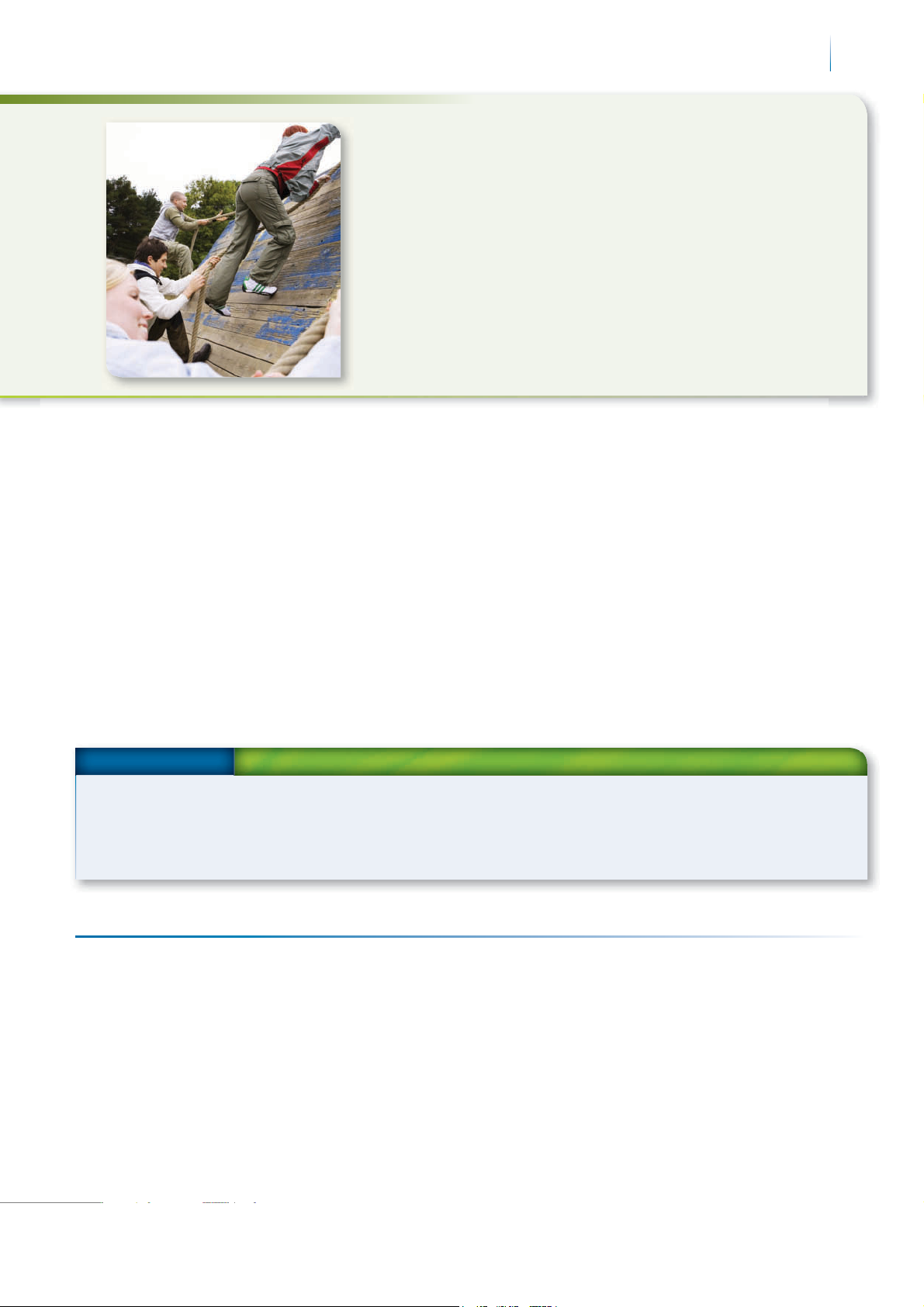
Outdoor Team Building Can Be Quite an Experience
When a team of employees from American Electric Power (AEP) went to an out-
door camp for a day of team-building activities, they had to get six members
through a spider-web maze of bungee cords strung two feet above the ground.
When her teammates lifted Judy Gal o into their hands to pass her over the ob-
stacle, she was nervous. But a trainer told the team the spider web was just an-
other performance constraint, much like the diff i cult policy issues or fi nancial
limits they might face at work. After “high-fi ves” for making it through the web,
Judy’s team went on to jump tree stumps together, pass hula hoops while holding hands, and more. © Mi A ka m e e lr iD c u a, b Io nis c./AgeFotostock
make plans to correct it, implement the plans, and evaluate results. Th is whole pro-
cess is repeated as diff i culties or new problems are discovered.
Th ere are many ways to gather data for team building, including structured and
unstructured interviews, questionnaires, and team meetings. Regardless of the
method used, the basic principle of team building remains the same. It is a careful
and col aborative assessment of al aspects of the team ranging from how members
work together to the results they achieve.
Team building can be done with consulting assistance or under managerial di-
rection. It can also be done in the workplace or in outside locations. A popular ap-
proach is to bring team members together in special outdoor settings where their
capacities for teamwork are put to the test in unusual and even physical y demand-
ing experiences. Says one team-building trainer: “We throw clients into situations
to try and bring out the traits of a good team.”29 LEARNING CHECK 2
TAKEAWAY QUESTION 2 What are current trends in the use of teams?
Be sure you can • differentiate a committee from a task force • explain the benefi ts of cross-functional teams
• discuss potential advantages and disadvantages of virtual teams
• list the characteristics of self-managing work
teams • explain how self-managing teams are changing organizations
• describe the typical steps in team building How Teams Work
An eff ective team does three things wel —perform its tasks, satisfy its members, and An eff ective team achieves high levels remain viable for the future.
of task performance, membership satis-
30 On the task performance side, a work group or team is faction, and future viability.
expected to transform resource inputs (such as ideas, materials, and information)
into product outputs (such as a report, decision, service, or commodity). In respect to
member satisfaction, members should take pleasure from both the team’s performance
accomplishments and their contributions toward making it happen. And as to future
viability, the team should have a social fabric and work climate that makes its members
wil ing and able to work wel together in the future, again and again as needed. 440 TEAM A S N T D E AMWORK
FIGURE 17.2 Ano pen-systems
model of team eff ectiveness. Team Inputs Membership characteristics Abilities Values Team process Team effectiveness Personalities Diversity Part A Part B Resources & setting How team members Accomplishment of Resources work together desired outcomes Technology • Norms Task performance Structures • Cohesion Member satisfaction Rewards • Roles Future viability Information • Decision making • Communication Nature of task Clarity • Conflict Complexity Team size Number of members Even-odd number Feedback
You sometimes hear top executives saying that team eff ectiveness comes to-
gether when you have “the right players in the right seats on the same bus, headed
in the same direction.”31 Th e open-systems model in Figure 17.2 supports this view.
It shows that a team’s eff ectiveness is infl uenced by inputs—“right players in the
right seats”—and by process—“on the same bus, headed in the same direction.”32
Team Eff ectiveness Equation
You can remember the implications of this fi gure by the fol owing Team Eff ective-
Team eff ectiveness ⫽ Quality of inputs ⫹ ness Equation.33
(Process gains ⫺ Process losses)
Team eff ectiveness ⫽ Quality of inputs ⫹ (Process gains ⫺ Process losses) Team Inputs
Among the important inputs that infl uence team eff ectiveness are membership
characteristics, resources and setting, nature of the task, and team size.34 You can
think of these as the things that load or prepare the team for action. Simply said,
a team with the right inputs has a greater chance of having a positive process and being eff ective. Membership Characteristics
Th e blend of member characteristics on a team is critical y important. Teams need
members with the right abilities, or skil sets, to master and perform tasks well.
Teams must also have members whose attitudes, values, and personalities are suff i -
ciently compatible for everyone to work wel together. How often, for example, have
you read or heard about col ege sports teams where a lack of the right “chemistry”
among talented players meant sub-par team performance? As one of the chapter
opening quotes said: “Gettin’ good players is easy. Gettin’ ‘em to play together is the
Team diversity is the diff erences in hard part.”35
values, personalities, experiences,
Team diversity, in the form of diff erent values, personalities, experiences, demo-
demographics, and cultures among the membership.
graphics, and cultures among the membership, aff ects how teams work.36 It is easier How Teams Work 441 RESEARCH BRIEF
Demographic Faultlines Pose Implications for Managing Teams
Mecmobmeirnshg ipm oorf eo rdigvaenriszea, tiaonnds tise abem-s Strong faultline team
are becoming more important. Accord- members identify more with subgroups than team
ing to Dora Lau and Keith Murnighan,
these trends raise some important re- • more conflict • less sense of safety
search issues. They believe that strong • less team satisfaction
“faultlines” occur when demographic
diversity results in the formation of two
or more subgroups whose members are Weak faultline team
similar to and strongly identify with one members identify more with
another. Examples include teams with team than subgroups
subgroups forming around age, gender, • less conflict
race, ethnic, occupational, or tenure • more sense of safety
differences. When strong faultlines are • more team satisfaction
present, members tend to identify more
strongly with their subgroups than with
the team as a whole. Lau and Murnighan predict that this
affects what happens within the team in terms of confl ict, politics, and performance. YOU BE THE RESEARCHER
Using subjects from 10 organizational behavior classes
at a university, the researchers created different condi-
How might faultlines operate in groups of different sizes and
tions of faultline strengths by randomly assigning stu-
in the contexts of different organizational cultures? Are fault-
dents to case work groups based on sex and ethnicity.
lines infl uencing the processes and outcomes of groups in
After working on cases, the students completed ques-
which you participate—at the university and at work? And if
tionnaires about group processes and outcomes. Results
you are a member or leader of a team with strong faultlines,
showed members of strong faultline groups evaluated
what can you do to help minimize any negative effects?
those in their subgroups more favorably than did mem-
References: Dora C. Lau and J. Keith Murnighan, “Interactions within Groups and
bers of weak faultline groups. Members of strong faultline
Subgroups: The Effects of Demographic Faultlines,” Academy of Management
groups also experienced less conflict, more psychological
Journal, vol. 48 (2005), pp. 645–59; “Demographic Diversity and Faultlines: The
safety, and more satisfaction than did those in weak fault-
Compositional Dynamics of Organizational Groups,” Academy of Management
Review, vol. 23 (1998), pp. 325–40. line groups.
to manage relationships among members of more homogeneous teams—ones whose
members share similar characteristics. It is harder to manage relationships among
members of more heterogeneous teams—ones whose members are quite dissimilar
to one another. As team diversity increases, so does the complexity of interpersonal
relationships among members. But the potential complications of membership
diversity also come with special performance opportunities. When heterogeneous
teams are wel managed, the variety of ideas, perspectives, and experiences within
them can become valuable problem solving and performance assets. Resources and Setting
Th e available resources and organizational setting can aff ect how wel team members
use and pool their talents to accomplish team tasks. Teams function best when mem-
bers have good information, material resources, technology, organization structures, 442 TEAM A S N T D E AMWORK
and rewards. Th e physical work space counts too, and many organizations are being
architectural y designed to directly facilitate teamwork. At SEI Investments, employ-
ees work in a large, open space without cubicles or dividers; each has a private set of
off i ce furniture and fi xtures—but al on wheels; al technology easily plugs and un-
plugs from suspended power beams that run overhead. Th is makes it easy for project
teams to convene and disband as needed, and for people to meet and communicate
during the ebb and fl ow of daily work.37 Nature of the Task
Th e nature of the task not only sets standards for the talents needed by team mem-
bers, it also aff ects how they work together. Clearly defi ned tasks are easier to deal
with. Complex tasks ask a lot more of members in things like information sharing and
coordinated action.38 Th e next time you fl y, check out the ground crews. You should
notice some similarities between them and teams handling pit stops for NASCAR rac-
ers. If you fl y United Airlines, in fact, there’s a chance the members of the ramp crews
have been through “Pit Crew U.” It is among many organizations that are sending em-
ployees to Pit Instruction & Training in Mooresville, North Carolina. At this facility,
where real racing crews train, United’s ramp workers learn to work intensely and un-
der pressure while meeting the goals of teamwork, safety, and job preparedness. Th e
goal is better teamwork to reduce aircraft delays and service inadequacies.39 Team Size
Team size aff ects how members work together, handle disagreements, and make
decisions. Th e number of potential interactions increases geometrical y as teams
grow larger. Th is creates communication problems and congestion. Teams with odd
numbers of members help prevent “ties” when votes need to be taken. Also, teams
larger than about six or seven members can be diff i cult to manage for creative prob-
lem solving. Amazon.com’s founder and CEO Jeff Bezos is a great fan of teams. But
he also has a simple rule when it comes to sizing the fi rm’s product development
teams: No team should be larger than two pizzas can feed.40 Stages of Team Development
Although having the right inputs is important, it doesn’t guarantee team eff ective-
Team process is the way team mem-
ness. Team process counts too. Th is is the way the members of any team actual y
bers work together to accomplish tasks.
work together as they transform inputs into output. Also cal ed group dynamics,
the process aspects of any group or team include how members develop norms
and cohesiveness, share roles, make decisions, communicate with one another,
and handle confl icts.41 And importantly, we know that teams experience diff erent
process chal enges as they pass through the stages of team development—forming,
storming, norming, performing, and adjourning.42 Forming Stage
Th e forming stage of team development involves the fi rst entry of individual mem-
bers into a team. Th is is a time of initial task orientation and interpersonal testing.
When people fi rst come together, they ask questions: “What can or does the team
off er me?” “What will I be asked to contribute?” “Can my needs be met while my
eff orts serve the task needs of the team?” How Teams Work 443
It is in the forming stage that people begin to identify with other members and with
the team itself. Th ey are concerned about getting acquainted, establishing relation-
ships, discovering what is acceptable behavior, and learning how others perceive the
team’s task. Th is may also be a time when some members rely on others who appear
“powerful” or especial y “knowledgeable.” Such things as prior experience with team
members in other contexts and personal impressions of organization culture, goals,
and practices may aff ect emerging relationships. Diff i culties in the forming stage tend
to be greater in more cultural y and demographical y diverse teams. Storming Stage
Th e storming stage is a period of high emotionality and can be the most diff i cult
stage to pass through successful y. Tensions often emerge over tasks and inter-
personal concerns. Th ere may be periods of outright hostility and
infi ghting. Coalitions or cliques may form around personalities or
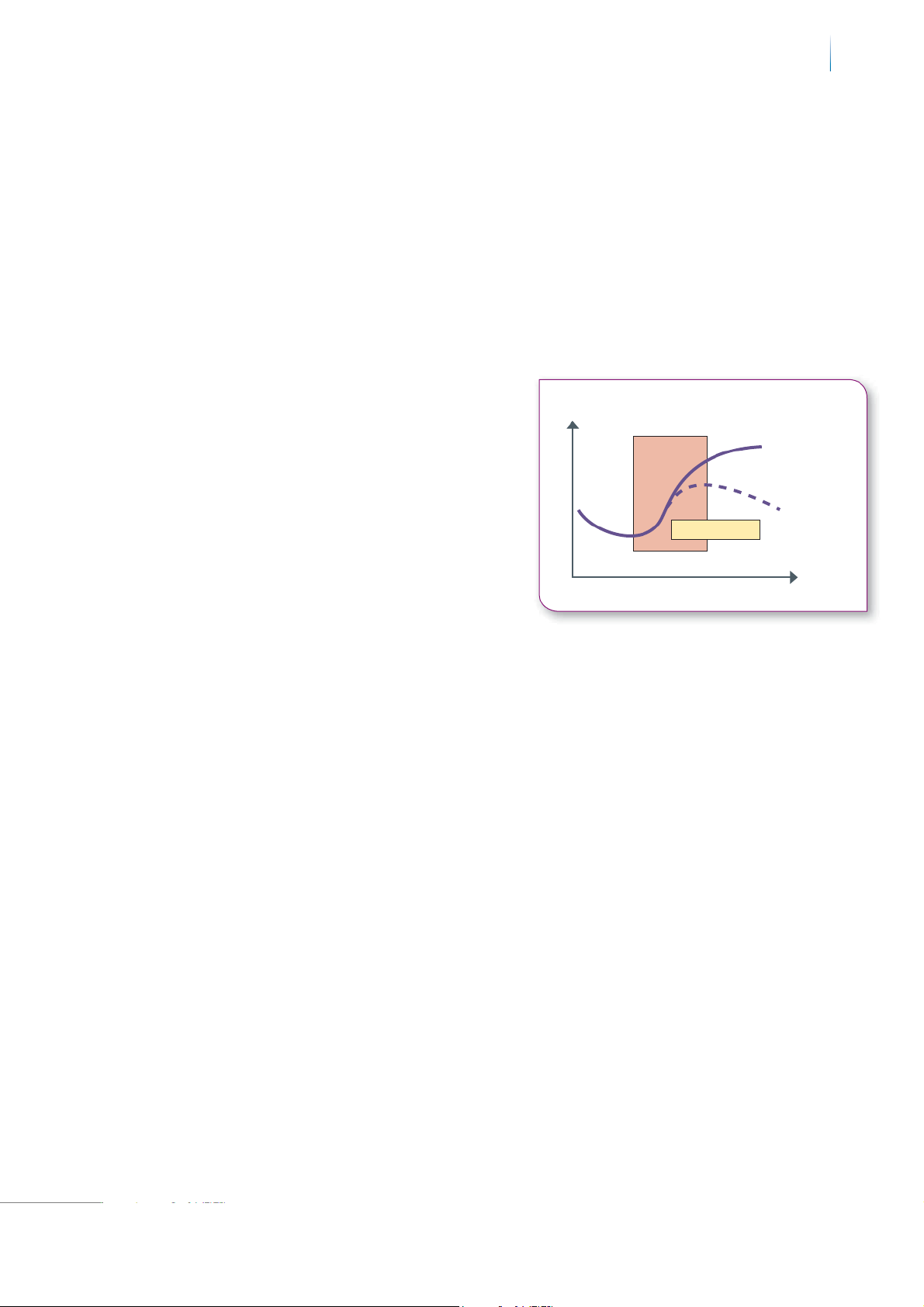
Critical Zone of Team Effectiveness and
interests. Subteams may form around areas of agreement and dis- Stages of Team Development Effective Team
agreement. Confl ict may develop as individuals compete to impose Process gains > losses
their preferences on others and to become infl uential.
Important changes occur in the storming stage as task agendas Ineffective Team
become clarifi ed and members begin to understand one another’s Process losses > gains
styles. Attention begins to shift toward obstacles that may stand in Critical Zone
the way of task accomplishment. Eff orts are made to fi nd ways to
meet team goals while also satisfying individual needs. Th e storming Team Performance
Forming – Storming Norming – Performing
stage is part of a “critical zone” in team development, where successes
create long-term gains while failures create long-lasting problems. Team Development Stages / Time Norming Stage
It is in the norming stage that team members begin to cooperate wel with one an-
other. Shared rules of conduct emerge and the team feels a sense of leadership as
each member starts to fulfi l useful roles. Interpersonal hostilities start to diminish
and harmony is emphasized, but minority viewpoints may stil be discouraged.
Th e norming stage is also part of the critical zone of team development. As mem-
bers develop initial feelings of closeness, a division of labor, and shared expectations,
this helps protect the team from disintegration. In fact, holding the team together
may seem more important than accomplishing important tasks. Performing Stage
Teams in the performing stage are more mature, organized, and wel -functioning.
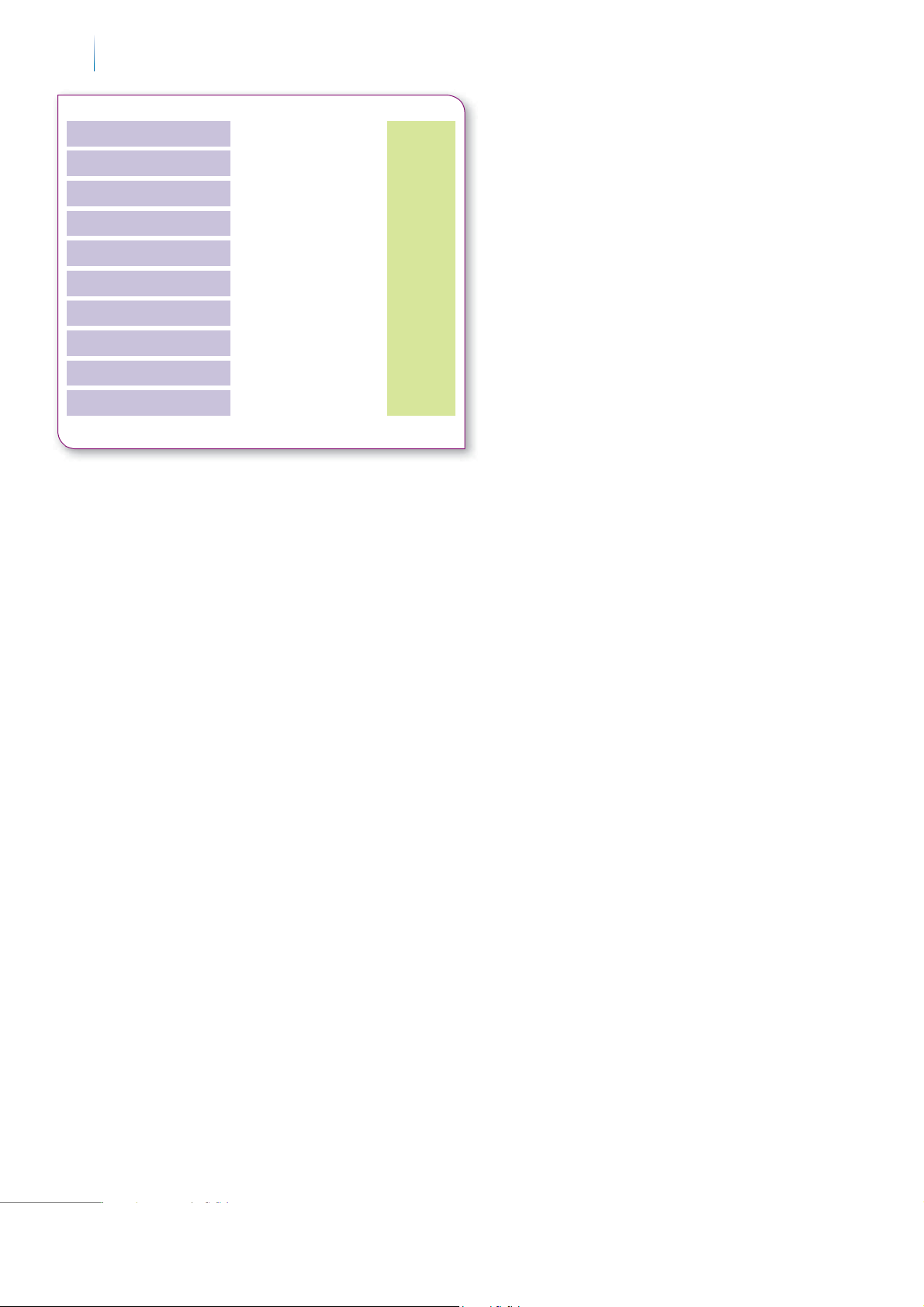
Th ey score high on the criteria of team maturity shown in Figure 17.3.43 Performing
is a stage of total integration in which team members are able to deal in creative
ways with complex tasks and any interpersonal confl icts. Th e team operates with a
clear and stable structure and members are motivated by team goals. Th e primary
chal enges are to continue refi ning how the team operates and building member
relationships to keep everyone working wel together as an integrated unit. Adjourning Stage
Th e fi nal stage of team development is adjourning, when team members prepare
to achieve closure and disband. Temporary committees, task forces, and project 444 TEAM A S N T D E AMWORK
teams should disband with a sense that important Very poor Very good
goals have been accomplished. But this can be an 1. Trust among members 1 2345
emotional period after team members have worked 2. Feedback mechanisms 12345
together intensely for some time. Adjourning is a 3. Open communications 12345
time when it is important to acknowledge everyone
for their contributions, praise them, and celebrate the 4. Approach to decisions 12345
team’s success. A team ideal y disbands with every- 5. Leadership sharing 12345
one feeling they would like to work with one another again sometime in the future. 6. Acceptance of goals 12345 7. Valuing diversity 12345 Norms and Cohesiveness 8. Member cohesiveness 12345
A norm is a behavior expected of team members.44 9. Support for each other 12345
It is a “rule” or “standard” that guides behavior. Typi- 10. Performance norms 12345
cal team norms relate to such things as helpfulness,
participation, timeliness, work quality, and creativity
and innovation. A team’s performance norm is one of FIGURE 17.3
the most important, since it defi nes the level of work
Criteria for assessing the maturity of a team.
eff ort and performance that members are expected to contribute. Work groups and
teams with positive performance norms are more successful in accomplishing task
A norm is a behavior, rule, or stan-
objectives than are teams with negative performance norms.
dard expected to be fol owed by team members. Managing Team Norms
Team leaders should help and encourage members to develop positive norms. Dur-
ing the forming and storming steps of development, for example, norms relating to
expected attendance and levels of commitment are important. By the time the stage
of performing is reached, norms relating to adaptability and change become rele-
vant. Here are some things leaders can do to help their teams build positive norms.46
• Act as a positive role model.
• Reinforce the desired behaviors with rewards.
• Control results by performance reviews and regular feedback.
• Train and orient new members to adopt desired behaviors.
• Recruit and select new members who exhibit the desired behaviors.
• Hold regular meetings to discuss progress and ways of improving.
• Use team decision-making methods to reach agreement. Managing Team Cohesiveness
Team members vary in adherence to group norms. Conformity to norms is largely
Cohesiveness is the degree to which
determined by the strength of team cohesiveness, the degree to which members
members are attracted to and moti-
are attracted to and motivated to remain part of a team.45 Persons in a highly co-
vated to remain part of a team.
hesive team value their membership and strive to maintain positive relationships
with other team members. Because of this, they tend to conform to the norms. In
the extreme, violation of a norm on a highly cohesive team can result in a member
being expelled or social y ostracized.
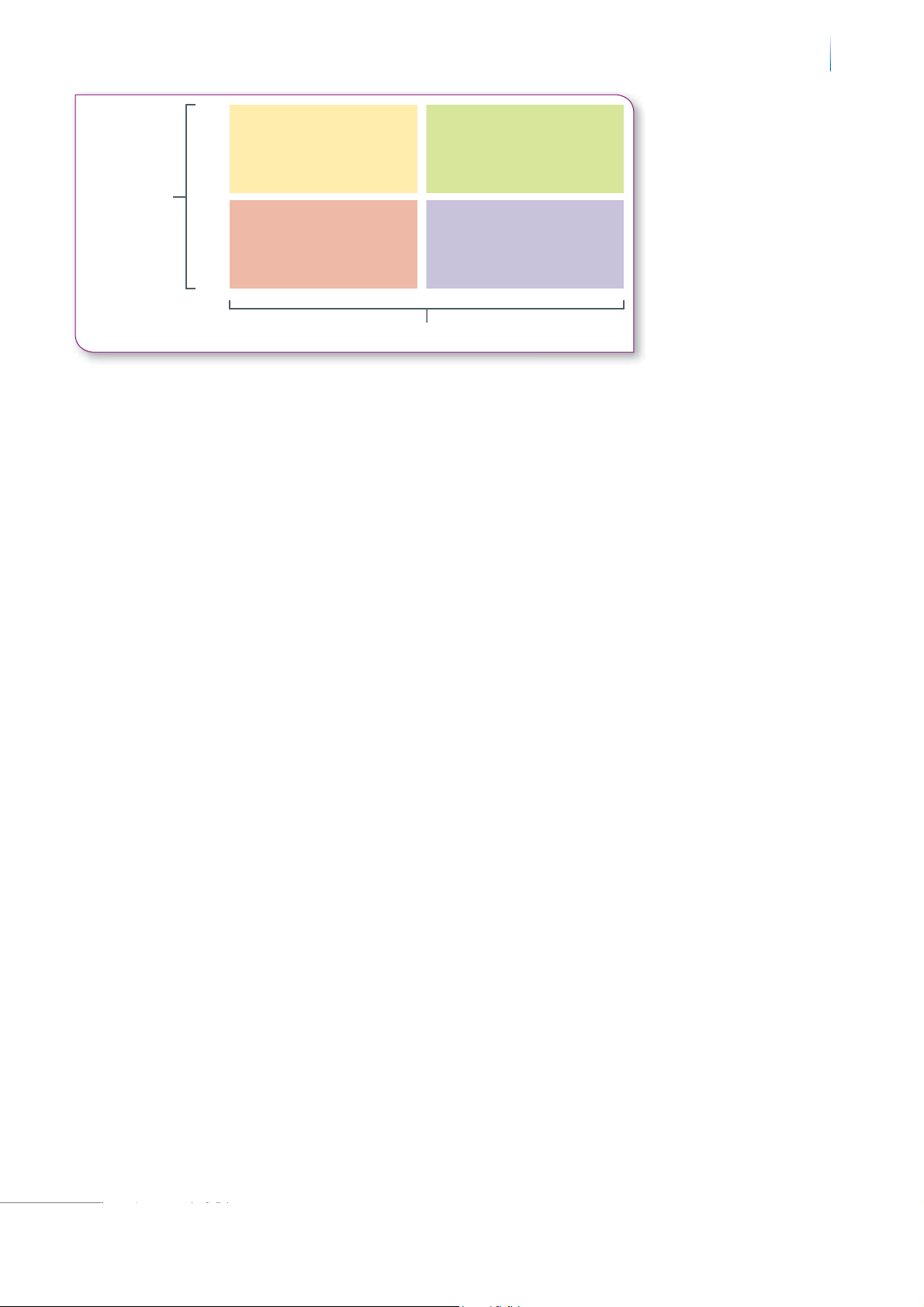
Figure 17.4 shows the power of group cohesiveness. Th e “best-case” scenario is
a team with high cohesiveness and a high performance norm. Strong conformity
to norms by members of this team has a benefi cial eff ect on team performance. How Teams Work 445
FIGURE 17.4 Howc ohesiveness and norms infl uence team Worst-case scenario Best-case scenario performance. Low performance High performance High Strong commitments to Strong commitments to negative norms positive norms Team cohesiveness Low to moderate performance Moderate performance Low Weak commitments to Weak commitments to negative norms positive norms Negative Positive Performance norms
Contrast this with the “worst-case” scenario of high cohesiveness and a low per-
formance norm. Members of this team conform to the low performance norm and restrict their work eff orts.
We have already talked about ways to build positive norms. But, the implications
of Figure 17.4 suggest that managers must also be good at building high cohesive-
ness. Th is can be done in the fol owing ways.
• Create agreement on team goals.
• Reward team rather than individual results.
• Increase membership homogeneity.
• Increase interactions among members. • Decrease team size.
• Introduce competition with other teams.
• Provide physical isolation from other teams. Task and Maintenance Roles
Research on the social psychology of groups identifi es two types of roles or activities
that are essential if team members are to work wel together.47 Task activities con- A task activity is an action taken by a
tribute directly to the team’s performance purpose, while maintenance activities
team member that directly contributes
to the group’s performance purpose.
support the emotional life of the team as an ongoing social system.
A maintenance activity is an action
Although the team leader or supervisor should give them special attention, the
taken by a team member that supports
responsibility for task and maintenance activities should be shared and distributed the emotional life of the group.
among al team members. Anyone can help lead a team by acting in ways that sat-
isfy these needs. Th is concept of distributed leadership in teams makes every
Distributed leadership is when al
member continual y responsible for both recognizing when task or maintenance
members of a team contribute helpful
task and maintenance behaviors.
activities are needed and taking actions to provide them.
Leading through task activities involves making an eff ort to defi ne and solve prob-
lems and to advance work toward performance results. Without the relevant task
activities such as initiating agendas, sharing information, and others shown in Fig-
ure 17.5, teams wil have diff i culty accomplishing their objectives. Leading through
maintenance activities, by contrast, helps strengthen the team as a social system.
When maintenance activities such as gatekeeping, encouraging others, and reduc-
ing tensions are performed wel , good interpersonal relationships are achieved and
the ability of the team to stay together over the longer term is ensured. 446 TEAM A S N T D E AMWORK
FIGURE 17.5 Distributed Distributed leadership
leadership helps teams meet task roles in teams and maintenance needs. Team leaders Team leaders provide task activities provide maintenance activities Initiating Elaborating Gatekeeping Following Information sharing Opinion giving Encouraging Harmonizing Summarizing Reducing tension Team leaders avoid disruptive activities Being aggressive Competing Blocking Withdrawal Self-confessing Horsing around
Seeking sympathy Seeking recognition
Both team task and maintenance activities stand in distinct contrast to the
Disruptive activities are self-serving
disruptive activities described in Figure 17.5. Activities such as showing incivil-
behaviors that interfere with team
ity toward other members, withdrawing from the discussion, and fooling around eff ectiveness.
are self-serving and detract from, rather than enhance, team eff ectiveness. Unfor-
tunately, very few teams are immune to dysfunctional behavior. And, every team
member shares in the responsibility for minimizing its occurrence. Communication Networks
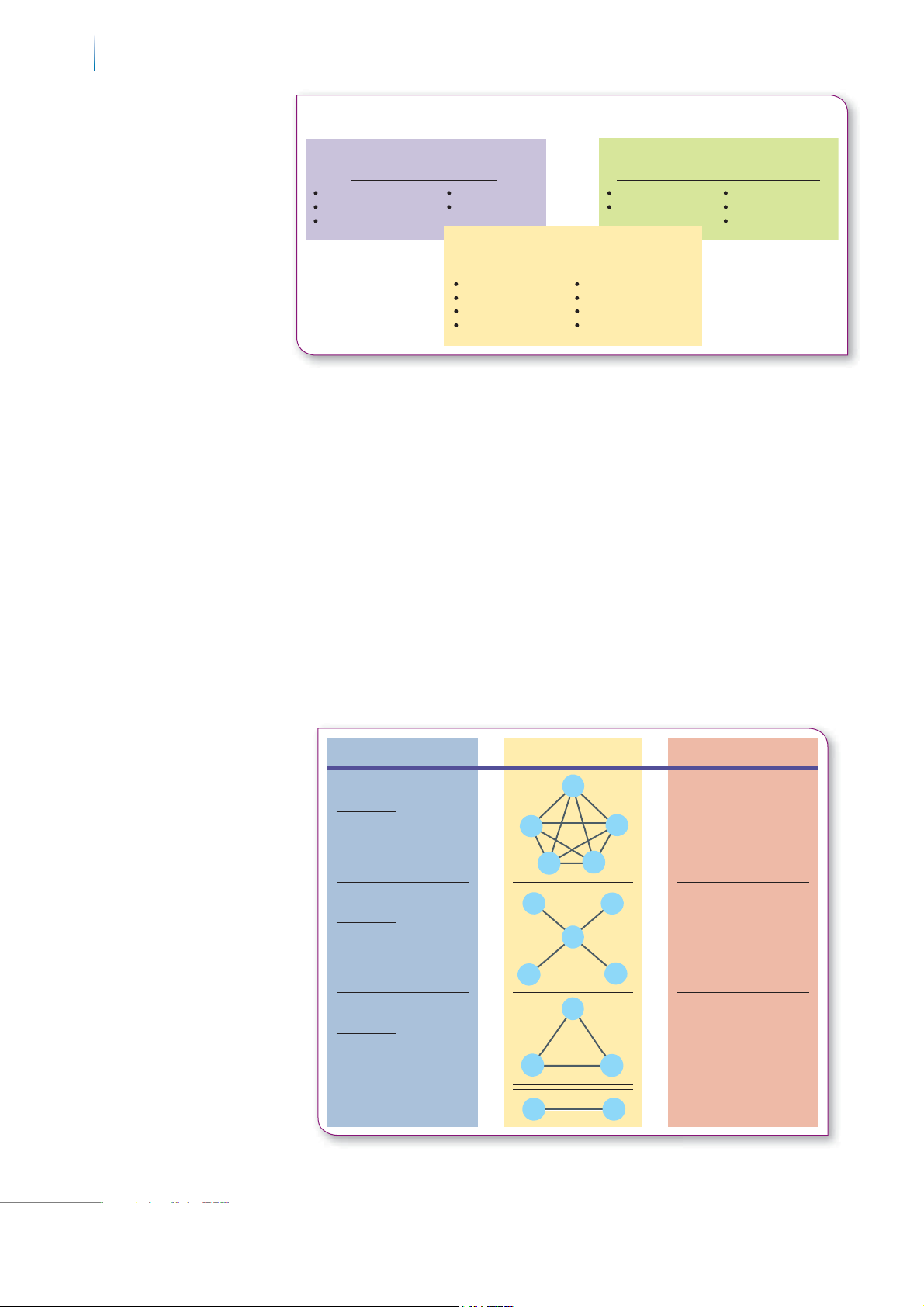
Th ere is considerable research on the team interaction patterns and communication
networks shown in Figure 17.6.48 When team members must interact intensively and
A decentralized communication
work closely together on complex tasks, this need is best met by a decentralized
network al ows all members to
communication network. Sometimes called the al -channel or star communication communicate directly with one another.
network, this is where al members communicate directly with one another. At other
FIGURE 17.6 Interactionp atterns
and communication networks in Di agram Pattern Characteristics teams. Interacting High interdependency Group around a common task Decentralized Best at complex communication tasks network Co-acting Independent individual Group efforts on behalf of common task Centralized Best at simple communication tasks network Counteracting Subgroups in Group disagreement with one another Restricted Slow task communication accomplishment network Decision Making in Teams 447
times team members can work on tasks independently, with the required work be-
ing divided up among them. Th is creates a centralized communication network, In a centralized communication
sometimes cal ed a wheel or chain communication structure. Its activities are coordi- network, communication fl ows only
between individual members and a hub,
nated and results pooled by a central point of control. or center point.
When teams are composed of subgroups experiencing issue-specifi c disagree-
ments, such as a temporary debate over the best means to achieve a goal, the result-
ing interaction pattern often involves a restricted communication network. Here, In a restricted communication net-
polarized subgroups contest one another and may even engage in confl ict. Commu- work, subgroups have limited commu- nication with one another.
nication between the subgroups is limited and biased, with negative consequences
for group process and eff ectiveness.
Th e best teams use each of these communication networks, but they use them in
the right ways and at the right times. Centralized communication networks seem
to work bet er on simple tasks.49 Th ese tasks lend themselves to more centralized
control because they require little creativity, information processing, and problem
solving. Th e reverse is true for more complex tasks, where interacting groups do
better. Th eir decentralized communication networks support the more intense in-
teractions and information sharing required to perform complicated tasks. Even co-
acting groups can be useful. When teams get complacent, the confl ict that emerges
from them can be a source of creativity and critical evaluation. But when these sub-
groups stop communicating and helping with one another, task accomplishment
typical y suff ers—for the short run at least. LEARNING CHECK 3
TAKEAWAY QUESTION 3 How do teams work?
Be sure you can • defi ne team effectiveness • identify inputs that infl uence group effectiveness • discuss how
membership diversity infl uences team effectiveness • list fi ve stages of group development • defi ne group norm
and list ways to build positive group norms • defi ne cohesiveness and list ways to increase group cohesion
• explain how norms and cohesiveness infl uence team performance • differentiate between task, maintenance,
and disruptive activities • describe use of decentralized and centralized communication networks Decision Making in Teams
Decision making, the process of making choices among alternative possible
Decision making is the process of
courses of action, is one of the most important group processes. Th e best teams will making choices among alternative possible courses of action.
use a variety of decision-making methods over time as they face diff erent kinds of
problems.50 But as with other aspects of teamwork, decision making can be chal-
lenging.51 Edgar Schein, a respected scholar and consultant, says al this can be bet-
ter understood when we recognize that teams use at least six methods to make
decisions: lack of response, authority rule, minority rule, majority rule, consensus, and unanimity.52 Ways Teams Make Decisions
In decision by lack of response, one idea after another is suggested without any dis-
cussion taking place. When the team fi nal y accepts an idea, all others have been
bypassed by simple lack of response rather than by critical evaluation. 448 TEAM A S N T D E AMWORK FOLLOW
> INNOVATION OPPORTUNITIES AND GREAT IDEAS ALL TOO THE STORY
OFTEN GET BURIED IN ORGANIZATIONAL BUREAUCRACIES
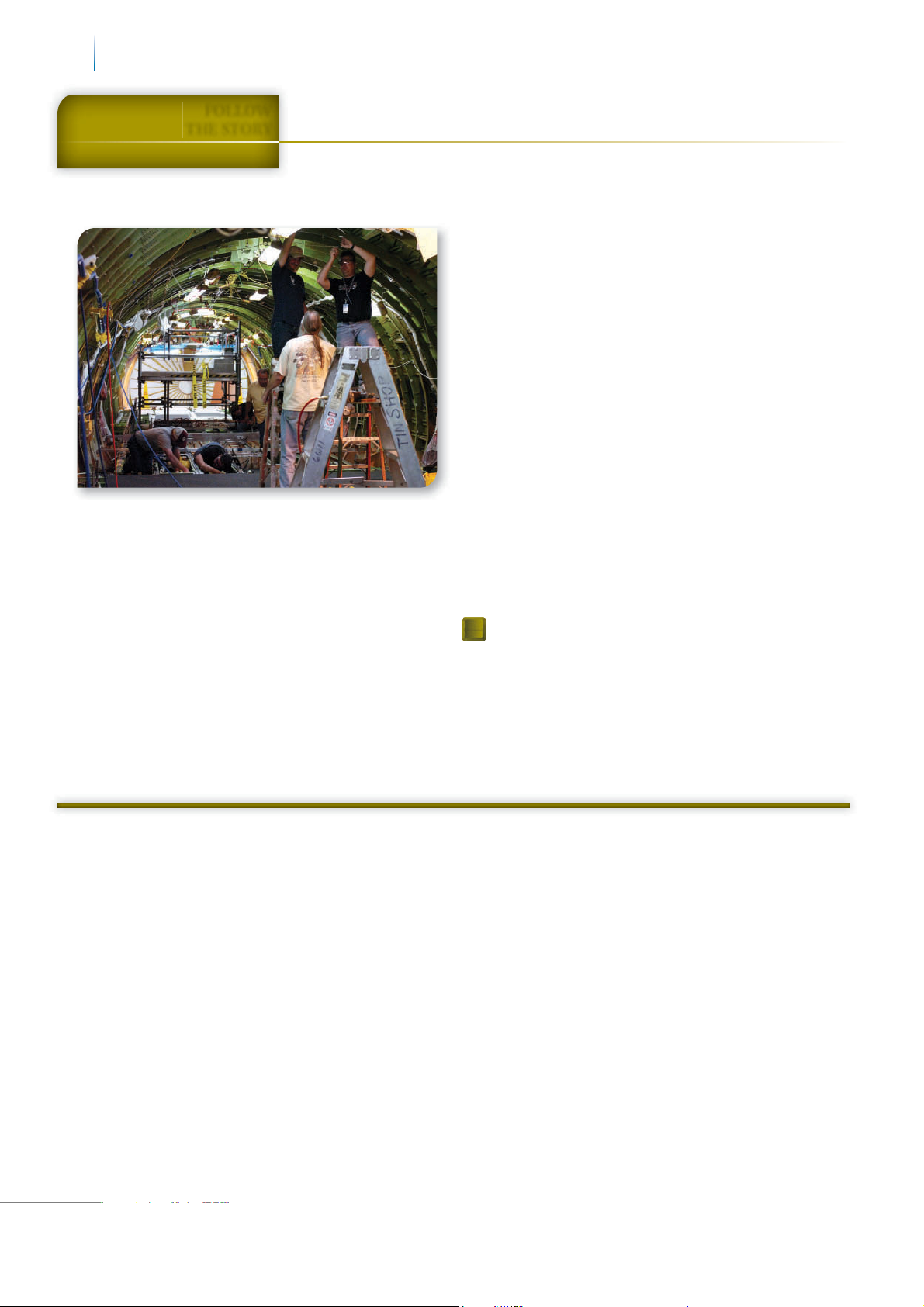
Teams and Teamwork Add Lift to Boeing’s New Planes
things better and comes up with ways to speed up each
job by fi ve minutes per worker.
Situation: Installers got crowded and delayed while trying
to assemble 640 tubes in a plane’s wheel well. Teamwork:
A team saved 30 hours per plane by breaking the process
into smaller subassemblies done outside the wells.
Boeing has over 1,300 teams working on its commercial jets.
The ideas generated by members of these teams are cru-
cially important as the company tries to deal with large order
backlogs and delivery delays. But assembling passenger
airplanes is a complicated, time consuming, and physically
large task. All this places a premium on employee voice and
creativity. Vice President Eric Lindblad says: “How do you
Larry W. Smith/©AP/WideWorld Photos
produce more aircraft without expanding the space? Space
is the forcing function that means you’ve got to be creative.” L
Unlocking creativity through teamwork is one manage- olt os o t fe p v r e o ryd u d c a t y i vi wty h eann d g i o n o n d o i v da eti ao s na o rep p b o urritu e n d iti n e s o rg g e a t n iza-
ment response to Boeing’s need for innovation and effi ciency.
tional bureaucracy. Sometimes managers don’t listen or ask
The expertise and ideas exist with the workers, but it often
for suggestions. Sometimes employees don’t volunteer or
takes the best of teamwork to bring them to the surface.
let their voices get lost in the crowd. So what’s a company
that faces enormous complexity—say a company that builds
some of the world’s most sophisticated airplanes—do? At WHAT’S YOUR TAKE?
Boeing the answer is teams, lots of them.
Boeing is turning to its skilled workforce and asking for
Situation: Production is bogging down because of slow
suggestions on how to boost productivity. But can you get
engine assemblies. Teamwork: A team comes up with a
creative ideas from just putting people into teams and saying
way to rearrange workspace so that four engines can be
“give us your best ideas?” Or, is there more to it? What roles
assembled at one time, instead of just three.
do supportive leadership, a culture of openness and trust, and
Situation: A paint shop has long been doing things the
perhaps more, play in making teams and teamwork the asset
same way. Teamwork: A team decides they could do
that companies like Boeing and others would like them to be?
In decision by authority rule, the leader, manager, committee head, or some
other authority fi gure makes a decision for the team. Th is can be done with or
without discussion and is very time-eff i cient. Whether the decision is a good one
or a bad one, however, depends on whether the authority fi gure has the necessary
information and expertise, and on how wel this approach is accepted by other team members.
In decision by minority rule, two or three people are able to dominate or “rail-
road” the team into making a decision that they prefer. Th is is often done by pro-
viding a suggestion and then forcing quick agreement by chal enging the team
with such statements as “Does anyone object? No? Wel let’s go ahead, then.”
One of the most common things teams do, especial y when signs of disagree-
ment arise, is to take a vote and arrive at a decision by majority rule. Although this Decision Making in Teams 449
is consistent with the democratic political process, it has some potential prob-
lems. Th e very process of voting can create coalitions as some people become
“winners” and others “losers.” Th ose in the minority—the “losers”—may feel left
out or discarded without having had a fair say. Th ey may be unenthusiastic about
implementing the decision of the “majority,” and lingering resentments may impair
team eff ectiveness in the future. Such possibilities are wel illustrated in the politi-
cal arena, where candidates receiving only smal and controversial victory margins
end up struggling against entrenched opposition from the losing party.
Teams are often encouraged to achieve decision by consensus. Th is is where ful
discussion leads to one alternative being favored by most members, and the other
members agree to support it. When a consensus is reached, even those who may
have opposed the decision know that their views have been heard by everyone in-
volved. Consensus does not require unanimity, but it does require that team mem-
bers are able to argue, engage in reasonable confl ict, and stil get along with and re-
spect one another.53 As pointed out in Management Smarts, true consensus occurs
only when any dissenting members have been able to speak their minds and know they have been listened to.54
A decision by unanimity may be the ideal state of aff airs. “Unanimity” means that
al team members agree on the course of action to be taken. Th is is a logical y per-
fect method, but it is also extremely diff i cult to achieve in actual practice. One of
the reasons that teams sometimes turn to authority decisions, majority voting, or
even minority decisions, is the diff i culty of managing the team process to achieve consensus or unanimity. Advantages and Disadvantages of Team Decisions
When teams take time to make decisions by consensus or unanimity, they gain spe-
cial advantages over those relying more on individual or minority decision meth-
ods.55 Th e process of making a true team decision makes more information, knowl-
edge, and expertise available. It expands the number of action alternatives that are
examined, and helps to avoid getting trapped by tunnel vision and considering only
one or a few options. Team decisions also increase understanding and acceptance by
members. Th is helps build commitments of members
to work hard to implement the decisions they have made together. ManagementSmarts
Th e potential disadvantages of team decision
making trace largely to the diff i culties with group How to Achieve Consensus
process. It can be hard to reach agreement when
many people are trying to make a team decision.
1. Don’t argue blindly; consider others’ reactions to your points.
Th ere may be social pressure to conform and even
2. Don’t change your mind just to reach quick agreement.
minority domination, where some members feel
3. Avoid confl ict reduction by voting, coin tossing, bargaining.
forced or “railroaded” to accept a decision advocated
4. Keep everyone involved in the decision process.
by one vocal individual or smal coalition. And for
5. Al ow disagreements to surface so that things can be deliberated.
sure, the time required to make team decisions can
6. Don’t focus on winning versus losing; seek acceptable
sometimes be a disadvantage. As more people are in- alternatives.
volved in the dialogue and discussion, decision mak-
7. Discuss assumptions, listen careful y, and encourage inputs
ing takes longer. Th is added time may be costly, even by al .
prohibitively so, in certain circumstances. 450 TEAM A S N T D E AMWORK
When Teams Stand Up, Decisions Speed Up
Did you ever wonder what it would take to move decisions along a lot faster in a team
meeting? One solution is simple: Take away the seats. At the software firm Atomic Ob-
ject, seats are out and speed is in. At the regular team meeting that starts each workday,
everyone stands up. They also have to be on time and are expected to stay on task;
no playing Angry Birds or chit-chatting. Even tables are out at many Atomic Ob-
ject meetings. A vice president declares “They make it too easy to lean or rest lap-
tops.” Stand up meetings are popular in the tech industry, where some cal them
“agile meetings.” At Atomic Object, agile they are; the typical meeting lasts less than Cultura Creative/Alamy five minutes. Groupthink
One of the potential downsides of team decision making is what psychologist Ir-
Groupthink is a tendency for highly
ving Janis cal s groupthink, the tendency for highly cohesive teams to lose their
cohesive teams to lose their evaluative
critical evaluative capabilities.56 Although it may seem counterintuitive, a high capabilities.
level of cohesiveness can be a disadvantage if strong feelings of team loyalty make
it hard for members to criticize and evaluate one another’s ideas and suggestions.
Members of very cohesive teams may feel so strongly about the group that they
won’t say or do anything that might harm the goodwil . Th ey end up publicly agree-
ing with actual or suggested courses of action that they have serious doubts about.
Groupthink occurs as desires to hold the team together and avoid disagreements result in poor decisions.
Janis suggests that groupthink played a role in wel -known historical cases such
as the lack of preparedness of U.S. naval forces for the Japanese attack on Pearl
Harbor, the Bay of Pigs invasion under President Kennedy, and the many roads
that led to the United States’ diff i culties in the Vietnam War. But he also says that
when the groupthink symptoms listed
here are spotted, managers and team ManagementSmarts
leaders can prevent them from causing too much harm. How to Avoid Groupthink
• Il usions of invulnerability: Members
• Assign the role of critical evaluator to each team member; encourage a
assume that the team is too good for sharing of viewpoints. criticism, or beyond attack.
• As a leader, don’t seem partial to one course of action; do absent yourself
• Rationalizing unpleasant and discon-
from meetings at times to al ow free discussion.
fi rming data: Members refuse to accept
• Create subteams to work on the same problems and then share their pro-
contradictory data or to thoroughly posed solutions. • consider alternatives.
Have team members discuss issues with outsiders and report back on their reactions.
• Belief in inherent group morality: Mem-
• Invite outside experts to observe team activities and react to team pro-
bers act as though the group is inher- cesses and decisions.
ently right and above reproach.
• Assign one member to play a “devil’s advocate” role at each team meeting.
• Stereotyping competitors as weak, evil,
• Hold a “second-chance” meeting to review the decision after consensus is
and stupid: Members refuse to look re- apparently achieved. alistical y at other groups.
Tài liệu liên quan:
-
CHAP 1: Introduction to Management Concepts and Functions môn Principles of Management | Trường Đại học Quốc tế, Đại học Quốc gia Thành phố Hồ Chí Minh
1 1 -
Guidelines for group’s assignments: Analysing management issues of a FDI company based inVietnam môn Principles of Management | Trường Đại học Quốc tế, Đại học Quốc gia Thành phố Hồ Chí Minh
1 1 -
Financial Planning to Achieve 300m VND Goal in 3 Years môn Principles of Management | Trường Đại học Quốc tế, Đại học Quốc gia Thành phố Hồ Chí Minh
1 1 -
A Case Study in Fast Fashion Success môn Principles of Management | Trường Đại học Quốc tế, Đại học Quốc gia Thành phố Hồ Chí Minh
1 1 -
Chap 16 Hierarchy of Needs Theory and Applications môn Principles of Management | Trường Đại học Quốc tế, Đại học Quốc gia Thành phố Hồ Chí Minh
1 1