Final Exam môn Principles of Management | Trường Đại học Quốc tế, Đại học Quốc gia Thành phố Hồ Chí Minh
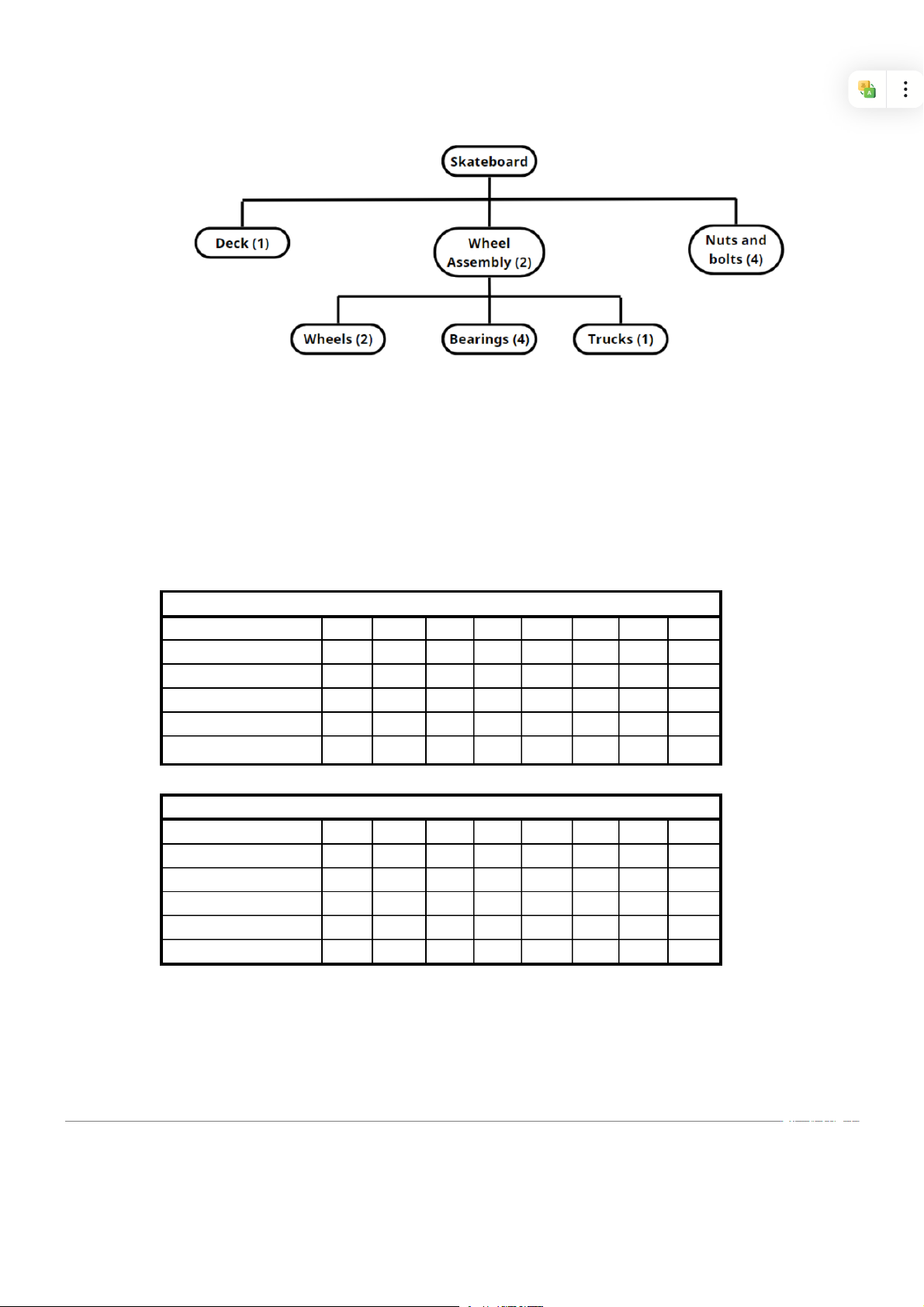
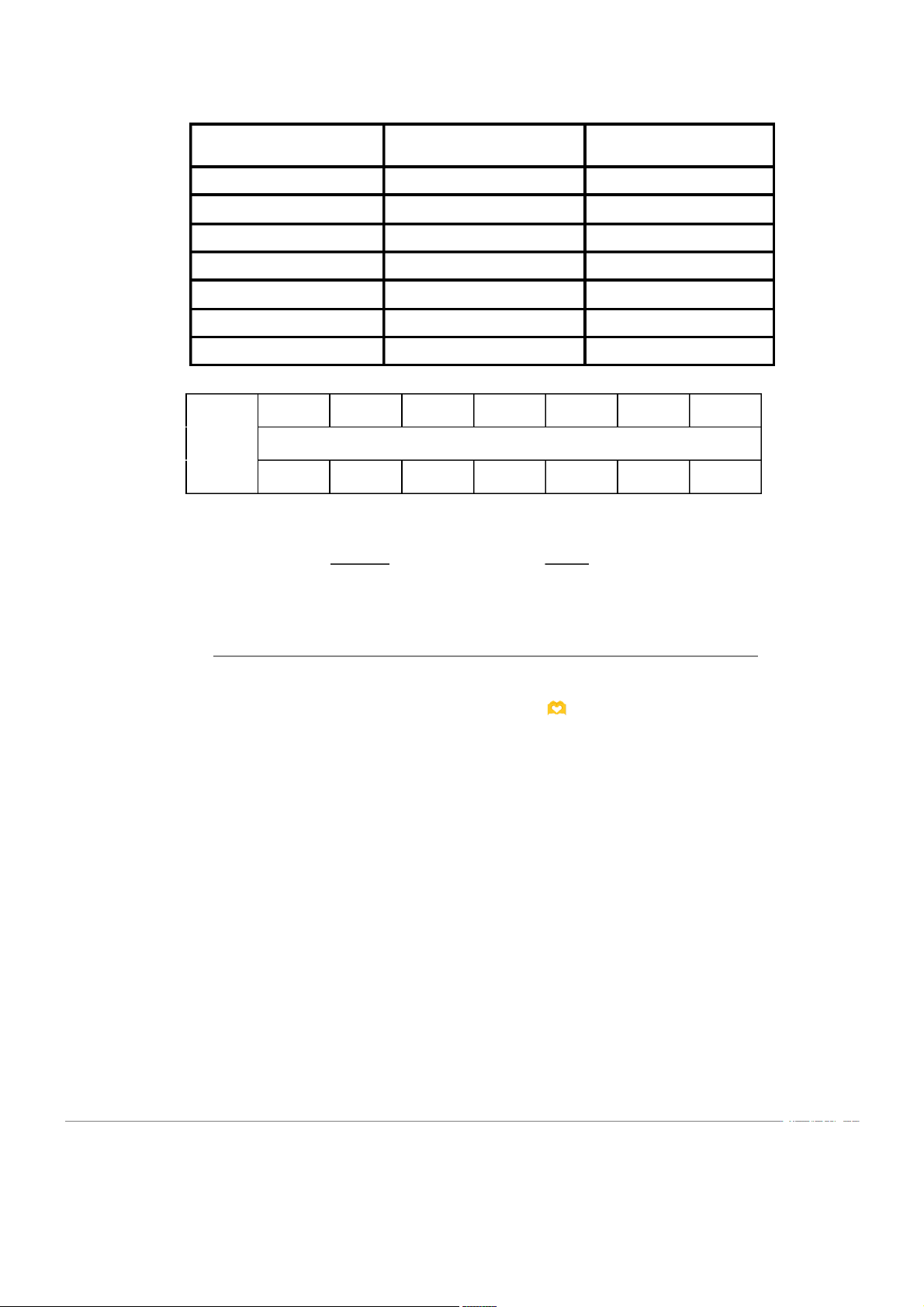
AboveistheBOMassemblyoftheskateboard.LeadtimeforSkateboard,Deck,Wheel assembly,Wheels,Bearings,Trucks,andNutsandboltsarerespectively1,2,1,3,2,4, and4. Tài liệu giúp bạn tham khảo, ôn tập và đạt kết quả cao. Mời đọc đón xem!
Môn: Principles of Management 314 tài liệu
Trường: Trường Đại học Quốc tế, Đại học Quốc gia Thành phố Hồ Chí Minh 2 K tài liệu
Tác giả:





Preview text:
Question 1:
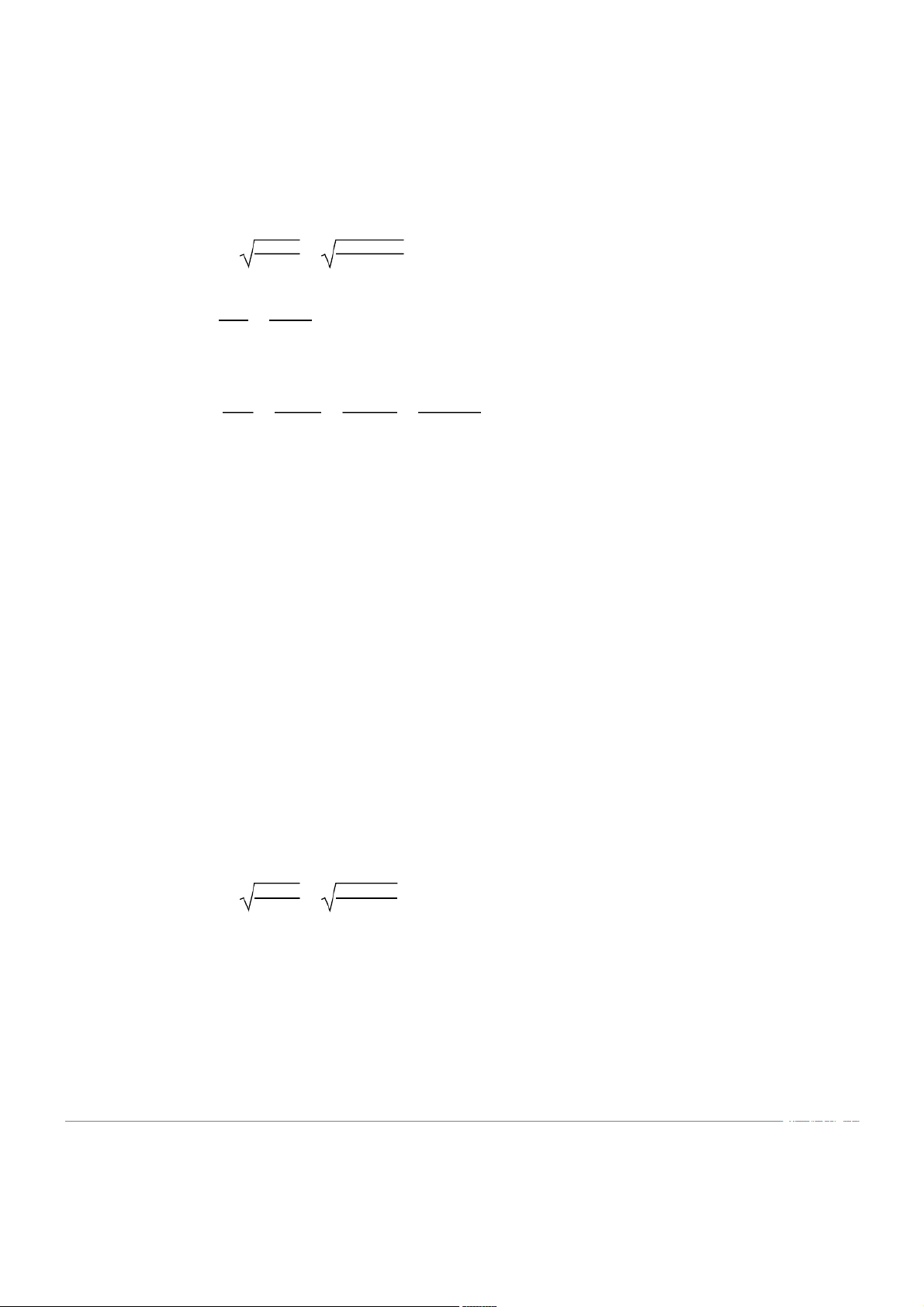
Above is the BOM assembly of the skateboard. Lead time for Skateboard, Deck, Wheel
assembly, Wheels, Bearings, Trucks, and Nuts and bolts are respectively 1, 2, 1, 3, 2, 4,
and 4. The company receives orders for 10 skateboards delivered in week 7 of a planning
period and 35 skateboards in week 8. Its stock currently has 5 complete skateboards, 25
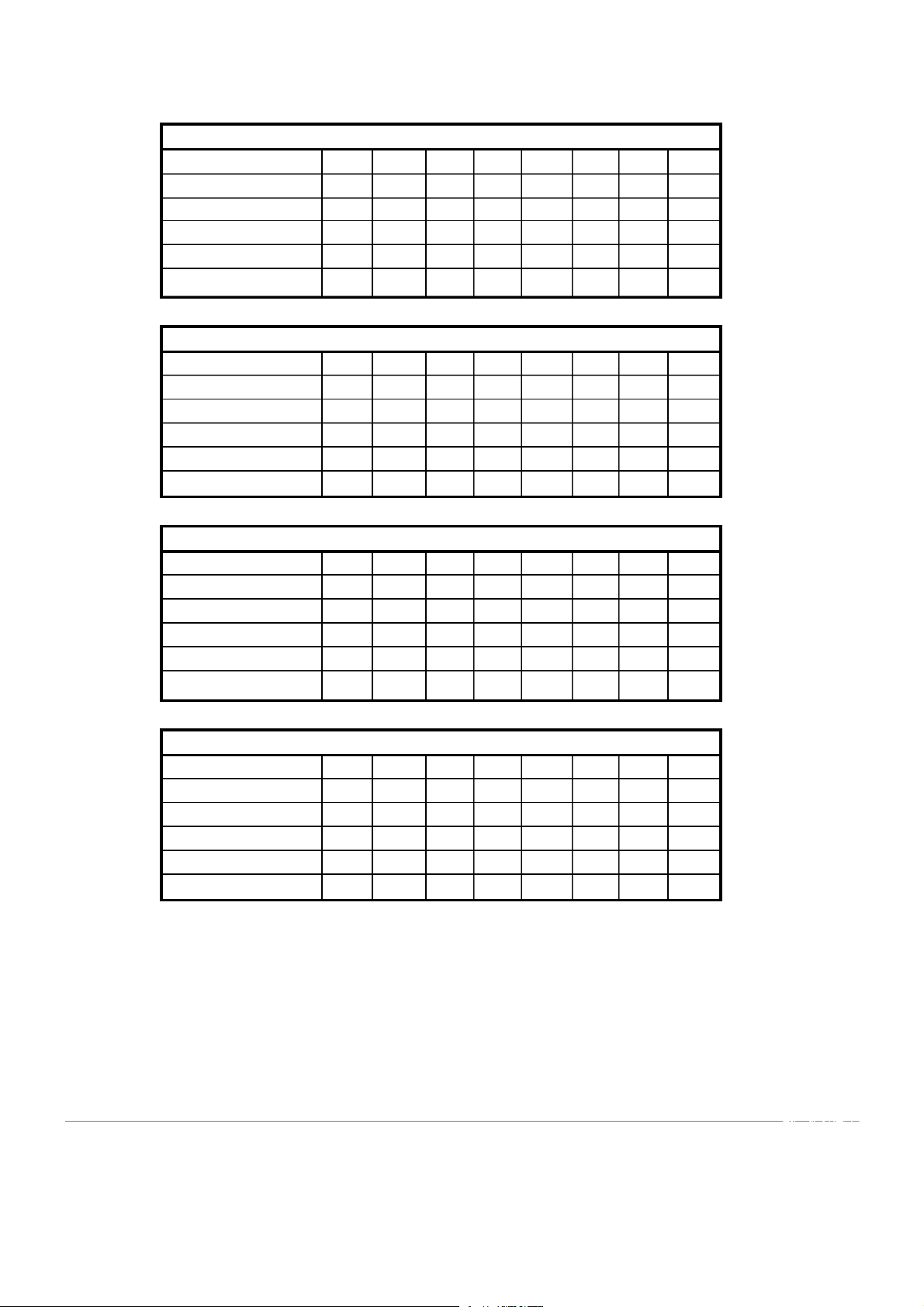
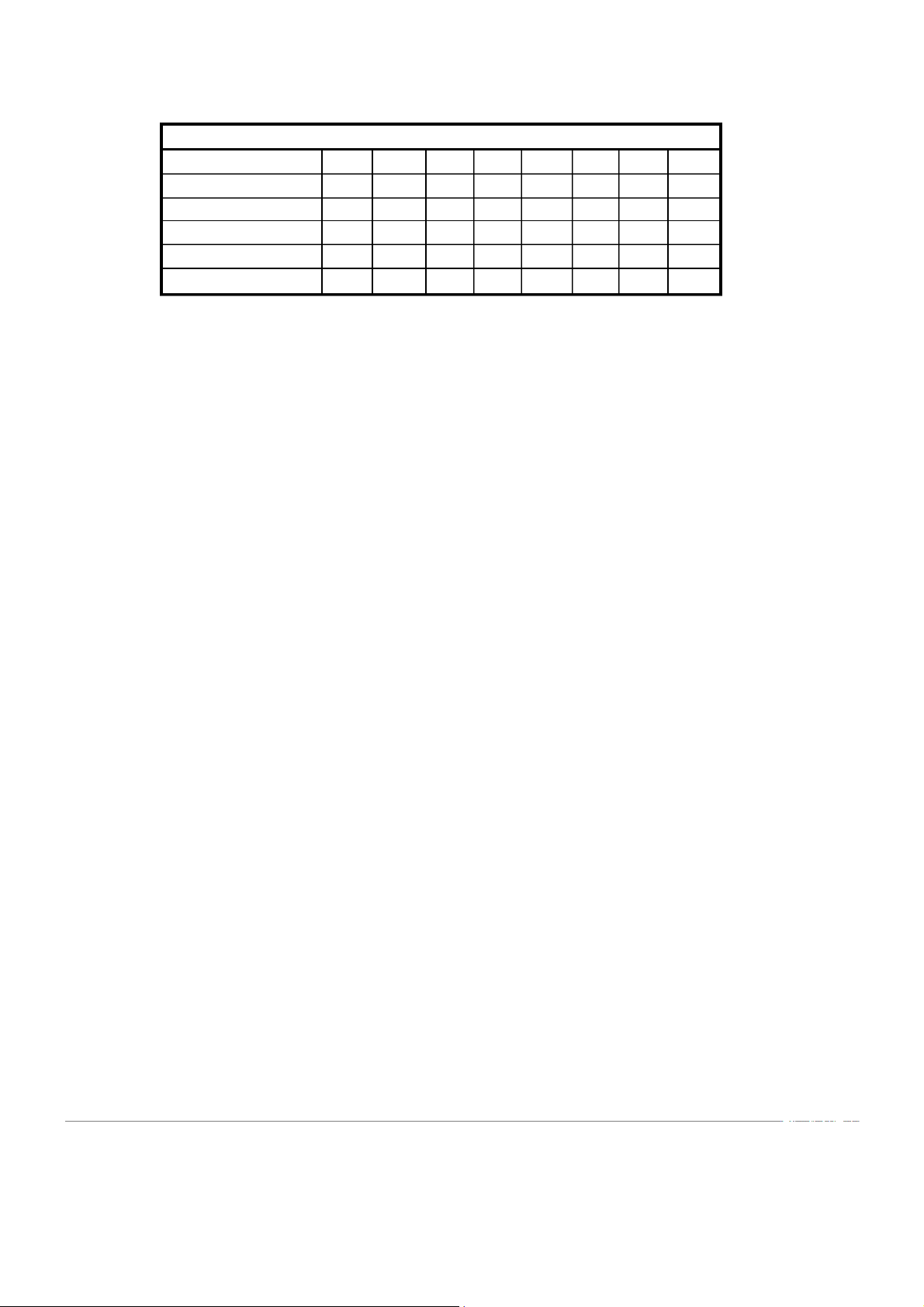
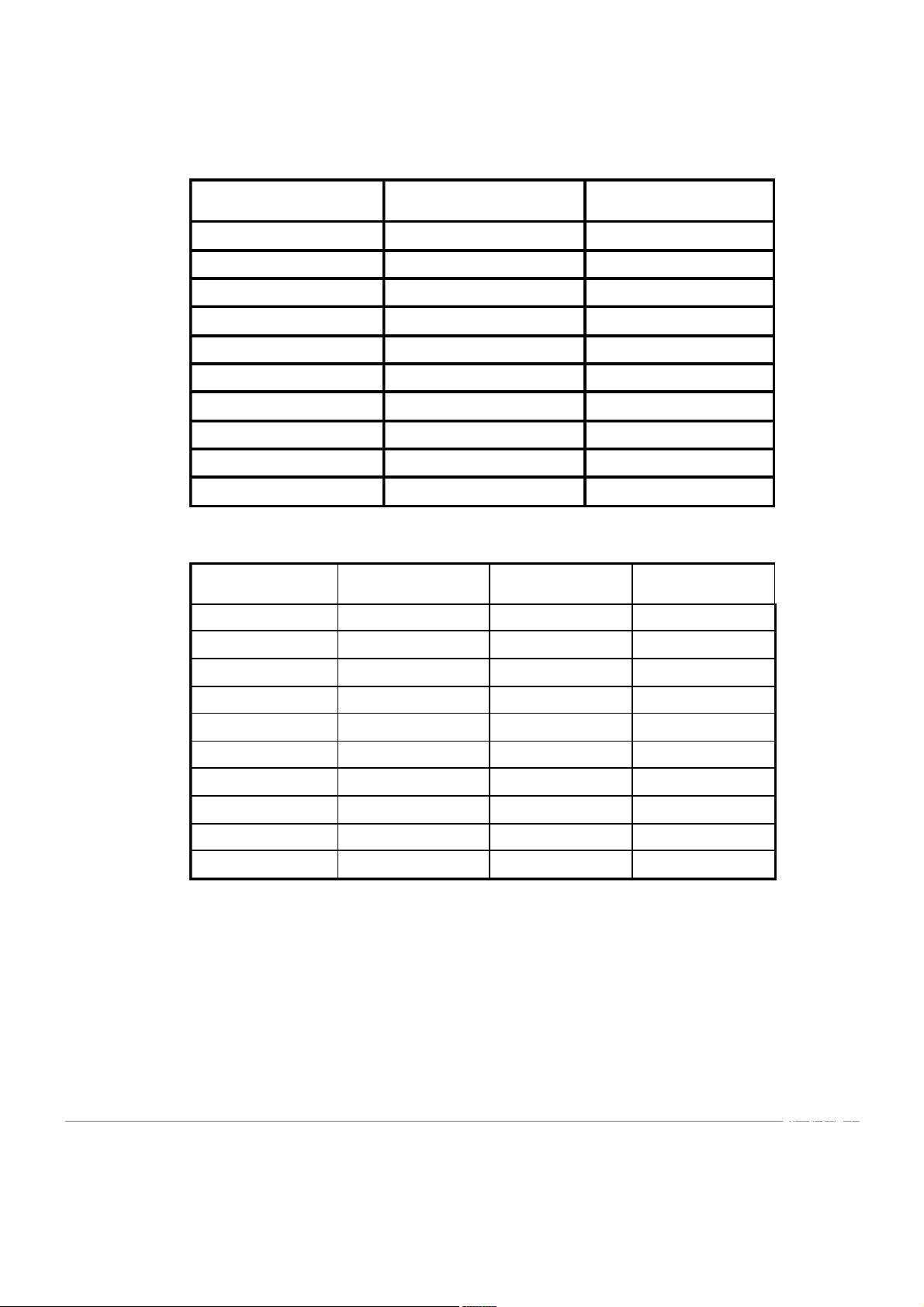
wheels, 15 trucks, and 30 nuts and bolts. When should it order parts? Solution: Level 0 - Skateboard (L=1) Week 1 2 3 4 5 6 7 8 Gross requirement 10 35 Opening stock 5 5 5 5 5 5 5 Net requirement 5 35 Start assembly 5 35 Scheduled completion 5 35 Level 1 - Deck (L=2) Week 1 2 3 4 5 6 7 8 Gross requirement 5 35 Opening stock Net requirement 5 35 Start order 5 35 Scheduled completion 5 35 Level 1 - Wheel Assembly (L=1) Week 1 2 3 4 5 6 7 8 Gross requirement 10 70 Opening stock Net requirement 10 70 Start assembly 10 70 Scheduled completion 10 70 Level 2 - Wheels (L=3) Week 1 2 3 4 5 6 7 8 Gross requirement 20 140 Opening stock 25 25 25 25 25 5 Net requirement 135 Start order 135 Scheduled completion 135 Level 2 - Bearings (L=2) Week 1 2 3 4 5 6 7 8 Gross requirement 40 280 Opening stock Net requirement 40 280 Start order 40 280 Scheduled completion 40 280 Level 2 - Trucks (L=4) Week 1 2 3 4 5 6 7 8 Gross requirement 10 70 Opening stock 15 15 15 15 15 5 Net requirement 65 Start order 65 Scheduled completion 65 Level 1 - Nuts and Bolts (L=4) Week 1 2 3 4 5 6 7 8 Gross requirement 20 140 Opening stock 30 30 30 30 30 30 10 Net requirement 130 Start order 130 Scheduled completion 130
→ The plan order should follow: Week 2: order 65 trucks
Week 3: order 135 wheels, 40 bearings, 130 nuts and bolts
Week 4: order 5 decks, 280 bearings
Weeks 5: order 35 decks, assemble 10 wheel assembly
Week 6: assemble 5 skateboards, 70 wheel assembly
Week 7: assemble 35 skateboards Question 2:
Emily Carter is a procurement officer at Horizon Supplies. She earns £18,000 annually,
with additional employment costs of £4,500. Her monthly budget for telephone,
communications, stationery, and postage is £7,500. On average, Emily processes 120
purchase orders each month. Inspection costs for received goods amount to £20 per
order. The cost of borrowing is 8%, with an obsolescence rate of 6%, and insurance and
other costs average 3%. Given this scenario, how does Horizont Supplies estimate their reorder and holding cost? Solution:
The total number of orders a year: 12×120 = 1,440 orders/yr.
The reorder cost includes all costs that occur for an order:
●salary = £18,000/1,440 = £12.5 an order
●employment costs = £4,500/1,440 = £3.125 an order
●expenses = £7,500/120 = £62.6 an order ●inspection = £20 an order
So the reorder cost is 12.5 + 3.125 + 62.5 + 20 = £98.125 an order.
Holding costs include all costs that occur for holding stock: ●borrowing = 8% ●obsolescence = 6% ●insurance and taxes = 3%
So the holding cost is 8 + 6 + 3 = 17% of inventory value a year. Question 3:
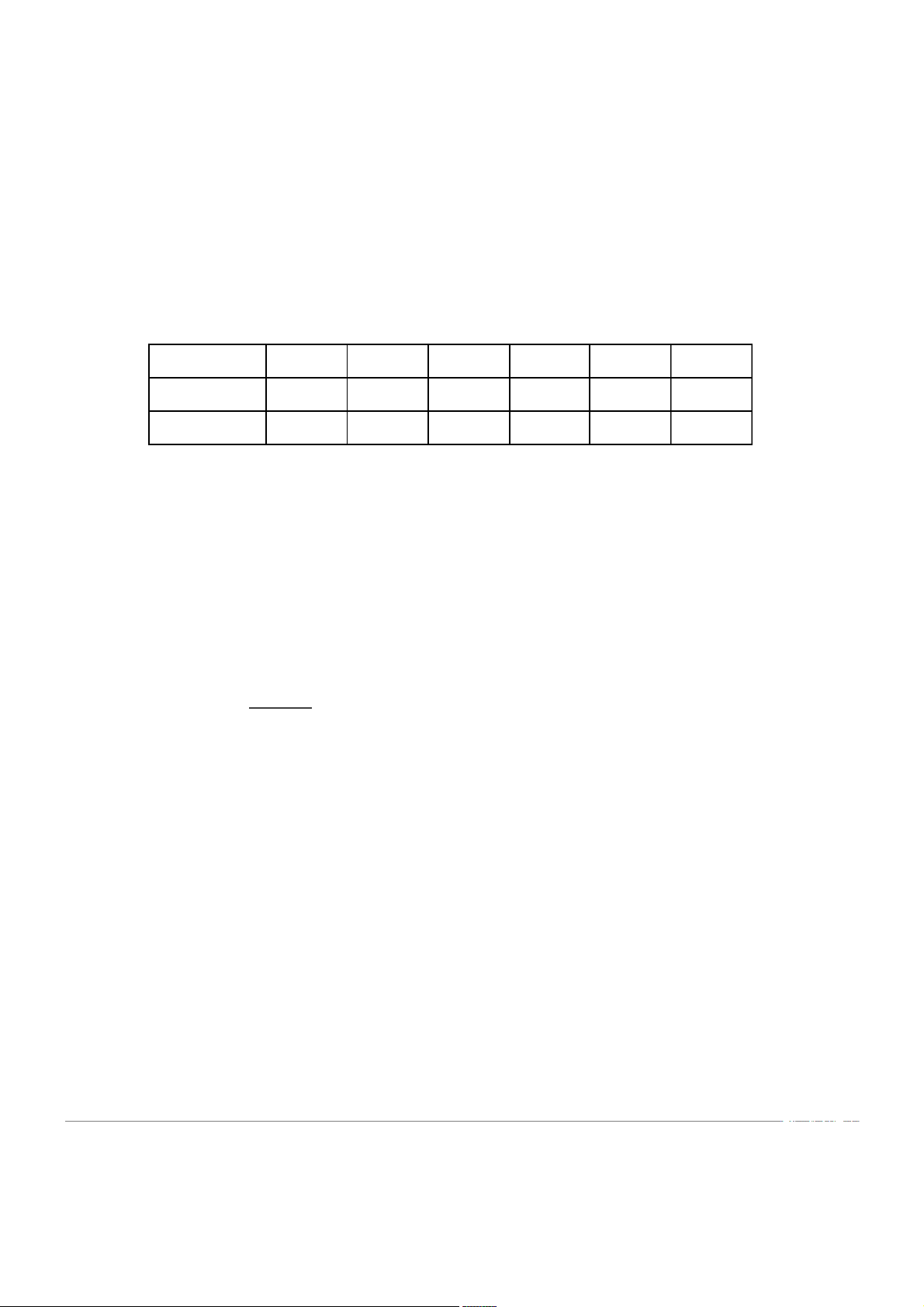
A company bought the following numbers of an item. In Period 6 it had 1100 units in
stock. What was the value of this stock? Period 1 2 3 4 5 6 Unit purchased 800 600 1200 1080 700 1100 Unit price 40 76 50 73 60 Solution: ●FIFO 700×60 + 400×73 = 71,200 ●LIFO 800×40 + 300×76 = 54,800 ●Current placement cost 1100×60 = 66,000 ●Three-month moving average 1100× 50+73+60 = 67,100 3 Question 4:
Emma Rodriguez manages the procurement of office furniture for Harbor Enterprises.
The monthly demand for ergonomic chairs is a constant 150 units. Each chair costs
$120, and the expenses for order processing and delivery arrangement amount to $80.
The holding cost is $25 per chair per year. What are the economic order quantity, cycle length, and variable costs? Solution: D = 150×12 = 1800 unit/year U = $120/unit R = $80/order H = $25/unit per year The economic order quantity 𝐸𝑂𝑄 = 2×𝑅× 𝐻 𝐷 =2×80×1800 unit 25 = 107. 33 The cycle length 𝑇 = 𝐸 𝐷 𝑂𝑄 =107.33 years = 0.71656 months 1800 = 0. 0596 The variable cost
C = total reorder cost + total holding cost =𝑅×𝐷
𝐸𝑂𝑄 +𝐻×𝐸𝑂𝑄 2=80×1800107.33 +25×107.33 2= $2683. 28 The total cost
TC = fixed cost + variable cost
= U×D + C = 120×1800 + 2683.28 = $218,683 a year Question 5:
The demand for a particular component is stable at 15 units per week. The reorder cost is
$150 per order, and the holding cost is $3 per unit per week. Suppliers assure delivery
within 2 weeks. Considering this, what would be the best ordering policy?
D = 40 unit/month = 10 unit/week Solution: D = 15 unit/week R = $150/order H = $3/unit per week The economic order quantity 𝐸𝑂𝑄 = 2×𝑅× 𝐻 𝐷 =2×150×15 units 3= 38. 73 ≃ 39 The reorder level
Reorder level = lead time × demand = 2×15 = 30 units
The best policy is to place an order for 39 units whenever stock falls to 30 units Question 6:
Elena Rodriguez observes that the demand for a particular product her company supplies
remains constant at 800 units per month. The unit cost is $75, and shortage costs are
significantly high. The purchasing department processes an average of 2500 orders
annually, incurring total operating costs of $120,000. Inventory holding involves
financing charges of 12%, warehouse charges of 6%, and other overheads of 9% per year.
The lead time is consistently one weeks.
a. Determine an optimal ordering policy for the product.
b. Calculate the reorder level if the lead time increases to 3 weeks.
c. What would be the variable cost if orders are placed for 300 units at a time? Solution: D = 800×12 = 9600 unit/year U = $75/unit R = 120,000 = $48/order 2500
H = (12% + 6% + 9%)×75 = $20.25/unit per year a. The economic order quantity 𝐸𝑂𝑄 = 2×𝑅× 𝐻 𝐷 =2×48×9600 unit 20.25 = 213. 33 The cycle length 𝑇 = 𝐸 𝐷 𝑂𝑄
=213.339600 = 0. 022 years = 1.156 weeks The variable cost C
= total reorder cost + total holding cost =𝑅×𝐷
𝐸𝑂𝑄 +𝐻×𝐸𝑂𝑄
2=48×9600213.33 +20.25×213.33 2= $4320 The total cost
TC = fixed cost + variable cost
= U×D + C = 75×9600 + 5320 = $724,320 a year
b. Lead time = 1 week (less than cycle time)
Reorder level = lead time × demand = 9601× 0 52 ≃ = 184.62 185 units
Lead time = 3 weeks (there will be 2 orders outstanding when it is time to place order)
Reorder level = lead time × demand - stock on level9 = 600 3× - 2×213.33 = 127.19 52 127 ≃ units
c. If order size is 300 units, the variable cost C
= total reorder cost + total holding cost
=𝑅×𝐷𝑄+𝐻×𝑄 2=48×9600300 +20.25×3002= $4573. 5 Question 7:
Epic Electronics operates an online store selling a variety of gadgets. The demand for a
specific gadget follows a normal distribution with a mean of 150 units per week and a
standard deviation of 30 units. The reorder cost, including delivery, is £150, and the
holding cost is £10 per unit per year. The lead time is consistently 2 weeks.
a. Develop an ordering policy to achieve a 90% cycle-service level.
b. Calculate the cost associated with holding safety stock under this policy.
c. Determine the increase in cost if the service level is elevated to 95%. Solution:
D = 150 unit/week = 7800 unit/year std = 30 unit R = $150 H = $10/unit per year L = 2 week a. unit
𝐻=2×150×7800 10 = 483. 74 ≃ 484
Reorder level = lead time × demand = 2×150 = 300 units 90% service level → z = 1.28
Safety stock = 𝑧 × 𝑠𝑡𝑑 × 𝐿 = 1. 28 × 30 × 2 = 54. 31 ≃ 54 unit
The best policy is to place an order for 484 units whenever stock falls to 300 + 54 = 254 units
b. Holding cost of safety stock SS×H = 54×10 = $540 a year
c. 95% service level → z = 1.64
Safety stock = 𝑧 × 𝑠𝑡𝑑 × 𝐿 = 1. 64 × 30 × 2 = 69. 58 ≃ 70 unit
The best policy is to place an order for 484 units whenever stock falls to 300 + 70 = 370 units Question 8:
TechSupreme Ltd. deals with the distribution of laptops, and the demand for a specific
model follows a normal distribution with a mean of 250 units per week and a standard
deviation of 30 units. The stock is checked every three weeks, and the lead time
remains steady at one week. Describe a policy that will give a 90% service level. If the
holding cost is $3 a unit a week, what is the cost of the safety stock with this policy?
What is the effect of a 93% service level? Solution: D = 250 unit/week std = 30 unit T = 3 week L = 1 week H = $3/unit per week 90% service level → z = 1.28 The safety stock
SS = 𝑧 × 𝑠𝑡𝑑 × 𝑇 + 𝐿 = 1. 28 × 30 × 3 + 1 = 76. 8 ≃ 77 unit The target stock level
𝐷 × (𝑇 + 𝐿) + 𝑆𝑆 = 250 × (3 + 1) + 77 = 1077 unit Cost of safety stock
𝑆𝑆 × 𝐻 = 77 × 3 = $231 a week 93% service level → z = 1.48 The safety stock
SS = 𝑧 × 𝑠𝑡𝑑 × 𝑇 + 𝐿 = 1. 48 × 30 × 3 + 1 = 88. 8 ≃ 89 unit The target stock level
𝐷 × (𝑇 + 𝐿) + 𝑆𝑆 = 250 × (3 + 1) + 89 = 1089 unit Cost of safety stock
𝑆𝑆 × 𝐻 = 89 × 3 = $267 a week Question 9:
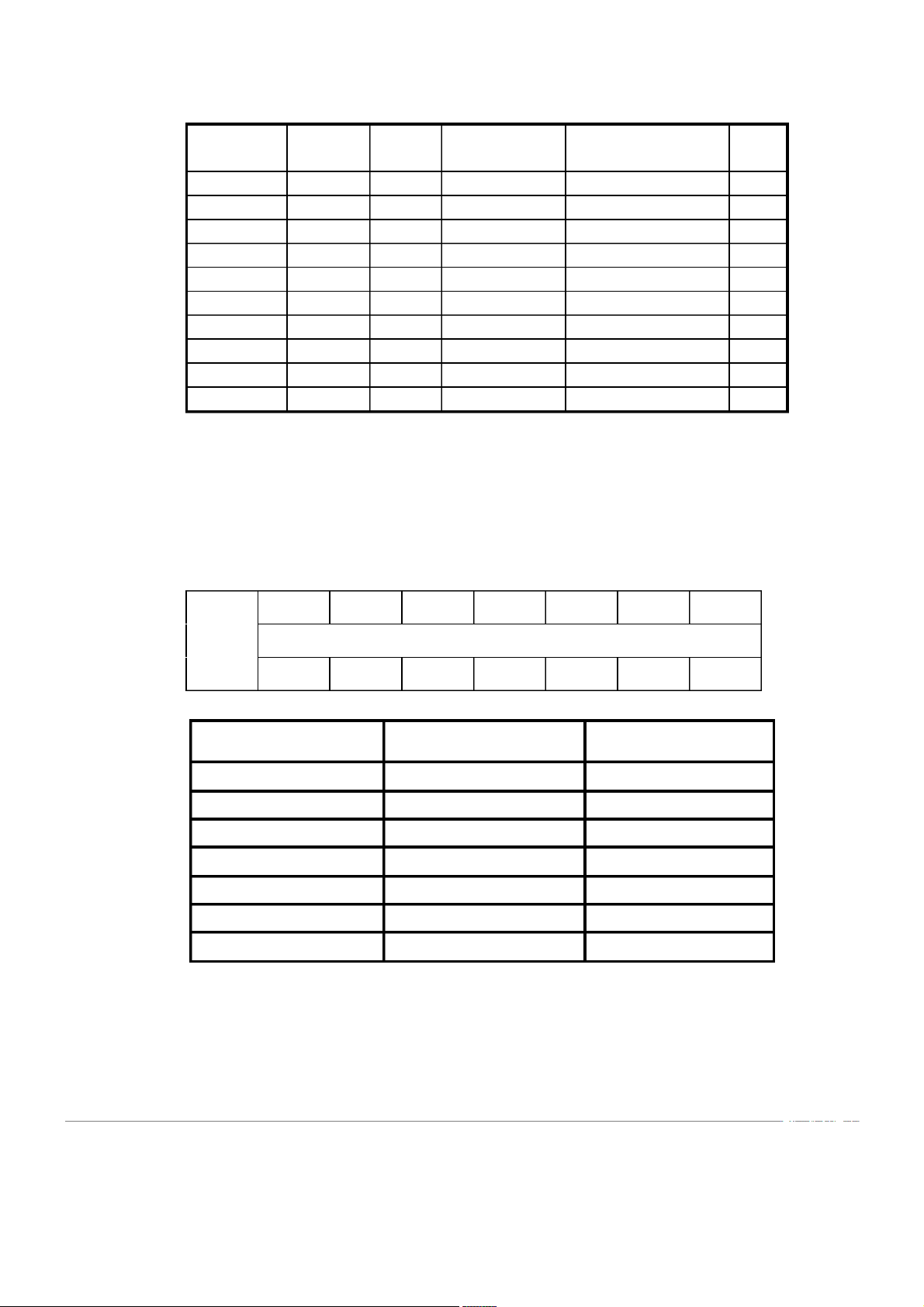
Do an ABC Analysis of these items. Part number Unit usage Unit cost 1 1100 2 2 600 40 3 100 4 4 1300 1 5 100 60 6 10 25 7 100 2 8 150 2 9 200 2 10 500 1 Solution: Part number Unit usage Unit cost Annual $ usage 1 1100 2 2200 2 600 40 24000 3 100 4 400 4 1300 1 1300 5 100 60 6000 6 10 25 250 7 100 2 200 8 150 2 300 9 200 2 400 10 500 1 500 Part Unit Cummulative $ number usage Unit cost Annual $ usage usage Class 2 600 40 24000 67.51% A 5 100 60 6000 84.39% B 1 1100 2 2200 90.58% B 4 1300 1 1300 94.23% C 10 500 1 500 95.64% C 3 100 4 400 96.77% C 9 200 2 400 97.89% C 8 150 2 300 98.73% C 6 10 25 250 99.44% C 7 100 2 200 100.00% C Question 10:
The following information is given to different kinds of goods that are needed to store in
the warehouse. Given that the store layout below is applied and the width of each rack is
2m. Determine the warehouse layouts that minimize the distance scores and calculate the
total distance moved by the storekeeper. A1 B1 C1 D1 E1 F1 G1 Dock Aisle A2 B2 C2 D2 E2 F2 G2 a. Item Trip to and from Dock Area needed (block) 1 280 2 2 160 2 3 360 2 4 375 2 5 800 2 6 150 2 7 100 2 b. Item Trip to and from Dock Area needed (block) 1 280 1 2 160 2 3 360 1 4 375 3 5 800 4 6 150 1 7 100 2 Solution: a. Item Trip to and from Dock Rank 1 280 4 2 160 5 3 360 3 4 375 2 5 800 1 6 150 6 7 100 7 5 4 3 1 2 6 7 Dock Aisle 5 4 3 1 2 6 7
The total load-distance move by storekeeper
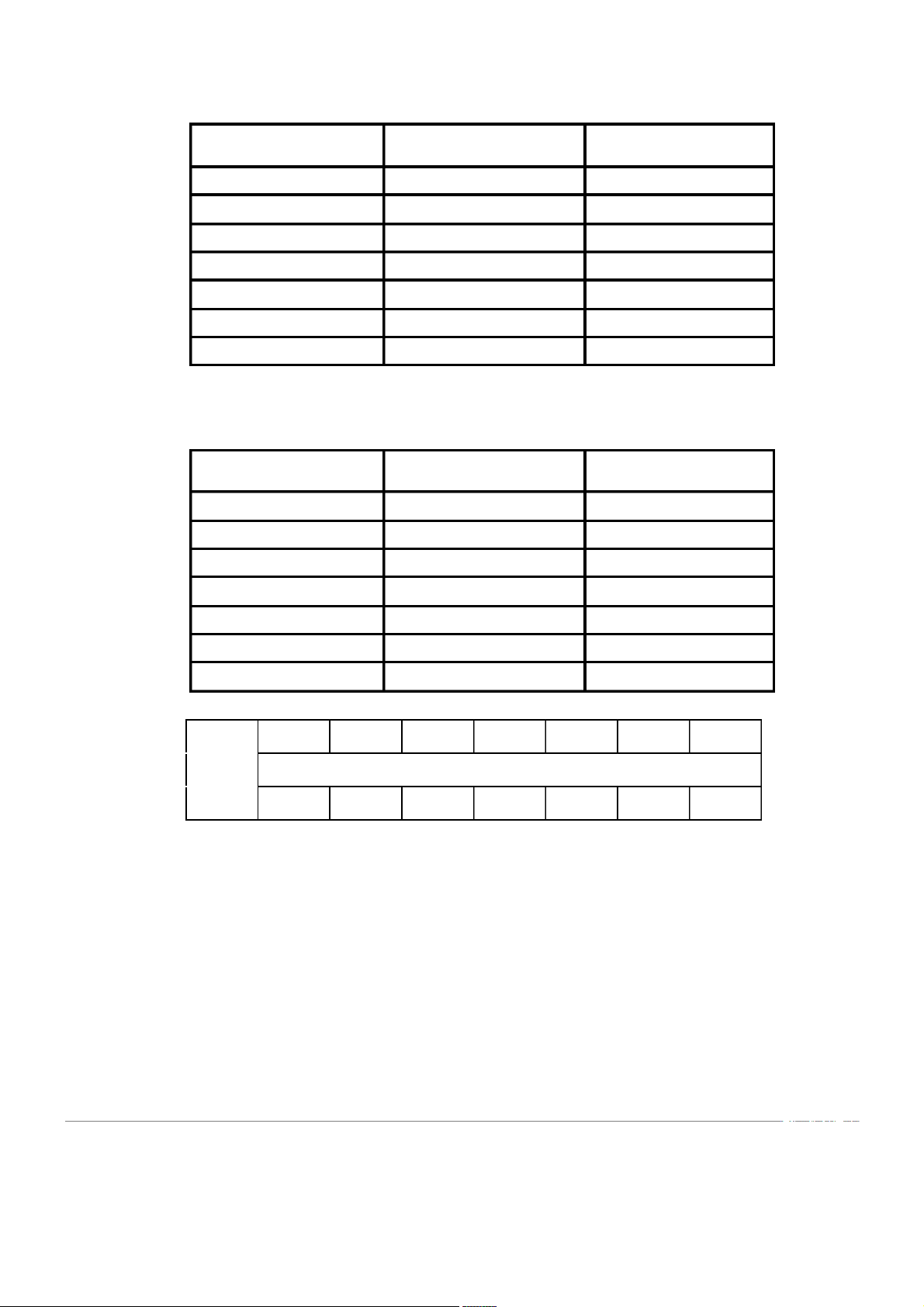
2 × (1 × 800 + 3 × 375 + 5 × 360 + 7 × 280 + 9 × 160 + 11 × 150 + 13 × 100) = 20,150 m b. Item Ratio = Trip/Block Rank 1 280/1 = 280 2 2 160/2 = 80 6 3 360/1 = 360 1 4 375/3 = 125 5 5 800/4 = 200 3 6 150/1 = 150 4 7 100/2 = 50 7 3 5 5 6 4 2 7 Dock Aisle 1 5 5 4 4 2 7
The total distance move by storekeeper
2 × (1 × 360 + 1 × 280 + 3+3+5+54× 800 + 7 × 150 + 7+9+9
3× 375 + 11 × 160 + 13 × 100) = 22,150 m
Các bạn nên chú ý đơn vị đề cho, nhớ ghi kết luận và mang theo z-table nữa nhee Chúc các bạn thi tốt
Tài liệu liên quan:
-

CHAP 1: Introduction to Management Concepts and Functions môn Principles of Management | Trường Đại học Quốc tế, Đại học Quốc gia Thành phố Hồ Chí Minh
19 10 -
Guidelines for group’s assignments: Analysing management issues of a FDI company based inVietnam môn Principles of Management | Trường Đại học Quốc tế, Đại học Quốc gia Thành phố Hồ Chí Minh
17 9 -
Financial Planning to Achieve 300m VND Goal in 3 Years môn Principles of Management | Trường Đại học Quốc tế, Đại học Quốc gia Thành phố Hồ Chí Minh
17 9 -

A Case Study in Fast Fashion Success môn Principles of Management | Trường Đại học Quốc tế, Đại học Quốc gia Thành phố Hồ Chí Minh
16 8 -
Chap 16 Hierarchy of Needs Theory and Applications môn Principles of Management | Trường Đại học Quốc tế, Đại học Quốc gia Thành phố Hồ Chí Minh
17 9