Computer Architecture Chapter 2: Top-level view of Computer Functions and Interconnection môn kiến trúc máy tính | Trường Đại học Kiến trúc Hà Nội
Computer Architecture Chapter 2: Top-level view of Computer Functions and Interconnection môn kiến trúc máy tính | Trường Đại học Kiến trúc Hà Nội
Môn: Kiến trúc máy tính (HAU) 15 tài liệu
Trường: Trường Đại học Kiến trúc Hà Nội 335 tài liệu
Tác giả:













Preview text:
Computer Architecture
Ngo Lam Trung & Pham Ngoc Hung, Hoang Van Hiep
Department of Computer Engineering
School of Information and Communication Technology (SoICT)
Hanoi University of Science and Technology
E-mail: [trungnl, hungpn, hiephv]@soict.hust.edu.vn IT3030E Fall 2024 1
Chapter 2: Top-level view of Computer Functions and Interconnection 1. Computer Components 2. Computer Functions 3. Inter-connection Structures
[with materials from Computer Organization and Architecture, 10th Edition,
William Stallings, ©2016, Pearson] IT3030E Fall 2024 2 Computer Organization
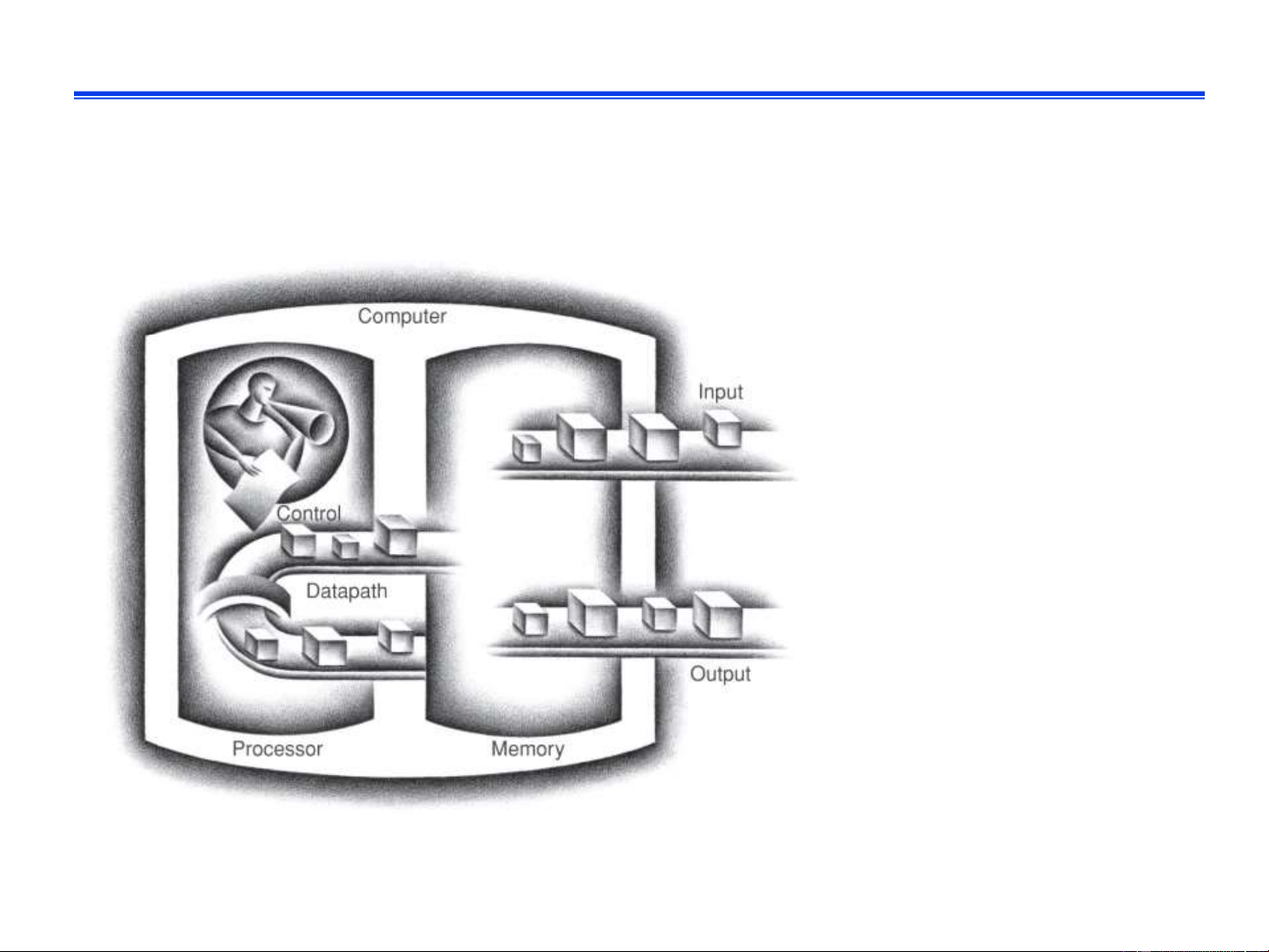
❑ From Chap.1: classic components of a computer ❑ Computer ❑ Input data ❑ Execute stored programs ❑ Output result IT3030E Fall 2024 3 1. Computer Components
❑ More detailed computer organization Memory Control Input Processor Link Input/Output Datapath Output To/from network CPU I/O
Computer organization with system link IT3030E Fall 2024 4
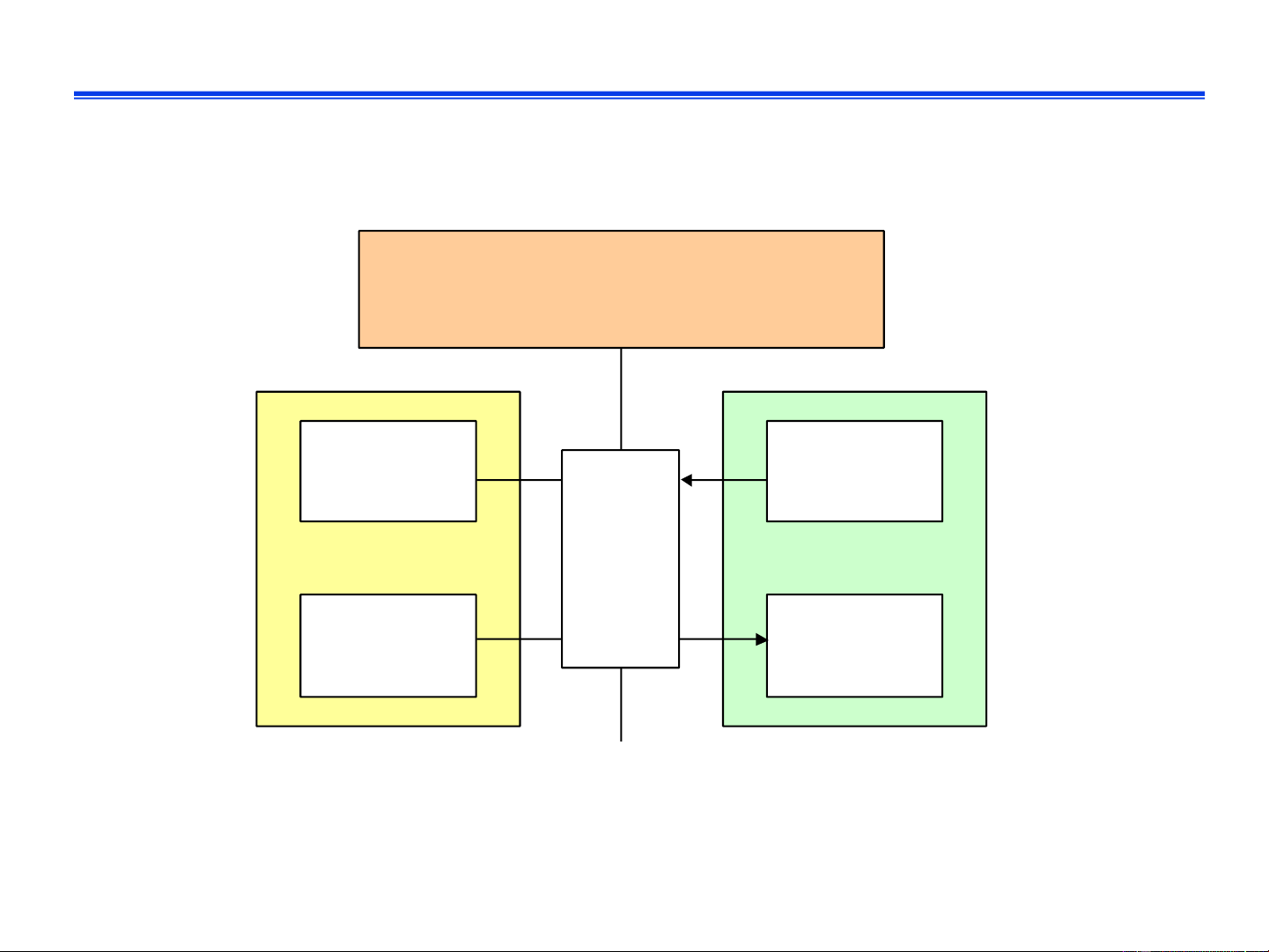
Computer components: top-level view
From COA, William Stallings IT3030E Fall 2024 5
CPU (Central Processing Unit) ❑ Control Unit l Fetch instruction from memory. l Interpret instruction. l
Control other components to execute instruction.
❑ Datapath: performs arithmetic operations to process data
(i.e., Arithmetic and Logic Unit).
❑ Register file (chapter 3): small and fast data storage for instruction execution.
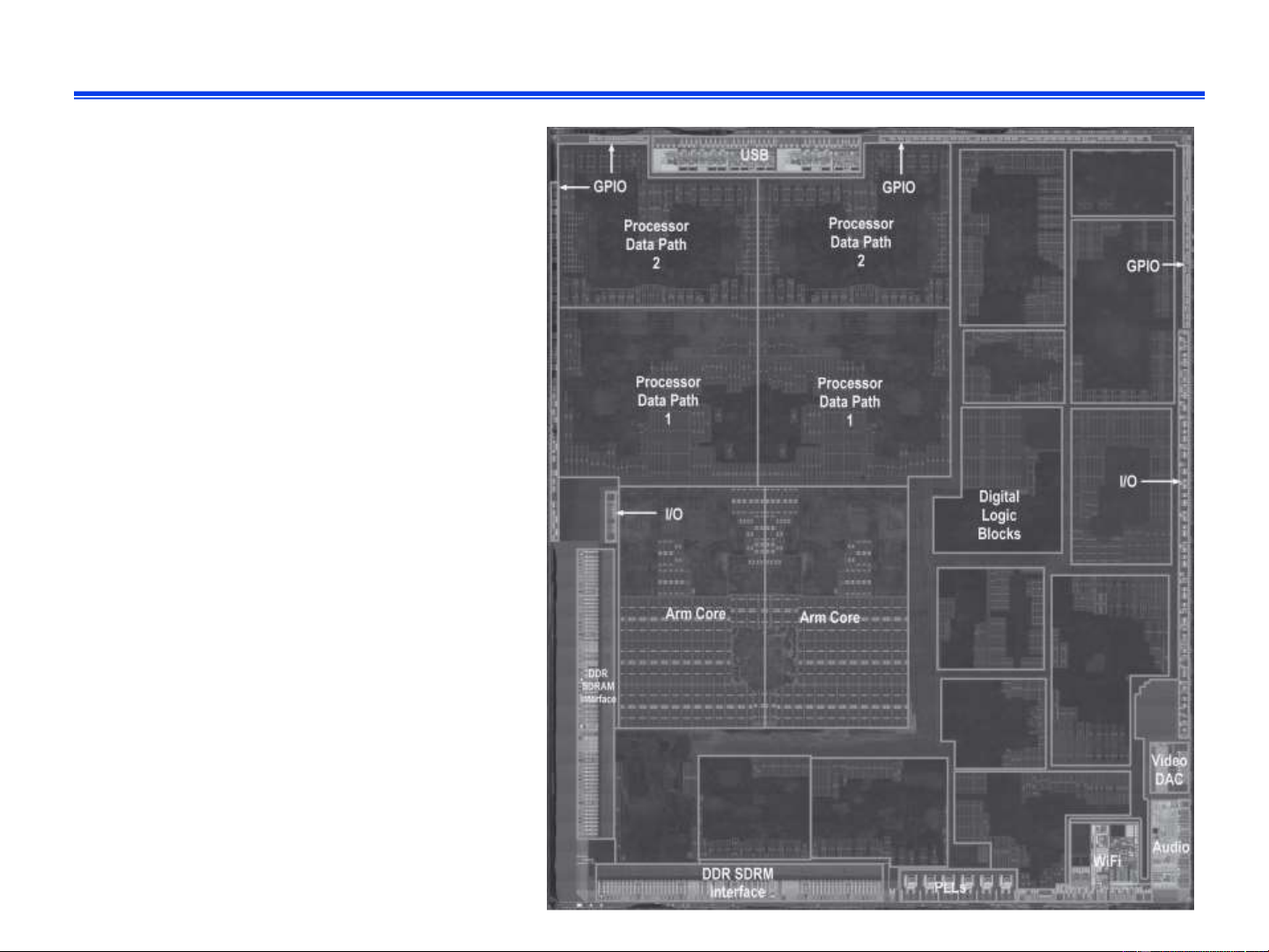
❑ Some other dedicated components IT3030E Fall 2024 6 CPU ❑ Example: Apple A5 IT3030E Fall 2024 7 Memory
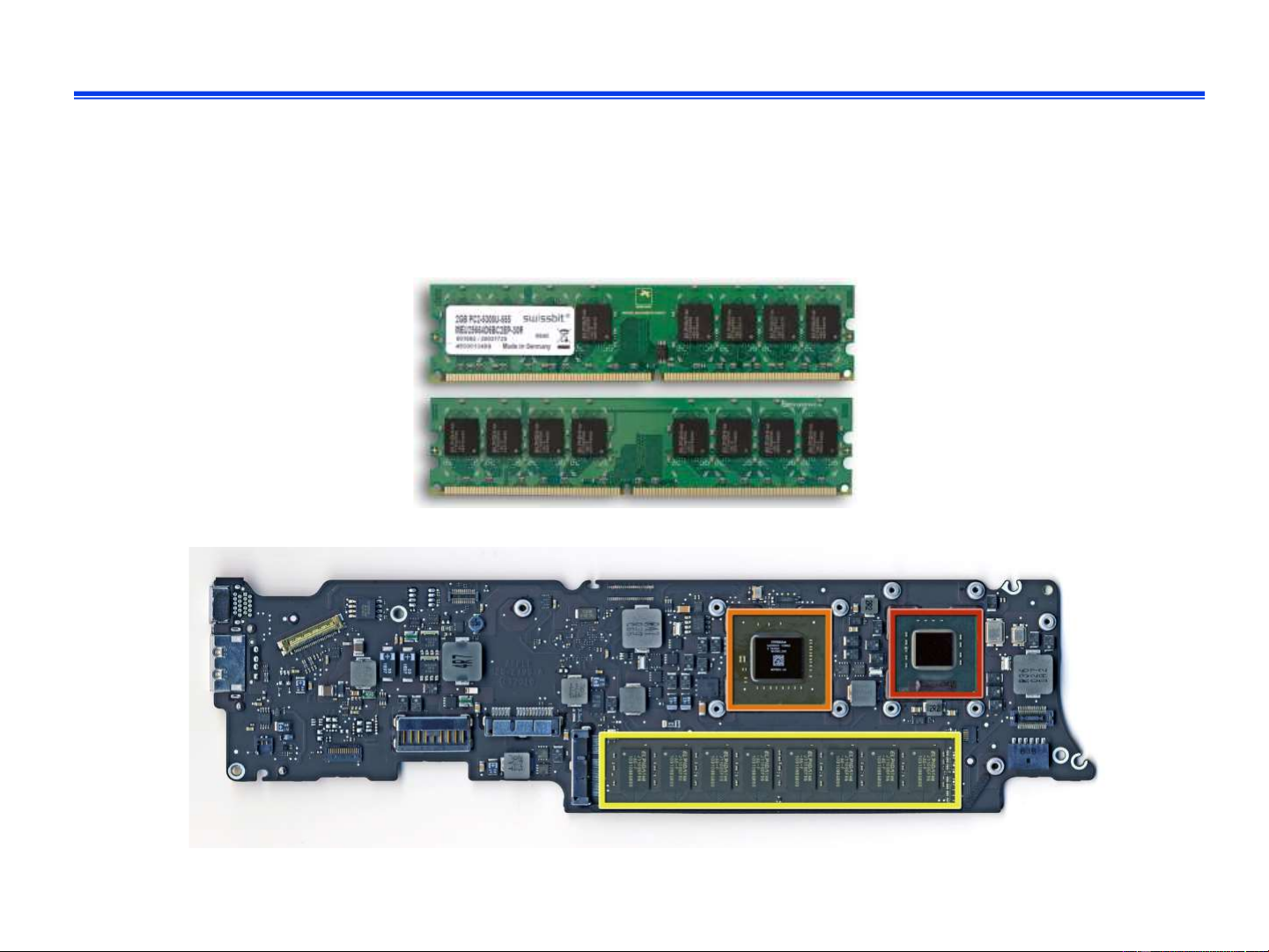
❑ Store instructions of the running programs.
❑ Store data that are currently in use.
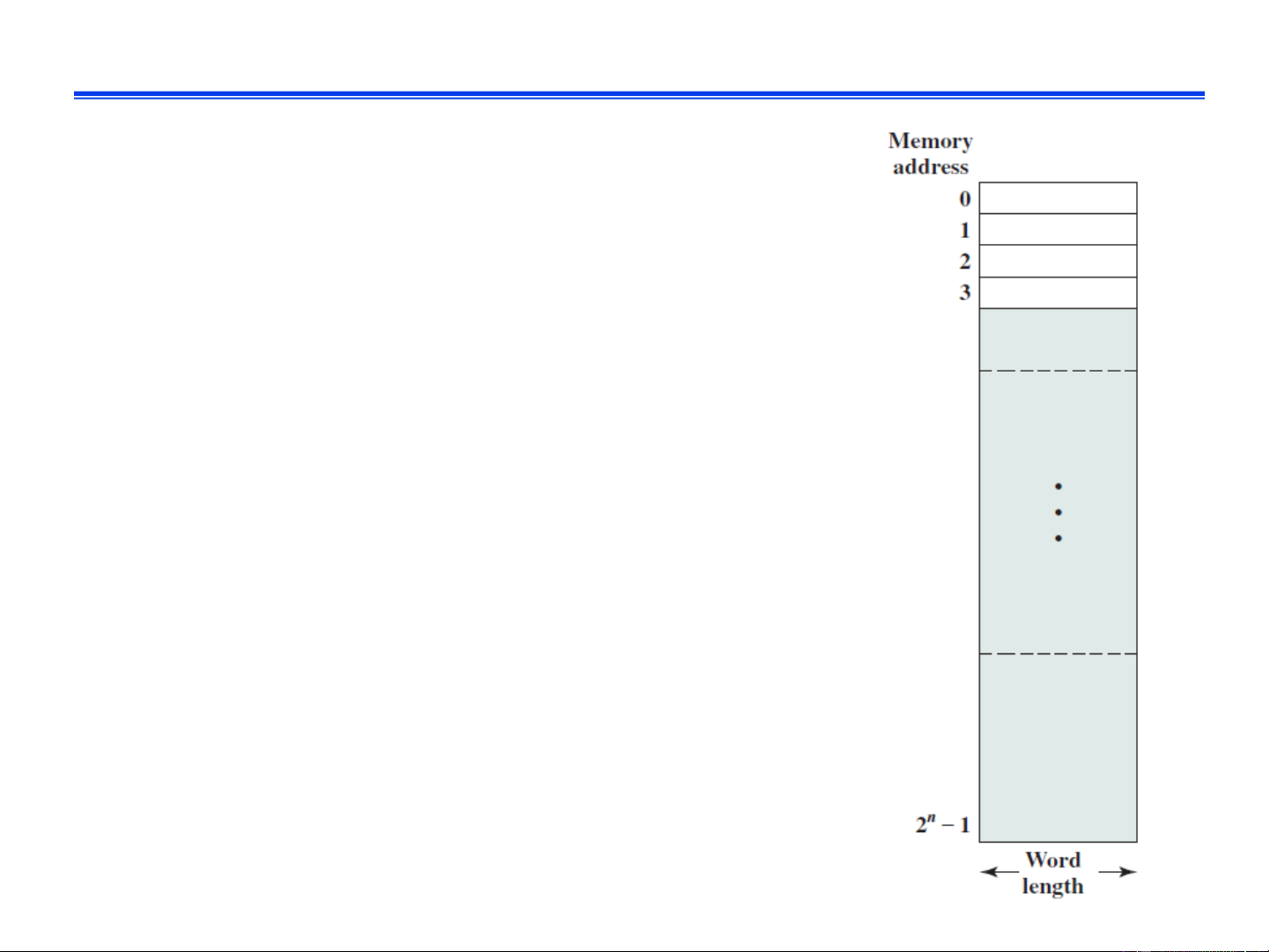
Further reading: memory technologies IT3030E Fall 2024 8 Memory ❑ Logical organization l Array of memory cells l
Each cell holds one byte of data l
Each cell is assigned an unique adress l
Data value can be changed, address is fixed
❑ Data are stored on memory cells l 8-bit integer requires 1 cell l
32-bit integer requires 4 cells l
Array requires consecutive cells according to its size. l … IT3030E Fall 2024 9 Input/output
❑ Interfacing computer with physical world/environment. ❑ Types of I/O device l
Input: mouse, keyboard, webcam… l
Output: display, printer, speaker… l
Storage: HDD, SSD, optical, USB drives… l
Communication: WiFi, Ethernet, Bluetooth modules… IT3030E Fall 2024 10
Link: System interconnection
❑ The fabric to connect all components
❑ Huge number of connection, requires very good design
so that all components function properly
❑ A modern computer motherboard (mainboard) typically has 4 to 12 layers. IT3030E Fall 2024 11 2. Computer functions ❑ Executing program ❑ Interrupt ❑ Input/Output IT3030E Fall 2024 12 2.1 Executing program
❑ ➔ the most basic function of computers.
❑ Program: a set of instructions.
❑ Instruction: a set of binary bits in a predefined format
(usually consist of two main parts: Opcode and Operands)
❑ Computers execute instructions sequentially.
❑ Instruction cycle: the processing required for a single instruction execution l
Instruction fetch (fetch cycle): control unit fetches an instruction from memory l
Instruction execution (execute cycle):
- control unit decodes instruction,
- then “tells” datapath and other components to perform the required action. IT3030E Fall 2024 13 - More details in Chapter 5. Instruction fetch ❑ Questions: l
How does the CPU know which instruction to fetch next? l
Where is the location of the fetched instruction inside CPU? IT3030E Fall 2024 14 Instruction fetch ❑ Importance l
To get the correct instruction. l
To execute all instructions in a program sequentially.
❑ At the beginning of each instruction cycle the processor
fetches an instruction from memory.
❑ The program counter (PC) holds the address of the instruction to be fetched.
❑ The processor increases PC after each instruction fetch
so that PC points to the next instruction in sequence.
❑ The fetched instruction is loaded into the instruction register (IR). IT3030E Fall 2024 15 Instruction execution
❑ Instruction (fetched and stored in IR) is decoded to get l
The operation that the processor needs to do l
The location to get input data (source operands) l
The location to store output data (destination operand)
❑ Operand address calculation: calculate the address of operands
❑ Operand fetch: fetch source operands
❑ Data operation: perform the action on source operands and get result
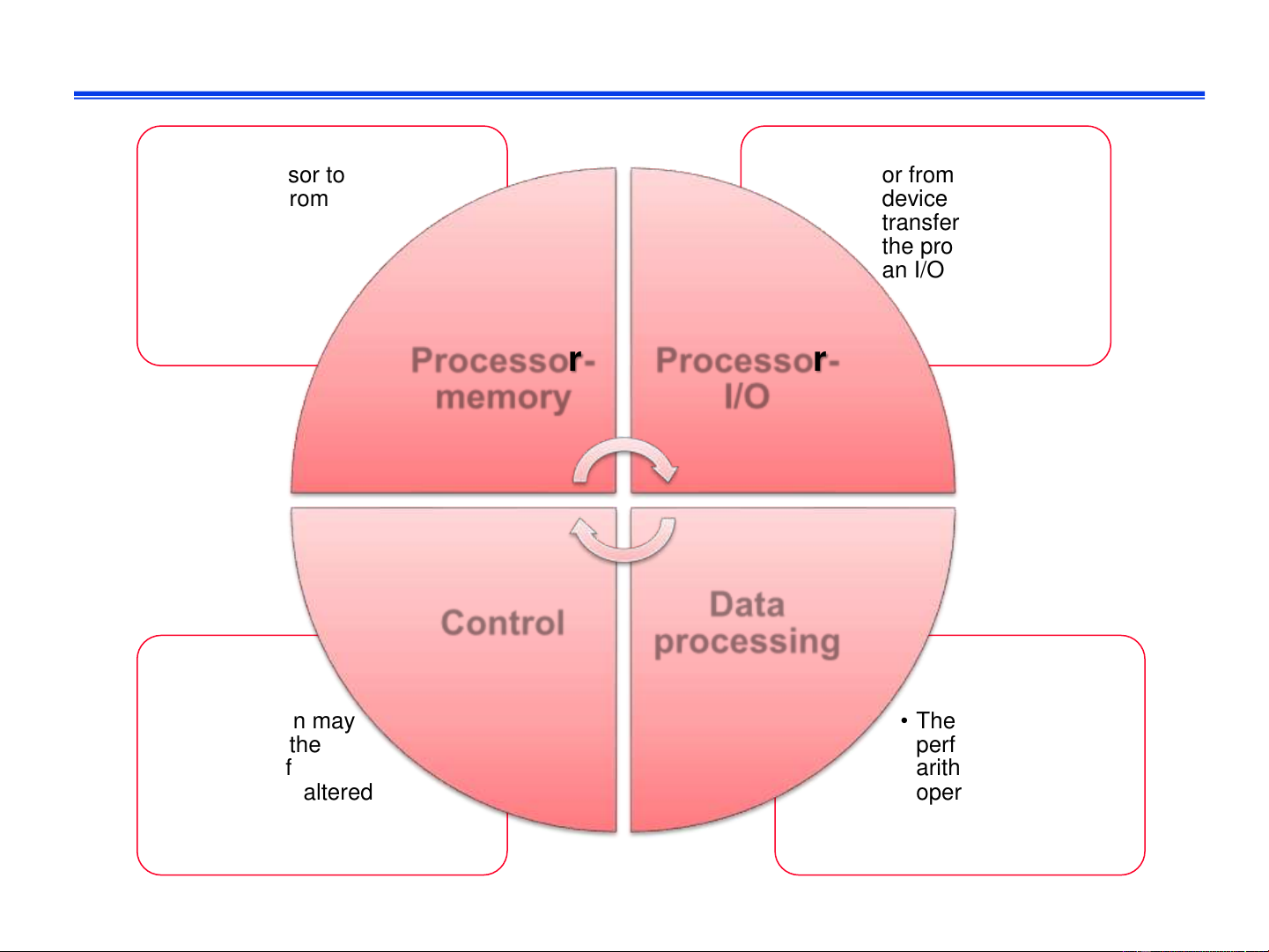
❑ Operand store: store result into destination operand IT3030E Fall 2024 16 Types of operation • Data transferred • Data transferred to from processor to or from a peripheral memory or from device by memory to transferring between processor the processor and an I/O module Processor- Processor- memory I/O Data Control processing • An instruction may • The processor may specify that the perform some sequence of arithmetic or logic execution be altered operation on data IT3030E Fall 2024 17 Example
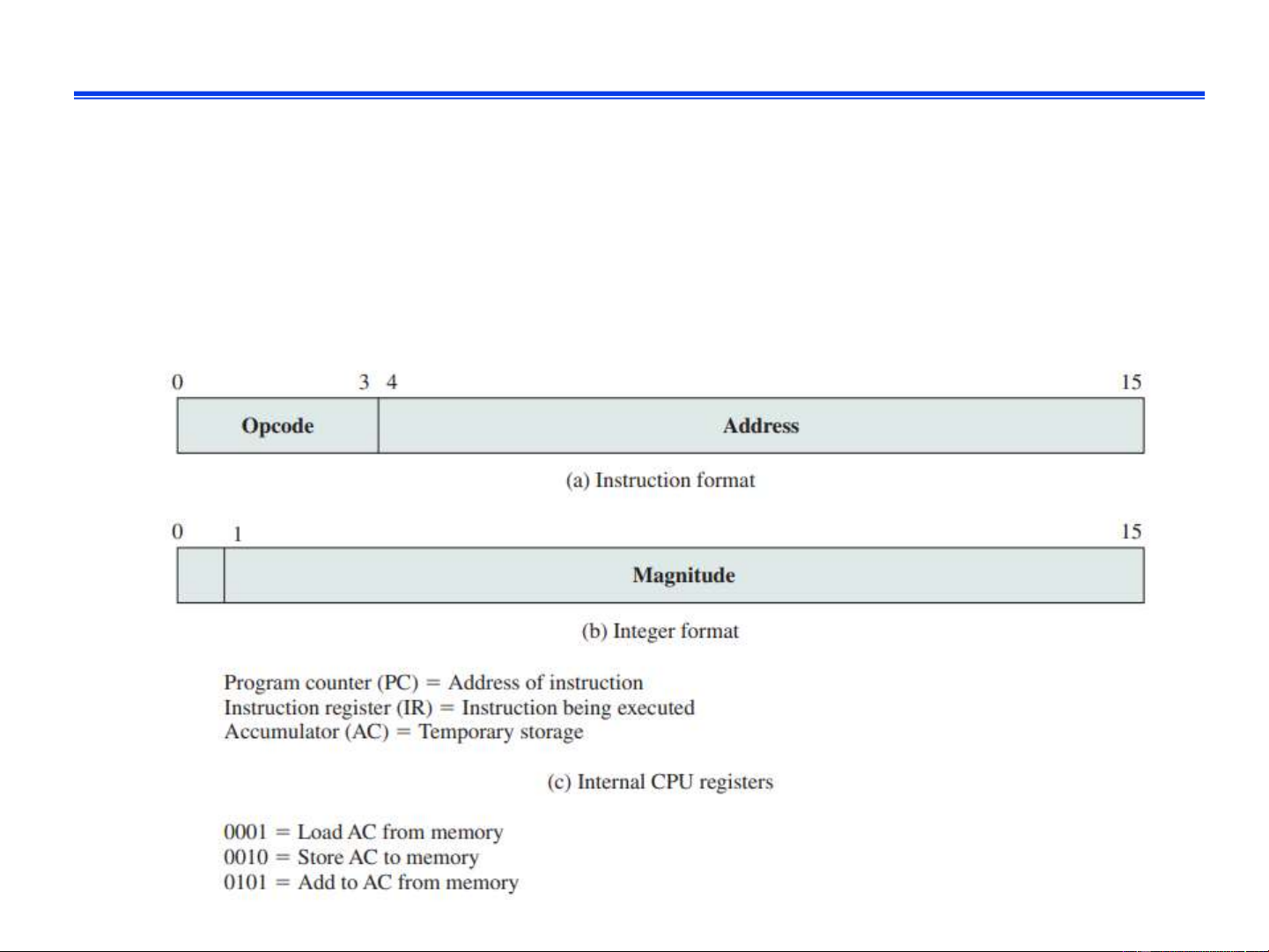
❑ Consider following hypothetical computer l
The computer contains a single register named AC (16 bits) l
Instruction format: 16 bits, 4 bits for the Opcode (representing 16
different opcodes/instructions) IT3030E Fall 2024 18 Example
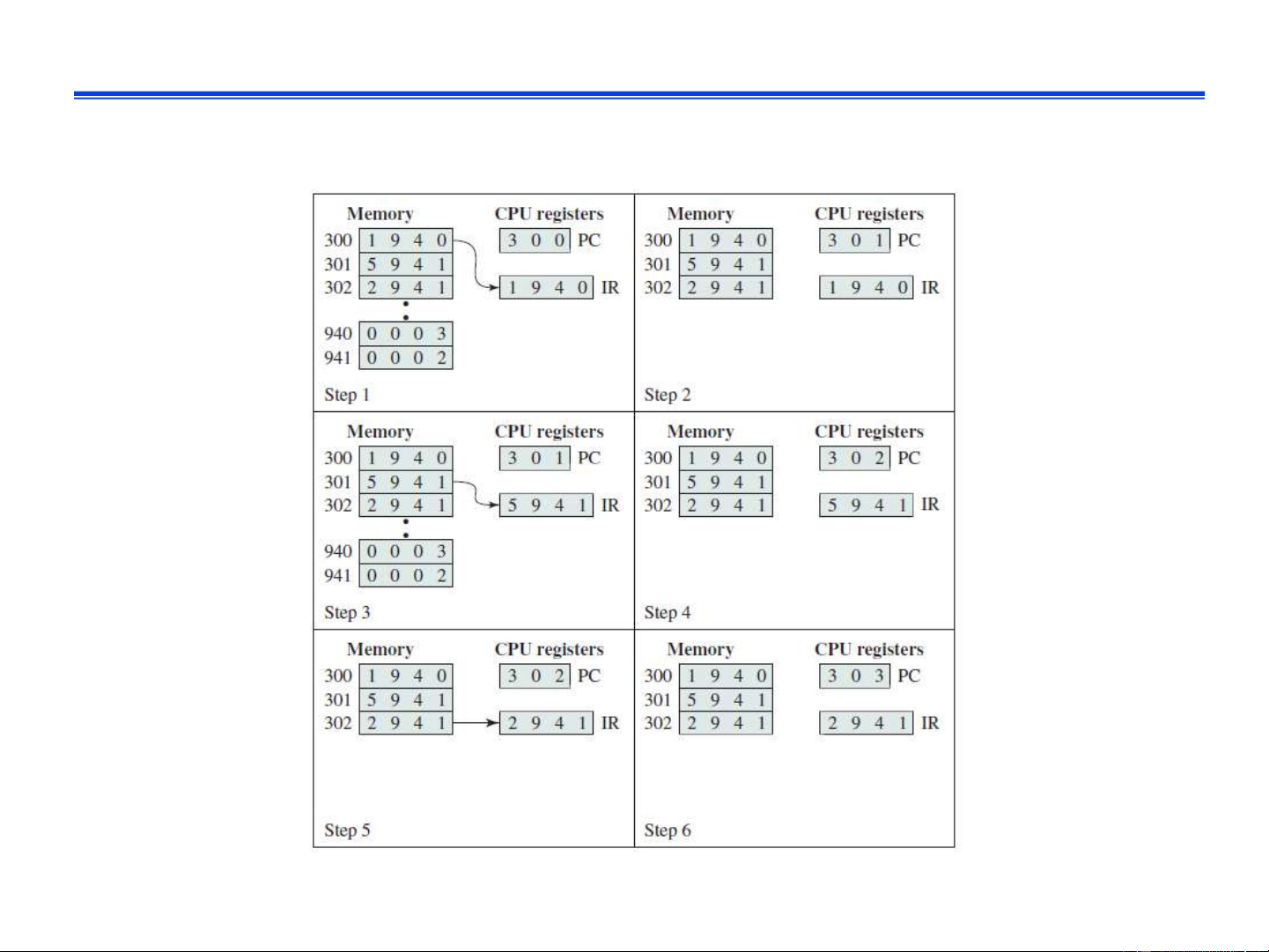
❑ What is the value of AC register in step 2, 3, 4, 5, 6?
Elaboration: How to support branching? IT3030E Fall 2024 19 Example ❑ Solution IT3030E Fall 2024 20