Bài giảng Chương 1 - Concepts - Numerical Systems - Codes môn Kỹ thuật số | Trường Đại học Sư phạm Kỹ thuật Thành phố Hồ Chí Minh
Bài giảng Chương 1 - Concepts - Numerical Systems - Codes môn Kỹ thuật số | Trường Đại học Sư phạm Kỹ thuật Thành phố Hồ Chí Minh. Tài liệu được sưu tầm giúp bạn tham khảo, ôn tập và đạt kết quả cao. Mời bạn đọc đón xem.
Môn: Kỹ thuật số (DIGI330163) 14 tài liệu
Trường: Trường Đại học Sư phạm Kỹ thuật Thành phố Hồ Chí Minh 4.4 K tài liệu
Tác giả:









Preview text:
HCMC University of Technology and Education
Faculty of Electrical & Electronic Engineering
No.1 Vo Van Ngan Street, Thu Duc Dist., HCMC, VN DIGITAL SYSTEM
NGUYEN THANH NGHIA , PhD 6/24/2024 1 NGUYEN THANH NGHIA 1 Administration
1. Instructor: Thanh-Nghia Nguyen, PhD.
Email: nghiant@hcmute.edu.vn
https://sites.google.com/a/hcmute.edu.vn/thanh-nghia-nguyen/ 2. Textbook:
[1] Ronald J. Tocci, Neal S. Widmer, Gregory L. Moss Digital
Systems: Principles and Applications, 12th Ed. Peason, 2017.
[2] N T Duy, V D Dung, N T Hai, Giao Trinh: Ky Thuat So, NXB
ĐH Quốc Gia_Tp.HCM, 2019. * References
[3] John F. Wakerly, Digital Design: Principles and Practices,
4th Ed. Prentice Hall, 2007.
[4] Anil K. Maini, Digital Electronics, John Wily & Sons, 2007. NGUYEN THANH NGHIA 2 Administration 3. Grading:
Formative Exams: 50%
o Exam 1: 4 quizzes (10 questions), 15min/1 quiz (20%)
o Exam 2: an exam, each exam has 30
multichoice questions for 50 mins (25%) o Take attendance: 5% Summative Exam: 50% 4. Syllabus. NGUYEN THANH NGHIA 3 Administration 5. Softwares:
Proteus for modeling 6. Home work:
File name: Fullname_WeekX.rar Deadline: NGUYEN THANH NGHIA 4 Administration 7. Contents:
Chapter 1: Concepts - Numerical Systems - Codes
Chapter 2: Logic Gates and Boolean Algebra
Chapter 3: MSI Logic Circuits
Chapter 4: Sequential Logic Circuits
Chapter 5: TTL-CMOS Families
Chapter 6: Oscillators and Timers
Chapter 7: Memory Devices
Chapter 8: Digital Analog conversion NGUYEN THANH NGHIA 5
HCMC University of Technology and Education
Faculty of Electrical & Electronic Engineering
No.1 Vo Van Ngan Street, Thu Duc Dist., HCMC, VN CHAPTER 1: CONCEPTS - NUMERICAL SYSTEMS - CODES
NGUYEN THANH NGHIA , PhD 6/24/2024 6 NGUYEN THANH NGHIA 6 Outline
1. Introduction to Numerical Systems- Code and applications. 2. Code Conversion. 3. Binary Add_Subtract. 4. Binary Multiply_Divide. 5. Signed Numbers.
6. Signed Addition_Subtraction with complement. 7. BCD Addition NGUYEN THANH NGHIA 7
C1: CONCEPTS - NUMERICAL SYSTEMS - CODES
1. Introduction to Numerical Systems-Code and applications Analog-Digital Systems:
Why is digital technology important?
-The real world is mainly analog: Most physical quantities
are analog in nature such as velocity, temperature, liquid level, flow rate etc.
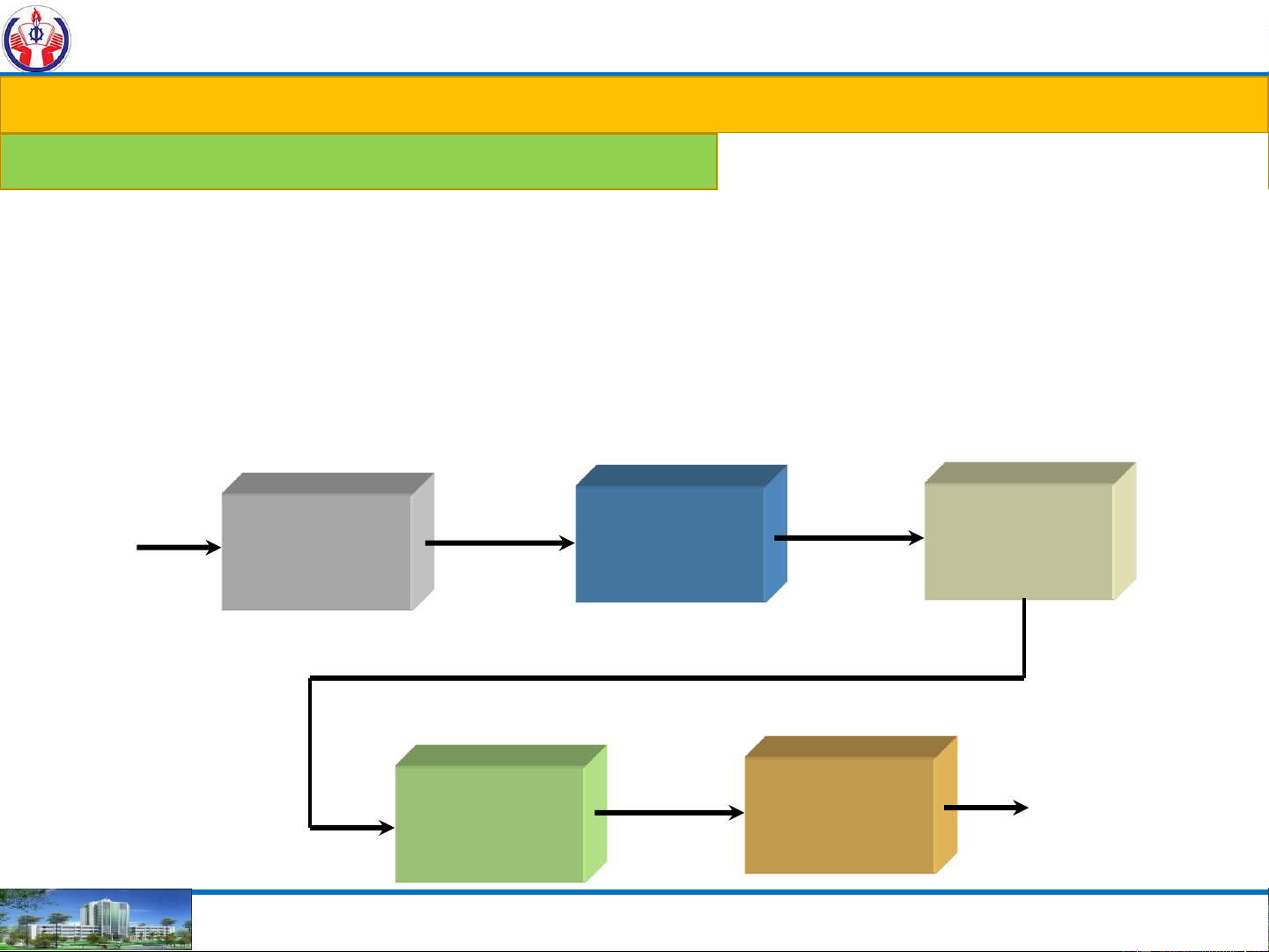
- Input-output conversion (Analog) Analog-to- (Digital) Measuring Digital digital Temperature device processing converter (Analog) (Digital) Digital-to- (Analog) Adjust analog Controller temperature converter NGUYEN THANH NGHIA 8
C1: CONCEPTS - NUMERICAL SYSTEMS - CODES
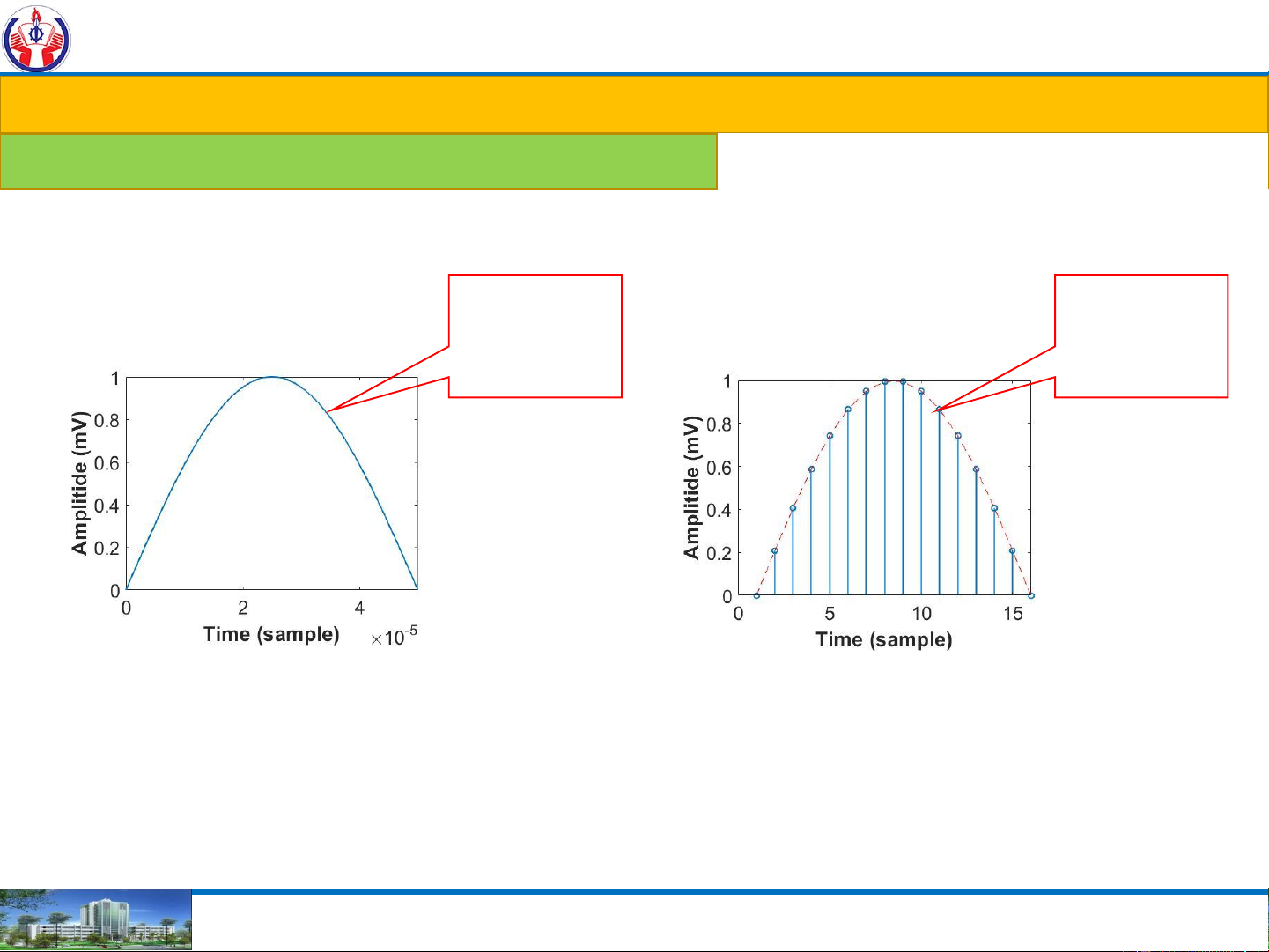
1. Introduction to Numerical Systems-Code and applications Analog-Digital Systems: What is analog What is digital Representation? Analog
Representation? Discrete signal signal Analog Continuous Digital Discrete NGUYEN THANH NGHIA 9
C1: CONCEPTS - NUMERICAL SYSTEMS - CODES
1. Introduction to Numerical Systems-Code and applications Analog-Digital Systems: What is digital What is digital
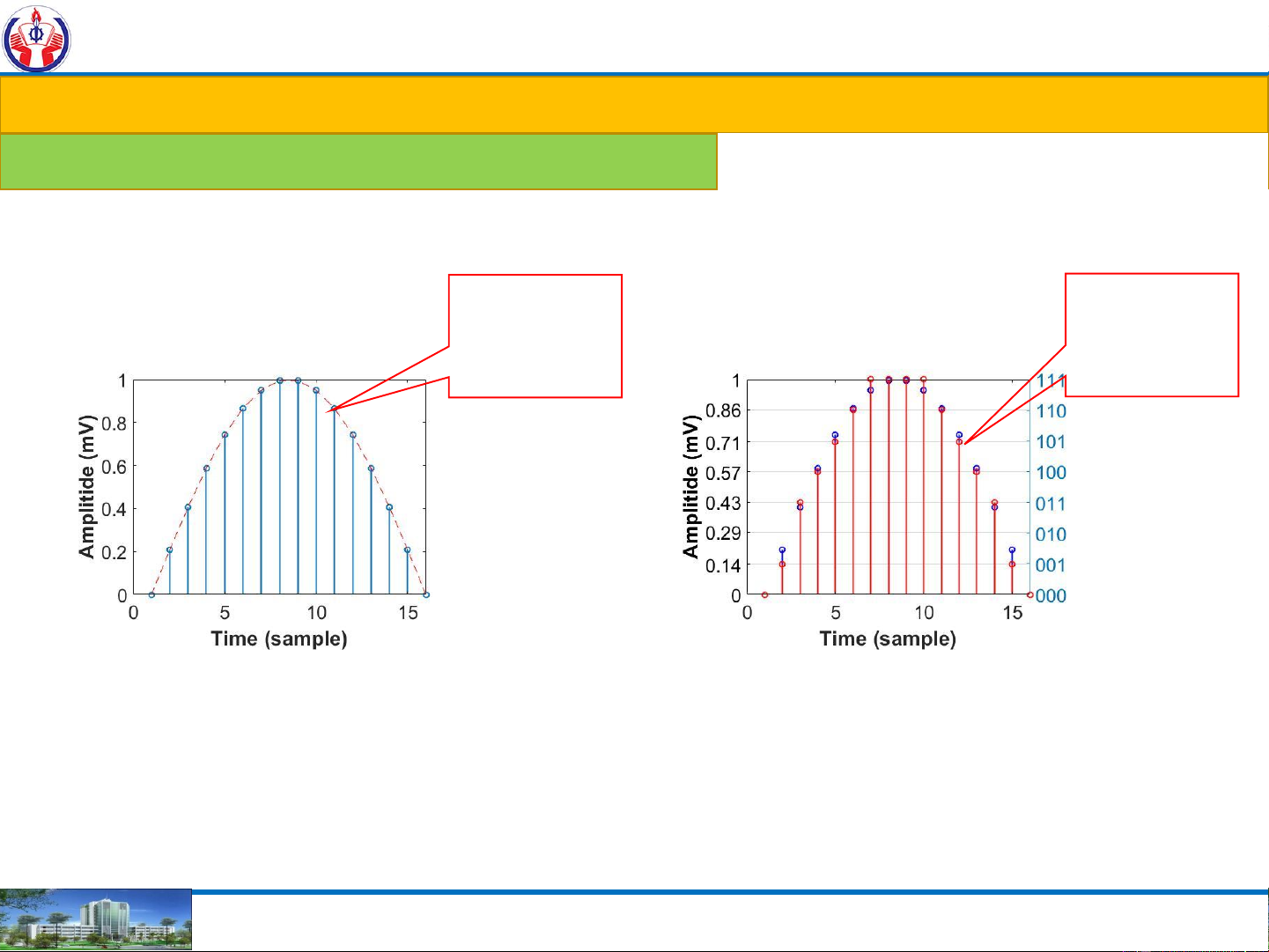
Representation? Discrete Representation? Coding signal Analog Continuous Digital Discrete NGUYEN THANH NGHIA 10
C1: CONCEPTS - NUMERICAL SYSTEMS - CODES
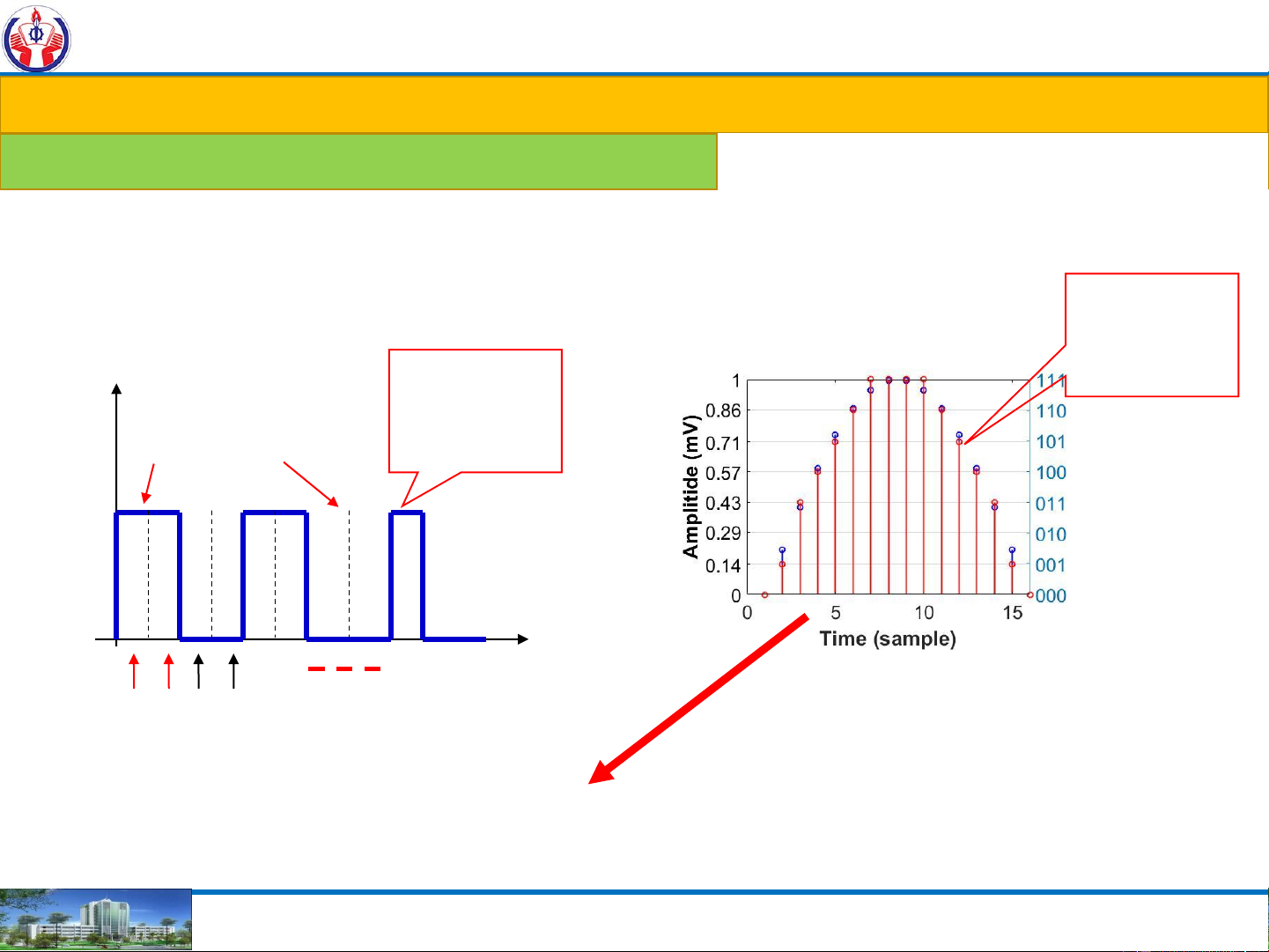
1. Introduction to Numerical Systems-Code and applications Analog-Digital Systems: What is digital What is digital Representation? Representation? Coding Volt Digital signal High Low 1 0 time 1 1 0 0 1 1 0 0 1 0
x = 000 001 011 100 101 110 111 111 111 111 110 101 100 011 001 000 NGUYEN THANH NGHIA 11
C1: CONCEPTS - NUMERICAL SYSTEMS - CODES
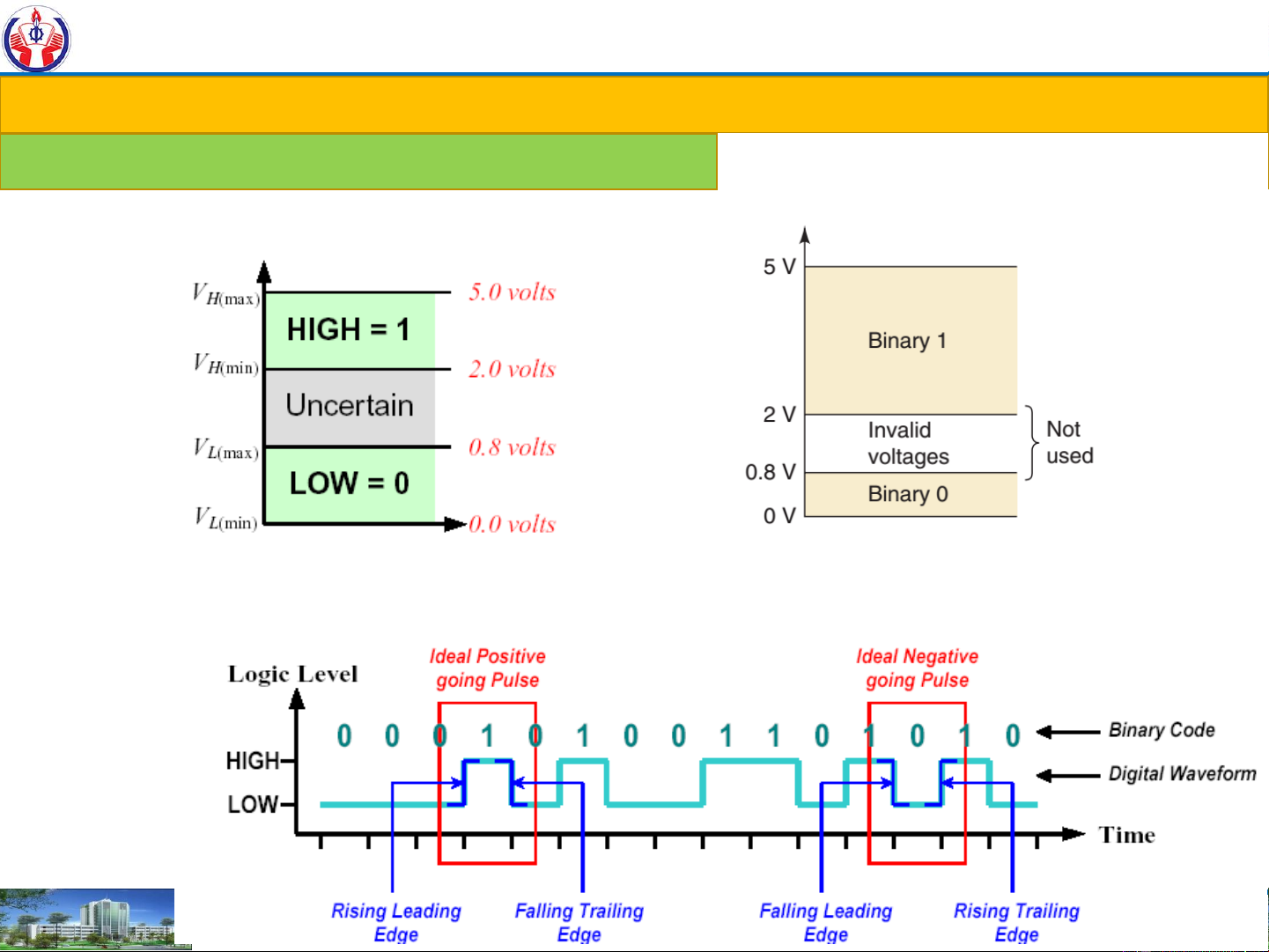
1. Introduction to Numerical Systems-Code and applications Analog-Digital Systems: Logic levels: Waveform: NGUYEN THANH NGHIA 12
C1: CONCEPTS - NUMERICAL SYSTEMS - CODES
1. Introduction to Numerical Systems-Code and applications Basic Concepts_digits:
Bit: a binary digit composed of 0 or 1 Byte: composed of 8 bits
Word: composed of 4 bytes and equal to 32 bits
Base 2 (binary digits): numbers composed of bits, EX: 10002, 1000B
Base 10 (decimal digit): numbers composed of the digits from 0-9, EX: 2907202410
Base 16 (hexa digit or hexadecimal): numbers composed of the digits
from 0-9 and letters A-F, EX: 168916, 4573AF16 , BAEH
Base 8 (octal digit): numbers composed of the digits from 0-7, EX: 20178
Binary Coded Decimal (BCD) code: 0000 to 1001 to represent the BCD BCD range 0 to 9. NGUYEN THANH NGHIA 13
C1: CONCEPTS - NUMERICAL SYSTEMS - CODES NGUYEN THANH NGHIA 14
C1: CONCEPTS - NUMERICAL SYSTEMS - CODES
1. Introduction to Numerical Systems-Code and applications Digital number systems:
Radix – r (or base): The radix or base of a number system
can be referred as the total number of different symbols
which can be used in a particular number system.
Weighted (or Positional): A positional number system is
also known as weighted number system.
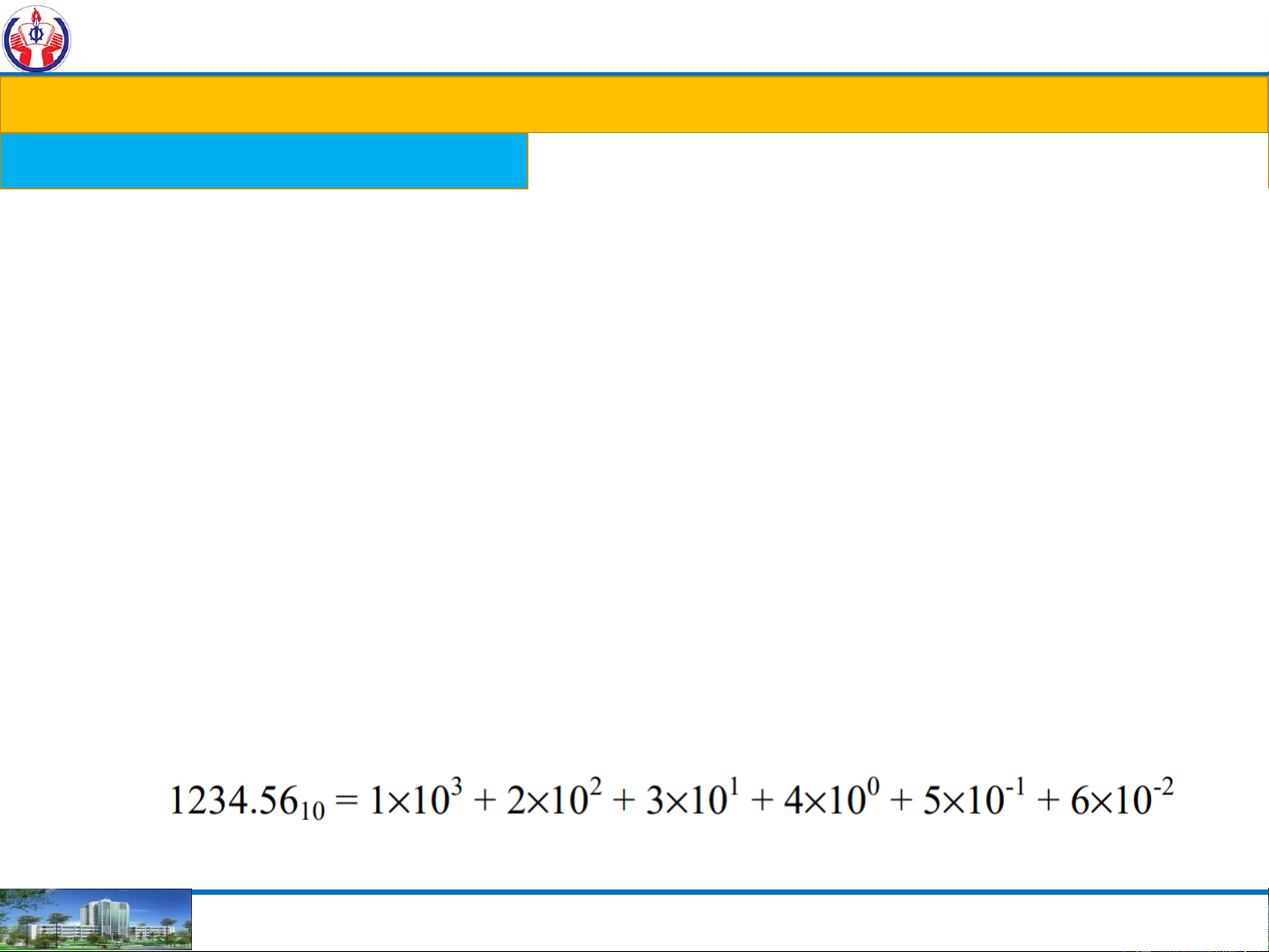
Weighted = Radix Position Value:
Value= (coefficients x Weighted) EX: NGUYEN THANH NGHIA 15
C1: CONCEPTS - NUMERICAL SYSTEMS - CODES
1. Introduction to Numerical Systems-Code and applications
Digital number systems: Decimal system:
Radix – r (or base): =10. 4 0 7 . 6 2 5 102 101 100 . 10-1 10-2 10-3 4x10² 0x101 7x100 . 6x10⁻¹ 2x10⁻² 5x10⁻³ 400 0 7 . 0.6 0.02 0.005 MSD Decimal LSD point
400 + 0 + 7 + 0.6 + 0.02 + 0.005 = 407.62510 MSD: Most Significant Digit LSD: Least significant digit NGUYEN THANH NGHIA 16
C1: CONCEPTS - NUMERICAL SYSTEMS - CODES
1. Introduction to Numerical Systems-Code and applications
Digital number systems: Binary system:
Radix – r (or base): =2. 1 0 1 . 0 1 1 22 21 20 . 2-1 2-2 2-3 1x22 0x21 1x20 . 0x2-1 1x2-2 1x2-3 4 0 1 . 0 0.25 0.125
4 + 0 + 1 + 0 + 0.25 + 0.125 = 5.37510
EX: 11010101 = (1x 27) + (1x 26) + (0x25) + (1x24) + (0x23) 2 + (1x22) + (0x 21 ) + (1x 20)
= 128 + 64 + 0x32 + 16 + 0x8 + 4 + 0x2 + 1 = 21310 NGUYEN THANH NGHIA 17
C1: CONCEPTS - NUMERICAL SYSTEMS - CODES
1. Introduction to Numerical Systems-Code and applications
Digital number systems: Hexadecimal system:
Radix – r (or base): =16. Hexadecimal Decimal Binary Hexadecimal Decimal Binary 0 0 0000 8 8 1000 1 1 0001 9 9 1001 2 2 0010 A 10 1010 3 3 0011 B 11 1011 4 4 0100 C 12 1100 5 5 0101 D 13 1101 6 6 0110 E 14 1110 7 7 0111 F 15 1111 5 A 0 . 4 D 1 162 161 160 . 16-1 16-2 16-3 5x162 10x161 0x160 . 4x16-1 13x16-2 1x16-3 1280 160 0 . 0.25 0.0508 0.0002
1280 + 160 + 0 + 0.25 + 0.0508 + 0.0002 = 1440.30110 NGUYEN THANH NGHIA 18
C1: CONCEPTS - NUMERICAL SYSTEMS - CODES NGUYEN THANH NGHIA 19
C1: CONCEPTS - NUMERICAL SYSTEMS - CODES 2. Code Conversion Decimal to Binary Conversion:
Convert number 25 : 10 25 LSB = 12 + remainder of 1 2 12 = 6 + remainder of 0 2 6 = 3 + remainder of 0 2 3 = 1 + remainder of 1 2 MSB: Most significant bit 1 = 0 + remainder of 1 2 LSB: Least significant bit MSB 25 = 1 1 0 0 1 10 2 NGUYEN THANH NGHIA 20
Tài liệu liên quan:
-
Bài giảng Chương 1: Các hệ thống số và mã số môn Kỹ thuật số | Trường Đại học Sư phạm Kỹ thuật Thành phố Hồ Chí Minh
46 23 -
Bài giảng Chương 7 - Memory Devices môn Kỹ thuật số | Trường Đại học Sư phạm Kỹ thuật Thành phố Hồ Chí Minh
20 10 -
Bài tập Đại số Boole môn Kỹ thuật số và các thiết bị hiển thị điện tử | Trường Đại học Sư phạm Kỹ thuật Thành phố Hồ Chí Minh
47 24 -
Báo cáo chương 4 Môn Kỹ thuật số | Đại học Sư phạm Kỹ thuật Thành phố Hồ Chí Minh
128 64