Bài giảng Chương 3.4: Các ngành dịch vụ du lịch khác môn Du lịch quốc tế | Đại học Phenika
Bài giảng Chương 3.4: Các ngành dịch vụ du lịch khác môn Du lịch quốc tế | Đại học Phenika. Tài liệu được sưu tầm giúp bạn tham khảo, ôn tập và đạt kết quả cao. Mời bạn đọc đón xem.
Môn: Kinh doanh quốc tế (Phenika) 15 tài liệu
Trường: Đại học Phenika 1.3 K tài liệu
Tác giả:






Preview text:
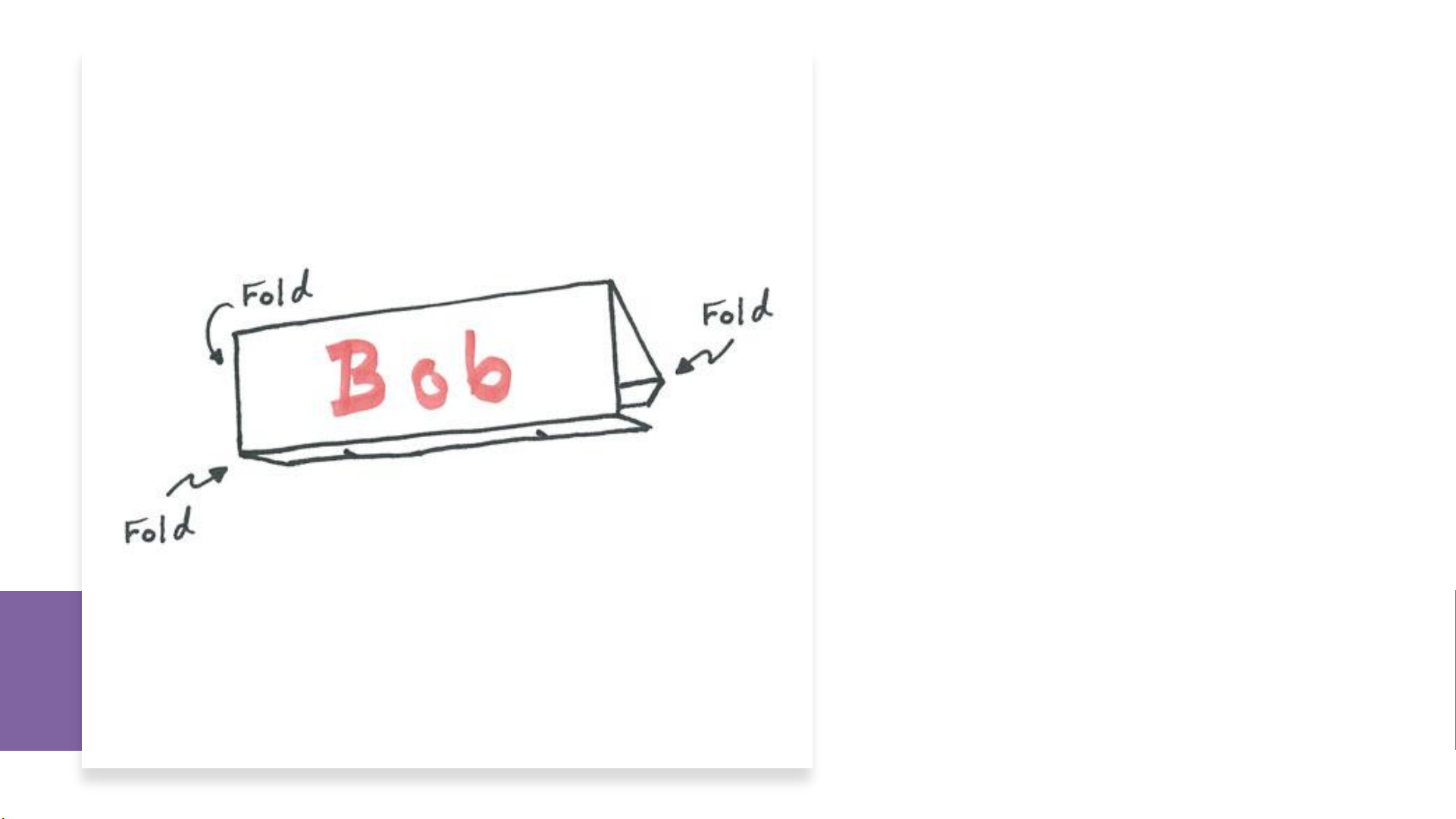
INTERNATIONAL TOURISM Name tent
Chapter 3: Tourism Industries Lecture 4-7 3.1. Hospitality 3.2. Travel Distribution 3.3. Transport
3.4. Other Tourism Industries Warm up
Tell me about a memorable event
that you recently joined.
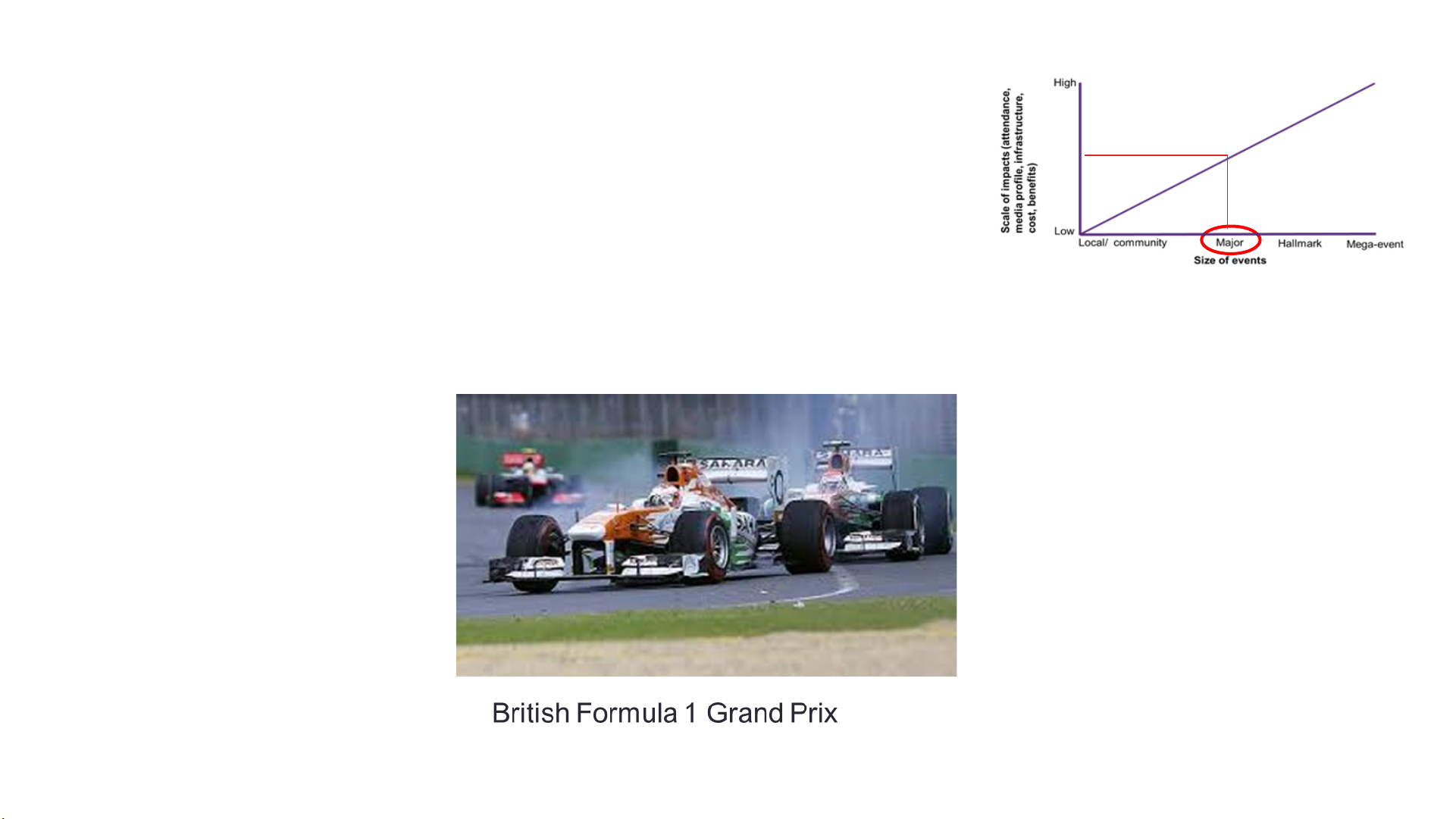
3.4. Other Tourism Industries 3.4.1. Events
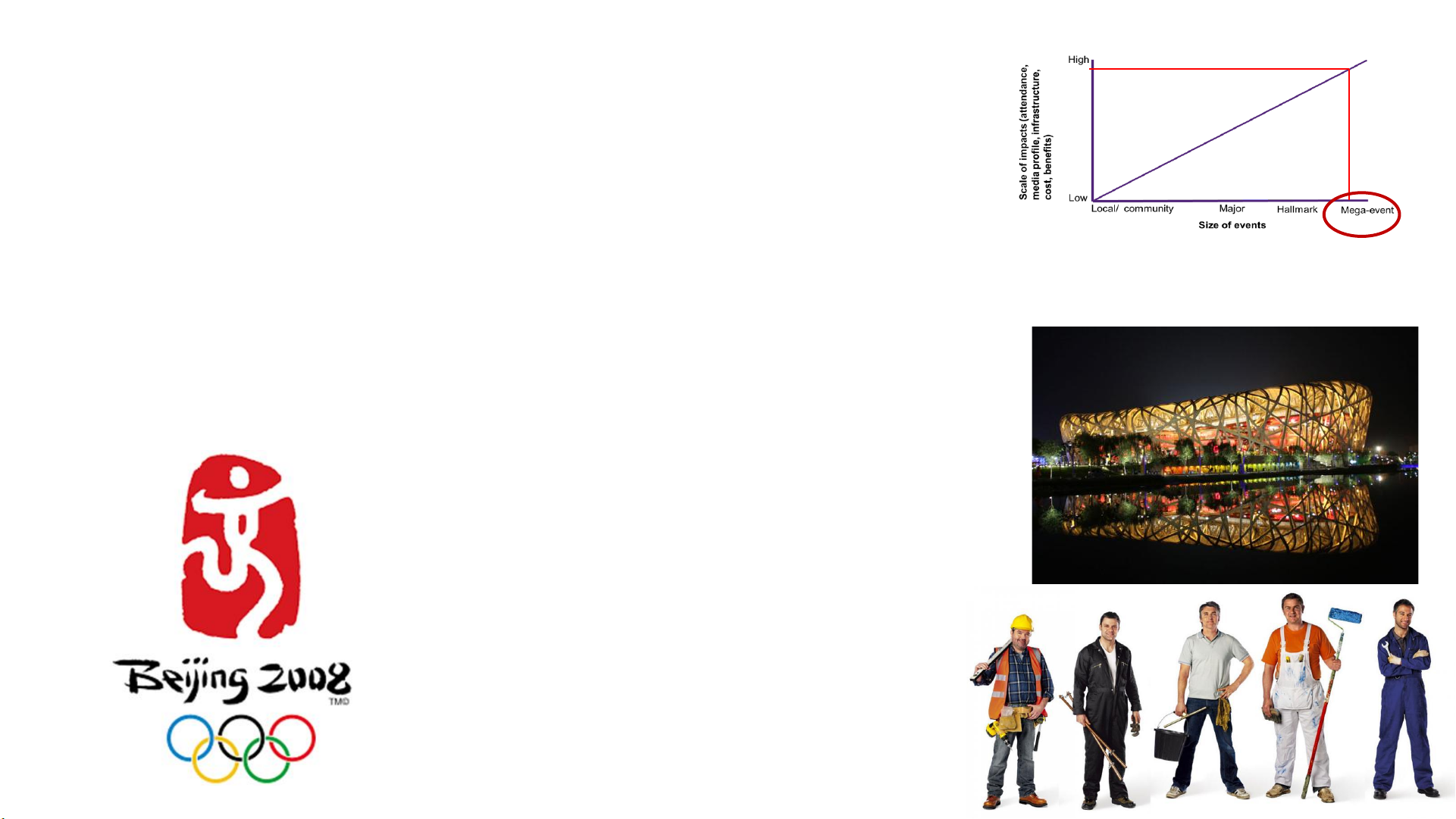
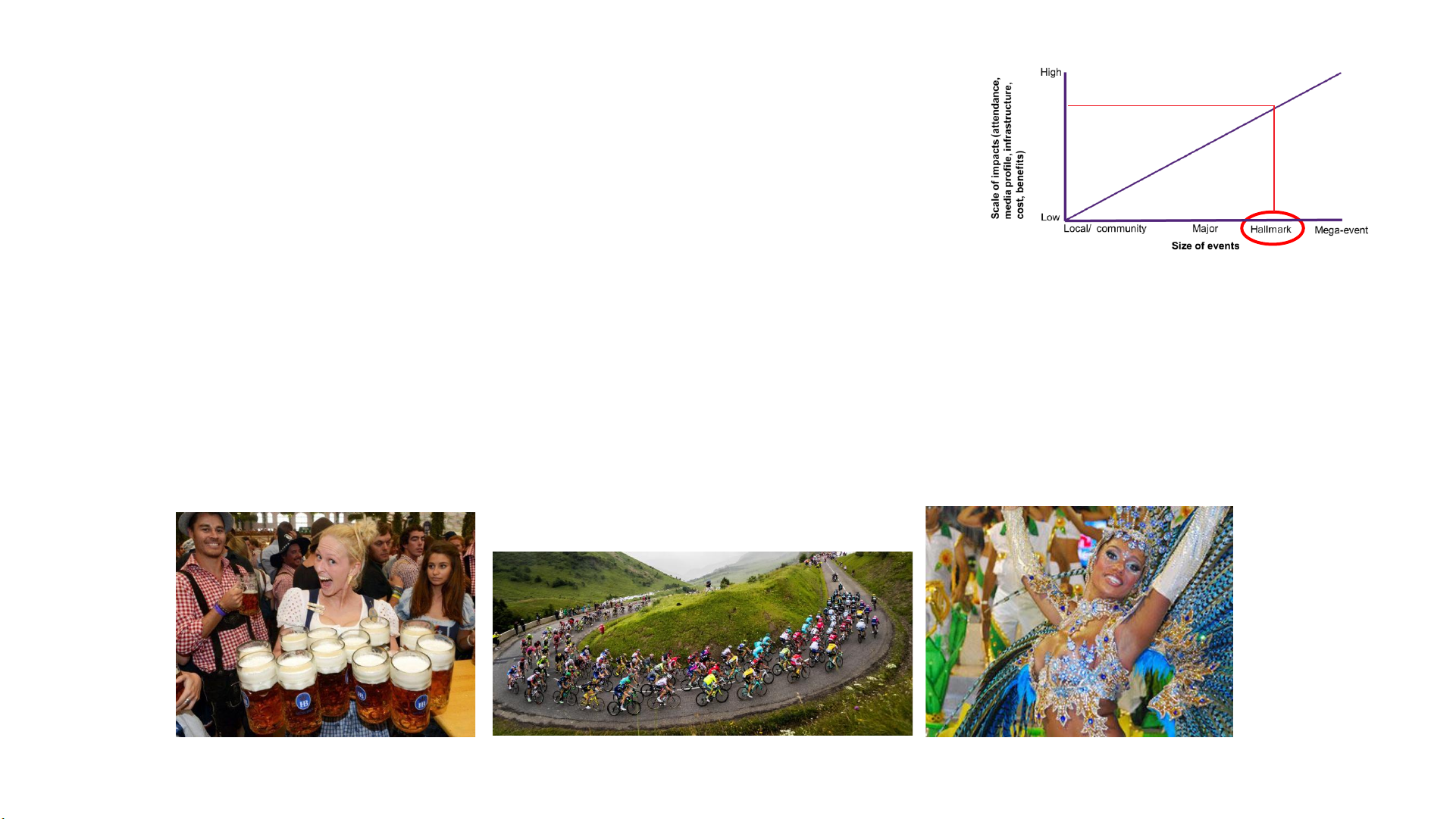
Categories of (special) events (size) High re, ance, end (att frastructu e, inli ts) mpacts if rof o enefi a p b Scale medi cost, Low Local/ community Major Hallmark Mega-event Size of events
3.4. Other Tourism Industries 3.4.1. Events Mega Events
Are of such a scale they may affect entire continents, countries or
communities and often require huge financial and human resources
and are widely covered in the global media.
• Objectives of a Mega Event – Economic benefits – Temporary employment – Job creation – Media exposure – Permanent legacy
3.4. Other Tourism Industries 3.4.1. Events Hallmark events
• A special event of limited duration and significant scale and attended by large crowds whose
attention is focused on a distinct theme.
• They become identified with the spirit of a town, city or region and as a result gain widespread recognition and awareness.
• They may be synonymous with the name of the place. Octoberfest Carnival Tour de France Munich, Germany Rio de Janeiro, Brazil
3.4. Other Tourism Industries 3.4.1. Events Major events • Major events
• Attract significant visitor numbers, positive economic benefits and media coverage.
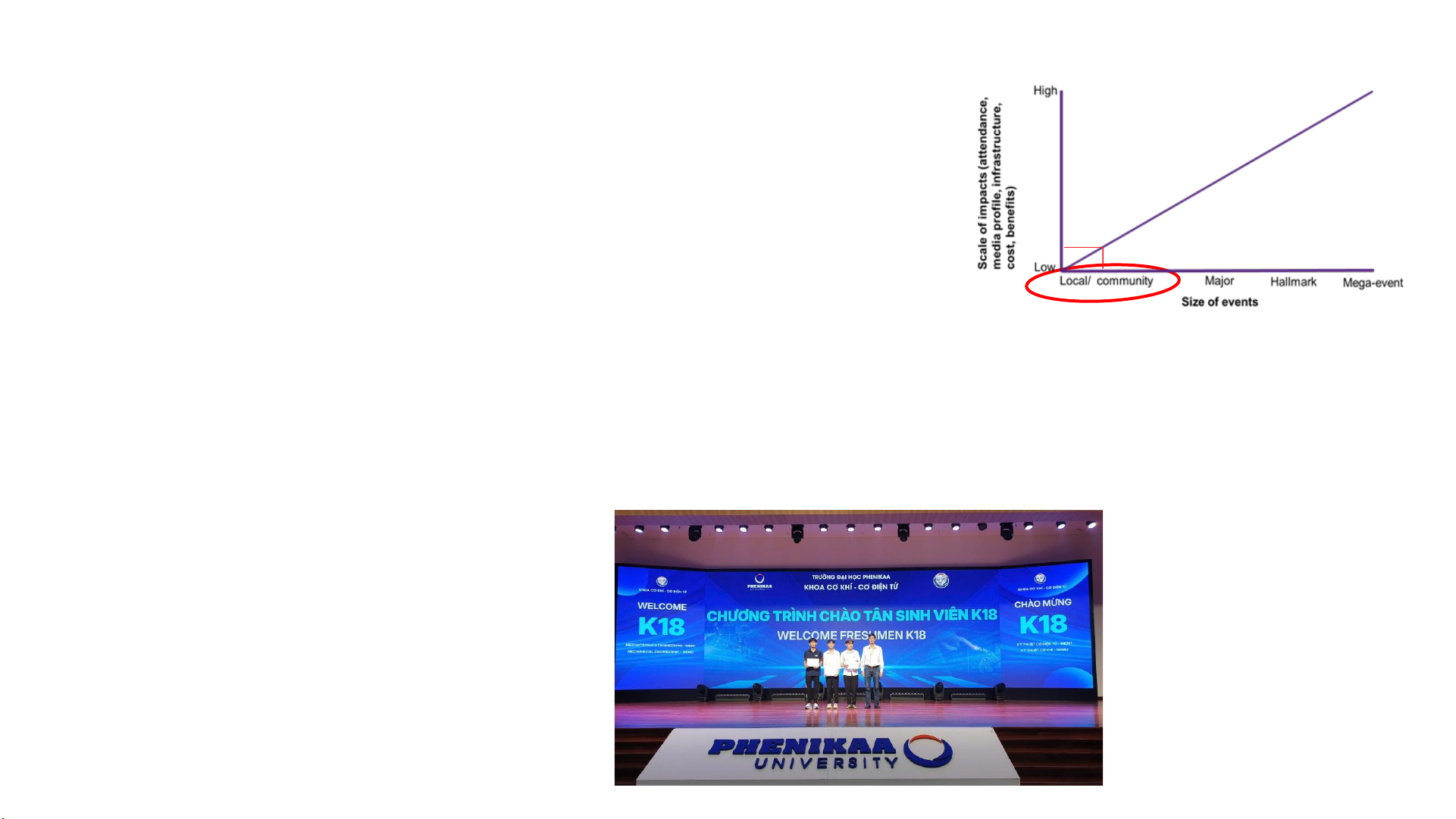
3.4. Other Tourism Industries 3.4.1. Events Local/ community events
An activity established to involve the local population in a shared
experience to their mutual benefit
Targets mainly local audiences and staged primarily for their social,
fun and entertainment value.
• Focus – bringing people together, rather than making money
• Benefits – belonging; reduced crime
3.4. Other Tourism Industries 3.4.2. Restaurants
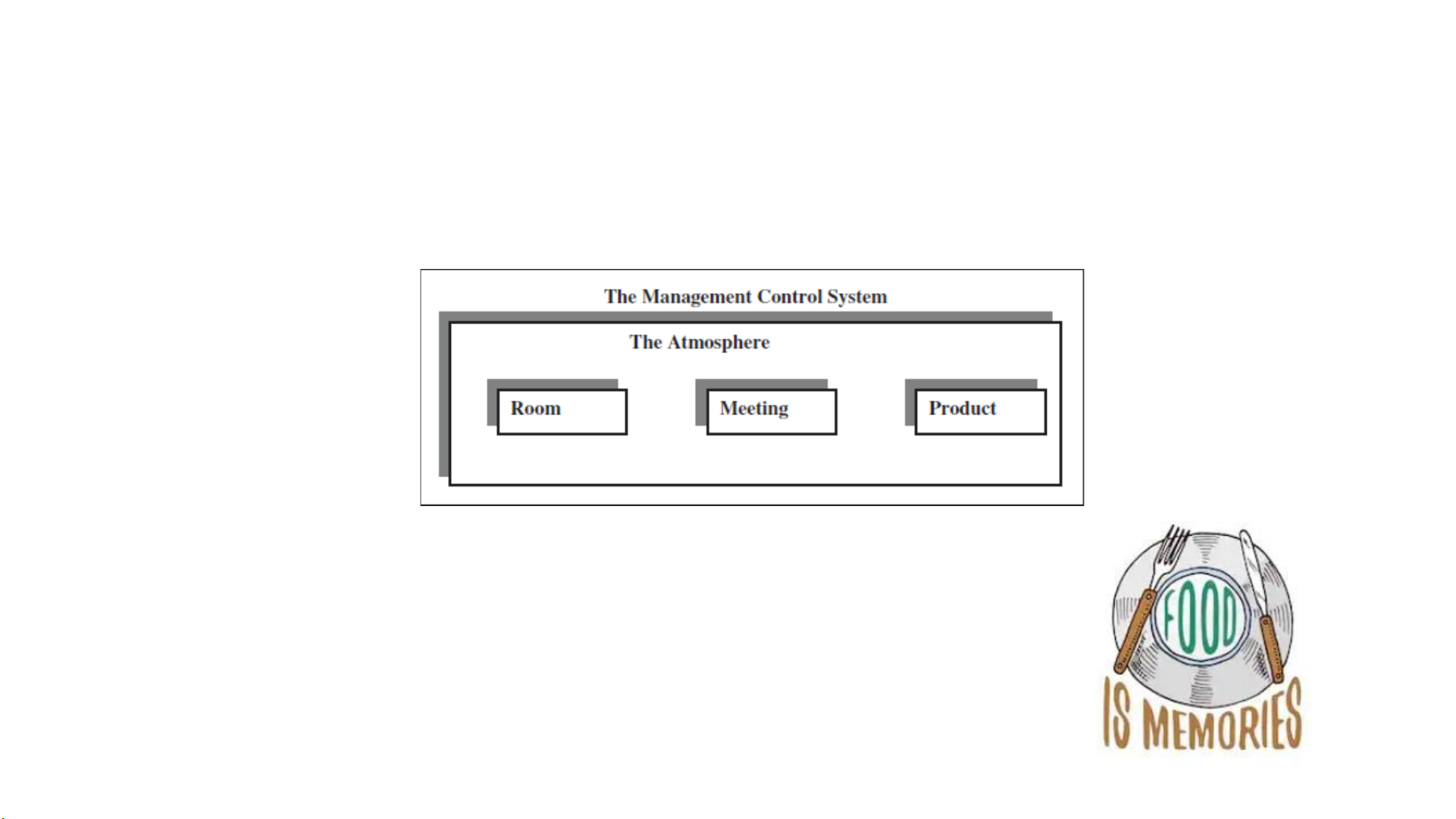
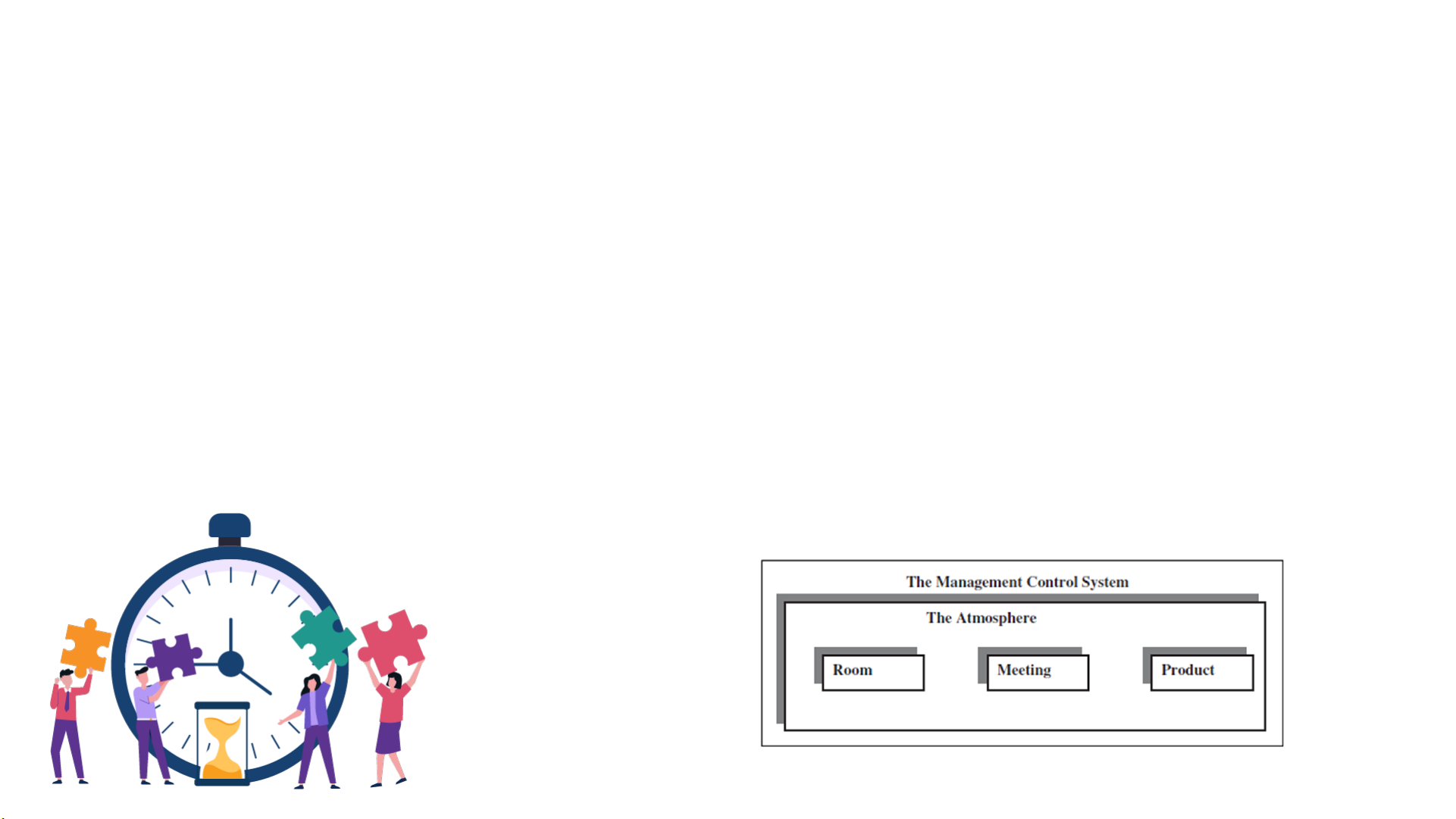
The five aspects meal model (FAMM)
The cognitive picture of the meal in our brain creates certain
expectations, according to our earlier
memories, knowledge, experiences and contexts. . Gustafsson et al. (2006)
3.4. Other Tourism Industries 3.4.2. Restaurants
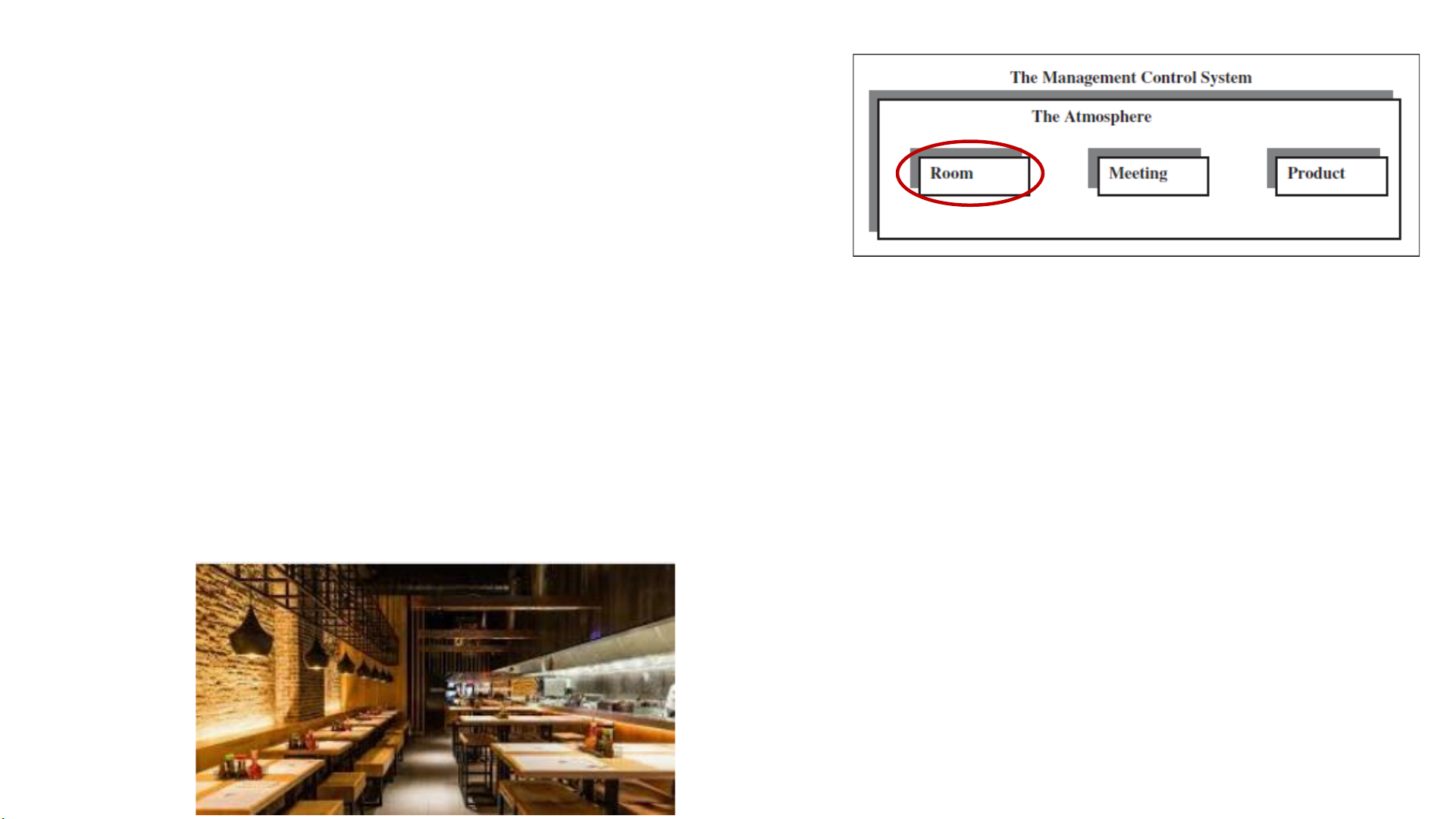
The five aspects meal model (FAMM) Room
Requires knowledge about style history, architectural style,
textiles, design, and art – this is the basis for how the room is decorated
Lighting, sounds, colours and design of textiles can have a
Lighting and music affect the pace at
great impact as well as tables and utensils which people eat:
These all contribute to a feel of the concept
Up-tempo music, together with bright,
aggressive lighting get customers in and out faster.
Fine dining – mellow lighting and low
key music to create relaxed mood –
make customers spend more time and money
3.4. Other Tourism Industries 3.4.2. Restaurants
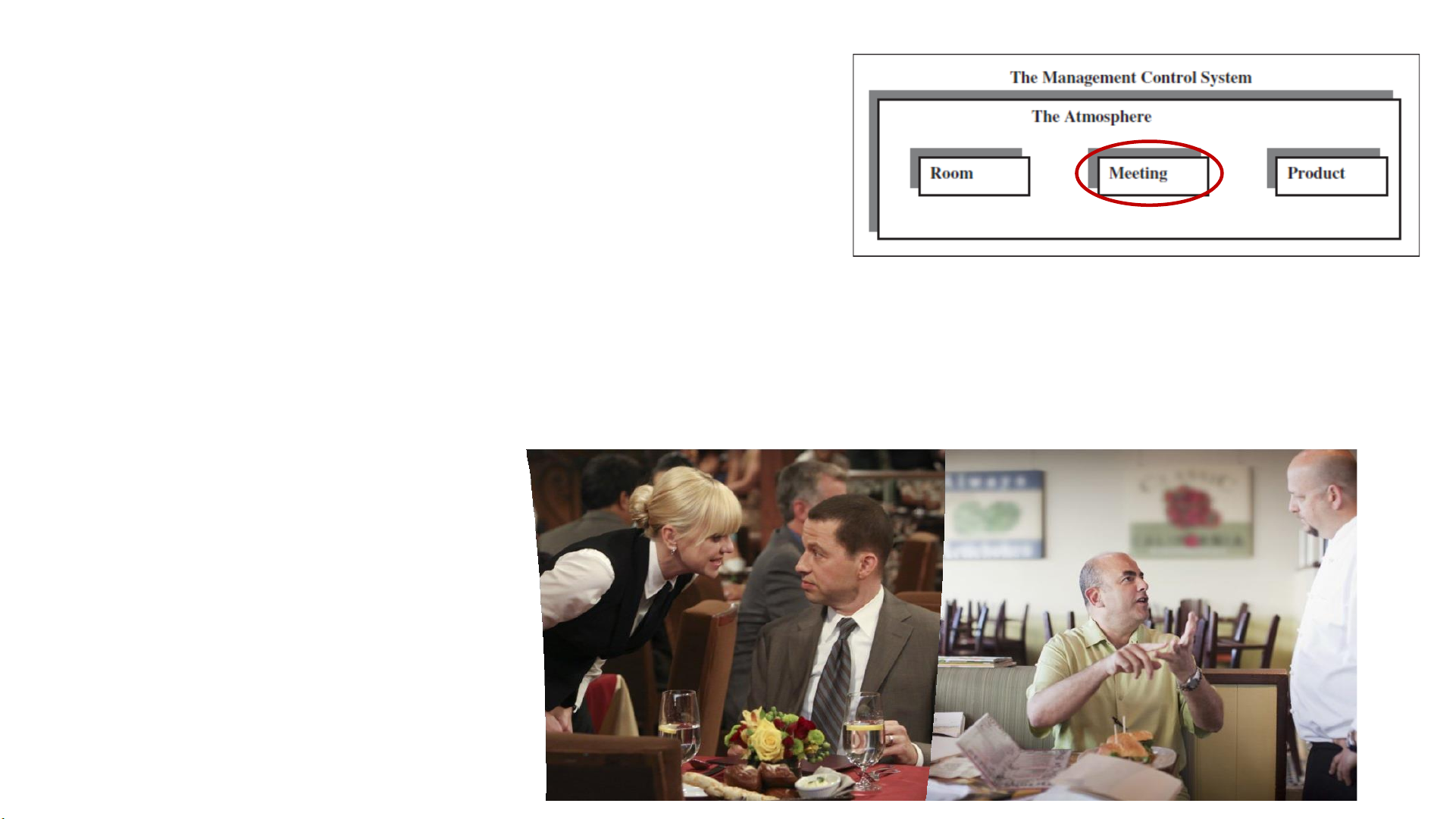
The five aspects meal model (FAMM) Meeting
• Between waiters and customers • Between customers • Between service personnel
3.4. Other Tourism Industries 3.4.2. Restaurants
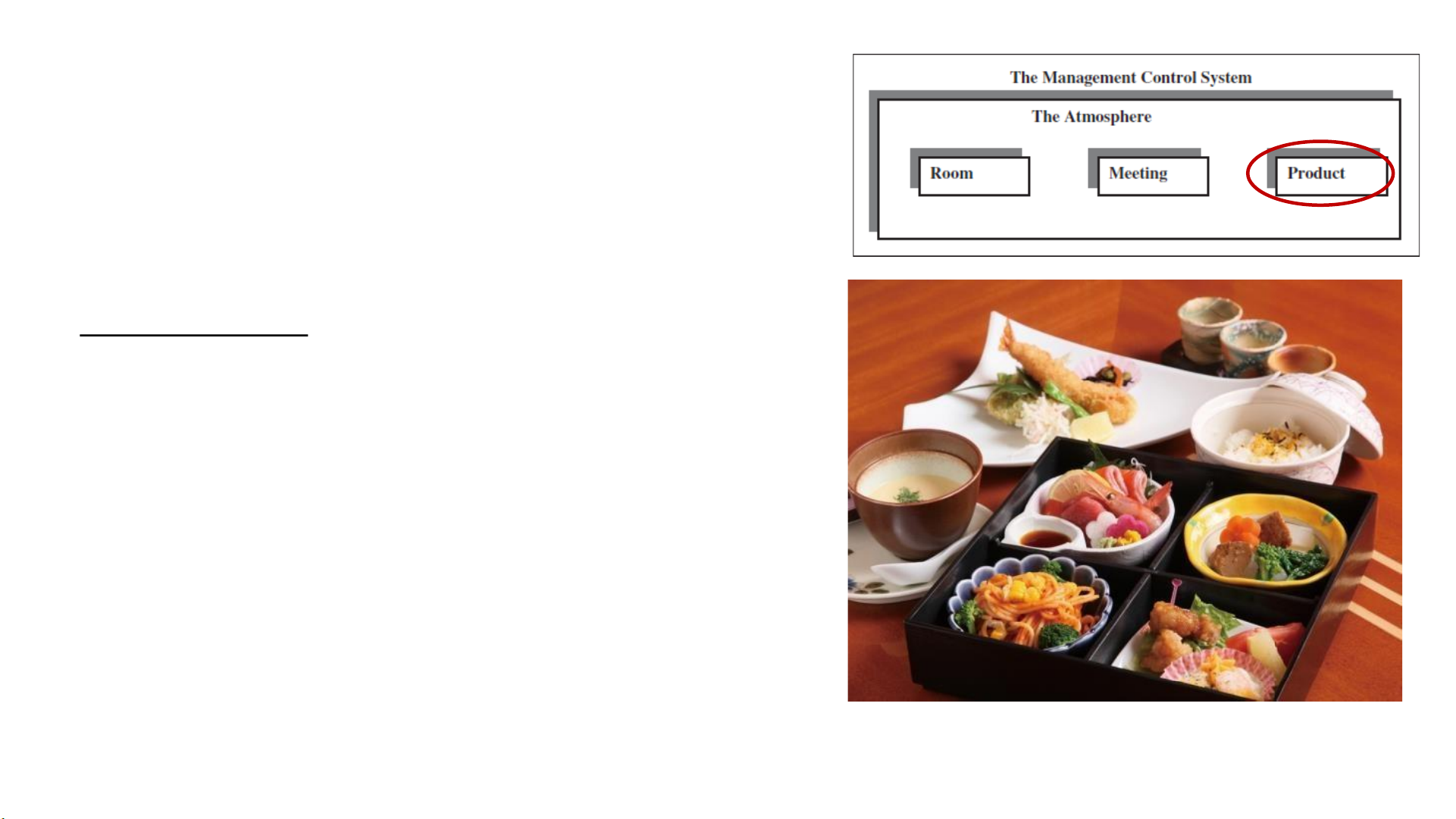
The five aspects meal model (FAMM) Product
Good combination of food and beverages and their
production, as well as the interaction across courses
Appearance of the dish as the ‘moment of truth’
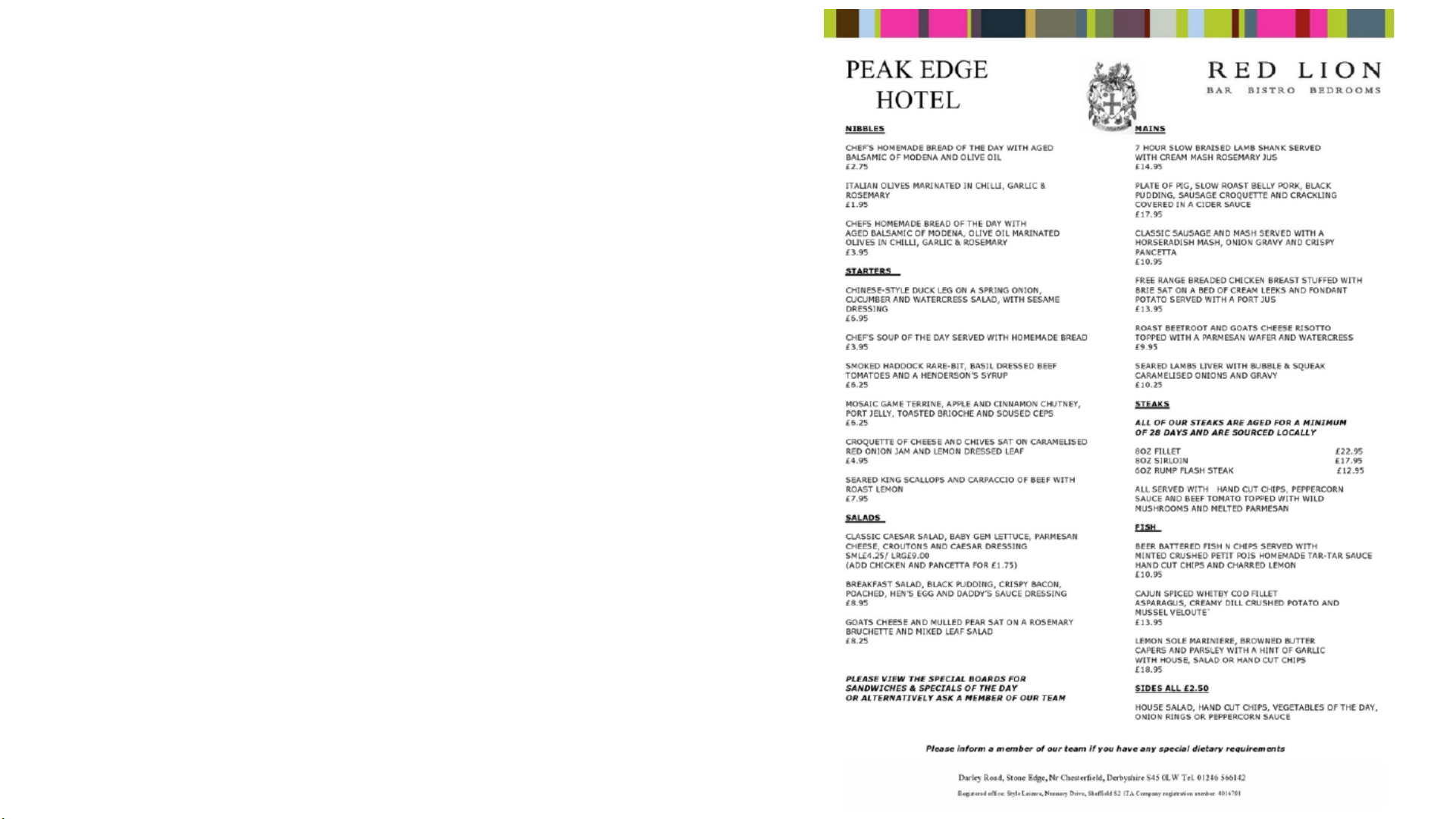
Requires craftsmanship, science and aesthetical/ethical knowledge Role of the menu • Suggestive descriptions
• Variations and balance in foodstuffs
• Suitable for the theme or idea of the restaurant
3.4. Other Tourism Industries 3.4.2. Restaurants
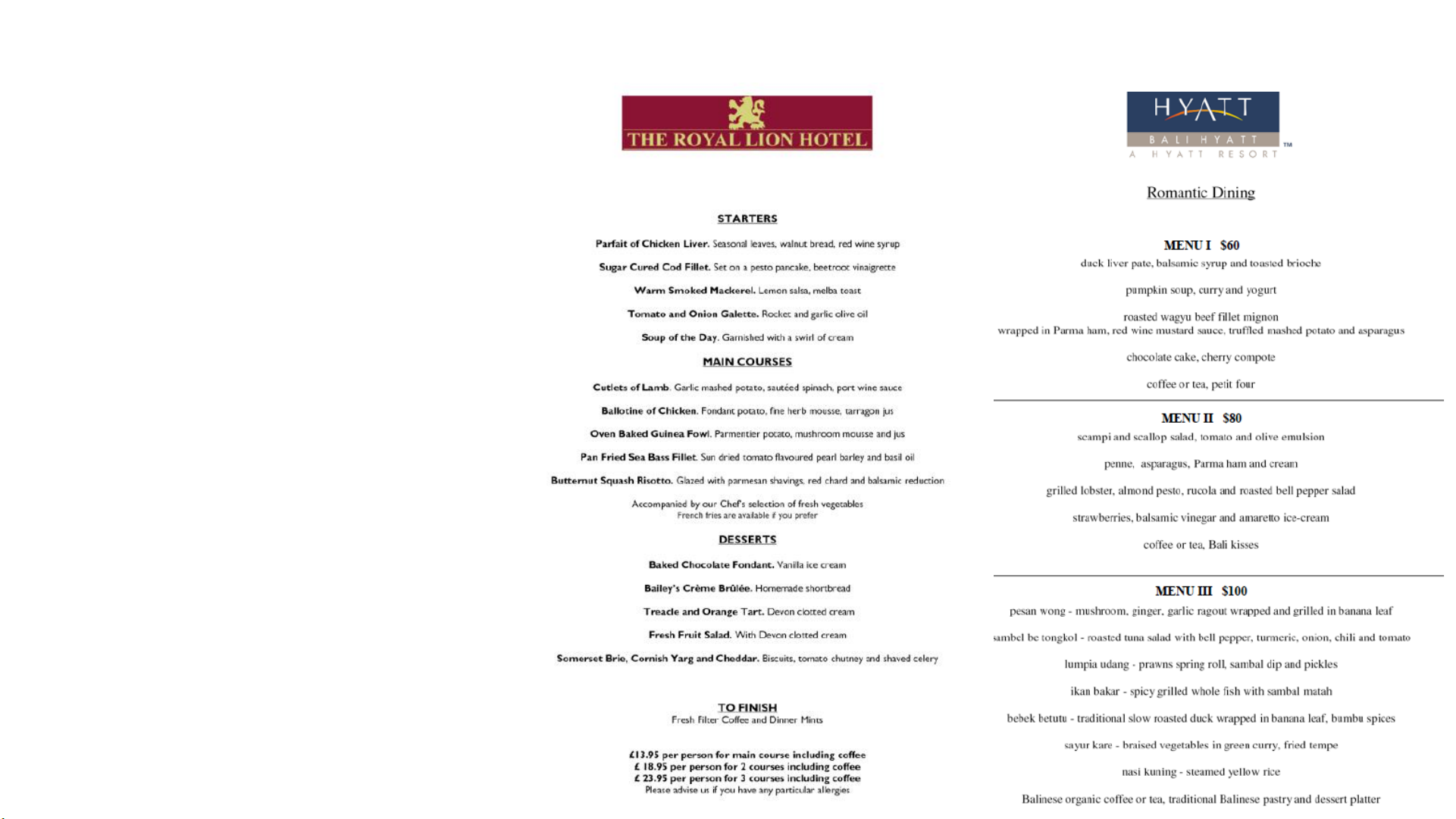
The five aspects meal model (FAMM) Product Types of Menus A LA CARTE
- “According the card” in French
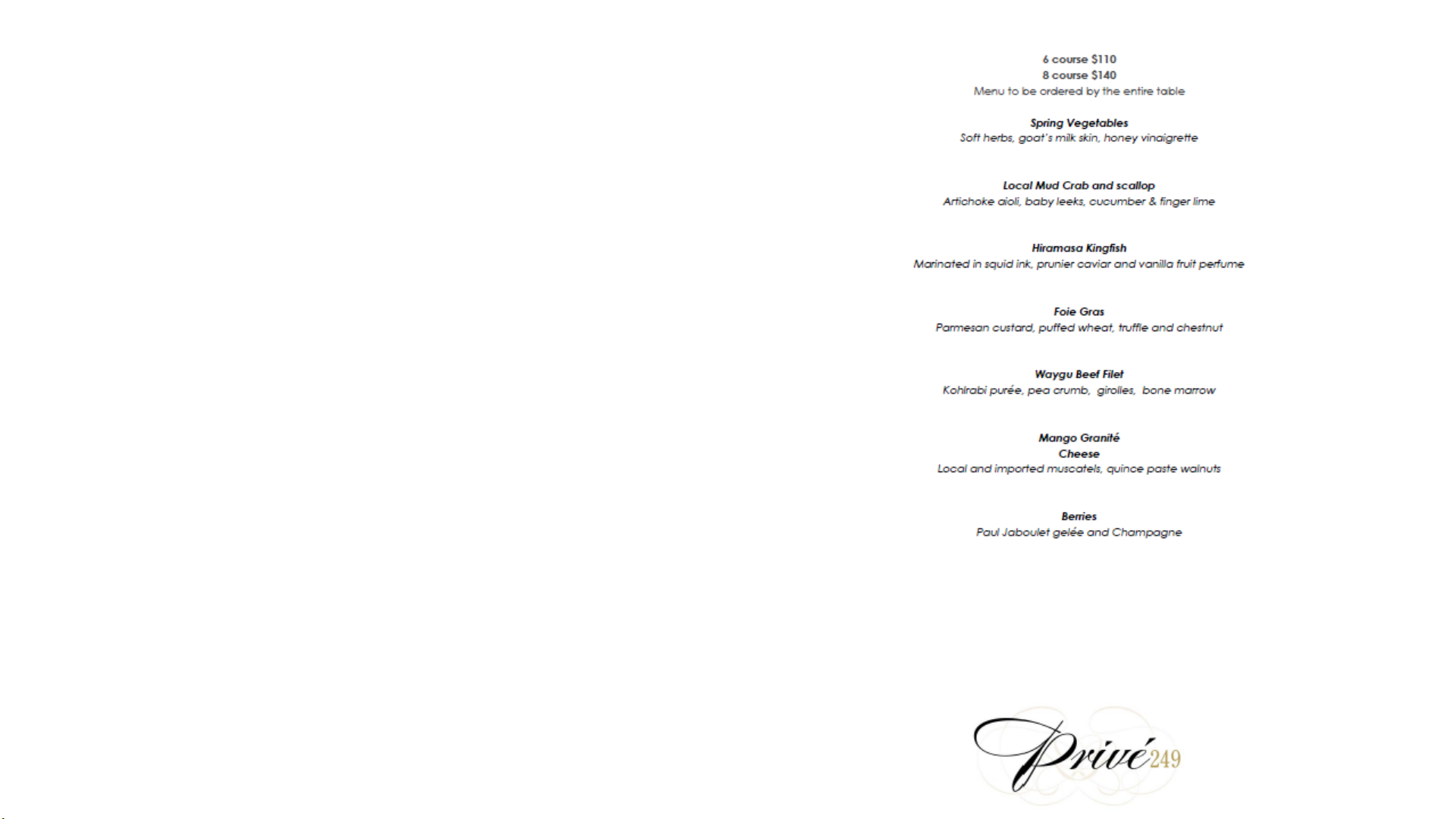
- Items individually listed and priced TABLE D'HÔTE - A fixed price - Limited choices - Set Menu if no choice CYCLICAL MENU - Temporal rotational DEGUSTATION MENU
- Prearranged various/signature items in small portions - For tasting purpose
3.4. Other Tourism Industries 3.4.2. Restaurants
The five aspects meal model (FAMM) Product Types of Menus A LA CARTE
- “According the card” in French
- Items individually listed and priced
3.4. Other Tourism Industries 3.4.2. Restaurants The five aspects meal model (FAMM) Product Types of Menus TABLE D'HÔTE - A fixed price - Limited choices Set Menu if no choice
3.4. Other Tourism Industries 3.4.2. Restaurants
The five aspects meal model (FAMM) Product Types of Menus DEGUSTATION MENU
- Prearranged various/signature items in small portions - For tasting purpose
3.4. Other Tourism Industries 3.4.2. Restaurants
The five aspects meal model (FAMM) Atmosphere
• All the senses must be in harmony,
• Partially determined by culture Group work Evaluating F&B using FAMM 1.
In groups choose any F&B outlet. 2.
Go online and research through user-generated content and other
customer reviews (e.g. Tripadvisor). 3.
Based on the FAMM Model, use this information to evaluate this F&B. 4.
Suggest areas that need improvement and share.
Tài liệu liên quan:
-
Phân tích PESTLE của môn POM | Đại học Phenika
37 19 -
Tóm Tắt Kinh Doanh Quốc Tế 1 - Khái Niệm và Toàn Cầu Hóa. Môn Kinh doanh quốc tế | Đại học Trường Đại học Phenika.
155 78 -
Đề Án Phát Triển Dịch Vụ Giao Hàng Siêu Tốc Của Viettel Post Tại Các Thành Phố. Môn Kinh doanh quốc tế | Đại học Trường Đại học Phenika.
160 80 -
Quá trình Quốc tế hóa của Vinamilk: Xuất khẩu và Mở rộng Thị trường. Môn Kinh doanh quốc tế | Đại học Trường Đại học Phenika.
150 75